Showing posts with label Alzheimer disease. Show all posts

Monday, January 29, 2024


Researcher finds help for Alzheimer's-associated agitation with new FDA-approved treatment
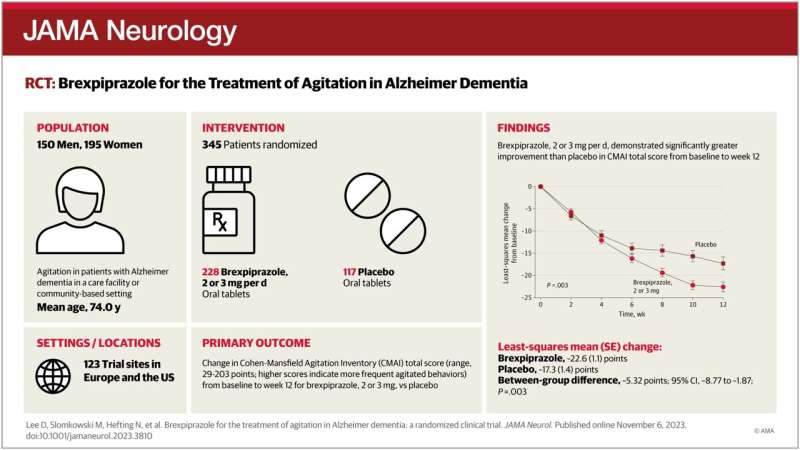
Researcher finds help for Alzheimer's-associated agitation with new FDA-approved treatment
Graphical Abstract. Credit: JAMA Neurology (2023). DOI: 10.1001/jamaneurol.2023.3810

A Saint Louis University researcher was instrumental in developing the first and only Food and Drug Administration (FDA) approved treatment for agitation associated with Alzheimer's dementia.

29 jan 2024--In a paper published in JAMA Neurology, senior author and the inaugural Henry & Amelia Nasrallah Endowed Professor and Director of Geriatric Psychiatry at Saint Louis University George T. Grossberg, M.D., and colleagues shared the results of a national clinical trial. They discovered that REXULTI, also called brexpiprazole, significantly reduced agitation in patients with Alzheimer's disease and was well tolerated with few side effects.

Earlier this year, brexpiprazole became the first FDA-approved treatment of agitation-associated Alzheimer's dementia.

Of the 6.7 million people 65 and older in the US with Alzheimer's dementia, multiple studies show that about half or more develop agitation.

Agitation associated with Alzheimer's dementia may include activities like restlessness or more aggressive behavior, like screaming, destroying objects, or fighting. Frequent and severe behavioral symptoms can be extremely distressing to the person with Alzheimer's disease, as well as their families and caregivers.

Antipsychotic drugs are commonly prescribed "off-label" to treat symptoms like aggression and agitation. While these antipsychotics seem to show a modest benefit in treating aggression in the short term, they have adverse effects and other health risks that limit their use over more extended periods.

"When patients with Alzheimer's dementia develop agitation symptoms, they can become increasingly difficult to manage," said Grossberg, who is also director of geriatric psychiatry at SLU. "I'm encouraged by the findings of this study which show that brexpiprazole is an effective and well-tolerated medication that can treat the often-debilitating symptoms of agitation associated with dementia due to Alzheimer's disease."

In the multicenter Phase 3 clinical trial, researchers evaluated the efficacy and safety of brexpiprazole, a medication used for the treatment of major depressive disorder and schizophrenia, for patients with agitation associated with Alzheimer's.

The clinical trial was a 12-week, double-blind, placebo-controlled, fixed-dose, parallel-arm trial that enrolled 345 participants at 123 clinical trial sites in Europe and the United States.

Investigators enrolled participants between the ages of 55 and 90 with a diagnosis of probable Alzheimer's disease and clinically significant symptoms of agitation who lived in a care facility or community-based setting.

Participants were randomly assigned to receive the study drug or a placebo. To participate in the clinical trial, participants had to be stable and have a caregiver who could comply with the study procedures.

"It can be extremely challenging to care for patients with Alzheimer's disease," said Grossberg. "Having new medications to help patients who are suffering will enormously benefit patients, health care providers, and those caring for their loved ones."

More information: Daniel Lee et al, Brexpiprazole for the Treatment of Agitation in Alzheimer Dementia, JAMA Neurology (2023). DOI: 10.1001/jamaneurol.2023.3810

Saturday, October 14, 2023


Certain navigational mistakes could be early signs of Alzheimer's disease

alzheimer's
Credit: Pixabay/CC0 Public Domain

People with early Alzheimer's disease have difficulty turning when walking, according to a new study using virtual reality led by UCL researchers.

14 oct 2023--The study, published in Current Biology, used a computational model to further explore the intricacies of navigational errors previously observed in Alzheimer's disease.

Researchers, led by Professor Neil Burgess and colleagues in the Space and Memory group at the UCL Institute of Cognitive Neuroscience, grouped participants into three categories: healthy younger participants (31 total), healthy elderly participants (36 total) and patients with mild cognitive impairment (43 total). They then asked them to complete a task while wearing virtual reality goggles, which allowed them to make real movements.

In the trial, participants walked an outbound route guided by numbered cones, consisting of two straight legs connected by a turn. They then had to return to their starting position unguided.

The task was performed under three different environmental conditions aimed at stressing the participant's navigational skills: an unchanged virtual environment, the ground details being replaced by a plain texture, and the temporary removal of all landmarks from the virtual reality world.

The researchers found that people with early Alzheimer's consistently overestimated the turns on the route and showed increased variability in their sense of direction. However, these specific impairments were not observed in the healthy older participants or people with mild cognitive impairment, who did not show underlying signs of Alzheimer's.

This suggests that these navigational errors are specific to Alzheimer's disease—rather than an extension of healthy aging or general cognitive decline—and could help with diagnosis.

Joint first author, Dr. Andrea Castegnaro (UCL Institute of Cognitive Neuroscience), said, "Our findings offer a new avenue for the early diagnosis of Alzheimer's disease by focusing on specific navigational errors. However, we know that more work is needed to confirm these early findings.

"We aim to develop practical tests that can be easily integrated into clinical settings, considering common constraints such as limited space and time. Traditional navigation tests often have requirements that are challenging to meet in a clinical environment. Our research focuses on specific aspects of navigation that are more adaptable to these constraints.

"We are designing these tests to be both quick and comprehensive, aiming to collect sufficient data for a reliable diagnosis in a time-efficient manner, thereby increasing the likelihood of their widespread adoption."

It is estimated that there are currently 944,000 people living with dementia in the UK and over 60% of those diagnosed are thought to have Alzheimer's disease.

Similar projections in the US estimate that the number of people aged 65 and older living with Alzheimer's dementia could double, growing to 13.8 million in the US by 2060, barring medical breakthroughs. These trends indicate the increasing burden of Alzheimer's on health care systems and society at large.

Early diagnosis is crucial for better management and treatment of the disease. While recent advancements in blood tests can detect levels of tau and amyloid proteins that could signal potential Alzheimer's disease, these tests might not be sufficient on their own.

Dr. Castegnaro said, "Cognitive assessments are still needed to understand when the first cognitive impairments develop, and when it comes to existing spatial memory tests used in clinics, those often rely on verbal competence. Our tests aim to offer a more practical tool that doesn't rely on language or cultural background."

More information: Overestimation in angular path integration precedes Alzheimer's dementia, Current Biology (2023). DOI: 10.1016/j.cub.2023.09.047www.cell.com/current-biology/f … 0960-9822(23)01296-4

Sunday, July 09, 2023


Patients with Alzheimer's disease, dementia face twice the risk of dying after ICU discharge

Patients with Alzheimer's disease, dementia face twice the risk of dying after ICU discharge
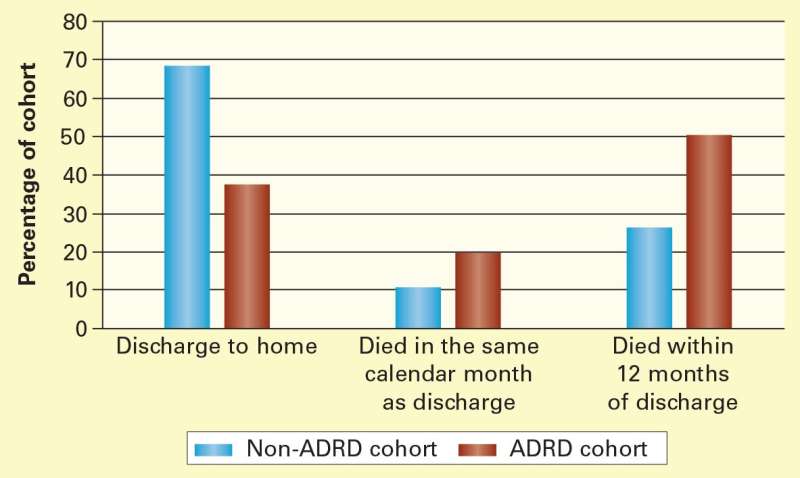
Outcomes after a stay in the intensive care unit for patients in cohorts with versus without Alzheimer disease and related dementia (ADRD). Credit: American Journal of Critical Care (2023). DOI: 10.4037/ajcc2023328

Older patients with Alzheimer's disease and related dementia (ADRD) have almost twice the risk of dying soon after they are discharged from an intensive care unit (ICU) and within the 12 months afterward, according to research published in the American Journal of Critical Care.

09 Jul 2023--The study, "Mortality and Discharge Location of Intensive Care Patients With Alzheimer Disease and Related Dementia," examines data from a large, geographically diverse sample of patients enrolled in Medicare Advantage (MA) plans. The authors believe it is the only published study that examines ICU outcomes among MA enrollees with ADRD, and one of the few that focus on patients with ADRD covered by MA plans.

The study found that older adults with ADRD who were admitted to an ICU were much less likely to be discharged home and faced almost twice the risk of death in the same calendar month as discharge and the 12 months after discharge when compared with patients who did not have an ADRD diagnosis.

Co-author Mary Lynn Davis-Ajami, Ph.D., FNP, RN, is a health services researcher with expertise using national databases to focus on cost and quality outcomes in complex chronic disease, often with policy implications. Currently, she is transitioning to join the faculty at Michigan State College of Nursing, in East Lansing, as associate dean for academic affairs. She worked with colleagues from Indiana University and other institutions to conduct this study.

"Patients with ADRD often have a limited life expectancy, which can be further shortened after an ICU admission or other acute event," she said. "Our findings raise questions about proactive strategies to diminish the likelihood of an ICU admission or early discussions with families and caregivers about palliative care."

Deaths in the ADRD cohort were almost twice as common within the same calendar month after discharge as well as within the following 12-month period, compared with deaths in the non-ADRD cohort.

In addition to short-term and long-term mortality, the analysis revealed that a little more than one-third (37.6%) of patients with ADRD went home after hospital discharge, compared with more than two-thirds (68.6%) of non-ADRD patients.

Being dual-eligible for Medicare and Medicaid further raised patients' risk of not being discharged home from the ICU, as well as dying within the same calendar month after discharge and within 12 months following their discharge.

The observational study used Optum's de-identified Clinformatics Data Mart Database version 8.1, which covers the period from 2016 to 2019. The analysis included adults 67 years of age or older with continuous MA coverage who were first admitted to an ICU in 2018. ADRD and comorbid conditions were identified from claims.

After applying exclusion criteria, the final study population included 145,342 patients with a first-time admission to the ICU in 2018 and who were discharged from the ICU. Among this group, 10.5% (15,289) had a diagnosis of ADRD.

The analysis did not examine reasons for the initial ICU admission and causes of death or differentiate between types of ADRD or between mild and severe dementia, and other elements that might influence outcomes.

More information: Mary Lynn Davis-Ajami et al, Mortality and Discharge Location of Intensive Care Patients With Alzheimer Disease and Related Dementia, American Journal of Critical Care (2023). DOI: 10.4037/ajcc2023328

Sunday, April 09, 2023


Modified Mediterranean ketogenic diet may benefit adults at risk for Alzheimer's disease

Mediterranean diet
Credit: Unsplash/CC0 Public Domain

Following a Mediterranean-based ketogenic diet may decrease the risk of Alzheimer's disease, according to a new study from scientists at Wake Forest University School of Medicine.

09 april 2023--In the study, researchers compared a low-fat diet with a diet consisting of healthy fats/protein and low carbohydrates—the modified Mediterranean ketogenetic diet—and found that the modified diet showed robust changes in a biological pathway that is linked to Alzheimer's disease.

The findings were published online today in Alzheimer's & Dementia: The Journal of the Alzheimer's Association.

According to the Alzheimer's Association, more than 6.5 million Americans are living with Alzheimer's disease, and 1 in 3 seniors die with the disease or another form of dementia.

"We hope that better understanding this complex relationship between diet, cognitive status and gut health will lead to new interventions to prevent and treat Alzheimer's disease," said Suzanne Craft, Ph.D., professor of gerontology and geriatric medicine at Wake Forest University School of Medicine.

This study builds upon previous research from Craft's team showing that a modified ketogenic diet may prove beneficial in the prevention of cognitive decline.

The randomized, single-site study involved 20 adults, nine diagnosed with mild cognitive impairment (MCI) and 11 with normal cognition. These participants were randomly assigned to follow either the low-carbohydrate modified Mediterranean-ketogenic diet or a low-fat, higher carbohydrate diet for six weeks then, after a six-week "washout" period, to switch to the other diet.

Stool samples were collected from participants at the beginning and end of each diet period, and six weeks after the washout of the second diet to analyze changes in gut microbiome—the good and bad bacteria that live in the gastrointestinal tract.

Researchers found that participants with MCI on the modified Mediterranean ketogenic diet had lower levels of gamma-aminobutyric acid (GABA) and of GABA-producing microbes. Participants on this diet also had higher levels of GABA-regulating bacteria. GABA is the primary inhibitory neurotransmitter in the central nervous system, and GABA dysfunction is associated with neuropsychiatric conditions including Alzheimer's disease.

"Our study is the first to show that diet modulates GABA differently in MCI," Craft said.

The study also showed that participants with MCI who had curcumin in their diets also had lower levels of BSH-containing bacteria. These bacteria regulate bile acids produced by the liver and gut. Lower levels suggest reduced gut motility, a phenomenon in which food and waste take longer to transit the gut. Abnormal bile acid profiles have been observed in adults with Alzheimer's disease.

"These findings provide crucial insight into how diet may affect the microbiome and improve brain health," Craft said. "Larger studies are needed to assess the role diet interventions play in patients with cognitive impairment."

More information: Amanda Hazel Dilmore et al, Effects of a ketogenic and low‐fat diet on the human metabolome, microbiome, and foodome in adults at risk for Alzheimer's disease, Alzheimer's & Dementia (2023). DOI: 10.1002/alz.13007

Provided by Atrium Health Wake Forest Baptist


Alzheimer's: New study supports amyloid hypothesis but suggests alternative treatment

Alzheimer's: New study supports amyloid hypothesis but suggests alternative treatment
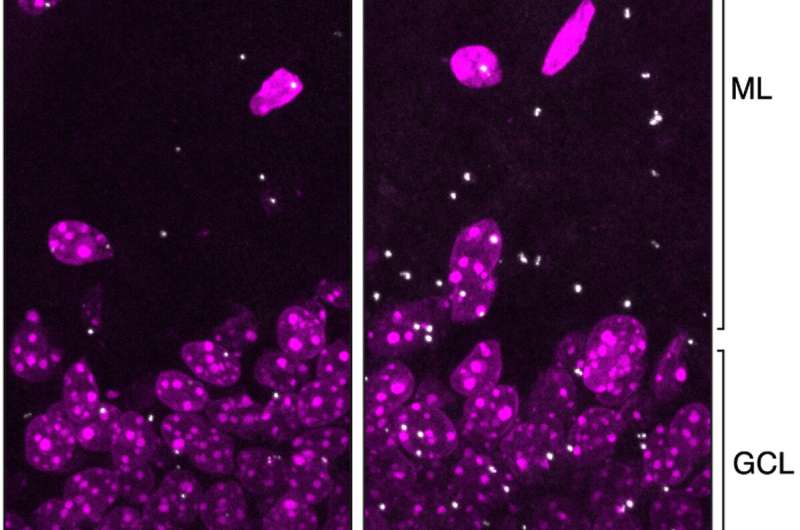
CREB3L2-ATF4 up-regulation in β-amyloid pathology 5xFAD model. In vivo detection and quantification of CREB3L2-ATF4 dimers by PLA in the dentate gyrus of 10-week-old 5xFAD or wild-type hippocampus. ML, molecular layer; IPL, inner polymorphic layer; GCL, granule cell layer. Wild-type (WT), n = 6; 5xFAD, n = 5; ML, *P = 0.0182; GCL, P = 0.0574; IPL, *P = 0.0285; unpaired one-tailed t tests. Whiskers extend to the smallest and largest data values, and sample means are indicated by + sign. Scale bar, 10 μm. Credit: Science Advances (2023). DOI: 10.1126/sciadv.add2671

An analysis of human brain cells provides new evidence in support of the "amyloid hypothesis," the prevailing idea that Alzheimer's is caused by the accumulation of beta-amyloid proteins in the brain.

09 april 2023--In the study, Columbia University researchers found that amyloid sparks an alliance between two proteins in the brain's neurons and this pairing is linked to about half of the gene changes that are known to occur in the disease, triggering the rapid accumulation of tau proteins, a primary driver of neurodegeneration in the disease.

"This protein pair seems very central to the disease, and because it does not appear to have another function in the brain, it is a good target for a new therapy," says the study's senior author, Ulrich Hengst, Ph.D., associate professor of pathology & cell biology (in the Taub Institute for Research on Alzheimer's Disease and the Aging Brain) at the Columbia University Vagelos College of Physicians and Surgeons.

Protein pair was hidden to previous research

The researchers found the pair when they were looking for proteins that spark hundreds of changes in gene activity that occur in brain cells during Alzheimer's disease. "Our thought was that if we can interfere with the proteins and prevent those changes, we can prevent the disease," says Cláudio Gouveia Roque, Ph.D., associate research scientist in the Hengst lab, who conducted the study.

Instead of looking for proteins that act alone, the researchers looked for pairs of different proteins working together.

"We know this type of protein necessarily works in pairs, but previous Alzheimer's research hadn't looked for specific pairs. Consequently, our understanding of the changes underlying Alzheimer's progression has been fragmented and incomplete," says Hengst. "And because of that, we've most likely missed therapeutic opportunities."

Amyloid causes proteins to stick together

The search by Hengst and Gouveia Roque, together with a previous associate research scientist in the Hengst lab, Jimena Baleriola, uncovered two proteins—ATF4 and CREB3L2—whose binding to each other is triggered by amyloid and that together interact with about 50% of the gene expression changes that occur in brain cells during Alzheimer's disease.

Once formed, the CREB3L2-ATF4 pair activates a network of other proteins that cause deadly tau deposits to accumulate inside neurons. The protein pair also disables the cellular machinery that clears old and damaging proteins from neurons, another hallmark of Alzheimer's.

Although CREB3L2 and ATF4 are also found alone in healthy neurons, their binding together is greatly increased in the presence of a stress like excess amyloid, the researchers found.

"These two proteins are like two teenage boys," says Hengst. "Individually, they may be relatively harmless. But if you put them together without a responsible adult in the room, they're likely to be up to no good."

New treatment approach

The findings suggest that Alzheimer's could be treated by interfering with the CREB3L2-ATF4 pair.

"Normally, proteins that control gene activity are very poor drug targets because they control too many genes. But by targeting this pair we might be able to preserve the function of the two individual proteins while preventing the bad effects of them binding together," Hengst says.

Hengst and Gouveia Roque have already identified a drug, dovitinib, that interferes with the effects of the protein pair. Dovitinib has been approved by the FDA for the treatment of renal cancer but has not been tested for the treatment of Alzheimer's. "Nonetheless, the drug is not toxic to neurons and crosses the blood-brain barrier, so this bodes well for future drug development," Hengst says.

"We're not talking about getting rid of amyloid with this approach," adds Gouveia Roque. "If we can interfere with the protein pair, we could slow or perhaps even stop the progression of the disease. Yes, there would still be amyloid in the brain, but the neurons would react far less to it. One could hypothesize that such a drug could be used in combination with an amyloid-reducing drug for even greater effect."

The paper is published in the journal Science Advances.

More information: Cláudio Gouveia Roque et al, CREB3L2-ATF4 heterodimerization defines a transcriptional hub of Alzheimer's disease gene expression linked to neuropathology, Science Advances (2023). DOI: 10.1126/sciadv.add2671


Provided by Columbia University 

Tuesday, January 17, 2023


Stranded dolphins' brains show common signs of Alzheimer's disease


The brains of three species of stranded dolphins show classic markers of human Alzheimer's disease, according to the most extensive study into dementia in odontocetes (toothed whales).

17 jan 2023--The new pan-Scotland research, a collaboration between the University of Glasgow, the Universities of St Andrews and Edinburgh and the Moredun Research Institute, studied the brains of 22 odontocetes which had all been stranded in Scottish coastal waters.

The study, which is published in the European Journal of Neuroscience, included five different species—Risso's dolphins, long-finned pilot whales, white-beaked dolphins, harbor porpoises and bottlenose dolphins—and found that four animals from different dolphin species had some of the brain changes associated with Alzheimer's disease in humans.

The findings may provide a possible answer to unexplained live-stranding events in some odontocete species. Study authors confirm the results could support the "sick-leader" theory, whereby an otherwise healthy pod of animals find themselves in dangerously shallow waters after following a group leader who may have become confused or lost.

Whales, dolphins and porpoises are regularly stranded around the coasts of the U.K. They are often found stranded in groups, or pods, in shallow waters and sometimes on beaches. While some animals can be moved to safer, deeper waters by teams of experts, other animals are less lucky and perish as a result. The underlying causes of live stranding events are not always clear, and research is ongoing to gain better insights.

For this study researchers examined stranded animals for the presence of the brain pathology that are part of the hallmarks of Alzheimer's disease, including the formation of amyloid-beta plaques, the accumulation of phospho-tau and gliosis (a change in cell numbers in response to central nervous system damage). The results reveal that the brains of all of the aged animals studied had amyloid-beta plaques.

Three animals in particular—each from a different odontocete species—had amyloid-beta plaques as well as a number of other dementia-related pathologies in their brains, showing that some odontocete species develop Alzheimer's-like neuropathology. However, the study cannot confirm whether any of the animals would have suffered with the same cognitive deficits associated with clinical Alzheimer's disease in humans.

Lead researcher, Dr. Mark Dagleish from the University of Glasgow, said, "These are significant findings that show, for the first time, that the brain pathology in stranded odontocetes is similar to the brains of humans affected by clinical Alzheimer's disease.

"While it is tempting at this stage to speculate that the presence of these brain lesions in odontocetes indicates that they may also suffer with the cognitive deficits associated with human Alzheimer's disease, more research must be done to better understand what is happening to these animals."

Co-author, Professor Frank Gunn-Moore from the University of St Andrews, said, "I have always been interested in answering the question: do only humans get dementia? Our findings answer this question as it shows potential dementia associated pathology is indeed not just seen in human patients. This study is also a great example of both different research institutes, but also different branches of the Life Sciences working together."

Professor Tara Spires-Jones, University of Edinburgh, said, "We were fascinated to see brain changes in aged dolphins similar to those in human aging and Alzheimer's disease. Whether these pathological changes contribute to these animals stranding is an interesting and important question for future work."

All animals in this research were studied after a stranding event. Marine Scotland and Defra fund post-mortem examinations, via the Scottish Marine Animal Stranding Scheme (SMASS), of cetaceans (including odontocetes), pinnipeds and marine turtles that strand and die in Scottish coastal waters.

The paper, "Alzheimer's disease-like neuropathology in three species of oceanic dolphin," is published in the European Journal of Neuroscience.

More information: Marissa C. Vacher et al, Alzheimer's disease‐like neuropathology in three species of oceanic dolphin, European Journal of Neuroscience (2022). DOI: 10.1111/ejn.15900

Tuesday, December 06, 2022


Down syndrome, like Alzheimer's, is a double-prion disorder

Alzheimer's disease
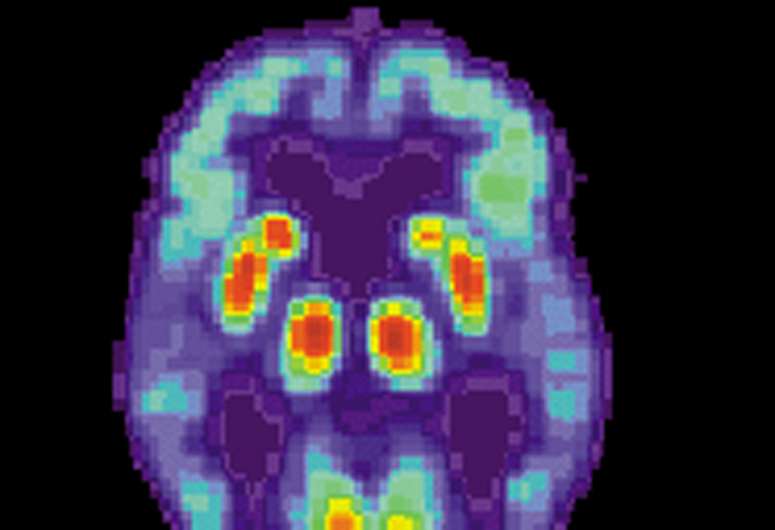
PET scan of a human brain with Alzheimer's disease. Credit: public domain

The brains of people with Down syndrome develop the same neurodegenerative tangles and plaques associated with Alzheimer's disease and frequently demonstrate signs of the neurodegenerative disorder in their forties or fifties. A new study from researchers at UC San Francisco shows that these tangles and plaques are driven by the same amyloid beta (Aß) and tau prions that they showed are behind Alzheimer's disease in 2019.

05 dec 2022--Prions begin as normal proteins that become misshapen and self-propagate. They spread through tissue like an infection by forcing normal proteins to adopt the same misfolded shape. In both Alzheimer's and Down syndrome, as Aß and tau prions accumulate in the brain, they cause neurological dysfunction that often manifests as dementia.

Tau tangles and Aß plaques are evident in most people with Down syndrome by age 40, according to the National Institute on Aging, with at least 50% of this population developing Alzheimer's as they age.

The new study, published Nov. 7, 2022, in Proceedings of the National Academy of Sciences, highlights how a better understanding of Down syndrome can lead to new insights about Alzheimer's, as well.

"Here you have two diseases—Down syndrome and Alzheimer's disease—that have entirely different causes, and yet we see the same disease biology. It's really surprising," said Stanley Prusiner, MD, the study's senior author, who was awarded the Nobel Prize in 1997 for his discovery of prions.

Down syndrome is the most common neurodegenerative disease among younger people in the United States, while Alzheimer's is the most common among adults.

Down syndrome occurs because of an extra copy of chromosome 21. Among the many genes on that chromosome is one called APP, which codes for one of the major components of amyloid beta. With an extra copy of the gene, people with Down syndrome produce excess APP, which may explain why they develop amyloid plaques early in life.

Young Brains Give a Clearer Picture

It's been known for some time that Aß plaques and tau tangles are present in both Down syndrome and Alzheimer's. Having shown earlier that these neurodegenerative features are provoked by prions in Alzheimer's, the researchers wanted to know whether the same aberrant proteins were present in the brains of people with Down syndrome.

While there have been extensive studies of these plaques and tangles in the brains of people with Alzheimer's disease, it can be challenging to discern which changes in the brain are from old age and which are from prion activity, said Prusiner, director of the UCSF Institute for Neurodegenerative Diseases, part of the Weill Institute for Neurosciences.

"Because we see the same plaques-and-tangles pathology at a much younger age in people with Down syndrome, studying their brains allows us to get a better picture of the early process of disease formation, before the brain has become complicated by all the changes that go on during aging," he said. "And ideally, you want therapies that address these early stages."

Employing a variation on the novel assay they used in the Alzheimer's study, the team looked at donated tissue samples from deceased people with Down syndrome, which they obtained from biobanks around the world. Of the 28 samples from donors aged 19 to 65 years old, the researchers were able to isolate measurable amounts of both Aß and tau prions in almost all of them.

New Insights Could Lead to Prevention

The results confirm not only that prions are involved in the neurodegeneration seen in Down syndrome, but that Aß drives the formation of tau tangles as well as amyloid plaques, a relationship that has been suspected but not proven.

"The field has long tried to understand what the intersection is between these two pathologies," said lead author Carlo Condello, Ph.D., also a member of the UCSF Institute for Neurodegenerative Diseases. "The Down syndrome case corroborates the idea; now you have this extra chromosome that's driving the Aß, and there's no tau gene on the chromosome. So, it's truly by increasing the expression of Aß that you kick off production of the tau."

That insight and others gleaned from studying the brains of people with Down syndrome will lead to a much better picture of how prions begin to form in the first place, said Condello.

Whether the Down syndrome brain tissue will prove to be the ultimate model for developing treatments for Alzheimer's remains to be seen, the researchers said. While the two disorders share many similarities in their prion pathobiology, there are some differences that may be limiting.

Still, the researchers said, studying the plaques and tangles in Down syndrome is a promising route to identifying the specific prions that arise at the very earliest stages of the disease process. That insight could open new vistas on not only treating but perhaps even fending off Alzheimer's disease.

"If we can understand how this neurodegeneration begins, we are one big step closer to being able to intervene at a meaningful point and actually prevent these large brain lesions from forming," Condello said.

More information: Carlo Condello et al, Aβ and tau prions feature in the neuropathogenesis of Down syndrome, Proceedings of the National Academy of Sciences (2022). DOI: 10.1073/pnas.2212954119
Provided by University of California, San Francisco 

Friday, October 07, 2022


Risk factor for developing Alzheimer's disease increases by 50-80% in older adults who have had COVID-19

alzheimers
Credit: Pixabay/CC0 Public Domain

Older people who were infected with COVID-19 show a substantially higher risk—as much as 50% to 80% higher than a control group—of developing Alzheimer's disease within a year, according to a study of more than 6 million patients 65 and older.

06 oct 2022--In a study published today in the Journal of Alzheimer's Disease, researchers report that people 65 and older who contracted COVID-19 were more prone to developing Alzheimer's disease in the year following their COVID diagnosis. And the highest risk was observed in women at least 85 years old.

The findings showed that the risk for developing Alzheimer's disease in older people nearly doubled (0.35% to 0.68%) over a one-year period following infection with COVID. The researchers say it is unclear whether COVID-19 triggers new development of Alzheimer's disease or accelerates its emergence.

"The factors that play into the development of Alzheimer's disease have been poorly understood, but two pieces considered important are prior infections, especially viral infections, and inflammation," said Pamela Davis, Distinguished University Professor and The Arline H. and Curtis F. Garvin Research Professor at the Case Western Reserve School of Medicine, the study's coauthor.

"Since infection with SARS-CoV-2 has been associated with central nervous system abnormalities including inflammation, we wanted to test whether, even in the short term, COVID could lead to increased diagnoses," she said.

The research team analyzed the anonymous electronic health records of 6.2 million adults 65 and older in the United States who received medical treatment between February 2020 and May 2021 and had no prior diagnosis of Alzheimer's disease.

They then divided this population two groups: one composed of people who contracted COVID-19 during that period, and another with people who had no documented cases of COVID-19. More than 400,000 people were enrolled in the COVID study group, while 5.8 million were in the non-infected group.

"If this increase in new diagnoses of Alzheimer's disease is sustained, the wave of patients with a disease currently without a cure will be substantial, and could further strain our long-term care resources," Davis said. "Alzheimer's disease is a serious and challenging disease, and we thought we had turned some of the tide on it by reducing general risk factors such as hypertension, heart disease, obesity and a sedentary lifestyle. Now, so many people in the U.S. have had COVID and the long-term consequences of COVID are still emerging. It is important to continue to monitor the impact of this disease on future disability."

Rong Xu, the study's corresponding author, professor of Biomedical Informatics at the School of Medicine and director of the Center for AI in Drug Discovery, said the team plans to continue studying the effects of COVID-19 on Alzheimer's disease and other neurodegenerative disorders—especially which subpopulations may be more vulnerable—and the potential to repurpose FDA-approved drugs to treat COVID's long-term effects.

Previous COVID-related studies led by CWRU have found that people with dementia are twice as likely to contract COVID; those with substance abuse disorder orders are more likely to contract COVID; and that 5% of people who took Paxlovid for treatment of COVID symptoms experienced rebound infections within a month.


More information: Lindsey Wang et al, Association of COVID-19 with New-Onset Alzheimer's Disease, Journal of Alzheimer's Disease (2022). DOI: 10.3233/JAD-220717

Thursday, October 06, 2022


One in three Alzheimer's disease family caregivers has persistent symptoms of depression

Alzheimer's
Credit: Pixabay/CC0 Public Domain

More than 60% of family caregivers of individuals with Alzheimer's disease (AD) experienced at least mild depressive symptoms already at the time the individual with AD was diagnosed. In one third of them, depressive symptoms worsened during a five-year follow-up.

06 oct 2022--The study carried out at the University of Eastern Finland included 226 family caregivers of individuals with AD. Depressive symptoms experienced by family caregivers were monitored for five years, starting from the diagnosis of the individual with AD. 61.5% of family caregivers experienced depressive symptoms at the time the individual with AD was diagnosed.

In more than half of them, depressive symptoms remained mild during the follow-up and even diminished in some few cases, but one third experienced an increase in depressive symptoms. In family caregivers whose depressive symptoms worsened during the follow-up, symptoms increased especially in the third and fifth year after the diagnosis of the individual with AD.

Family caregivers whose symptoms worsened were typically women caring for their spouse, and the spouse had more neuropsychiatric symptoms. However, the functional ability of the individual with AD, or the severity of their disease, were not associated with family caregivers' depressive symptoms.

Depressive symptoms weaken, for their part, family caregivers' health. So far, data on how these symptoms change over the years of giving family care, and how family caregivers differ from one another, have been scarce.

Family caregivers' health and well-being should be monitored, too

"According to this study, about one third of family caregivers experience persistent depression when giving family care. It seems that the severity or progression of the memory disorder does not explain family caregivers' symptoms, but they are rather related to individual backgrounds," says Adjunct Professor Tarja Välimäki from the Department of Nursing Science at the University of Eastern Finland.

"Family caregivers enter the caregiving situation, which often lasts many years, from different backgrounds, and these differences persist."

The results support earlier findings of the ALSOVA study suggesting that it would be possible to identify those family caregivers who accumulate several strain factors during the years of giving care. Family care also involves maintaining the health and good life of family caregivers.

"It is important to consider the health of the family caregiver already when looking into the situation of the individual with AD. Assessment and continuous monitoring of family caregivers' health and well-being should be included in the treatment of memory disorders," Välimäki says.

The study, published in Clinical Gerontologist, was carried out as part of the ALSOVA study at the University of Eastern Finland, which has conducted a five-year follow-up of individuals with a recently diagnosed AD and their family caregivers. The multidisciplinary study combines medical, therapeutic, economic, pharmacological and psychological expertise. All study participants diagnosed with AD were examined and treated in accordance with the current care guidelines for Alzheimer's disease.


More information: Tarja Välimäki et al, Different Trajectories of Depressive Symptoms in Alzheimer's Disease Caregivers—5-Year Follow-Up, Clinical Gerontologist (2022). DOI: 10.1080/07317115.2022.2119183

Saturday, July 09, 2022


Study: Flu vaccination linked to 40% reduced risk of Alzheimer's disease

vaccine
Credit: Unsplash/CC0 Public Domain

People who received at least one influenza vaccine were 40% less likely than their non-vaccinated peers to develop Alzheimer's disease over the course of four years, according to a new study from UTHealth Houston.

09 jul 2022--Research led by first author Avram S. Bukhbinder, MD, a recent alumnus of McGovern Medical School at UTHealth Houston, and senior author Paul. E. Schulz, MD, the Rick McCord Professor in Neurology at McGovern Medical School, compared the risk of Alzheimer's disease incidence between patients with and without prior flu vaccination in a large nationwide sample of U.S. adults aged 65 and older.

An early online version of the paper detailing the findings is available in advance of its publication in the Aug. 2 issue of the Journal of Alzheimer's Disease.

"We found that flu vaccination in older adults reduces the risk of developing Alzheimer's disease for several years. The strength of this protective effect increased with the number of years that a person received an annual flu vaccine—in other words, the rate of developing Alzheimer's was lowest among those who consistently received the flu vaccine every year," said Bukhbinder, who is still part of Schulz's research team while in his first year of residency with the Division of Child Neurology at Massachusetts General Hospital. "Future research should assess whether flu vaccination is also associated with the rate of symptom progression in patients who already have Alzheimer's dementia."

The study—which comes two years after UTHealth Houston researchers found a possible link between the flu vaccine and reduced risk of Alzheimer's disease—analyzed a much larger sample than previous research, including 935,887 flu-vaccinated patients and 935,887 non-vaccinated patients.

During four-year follow-up appointments, about 5.1% of flu-vaccinated patients were found to have developed Alzheimer's disease. Meanwhile, 8.5% of non-vaccinated patients had developed Alzheimer's disease during follow-up.

These results underscore the strong protective effect of the flu vaccine against Alzheimer's disease, according to Bukhbinder and Schulz. However, the underlying mechanisms behind this process require further study.

"Since there is evidence that several vaccines may protect from Alzheimer's disease, we are thinking that it isn't a specific effect of the flu vaccine," said Schulz, who is also the Umphrey Family Professor in Neurodegenerative Diseases and director of the Neurocognitive Disorders Center at McGovern Medical School. "Instead, we believe that the immune system is complex, and some alterations, such as pneumonia, may activate it in a way that makes Alzheimer's disease worse. But other things that activate the immune system may do so in a different way—one that protects from Alzheimer's disease. Clearly, we have more to learn about how the immune system worsens or improves outcomes in this disease."

Alzheimer's disease affects more than 6 million people living in the U.S., with the number of affected individuals growing due to the nation's aging population. Past studies have found a decreased risk of dementia associated with prior exposure to various adulthood vaccinations, including those for tetanus, polio, and herpes, in addition to the flu vaccine and others.

Additionally, as more time passes since the introduction of the COVID-19 vaccine and longer follow-up data becomes available, Bukhbinder said it will be worth investigating whether a similar association exists between COVID-19 vaccination and the risk of Alzheimer's disease.

More information: Avram S. Bukhbinder et al, Risk of Alzheimer's Disease Following Influenza Vaccination: A Claims-Based Cohort Study Using Propensity Score Matching, Journal of Alzheimer's Disease (2022). DOI: 10.3233/JAD-220361

Sunday, May 01, 2022


Study finds cognitive decline key factor in predicting life expectancy in Alzheimer's disease

alzheimer
Credit: Pixabay/CC0 Public Domain

Cognitive decline is the biggest factor in determining how long patients with Alzheimer's disease will live after being diagnosed, according to a new study from researchers at UT Southwestern. The findings, published in the Journal of Alzheimer's Disease, are a first step that could help health care providers provide reliable prediction and planning assistance for patients with Alzheimer's disease and their families.

01 may 2022--Using a National Alzheimer's Coordinating Center dataset on 764 autopsy-confirmed cases, C. Munro Cullum, Ph.D., Professor of Psychiatry, Neurology, and Neurological Surgery, and first author Jeffrey Schaffert, Ph.D., a postdoctoral fellow in clinical neuropsychology at UT Southwestern, identified seven factors that helped predict life expectancy variances among participants. These factors are the most predictive of how many years of life remain after diagnosis.

"Life expectancy for patients with Alzheimer's disease typically ranges from three to 12 years but can be longer in some cases. Families are anxious to know what to expect and how to best plan for the time ahead in terms of finances, family caregiving, and how they want to live out their lives," said Dr. Cullum, a neuropsychologist Investigator in the Peter O'Donnell Jr. Brain Institute who specializes in cognitive assessment. "We're trying to get them better answers."

Of the many variables studied, performance deficiencies on a brief cognitive screening test that focuses on orientation was the most significant predictor, accounting for about 20% of the variance in life expectancy. This was followed by sex, age, race/ethnicity, neuropsychiatric symptoms, abnormal neurological exam results, and functional impairment ratings.

"We found that beyond global cognitive function, patients who were older, non-Hispanic, male, and who had more motor and psychiatric symptoms had a significantly shorter life expectancy," Dr. Schaffert said.

The data was drawn from clinical records and autopsy reports on patients who died with Alzheimer's disease between 2005 and 2015. Alzheimer's disease was confirmed by traditional abnormalities observed in brain autopsy specimens, including the presence of abnormal protein aggregation. Life expectancy in the study group ranged from one month to 131 months after diagnosis, and most were diagnosed on their first visit.

Dr. Schaffert explained that past studies have focused on only a few of the 21 predictors identified for life expectancy. In this case, researchers had a complete dataset for 14 variables in this group, the largest to date. Moreover, past studies have not been autopsy-based, thereby confounding results with data from other forms of dementia that mimic Alzheimer's disease.

The researchers caution that prediction of life expectancy is complex and influenced by many factors. While the cognitive test used in the study was a relatively strong predictor, they plan to follow up using more sensitive measures of memory and other specific cognitive abilities as predictors and probe how the rate of decline in cognition may track with life expectancy. They also hope to expand the population base.

"This dataset was largely derived from well-educated white patients who donated their brains to research. We would like to extend this work to better reflect our more diverse patient population," Dr. Cullum said.


More information: Jeff Schaffert et al, Predictors of Life Expectancy in Autopsy-Confirmed Alzheimer's Disease, Journal of Alzheimer's Disease (2022). DOI: 10.3233/JAD-215200


Alzheimer's pathology, not cognitive decline, drives neuropsychiatric symptoms

Alzheimer's pathology, not cognitive decline, drives neuropsychiatric symptoms
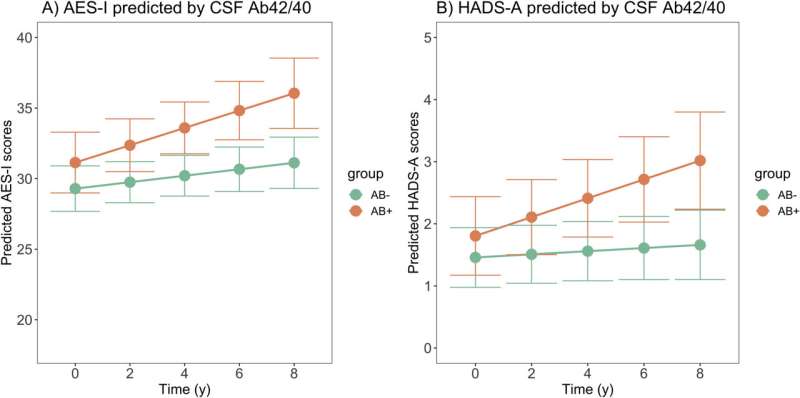
Figure 1. Linear Mixed Effect Models displaying effects of pathology at baseline over time on the development of neuropsychiatric symptoms Plots of estimated marginal means and 95% CI of the means obtained from linear mixed effect models displaying significant effects (also after adjustment for multiple comparisons) by pathology over time on the longitudinal measures of neuropsychiatric symptoms found in table 1. Longitudinal measures of informant-rated apathy (panel A) (274 participants) and self-rated anxiety (panel B) (321 participants) were separately entered as the dependent variable. Interaction terms between time and Aβ42/40 were entered as a zero-centered fixed effect. Models were corrected for age, sex, and education and included random slopes and intercepts. Participants were grouped according to a CSF Aβ42/40 cut point of 0.066 obtained by mixture modeling. Models initially displaying significant effects, but notwithstanding adjustment for multiple comparisons are found in the supplement. Abbreviations: Aβ42/40 = amyloid-β 42/40, AES-I = Apathy Evaluation Scale - Informant-rated version, CU = Cognitively Unimpaired, CSF = Cerebrospinal fluid, HADS-A = Hospital Anxiety and Depression Scale – Anxiety, T = tertial, y = year. Credit: Biological Psychiatry (2022). DOI: 10.1016/j.biopsych.2022.01.012

Alzheimer's disease (AD) eventually leads to severe cognitive decline, but most affected individuals also develop distressing neuropsychiatric symptoms. These earlier effects may be more subtle and are not well understood; it remains unclear whether they arise directly from AD pathology or secondarily as psychological reactions due to the cognitive deficits. Now, a new study examines the connections between biomarkers of AD's hallmark neuropathology, cognition, and other neuropsychiatric symptoms. The study appears in Biological Psychiatry, published by Elsevier.

01 may 2022--The researchers, led by Oskar Hansson, MD, at Lund University in Sweden, tested cerebrospinal fluid or blood plasma from 356 cognitively unimpaired older adults for levels of the proteins amyloid-beta (Ab) and tau, which are thought to contribute to AD neurotoxicity, as well as markers of neurodegeneration.

Strikingly, the presence of Ab was associated with increased anxiety and apathy. Higher levels of apathy were also related to a more rapid cognitive decline.

"Most importantly, this study signals that certain neuropsychiatric symptoms such as apathy and anxiety develop predominantly due to underlying AD-related pathology and not due to the concomitant cognitive impairment," said Maurits Johansson, MD, lead author of the study. "It seems reasonable that neuropsychiatric symptoms would arise from neuropathology just as cognitive deficits do, especially because AD ultimately affects large areas of the brain," he added.

The study did not exclude a role for cognitive impairment altogether. For example, in one of the statistical analyses, cognitive decline slightly but significantly mediated the effect of amyloid pathology on the development of apathy.

"Combined with earlier studies, our findings strengthen the proposed idea that cognitive deficits and neuropsychiatric symptoms can develop independently, yet in parallel to one another. They have a common underlying neuropathology, but to some extent they can also reinforce one another," said Professor Hansson.

"These findings could ultimately lead to more efficient study design of clinical trials for AD in that they point to neuropsychiatric symptoms as potential alternative outcome measures," concluded Professor Hansson.

John Krystal, MD, editor of Biological Psychiatry, said of the new findings, "We are used to thinking about Alzheimer's disease from the perspective of memory impairments. This new study highlights that the earliest signs of amyloid-related pathology may be changes in mood and behavior, particularly apathy and anxiety."


More information: Maurits Johansson et al, Development of apathy, anxiety, and depression in cognitively unimpaired older adults: effects of Alzheimer's disease pathology and cognitive decline, Biological Psychiatry (2022). DOI: 10.1016/j.biopsych.2022.01.012