Showing posts with label Dementia. Show all posts

Monday, January 29, 2024


Thinning of brain region may signal dementia risk 5–10 years before symptoms
Thinning of brain region may signal dementia risk 5-10 years before symptoms
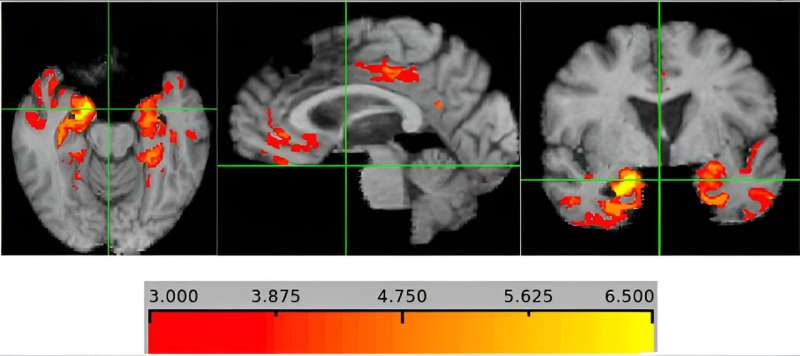
Strengths of significant association (regression t values) for gray matter thickness in Alzheimer's disease (AD) dementia cases versus cognitively healthy controls after accounting for multiple comparisons. Cluster masks significantly associated with AD versus normal cognition were computed separately for thresholds of t values from 3 to 6.5, in increments of 0.5. This highlights areas of differing but significant association strengths. However, gray matter density means over the t ≥ 3 cluster were used for the analyses. Credit: Alzheimer's & Dementia (2023). DOI: 10.1002/alz.13600

A ribbon of brain tissue called cortical gray matter grows thinner in people who go on to develop dementia, and this appears to be an accurate biomarker of the disease five to 10 years before symptoms appear, researchers from The University of Texas Health Science Center at San Antonio (also called UT Health San Antonio) report.

29 jan 2024--The researchers, working with colleagues from The University of California, Davis, and Boston University, conducted an MRI brain imaging study published in Alzheimer's & Dementia. They studied 1,000 Massachusetts participants in the Framingham Heart Study and 500 people from a California cohort. The California volunteers included 44% representation of Black and Hispanic participants, whereas the Massachusetts cohort was predominantly non-Hispanic white. Both cohorts were 70 to 74 years of age on average at the time of MRI studies.

"The big interest in this paper is that if we can replicate it in additional samples, cortical gray matter thickness will be a marker we can use to identify people at high risk of dementia," said study lead author Claudia Satizabal, Ph.D., of UT Health San Antonio's Glenn Biggs Institute for Alzheimer's and Neurodegenerative Diseases. "By detecting the disease early, we are in a better time window for therapeutic interventions and lifestyle modifications, and to do better tracking of brain health to decrease individuals' progression to dementia."

Repeating the Framingham findings in the more-diverse California cohort "gives us confidence that our results are robust," Satizabal said.


Sifting MRIs for a pattern

While dementias can affect different brain regions, Alzheimer's disease and frontotemporal dementia impact the cortex, and Alzheimer's is the most common type of dementia.

The study compared participants with and without dementia at the time of MRI. "We went back and examined the brain MRIs done 10 years earlier, and then we mixed them up to see if we could discern a pattern that reliably distinguished those who later developed dementia from those who did not," said co-author Sudha Seshadri, MD, director of the Glenn Biggs Institute at UT Health San Antonio and senior investigator with the Framingham Heart Study.

"This kind of study is only possible when you have longitudinal follow-up over many years as we did at Framingham, and as we are building in San Antonio," Seshadri said. "The people who had the research MRI scans while they were well and kept coming back to be studied are the selfless heroes who make such valuable discoveries, such prediction tools, possible."

The results were consistent across populations. Thicker ribbons correlated with better outcomes and thinner ribbons with worse, in general. "Although more studies are needed to validate this biomarker, we're off to a good start," Satizabal said. "The relationship between thinning and dementia risk behaved the same way in different races and ethnic groups."

Clinical trial researchers could use the thinning biomarker to minimize cost by selecting participants who haven't yet developed any disease but are on track for it, Seshadri said. They would be at greatest need to try investigational medications, she said.

The biomarker would also be useful to develop and evaluate therapeutics, Seshadri noted.

Future directions

Satizabal said the team plans to explore risk factors that may be related to the thinning. These include cardiovascular risk factors, diet, genetics and exposure to environmental pollutants, she said.

"We looked at APOE4, which is a main genetic factor related to dementia, and it was not related to gray matter thickness at all," Satizabal said. "We think this is good, because if thickness is not genetically determined, then there are modifiable factors such as diet and exercise that can influence it."

Could the MRI gray matter biomarker be used widely someday?

"A high proportion of people going to the neurologist get their MRI done, so this thickness value might be something that a neuroradiologist derives," Seshadri said. "A person's gray matter thickness might be analyzed as a percentile of the thickness of healthy people for that age."

More information: Claudia L. Satizabal et al, A novel neuroimaging signature for ADRD risk stratification in the community, Alzheimer's & Dementia (2023). DOI: 10.1002/alz.13600

Saturday, October 14, 2023


Risk factors for dementia vary by ethnicity, study finds

Risk factors for dementia vary by ethnicity, study finds
Modifiable risk factors—including hypertension, obesity, diabetes, low HDL cholesterol and sleep disorders—confer a higher risk of dementia for people in some minority ethnic groups compared to White people, according to the new study. Credit: Mohamed_hassan, Pixabay, CC0 (creativecommons.org/publicdomain/zero/1.0/)

Modifiable risk factors—including hypertension, obesity, diabetes, low HDL cholesterol and sleep disorders—confer a higher risk of dementia for people in some minority ethnic groups compared to White people, according to a new study published in the open-access journal PLOS ONE by Naaheed Mukadam of University College London, UK, and colleagues.

14 oct 2023--The number of people with dementia is on the rise around the world. There has been increasing interest in potentially modifiable risk factors, as eliminating these could theoretically prevent around 40% of dementia cases. However, most risk factor studies have been conducted only in people of European descent. In the new study, researchers analyzed the relationship between risk factors and dementia onset using anonymized data from English primary care records, spanning 1997 to 2018, for 865,674 adults in diverse ethnic groups.

Overall, 12.6% of the study population developed dementia—16.0% of white people, 8.6% of South Asian people, 12.1% of Black people and 9.7% of those from other ethnic groups. Nearly all risk factors analyzed in the study were associated with dementia, with the same risk factors often conferring a higher risk of dementia in Black and South Asian people, particularly for cardiovascular risk.

After adjusting for comorbidity, age, sex and deprivation, hypertension conferred higher risk of dementia in Black people compared to White people; hypertension, obesity, diabetes low HDL and sleep disorders conferred a higher risk of dementia in South Asian people. Compared to the effects in White people, hypertension had 1.57 times more impact on dementia risk in South Asian people and 1.18 times more impact in Black people.

The results may explain previous findings of greater susceptibility, earlier age of dementia onset, and shorter survival after dementia diagnosis in minority ethnic groups, the authors say. They conclude that dementia prevention efforts should be targeted toward people from minority ethnic groups and tailored to risk factors of particular importance.

The authors add, "We found that not only are some risk factors for dementia more common in minority ethnic groups but that the impact of some of these risk factors is even greater than in the White population. So we need tailored dementia prevention, taking into account ethnicity and risk factor profile to ensure dementia prevention is equitable."

More information: South Asian, Black and White ethnicity and the effect of potentially modifiable risk factors for dementia: A study in English electronic health records, PLoS ONE (2023). DOI: 10.1371/journal.pone.0289893 , journals.plos.org/plosone/arti … journal.pone.0289893

Sunday, April 09, 2023


New study shows SARS-CoV-2 infection accelerates the progression of dementia

New study shows SARS-CoV-2 infection accelerates the progression of dementia
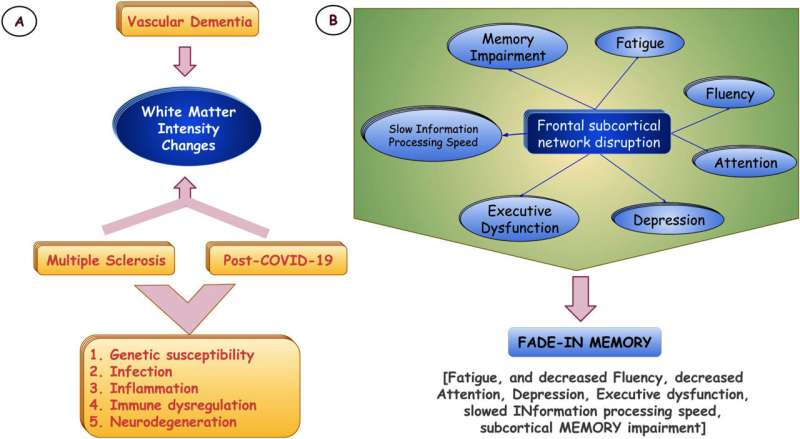
The possible common pathomechanisms linking multiple sclerosis and post-COVID-19 brain involvement (A). Proposal of a new codename regarding post-COVID-19 cognitive sequelae (B). Credit: Journal of Alzheimer's Disease Reports (2023). DOI: 10.3233/ADR-220090

Infection with SARS-CoV-2 has a significant impact on cognitive function in patients with preexisting dementia, according to new research published in the Journal of Alzheimer's Disease Reports. Patients with all subtypes of dementia included in the study experienced rapidly progressive dementia following infection with SARS-CoV-2.

09 april 2023--Since the first wave of COVID-19, neurologists have noticed both acute and long-term neurological syndromes and neuropsychiatric sequelae of this infectious disease. Insights into the impact of COVID-19 on human cognition has so far remained unclear, with neurologists referring to "brain fog."

A group of researchers driven to gain a better understanding of and dissipate this fog investigated the effects of COVID-19 on cognitive impairment in 14 patients with preexisting dementia (four with Alzheimer's disease [AD], five with vascular dementia, three with Parkinson's disease dementia, and two with the behavioral variant of frontotemporal dementia), who had suffered further cognitive deterioration following COVID-19.

Lead investigators Souvik Dubey, MD, DM, from the Department of Neuromedicine, Bangur Institute of Neurosciences (BIN), Kolkata, West Bengal, India, and Julián Benito-León, MD, Ph.D., from the Department of Neurology, University Hospital "12 de Octubre," Madrid, Spain, explained, "We speculated there must have been some deleterious effect of COVID-19 in patients with preexisting dementia extrapolating our understanding from the cognitive impact of this viral infection in patients without dementia. However, post-COVID-19 evaluation of cognitive impairments in patients with preexisting dementia is difficult due to multiple confounders and biases."

In addition to finding that that all subtypes of dementia, irrespective of patients' previous dementia types, behaved like rapidly progressive dementia following COVID-19, the team of investigators found that the line of demarcation between different types of dementia became remarkably blurry post-COVID-19.

Co-investigator Ritwik Ghosh, MD, Department of General Medicine, Burdwan Medical College and Hospital, Burdwan, West Bengal, India, expressed his concern about dementia subtyping. "It is more difficult in the post-COVID-19 era, where the history of this viral infection plays the most important role. Few patients with a history of COVID-19 without preexisting dementia have phenotypically and imaging-wise similar brain changes mimicking other degenerative and vascular dementias."

Researchers also found that the characteristics of a particular type of dementia changed following COVID-19, and both degenerative and vascular dementias started behaving like mixed dementia both clinically and radiologically. A rapidly and aggressively deteriorating course was observed in patients having insidious onset, slowly progressive dementia, and who were previously cognitively stable.

Cortical atrophy was also evident in the study's subsequent follow-ups. Coagulopathy involving small vessels and inflammation, which were further correlated with white matter intensity changes in the brain, was considered the most important pathogenetic indicator.

The rapid progression of dementia, the addition of further impairments/deterioration of cognitive abilities, and the increase or new appearance of white matter lesions suggest that previously compromised brains have little defense to withstand a new insult (i.e., a "second hit" like infection/dysregulated immune response and inflammation).

According to Dr. Dubey and his co-investigators, "'Brain fog' is an ambiguous terminology without specific attribution to the spectrum of post-COVID-19 cognitive sequelae. Based on the progression of cognitive deficits and the association with white matter intensity changes, we propose a new term: 'FADE-IN MEMORY' (i.e., Fatigue, decreased Fluency, Attention deficit, Depression, Executive dysfunction, slowed INformation processing speed, and subcortical MEMORY impairment)."

Co-investigator Mahua Jana Dubey, MD, Department of Psychiatry, Berhampur Mental Hospital, Berhampur, West Bengal, India, added, "Amidst various psychosocial impacts of COVID-19, cognitive deficits, when accompanied by depression and/or apathy and fatigue in patients with or without preexisting dementia, require meticulous evaluation because it imposes added stress and burden on caregivers, one of the most important but often forgotten issues that may have the potential to hamper treatment."

"As the aging population and dementia are increasing globally, we believe pattern recognition of COVID-19-associated cognitive deficits is urgently needed to distinguish between COVID-19-associated cognitive impairments per se and other types of dementia. This understanding will have a definitive impact on future dementia research," Dr. Souvik Dubey concluded.

"Increasing epidemiological evidence of the association of COVID-19 and AD is the heightened risk of AD with COVID-19, and of increased COVID-19 in patients with AD points to shared pathogenesis. Dubey et al further clarify this connection in demonstrating COVID-19 fundamentally alters the course of dementia no matter the cause," remarked George Perry, Ph.D., Editor-in-Chief, Journal of Alzheimer's Disease, and Semmes Distinguished University Chair in Neurobiology at The University of Texas at San Antonio.

More information: Souvik Dubey et al, The Effects of SARS-CoV-2 Infection on the Cognitive Functioning of Patients with Pre-Existing Dementia, Journal of Alzheimer's Disease Reports (2023). DOI: 10.3233/ADR-220090

Provided by IOS Press 


Researchers identify specific regions of the brain damaged by high blood pressure, involved in mental decline, dementia

World first: Researchers identify specific regions of the brain that are damaged by high blood pressure and are involved in a de
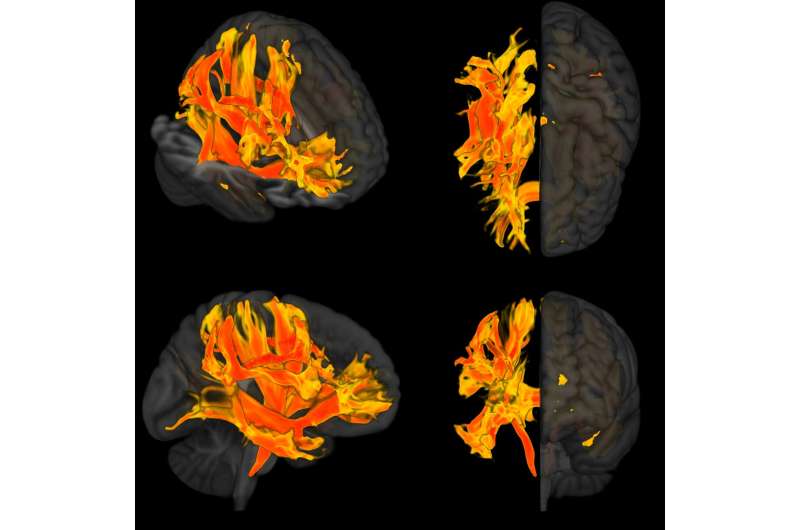
3D reconstruction show how high systolic blood pressure has affected the main tracts of white matter in the brain. The red shows the areas most affected by high blood pressure while the yellow areas are also affected but to a lesser extent. The study shows that high systolic blood pressure causes damage to the white matter and its connections with other parts of the brain and this is linked to worse cognitive functions in the people analysed. For the first time, specific brain areas which are the culprit of this disease are identified. Credit: (c) Dr Lorenzo Carnevale, IRCCS INM Neuromed, Pozzilli, Italy. (used with permission)

For the first time, researchers have identified specific regions of the brain that are damaged by high blood pressure and may contribute to a decline in mental processes and the development of dementia.

09 april 2023--High blood pressure is known to be involved in causing dementia and damage to brain function. The study, which is published in the European Heart Journal today, shows how this happens. It gathered information from a combination of magnetic resonance imaging (MRI) of brains, genetic analyses and observational data from thousands of patients to look at the effect of high blood pressure on cognitive function. The researchers then checked their findings in a separate, large group of patients in Italy.

Tomasz Guzik, Professor of Cardiovascular Medicine at the University of Edinburgh (UK) and Jagiellonian University Medical College, Krakow (Poland), who led the research, said, "By using this combination of imaging, genetic and observational approaches, we have identified specific parts of the brain that are affected by increases in blood pressure, including areas called the putamen and specific white matter regions. We thought these areas might be where high blood pressure affects cognitive function, such as memory loss, thinking skills and dementia. When we checked our findings by studying a group of patients in Italy who had high blood pressure, we found that the parts of the brain we had identified were indeed affected.

"We hope that our findings may help us to develop new ways to treat cognitive impairment in people with high blood pressure. Studying the genes and proteins in these brain structures could help us understand how high blood pressure affects the brain and causes cognitive problems. Moreover, by looking at these specific regions of the brain, we may be able to predict who will develop memory loss and dementia faster in the context of high blood pressure. This could help with precision medicine, so that we can target more intensive therapies to prevent the development of cognitive impairment in patients most at risk."

High blood pressure is common and occurs in 30% of people worldwide, with an additional 30% showing the initial stages of the disease. Studies have shown that it affects how well the brain works and that it can cause long-term changes. However, until now it was not known exactly how high blood pressure damages the brain and which specific regions are affected.

Prof. Guzik and an international team of researchers used brain MRI imaging data from over 30,000 participants in the UK Biobank study, genetic information from genome-wide association studies (GWAS) from UK Biobank and two other international groups (COGENT and the International Consortium for Blood Pressure), and a technique called Mendelian randomization, to see if high blood pressure was actually the cause of changes to specific parts of the brain rather than just being associated with these changes.

"Mendelian randomization is a way of using genetic information to understand how one thing affects another," said Prof. Guzik. "In particular, it tests if something is potentially causing a certain effect, or if the effect is just a coincidence. It works by using a person's genetic information to see if there is a relationship between genes predisposing to higher blood pressure and outcomes. If there is a relationship, then it is more likely that the high blood pressure is causing the outcome. This is because genes are randomly passed down from parents, so they are not influenced by other factors that could confuse the results. In our study, if a gene that causes high blood pressure is also linked to certain brain structures and their function, then it suggests that high blood pressure might really be causing brain dysfunction at that location, leading to problems with memory, thinking and dementia."

The researchers found changes to nine parts of the brain were related to higher blood pressure and worse cognitive function. These included the putamen, which is a round structure in the base of the front of the brain, responsible for regulating movement and influencing various types of learning. Other areas affected were the anterior thalamic radiation, anterior corona radiata and anterior limb of the internal capsule, which are regions of white matter that connect and enable signaling between different parts of the brain. The anterior thalamic radiation is involved in executive functions, such as the planning of simple and complex daily tasks, while the other two regions are involved in decision-making and the management of emotions.

The changes to these areas included decreases in brain volume and the amount of surface area on the brain cortex, changes to connections between different parts of the brain, and changes in measures of brain activity.

The first author of the study, Associate Professor Mateusz Siedlinski, also a researcher at Jagiellonian University Medical College, said, "Our study has, for the first time, identified specific places in the brain that are potentially causally associated with high blood pressure and cognitive impairment. This was uniquely possible thanks to the availability of data from UK Biobank, including MRI brain images, and thanks to previous research identifying genetic variants that affect the structure and function of over 3000 areas of the brain."

Co-author of the study Professor Joanna Wardlaw, Head of Neuroimaging Sciences at the University of Edinburgh, said, "It has been known for a long time that high blood pressure is a risk factor for cognitive decline, but how high blood pressure damages the brain was not clear. This study shows that specific brain regions are at particularly high risk of blood pressure damage, which may help to identify people at risk of cognitive decline in the earliest stages, and potentially to target therapies more effectively in future."

Limitations of the study include that participants in the UK Biobank study are mainly white and middle-aged, so it might not be possible to extrapolate the findings to older people.

An accompanying editorial is written by Dr. Ernesto Schiffrin, from Sir Mortimer B. Davis-Jewish General Hospital and McGill University, Montreal, (Canada), and Dr. James Engert, from the McGill University Health Centre Research Institute, Montreal. They observe that "further mechanistic studies of the effects of BP [blood pressure] on cognitive function are required to determine precise causal pathways and relevant brain regions."

They also highlight one of the study's findings about systolic and diastolic blood pressure (SBP and DBP): "Perhaps one of the more interesting results in this study is the possible distinct causal effects of SBP vs. DBP. The authors observed some overlapping results for SBP and DBP on cognitive function when analyzed in isolation. However, when each parameter is analyzed after adjusting for the other, or in multivariable models, intriguing findings begin to emerge. DBP alone does not predict a decline in cognitive function, but in fact, is protective when adjusted for SBP. This result was true both observationally and when using Mendelian randomization," they write, and continue by discussing the possible reasons for this.

More information: Tomasz J Guzik et al, Genetic analyses identify brain structures related to cognitive impairment associated with elevated blood pressure, European Heart Journal (2023). DOI: 10.1093/eurheartj/ehad101

Ernesto L. Schiffrin et al, Hypertension, brain imaging phenotypes and cognitive impairment: lessons from Mendelian randomisation, European Heart Journal (2023). DOI: 10.1093/eurheartj/ehad187


Provided by European Society of Cardiology 

Tuesday, January 17, 2023


Researchers find that brains with more vitamin D function better


An estimated 55 million people worldwide live with dementia, a number that's expected to rise as the global population ages. To find treatments that can slow or stop the disease, scientists need to better understand the factors that can cause dementia.

17 jan 2023--Researchers at Tufts University have completed the first study examining levels of vitamin D in brain tissue, specifically in adults who suffered from varying rates of cognitive decline. They found that members of this group with higher levels of vitamin D in their brains had better cognitive function. The study was published December 7 in Alzheimer's & Dementia.

"This research reinforces the importance of studying how food and nutrients create resilience to protect the aging brain against diseases such as Alzheimer's disease and other related dementias," said senior and corresponding author Sarah Booth, director of the Jean Mayer USDA Human Nutrition Research Center on Aging (HNRCA) at Tufts and lead scientist of the HNRCA's Vitamin K Team.

Vitamin D supports many functions in the body, including immune responses and maintaining healthy bones. Dietary sources include fatty fish and fortified beverages (such as milk or orange juice); brief exposure to sunlight also provides a dose of vitamin D.

"Many studies have implicated dietary or nutritional factors in cognitive performance or function in older adults, including many studies of vitamin D, but all of them are based on either dietary intakes or blood measures of vitamin D," said lead author Kyla Shea, a scientist on the Vitamin K Team and an associate professor at the Friedman School of Nutrition Science and Policy at Tufts. "We wanted to know if vitamin D is even present in the brain, and if it is, how those concentrations are linked to cognitive decline."

Booth, Shea, and their team examined samples of brain tissue from 209 participants in the Rush Memory and Aging Project, a long-term study of Alzheimer's disease that began in 1997. Researchers at Rush University assessed the cognitive function of the participants, older people with no signs of cognitive impairment, as they aged, and analyzed irregularities in their brain tissue after death.

In the Tufts study, researchers looked for vitamin D in four regions of the brain—two associated with changes linked to Alzheimer's disease, one associated with forms of dementia linked to blood flow, and one region without any known associations with cognitive decline related to Alzheimer's disease or vascular disease. They found that vitamin D was indeed present in brain tissue, and high vitamin D levels in all four regions of the brain correlated with better cognitive function.

However, the levels of vitamin D in the brain didn't associate with any of the physiological markers associated with Alzheimer's disease in the brain studied, including amyloid plaque buildup, Lewy body disease, or evidence of chronic or microscopic strokes. This means it's still unclear exactly how vitamin D might affect brain function.

"Dementia is multifactorial, and lots of the pathological mechanisms underlying it have not been well characterized," Shea says. "Vitamin D could be related to outcomes that we didn't look at yet, but plan to study in the future."

Vitamin D is also known to vary between racial and ethnic populations, and most of the participants in the original Rush cohort were white. The researchers are planning followup studies using a more diverse group of subjects to look at other brain changes associated with cognitive decline. They hope their work leads to a better understanding of the role vitamin D may play in staving off dementia.

However, experts caution people not to use large doses of vitamin D supplements as a preventive measure. The recommended dose of vitamin D is 600 IU for people 1-70 years old, and 800 IU for those older—excessive amounts can cause harm, and have been linked to the risk of falling.

"We now know that vitamin D is present in reasonable amounts in human brains, and it seems to be correlated with less decline in cognitive function," Shea says. "But we need to do more research to identify the neuropathology that vitamin D is linked to in the brain before we start designing future interventions."

More information: Brain Vitamin D Forms, Cognitive Decline and Neuropathology in Community-dwelling Older Adults, Alzheimer s & Dementia (2022). DOI: 10.1002/alz.12836

Saturday, November 05, 2022


Scientists detect dementia signs as early as nine years ahead of diagnosis

dementia
Credit: CC0 Public Domain

Cambridge scientists have shown that it is possible to spot signs of brain impairment in patients as early as nine years before they receive a diagnosis for one of a number of dementia-related diseases.

05 nov 2022--In research published today in Alzheimers & Dementia, the team analyzed data from the UK Biobank and found impairment in several areas, such as problem solving and number recall, across a range of conditions.

The findings raise the possibility that in the future, at-risk patients could be screened to help select those who would benefit from interventions to reduce their risk of developing one of the conditions, or to help identify patients suitable for recruitment to clinical trials for new treatments.

There are currently very few effective treatments for dementia or other neurodegenerative diseases such as Parkinson's disease. In part, this is because these conditions are often only diagnosed once symptoms appear, whereas the underlying neurodegeneration may have begun years—even decades—earlier. This means that by the time patients take part in clinical trials, it may already be too late in the disease process to alter its course.

Until now, it has been unclear whether it might be possible to detect changes in brain function before the onset of symptoms. To help answer this question, researchers at the University of Cambridge and Cambridge University Hospitals NHS Foundation Trust turned to UK Biobank, a biomedical database and research resource containing anonymized genetic, lifestyle and health information from half a million UK participants aged 40-69.

As well as collecting information on participants' health and disease diagnoses, UK Biobank collected data from a battery of tests including problem solving, memory, reaction times and grip strength, as well as data on weight loss and gain and on the number of falls. This allowed them to look back to see whether any signs were present at baseline—that is, when measurements were first collected from participants (between five and nine years prior to diagnosis).

People who went on to develop Alzheimer's disease scored more poorly compared to healthy individuals when it came to problem solving tasks, reaction times, remembering lists of numbers, prospective memory (our ability to remember to do something later on) and pair matching. This was also the case for people who developed a rarer form of dementia known as frontotemporal dementia.

People who went on to develop Alzheimer's were more likely than healthy adults to have had a fall in the previous 12 months. Those patients who went on to develop a rare neurological condition known as progressive supranuclear palsy (PSP), which affects balance, were more than twice as likely as healthy individuals to have had a fall.

For every condition studied—including Parkinson's disease and dementia with Lewy bodies—patients reported poorer overall health at baseline.

First author Nol Swaddiwudhipong, a junior doctor at the University of Cambridge, said, "When we looked back at patients' histories, it became clear that they were showing some cognitive impairment several years before their symptoms became obvious enough to prompt a diagnosis. The impairments were often subtle, but across a number of aspects of cognition.

"This is a step towards us being able to screen people who are at greatest risk—for example, people over 50 or those who have high blood pressure or do not do enough exercise—and intervene at an earlier stage to help them reduce their risk."

Senior author Dr. Tim Rittman from the Department of Clinical Neurosciences at the University of Cambridge added, "People should not be unduly worried if—for example—they are not good at recalling numbers. Even some healthy individuals will naturally score better or worse than their peers. But we would encourage anyone who has any concerns or notices that their memory or recall is getting worse to speak to their GP."

Dr. Rittman said the findings could also help identify people who can participate in clinical trials for potential new treatments. "The problem with clinical trials is that by necessity they often recruit patients with a diagnosis, but we know that by this point they are already some way down the road and their condition cannot be stopped. If we can find these individuals early enough, we'll have a better chance of seeing if the drugs are effective."

More information: Pre-Diagnostic Cognitive and Functional Impairment in Multiple Sporadic Neurodegenerative Diseases, Alzheimers & Dementia (2022). DOI: 10.1002/alz.12802
Provided by University of Cambridge 

Explore further

Sunday, July 31, 2022


Growing evidence supports the link between air pollution and dementia

pollution
Credit: Unsplash/CC0 Public Domain

Imperial researchers contribute to a report highlighting how air pollution contributes to dementia and a decline in mental ability.

31 jul 2022--The independent review, published this week by the UK Health Security Agency (UKHSA) and involving input from experts across the College, analyzed the latest available evidence into negative impacts on the brain linked to air pollution.

Reported widely by UK media, it highlights how evidence of the link has grown in recent decades, with the authors concluding "it is likely air pollution does contribute to dementia and cognitive impairments."

Professor Frank Kelly, head of Imperial's Environmental Research Group and lead author, says that "dementia is one of the greatest, if not the greatest, global challenge for health and social care in the 21st century. The Committee on the Medical Effects of Air Pollutants (COMEAP) has reviewed a large number of studies and concluded that it is likely that air pollution contributes to a decline in mental ability and dementia in older people."

Reviewing the evidence

The report, published by the Committee on the Medical Effects of Air Pollutants (COMEAP), reviewed the findings of more than 70 studies covering possible links between air pollution and a decline in mental ability and dementia in older people, as well as how air pollution might affect the brain.

It finds the evidence base has grown substantially over the last 15 to 20 years, as the number of people living with dementia has grown to more than 900,000. The authors write that "clearly, an understanding of the magnitude of the effect of air pollution on neurodegenerative conditions is critical…."

It highlights a "strong case" for air pollution having a secondary effect on the brain, increasing the risk of cardiovascular and neurodegenerative disease.

It also details a potential direct mechanism, with small particles in the air (including PM2.5 from vehicle exhausts and other sources) entering into the bloodstream and crossing into the brain.

Dr. Ian Mudway, Senior Lecturer in the School of Public Health, says that "the report calls for a much stronger focus on understanding the mechanisms by which air pollution contributes to increased dementia risk. Within Imperial were already fortunate to be working actively with members of the UK Dementia Research Institute to address this question."

The authors highlight that while it's not currently possible to directly measure the impact or air pollution on cognitive decline or dementia, it may be possible to develop an indirect method to quantify the effects on the brain.

The findings will inform international air quality guidelines and policy on particulate matter targets.

Future work will see the researchers collaborate with the UK Dementia Research Institute to uncover the mechanisms by which air pollution increases dementia risk.

More information: Full report: www.gov.uk/government/publicat … decline-and-dementia
Provided by Imperial College London 


Rapid loss of smell predicts dementia and smaller brain areas linked to Alzheimer's

alzheimers
Credit: Unsplash/CC0 Public Domain

Though we often undervalue our ability to smell compared to our abilities to see and hear, our olfactory sense provides our brain with critical information, from detecting potential dangers like smoke to recognizing the sweet smell of baking cookies.

31 jul 2022--Researchers at the University of Chicago Medicine have discovered another reason to appreciate our sniffers. Not only can a decline in a person's sense of smell over time predict their loss of cognitive function, it can foretell structural changes in regions of the brain important in Alzheimer's disease and dementia.

The findings, based on a longitudinal study of 515 older adults published July 2 in Alzheimer's & Dementia: The Journal of the Alzheimer's Association, could lead to the development of smell-test screening to detect cognitive impairment earlier in patients.

"This study provides another clue to how a rapid decline in the sense of smell is a really good indicator of what's going to end up structurally occurring in specific regions of the brain," said senior author Jayant M. Pinto, MD, a professor of surgery at the University of Chicago and ENT specialist who studies olfactory and sinus disease.

It's estimated more than 6 million Americans have Alzheimer's disease, which is characterized by memory loss and other symptoms, such as mood changes and trouble completing everyday tasks. There is no cure for Alzheimer's, but some medications can temporarily slow its symptoms.

Memory plays a critical role in our ability to recognize smells, and researchers have long known of a link between the sense of smell and dementia. The plaques and tangles that characterize tissue affected by Alzheimer's disease often appear in olfactory and memory- associated areas before developing in other parts of the brain. It's still unknown if this damage actually causes the decline in a person's sense of smell.

Pinto and his team wanted to see whether it was possible to identify alterations in the brain that correlated with a person's loss of smell and cognitive function over time.

"Our idea was that people with a rapidly declining sense of smell over time would be in worse shape –and more likely to have brain problems and even Alzheimer's itself –than people who were slowly declining or maintaining a normal sense of smell," said Rachel Pacyna, a rising fourth-year medical student at the University of Chicago Pritzker School of Medicine and lead author of the study.

The team tapped anonymized patient data from Rush University's Memory and Aging Project (MAP), a study group begun in 1997 to research chronic conditions of aging and neurodegenerative disease such as Alzheimer's disease. MAP participants are older adults living in retirement or senior housing communities in Northern Illinois and are tested annually for their ability to identify certain smells, for cognitive function and for signs of dementia, among other health parameters. Some participants also received an MRI scan.

The UChicago Medicine scientists found that a rapid decline in a person's sense of smell during a period of normal cognition predicted multiple features of Alzheimer's disease, including smaller gray matter volume in the areas of the brain related to smell and memory, worse cognition and higher risk of dementia in these older adults. In fact, the risk of sense of smell loss was similar to carrying the APOE-e4 gene, a known genetic risk factor for developing Alzheimer's.

The changes were most noticeable in the primary olfactory regions, including the amygdala and entorhinal cortex, which is a major input to the hippocampus, a critical site in Alzheimer's disease.

"We were able to show that the volume and shape of grey matter in olfactory and memory-associated areas of the brains of people with rapid decline in their sense of smell were smaller compared to people who had less severe olfactory decline," said Pinto.

An autopsy is the gold standard for confirming whether someone had Alzheimer's, and Pinto hopes to eventually extend these findings by examining brain tissue for markers of Alzheimer's. The team also hopes to study the effectiveness of using smell tests in clinics—in ways similar to how vision and hearing tests are used—as a means of screening and tracking older adults for signs of early dementia, and to develop new treatments.

Smell tests are an inexpensive, easy-to-use tool that consists of a series of sticks that are similar in appearance to felt-tip pens. Each stick is infused with a distinct scent that individuals must identify from a set of four choices.

"If we could identify people in their 40s, 50s and 60s who are at higher risk early on, we could potentially have enough information to enroll them into clinical trials and develop better medications," said Pacyna.

The study was limited in that participants received only one MRI scan, which meant the team lacked the data to pinpoint when structural changes in the brains began or how quickly brain regions shrunk.

"We have to take our study in the context of all of the risk factors that we know about Alzheimer's, including the effects of diet and exercise," said Pinto. "Sense of smell and change in the sense of smell should be one important component in the context of an array of factors that we believe affect the brain in health and ageing.

Also, because most MAP participants were white, additional research is needed to determine whether underrepresented populations are similarly affected. The team's prior work showed marked disparities by race, with African Americans facing the most severe impairment in smell function.

Pinto's previous studies have examined the sense of smell as an important marker for declining health in older adults. His 2014 paper revealed older adults with no sense of smell were three times more likely to die within five years—a better predictor of death than a diagnosis of lung disease, heart failure or cancer.

Other scientists who contributed to "Rapid olfactory decline during aging predicts dementia and GMV loss in AD brain regions" include Kristen Wroblewski, MS, in Public Health Sciences and Martha McClintock, Ph.D., the David Lee Shillinglaw Distinguished Service Professor Emerita, Departments of Psychology and Comparative Human Development of the University of Chicago, and Duke Han, Ph.D., Professor of Family Medicine, Neurology, Psychology and Gerontology of the University of Southern California.


More information: Rapid olfactory decline during aging predicts dementia and GMV loss in AD brain regions, Alzheimer s & Dementia (2022). DOI: 10.1002/alz.12717
Provided by University of Chicago Medical Center 


Lifestyle may be more important than age in determining dementia risk: Study

Lifestyle may be more important than age in determining dementia risk: Study
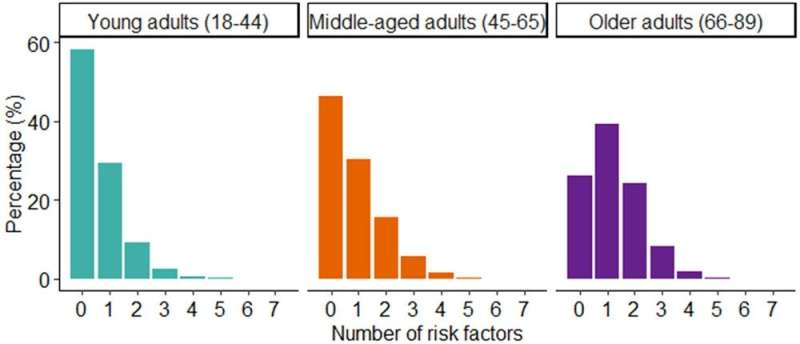
Prevalence (% frequency) of number of risk factors per age period. Credit: Alzheimer's & Dementia: Diagnosis, Assessment & Disease Monitoring (2022). DOI: 10.1002/dad2.12337

Individuals with no dementia risk factors, such as smoking, diabetes or hearing loss, have similar brain health as people who are 10 to 20 years younger than them, according to a new Baycrest study. The study found that a single dementia risk factor could reduce cognition by the equivalent of up to three years of aging.

31 jul 2022--"Our results suggest lifestyle factors may be more important than age in determining someone's level of cognitive functioning. This is great news, since there's a lot you can do to modify these factors, such as managing diabetes, addressing hearing loss, and getting the support you need to quit smoking," says Dr. Annalise LaPlume, Postdoctoral Fellow at Baycrest's Rotman Research Institute (RRI) and the study's lead author.

The study is one of the first to look at lifestyle risk factors for dementia across the entire lifespan.

"While most studies of this nature look at mid- and older-adulthood, we also included data from participants as young as 18, and we found that risk factors had a negative impact on cognitive performance across all ages. This is crucial as it means risk factors can and should be addressed as early as possible," says Dr. Nicole Anderson, Senior Scientist at the RRI, Associate Scientific Director of Baycrest's Kimel Family Center for Brain Health and Wellness, and senior author of this study.

The study, published today in the journal Alzheimer's & Dementia: Diagnosis, Assessment, and Disease Monitoring, a journal of the Alzheimer's Association, included data from 22,117 people aged 18 to 89 who completed the Cogniciti Brain Health Assessment, developed by Baycrest. Participants took the test in their own homes by going to the Cogniciti website. The test takes around 20 minutes to complete and consists of a background questionnaire and four cognitive tasks.

The researchers looked at participants' performance on memory and attention tests, and how this was impacted by eight modifiable risk factors for dementia: low education (less than a high school diploma), hearing loss, traumatic brain injury, alcohol or substance abuse, hypertension, smoking (currently or in the past four years), diabetes and depression.

Each factor led to a decrease in cognitive performance by as much as three years of aging, with each additional factor contributing the same amount of decline. For example, having three risk factors could lead to a decrease in cognitive performance equivalent to as much as nine years of aging. The effects of the risk factors increased with age, as did the number of risk factors people had.

"All in all, our research shows that you have the power to decrease your risk of cognitive decline and dementia," says Dr. LaPlume. "Start addressing any risk factors you have now, whether you're 18 or 90, and you'll support your brain health to help yourself age fearlessly."

The researchers are considering looking further into the differences between normal agers and "super agers"—people who have identical cognitive performance to those several decades younger than them.


More information: Annalise A. LaPlume et al, The adverse effect of modifiable dementia risk factors on cognition amplifies across the adult lifespan, Alzheimer's & Dementia: Diagnosis, Assessment & Disease Monitoring (2022). DOI: 10.1002/dad2.12337

Tuesday, May 31, 2022


Dementia: Combination of 'feelings' and measurements suggest Alzheimer's in the early stage

Alzheimer's disease
PET scan of a human brain with Alzheimer's disease. Credit: public domain

Subjective memory disorders in conjunction with conspicuous levels of beta-amyloid proteins in the cerebrospinal fluid are a strong indication of developing Alzheimer's disease. This is the conclusion of a DZNE study involving about 1,000 older adults. A team led by dementia researcher Frank Jessen reports on these findings in the journal Alzheimer's & Dementia. The study results could contribute to the early detection and treatment of Alzheimer's disease.

31 may 2022--When people feel that their memory or other mental abilities are declining, but objective tests do not reveal any deterioration, this is referred to in medicine as "subjective cognitive impairment," or SCD for short. The phenomenon has been a topic of research for several years.

"The affected individuals report cognitive problems that cause them serious concern, but which are not measurable with current techniques," explains Prof. Frank Jessen, a DZNE scientist and director of the Department of Psychiatry at University of Cologne. By now it has turned out that SCD is a risk factor, but not a conclusive warning sign for upcoming dementia. "In many individuals with SCD, there is no progressive loss of cognitive performance. To assess the individual risk more accurately, other factors have to be taken into account," the researcher says. "We have now been able to specify these. If, in addition to SCD, there is also evidence that certain proteins accumulate in the brain, then taken together that's a strong sign for a developing Alzheimer's disease."

A nationwide study

This assessment is based on a long-term DZNE study called DELCODE, which comprises ten study centers across Germany and involves several university hospitals. Within this framework, cognitive performance of almost 1,000 older women and men has been recorded annually since several years. This is done by means of established neuropsychological test procedures. In addition, the cerebrospinal fluid of many study participants is analyzed and brain volume determined by means of magnetic resonance imaging (MRI).

Jessen and his colleagues now evaluated measurement series of the individual subjects, each data set covered a period of up to five years. Mean age of the study participants was around 70 years, and they were originally recruited through memory clinics at the participating university hospitals and through newspaper advertisements. The cohort included more than 400 people with SCD at baseline and around 300 individuals who had measurable cognitive impairments—up to symptoms of dementia due to Alzheimer's disease. In addition, the cohort comprised more than 200 adults whose cognitive performance was within the normal range and who did not exhibit SCD at baseline: These "healthy" persons served as a control group. All in all, this represents one of the most comprehensive studies on SCD to date.

Biomarkers in the cerebrospinal fluid

The protein beta-amyloid, which accumulates in the brain in the course of Alzheimer's disease, played an important role in the investigations. Accumulation in the brain can be assessed indirectly—on the basis of the level of the protein in the cerebrospinal fluid: if the reading is beyond a threshold value, this is regarded as evidence that beta-amyloid is concentrating in the brain. These individuals are then considered "amyloid-positive." 83 study participants with SCD and 25 volunteers from the control group had this status. "Deposition of beta-amyloid, like SCD, is a risk factor for Alzheimer's disease. On their own, however, neither phenomenon is a clear indicator of disease. But the picture sharpens, as evidenced by our study, when these phenomena are considered together and over a longer time period," Jessen says.

Development over time

During the study period, some subjects from the SCD group and also some from the control group evolved measurable cognitive deficits. This was particularly evident in amyloid-positive subjects with SCD at baseline. In comparison, cognitive decline was much on average much lower in amyloid-positive individuals of the control group. MRI data of the brain also showed differences: The "hippocampus," a brain area divided over both brain hemispheres and considered the "control center" of memory, tended to be smaller in amyloid-positive subjects with SCD than in amyloid-positive individuals of the control group: an indication of atrophy, i.e. loss of brain mass.

Stage 2 of Alzheimer's disease

"When you add up all the findings, including the data from those subjects who already had measurable cognitive deficits at baseline, we see the combination of SCD and amyloid-positive status as a strong indicator of early-stage Alzheimer's disease," Jessen says. "If you classify Alzheimer's into six stages according to common practice, with stage 6 representing severe dementia, then, in our view, the combination of SCD and amyloid-positive status corresponds to stage 2. This occurs before the stage where measurable symptoms first appear and which is also referred to as mild cognitive impairment."

An approach for early detection

To date, there is no effective treatment for Alzheimer's disease. However, it is generally believed that therapy should begin as early as possible. "If there are measurable clinical symptoms, then the brain has already been significantly damaged. From today's perspective, treatment then has little chance of lasting success," says Jessen. "The question, therefore, is how to identify apparently healthy individuals who actually have Alzheimer's disease and are very likely to develop dementia. I consider the combination of SCD and amyloid-positive status to be a promising criterion that should be further investigated and tested in future studies."

More information: Frank Jessen et al, Subjective cognitive decline and stage 2 of Alzheimer disease in patients from memory centers, Alzheimer's & Dementia (2022). DOI: 10.1002/alz.12674
Provided by German Center for Neurodegenerative Diseases 

Wednesday, March 09, 2022


Study: Some of the world's lowest rates of dementia found in Amazonian indigenous groups

amazon
Credit: CC0 Public Domain

As scientists around the world seek for solutions for Alzheimer's disease, a new study reveals that two indigenous groups in the Bolivian Amazon have among the lowest rates of dementia in the world.

09 mar 2022--An international team of researchers found among older Tsimane and Moseten people, only about 1% suffer from dementia. In contrast, 11% of people age 65 and older living in the United States have dementia, according to the Alzheimer's Association.

"Something about the pre-industrial subsistence lifestyle appears to protect older Tsimane and Moseten from dementia," said Margaret Gatz, the lead study author and professor of psychology, gerontology and preventive medicine at the Center for Economic and Social Research at the USC Dornsife College of Letters, Arts and Sciences.

Researchers used computed tomography (CT) brain scan images, cognitive and neurological assessments and culturally appropriate questionnaires—facilitated by a local team of trained translators and Bolivian physicians—to diagnose dementia and cognitive impairment among the Tsimane and Moseten.

The study, published in Alzheimer's & Dementia: The Journal of the Alzheimer's Association, found only five cases of dementia among 435 Tsimane people and just one case among 169 Moseten age 60 and over.

In the same over-60 groups, the research team diagnosed about 8% of Tsimane and 10% of Moseten with mild cognitive impairment (MCI), which is typically marked by early stage memory loss or decline of other cognitive ability, such as language or spatial perception. The study's authors pointed out these rates are more comparable to MCI in high-income countries like the U.S.

Researchers were surprised to find that the study participants found to have dementia or MCI frequently had unusual and prominent calcifications of their intracranial arteries. These study participants frequently displayed parkinsonian symptoms during neurological examinations and cognitive deficits in attention, spatial awareness and executive functioning.

Although calcifications were more common among the cognitively impaired, researchers also observed these vascular calcifications in the CT scans of those without dementia or MCI. They say more research is needed to understand the role of vascular factors as well as infectious and inflammatory disorders—which are highly prevalent in these populations—along with other risks for dementia. To this end, the research team is currently returning to all the Tsimane and Moseten villages to revisit those who were previously assessed.

The roughly 17,000 Tsimane remain physically very active throughout their lifespans as they fish, hunt and farm with hand tools and gather food from the forest. The 3,000 Moseten also reside in rural villages and engage in subsistence agricultural work. Unlike the more isolated Tsimane, they live closer to towns and have schools, access to clean water and medical services, and are more likely to be literate.

The study authors compared their results to a systematic review of 15 studies of indigenous populations in Australia, North America, Guam and Brazil. That earlier review found dementia prevalence ranging from 0.5% to 20% among indigenous older adults.

The fact that indigenous populations in other parts of the world have high rates of dementia may be due to a higher amount of contact with—and adoption of lifestyles of—their non-indigenous neighbors. They also face greater risks of diabetes, hypertension, alcohol abuse, obesity and cardiovascular disease.

These dementia risk factors are extremely low among the Tsimane and Moseten populations. Prior research published in The Lancet showed the Tsimane people have extraordinarily healthy hearts in older age and the lowest prevalence of coronary atherosclerosis (a disease that shows in the form of fatty deposits inside arteries) of any population known to science. This distinction may be linked to their subsistence lifestyle.

Another study published last year in The Journal of Gerontology—led by USC assistant professor Andrei Irimia, also a co-author on the new publication—found that the Tsimane experience less brain atrophy than their American and European peers.

Researchers say in contrast to the Tsimane, lifestyle factors in higher-income countries—including lack of physical activity and diets rich in sugars and fats—contribute to heart disease and may also accelerate brain aging.

A race for Alzheimer's disease solutions

Aging is the most important known risk factor for Alzheimer's and other dementias. Converging evidence points to low formal education, midlife hypertension and diabetes, cardiovascular diseases, physical inactivity and—most recently—air pollution as the major modifiable risk factors for dementia and Alzheimer's disease.

An aging global population, along with the proliferation of those modifiable risk factors, will lead to a tripling of the number of people with dementia worldwide by 2050, to more than 152 million, according to estimates.

"We're in a race for solutions to the growing prevalence of Alzheimer's disease and related dementias," said Hillard Kaplan, a study co-author and professor of health economics and anthropology at Chapman University who has studied the Tsimane for two decades. "Looking at these diverse populations augments and accelerates our understanding of these diseases and generate new insights."

"By working with populations like the Tsimane and the Moseten, we can get a better understanding of global human variation and what human health was like in different environments before industrialization," said Benjamin Trumble, a study co-author and an associate professor in the School of Human Evolution and Social Change and the Center for Evolution and Medicine at Arizona State University. "What we do know is the sedentary, urban, industrial life is quite novel when compared with how our ancestors lived for more than 99% of humanity's existence."

More information: Margaret Gatz et al, Prevalence of dementia and mild cognitive impairment in indigenous Bolivian forager‐horticulturalists, Alzheimer's & Dementia (2022). DOI: 10.1002/alz.12626
Journal information: The Lancet