Showing posts with label Insomnia. Show all posts

Friday, October 07, 2022


Insomnia increases likelihood of memory decline in older adults, according to new research
insomnia
Credit: Unsplash/CC0 Public Domain

A new Canadian study has found that older people with insomnia are at greater risk of developing memory decline and long-term cognitive impairment such as dementia.

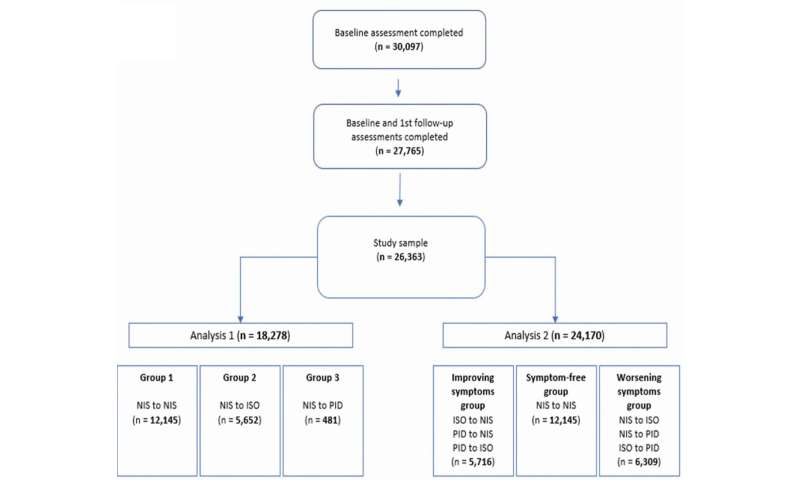
06 oct 2022--The study, published in the journal Sleep, is based on data from more than 26,000 participants of the Canadian Longitudinal Study on Aging, all aged between 45 and 85. The researchers compared completed self-reported evaluations of sleep and memory and neuropsychological testing in several cognitive domains from 2019 and a follow-up in 2022. Participants who reported worsening sleep quality in that three-year interval also had greater odds of reporting subjective memory decline.

"We found that insomnia specifically was related to worse memory performance compared to those who have some insomnia symptoms alone or no sleep problems at all," says the study's co-lead author Nathan Cross, a postdoctoral fellow at the Sleep, Cognition and Neuroimaging Lab. "This deficit in memory was specific, as we also looked at other cognitive function domains such as attention span multi-tasking. We only found differences in memory."

Jean-Louis Zhao at the Université de Montréal was the study's co-lead. Lisa Kakinami and Thanh Dang-Vu of the PERFORM Centre contributed to the study, as did Chun Yao and Ronald Postuma from McGill University and Julie Carrier and Nadia Gosselin at UdeM.
Insomnia increases likelihood of memory decline in older adults, according to new research
Study flowchart and group classification for Analysis 1 and Analysis 2. NIS, no insomnia symptoms; ISO, insomnia symptoms only; PID, probable insomnia disorder. Credit: Sleep (2022). DOI: 10.1093/sleep/zsac176

Big data and a sharp focus

Unlike previous studies on sleep quality, Cross says, this one benefits from its very large data set and its focus on sleep disorders. Insomnia, he points out, has been classified as a psychological disorder in the Diagnostic and Statistical Manual of Mental Disorders, the primary reference handbook used by physicians worldwide. Insomnia is not just tossing and turning for a time before bed: "A diagnosis requires symptoms of difficulty falling asleep, staying asleep or waking too early three nights a week over a period of three months. Additionally, those with insomnia must report that this sleep problem causes them difficulty in the daytime," Cross explains.

For this study, the researchers grouped their subjects into one of three categories: those who reported no sleep problems at the 2019 baseline, those who had some insomnia symptoms and those who developed probable insomnia. When they looked at the data from 2022 follow-up, those who had reported a worsening of sleep quality—from no symptoms to some or probable insomnia, or from some symptoms to probable insomnia—were more likely to report memory decline or have it diagnosed by their physician. They were also more likely to show higher prevalence of anxiety, depression, daytime sleepiness, have breathing interruptions during sleep, other sleep-related issues, smoking and a greater body mass index (BMI) score. All of these are considered risk factors for cognitive decline and dementia. Additionally, the study found that men with insomnia perform worse on memory tests than women, suggesting that older men may be at greater risk.

"However, there is some good news: sleep disorders like insomnia can be treated," Cross adds. "This highlights the importance of properly diagnosing and managing insomnia as early as possible in older adults. Adequately treating insomnia disorder might become an important preventive measure for cognitive decline and mitigate the incidence of dementia in later life."


More information: Jean-Louis Zhao et al, Insomnia disorder increases the risk of subjective memory decline in middle-aged and older adults: a longitudinal analysis of the Canadian Longitudinal Study on Aging, Sleep (2022). DOI: 10.1093/sleep/zsac176

Thursday, May 17, 2018

Review shows lack of evidence supporting use of antidepressants for insomnia


insomnia
Credit: CC0 Public Domain
A rigorous review of research, led by the University of Southampton, has found there is not enough evidence to support the current clinical practice of prescribing antidepressants for insomnia.
Part-funded by the NIHR School for Primary Care Research, the review, published in the Cochrane Systematic Reviews Library, re-examined 23 previous studies involving a total of 2,806 patients with insomnia.

17 may 2018--The researchers found that, overall, evidence supporting the use of antidepressants for people with sleep problems is of low quality – partly due to the small number of people in individual studies and partly due to how the studies were undertaken and reported.
Some low quality evidence was identified supporting short term (weeks, rather than months) use of some antidepressants, but no evidence was found for amitriptyline, which is commonly used in clinical practice. There was also no evidence to support long-term antidepressant use for insomnia.
Lead researcher, Associate Professor Hazel Everitt, says: "High quality trials of antidepressants for insomnia are needed to provide better evidence in this area to inform clinical practice. Additionally, health professionals and patients should be made aware of the current lack of evidence for antidepressant medications commonly used for insomnia management."
Insomnia causes unsatisfactory sleep – both difficulty getting to sleep and staying asleep. It is a common problem, with one in five people reporting sleep problems each year. It can significantly impair quality of life, leading to physical or mental health problemsand is associated with anxiety, depression and drug and alcohol abuse.
Management of the condition depends on its duration and nature. It may involve treating coexisting medical problems, providing advice on sleep habits and lifestyle, or using medicines and psychological therapies. Medicines called hypnotics are most commonly used to treat insomnia and are known to help, but can have problems, such as tolerance (needing to take more of the medicine to get the same effect) and dependence (physical or mental problems if the medicine is stopped). The use of antidepressant drugs to help with insomnia is widespread, but none are licensed for the condition and, as this study has shown, their effectiveness is unclear.

More information: Antidepressants for insomnia in adults. Cochrane Database of Systematic Reviews, DOI: 10.1002/14651858.CD010753.pub2


Provided by University of Southampton

Tuesday, May 03, 2011

Insomnia linked to high insulin resistance in diabetics

In the largest study of it kind to establish a link between sleep and diabetes, researchers found that people with diabetes who sleep poorly have higher insulin resistance, and a harder time controlling the disease.

03may 2011--The findings, published in the June issue of Diabetes Care, suggest that poor sleep may contribute to worse outcomes in people with diabetes.

"Poor sleep quality in people with diabetes was associated with worse control of their blood glucose levels," said Kristen Knutson, PhD, assistant professor of medicine and lead author of the study. "People who have a hard time controlling their blood glucose levels have a greater risk of complications. They have a reduced quality of life. And, they have a reduced life expectancy."

People with diabetes generally have poorer sleep than the general population, and poor sleep has been proposed as a risk factor for developing the disease. Sleep disorders, such as obstructive sleep apnea, are more prevalent in people with type 2 diabetes, Knutson said.

For the study, researchers monitored the sleep of 40 people with diabetes for six nights. The subjects also reported if they generally suffered from symptoms of sleep disturbances like insomnia, snoring or sleep apnea. At clinical examinations, they gave blood samples to allow researchers to measure insulin and glucose levels.

The subjects wore activity monitors on their wrists at night, which measure their wrist movements throughout the night. Poor sleep, or insomnia, was determined by both poor sleep quality based on the activity monitors and the subject telling the researchers that they often had a hard time falling asleep or woke up during the night.

Among the diabetics, poor sleepers had 23% higher blood glucose levels in the morning, and 48% higher blood insulin levels. Using these numbers to estimate a person's insulin resistance, the researchers found that poor sleepers with diabetes had 82% higher insulin resistance than normal sleepers with diabetes.

Knutson said the next step for researchers is to see if treating poor sleep can improve long-term outcomes and quality of life for diabetics. "For someone who already has diabetes, adding a sleep treatment intervention, whether it's treating sleep apnea or treating insomnia, may be an additional help for them to control their disease," Knutson said.

In fact, restoring a healthy amount of sleep may be as powerful an intervention as the drugs currently used to treat type 2 diabetes. "This suggests that improving sleep quality in diabetics would have a similar beneficial effect as the most commonly used anti-diabetes drugs," said Eve Van Cauter, PhD, professor of medicine and co-author of the study.

Further investigation into which leads to the other – the chronic poor sleep or chronic insulin resistance – could improve the quality of life for people with type 2 diabetes. "Anything that we can do to help people improve their ability to control their glucose will help their lives in the long run," Knutson said.

The data was collected as part of the CARDIA study, an ongoing longitudinal study of the heart health. It has tracked thousands of people for over 20 years.

More information: The study, "Cross-sectional associations between measure of sleep and markers of glucose metabolism among persons with and without diabetes" was published online March 16, 2011, in the journal Diabetes Care and is freely available.

Provided by University of Chicago Medical Center

Tuesday, July 07, 2009

Internet-based therapy shows promise for insomnia

CHICAGO, 07 july 2009 – Sleepless people sometimes use the Internet to get through the night. Now a small study shows promising results for insomniacs with nine weeks of Internet-based therapy.

No human therapist is involved. The Internet software gives advice, even specific bedtimes, based on users' sleep diaries. Patients learn better sleep habits — like avoiding daytime naps — through stories, quizzes and games.

"This is a very interactive, tailored, personalized program," said study co-author Frances Thorndike of the University of Virginia Health System, who helped design the software, called Sleep Healthy Using the Internet, or SHUTi.

Such software could one day be a low-cost alternative for some patients, Thorndike said. And it could be the only non-drug option for people who live in areas without trained specialists, she said.

Prior research has shown face-to-face cognitive behavioral therapy can have long-lasting results for insomniacs without the side effects of medication. The SHUTi program is based on that style of therapy, which helps patients change thinking patterns that contribute to poor sleep.

In the new study, released Monday in Archives of General Psychiatry, the researchers recruited 45 adults with moderate insomnia and randomly assigned 22 of them to try the Internet program.

The group who got the treatment woke up fewer times and spent fewer minutes awake during the night. The control group's scores didn't change. Even after six months, the Internet group's scores remained improved.

The response was "fairly impressive and comparable to what you see with more intensive sorts of interventions," said Jack Edinger, a sleep disorder specialist at Duke University Medical Center in Durham, N.C., who wasn't involved in the study.

Participants were highly educated and had no sleep apnea or psychiatric problems. Testing the approach on a larger, more diverse group could determine which patients benefit most, Edinger said.

Shelby Harris, a sleep specialist at New York's Montefiore Medical Center, said something valuable is lost in an Internet-based approach. A trained therapist can help patients stay motivated and identify anxieties keeping patients awake at night.

"There will certainly be people who prefer the face-to-face contact or do better with that type of therapy," Thorndike said. "This will free up those limited resources for face-to-face therapy for the people who need it, benefit from it or would prefer it."

The study was funded by a grant from the National Institute of Mental Health.

Thursday, April 02, 2009

Chronic insomnia with short sleep duration is a significant risk factor for hypertension

Findings suggest that chronic insomnia is a major public health concern, and its diagnosis and appropriate treatment should become the target of public health policy

Westchester, Ill., 02 april 2009 — A study in the April 1 issue of the journal SLEEP is the first to demonstrate that chronic insomnia with objectively measured short sleep time is an independent and clinically significant risk factor for hypertension.

Results indicate that participants with insomnia and an objectively measured, severely short sleep duration of less than five hours had a risk for hypertension that was 500 percent higher than participants without insomnia who slept more than six hours. People with insomnia and a moderately short sleep duration of five to six hours had a risk for hypertension that was 350 percent higher than normal sleepers.

In contrast, neither insomnia with a normal sleep duration of more than six hours nor a short sleep duration without a sleep complaint was associated with a significant risk for hypertension. This suggests that there is an additive or synergistic effect on hypertension risk when insomnia occurs in combination with a short sleep duration.

According to lead author Alexandros N. Vgontzas, MD, director of the Sleep Research and Treatment Center at the Penn State College of Medicine in Hershey, Pa., one of the study's strengths is that sleep duration was measured objectively by overnight polysomnography.

"It should be emphasized that many times the amount that we feel we slept is different from the actual amount," said Vgontzas. "Thus self-reported sleep duration cannot replace measured sleep duration."

The study involved a random sample of 1,741 men and women in central Pennsylvania with an average age of 49 years. Eight percent were classified as having chronic insomnia with symptoms persisting for at least one year; 22 percent were poor sleepers with a moderate to severe complaint of difficulty falling asleep, staying asleep, early final awakening or unrefreshing sleep; and 70 percent were normal sleepers. Twenty-one percent had a severely short sleep duration of less than five hours; 23 percent had a moderately short sleep duration of five to six hours; and 56 percent had a normal sleep duration of more than six hours.

Although the cross-sectional nature of the study did not allow for causality to be determined, the authors note that large amounts of clinical and research data indicate that it is most likely that insomnia leads to hypertension. Previous reports have shown that insomnia with short sleep duration is associated with the hypersecretion of cortisol, increased catecholaminergic activity, increased heart rate and 24-hour metabolic rate, and impaired heart rate variability. All of these conditions may lead to hypertension and other cardiovascular events.

Because the study sample is representative of the general population, the authors estimate that eight percent to 10 percent of the U.S. population may be at risk for hypertension and other significant medical complications related to chronic insomnia.

According to Vgontzas, the study indicates that people with insomnia should seek evaluation and treatment from their medical provider. Although the results suggest that people with insomnia have a lower risk for physical problems if their sleep duration is normal, they still are at risk for depression and may suffer from the behavioral effects of insomnia.

###

A media fact sheet about insomnia is available from the AASM at http://www.aasmnet.org/Resources/FactSheets/Insomnia.pdf.

Information about insomnia for patients and the public is available from the AASM at http://www.sleepeducation.com/Disorder.aspx?id=6.

Wednesday, February 18, 2009

Study finds behavioral link between insomnia and tension-type headaches

18 feb 2009--Using sleep or napping to cope with chronic pain caused by tension-type headaches could lead to chronic insomnia according to a new study by researchers at Rush University Medical Center. The study, published in the February 15 issue of the Journal of Clinical Sleep Medicine, found that napping to relieve headache pain could serve as a behavioral link between headache and sleep disturbance.

The study compared a group of 32 women who were confirmed to have tension-type headaches, as classified by the International Headache Society System, to a control group of 33 women who experience minimal pain.

Eighty-one percent of the women in the headache group reported going to sleep as a way of managing their headaches; this method was also rated as the most effective self-management strategy for pain.

Principal investigator and lead author, Jason C. Ong, PhD, assistant professor of behavioral sciences at Rush University Medical Center, said the extent to which the headache sufferers rated sleep as being an effective method for coping with pain was somewhat surprising.

"Insomnia is a common complaint among headache sufferers. While napping may relieve pain, it may also decrease the brain's need for sleep at night, leading to reduced ability to initiate and maintain sleep at night," said Ong.

The study found 58 percent of those with tension-type headaches reported sleep problems as a trigger of headaches compared to 18 percent of those who only suffer minimal headache pain. Similar studies have found that sleep disturbances, which include difficulty falling asleep or staying asleep, have been identified as a risk factor for developing chronic headaches.

Women in the headache group also reported a significantly higher rating of pain interfering with sleep compared to the control group. No significant differences were found between the groups on use of medication to relieve headaches.

Ong encourages further behavioral treatment studies to examine alternative coping strategies for pain that do not involve sleep. He notes that clinicians should be sensitive to the dilemma of managing pain and sleep disturbances.

In addition, the study concludes that medical experts should assess daytime napping behaviors among individuals who report insomnia and headaches. Such an assessment may be important for developing behavioral sleep interventions.

The study involved 65 women recruited from undergraduate psychology courses at a university located in the southeastern U.S. The average age of members of the headache group was 21.9 years, while the average age of the control group was 18.9 years.

The average time since the first headache of any type was 9.4 years for participants in the headache group, with an average of 8.11 headache days per month. Participants reported an average of 12.2 tension-type headaches over the past year, and 2.1 tension-type headaches in the past month, with a median duration of 2.0 hours. The average tension-type headache intensity rating using a 0-to-10 scale was 5.6. Six participants in the headache group also met criteria for migraine disorder.

###

Founded in 1978, the Sleep Disorders Center at Rush was the first such center in Illinois and the first in the region to receive accreditation from the American Academy of Sleep Medicine (then the American Sleep Disorders Association). The staff of the Sleep Disorders Service and Research Center has established a national reputation for clinical excellence, for innovation in sleep medicine research and for providing superior training to the next generation of sleep professionals.

Sunday, January 18, 2009

Poor Sleep Patterns May Increase Risk for the Common Cold

Abbreviated or disturbed sleep may make you more susceptible to colds, Archives of Internal Medicine reports

18 jan 2009--Some 150 volunteers recorded their sleep duration and sleep efficiency (defined as the percentage of time spent asleep while in bed) every day for 2 weeks. They were then quarantined and challenged with a rhinovirus.

During the next 5 days, the risk for developing a cold was about three times higher among participants who'd averaged less than 7 hours' sleep a night (vs. 8 or more), and nearly six times higher for those with less than 92% sleep efficiency (vs. 98% or more).

Good night!

LINK(S):

Archives of Internal Medicine article (Free abstract; full text requires subscription)

Wednesday, October 22, 2008

Respiratory rhythms can help predict insomnia

22 oct 2008--The breathing and heart rates and cortisol levels of women with metastatic breast cancer can be used to predict if they'll suffer from chronic insomnia and sleep disruptions, a common complaint from patients who want to maintain their quality of life, according to a study by scientists at the University of Rochester Medical Center.
This report, published in the Journal of Clinical Sleep Medicine, is the first to identify the body's parasympathetic nervous system, a branch of the autonomic nervous system that controls breathing and heart rates and the body's response to stress, as a contributor to poor sleep, which is a persistent problem for women with breast cancer, according to lead author Oxana Palesh, Ph.D., research assistant professor at Rochester's James P. Wilmot Cancer Center.
"We were able to identify the role that the parasympathetic nervous system plays in insomnia. It's reasonable to suggest that simple breathing exercises may help more than we realize with insomnia," Palesh said. She is a member of the University of Rochester Cancer Center Community Clinical Oncology Research Base, which specializes in cancer control studies.
She suggests regulating deep diaphragmatic breathing through yoga, meditation and other techniques may help thwart insomnia and sleep disruptions, which are two to three times as common in cancer patients compared to general population. Scientists don't know why people with cancer experience greater sleep problems and how to prevent it. Many doctors prescribe people with cancer various sleep aides or hypnotics.
Palesh led a study of 99 women with metastatic breast cancer or recurrent disease over 45 living in San Francisco. Among the women, 39 took antidepressants and 19 used medications to treat their insomnia
Participants collected saliva for cortisol measurement for two days, completed questionnaires and wore actigraphs to monitor sleep and awake cycles for three days. They also participated in Trier Social Stress Tasks, a standardized social and cognitive stress test, after their cortisol baseline collections.
Scientists measured participants' heart rate during a stress task and found that lowered heart rate variability was associated with efficiency of their sleep, how long after sleeping that they awoke, how long they were awake and the average number of times they woke in the night.
Results showed that most women spent about eight hours in bed at night, but had on average 15 wake episodes in the night with each episode lasting about 5 minutes, for a total of 71 minutes
Insomnia and sleep problems are tied to fatigue, mood disorders and sometimes psychiatric illness, and can reduce quality of life for people facing the disease.
In healthy people, cortisol levels peak during the morning and typically level out during the end of the day. However in more than a third of the women with metastatic breast cancer, circadian rhythms are disrupted and cortisol peak multiple times or rise during the end of the day. In this study, Palesh found that Cortisol disruption was also associated with waking up at night.
In studies of healthy people, evidence shows people with insomnia typically have an elevated response to stress, which contributes to the problem.
###
Palesh completed the study with former Stanford University colleague David Spiegel, M.D., who is known for his research on support groups and cancer patients. It was funded by the National Cancer Institute.

Friday, June 13, 2008

APSS: Moderate Evening Workout Improves Sleep in Insomnia

By Michael Smith
BALTIMORE,13 june 2008 -- Fifty minutes on a treadmill a few hours before bedtime helps patients with primary insomnia get to sleep, a researcher said here.In a controlled trial, those who did moderate aerobic exercise in the evenings fell asleep more quickly, woke less often, and increased their total sleep time, according to Giselle Passos, a doctoral student at the Federal University of Sao Paulo in Brazil.On the other hand, intense aerobic exercise and moderate strength training had no effect, Passos said at SLEEP 2008, the annual meeting of the Associated Professional Sleep Societies.
The results show that "there is a way to diminish the symptoms of insomnia without using medication," Passos said.
She added that the study "may contribute to increased quality of life in people with one of the most important kind of sleep disorders around the world."
People with insomnia are not usually advised to work out in the evening, because exercise has an arousing effect, commented Donna Arand, Ph.D., of the Kettering Hospital Sleep Disorders Center in Dayton, Ohio, who was not involved in the work.
Dr. Arand said it's well known that regular exercise has a "strong and good effect" on sleep quality, but insomnia experts have traditionally suggested it take place earlier in the day.
The advantage of the later hour is that many patients have busy days and the evening is the only time available for exercise. "This might be an option for them," Dr. Arand said.
She said the study adds support for the idea that exercise can be beneficial for those with primary insomnia, but added it needs to be replicated before it can become part of clinical practice.
Passos and colleagues enrolled 36 patients (including 28 women) with primary chronic insomnia and an average age of 44.4. Their sleep was evaluated using a sleep log and polysomnography in the sleep lab, after a night of laboratory adaptation.
The study included three experimental groups -- nine each taking moderate aerobic exercise, heavy aerobic exercise, moderate strength training -- as well as nine in a control group that did not exercise.
Those in the moderate-exercise group ran on the treadmill for 50 minutes at a pace that kept them below the first ventilatory threshold, regarded as a cutoff for moderate exercise.
Volunteers in the heavy-exercise group ran in three 10-minute bursts at the second ventilatory threshold (considered the level of intense exercise) with 10-minute breaks between. Those doing the strength training did exercises including shoulder presses, leg curls, and abdominal crunches for about 50 minutes.
The study found no significant changes in sleep for the heavy-exercise and strength-training groups. However, in the moderate group, the polysomnographic results showed:
A 54% reduction in sleep-onset latency -- from 41.5 minutes on average at baseline to 18.9 minutes after exercise -- which was significant at P<0.05.
A 36% decrease in time spent awake (also significant at P<0.05), from 146.7 minutes at baseline to 94 minutes after exercise.
A corresponding 21% increase in total sleep time, from 4.5 hours to 5.7 hours, which was significant at P<0.05.
An 18% increase in sleep efficiency, from 65% to 78.6%, also significant at P<0.05.
The sleep logs of the volunteers in the group also showed significant reductions (P<0.05) in total sleep time and sleep onset latency.
Dr. Arand noted that the researchers reported the effects of a single exercise session, rather than regular exercise.
The study was supported by the Associação Fundo de Incentivo à Psicofarmacologia, the Instituto do Sono, CEPE, CEMSA, FADA/UNIFESP, and FAPESP. Passos reported no conflicts.
Primary source: Associated Professional Sleep Societies meetingSource reference:Passos GS, et al "Physical exercise can improve sleep quality of insomniac patients?" APSS Meeting 2008; Abstract 737.

Tuesday, September 04, 2007

The Claim: A Glass of Warm Milk Will Help You Get to Sleep at Night

By ANAHAD O’CONNOR
THE FACTS
Few foods have a reputation for curing insomnia quite like warm milk.
According to age-old wisdom, milk is chock full of tryptophan, the sleep-inducing amino acid that is also well known for its presence in another food thought to have sedative effects, turkey.
But whether milk can induce sleep is debatable, and studies suggest that if it does, the effect has little to do with tryptophan.
To have any soporific effect, tryptophan has to cross the blood-brain barrier. And in the presence of other amino acids, it ends up fighting — largely unsuccessfully — to move across.
One study by researchers at the Massachusetts Institute of Technology demonstrated this in 2003. The study, which was published in The American Journal of Clinical Nutrition, showed that eating protein-rich foods — like milk — decreased the ability of tryptophan to enter the brain.
The trick, the study showed, is to eat foods high in carbohydrates, which stimulate the release of insulin. Insulin, in turn, makes it easier for tryptophan to enter the brain.
But surveys have found that many people swear by milk as a sleep aid, and that may have something to do with psychology.
Scientists say the routine of drinking a glass of milk before bed can be as soothing as a favorite old blanket.
THE BOTTOM LINE
A glass of warm milk may make you drowsy, but not because of tryptophan.

Saturday, August 18, 2007

Review Addresses Pharmacologic Treatments of Insomnia

August 17, 2007 — A review in the August 15 issue of American Family Physician discusses various treatment options for insomnia, including tips for appropriate times to prescribe hypnotics and other pharmacologic treatments.
"The American Academy of Sleep Medicine defines insomnia as unsatisfactory sleep that impacts daytime functioning," write Kalyanakrishnan Ramakrishnan, MD, and Dewey C. Scheid, MD, MPH, from the University of Oklahoma Health Sciences Center in Oklahoma City. "More than one third of adults report some degree of insomnia within any given year, and 2 to 6 percent use medications to aid sleep. Insomnia is associated with increased morbidity and mortality caused by cardiovascular disease and psychiatric disorders and has other major public health and social consequences, such as accidents and absenteeism."
The need to evaluate and treat insomnia depends in large measure on how often sleep is disrupted and on how much insomnia affects daytime functioning. Although treating insomnia on the first visit without further evaluation may be appropriate for patients experiencing grief or other clear acute stressor, severe or long-lasting insomnia mandates a complete workup. This evaluation should focus on underlying medical, neurologic, or psychiatric conditions.
Criteria for the diagnosis of insomnia should include 1 or more of the following symptoms: difficulty falling and staying asleep, poor quality of sleep, difficulty sleeping despite adequate opportunity and circumstances for sleep, and/or awakening too early.
In addition, patients diagnosed with insomnia should have 1 or more of the following types of daytime impairment caused by disturbances in sleep: impairment of attention, concentration, or memory; concerns or anxiety regarding sleep; daytime sleepiness; making errors or having motor crashes or mishaps while working; fatigue or malaise; gastrointestinal symptoms; absent motivation; irritability or disturbances in mood; poor performance in school, at work, or in social settings; and/or tension headaches.
"Ideally, treatment for insomnia would improve sleep quantity and quality, improve daytime function (greater alertness and concentration), and cause minimal adverse drug effects," the study authors write. "Most experts recommend starting with nonpharmacologic therapy.... Behavioral and cognitive interventions have minimal risk of adverse effects, but disadvantages include high initial cost, lack of insurance coverage, few trained therapists, and decreased effectiveness in older adults."
Initial treatment options should include nonpharmacologic therapy, education regarding sleep hygiene, and proper attention to exercise, which has been shown in some trials to improve sleep as effectively as do benzodiazepines. The efficacy of cognitive behavior therapy (CBT) for insomnia is well documented.
When hypnotics are needed, the frequency and duration of use should be individualized based on each patient's specific circumstances. As a general rule, they should be prescribed only for short periods. Over-the-counter antihistamine preparations should only be used on occasion and not routinely. Because of its potential for abuse, alcohol should not be used to treat insomnia.
Opiates may be helpful for insomnia caused by pain. For short-term treatment, benzodiazepines may be indicated, but long-term use may be associated with adverse effects and withdrawal symptoms. For long-term treatment of chronic insomnia, the newer-generation nonbenzodiazepines, such as zolpidem, zaleplon, eszopiclone, and ramelteon, have a better safety profile and therefore are more effective first-line treatment options.
Specific clinical recommendations are as follows:
Effective, nonpharmacologic treatments for chronic insomnia are exercise, CBT, and relaxation therapy (level of evidence, A).
In patients with sleep disorders that involve circadian rhythm, melatonin is effective and safe for short-term treatment (level of evidence, B).
Although benzodiazepines are effective for treating chronic insomnia, they have significant adverse effects as well as the risk for patients becoming dependent on their use (level of evidence, B).
Based on indirect comparisons, the nonbenzodiazepines are effective for chronic insomnia and seem to have fewer adverse effects than benzodiazepines. Examples of the nonbenzodiazepines include eszopiclone, zaleplon, and zolpidem (level of evidence, B).
Although little available evidence supports combining nonpharmacologic and pharmacologic treatments of insomnia, one study comparing benzodiazepine with CBT vs benzodiazepine alone showed that combination therapy minimally improved sleep efficiency, but not wakefulness after sleep onset or total sleep time.
"Although substance abusers may abuse benzodiazepines, they rarely abuse nonbenzodiazepines," the study authors conclude. "The cost of nonbenzodiazepines is considerably higher than benzodiazepines. An economic evaluation comparing the cost-effectiveness of nonpharmacologic treatment, benzodiazepines, eszopiclone, and no treatment in older adults found that, compared with benzodiazepines, nonpharmacologic therapy (ie, CBT) produced a net gain of 0.37 quality-adjusted life-years at a savings of $2,781 over 10 years."
The authors have disclosed no relevant financial relationships.
Am Fam Physician. 2007;76:517-526, 527-528.

Monday, July 09, 2007

One-Third of Primary Care Patients Report Insomnia

One-third of adults visiting primary care practices suffer from insomnia, according to a study in the current issue of the Journal of the American Board of Family Medicine.
More than 1900 adults at five primary care practices in North Carolina completed surveys on sleep problems. Participants were, on average, 50 years old; about two-thirds were female. Overall:
• 34% had sleep maintenance insomnia, defined as typically waking up at least three times a night;
• 28% experienced symptoms of restless legs syndrome once weekly or more;
• 14% had sleep apnea symptoms at least monthly;
• 37% dozed off during daily activities once a week or more.
The authors write that "effective management of sleep complaints involves screening, diagnosis, the search for and treatment of risk factors, and the identification and treatment of specific syndromes," such as restless legs syndrome or obstructive sleep apnea syndrome.

Sunday, June 17, 2007

APSS: Risks of Insomnia Persist, Even Among People Who Sleep Well

MINNEAPOLIS, June 15 -- Even among self-reported "good sleepers," there's a risk of a bout of insomnia, researchers said here.
For example, scientists determined that if you have a family member who was diagnosed with insomnia then you have three times the risk of having an episode yourself within a year when compared with someone who doesn't have an insomniac in the family tree, Melanie LeBlanc, Ph.D., of Universite Laval, Quebec City, Quebec told attendees at the Associated Professional Sleep Societies meeting.
Because there was little data on the incidence and risk factors for insomnia, Dr. LeBlanc and colleagues recruited 464 participants who described themselves as "good sleepers".
They were evaluated through mailed questionnaires three times: At the start of the study, at six months, and after a year. The results were based on the responses of the 437 participants who turned in at least two reports.
"The most predisposing risk factor was having a previous bout of insomnia," Dr. LeBlanc said. The risk of a second insomnia problem was 5.42 times that of persons who had never had insomnia.
Lesser risk factors, but still significant, were a person's predisposition to arousability - that is, they were light sleepers who awoke to noises that ordinarily would not trouble others - with an odds ratio for an episode of insomnia of 1.12. People with general health problems had an odds ratio of 1.03; those with bodily pain had an odds ratio of 1.02.
"Because we had a large number of people in our study, even these small increases were statistically significant," Dr. LeBlanc said. "All the risks reached a P=<0.01 value."
The participants were assessed through use of the Insomnia Severity Index, the Pittsburgh Sleep Quality Index, the Beck Depression Inventory, the State-Trait Anxiety Inventory, the Arousal Predisposition Scale, the NEO Five-Factors Inventory, the Life Experience Survey, the Perceived Stress Scale, the Coping inventory for Stressful Situations, and the SF-12v2 Health Survey (SF-12).
The researchers also found that when a person in the study suffered through a bout of insomnia, it significantly increased a person's depressive symptoms and their anxiety symptoms and decreased their overall subjective mental health examination.
They noted that incident insomnia cases - problems with sleeping that occurred to these "good sleepers" -- were associated with life events.
"Improved knowledge of these risk factors could guide the development of more effective public health prevention and intervention programs for insomnia," said LeBlanc in her poster presentation.

Primary source: SleepSource reference: Melanie LeBlanc, "INCIDENCE AND RISK FACTORS OF INSOMNIA IN A POPULATION-BASED SAMPLE" Sleep,Vol. 30, Abstract Supplement, 2007, A261.

Friday, June 15, 2007

Better Sleep and Daytime Functioning With Combined Therapy for Insomnia and Anxiety

June 14, 2007 (Minneapolis) — The use of combined therapy that targets both insomnia and generalized anxiety disorder (GAD) significantly improves sleep and daytime functioning, compared with monotherapy, results of a new study suggest. The results were presented at SLEEP 2007, the 21st Annual Meeting of the Associated Professional Sleep Societies.
According to lead author W. Vaughn McCall, MD, professor and chair of psychiatry and behavioral medicine, Wake Forest University Health Sciences, in Winston-Salem, North Carolina, the most important finding of this study is perhaps the superior efficacy of the combined therapy on daytime functioning.
"Giving someone a sleeping pill is fairly intuitive," he told Medscape. "But I think more to the point is what happens during the daytime. To see improvement in alertness and concentration and so forth is not necessarily intuitive, because there is a concern that sedatives have a hangover effect and leave a person worse off.
"I think this is a derivation of the recognition that insomnia is a 24-hour-a-day problem, not just a night-time problem anymore," he added. "So I think it is critically important to show that our insomnia treatments improve daily function."
In the study, McCall and colleagues randomized 595 patients with GAD and insomnia to combined eszopiclone (ESZ) (3 mg) and escitalopram (EO) (n = 294) or EO alone (n = 301) for 8 weeks. All patients received open-label EO (10 mg) for 10 weeks before randomization. After 8 weeks of randomized treatment, ESZ was replaced with placebo for the final 2 weeks to evaluate discontinuation effects.
Patients self-reported measures of sleep symptoms in a daily sleep diary, recording sleep latency, wake time after sleep onset, total sleep time, sleep quality, and daytime functioning symptoms. To assess patients' perceptions of their insomnia at weeks 1, 4, 8, and 10, the Insomnia Severity Index was used.
During the 8 weeks, patients treated with combined therapy reported significantly better sleep outcomes than those treated with monotherapy, as measured by sleep latency (P < .0005), wake time after sleep onset (P < .007), and total sleep time (P < .0001). More patients treated with combined therapy had no meaningful insomnia than those treated with monotherapy, based on an Insomnia Severity Index score of 7 or less (47% vs 33%; P < .001).
Notably, patients treated with combined therapy also had significant improvements in daytime functioning, including increased daytime alertness, ability to concentrate, physical well-being, and ability to function (P < .007), compared with those treated with monotherapy.
Addressing Comorbidity
Commenting on these results, Michael Bonnet, PhD, professor of neurology at Wright State University School of Medicine and director of a sleep laboratory at Dayton Veterans Affairs Medical Center, in Ohio, told Medscape that the underlying idea of this study is the increased recognition of the need to address both insomnia and the medical condition accompanying it. "What we've found with insomnia and other medical conditions," he said, "is that patients improve more rapidly when you treat both the medical condition and insomnia at the same time."
He also mentioned that this group did a similar study a year before on depression and insomnia that he found quite "startling."
According to Dr. McCall, that study showed similar efficacy with combined therapy for patients with depression and insomnia, but unlike the current study, when the patients were taken off ESZ during the 2-week run-out period, the drug benefit was maintained and the depression did not return.
In the current study, said Dr. McCall, all gains from ESZ were lost after the 2-week run-out period. "There was no rebound effect," he said, "but the gains were lost. The advantage was lost."
Asked why the results of this run-out period differed from the previous depression study, Dr. McCall speculated that GAD is more closely related to primary insomnia, so that if you remove the treatment, it is more likely that the disease will show itself again.
Support for this study was provided by Sepracor Inc. Dr. McCall reports he is an advisory board member, has received research support, and is a member of the speaker's bureau for Sepracor.
Sleep 2007: the 21st Annual Meeting of the Associated Professional Sleep Societies (APSS): Abstract 0966. Presented June 12, 2007.

Thursday, June 14, 2007

APSS: Poor Sleep and Insomnia May Lead to Impaired Nutrition

MINNEAPOLIS, June 13 -- Poor sleepers may be too tired during the day to eat properly, according to researchers here.
Yet by increasing the amount of sleep time -- or at least the amount of time in bed before getting up -- there may be a reduction in caloric intake, researchers reported at the Associated Professional Sleep Societies meeting.
"Persons with sleep complaints such as insomnia are less likely to eat at home," said psychologist Mindy Engle-Friedman, Ph.D., of Baruch College of the City University of New York. "These meals outside the home may require less effort and may be less healthful than meals prepared at home."
"Over time, persons with sleep complaints may have weight or health problems related to their nutrition," she said.
She studied the sleep and diet of 21 healthy undergraduates -- 12 men and nine women -- for seven days. She said the differences between the those eating at home and those who ate more in restaurants reached statistical significance (P<.05) on days two, four, and seven, and trended towards significance on the other days in the study.
"There are commuting students so they are either preparing meals at home or are eating meals that are prepared by their parents," Dr. Engle-Friedman said. "We have found that meals prepared at home are healthier than those in restaurants -- the home-cooked meals have less, fat and have less salt, generally. We have recorded the foods that the students ate during this study and we are analyzing that data now."
She said insomniacs or those who have problems awakening or have reduced sleep times tend to put less effort into their activities of daily living. "They take the easier way out, and when that comes to eating, it is easier to stop into a fast food restaurant than to prepare a meal oneself or wait for it to be ready. By not putting enough effort into preparing their food they are having a negative impact on their nutrition."
Dr. Engle-Friedman noted previous epidemiological studies that suggested dining out at restaurants -- especially fast food restaurants -- has been associated with a 10-pound weight gain over 15 years, and that sleep loss is also associated with insulin resistance, a precursor to diabetes.
In an experiment at Hendrix College in Conway, Ark., researchers persuaded 32 summer school student volunteers to keep diaries of the food s that they ate for three weeks and how much time they slept each day, including naps. After one week of baseline sleep and meal were assessed, the participants were told to try to stay in bed two hours longer a night for each night of week two. In week three they were allowed to return to their normal routine.
"What we found was that the students in week two would go to bed earlier and that then would eat nearly 300 calories a day less," said psychologist Jennifer Peszka, Ph.D., of Hendrix.
"We wondered whether the lower intake was due to the students just not recording their entire food intake -- getting tired of the task after two weeks," she said at her poster presentation. "But the food intake went up almost to baseline during the third week."
Dr. Peszka said that the sleep diaries showed that the students were getting about seven hours of sleep a day -- a sleep deprivation of about two hours for persons their age. At baseline, the students who said they felt sleepy during the daytime averaged about 2,100 calories of food a day compared with about 1,800 calories a day for the students who said they didn't feel sleepy. Both groups showed similar calorie dips in the second week when they were in bed longer.
"It's possible the calorie dip reflects less hunger among the students, or it could mean they are not having a late night snack or they drank less soda at night to keep them awake," she said. On-going studies will try to decipher that.
Although the studies were different in time and scope, Dr. Peszka said there was nothing in her study that contradicted the results of Dr. Engle-Friedman's study among urban college students. "These studies seem to mesh very well," Dr. Peszka said. "Sleepy people tend to consume more food." Primary source: SleepSource reference: Mindy Engle-Friedman, "Abstract 0673: DO SLEEP PROBLEMS AFFECT WHAT WE EAT?"Sleep 2007, 30, supplement,p A228.
Jennifer Peszka, "Abstract 1102: DOES ONE WEEK OF SLEEP EXTENSION IMPACT EATING BEHAVIOR IN HEALTHY YOUNG ADULTS? "Sleep 2007, 30, supplement,p A379.

Tuesday, June 05, 2007

AAPA: Chronic Insomniacs Rarely Seek Help From A Doctor

Seven out of 10 patients with chronic insomnia never talk with their doctors about it. Instead, they self-medicate with over-the-counter medicines or alcohol.
According to a Gallup poll, 69% of people with chronic insomnia have never discussed it with their primary care physician, said Catherine R. Judd, P.A.-C., of the University of Texas Southwestern Medical Center in Dallas.
More than a quarter of them (26%) bring it up during an office visit for another purpose; only 5% see their doctor specifically for their insomnia, Judd told attendees at an industry-sponsored symposium held in conjunction with the American Academy of Physician Assistants meeting here.
Nearly a quarter (23%) of patients with insomnia use over-the-counter medications, and 28% of those with both insomnia and depression turn to alcohol for relief, according to recent reports, Judd said. In fact, she added, chronic insomnia is an established risk factor for substance abuse.
Furthermore, said Gary Richardson, M.D., of the Henry Ford Hospital in Detroit, Mich., 40% of people with chronic insomnia also have a co-morbid psychiatric condition such as depression or anxiety.
As many as 90% of patients with depression have at least occasional insomnia, and evidence suggests the condition may in fact be a prodromal symptom of depression, Dr. Richardson said.
To properly manage insomnia, promoting good sleep habits is the first step. However, cognitive-behavioral therapy and/or medication may also be required, said David N. Neubauer, M.D., of Johns Hopkins.
But, warned Dr. Neubauer, many of the over-the-counter herbal remedies people buy for insomnia, such as valerian root or melatonin, have not been properly evaluated by clinical trials.
Over-the-counter antihistamines, such as diphenhydramine (Benadryl), are often recommended for insomnia and have more evidence behind them, Dr. Neubauer said.
When it comes to prescription medications, he said, there are sedating antidepressants, hypnotics, and melatonin receptor agonists.
Sedating antidepressants may be efficacious in depressed patients, but they have not been well evaluated in non-depressed patients. In addition, they are known to cause daytime sedation, Dr. Neubauer said.
The efficacy of hypnotics has been established in the general population, he noted. However, some studies have suggested that they increase the risk of falls in the elderly, a population at special risk for insomnia. In addition, he said, there is the potential for tolerance or abuse with this class or drugs.
Melatonin agonists are indicated specifically for insomnia characterized by difficulty falling asleep, Dr. Neubauer said. Compared with placebo, they have not been shown to be linked with daytime sleepiness or difficulty concentrating, he said.