Showing posts with label Mediterranean Diet. Show all posts

Monday, November 13, 2023


Mediterranean diet plus exercise burns fat, adds muscle
Mediterranean diet plus exercise burns fat, adds muscle

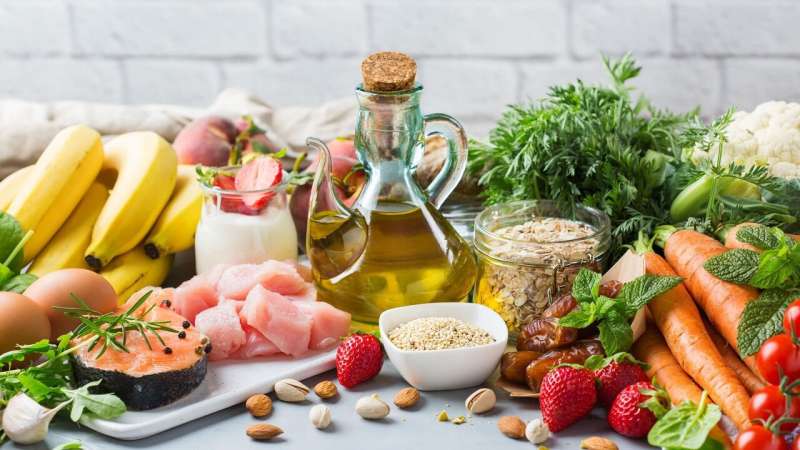
Rich in colorful fruits and vegetables, healthy fats and lean proteins, a Mediterranean style of eating consistently earns accolades for its long list of health benefits, including the prevention of heart disease and diabetes.

13 nov 2023--Now, new research from Spain shows this way of eating, when combined with regular exercise and fewer calories, can slash dangerous belly fat in older folks while helping to preserve their muscle mass.

Fat that accumulates around the midsection is known to cause inflammation and has been linked to heart disease, stroke, diabetes and some forms of cancer. Muscle mass is known to decline with advancing age, and this can lead to weakness, less mobility and a greater chance of falls.

The study, led by researcher Dora Romaguera, from the Health Research Institute of the Balearic Islands, included just over 1,500 middle-aged and older people who were overweight or obese and had metabolic syndrome, a cluster of disorders that signal a person's increased risk of diabetes, heart disease and stroke.

One group of people followed a Mediterranean diet while cutting their calories by 30% and increasing their physical activity. They were also told to limit their consumption of processed foods, meats, butter, added sugar and to eat more whole grains. But the advice did not stop with food: They were also encouraged to increase their physical activity progressively, with a goal of walking 45 minutes per day or more on six days per week, along with exercises to improve strength.

A second group of people followed a Mediterranean diet without calorie restrictions or changes in physical activity.

Folks who reduced their calories and got regular exercise while adhering to a Mediterranean diet showed decreases in the belly and total fat, and they kept much of it off for three years.

In contrast, people in the other group did not see any changes in belly fat.

Both groups did gain some lean muscle mass, but the folks in the exercise plus calorie restriction arm lost more fat than muscle.

The study, published Oct. 23 in the journal JAMA Network Open, presents the three-year results of an ongoing eight-year study designed to see if this style of eating can slash the risk for heart attack and stroke.

Two experts were not surprised the combination did the trick.

"This is an ambitious and elegant study," said Cewin Chao, director of clinical nutrition services at Montefiore Health System in New York City. "If you eat a high-quality diet, exercise and reduce calories, you will lose more body fat, especially the more dangerous deeper fat around the belly area surrounding your organs, and preserve more muscle. These investments do look like they will pay off at the three-year mark."

"If you reduce your calorie intake and increase your physical activity, you will lose weight. This works every time," said Marion Nestle, a retired professor of nutrition, food studies and public health at New York University in New York City.

"People following a Mediterranean diet… are able to maintain a reduced calorie intake and better calorie balance for the three years of the study," said Nestle. "This kind of diet is associated with all kinds of good health and is highly recommended."

More information: Jadwiga Konieczna et al, An Energy-Reduced Mediterranean Diet, Physical Activity, and Body Composition, JAMA Network Open (2023). DOI: 10.1001/jamanetworkopen.2023.37994

Saturday, January 29, 2022


Mediterranean diet associated with a lower risk of mortality in older adults

Mediterranean diet associated with a lower risk of mortality in older adults
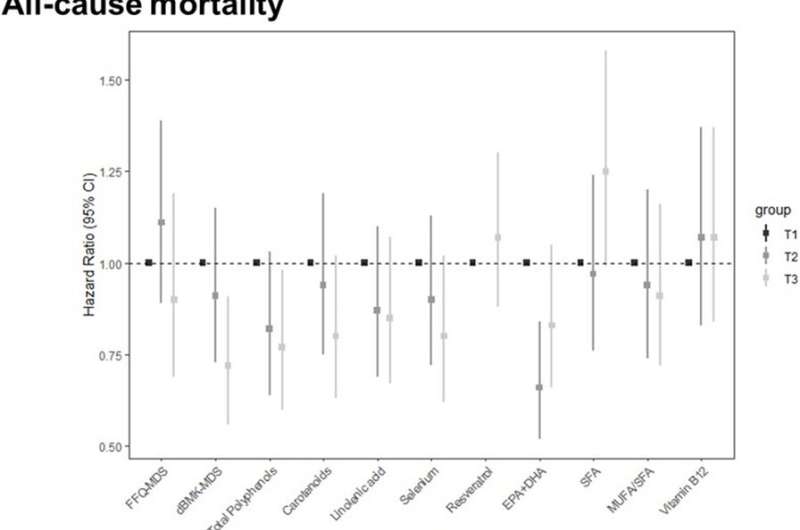
Association between FFQ- and dietary biomarker-MDS and individual dietary biomarkers (as tertiles), and all-cause, CVD, and cancer mortality in the InCHIANTI Study. Cox regression model included sex, age, BMI, education, smoking status, physical activity, impaired renal function, diabetes mellitus, chronic obstructive pulmonary disease, hypertension, cardiovascular disease, cancer, dementia, Parkinson’s disease, and energy intake. FFQ food frequency questionnaire, dBMK dietary biomarker, EPA eicosapentaenoic acid, DHA docosahexaenoic acid, MUFA monounsaturated fatty acids, SFA saturated fatty acids. The total number of deaths, 435; CVD deaths, 139; cancer deaths, 85. Resveratrol was categorized into two groups: moderate vs. no or high consumers. Credit: DOI: 10.1186/s12916-021-02154-7

A greater adherence to the Mediterranean diet which had been assessed through an index made with biomarkers during a 20-year scientific monitoring is associated with a lower mortality in adults over 65. This is one of the main conclusions of a study led by Cristina Andrés-Lacueva, head of the Research Group on Biomarkers and Nutritional & Food Metabolomics of the Faculty of Pharmacy and Food Sciences of the University of Barcelona (UB) and the CIBER on Fragility and Healthy Ageing (CIBERFES), also formed by the Food Innovation Network of Catalonia (XIA).

29 jan 2022--The paper, published in the journal BCM Medicine, has been carried out in collaboration with the National Institute on Ageing (NIA) of the United States. According to the conclusions, the analysis of dietary biomarkers in plasma and urine can contribute to the individualized food assessment for old people. The study is based on the InCHIANTI project, conducted in the region of the Italian Tuscany, a study that has been carried out during 20 years in a total of 642 participants (56 percent women) aged over 65 or more and which enabled researchers to obtain complete data on food biomarkers.

As stated by the UB Professor Cristina Andrés-Lacueva, head of the research group in CIBERFES, "we develop an index of dietary biomarkers based on food groups that are part of the Mediterranean diet, and we assess their association with mortality."

In the study, researchers chose the reference levels of the following dietary biomarkers in the urine: total polyphenols and resveratrol metabolites (from grape intake) and presents in plasma, plasma carotenoids, selenium, vitamin B12, fatty acids and their proportion of monounsaturated and saturated fatty acids. Using a predictive model, they assessed the associations of the Mediterranean diet index and the food-frequency questionnaire (FFQ) with mortality.

During the 20 years of monitoring, there were 425 deaths (139 due to cardiovascular diseases and 89 due to cancer-related causes). Once the models were analyzed, the score of the Mediterranean diet using the biomarkers was inversely associated with all causes of death.

This study highlights the use of dietary biomarkers to improve the nutritional assessment and guide a customized assessment for older people. As noted by the CIBERFES researcher of the UB Tomás Meroño, co-first signatory of the study, the researchers "confirm that an adherence to the Mediterranean diet assessed by a panel of dietary biomarkers is inversely associated with the long-term mortality in older adults, which supports the use of these biomarkers in monitoring evaluations to study the health benefits associated with the Mediterranean diet."


More information: Nicole Hidalgo-Liberona et al, Adherence to the Mediterranean diet assessed by a novel dietary biomarker score and mortality in older adults: the InCHIANTI cohort study, BMC Medicine (2021). DOI: 10.1186/s12916-021-02154-7

Saturday, May 08, 2021


Does eating a Mediterranean diet protect against memory loss and dementia?

mediterranean diet
Credit: CC0 Public Domain

Eating a Mediterranean diet that is rich in fish, vegetables and olive oil may protect your brain from protein build up and shrinkage that can lead to Alzheimer's disease, according to a new study. The research is published in the May 5, 2021, online issue of Neurology.

08 may 2021--The study looked at abnormal proteins called amyloid and tau. Amyloid is a protein that forms into plaques, while tau is a protein that forms into tangles. Both are found in the brains of people with Alzheimer's disease but may also be found in the brains of older people with normal cognition.

The Mediterranean diet includes high intake of vegetables, legumes, fruits, cereals, fish and monounsaturated fatty acids such as olive oil, and low intake of saturated fatty acids, dairy products and meat.

"Our study suggests that eating a diet that's high in unsaturated fats, fish, fruits and vegetables, and low in dairy and red meat may actually protect your brain from the protein build-up that can lead to memory loss and dementia," said study author Tommaso Ballarini, Ph.D., of the German Center for Neurodegenerative Diseases (DZNE) in Bonn, Germany. "These results add to the body of evidence that show what you eat may influence your memory skills later on."

The study looked at 512 people. Of those, 169 were cognitively normal, while 343 were identified as being at higher risk of developing Alzheimer's disease.

Researchers looked at how closely people followed the Mediterranean diet based on their answers to a questionnaire asking how much they ate of 148 items over the previous month. People who often ate healthy foods typical of the Mediterranean diet, like fish, vegetables and fruit, and only occasionally ate foods non-typical of the Mediterranean diet, like red meat, received the highest scores, for a maximum score of nine.

Cognitive skills were assessed with an extensive test set for Alzheimer's disease progression that looked at five different functions, including language, memory and executive function. All the participants had brain scans to determine their brain volume. In addition, the spinal fluid of 226 was tested for amyloid and tau protein biomarkers.

Researchers then looked at how closely someone followed the Mediterranean diet, and the relationship to both their brain volume, tau and amyloid biomarkers, and cognitive skills.

After adjusting for factors like age, sex and education, researchers found that in the area of the brain most closely associated with Alzheimer's disease, every point lower people scored on the Mediterranean diet scale was equal to almost one year of brain aging.

When looking at amyloid and tau in people's spinal fluid, those who did not follow the diet closely had higher levels of biomarkers of amyloid and tau pathology than those who did.

When it came to a test of memory, people who did not follow the diet closely scored worse than those who did.

"More research is needed to show the mechanism by which a Mediterranean diet protects the brain from protein build up and loss of brain function, but findings suggest that people may reduce their risk for developing Alzheimer's by incorporating more elements of the Mediterranean diet into their daily diets," Ballarini said.

A limitation of the study is the fact that people's diets were self-reported in the questionnaire. People may have made errors recalling exactly what and how much they ate.


More information: Mediterranean Diet, Alzheimer Disease Biomarkers and Brain Atrophy in Old Age, Ballarini et al., Neurology (May 2021), DOI: doi.org/10.1212/WNL.0000000000012067
Provided by American Academy of Neurology 

Saturday, November 28, 2020

Mediterranean diet tied to 30 percent risk reduction for diabetes in Women's Health Study

mediterranean diet
Credit: CC0 Public Domain

The Mediterranean (MED) diet—rich in olive oil, fruits, vegetables, legumes, nuts and seeds—is a recommended way to reduce the risk of heart disease, type 2 diabetes and other adverse health outcomes. But exactly how and why the MED diet lowers risk for type 2 diabetes has remained unclear. In a study conducted by investigators from Brigham and Women's Hospital, researchers examined outcomes for more than 25,000 participants in the Women's Health Study, a longitudinal cohort study that followed female health professionals for more than 20 years. In a paper published in JAMA Network Open, the investigators report that women who adhered to a more MED-like diet had a 30 percent lower rate of type 2 diabetes than women who did not. The team examined several biomarkers to look for biological explanations for these results, finding key mechanisms including insulin resistance, body mass index, lipoprotein metabolism and inflammation.

28 november 2020--"Our findings support the idea that by improving their diet, people can improve their future risk of type 2 diabetes, particularly if they are overweight or have obesity," said corresponding author Samia Mora, MD, MHS, of the Brigham's divisions of Preventive Medicine and Cardiovascular Medicine and an associate professor at Harvard Medical School. "A lot of the benefit we see can be explained through just a few pathways. And it's important to note that many of these changes don't happen right away—while metabolism can change over a short period of time, our study indicates that there are longer term changes happening that may provide protection over decades."

The Women's Health Study (WHS) enrolled female health care professionals between 1992 and 1995, collecting data through December 2017. It was designed to evaluate the effects of vitamin E and low-dose aspirin on risk of heart disease and cancer. Additionally, participants were asked to complete food frequency questionnaires (FFQs) about dietary intake when the study began and answer other questions about lifestyle, medical history, demographics and more. More than 28,000 women provided blood samples at the beginning of the trial.

Mora and colleagues leveraged data from the FFQs and blood samples to investigate the relationship between the MED diet, type 2 diabetes and biomarkers that might explain the connection. To do so, they assigned each participant a MED diet intake score from 0 to 9, with points assigned for higher intake of fruits, vegetables, whole grains, legumes, nuts and fish, moderate intake of alcohol, and lower intake red meat or processed meat. The team measured a range of biomarkers, including traditional ones such as cholesterol, and more specialized ones that can only be detected using nucleic magnetic resonance. These included lipoproteins—molecules that pack and transport fats and proteins—and measures of insulin resistance, a condition in which muscle, liver and fat cells do not respond to normal amounts of insulin. Insulin resistance is often a precursor to diabetes.

Of the more than 25,000 participants in the WHS, 2,307 developed type 2 diabetes. Participants with higher MED intake at the beginning of the study (scores greater than or equal to 6) developed diabetes at rates that were 30 percent lower than participants with lower MED intake (scores less than or equal to 3). This effect was seen only among participants with a body mass index greater than 25 (overweight or obese range) and not among participants whose BMI was less than 25 (normal or underweight).

Biomarkers of insulin resistance appeared to be the biggest contributor to lower risk, followed by biomarkers of body mass index, high-density lipoprotein measures and inflammation.

"Most of this reduced risk associated with the Mediterranean diet and type 2 diabetes was explained through the biomarkers related to insulin resistance, adiposity, lipoprotein metabolism and inflammation," said first author Shafqat Ahmad, Ph.D., a researcher in the Molecular Epidemiology Unit at Uppsala University, Sweden, who helped conduct the study while working at the Brigham. "This understanding may have important downstream consequences for the primary prevention of diabetes disease."

One of the strengths of the study was its length—unlike many previous studies that have only looked at short-term effects of diets, the WHS followed participants for up to 25 years to see who developed type 2 diabetes. But the authors note several limitations, including that study participants were predominantly white and well educated, and all were female health professionals. In addition, dietary intake was self-reported and only examined at the start of the study. Biomarkers were also only measured when participants entered the study.

Mora emphasizes that insights into the biology that explains how the Mediterranean diet may help protect against diabetes could be helpful in preventive medicine and for physicians speaking to patients about dietary changes.

"Even small changes can add up over time," she said. "And there may be many biological pathways that lead to a benefit. One of the best things patients can do for future health is to improve their diet, and now we are beginning to understand why."

More information: Ahmad F et al. "Association of the Mediterranean Diet With Onset of Diabetes in the Women's Health Study" JAMA Network Open (2020). DOI: 10.1001/jamanetworkopen.2020.25466
Provided by Brigham and Women's Hospital 

Saturday, December 08, 2018

Researchers explore what's behind Mediterranean diet and lower cardiovascular risk

diet
Credit: CC0 Public Domain
A new study by investigators from Brigham and Women's Hospital, Harvard Medical School, and the Harvard T.H. Chan School of Public Health offers insights from a cohort study of women in the U.S. who reported consuming a Mediterranean-type diet. Researchers found a 25 percent reduction in the risk of cardiovascular disease among study participants who consumed a diet rich in plants and olive oil and low in meats and sweets. The team also explored why and how a Mediterranean diet might mitigate risk of heart disease and stroke by examining a panel of 40 biomarkers, representing new and established biological contributors to heart disease. The team's results are published in JAMA Network Open.

08 dec 2018--"Our study has a strong public health message that modest changes in known cardiovascular disease risk factors, particularly those relating to inflammation, glucose metabolism and insulin resistance, contribute to the long-term benefit of a Mediterranean diet on cardiovascular disease risk. This understanding may have important downstream consequences for the primary prevention of cardiovascular disease," said lead author Shafqat Ahmad, Ph.D., a research fellow at the Brigham and at the Harvard Chan School.
Randomized trials in Mediterranean countries and observational studies have previously linked a Mediterranean diet to reductions in cardiovascular disease, but the underlying mechanisms have been unclear. The current research draws on data from more than 25,000 female health professionals who participated in the Women's Health Study. Participants completed food intake questionnaires about diet, provided blood samples for measuring the biomarkers, and were followed for up to 12 years. The primary outcomes analyzed in the study were incidences of cardiovascular disease, defined as first events of heart attack, stroke, coronary arterial revascularization and cardiovascular death.
The team categorized study participants as having a low, middle or upper Mediterranean diet intake. They found that 428 (4.2 percent) of the women in the low group experienced a cardiovascular event compared to 356 (3.8 percent) in the middle group and 246 (3.8 percent) in the upper group, representing a relative risk reduction of 23 percent and 28 percent respectively, a benefit that is similar in magnitude to statins or other preventive medications
The team saw changes in signals of inflammation (accounting for 29 percent of the cardiovascular disease risk reduction), glucose metabolism and insulin resistance (27.9 percent), and body max index (27.3 percent). The team also found connections to blood pressure, various forms of cholesterol, branch-chain amino acids and other biomarkers, but found that these accounted for less of the association between Mediterranean diet and risk reduction.
"While prior studies have shown benefit for the Mediterranean diet on reducing cardiovascular events and improving cardiovascular risk factors, it has been a black box regarding the extent to which improvements in known and novel risk factors contribute to these effects," said corresponding author Samia Mora, MD, MHS, a cardiovascular medicine specialist at the Brigham and Harvard Medical School. "In this large study, we found that modest differences in biomarkers contributed in a multi-factorial way to this cardiovascular benefit that was seen over the long term."

More information: Shafqat Ahmad et al, Assessment of Risk Factors and Biomarkers Associated With Risk of Cardiovascular Disease Among Women Consuming a Mediterranean Diet, JAMA Network Open (2018). DOI: 10.1001/jamanetworkopen.2018.5708


Provided by Brigham and Women's Hospital

Tuesday, October 09, 2018

Large-scale study finds that the Mediterranean diet is best for your mental health

Large-scale study finds that the Mediterranean diet is best for your mental health
Credit: Marian Weyo, Shutterstock
Admittedly, eating chocolate or ice cream to chase the blues away is so much more enjoyable than healthy alternatives. But a new study published in the journal Molecular Psychiatry says that a diet rich in fish, nuts and vegetables could help lower a person's risk of depression. Specifically, a plant-based diet of fruit, vegetables, grains, fish, nuts and olive oil – but little meat or dairy – appears to have benefits in terms of mood.

09 oct 2018--The paper uses some sobering statistics to stress the mood disorder's prevalence and socioeconomic impact. Depression affects more than 300 million people worldwide, equivalent to 7 percent of all women and 4 percent of men. The World Health Organization estimates that about USD 1 trillion is lost each year because of low productivity caused by depression and anxiety disorders.
Researchers from Spain, Britain and Australia analysed 41 studies published within the last 8 years on the links between diet and depression. They found a connection between people's diet and their chances of developing depression. People who followed a strict Mediterranean diet had a 33 percent lower risk of being diagnosed with depression compared to people who were least likely to follow these eating habits.

Can bad eating habits bring your mood down?

"There is compelling evidence to show that there is a relationship between the quality of your diet and your mental health," study lead author and research associate at University College London's Research Department of Epidemiology & Public Health Dr. Camille Lassale told 'CNN'. "This relationship goes beyond the effect of diet on your body size or other aspects of health that can in turn affect your mood."
The research team found that people who ate foods containing a lot of fat, sugar and processed meats were more likely to suffer from depression. "A pro-inflammatory diet can induce systemic inflammation, and this can directly increase the risk for depression," she added.
Findings were based on 5 longitudinal studies of 32 908 adults from Spain, France, the United Kingdom, Australia and the United States. Quoted in the British newspaper 'The Guardian', Lassale said: "Poor diet may increase the risk of depression as these are results from longitudinal studies which excluded people with depression at the beginning of the study. Therefore the studies looked at how diet at baseline is related to new cases of depression."
Naveed Sattar, professor of metabolic medicine at the University of Glasgow, wants to see more data before claiming outright that such diets improve mental health. "The current evidence is not sufficient to prove plant-rich diets can prevent depression as most of the evidence so far simply shows that those with poorer mental health eat worse. Also the link to inflammation as a plausible mechanism to explain a link between diet and mind health is highly tenuous."
The day may not be that far off when medical health professionals find room for dietary counselling alongside established forms of treatment for patients who are at risk of depression.

More information: Camille Lassale et al. Healthy dietary indices and risk of depressive outcomes: a systematic review and meta-analysis of observational studies, Molecular Psychiatry(2018). DOI: 10.1038/s41380-018-0237-8

Saturday, September 01, 2018

You are never too old for the Mediterranean diet

Mediterranean diet
Credit: CC0 Public Domain
The Mediterranean diet contributes to long life for elderly people. This is the conclusion of a study by the Department of Epidemiology and Prevention of the I.R.C.C.S. Neuromed, in Molise, Italy, published in the British Journal of Nutrition. Researchers analyzed the relationship between the traditional Mediterranean diet and mortality in a sample of more than 5,000 people over 65 years of age participating in the Moli-sani Study and followed up for eight years.

01 sept 2018--In addition to data from the Moli-sani Study participants, Italian researchers also analyzed other epidemiological studies published in several countries, for a total of 12,000 subjects. Results clearly indicate that the Mediterranean diet is significantly reduces the risk of mortality in elderly people. This effect is maintained despite the fact that the Mediterranean diet has changed considerably over the years, with pantries full of supermarket products enjoyed by people with a lifestyle very different from the one followed by original Mediterranean farmers.
"The novelty of our research is to have focused our attention on a population over 65 years old," says Marialaura Bonaccio, epidemiologist at the Department and first author of the study. "We already knew that the Mediterranean diet is able to reduce the risk of mortality in the general population, but we did not know whether it would be the same specifically for elderly people. Now, data from the Moli-sani study clearly show that a traditional Mediterranean-like diet, (rich in fruit, vegetables, fish, pulses, olive oil and cereals, low in meat and dairy products, with moderate wine consumption during meals), is associated with 25 percent reduction of all-cause mortality. This effect remains also if we consider specifically cardiovascular or cerebrovascular mortality."
Licia Iacoviello, head of the Laboratory of Molecular and Nutritional Epidemiology at Neuromed Institute and professor at the University of Insubria, Varese, says, "Besides data from the Moli-sani population, we analysed the results from six other studies conducted on people aged over 65 in other countries, involving a total of 12,000 people. Through meta-analysis, we could confirm that a higher adherence to the Mediterranean diet lowers overall mortality risk in a dose-response, progressive, way. In other words, the more you follow the Mediterranean diet, the greater the gain in terms of mortality risk reduction."
The foods that offer greater protection within the Mediterranean diet model include a high levels of monounsaturated fats (widely present in extra virgin olive oil) and fish, but also moderate consumption of alcohol, preferably during meals.
"Our research considers nutrition as a whole, but it is still interesting to understand which foods mainly contribute to the 'driving' effect of the Mediterranean diet," explains Bonaccio. "Our data confirm what has already been observed in numerous epidemiological and metabolic studies, namely that a moderate consumption of alcoholic beverages, if inserted in a Mediterranean food context, is a protective factor for our health."
"We think that our data launch an important message in terms of public health," says Giovanni de Gaetano, director of the department. "With the progressive aging of the world population, we know that, in a few years, people over 65 will represent about a quarter of Europeans. It is therefore necessary to study and identify those modifiable factors that can guarantee not only a long lifespan, but also an acceptable quality of life. We use to say that we must add life to years, not just years to life. Our study is a robust basis to encourage a healthy diet model inspired by the principles of the Mediterranean diet, even among older people."

More information: Marialaura Bonaccio et al. Nut consumption is inversely associated with both cancer and total mortality in a Mediterranean population: prospective results from the Moli-sani study, British Journal of Nutrition (2015). DOI: 10.1017/S0007114515002378


Provided by The Institute for Research, Hospitalization and Health Care

Wednesday, January 11, 2017

Mediterranean diet may protect your brain in old age, new finding suggests


Mediterranean diet may protect your brain in old age, new finding suggests

Amid the contention about diets and detoxes, sugar and fats, there is at least general agreement that a Mediterranean diet – fruit, vegetables, olive oil, grains, fish – is a good thing. 

11 jan 2017--Now, a new study based on brain imaging in over 400 people seems to show that we have even more reason to celebrate this diet and, more importantly, to stick to it. The researchers found that over a three-year period – from the age of 73 to 76 – adherence to a Mediterranean diet is associated with a reduction in the inevitable loss of brain volume that occurs with age.
The difference in volume loss associated with the diet is not large – about 2.5ml (half a teaspoon) – and it only accounts for a very small fraction of overall volume variability. But, who's to say what you might achieve with that extra half teaspoon of brain? If these results prove reliable, there is surely an incentive to stock up on family-sized bottles of olive oil.
We already have evidence that the Mediterranean diet, and particularly higher fish and lower meat consumption, is associated with increased brain size. But it's hard to interpret associations between lifestyle and the brain because a causal relationship is equally credible in both directions. That is to say, if I eat healthily and have a big brain, it might be that my diet is good for my brain or my big brain is good at helping me maintain my diet. Or there may be something that I haven't measured, something that influences my brain and my diet separately. For example, if I live a comfortable, affluent, stress-free life perhaps this is simultaneously good for my brain and facilitates my healthy diet. If so, finding a healthy association between diet and a big brain does not mean that they are directly related.
These are critical considerations. Citing evidence to support lifestyle changes demands that one knows the precise lifestyle changes needed and what the precise benefits may be. This is why randomised control studies are so appealing. If you have two well-matched groups, subject them two controlled dietary interventions, and do a before and after analysis, you are on firmer ground when asserting that the dietary intervention has had a direct role in producing the changes.
While the researchers in this latest study did not carry out a randomised trial, however, they have nevertheless provided important insights by gathering repeat data, allowing them to compare brain size not in terms of absolute values but of changes across time.
At age 70, participants gave a detailed report on their dietary habits. On this basis, they could be characterised as "high" and "low" in their adherence to a Mediterranean diet. Three years later, they had a baseline brain scan and, a further three years afterwards, brain changes from this baseline were assessed with a second brain scan, so every participant served as their own control. This is a powerful approach and, as well as using the initial scans to confirm that brain volume is indeed greater in people who follow the Mediterranean diet more closely, they determined that, between the ages of 73 and 76 years, there was a greater loss of brain volume for those with low adherence to the diet. This remained significant when taking into account a number of highly relevant factors relating to age, sex, health, body weight, education and aspects of psychological functions.

Mediterranean diet may protect your brain in old age, new finding suggests
The brain inevitably shrinks with age. Credit: gmstockstudio/Shutterstock.com
Interpret with caution
These findings are consistent with the heartening possibility that the right diet has a genuine impact on brain tissue loss. But the authors are cautious, and rightly so. To begin with, their results are not entirely consistent with previous studies of the diet's effects on the brain. They failed to find, for example, previously-observed effects of higher fish and lower meat consumption. It becomes hard to know whether it is the diet as a whole or specific components of it that could exert the positive effect on brain volume.
The analysis also shows that cognitive function did not significantly differ across the diet styles, raising the question of just how useful it might be to alter brain loss at this scale.
Also, as the researchers acknowledge, they carried out several statistical tests looking for significant associations – ones that have a low p-value (the probablility of finding this difference when there is not a true difference in brain size) – and from this they found the reduction in brain loss. But if you take all of these searches into account, picking out a significant association (brain volume) from non-significant ones (for example, a lack of change to the volume of grey matter), you increase your chances of accidentally attributing significance to something that occurs just by chance.
Although the authors have made nice attempts in their design and analysis in ruling out potentially complicating factors, there is still necessarily an ambiguity over cause and effect here. They previously showed in another study that an apparent relationship between Mediterranean diet and later-life cognitive functions could actually be accounted for by childhood IQ.
While the current analysis ruled out a similar explanatory role of a more constrained IQ measure and of a set of tests of mental function, we must bear in mind the possibility that there are other factors, unaccounted for here, that could separately relate to dietary adherence and brain volume and would therefore produce an illusion of a dietary influence on brain. For example, it's not clear whether excessive alcohol consumption might associate with a non-Mediterranean diet. Or perhaps levels of physical activity could also play a part.
But, at the same time, there are reasons why this finding – that adherence to a Mediterranean diet results in less brain loss in the elderly – may be even stronger than the numbers show. Participants were split according to the general style of their diet. So some in the high and low diet groups would actually have been quite near the mid-point and so less likely to show strong effects. One might imagine that, if you took two groups who more purely exemplified the Mediterranean and non-Mediterranean diets, there could be even bigger effects on brain volume. We shall see. In any case, keep eating the legumes. Even if it turns out that the Mediterranean diet doesn't stop your brain from shrinking, there are still plenty of other benefits to be had.


Provided by University of Cambridge

Sunday, September 20, 2015

Fruit and vegetables aren't only good for a healthy body—they protect your mind too

Fruits
Credit: Anna Langova/Public Domain
Eating a Mediterranean diet or other healthy dietary pattern, comprising of fruit, vegetables, legumes, and nuts and low in processed meats, is associated with preventing the onset of depression, according to research published in the open access journal BMC Medicine. A large study of 15,093 people suggests depression could be linked with nutrient deficits.

20 sept 2015--Following extensive research into diet and its effect on our physical health, researchers are now exploring the link between nutrition and mental health. This is the first time that several healthy dietary patterns and their association with the risk of depression have been analyzed together.
The researchers compared three diets; the Mediterranean diet, the Pro-vegetarian Dietary Pattern and Alternative Healthy Eating Index-2010. Participants used a scoring system to measure their adherence to the selected diet, i.e. the higher the dietary score indicated that the participant was eating a healthier diet.
Food items such as meat and sweets (sources of animal fats: saturated and trans fatty acids) were negatively scored, while nuts, fruits and vegetables (sources of omega-3 fatty acids, vitamins and minerals respectively) were positively scored.
Lead researcher, Almudena Sanchez-Villegas, University of Las Palmas de Gran Canaria, says "We wanted to understand what role nutrition plays in mental health, as we believe certain dietary patterns could protect our minds. These diets are all associated with physical health benefits and now we find that they could have a positive effect on our mental health."
"The protective role is ascribed to their nutritional properties, where nuts, legumes, fruits and vegetables (sources of omega-3 fatty acids, vitamins and minerals) could reduce the risk of depression."
The study included 15,093 participants free of depression at the beginning of the study. They are former students of the University of Navarra, Spain, registered professionals from some Spanish provinces and other university graduates. All are part of the SUN (Seguimiento Universidad de Navarra) Project, a cohort study started on 21st December 1999. The cohort has been used to identify dietary and lifestyle determinants of various conditions, including diabetes, obesity and depression.
Questionnaires to assess dietary intake were completed at the start of the project and again after 10 years. A total of 1,550 participants reported a clinical diagnosis of depression or had used antidepressant drugs after a median follow-up of 8.5 years.
The Alternative Healthy Eating Index-2010 was associated with the greatest reduction of risk of depression but most of the effect could be explained by its similarity with the Mediterranean Diet. Thus, common nutrients and food items such as omega-3 fatty acids, vegetables, fruits, legumes, nuts and moderate alcohol intake present in both patterns (Alternative Healthy Eating Index-2010 and Mediterranean diet) could be responsible for the observed reduced risk in depression associated with a good adherence to the Alternative Healthy Eating Index-2010.
Almudena Sanchez-Villegas says, "A threshold effect may exist. The noticeable difference occurs when participants start to follow a healthier diet. Even a moderate adherence to these healthy dietary patterns was associated with an important reduction in the risk of developing depression. However, we saw no extra benefit when participants showed high or very high adherence to the diets.
So, once the threshold is achieved, the reduced risk plateaus even if participants were stricter with their diets and eating more healthily. This dose-response pattern is compatible with the hypothesis that suboptimal intake of some nutrients (mainly located in low adherence levels) may represent a risk factor for future depression."
A limitation of this study was that the results are based on self-reported dietary intake and a self-reported clinical diagnosis of depression. More research is needed to predict the role of nutrient intake for neurophysiological requirements and identify whether it is minerals and vitamins or proteins and carbohydrates that cause depression.

More information: A longitudinal analysis of diet quality scores and the risk of incident depression in the SUN Project. Almudena Sanchez-Villegas, Patricia Henriquez-Sanchez, Miguel Ruiz- Canela, Francisca Lahortiga, Patricio Molero, Estefania Toledo and Miguel A Martinez-Gonzalez BMC Medicine 2015 DOI: 10.1186/s12916-015-0428-y


Provided by BioMed Central

Wednesday, December 03, 2014

Mediterranean diet associated with longer telomeres

mediterranean diet

Credit: Wikipedia.

03 dec 2014--Eating a Mediterranean diet might help extend your lifespan, suggests a study published in The BMJ this week. The diet appears to be associated with longer telomere length—an established marker of slower aging.
The Mediterranean diet has been consistently linked with health benefits, including reduced mortality and reduced risk of chronic diseases, such as heart disease.
It is characterised by a high intake of vegetables, fruits, nuts, legumes (such as peas, beans and lentils), and (mainly unrefined) grains; a high intake of olive oil but a low intake of saturated fats; a moderately high intake of fish, a low intake of dairy products, meat and poultry; and regular but moderate intake of alcohol (specifically wine with meals).
Telomeres sit on the end of chromosomes (like the plastic tips on the end of shoelaces), stopping them from fraying and scrambling the genetic codes they contain. In healthy people, telomeres shorten progressively throughout life, more than halving in length from infancy to adulthood, and halving again in the very elderly.
Shorter telomeres are thus associated with lower life expectancy and greater risk of age-related diseases. Lifestyle factors, such as obesity, cigarette smoking, and consumption of sugar sweetened drinks, have all been linked to people having shorter telomeres than typically occur in people of a similar age. Oxidative stress and inflammation have also been shown to speed up telomere shortening.
Given that fruits, vegetables, and nuts - key components of the Mediterranean diet - have well known antioxidant and anti-inflammatory effects, a team of US researchers, led by Immaculata De Vivo, Associate Professor at Brigham and Women's Hospital and Harvard Medical School, set out to examine whether adherence to the Mediterranean diet was associated with longer telomere length.
They analysed data on 4,676 healthy middle-aged women from the Nurses' Health Study - an ongoing study tracking the health of more than 120,000 US nurses since 1976. Participants completed detailed food questionnaires and had a blood test to measure telomere length.
A diet score ranging from 0-9 points was calculated for each participant, with a higher score representing a closer resemblance to the Mediterranean diet.
After adjusting for other potentially influential factors, the results show that greater adherence to the Mediterranean diet was significantly associated with longer telomeres. Each one point change in diet score corresponded on average to 1.5 years of telomere ageing.
However, none of the individual dietary components was associated with telomere length, underlining the importance of examining dietary patterns in relation to health, not just separate dietary factors such as intake of whole grains, say the authors.
"To our knowledge, this is the largest population-based study specifically addressing the association between Mediterranean diet adherence and telomere length in healthy, middle-aged women," they write. "Our results further support the benefits of adherence to the Mediterranean diet for promoting health and longevity."
A Mediterranean diet is the cornerstone of dietary advice in cardiovascular disease prevention, and the fact that it also links with a biomarker of slower ageing is reassuring, says Professor Peter Nilsson from Lund University, Sweden in an accompanying editorial.
He suggests that genetic background factors, reflecting ancestry, could probably explain some of the variation in the association between dietary patterns and telomere length, and that future studies on this question "should take into account the possibility of interactions between genes, diet, and sex."
More information: Paper: www.bmj.com/cgi/doi/10.1136/bmj.g6674
Provided by British Medical Journal

Saturday, November 30, 2013

Mediterranean diet without breakfast the best choice for diabetics, new study says

For patients with diabetes, it is better to eat a single large meal than several smaller meals throughout the day. This is the result of a current dietary study at Linköping University in Sweden.
30 nov 2013--In the study the effect on blood glucose, blood lipids and different hormones after meals were compared using three different macronutrient compositions in patients with type 2 diabetes. The three diets were a low-fat diet, a low-carbohydratediet and a Mediterranean diet. The scientists included 21 patients that tested all three diets in a randomized order. During each test day blood samples were collected at six time points.
The low-fat diet had a nutrient composition that has traditionally been recommended in the Nordic countries, with about 55% of the total energy from carbohydrates. The low-carbohydrate diet had a relatively low content of carbohydrate; approximately 20% of the energy was from carbohydrates and about 50% of the total energy came from fat. The Mediterranean diet was composed of only a cup of black coffee for breakfast, and with all the caloric content corresponding to breakfast and lunch during the other two test days accumulated to one large lunch.
Furthermore, the total caloric content included energy from 150 ml (women) to 200 ml (men) of French red wine to ingest with the lunch. The food in the Mediterranean diet had an energy content from carbohydrates that was intermediate between the low-fat and the low-carbohydrate meals, and sources of fat were mainly olives and fatty fish.
"We found that the low-carbohydrate diet increased blood glucose levels much less than the low-fat diet but that levels of triglycerides tended to be high compared to the low-fat diet," says Doctor Hans Guldbrand, who together with Professor Fredrik Nystrom was the principal investigator of the study.
"It is very interesting that the Mediterranean diet, without breakfast and with a massive lunch with wine, did not induce higher blood glucose levels than the low-fat diet lunch, despite such a large single meal," says Professor Nyström.
"This suggests that it is favorable to have a large meal instead of several smaller meals when you have diabetes, and it is surprising how often one today refers to the usefulness of the so-called Mediterranean diet but forgets that it also traditionally meant the absence of a breakfast. Our results give reason to reconsider both nutritional composition and meal arrangements for patients with diabetes," says Professor Nystrom.
More information: A randomized cross-over trial of the postprandial effects of three different diets in patients with type 2 diabetes by Hanna Fernemark, Christine Jaredsson, Bekim Bunjaku, Ulf Rosenqvist, Fredrik H Nyström and Hans Guldbrand. PLOS ONE Nov 27 2013. DOI: 10.1371/journal.pone.0079324
Provided by Linköping University

Sunday, November 17, 2013

Sofrito contains substances that reduce the risk of cardiovascular disease

Sofrito contains substances that reduce the risk of cardiovascular disease

The researchers have for the first time identified polyphenols and carotenoids in sofrito. Credit: SINC
17 nov 2013--The combination of tomato, olive oil, garlic and onion in a sofrito increases the amount of polyphenols and carotenoids. These bioactive compounds respectively help to prevent cardiovascular diseases and cancer. This is contained in a study carried out by the University of Barcelona and the CIBERobn network, Spain, which confirms sofrito as an essential part of the Mediterranean diet.
The study, PREvention with a MEDiterranean Diet (PREDIMED) has recently shown the link between the Mediterranean diet and low levels of cardiovascular disease. The questionnaire used as a reference asked consumers how often they ate vegetables, pasta, rice and other dishes made with sofrito, but the beneficial compounds of this product had never been analysed.
Now researchers from the University of Barcelona (UB) and the Biomedical Research Centres Network - Physiopathology of Obesity and Nutrition (CIBERobn) of the Carlos III Health Institute, have for the first time identified polyphenols and carotenoids -healthy antioxidant substances- in sofrito, by using a high resolution mass spectrometry technique.
The results have been published in the Food Chemistry magazine and they show the presence of at least 40 types of polyphenols. "These compounds produced by plants and which we eat are related to reduced cardiovascular diseases", Rosa María Lamuela, researcher at the UB and the person responsible for the project, told SINC.
Other bioactive compounds found in the sofrito are carotenoids and vitamin C. Various studies have shown that the intake of carotenoids such as lycopene prevents prostate cancer and the consumption of foods rich in beta-carotene help to reduce the incidence of lung cancer.
"Eating a daily amount of 120 grams of sofrito, added to pasta for example, the total intake of polyphenols is 16 to 24 milligrams per portion and 6 to 10 milligrams in the case of carotenoids", explains Lamuela.
The team analysed ten types of commercial sofritos, "although the results do apply to homemade sofrito, given that they generally include the same ingredients, without taking into account thickeners: tomatoes, onions, garlic and oil". The combination of these foods equals the bio-health compounds of each one separately.
With regard to oil, scientists recommend using virgin olive oil instead of sunflower oil. In fact, they are now looking for the ideal proportion of the four ingredients and it would seem that the inclusion of 10% extra virgin olive oil gives very good results in the sofrito properties.
Researchers have also performed a statistical analysis with the levels of phenolic and carotenoid compounds present in each sofrito, which has enabled them to identify markers that differentiate the components of each brand.
More information: Anna Vallverdú-Queralt, José Fernando Rinaldi de Alvarenga, Ramon Estruch, Rosa María Lamuela-Raventos. "Bioactive compounds present in the Mediterranean sofrito". Food Chemistry 141 (4); 3365-3372, 2013.
Provided by Plataforma SINC

Tuesday, May 21, 2013


The compound in the Mediterranean diet that makes cancer cells 'mortal'

New research suggests that a compound abundant in the Mediterranean diet takes away cancer cells' "superpower" to escape death. By altering a very specific step in gene regulation, this compound essentially re-educates cancer cells into normal cells that die as scheduled.
21 mau 2013--One way that cancer cells thrive is by inhibiting a process that would cause them to die on a regular cycle that is subject to strict programming. This study in cells, led by Ohio State University researchers, found that a compound in certain plant-based foods, called apigenin, could stop breast cancer cells from inhibiting their own death.
Much of what is known about the health benefits of nutrients is based on epidemiological studies that show strong positive relationships between eating specific foods and better health outcomes, especially reduced heart disease. But how the actual molecules within thesehealthful foods work in the body is still a mystery in many cases, and particularly with foods linked to lower risk for cancer.
Parsley, celery and chamomile tea are the most common sources of apigenin, but it is found in many fruits and vegetables.
The researchers also showed in this work that apigenin binds with an estimated 160 proteins in the human body, suggesting that other nutrients linked to health benefits – called "nutraceuticals" – might have similar far-reaching effects. In contrast, most pharmaceutical drugs target a single molecule.
"We know we need to eat healthfully, but in most cases we don't know the actual mechanistic reasons for why we need to do that," said Andrea Doseff, associate professor of internal medicine and molecular genetics at Ohio State and a co-lead author of the study. "We see here that the beneficial effect on health is attributed to this dietary nutrient affecting many proteins. In its relationship with a set of specific proteins, apigenin re-establishes the normal profile in cancer cells. We think this can have great value clinically as a potential cancer-prevention strategy."
Doseff oversaw this work with co-lead author Erich Grotewold, professor of molecular genetics and director of Ohio State's Center for Applied Plant Sciences (CAPS). The two collaborate on studying the genomics of apigenin and other flavonoids, a family of plant compounds that are believed to prevent disease.
The research appears this week in the online early edition of the journal Proceedings of the National Academy of Sciences.
Though finding that apigenin can influence cancer cell behavior was an important outcome of the work, Grotewold and Doseff point to their new biomedical research technique as a transformative contribution to nutraceutical research.
They likened the technique to "fishing" for the human proteins in cells that interact with small molecules available in the diet.
"You can imagine all the potentially affected proteins as tiny fishes in a big bowl. We introduce this molecule to the bowl and effectively lure only the truly affected proteins based on structural characteristics that form an attraction," Doseff said. "We know this is a real partnership because we can see that the proteins and apigenin bind to each other."
Through additional experimentation, the team established that apigenin had relationships with proteins that have three specific functions. Among the most important was a protein called hnRNPA2.
This protein influences the activity of messenger RNA, or mRNA, which contains the instructions needed to produce a specific protein. The production of mRNA results from the splicing, or modification, of RNA that occurs as part of gene activation. The nature of the splice ultimately influences which protein instructions the mRNA contains.
Doseff noted that abnormal splicing is the culprit in an estimated 80 percent of all cancers. In cancer cells, two types of splicing occur when only one would take place in a normal cell – a trick on the cancer cells' part to keep them alive and reproducing.
In this study, the researchers observed that apigenin's connection to the hnRNPA2 protein restored this single-splice characteristic to breast cancer cells, suggesting that when splicing is normal, cells die in a programmed way, or become more sensitive to chemotherapeutic drugs.
"So by applying this nutrient, we can activate that killing machinery. The nutrient eliminated the splicing form that inhibited cell death," said Doseff, also an investigator in Ohio State's Davis Heart and Lung Research Institute. "Thus, this suggests that when we eat healthfully, we are actually promoting more normal splice forms inside the cells in our bodies."
The beneficial effects of nutraceuticals are not limited to cancer, as the investigators previously showed that apigenin has anti-inflammatory activities.
The scientists noted that with its multiple cellular targets, apigenin potentially offers a variety of additional benefits that may even occur over time. "The nutrient is targeting many players, and by doing that, you get an overall synergy of the effect," Grotewold explained.
Doseff is leading a study in mice, testing whether food modified to contain proper doses of this nutrient can change splicing forms in the animals' cells and produce an anti-cancer effect.
More information: Molecular basis for the action of a dietary flavonoid revealed by the comprehensive identification of apigenin human targets, www.pnas.org/cgi/d… s.1303726110
Provided by The Ohio State University

Sunday, March 03, 2013


Mediterranean-style diets found to cut heart risks (Update)

Mediterranean-style diets found to cut heart risks


In this Thursday Jan. 17, 2013 file photo, a woman buys fruit at a market in Barcelona, Spain. Mediterranean diets have long been touted as heart-healthy, but that's based on observational studies. Now, one of the longest and most scientific tests suggests this style of eating can cut the chance of suffering heart-related problems, especially strokes, in older people at high risk of them. The study lasted five years and involved about 7,500 people in Spain. Results were published online Monday, Feb. 25, 2013 by the New England Journal of Medicine. (AP Photo/Emilio Morenatti)
Pour on the olive oil, preferably over fish and vegetables: One of the longest and most scientific tests of a Mediterranean diet suggests this style of eating can cut the chance of suffering heart-related problems, especially strokes, in older people at high risk of them.
03 mar 2013--The study lasted five years and involved about 7,500 people in Spain. Those who ate Mediterranean-style with lots of olive oil or nuts had a 30 percent lower risk of major cardiovascular problems compared to those who were told to follow a low-fat diet but who in reality, didn't cut fat very much. Mediterranean meant lots of fruit, fish, chicken, beans, tomato sauce, salads, and wine and little baked goods and pastries.
Mediterranean diets have long been touted as heart-healthy, but that's based on observational studies that can't prove the point. The new research is much stronger because people were assigned diets to follow for a long time and carefully monitored. Doctors even did lab tests to verify that the Mediterranean diet subjects were consuming more olive oil or nuts as recommended.
Most of these people were taking medicines for high cholesterol and blood pressure, and researchers did not alter those proven treatments, said one study leader, Dr. Ramon Estruch of Hospital Clinic in Barcelona.
But as a first step to prevent heart problems, "we think diet is better than a drug" because it has few if any side effects, Estruch said. "Diet works."
Results were published online Monday by the New England Journal of Medicine and were discussed at a nutrition conference in Loma Linda, California
People in the study were not given rigid menus or calorie goals because weight loss was not the aim. That could be why they found the "diets" easy to stick with—only about 7 percent dropped out within two years. There were twice as many dropouts in the low-fat group than among those eating Mediterranean-style.
Researchers also provided the nuts and olive oil, so it didn't cost participants anything to use these relatively pricey ingredients. The type of oil may have mattered—they used extra-virgin olive oil, which is minimally processed and richer than regular or light olive oil in the chemicals and nutrients that earlier studies have suggested are beneficial.
The study involved people ages 55 to 80, just over half of them women. All were free of heart disease at the start but were at high risk for it because of health problems—half had diabetes and most were overweight and had high cholesterol and blood pressure.
They were assigned to one of three groups: Two followed a Mediterranean diet supplemented with either extra-virgin olive oil (4 tablespoons a day) or with walnuts, hazelnuts and almonds (a fistful a day). The third group was urged to eat a low-fat diet heavy on bread, potatoes, pasta, rice, fruits, vegetables and fish and light on baked goods, nuts, oils and red meat.
Independent monitors stopped the study after nearly five years when they saw fewer problems in the two groups on Mediterranean diets.
Doctors tracked a composite of heart attacks, strokes or heart-related deaths. There were 96 of these in the Mediterranean-olive oil group, 83 in the Mediterranean-nut group and 109 in the low-fat group.
Looked at individually, stroke was the only problem where type of diet made a big difference. Diet had no effect on death rates overall.
The Mediterranean diet proved better even though its followers ate about 200 calories more per day than the low-fat group did. The study leaders now are analyzing how each of the diets affected weight gain or loss and body mass index.
The Spanish government's health research agency initiated and paid for the study, and foods were supplied by olive oil and nut producers in Spain and the California Walnut Commission. Many of the authors have extensive financial ties to food, wine and other industry groups but said the sponsors had no role in designing the study or analyzing and reporting its results.
Rachel Johnson, a University of Vermont professor who heads the American Heart Association's nutrition committee, said the study is very strong because of the lab tests to verify oil and nut consumption and because researchers tracked actual heart attacks, strokes and deaths—not just changes in risk factors such as high cholesterol.
"At the end of the day, what we care about is whether or not disease develops," she said. "It's an important study."
Rena Wing, a weight-loss expert at Brown University, noted that researchers provided the oil and nuts, and said "it's not clear if people could get the same results from self-designed Mediterranean diets"—or if Americans would stick to them more than Europeans who are used to such foods.
Dr. George Bray of the Pennington Biomedical Research Center in Baton Rouge, Louisiana, said he would give the study "a positive—even glowing—comment" and called it "the best and certainly one of the largest prospective dietary trials ever done."
"The data are sufficiently strong to convince me to move my dietary pattern closer to the Mediterranean Diet that they outline," he added.
Another independent expert also praised the study as evidence diet can lower heart risks.
"The risk reduction is close to that achieved with statins," cholesterol-lowering drugs, said Dr. Robert Eckel, a diet and heart disease expert at the University of Colorado.
"But this study was not carried out or intended to compare diet to statins or blood pressure medicines," he warned. "I don't think people should think now they can quit taking their medicines."
More information: Journal: www.nejm.org

Thursday, February 28, 2013


Age-proof diet for longevity

Age-proof diet for longevity

By studying the molecular mechanism of food nutrients from a Mediterranean diet in an elderly population, scientists hope to help countering their physical and mental decline.
28 feb 2013--We are what we eat. However, little is known on how a specific dietary regime can impact the life of the elderly. Now, researchers from an EU funded project called NU-AGE are investigating the effects of the Mediterranean diet on older people. Their aim is to get clues on how to counteract physical and cognitive decline through diet changes.
Starting in July 2013, the project will study how the Mediterranean diet regime affects people over 65 years old by focusing on 1,250 volunteers; the largest study of its kind to date. Half of them will constitute a control group. The other half will receive the classic Mediterranean diet, rich in olive oil, fresh fruits and vegetables. At different stages during this year-long study on diet change, researchers will collect blood samples to investigate its effects at the cellular and molecular level. 
"The Mediterranean diet is well known for being balanced", says Aurelia Santoro, immunologist at the University of Bologna, Italy, and NU-AGE scientific manager, "but we do not exactly know how micro-nutrients, such as vitamins and phenols, affect molecular mechanisms". Until now, scientists knew that nutrients such as polyphenols or carotenoids, contained in vegetables, have antioxidant properties, but did not know exactly how these bringing health benefits at the molecular level. 
Some experts welcome this much needed project in the context of an ageing European population, prone to neuronal degeneration and its devastating cognitive consequences. "More work is needed on nutrition in the elderly, in term of needs assessment, potentially identifying nutrient imbalances that are involved in neuro-degeneration", says Francesco Branca, Director of the Department of Nutrition for Health and Development at World Health Organization in Geneva. This means this project may be one of many more future studies that may be required before effective solutions to tackle the needs of the elderly become available. 
Once further work on molecular level mechanisms bring answers, the project will also attempt to design new functional food focused on the specific needs of the elderly. This will be done in collaboration with the food industry. Such functional food could help to counteract the lack of specific micro-nutrients. 
But functional food supplements are not the only option. Indeed, some experts do not believe that providing food supplements are the way to go. Instead, home cooking sometimes provides all the nutrients that are needed. Gianna Ferretti from the Nutrition Science School of Università Politecnica delle Marche, in Ancona, Italy, tells youris.com: "[previous] research has showed that traditional food, especially from Mediterranean diet, have positive effects on psychological and physical health and can help in protecting from several diseases." 
More information: www.nu-age.eu/
Source: Youris.com