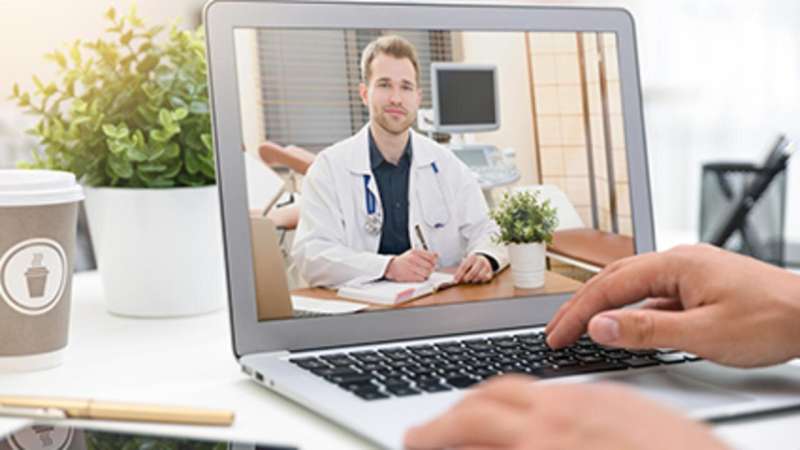
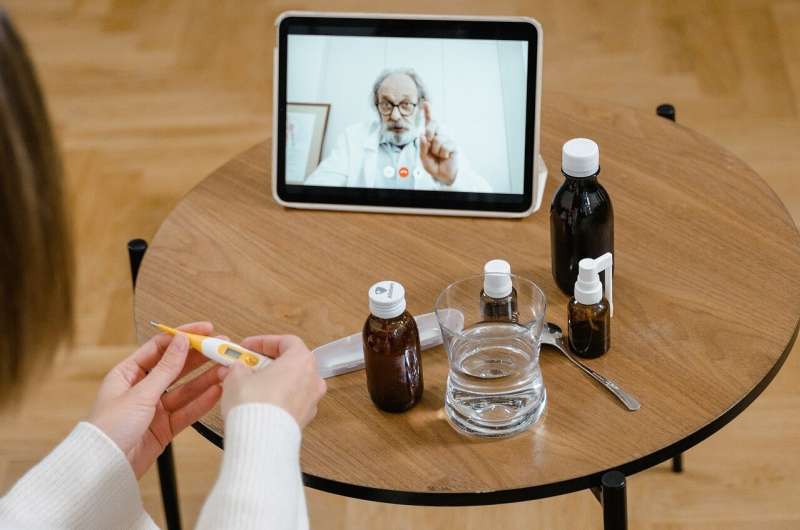
Many patients, including those with the greatest care needs, choose telemedicine even when in-person visits are available, according to a study published online March 22 in JAMA Network Open.
11 april 2024--Eva Chang, Ph.D., M.P.H., from Advocate Health in Milwaukee, Wisconsin, and colleagues assessed patient characteristics associated with telemedicine use and telemedicine mode. The analysis included data from 5,437 U.S. adults with health care visits in 2022 participating in the Health Information National Trends Survey.
The researchers discovered that 43 percent of patients had a telemedicine appointment, with 70 percent choosing a video consultation and 30 percent opting for an audio-only visit. Telemedicine visits were less frequent among older patients (75 years and older), those who did not have internet access, and people living in the Midwest.
Telemedicine visits were positively associated with female sex (adjusted odds ratio [aOR], 1.43), chronic conditions (aOR, 2.13), and multiple health care visits (two to four visits: aOR, 1.77; at least five visits: aOR, 3.29).
Audio-only visits were associated with older age (65 to 74 years: aOR, 2.13; 75 years and older: aOR, 3.58), no health insurance (aOR, 2.84), and no internet use (aOR, 2.11). There were no significant differences observed in telemedicine use or mode by education, race and ethnicity, or income.
"These findings suggest that while many patients chose to use telemedicine when in-person visits are available, telemedicine access, particularly video visits, was less likely among key populations who experience barriers to accessing care," the authors write.
More information: Eva Chang et al, Patient Characteristics and Telemedicine Use in the US, 2022, JAMA Network Open (2024). DOI: 10.1001/jamanetworkopen.2024.3354
Friday, June 09, 2023
Primary care clinicians report benefits and challenges in using telemedicine during COVID-19 pandemic
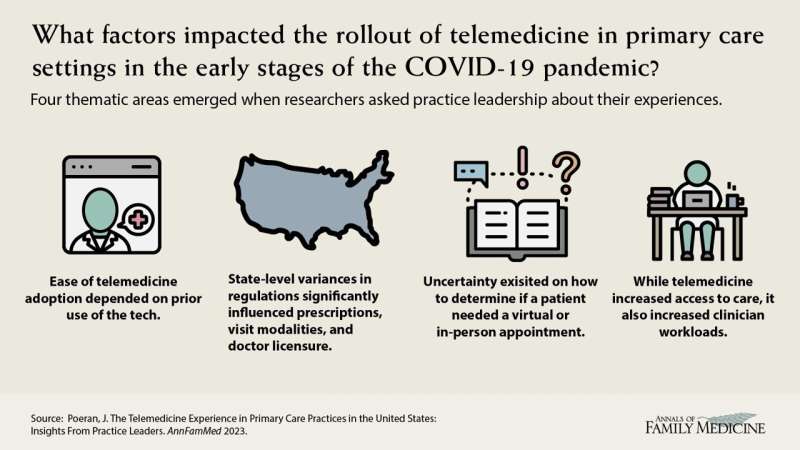
The Telemedicine Experience. Credit: The Annals of Family Medicine (2023). DOI: 10.1370/afm.2967
Researchers interviewed primary care clinicians to identify trends, facilitators and barriers in implementing and using telemedicine technologies in response to the COVID-19 pandemic. They interviewed 25 leaders from primary care practices from the Patient-Centered Outcomes Research Institute's PCORnet project. Leaders represented 87 primary care practices in New York, Florida, North Carolina and Georgia.
08 Jun 2023--The team identified four common themes among the surveyedprimary careclinicians: 1) The ease oftelemedicineadoption depended on the prior experiences of both patients and physicians with virtual health platforms; 2) Regulation of telemedicine varied across states and impacted roll-out processes differently; 3) Visit triage rules remain unclear post-COVID; and 4) Positive and negative impacts of telemedicine on physicians and patients.
Additionally, clinicians identified opportunities to ease challenges, including the establishment of visit triage guidelines, adequate staffing and scheduling protocols.
What we know:
The COVID-19 pandemic required rapid implementation of telemedicine in primary care. While telemedicine prevented the spread of the virus and helped optimize the workload of thinly spread medical personnel, the technology also presents challenges, including conducting physical exams, diagnostic testing and imaging. Further, equitable access to telemedicine technology is a significant challenge.
What this study adds:
The authors identified differences in patient portal usage (which led to different revenue impacts) in various states. They also found that the rapid transition to telemedicine-only visits necessitated implementation of regulations; unclear triage rules; and that telemedicine had positive and negative impacts on providers and patients. The positives included easing access to clinical care through telemedicine for certain types of visits. On the negative side, telemedicine blurred the boundaries for clinicians, who found they worked beyond regular office hours.
The work is published in The Annals of Family Medicine journal.
More information: Grace Rabinowitz et al, The Telemedicine Experience in Primary Care Practices in the United States: Insights From Practice Leaders, The Annals of Family Medicine (2023). DOI: 10.1370/afm.2967
Provided by American Academy of Family Physicians
Sunday, February 26, 2023
Guidelines for providing remote care to seniors
by West Health Institute
Credit: Pixabay/CC0 Public Domain
The COVID-19 pandemic put extraordinary strain on the U.S. health care system, but it also accelerated the adoption of telehealth—especially among older adults, who were the least likely to engage in remote care beforehand.
26 fev 2023--For these patients,telehealthhas proven to offer faster referral times, reduced travel, lower costs and a host of other benefits that make it an attractive option for a wide range of health care needs. Yet, many challenges have emerged for older adults who engage in remote care—challenges that telehealth services simply weren't designed to address.
For example, older adults are far more likely than the average patient to experience technological barriers, cognitive issues, and physical limitations such as poor eyesight or hearing that can disrupt their telehealth experience. They also tend to have more complex medical histories, requiring greater coordination with other health care providers.
A first-ever set of principles and guidelines for providing telehealth to older patients is laid out in a new article published in the Journal of the American Geriatrics Society, a first step in ensuring that regardless of age, patients are able to reap the benefits of high-quality remote care.
"We've seen how telehealth can be a vital tool for caring for older adults, particularly those who are homebound, lack transportation, have mobility challenges or live in rural areas where specialists may be non-existent or difficult to access," says Liane Wardlow, Ph.D., senior director of Clinical Research and Telehealth at West Health and a lead author of the study. "The challenges older patients experience with telehealth aren't insurmountable; they can be addressed by designing remote care in a more intentional way."
Weighing the vast potential of telehealth against the ongoing challenges of serving older patients, West Health in September 2021 convened a group of cross-disciplinary experts to produce the first-ever guidelines for offering telehealth safely and effectively to seniors. The group, called the Collaborative for Telehealth and Aging, includes health care providers, patient advocates and experts in geriatrics, telemedicine and more.
The principles and guidelines spelled out in the new article are the result of more than a year of iterative, consensus-driven work. The three principles offer general rules to guide behavior, while the guidelines provide specificity for each principles, with individual goals that programs and providers should aim to achieve. The principles state that telehealth care should be:
Person-centered. Telehealth programs should be designed to meet the needs and preferences of older adults by considering their goals, family and caregivers, linguistic characteristics, and readiness and ability to use technology.
Equitable and accessible. Telehealth programs should address individual and systemic barriers to care for older adults by considering issues of equity and access.
Integrated and coordinated across systems and people. Telehealth should limit fragmentation, improve data sharing, increase communication across stakeholders, and address both workforce and financial sustainability.
As a next step, members of the Collaborative for Telehealth and Aging are working to create implementation strategies focused on how to operationalize the current recommendations.
"We recognize that creating and implementing solutions that adhere to the general principles and guidelines will depend greatly upon local context and the unique circumstances of health systems and the patients they serve," Wardlow says.
"A solution for a healthy 95-year-old may be vastly different than a solution for a homebound 65-year-old, and a solution in a rural area may be quite different from a solution in an urban area. Our goal is to leave room for flexibility while keeping a constant commitment to addressing health care disparities."
More information: Liane Wardlow et al, Development of telehealth principles and guidelines for older adults: A modified Delphi approach, Journal of the American Geriatrics Society (2022). DOI: 10.1111/jgs.18123
For shared decision-making, telemedicine may be as effective as in-person appointments
Telemedicine may be just as effective as in-person visits when it comes to shared decision-making and communication for patients undergoing a first-time surgery consultation, according to a study published as an "article in press" in the Journal of the American College of Surgeons and presented at the Southern Surgical Association 134th Annual Meeting in December 2022.
26 fev 2023--Telemedicine (also known as telehealth) has become an established part of patient care. However, its effectiveness to achieve proper shared-decision making betweenpatientsand clinicians—an essential part of quality care—had not been thoroughly studied previously. The COVID-19 pandemic necessitated a rapid expansion of the use oftelemedicinevisits, which allows patients and their health care teams to meet remotely through secure video-based platforms. It also makes specialty care, typically offered in cities, more accessible to patients living in rural areas.
"We see patients that live hours away. When the COVID-19 pandemic hit, it threw fuel on the fire of our telehealth program," said study co-author Alexander T. Hawkins, MD, MPH, FACS, associate professor of surgery at Vanderbilt University Medical Center in Nashville, Tennessee.
"Across the entire health care system, we now do about 20,000 telehealth visits a month. Previously, there had been concerns about whether we could effectively communicate with patients remotely, but we found that patients are just as satisfied with telehealth visits as in-person appointments."
For the study, researchers compared video appointments with in-patient visits for level of shared decision-making and quality of communication, hypothesizing that telemedicine would be less effective. Researchers enrolled 387 patients participating in first-time visits between May 2021 and June 2022 at general surgery clinics across Vanderbilt University Medical Center in Nashville.
Participants were categorized by type of visit: in-person or telemedicine. The aim was to evaluate the level of shared decision-making, as measured by a validated questionnaire called the collaboRATE Top Box score. Additionally, the 9-item Shared Decision-Making Questionnaire was used to assess patient satisfaction. An analysis of responses to open-ended questions about visits by both patients and surgeons was also performed.
Key findings
The study included 301 (77.8%) patients who underwent an in-person visit and 86 (22.2%) who underwent a telemedicine visit. The two groups had similar demographic backgrounds, including age, gender, employment status, and education.
Patients in both groups reported high levels of quality communication during these appointments.
In an adjusted analysis to account for various factors, levels of shared decision-making and quality of communication were similar between remote visits and in-person care. Telemedicine was not associated with less satisfactory communication when compared to in-person visits.
Patient responses to open-ended questions about their telehealth experience included positive statements about its convenience and usefulness. Negative comments about these visits included the inability to be physically present and experiencing technical difficulties.
"I was surprised by the qualitative responses. I expected that telemedicine visits would result in an inferior quality of communication. While we did see that in some responses, we also saw some very positive perspectives on telemedicine visits both in terms of how the actual interaction went and the overall convenience of the process. Many patients really enjoyed having this as an option," said study co-author Thomas Ueland, a third-year medical student at Vanderbilt University School of Medicine.
Since telehealth visits do not allow for in-office physical exams, there are situations when it's not appropriate. To that end, some surgeons reported that telemedicine should be used for follow-up care, after they have already established the relationship, instead of for first-time consultations.
"We believe these results suggest that either method, in-person or telehealth, is appropriate. Ultimately, it very much depends upon what the surgeon and the patient think is the best way to communicate," Dr. Hawkins said.
"Going forward, we need to determine what is most appropriate for telehealth, and what is most appropriate for in-person visits. The data we generated in this study do give folks support, so that if they prefer telehealth appointments, they can be confident that they will not be sacrificing quality of communication or shared decision-making."
Next, the research team will conduct more in-depth studies to identify a condition-by-condition guide for when telemedicine should be used, such as when patients are consulting for hernia surgery where a physical exam is required. For other patients, such as those needing follow-up care for routine operations, telehealth may be a viable option.
The major limitations of the study include the fact that the non-response rate from participants was more than 50 percent and that the patient population came mostly from middle Tennessee, southern Kentucky, and northern Alabama. These results may not apply to patients from other regions and of different demographic backgrounds.
More information: Alexander T. Hawkins et al, Shared Decision-Making in General Surgery: A Prospective Comparison of Telemedicine vs In-Person Visits, Journal of the American College of Surgeons (2023). DOI: 10.1097/XCS.0000000000000538
Wednesday, March 09, 2022
Caregivers find remote monitoring during COVID-19 pandemic an unexpected patient safety benefit
In an opinion article appearing online Feb. 25 in the Journal of the American Medical Association, authors from University Hospitals and Case Western Reserve University write about the unexpected patient safety benefit resulting from remote monitoring of patients during the COVID-19 pandemic.
09 mar 2022--Peter Pronovost, MD, Ph.D., Melissa Cole, MSN, and Robert Hughes, DO, discuss that although COVID-19 placed excessive psychological and moral stress and work demands on patients, clinicians,health care organizationsand society, the pandemic also advanced patient safety in an unexpected way.
Prior to the pandemic, routine monitoring of patients with continuous pulse oximetry and heart rate devices was dependent on the patient's location within a hospital, usually the intensive care unit (ICU). Pulse oximeters are small electronic devices that clip onto a finger and measure the saturation of oxygen carried in red blood cells. Studies have shown that monitoring with these devices is associated with reduced death rates.
As the pandemic flooded hospitals with patients and filled ICUs, many patients received care outside of the ICU in emergency departments or general medical and surgical units. And, some medical centers advised patients with milder symptoms to stay home.
"One of the major lessons gained from the pandemic was that patients could now be monitored based on risks and needs rather than location in the hospital," said Dr. Pronovost, Chief Quality and Clinical Transformation Officer at UH and Clinical Professor of Anesthesiology and Perioperative Medicine at Case Western Reserve School of Medicine. "Home monitoring and hospital at-home models offer the potential to transform care and potentially allow a substantial proportion of hospitalized patients to receive care from home."
In their paper, the authors review benefits of remote monitoring in the hospital and at home, explore the technology advances that made it possible, describe how government payment policy changes made home monitoring sustainable, and discuss what health systems could do to launch a home monitoring program.
Ms. Cole, Vice President of Integrated Delivery Operations at UH, said that continuous remote monitoring of hospitalized patients in general medical settings not only improves outcomes, but increases accuracy.
"Technological advances have made it possible to monitor some of these patients either at home or in skilled nursing facilities. Things such as wireless monitors, cloud-based platforms and telehealth have allowed health systems to seamlessly use at-home continuous pulse oximeters to monitor patients and help them avoid hospitalizations," said Ms. Cole.
The authors write that an analysis projected remote monitoring to be potentially associated with a lower mortality rate in COVID-19 patients compared with patients without at-home monitoring: "…a mortality rate of 6 per 1,000 patients with COVID-19 compared with 26 per 1,000 patients without at-home monitoring." They write that this analysis also projected 87 percent fewer hospitalizations, 77 percent fewer deaths, and reduced per-patient costs of $11,472 compared with standard care.
"The combined use of telehealth, home health, and remote monitoring could bring some hospital-level-monitoring services to patients in their home," said Ms. Cole.
Despite these advances, however, the authors find that broad hospital and home monitoring services are not widely used by health systems. They outline several barriers that health systems must overcome.
"Health systems need to consider implementing continuous pulse oximetry and heart rate monitoring for all hospitalized patients and emergency department patients," said Dr. Hughes, Medical Director of System Operations and Logistics for UH and Assistant Professor of Emergency Medicine at Case Western Reserve School of Medicine. "With increased census, sicker patients and decreased staffing for most clinical roles, patients are at heightened risk for unrecognized deterioration. Continuous monitoring with a centralized team to monitor could improve safety and reduce workload on clinicians," he said.
Other recommendations are for health systems to create a service line to coordinate this work, to maximize value by learning how to combine and integrate these various technologies, and to create protocols for selecting and enrollment that match the patient's risks and needs with the various types of monitoring.
At University Hospitals, Ms. Cole said experiences from the pandemic helped pave the way in 2021 for UH's Hospital@Home program, the first of its kind in the health system.
"During the early days of the pandemic, we introduced UHRemote, a remote patient monitoring system that allowed us to keep tabs on COVID-19 patients' heartrate and blood oxygenation levels. A team of nurses, each with multiple screens, watched dashboards of patient data and received alerts from wearable devices if a patient's numbers were too high or too low. We learned much from the more than 2,200 patients we cared during that year, and often heard how grateful they were to not be isolated from family and alone in the hospital. We combined the experiences from UHRemote with the decades of experience of our Home Health teams, added in a few more services, and UH Hospital@Home was born," she said.
More information: Peter J. Pronovost et al, Remote Patient Monitoring During COVID-19, JAMA (2022). DOI: 10.1001/jama.2022.2040
Provided by University Hospitals Cleveland Medical Center
Saturday, January 29, 2022
Telemedicine may increase surgical care for historically underrepresented patient groups
The COVID-19 pandemic transformed the way that patients access health care. While previous studies have revealed inequities in telemedicine usage during the spring of 2020, there are fewer analyses of other aspects of its use during the pandemic, especially among surgical patients. Researchers at Brigham and Women's Hospital analyzed the electronic health records of new patients seeking consultations within the hospital's Division of General and Gastrointestinal Surgery from March through December 2020. Their findings, published in the Journal of the American College of Surgeons, reveal increased use of telemedicine among some historically underrepresented patient groups and may inform future efforts to improve telemedicine access.
29 jan 2022--"We can usedigital healthto reach populations that have historically not had optimal access to our health care system," said corresponding author Gezzer Ortega, MD, MPH, of the Brigham's Center for Surgery and Public Health. "In the past decade, smart-phone usage has greatly increased in the United States. We are doing our best to meet patients where they are, anddigital toolsmay help us bridge that gap, if we use them responsibly."
The study included two phases, one of which spanned the Massachuetts Public Health Emergency (March 24 to June 23, 2020), when the state issued a stay-at-home advisory and elective surgeries were suspended. During this period, the Brigham developed initiatives to increase telemedicine access. These included enrolling patients from under-resourced communities in the patient portal system, disseminating internet-enabled devices, and integrating a video conferencing platform into the electronic health record. During Phase 2 of the study (June 24 to December 31, 2020), Massachusetts issued reopening guidelines authorizing the resumption of non-essential elective surgeries.
Notably, in Phase 2 of the study, Black patients utilized telemedicine more than white patients even as in-person consultations increased. Hispanic/Latinx patients had audio-only consultations more than other ethnic groups during Phase I of the study, but not Phase 2, which could reflect improvements in digital access or literacy. Still, disparities in video-use persisted, with older patients, patients with lower education levels, and patients with a primary language other than English less likely to use video during virtual visits in Phase 2. Throughout the study, women were more likely to use telemedicine than men.
The study authors note that their findings only reflect telemedicine use within one surgical division. During the COVID-19 pandemic, many populations have been unwilling or unable to seek medical care, and are therefore left out of research studies. Furthermore, the demographics of the hospital's patient population, which are similar to Massachusetts demographics, limit the generalizability of these results, and additional studies are required within populations that have a larger proportion of racial and ethnic minorities, uninsured patients and non-English speakers.
Going forward, the researchers hope to continue to promote telemedicine access by reducing language barriers embedded in digital health platforms, providing better resources to help patients navigate these platforms, and improving physicians' comfort with digital systems, especially under circumstances in which patients may have audio-only access.
"There is a digital divide in the United States, with disparities in access to technology among under-resourced populations, racial and ethnic miniorities, and the elderly, among others," said Ortega. "The COVID-19 pandemic pushed digital technology upon us, whether we wanted to use it or not. The learning curve was steep, but I think we're at a point where this technology has been adopted and is part of our armamentarium of resources that we can use to care for our patients. In doing so, we need to optimize these technologies so that they can be delivered equitably."
More information: Eruchalu, Chukwuma N et al, Demographic Disparity in Use of Telemedicine for Ambulatory General Surgical Consultation During the COVID-19 Pandemic: Analysis of the Initial Public Health Emergency and Second Phase Periods, Journal of the American College of Surgeons (2022). DOI: 10.1097/XCS.0000000000000030
Saturday, December 04, 2021
Telemedicine during COVID-19: Video vs. phone visits and the digital divide
Telemedicine visits accounted for more than 60 percent of patient care at New York community health centers during the peak of the COVID-19 pandemic in spring 2020, finds a new study by researchers at NYU School of Global Public Health.
04 dec 2021--While video visits have their advantages, telephone visits accounted for a larger proportion of telemedicine care and are critical for providing access and addressing the "digital divide," according to the study published in theJournal of the American Board of Family Medicine.
"Our study suggests that both video and phone visits will continue to shape how health care is delivered in a post-pandemic world," said Ji Eun Chang, assistant professor of public health policy and management at NYU School of Global Public Health and the lead author of the study.
The COVID-19 pandemic has catalyzed profound transformations across the healthcare delivery system, including an abrupt shift toward telemedicine. While a significant amount of research has centered on the rapid adoption of telemedicine in the early weeks of the COVID-19 pandemic, less is known about the feasibility, use, and benefits of phone vs. video visits in the months following the widespread transition to remote care, particularly for "safety net" providers who care for vulnerable populations.
Chang and her colleagues tracked the use of telephone, video, and in-person visits across 36 New York community health centers from February to November 2020 and interviewed 25 primary care, behavioral health, and pediatric providers from eight community health centers about their experience with telemedicine during the pandemic.
Both types of visits increased significantly during the first wave of COVID-19 across New York State. At its peak (April 11- May 2, 2020), more than 60 percent of visits were conducted via telemedicine, the majority of which were provided via telephone. Telemedicine visits tapered off by the beginning of August 2020, accounting for less than 30 percent of visits. Telephone visits accounted for a larger proportion of telemedicine visits than did video visits throughout the period studied, but the gap narrowed over time.
The health care providers interviewed perceived telemedicine visits to be of similar quality to in-person visits and helpful in reducing no-shows. They also reported that telemedicine improved access to care for patients by providing flexibility; decreasing barriers such as transportation, childcare, and work-related time constraints; and reducing stigma surrounding mental health services.
Video telemedicine visits are often considered the "gold standard" alternative to face-to-face care because of the ability to see patients, which can provide useful clinical information as well as build rapport and improve patient-provider communication. The providers in the study expressed a strong preference for video visits, but acknowledged that they may be exacerbating a "digital divide" between patient populations with more or less access to technology. Specifically, poor Wi-Fi connectivity, a lack of devices with video capabilities, and limited data plans were cited as constraints to successful video visits.
"When it comes to equity in health care access, telemedicine is a double-edged sword," said Chang.
Telephone visits had unique benefits, including greater privacy, feasibility, and ease of use. Providers emphasized the need for both audio and video visits to remain reimbursable in order for providers to be able to provide ongoing support and care to patients.
"While the providers generally preferred video, they relied heavily on telephone as a lifeline," added Chang.
The study participants also reported limitations of telemedicine, including difficulty conducting physical exams and inability to provide vaccines or other in-person care. They suggested ways to improve remote care, including making platforms more user-friendly for patients with low technology literacy, integrating them with electronic health records, and providing financial assistance for telemedicine, including funding for platforms for providers, home monitoring equipment such as blood pressure cuffs for patients, and training.
"Despite challenges, providers had positive experiences delivering care remotely using both telephone and video during the COVID-19 pandemic and believe both are critical for enabling access to care in the safety net," said Chang. "The growth of telemedicine during the pandemic signifies a tectonic shift in health care delivery that is unlikely to be reversed."
More information: Ji Eun Chang et al, Telephone vs. Video Visits During COVID-19: Safety-Net Provider Perspectives, The Journal of the American Board of Family Medicine (2021). DOI: 10.3122/jabfm.2021.06.210186
Provided by New York University
Friday, August 27, 2021
Telepsychiatry found to be a resounding success in 5-year trial
John Nolan served in the U.S. Army and Marines and later worked in law enforcement and as a correctional officer. A career spent dealing with traumatic events led to post-traumatic stress disorder and insomnia. He felt like his life was spinning out of control.
26 aug 2021--Nolan was greatly helped by telepsychiatry services in his town, 125 miles from Little Rock, Ark. He was invited to chair the community advisory board for the largest trial of telepsychiatry to date.
The five-year study, published Aug. 25 in JAMA Psychiatry, found that telepsychiatry in rural, federally qualified health centers was a resounding success for patients who had screened positive for bipolar disorder and/or PTSD.
The trial was called The Study to Promote Innovation in Rural Integrated Telepsychiatry (SPIRIT). It was designed to identify the best approach to delivering tele-mental health services to rural primary-care clinics.
"The results of our trial showed that if you give access to high-quality care for patients who are underserved, they improve their quality of life," said lead researcher Dr. John Fortney, a professor of psychiatry and behavioral sciences at the University of Washington School of Medicine.
The 1,004 participants were enrolled from 24 federally qualified health centers in Washington, Arkansas and Michigan.
Without telepsychiatry, most of these patients would likely not receive help from a mental health specialist for these complex psychiatric disorders, the researchers said.
In fact, only one-third of individuals with bipolar disorder and PTSD receive specialty mental health care in a year, the researchers wrote. They said in primary care settings, only 10% of patients with these disorders receive adequate care.
Nolan had originally enrolled in the study that led to this trial called Telemedicine for Outreach for PTSD at the Department of Veterans Affairs in Little Rock, also overseen by Fortney.
"It made a huge difference in my life," he said.
As the SPIRIT trial wound down, Nolan said he could hear the hope and relief in the voices of participants who shared their stories in a video documentary.
SPIRIT trial
The trial compared two interactive video approaches to integrate remote specialty mental health services in participating clinics. Tele-referral services involved one-on-one visits with a psychiatrist or licensed clinical psychologist. Tele-collaborative services involved a telepsychiatrist and care manager supporting visits with a primary care provider. This collaborative model, pioneered at the UW School of Medicine, allows a psychiatrist to manage more patients than the traditional referral model.
After patients completed the baseline survey, they were randomized to either get tele-referral care or tele-collaborative care.
The clinics partnered with the state medical schools to provide the telepsychiatry and telepsychology services. While many federally qualified health centers provide mental health care, only about 10% of staff are psychiatrists or licensed clinical psychologists, Fortney said.
By providing care from the states' medical schools, they minimized patients' travel burdens. And the potential stigma of a mental health care visit was averted by having the medical school providers credentialed to practice at the health center, giving the appearance of a regular healthcare visit.
Results of trial
Patients in both groups reported substantially and statistically significant improvements in perceived access to care, decreases in their mental health symptoms and medication side effects, and improvements in their quality of life. There was no difference between the groups, and there were no differences in outcomes regarding age, gender, race or ethnicity.
"One of the major contributions of this study is what we knew to be effective for depression and anxiety we now know also achieves good outcomes for patients with PTSD and bipolar disorder," said Dr. Paul Pfeiffer, associate professor of psychiatry at the University of Michigan Medical School. Pfeiffer led the Michigan-based study activities.
The trial results come as the COVID-19 pandemic has enabled providers and patients alike to experience virtual care and to see the benefits for themselves, paving the way for wider adoption of telepsychiatry.
Dr. Jürgen Unützer, chair of the Department of Psychiatry and Behavioral Sciences at the University of Washington School of Medicine, said both the timing and impact of this trial are really important.
"We're at a time now where almost everybody has sort of come to realize what a huge burden untreated mental illness and addiction problems have been," he said.
While there is still a critical workforce shortage of psychiatrists, psychologists, clinical social workers and counselors, Unützer said, this trial shows how to distribute the available workforce a little bit more effectively.
More information: John C. Fortney et al, Comparison of Teleintegrated Care and Telereferral Care for Treating Complex Psychiatric Disorders in Primary Care, JAMA Psychiatry (2021). DOI: 10.1001/jamapsychiatry.2021.2318
Provided by University of Washington
Wednesday, April 07, 2021
World-first aged care monitoring and alert technology unveiled
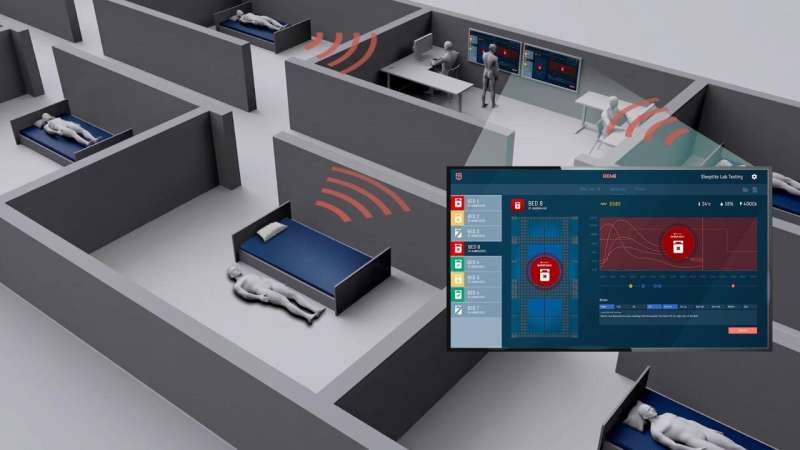
REMi is a three-part system comprising of flexible sensors integrated into a medical grade mattress cover, the backend platform that analyzes the data and the front-end user interface delivering valuable insights for the aged care workforce. Credit: Sleeptite
Pioneering technology that can deliver real-time and non-invasive resident monitoring and alerts for the aged care industry has been unveiled.
06 april 2021--The world-first smart monitoring system, REMi, featuringsensor technologydeveloped by RMIT University, has been launched by Australian research and advanced manufacturing company Sleeptite.
REMi sees fundamental research taken from the labs of RMIT and translated into a commercial outcome, supported by an Australian Government Cooperative Research Centres—Project (CRC-P) grant.
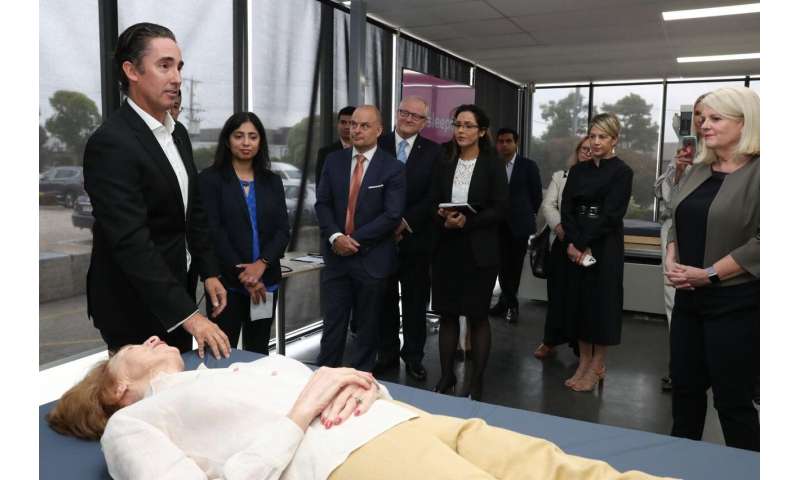
Australian Minister for Industry, Science and Technology, Karen Andrews, joined Sleeptite at their Melbourne test facility and manufacturing home for the launch and to learn more about the next phase for the technology—aged care field trials and an advanced manufacturing push.
"Innovative partnerships like this between researchers and industry are crucial to solving problems and then translating them into commercial outcomes," Andrews said.
Integrated sensing and data platform
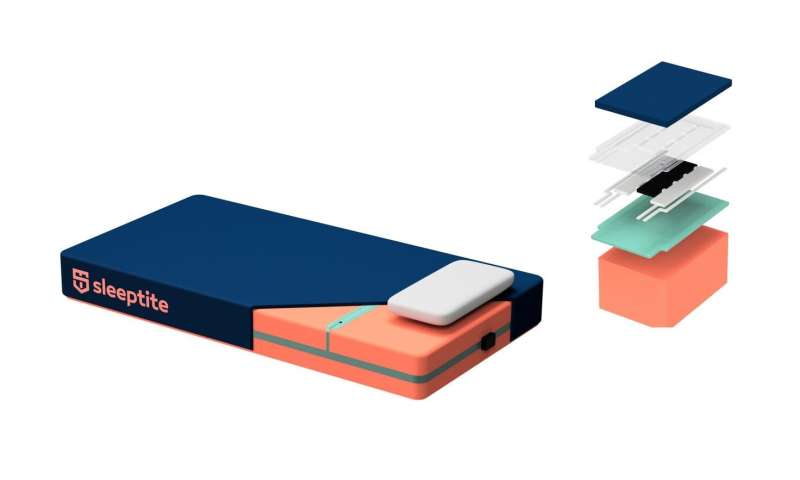
REMi is a three-part system comprising of flexible sensors integrated into a medical grade mattress cover, the backend platform that analyzes the data and the front-end user interface delivering valuable insights for the aged care workforce.
Setting the REMi system apart from existing aged care monitoring devices are two world-first advancements:
flexible and stretchable sensors that can monitor movement and vital signs when embedded in materials sitting external to the human body, developed by RMIT; and
the advanced manufacturing equipment and processes, developed by Sleepeezee Bedding Australia, required to take the sensors made in a laboratory environment and mass produce them at scale for use in the real world.
Sleeptite CEO Cameron van den Dungen said the system gave the aged care sector the opportunity to both increase the quality of healthcare they offer and the quality of residents' lives, through technology.
The new technology features flexible and stretchable sensors that can monitor movement and vital signs when embedded in materials sitting external to the human body, developed by RMIT University Credit: Sleeptite
"Technology like Sleeptite's REMi not only supports the valuable care workers but enables them to provide greater care than they believe is possible," van den Dungen said.
"REMi takes the data that we extract from the person, from the environment in an aged care bedroom—whether it's at home or whether it's in a facility—and sorts out what is valuable to the user that needs that information.
"Whether it's the carers wanting to know that whenever their attention is turned they have a safety net behind them monitoring all residents, or their loved ones wanting to feel reassured at all times, or a CEO, or a board making a decision based on benchmark of care or the standard of care in multiple sights."
Professor Madhu Bhaskaran, co-leader of the Functional Materials and Microsystems Research Group at RMIT, said the collaboration was a model for deep engagement between universities and industry.
"REMi shows the power of true partnership and the extraordinary results we can achieve through a collaboration built on mutual respect and clear, shared goals," Bhaskaran said.
"We've gone from lab bench to commercialisation in just three years—solving myriad challenges along the way—to deliver smart home-grown tech that will be manufactured right here in Australia.
"It's incredibly exciting to see the sensor we developed leaping out from our lab and into the world, to improve the care of some of our most vulnerable people."
Advanced monitoring and care
REMi has been designed to enable the aged care workforce to non-intrusively monitor residents during the night and receive alerts at critical moments such as if a resident falls, or is at risk of falling.
Using the technology, carers will be able to determine not only the presence or absence of a person in bed, but also vital information about their position on the mattress.
Sleeptite CEO Cameron van den Dungen and Professor Madhu Bhaskaran (left) explain the technology behind REMi to Federal Minister for Industry, Science and Technology, Karen Andrews (right). Credit: Lucas Dawson
This allows them to detect signs of abnormality or potential health risks, such as their state of sleep or distress, as well as providing valuable insights in the understanding or prevention of falls.
REMi can provide macro-data to facility mangers ensuring that quality care can be benchmarked and easily monitored and that facilities can easily, accurately and scientifically provide evidence of quality care to regulatory bodies, government and families.
Further testing is already proving that the technology is also able to monitor more health parameters including respiratory and heart rate readings, with future developments to be added as field trials begin in coming months.
Collaborative partnerships
RMIT Deputy Vice-Chancellor Research and Innovation and Vice-President, Professor Calum Drummond, said strong partnerships with industry were at the heart of RMIT research.
"Our goal is to bridge the gap between research and impact, for the benefit of our communities," Drummond said.
"It's through these kinds of deep collaborations that we can accelerate the translation of university research into new technologies and play a critical role in boosting Australia's sovereign capability, to help drive our economic recovery."
Bill Mantzis, Managing Director Sleepeezee Bedding Australia, said advanced manufacturing techniques would ensure Australia's global competitiveness and generate demand for local jobs.
"Companies that invest in innovation, research and development of new technologies and ideas will set the scene for the (manufacturing) industry and the industries for whom they are developing products," Mantzis said.
Provided by RMIT University
Wednesday, February 24, 2021
Researcher offers lessons learned from a pre-pandemic study of telemedicine use
With the onset of the COVID-19 pandemic, telemedicine has become a new norm for many routine and non-emergency medical needs. But there are lessons to be learned from telemedicine's use—or lack thereof—prior to the pandemic, and a new study from a UConn School of Social Work researcher offers insight for policymakers, administrators, and public health officials when considering the implementation of new services.
24 feb 2021--A qualitative researcher, lead author and licensed clinical social worker Kelsi Carolan was brought into the study—which was conducted in 2017 and 2018 and was recently published in theJournal of Medical Internet Research—to examine the adoption of a telemedicine program in a California independent senior living community.
"Initially, the study was purely looking at stats, seeing what the effects of this intervention would be, if any, on the unnecessary use of emergency transport—residents being transferred to the emergency department," Carolan says. "What my co-authors were seeing in the numbers was that it wasn't having much of an effect. The intervention didn't seem to be working."
Despite the fact that the program was being offered at no cost to residents, and despite a push from the community's administration to utilize the program for cases that were not medically urgent, telemedicine wasn't actually reducing the number of emergency room visits amongst residents in the community. The intervention uptake was low, and the researchers wanted to better understand why.
Carolan and her co-authors conducted separate focus groups with frontline, emergency-trained staff members and with residents from the community. The residents included both individuals who had previously used the telemedicine option as well as those who had not. Overall, the residents expressed a desire to avoid emergency room visits as much as possible—they disliked the long wait times, financial costs, and potential health risks of visiting the emergency room.
Some residents said the telemedicine option had helped avoid an unnecessary trip, while another said that their telemedicine experience actually reinforced the need to go to the emergency room despite the resident's initial hesitancy—an unexpected benefit that helped diagnose a serious heart condition and ultimately led to important treatment.
The perceptions and experiences of the residents, however, were often in direct contradiction to the opinions of the community's frontline staff, who reported in their focus groups that residents were reluctant to use the telemedicine option and did not directly request it. The staff felt that telemedicine ultimately just delayed an otherwise inevitable trip to the emergency room, seeing it as an obstacle to providing care to the community's residents and not a valuable tool.
"Staff were saying it's not appropriate for emergency care, and most folks need to go to the emergency room," says Carolan, who has previously conducted qualitative research looking at a community paramedicine intervention. "It really made me think about my previous work and how much of a culture shift it is to ask emergency-trained responders, like EMTs and paramedics, to start to think about preventing emergency transport. Especially EMTs, because it's just not what they're trained to do. It's really asking a profession to change its whole culture and training."
The researchers ultimately concluded that a key barrier to the telemedicine program's successful implementation was this resistance from staff, though Carolan says the COVID-19 pandemic may well have helped to change those cultural perspectives within the profession.
"I have faith that people who go into emergency care careers, like EMTs—they really want to help people," she says. "There's room for change if there is increased recognition among these frontline providers that sending people to the emergency room unnecessarily is not actually helping them and may actually cause harm. There might be a broader and more mainstream understanding now of the risks, at least related to COVID, of going into the emergency room when it's not necessary."
Carolan says that, in addition to not measuring the potential impact of the pandemic on attitudes, the study's sample was limited to the voluntary participation of residents at only one independent senior living community, and that the community's residents were of higher socioeconomic status, which may have meant they had access to additional resources that rendered telemedicine less appealing.
But she says that, as a clinician, there's a lot for practitioners—and policymakers—to learn from the study.
"One of the things about the study that I find really interesting is that it really highlights how there can be such a discrepancy sometimes between the preferences of the people that we're serving as providers and what the providers, in this case the EMT staff, believe is best," she says. "In addition, we really have to think carefully when we're trying to introduce these kinds of interventions—which is not even really specific to telemedicine -about the people who are on the ground actually trying to provide them. It's one thing for me to come in, as a researcher, or for these big intervention or demonstration projects to be put in place, but if the people on the ground who are actually in charge of delivering the intervention don't feel it is valuable or a good use of their time, then the whole thing may be destined to fail. For me, that encourages caution."
She says the study also highlights the importance of qualitative research in providing a more complete look at the effectiveness of policies and interventions.
"If we just looked at the quantitative data, the stats of the study, we would not really understand the full picture; we would just know that the telemedicine intervention wasn't really successful," Carolan says. "That's what it looks like with just the numbers. And I think what the study actually highlights is that it wasn't the full picture—the lack of uptake was related to the lack of provider buy-in."
She continues, "Often when people think about qualitative research, the thought is that it's not necessarily as relevant to policymaking as quantitative data because they think, 'Well, it's not representative. We can't extrapolate about the whole population from it.' But sometimes you're really losing an important part of the story when you aren't actually talking directly to people about what's going on."
More information: Kelsi Carolan et al, Use of Telemedicine for Emergency Triage in an Independent Senior Living Community: Mixed Methods Study, Journal of Medical Internet Research (2020). DOI: 10.2196/23014
Journal information: Journal of Medical Internet Research
Friday, August 28, 2020
New at-home heart monitoring technique could reduce hospital visits and save lives
A simple new heart-monitoring technique has been developed to help people self-monitor their conditions at home without the need for hospital visits.
28 august 2020--University of Manchester researchers have developed a simple technique that allows people to monitor their own electrocardiogram (ECG) for a potentially life-threatening condition.
Previously people needed to have an ECG in hospital that was interpreted by a highly-trained expert. In new research published today in journal PLoS One, scientists show that if you apply color in the right way, people can easily monitor hospital-level health data themselves.
The "QT-interval" is the time it takes for the heart to depolarise and recharge itself. Many common medications, including some prescribed for depression and cancer, can cause this to lengthen. The longer it gets, the more likely you are to suffer from a life-threatening arrhythmia that can cause sudden death.
An ECG shows complex signal data representing the heart's electrical activity. It is vital for detecting cardiac pathologies, but extremely difficult to interpret, even for clinicians. Researchers at The University of Manchester have been working on a novel visualization technique that makes it straightforward for members of the general public to understand ECG data.
Dr. Caroline Jay from The University of Manchester said: "For decades we've assumed that only medical experts can interpret ECGs. We now have evidence that if you display an ECG in the right way, it can easily be interpreted by a patient. Here, we've shown that it is simple for lay people to understand when they might be at risk of long QT syndrome, which is important because it is caused by many common medications and can result in sudden death. Empowering people to understand and monitor their own ECG is a huge leap forward for public health, as it will reduce the number of times people have to go into hospital for routine check-ups, and ensure they get emergency medical attention as soon as they need it."
The newly developed technique works on a "single lead" ECG, which is the heart reading available on a smart watch. A spectrum of color is applied to the area under the ECG signal from blue to red. The more warm colors you can see, the greater the risk of long QT syndrome.Long QT syndrome often doesn't cause symptoms, so an ECG is the only way to pick it up. Self-monitoring is particularly useful when someone starts taking a new form of medication, as they will be able to contact their doctor as soon as they notice an issue.
The ability to accurately self-monitor conditions with confidence at home has the potential to ease the number of people requiring trips to hospital, which could be particularly useful during the COVID-19 pandemic.The technique is currently being used as the basis for a new Artificial Intelligence approach that can detect QT-interval lengthening automatically. Because the algorithm uses a data representation that humans find easy to visually understand, it is not just explainable from a technical perspective, but also intuitively understandable.
More information: Alaa Alahmadi et al. Pseudo-coloring an ECG enables lay people to detect QT-interval prolongation regardless of heart rate, PLOS ONE (2020). DOI: 10.1371/journal.pone.0237854