Showing posts with label ageism. Show all posts

Saturday, July 09, 2022


Ageism and health: Study shows close links
Ageism and health: Study shows close links
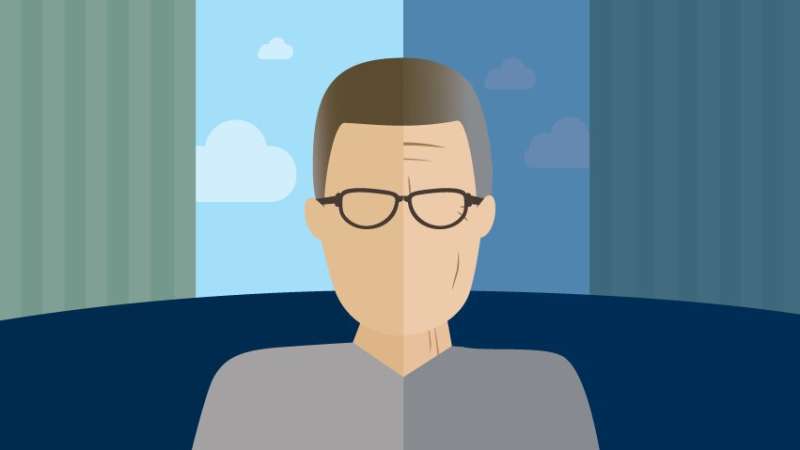
Ageism takes many forms, including internalized stereotypes about what people experience in older age. Credit: University of Michigan

Nearly all older adults have experienced some form of ageism in their everyday lives, a new study finds—whether it's seeing ageist messages and images on television or the internet, encountering people who imply that they're less capable just because they're older, or believing stereotypes about aging.

09 jul 2022--Older adults with more health concerns, though, appear most likely to have experienced this kind of "everyday ageism", according to new findings published by a team from the University of Oklahoma, Norman and the University of Michigan. The data, from a survey of more than 2,000 people between ages of 50 and 80, come from the National Poll on Healthy Aging.

The higher a person's score on a scale of everyday ageism experiences, the more likely they were to be in poor physical or mental health, to have more chronic health conditions, or to show signs of depression.

Though the study, published in JAMA Network Open, can't show cause and effect, the authors note that the linkages between ageism and health need to be explored further and taken into account when designing programs to encourage good health and well-being among older adults.

"These findings raise the question of whether aging-related health problems reflect the adverse influences of ageism and present the possibility that anti-ageism efforts could be a strategy for promoting older adult health and well-being," says first author Julie Ober Allen, Ph.D., M.P.H., Department of Health and Exercise Science, University of Oklahoma, Norman.

Allen worked on the survey during her time as a postdoctoral fellow at the Population Studies Center at U-M's Institute for Social Research.

The team previously published preliminary findings in a report from the NPHA, which is based at the U-M Institute for Healthcare Policy and Innovation and supported by AARP and Michigan Medicine, U-M's academic medical center.But the new analysis goes further, and uses the Everyday Ageism Scale developed by the team. That scale, validated and published last year, calculates a score based on an individual's answers to 10 questions about their own experiences and beliefs regarding aging.

In all, 93% of the older adults surveyed said they regularly experienced at least one of the 10 forms of ageism. The most common one, experienced by nearly 80%, was agreeing with the statement that "having health problems is part of getting older"—even though 83% of the people surveyed described their own health as good or very good. This kind of "internalized" ageism also included agreeing with the statements that feeling lonely, or feeling depressed, sad or worried, are part of getting older.

Meanwhile, 65% of the older adults said they regularly see, hear or read jokes about older people, or messages that older adults are unattractive or undesirable.

Another class of ageist experiences—which the researchers call interpersonal ageism—was reported as a regular occurrence by 45% of the respondents. These included experiences involving another person, where the older person felt it was assumed that they were having trouble with using technology, seeing, hearing, understanding, remembering, or doing something independently—or that they don't do anything valuable.

The researchers calculated Everyday Ageism scores for every one of the more than 2,000 poll respondents, based on their responses to all the poll questions.

The overall average score was just over 10. As a group, people who were ages 65 to 80 scored over 11, indicating more ageism experiences those among those ages 50-64.

People who had lower levels of income or education, and those who lived in rural areas, also had average ageism scores that were higher than others. Older adults who reported spending four hours or more every day watching television, browsing the internet or reading magazines had higher scores than those with less exposure to such media.

The researchers then looked at each person's individual score in light of what they had said about their own health, including self-rated physical and mental health, number of chronic health conditions and report of depression symptoms.

They found a close link between higher scores and all four health-related measures. That is, those who reported higher Everyday Ageism scores were more likely to have reported that their overall physical health or overall mental health were fair or poor, more chronic health conditions, and depression symptoms.

A lot of this linkage had to do with internalized ageism measures—the questions that measured how strongly a person agreed with the statements about health problems, loneliness and sadness being part of getting older. But experiences with the interpersonal forms of ageism were also linked to health-related measues, as were some aspects of ageist messages.

The relationship between ageism experiences in older adults' day-to-day lives and health especially interested poll director and senior author Preeti Malani, M.D., a professor at Michigan Medicine with a background in caring for older adults.

"The fact that our poll respondents who said they'd felt the most forms of ageism were also more likely to say their physical or mental health was fair or poor, or to have a chronic condition such as diabetes or heart disease, is something that needs more examination," she says.

More information: Experiences of Everyday Ageism and the Health of Older US Adults, JAMA Network Open (2022). DOI: 10.1001/jamanetworkopen.2022.17240


Sunday, October 31, 2021


Eclipsing of older people in the pandemic: Ageist approaches must not underpin guidance for future crises

aging
Credit: Pixabay/CC0 Public Domain

A new qualitative study from researchers at the School of Nursing and Midwifery at Trinity College Dublin provides, for the first time, a depth of understanding of the everyday experience of the COVID-19 pandemic for older people in Ireland.

31 oct 2021--As we move into the winter months and the possibility of further restrictive measures to counteract the spread of the virus, the findings from the study provide important evidence that policy makers and government should be mindful of regarding future possible public health restrictions.

The newly launched report, in partnership with Safeguarding Ireland, found that older people made significant efforts to self-protect from COVID-19. However, this was at the expense of their physical and/or mental health. While public health restrictions applied to the entire population, older people were advised to follow guidance which limited their daily lives.

Unlike previous reports, participants gave a first-hand account of their experience, and described their careful efforts to self-protect. The resilience of older people is a dominant feature of the report.

Key findings of the report

  • Older people made substantial changes to their daily lives to comply with the COVID-19 shielding guidance.
  • COVID-19 had significant impacts on the health of older people in the community.
  • Social capital was demonstrated as compensatory measures were adopted to daily lives.
  • Older people reported a general stoic approach to living in the pandemic and they demonstrated resilience in multiple ways.
  • The use of technology assisted in managing social and practical activities, however, its use, satisfaction and familiarity differed within the participants in the study.
  • Older people need more integrated support systems which maintain their personal, health and social needs.
  • Consideration needs to be given to pandemic related information to avoid information fatigue, misinformation, and confusion.
  • Post-pandemic rehabilitation will be required to focus on restoring lost physical ability and address the consequences of social isolation and loneliness.
  • There is a need to ensure that ageist approaches do not underpin guidance. The rights of autonomy and self-determination need to be central considerations in future similar crises.

A selection of participant quotations from the report (all quotes are anonymous)

  • "So I go out to the driveway where the car would normally be, we put it out on the road and just when the pandemic lifted or sorry when the lockdown lifted I would go down the footpath and that I miss a lot. Because I could go you know right down the road and I would be out for maybe twenty minutes down pass all my neighbors' houses and back again. And that was great but then when the lockdown comes, I stay inside the gate."
  • "I'm in the kitchen and I'm looking at four walls and when I get tired of those four walls, I go into the  and I look at a different four walls and then I go to the sitting room and I look at a different four walls again."
  • "And I suppose there is that about mortality, the fact that you could get this awful disease, awful virus and you know, the way you would die isn't very nice and your funeral, you know, for all the people, like you'd be on your own. You wouldn't, I mean, I know you have nurses and they're very good and so on. But your family, you would have no family, you know."
  • "So you became neurotic about listening to the radio and you were going from one news item on the radio to the next news item on the television and ending up depressed with the fact that you were ending up that you couldn't move or you couldn't go outside the door."
  • "You just feel like you're locked in or hemmed in like, and you can't do anything. And I do wake up and I'll say now I'll do this today, I'll go up to the, I'll go down the post office, oh no I can't, here I am. You know you just feel like you're a prisoner, you know every time you think of something to do you have to knock it on the head because you can't do it, you know."
  • Commentators indicate that this will not be the last pandemic. We need to ensure that the voices of our growing aging population are heard and that they are supported to limit health decline, loneliness and continue to foster both social capital and inter-generational solidarity.

Globally it is recognized that there has been an eclipsing of older people in the pandemic; their voices have been minimized and support systems impacted (both formal and informal). More robust health policy needs to be developed to ensure any health (physical and/or mental) health decline is limited through programs of support in the home. In addition, information management is needed to avoid information overload or misinformation which can lead to psychological distress.

Amanda Phelan, professor in aging and community nursing and principal investigator of the study said: "Older people have made significant efforts to self-protect in the pandemic, however, there has been consequences for both their physical and mental health. The impact has been most profound in the older age groups due a disproportionate impact in mortality and morbidity rates. We need a short-term plan of engaging in rehabilitation through comprehensive geriatric assessments and care plans. While our study did not highlight safeguarding issues, it is also important to acknowledge that the conditions of the pandemic exacerbated elder abuse risk factors, and this may be occurring in Ireland under the radar of our data. Thus, a focus on awareness, prevention and early intervention are key considerations."

Welcoming the report Safeguarding Ireland, Chairperson Patricia Rickard-Clarke said, "This paper is one that will be of interest to everyone and particularly policy-makers and those involved in the planning and delivery of  and social services for older people. It is a timely and important reminder of responses that are needed, not only to the pandemic itself, but also to the unintended effects of efforts to limit the spread of disease. Health and well-being are not just about being free from disease but also encompass less tangible, but no less important, matters such as social connectedness, interdependencies and independence."


More information: Exploring Older People's Experiences of Shielding During the COVID-19 Pandemic: www.tcd.ie/tcphi/assets/pdf/ol … people-shielding.pdf

Sunday, April 26, 2020

5 ways the COVID crisis has created an ageism crisis—and what to do about it


aging
Credit: CC0 Public Domain
Researchers who are studying the human aging process from a behavioral perspective are getting increasingly concerned that their efforts to reduce ageism in our society are being rapidly undone during the COVID-19 crisis. Ageism includes the propagation of negative age stereotypes, discrimination against older adults, and stigmatization based on age.
26 april 2020--Here are five ways in which the COVID-19 crisis has also created an ageism crisis that requires everyone's attention.
  1. In public discussions, older adults are regularly referred to as "the elderly." The use of this word is viewed as derogatory in nature by many professional organizations, including the Gerontological Society of America and the American Psychological Association. The reason for that is that the word "elderly" invokes images of frailty, vulnerability and senility. Yet, the overwhelming majority of older adults (e.g., persons over the age of 60 or 65) are neither frail, vulnerable or senile. Indeed, the majority of older adults lead vigorous and productive lives.
  2. The public discussions also ignore that a person's age is, in general, not a good indicator of that person's level of functioning, and that older adults are the most diverse age group in our society. Therefore, a person's age should not become the sole criterion for whether this person receives testing or treatment during the COVID-19 crisis. Other criteria, such as a person's symptoms, preexisting health conditions, and other risk factors should become the decisive factors—for both older and younger adults. Indeed, it is important to not withhold important health care from younger adults (e.g., reversed ageism) with the argument that they are reserved for older adults. Such an approach only sows intergenerational division where intergenerational solidarity is needed.
  3. Although the public emphasis on older adults' greater susceptibility to COVID-19 may be well-intentioned, it is also important to keep in mind that it is not age per se that makes older adults more susceptible. Rather, it is the co-morbidities that are more likely to happen as individuals get older that make a person more vulnerable. For example, a 50-year-old with asthma, type 2 diabetes, and cardiovascular disease may be more vulnerable to the COVID-19 virus than a healthy 70-year-old. Again, age alone is just a number and we should not stigmatize anybody because of that number.
  4. Another aspect of ageism that has reoccurred in public debates is the "greedy old geezer" argument. That is, older adults may create a disproportional burden on societal resources, such as the health-care system, that would be better invested in younger generations. Although it is correct that the rate of hospitalizations and fatalities is higher for older adults, currently it is not clear at all whether this is also the case for the rate of infections. As the pandemic unfolds, it may well be that the rate of infections will actually turn out to be significantly higher in younger age groups. This is another reason why it is important to refrain from blaming the old and to engage in intergenerational solidarity. Let's face it: We are all in this together!
  5. Finally, it is important to acknowledge that many older adults are making valuable contributions to their communities during the COVID-19 pandemic. Increasingly we are hearing stories that retired nurses and doctors are responding to the needs of their local communities and help provide services in testing lines, emergency rooms, and on hospital floors. Other activities that older adults are contributing to in their communities is helping with the production of protective gear, helping with child care, and serving as caregivers to loved ones. Again, it is important to acknowledge these valuable contributions and to refrain from thinking that "old = worthless."
In summary, behavioral aging researchers advocate for a balanced portrayal of older adults in our society and remind us that later adulthood is a life stage that we all—if we have the good fortune to live long enough—will experience at some point in time.

Provided by Colorado State University 

Monday, May 20, 2019

Awareness is first step in helping stop ageism, say researchers

Ever cracked a joke about old people? It might seem funny, but in a world where the population aged 60 or over is growing faster than all younger age groups, ageism is no laughing matter, says a University of Alberta researcher.
20 may 2019--"Ageism is now thought to be the most common form of prejudice, and the issue is, we don't even recognize how prevalent it is and how impactful it is," said Donna Wilson, a nursing professor who studies aging. "A lot of societies are really youth-oriented now and don't really respect or care about older people."
It's a trend that needs to be better quantified, Wilson suggests in a new study she conducted with fellow nursing professor Gail Low.
They reviewed questionnaires used by researchers around the world to measure ageism, and found they fell short of providing a comprehensive look at the problem.
"Most of them only asked, 'What do you think' or 'Do you act in a certain way'; what we need to do instead is start looking at the actual impact of ageism—how have older people and younger people been hurt by ageism—because until we start understanding how harmful this prejudice is to all of us, we are going to keep doing nothing about it."
Widespread impact
There's widespread fallout from systemic blatant and subtle ageism, Wilson said.
"There's a big personal impact. Children see older people being disrespected and grow up thinking they're useless and then they find themselves turning 60 or 65. We don't expect or encourage healthy aging; everybody who hits 65 thinks it's all downhill from here.
"If they think they're useless and boring, how negative is that for them and their family? They don't exercise, they don't volunteer, they don't keep working if they want to, because they feel this discrimination. They don't go out and find a new mate if their spouse dies because they think 'I'm next.' There's both a societal and personal impact to internalized ageism."
In reviewing all existing studies on the topic, Wilson discovered that 48 to 91 per cent of all older people surveyed experienced ageism, and 50 to 98 per cent of all younger people admitted to having discriminatory thoughts or behaviours toward older people.
It's important to continue exploring the scope of the problem by doing more robust research to dispel stereotypes about old people, she believes.
"We have a rapidly aging population in Canada that will jump from 19 per cent of the current population to 26 per cent in 11 years, but we're afraid of that fact. Based on ageism, we think they're a drain on society, and that's where a lot of the myths and long-standing prejudices arise."
For instance, it's commonly assumed that acute care hospital beds are taken up by elderly people, but in fact, only 20 per cent of people in hospitals are 65 and older—the rest are younger, Wilson said.
And research shows that only about three per cent of older Canadians are so chronically ill that they need to live in nursing homes, she added. "Most live in their own homes, lodges or other private-pay assisted living facilities."
It's also unfair to assume they're unproductive, Wilson added. One in five Canadians age 65 or older is still working, and more than one-third volunteer in some way.
Wilson expects that number to rise because boomers "are active, busy people who are healthy. (They) pay taxes, they start businesses, they take care of the grandkids, they do a lot to keep society going. And yet we don't value them and we all lose out."
Recommendations
Wilson recommends that attitudes about aging be more extensively surveyed through government census.
"We need to start surveying how common ageism is, and how we can get people to look at someone with gray hair and wrinkles and think positively about them."
She also recommends Canada enact anti-ageism legislation, as Britain did several years ago with its Equality Act.
She believes there'll have to be a social awakening, much like the gay rights movement.
"You can't discriminate against people who are gay, and I'd like to see that happen for older people," she said.
"This is a serious, overlooked problem that needs a lot more attention and intervention. We can't have a quarter of our population being harmed and we can't lose out on all the enormous benefits that older people can bring to society."
Indigenous cultures are among a handful of societies that provide an example to follow, Wilson noted.
"They have always respected their elders; they invite elders to meetings, ask them for guidance, elect them to important positions, make time for them. We've lost a lot of that in the modern world because we've become so homogenized and so focused on youth."
Are you ageist? Here's how to avoid it
Be aware of your own behaviour, said nursing researcher Donna Wilson.
"Once awareness starts, basic decency starts to happen. You may not realize telling old-people jokes or rushing ahead of older people so they wait in line after you is demeaning. And we need to recognize how much we love our parents and grandparents; they've usually been wonderful role models who've done the best they can to help us."
Take the World Health Organization's Ageing Attitudes Quiz to test your assumptions about aging.

More information: Donna M. Wilson et al. Where are we now in relation to determining the prevalence of ageism in this era of escalating population ageing?, Ageing Research Reviews (2019). DOI: 10.1016/j.arr.2019.03.001
Provided by University of Alberta 

Saturday, April 06, 2019

Ageism linked to poorer health in older people in England

Ageism may be linked with poorer health in older people in England, according to an observational study of over 7,500 people aged over 50 published in The Lancet Public Health journal. Despite the known prevalence of age discrimination and existing evidence that other forms of discrimination, like racism, are linked to poorer health, this is the first study to examine the association between ageism and health and wellbeing.
06 april 2019--Considering the demographic changes underway in high-income countries and the steadily increasing population of older people in the UK, these findings highlight the vital need to tackle ageism to improve the health and wellbeing of people as they age.
1,943 of 7,731 (25%) over 50-year olds surveyed experienced age discrimination. Those who reported age discrimination were more likely to rate their health as fair or poor compared to those who had not reported it (29% versus 24%).
Certain serious health problems were also more common among those who reported age discrimination compared to those who had not—including heart disease (17% versus 13%), chronic lung conditions (7% versus 5%), limiting longstanding illnesses (39% versus 33%), and depressive symptoms (19% versus 12%).
In addition to worse reports of their existing health, participants who reported age discrimination were more likely to develop a serious health problem during the study's six-year study period compared to those who did not report age discrimination—including higher rates of diabetes (6% versus 5%), heart disease (4% versus 3%), stroke (5% versus 3%), chronic lung disease (5% versus 3%), a limiting longstanding illness (26% versus 21%), or depressive symptoms (10% versus 7%).
The authors note that the follow-up data was only available for 5,595 of the 7,731 participants included in the original analyses. Participants who dropped out in the intervening six years tended to be older and less affluent, which may have led to conservative numbers of newly developed conditions.
Notably, 45% (883/1,943) of participants who reported age discrimination also reported discrimination based on other personal characteristics (eg. sex, physical disability) and the negative health effects were most pronounced in this group. The authors therefore stress that other factors, like socioeconomic status and disability, may intersect with and compound experiences of age discrimination.

Advocating for an approach that aims to tackle discriminatory behaviours in society and mitigate the effects of discrimination of older people, study author, Dr. Sarah Jackson from University College London, UK, says: "As a society, we need to increase public awareness of what constitutes ageism and how it can affect health and wellbeing so we can build collective movements, like those that brought about legislative and social change for other forms of discrimination. On a clinical level, raising the issue of age discrimination with older patients could help to identify those at risk of future health problems."
The research was conducted using data from the English Longitudinal Study of Ageing, a nationally representative sample of over 50-year olds. Participants reported experiences of age discrimination and rated their own health via self-completed questionnaires and face-to-face computer-assisted personal interviews in 2010-11. Follow-up questionnaires and interviews collected data on participants' health after a six-year period to record any health conditions they had developed since.
There are some limitations to the study. Age discrimination was self-reported so is subject to recall bias and reflects the participants own perceptions, rather than the act of discrimination itself. To minimise bias, participants were asked about a range of types of discrimination (not only age discrimination). Health conditions were also self-reported.
The authors discuss several possible ways that ageism could negatively impact health. Firstly, previous studies have shown that exposure to age discrimination can provoke stress responses harmful to both mental wellbeing and physical health. Secondly, people may use unhealthy behaviours, like smoking, drinking, poor diet or physical inactivity, to cope with experiences of age discrimination.
Thirdly, they suggest that age discrimination in healthcare could mean that older patients are not receiving the same standard of care as their younger counterparts. 41% (804/1,943) of those who reported experiencing age discrimination specified has said that they "receive poorer service or treatment than other people from doctors or hospitals" and the authors point out that age-related biases in recommended treatments are common. For example, older patients with cancer are less likely to receive treatments that aim to cure the disease and older people are rarely included in clinical trials for drugs to treat heart disease.
Finally, the authors highlight the lack of existing research into ageism and health, despite an established body of evidence that examines other forms of discrimination as social determinants of health and wellbeing. In light of this, they call for more research into how ageism operates to inform interventions and policies to tackle it.
Writing in a linked Comment, Professor Martin Gulliford, King's College London, UK, says: "The public health community has been slow to acknowledge the central role of discrimination in health inequality... Although the interrelationships between age, socioeconomic status, health status and experienced discrimination are complex, these findings suggest that not only does age discrimination cause short-term psychological distress to older people, but could also have an important effect on their long-term mental and physical health."
More information: Sarah E Jackson et al. Associations between age discrimination and health and wellbeing: cross-sectional and prospective analysis of the English Longitudinal Study of Ageing, The Lancet Public Health (2019). DOI: 10.1016/S2468-2667(19)30035-0
Provided by Lancet 

Tuesday, August 23, 2016

Society needs to challenge ageism more, says leading gericare expert

Society needs to challenge ageism more, says leading gericare expert
Credit: City University London
An interactive "dementia atlas" published online by the Department of Health needs to lead to society challenging ageism more, according to a leading expert on the care of older people at City University London.

23 aug 2016--According to the new government data, people with dementia are being let down by local services across the country and has revealed a postcode lottery in care for the chronic and degenerative brain disease according to experts.
The interactive resource, shows that standards of care vary significantly in different areas, with services failing to reach almost half the patients for check-ups even once a year in one area.
Speaking about the postcode lottery in care revealed by the dementia map, Julienne Meyer CBE, Professor of Nursing: Care for Older People at City University London and Executive Director: My Home Life programme, said:
"It is interesting that more people are not up in arms about the post code lottery for dementia care.  With the aging population and growing numbers of people with dementia, we are all likely to experience first-hand dementia in ourselves or our loved ones.  However, we tend to avoid the issue until it personally affects us.  By this late this stage, we are often lack capacity to take action.
"I just don't understand why society does not challenge ageism more in the same way that it seeks to challenge sexism or racism.  Older people, including those with dementia, are the largest client group for health and social care. We should take care not to tuck this fact away as a minority issue, it is a majority issue only acknowledged by the minority."


Provided by City University London

Saturday, March 05, 2016

Understanding ageism prolongs your life

Perceptions about ageism makes people think of older people and is a form of discrimination. This according to Fredrik Snellman at Umeå University who believes that the concept needs to be redefined to mirror all people's practical experiences of ageing. The results have been published in the journal Nordic Psychology.

05 mar 2016--"We are using age in many ways to organise our own and other people's lives and to make our social world understandable. The usage can sometimes be prejudiced and have undesirable consequences to us all. It is often hidden and the ways it is noticeable in everyday life can seem trivial. That is why it is of importance to make visible the everyday use of ageism and find new terms for them," says Fredrik Snellman.
In the article, Snellman criticises previous scientific findings and a suggested definition of the term of attitude and the phenomenon 'ageism'. According to Snellman, the concept of ageism needs to be redefined to mirror all people's practical experiences of the chronological, social, biological and psychological parts of ageing. Ageism should be portrayed as significant for people of all ages rather than only the older population.
Furthermore, Snellman's study draws parallels to another study that has shown that negative ageism – or negative attitudes about older people and ageing – stands in connection with an increased mortality among the population. The study shows that individuals with a higher level of negative attitudes (confirmed at the age of 50 or earlier) live on average 7.5 years shorter in comparison to those who have a more positive attitude towards ageing. That is proof of why an increased awareness is needed and should in all likelihood arouse people's interest in their own attitudes.
Snellman is critical towards ageism being portrayed as difficulty only for older people despite researchers in the previous study to have express ambition to eliminate the same. Regardless of the strive within science to avoid differentiating between 'us and them – old and young' which often forms the basis of the hidden and rarely questioned way of creating inequality – science upholds the difference.
"Awareness and a lively debate about the complex problem of ageism is needed, in particular about how age enables and limits our lives throughout the course of life. A better understanding of how 'older people' besides distinguishing a group of the population also is an intergenerational phenomenon is necessary. Age-related indifference does not suddenly appear when we grow old. It appears gradually and in different ways at all ages," says Snellman.

More information: Fredrik Snellman. Whose ageism? The reinvigoration and definitions of an elusive concept, Nordic Psychology (2016). DOI: 10.1080/19012276.2015.1125301


Provided by Umea University

Wednesday, April 24, 2013


Researchers chart new path for study of ageism

Researchers chart new path for study of ageism

Researchers say stereotypes of what older people should be, known as prescriptive stereotypes, center on three key issues. Select the thought bubbles in the illustration below to learn more about each of these issues.
24 april 2013--Michael North, a fifth-year graduate student in psychology at Princeton University, knew he was lucky to land a summer research position at the University of Michigan after he finished his bachelor's degree there in 2006.
His task: Sit in a lab for two hours at a time and interview local residents—young and old—for a study on wisdom.
"When the professor told me this, I nodded and said OK, but as a 22-year-old kid I wasn't really excited about sitting in a basement interviewing old people, as I saw them," North said. "I thought they would be really boring. I thought they would smell. I thought they would make me feel weird. These were the thoughts I had, honestly."
But the reality was different. North found that he enjoyed interacting with the older group more than the younger people. "The older people were the ones who showed more interest in the project, they showed more interest in me personally and asked more interesting questions," North said.
The realization opened his eyes to a field ripe for exploration.
A focus on ageism research
North came to Princeton in 2008 and joined the lab of Susan Fiske, the Eugene Higgins Professor of Psychology and a professor of psychology and public affairs. Together, they have put a new emphasis on ageism, or age-based prejudice, focusing on the challenges society faces to adjust to a growing older population and the intergenerational tensions that can result.
The older population in the United States is expected to double in the next 20 years, and the number of older people is likely to reach more than a quarter of the population by 2050, outnumbering children for the first time in history, North and Fiske noted last year in the journalPsychological Bulletin.
"In other words, the people society now considers older and irrelevant are about to become far more common and visible—perhaps more so than ever in modern society," the researchers wrote.
Those factors make this an ideal time to put a spotlight on the social perceptions of ageism, a generally understudied area in academia, North said.
"It's not hard to read The New York Times or The Wall Street Journal and see that as the baby boomers are getting older, age-discrimination cases are on the rise and worries are growing about the long-term sustainability of Social Security and Medicare," North said. "The academic literature hasn't really spoken to these questions."
The research by North and Fiske homes in on the idea that understanding intergenerational tension is key to understanding ageism. Ageism is the one kind of discrimination, North noted, in which those who are generally doing the discriminating—younger generations—will eventually become part of the targeted demographic.
North and Fiske are making important contributions to ageism research, said Susan Krauss Whitbourne, a psychology professor at the University of Massachusetts-Amherst who studies aging and adult development.
"Ageism is a topic that touches on many sensitive areas, including older adults themselves, family members, policymakers and the media," she said. "North and Fiske unpack the stereotypes toward older adults and show how these stereotypes vary in their causes and effects."
Fiske, a social psychologist, joined the Princeton faculty in 2000. Her most recent book is "Envy Up, Scorn Down: How Status Divides Us" (2012). The research she and North have conducted expands her far-reaching work on stereotypes.
"We have found a variety of evidence, over the past dozen years, that people make sense of each other along two primary and apparently universal dimensions," Fiske said. "The first is warmth—does the other have good intentions, is that person trustworthy and sociable. The second dimension is competence—can the other enact those intentions. Stereotypically, the middle class are both warm and competent, rich people are cold but competent, homeless people are neither. The default stereotype for older people is well-intentioned (warm) but incompetent."
What older people 'should be'
The researchers focus on ageism that is based on what psychologists call prescriptive prejudice. "Instead of describing what old people supposedly are in reality, it 'prescribes' what others think old people should be," Fiske said. "Older people who 'violate' these 'prescriptions' are punished by those who discriminate against them; older people who adhere to them are rewarded with sympathy and pity."
The researchers say prescriptive stereotypes center on three key issues: 
  • Succession, the idea that older people should move aside from high-paying jobs and prominent social roles to make way for younger people;
  • Identity, the idea that older people shouldn't attempt to act younger than they are; and
  • Consumption, the idea that older people shouldn't consume so many scarce resources such as health care.
In studies detailed in an article for the journal Personality and Social Psychology Bulletin, the researchers found that younger people were more resentful of older people who went against these prescriptive stereotypes, compared with the feelings of middle-aged and older study participants. The article was published online in March.
In a January article in Social Issues and Policy Review, Fiske and North focused on the dangers of lumping together all older people, starting as young as ages 50 or 55. Instead, North and Fiske argue that the "young-old"—generally those still working and in relatively good health—should be considered separately from the "old-old"—generally older people who no longer work and are in poor health.
"Though numerical age is a useful indicator, it is an imprecise one when it comes to distribution of societal resources," the researchers wrote. "Age-related characteristics are evolving all the time, but social policies seem stuck in the past, uncertain how to accommodate shifting age dynamics (as evidenced by impending Social Security and Medicare crises)."
Further advancing their work, North and Fiske have conducted experiments that helped shape a scale for measuring ageism that is described in a paper accepted for publication in the journal Psychological Assessment. The Succession, Identity and Consumption scale "is a promising tool for cutting-edge ageism research, as the population grays and generational equity concerns grow more salient," the researchers wrote.
North, who is finishing his dissertation on the issue, said he hopes to continue to work on ageism throughout his career, identifying interventions that could lessen or prevent ageism, such as shifting views of the younger about what it means to be older.
"If there's one take away from this research, it's that it's important to focus on the facts of these demographic changes rather than misguided perceptions," he said. "Talking about these issues helps you find constructive ways to address them."
Provided by Princeton University

Friday, March 13, 2009

The perils of ageism

Ageism is still rampant in America, and many old people themselves trade in unflattering stereotypes of the elderly, including helplessness and incompetence. Such caricatures are not only false and cruel, they are also unhealthy. Research has shown that old people who believe in negative age stereotypes tend to fulfill them.

13 mar 2009--And it may not just be the elderly who are harmed by ageism. A new study in Psychological Science, a journal of the Association for Psychological Science, suggests that young, healthy people who stereotype old people may themselves be at risk of heart disease many years down the road. Researchers Becca Levy and Martin D. Slade of the Yale School of Public Health, along with Alan B. Zonderman and Luigi Ferrucci from the National Institute on Aging Intramural Research Program, examined data on hundreds of men and women who have been studied for almost four decades as part of the Baltimore Longitudinal Study of Aging. Back in 1968, when scientists began studying these volunteers, they ranged in age from 18 to 49 and were all in good health. At that time, scientists gathered all sorts of information about the volunteers, including their attitudes toward the elderly. Their images of being old covered the gamut from very positive to very negative.

The researchers examined the health histories of all the volunteers, focusing on cardiovascular disease, and they discovered that there was a striking link between ageism early in life and poor heart health later on. That is, those who viewed old age in negative terms were much more likely to experience some kind of cardiovascular disorder over the next four decades. The scientists also looked at a subset of volunteers who didn't have any heart problems until after they were 60 - at least 21 years later - and found that these people were likely to have been negative about aging from early on. The episodes of heart disease could not be explained by smoking, depression, cholesterol, family history, or any of a myriad other possible risk factors.

What this suggests, the authors write, is that people are internalizing stereotypes of old age when they are still quite young - with far reaching consequences. This is the first scientific look at people maturing into the very people they have been unkindly caricaturing. It could be taken as a cautionary tale for those who think they'll never grow old.

###

For more information about this study, please contact: Becca Levy (becca.levy@yale.edu)

Wray Herbert discusses this study in his blog, "We're Only Human..."