Showing posts with label covid 19. Show all posts

Saturday, January 29, 2022


For people over 50, even 'mild' COVID‑19 can result in mobility problems

For people over 50, even 'mild' COVID‑19 can result in mobility problems
Researchers surveyed more than 24,000 people over the age of 50 from across Canada during the initial phase of the lockdown in 2020 to determine the effect of a COVID diagnosis on their mobility. Credit: Timon Studler photo/Unsplash

Adults over age 50 who experience mild or moderate COVID-19 are at greater risk of worsening mobility and physical function even if hospitalization is not required to treat the virus, according to new research out of Dalhousie and other Canadian universities.

29 jan 2022--The findings, which used data from the Canadian Longitudinal Study on Aging (CLSA), highlight the burden of COVID-19 among middle-aged and older adults who are not hospitalized, and suggest that many patients who experience even mild COVID-19 have persistent and troublesome symptoms.

Researchers surveyed more than 24,000 people over the age of 50 from across Canada during the initial phase of the lockdown in 2020 to determine the effect of a COVID diagnosis on their mobility. Their findings were published Wednesday in the journal JAMA Network Open.

The team looked at mobility issues including difficulty getting up from sitting in a chair, ability to walk up and down stairs without assistance and walking two to three neighborhood blocks, as well as changes in participants' ability to move around the home, engage in housework and physical activity.

Susan Kirkland (shown left), a Dalhousie research professor and head of the school's Department of Community Health and Epidemiology, co-authored the paper that is believed to be one of the first to evaluate the association between mobility and COVID-19 in older adults.

"We found that even those with mild and moderate illness due to COVID-19 experienced adverse changes in mobility and physical function compared to individuals without COVID-19," says Dr. Kirkland.

"These findings are worth noting because they indicate that the negative effects of COVID-19 are much broader and impact a wider range of  than those who are hospitalized for COVID-19."

Double the odds

Participants with COVID-19 had nearly double the odds of worsening mobility and physical function compared to those without COVID-19, although most had mild or moderate symptoms. Of the 2,748 individuals with confirmed, probable or suspected COVID-19, 94 percent were not hospitalized.

Individuals with confirmed or probable COVID-19 had double the odds of worsening ability to engage in household activities and participate in physical activity than those without COVID-19. Similar results were found for those with suspected COVID-19.

"Our results showed there was a higher risk for mobility problems in people who were older, had lower income, those with three or more chronic conditions, low physical activity and poorer nutrition," says Marla Beauchamp, an assistant professor in the School of Rehabilitation Science at McMaster.

"However, those factors alone did not account for the mobility problems we observed among people with COVID-19. Rehabilitation strategies need to be developed for adults who avoid hospitalization due to COVID-19 but still need support to restore their mobility and physical function."

The researchers concluded that there is a need to further understand the long-term impacts of COVID-19 and consider "the development and implementation of effective intervention and management approaches to address any persistent deficits in mobility and functioning among those living in the community."

More information: Marla K. Beauchamp et al, Assessment of Functional Mobility After COVID-19 in Adults Aged 50 Years or Older in the Canadian Longitudinal Study on Aging, JAMA Network Open (2022). DOI: 10.1001/jamanetworkopen.2021.46168


Hospital attendance not associated with increased risk of COVID transmission

hospital
Credit: CC0 Public Domain

These results follow from an analysis of asymptomatic, positive COVID-19 cases in cancer patients during the outbreak of the alpha variant, between December 2020 and February 2021.

29 jan 2022--The new study, led by Professor Mieke Van Hemelrijck of the School of Cancer & Pharmaceutical Sciences, analyzed data from cancer patients who were attending Guy's and St Thomas' NHS Foundation Trust.

A major driving force of the UK's second wave of COVID-19 was the evolution and spread of the alpha variant, which was associated with a greater rate of transmissibility.

A common side effect of cancer and cancer treatments is the death of immune cells, reducing the patient's ability to fight infections such as COVID-19. As a precautionary measure, treatments and follow-up care for cancer were interrupted or paused during the second wave.

To assess the risk of infection towards cancer patients, the authors analyzed COVID-19 positivity rates during the second (alpha-variant driven) wave of COVID-19.

Data were collected from 1,346 patients who tested positive with asymptomatic COVID-19 cases and a logistic regression was conducted. This statistical model was used to analyze the factors associated with COVID-19.

The results, published in Future Oncology, showed that an increased number of tests taken by asymptomatic people and living less than 20km (12.4 miles) from the epicenter of the alpha variant (the area of southeast England associated with its initial outbreak) were associated with higher positive rates.

The latter is a particularly important factor as Guy's Cancer Centre serves many patients who live in Kent and London, where the alpha variant first proliferated.

However, attending Guy's and St Thomas' NHS Foundation Trust was not associated with an increased chance in patients testing positive.

These results suggest that PPE and social distancing guidelines have so far effectively curtailed the risk of cancer patients contracting COVID-19. As a consequence, the authors support continuing cancer treatment and care for patients.

These findings will be important towards efforts to improve cancer care and treatment outcomes, as we begin to assess and manage the impact of COVID-19 related delays and disruptions.


More information: Kathryn Tremble et al, The impact of hospital attendance on COVID-19 infection in cancer patients: an assessment of data from Guy's Cancer, Future Oncology (2022). DOI: 10.2217/fon-2021-1329

Thursday, June 17, 2021


Is it safe to have surgery after COVID-19 infection?

surgery
Credit: Pixabay/CC0 Public Domain

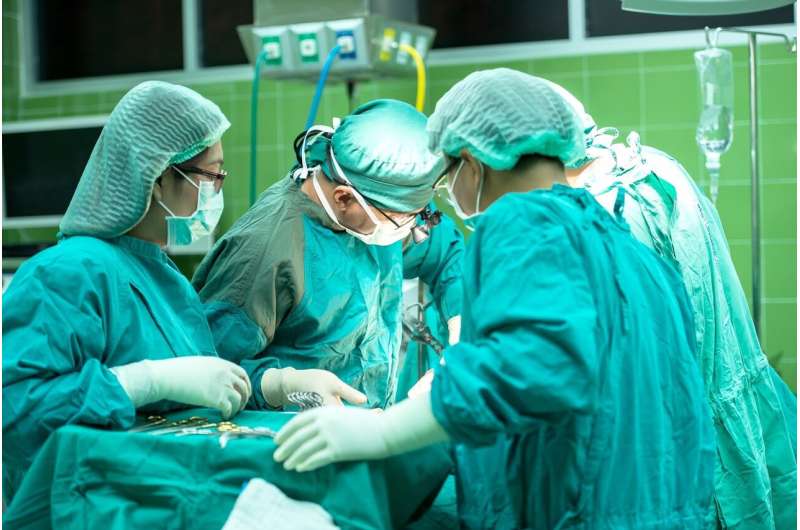
It is now clear that the lingering effects of COVID-19 can affect your health in many ways—including how your body reacts to surgery. In this case, the changes are significant. A growing number of studies have shown a substantial increased risk in post-operative death and pulmonary complications for at least six weeks after symptomatic and asymptomatic COVID-19 infection.

17 jun 2021 --No surgery is without risk, and surgeons always weigh the risks versus benefits of performing a specific procedure on a particular patient. These findings about the connection between COVID-19 infection and surgical complications and mortality add new variables to the equation, and hospitals and health systems around the country are adopting new policies to keep patients as safe as possible.

A new policy at Yale New Haven Health now stipulates that elective surgeries for adult patients that require general or neuroaxial (anesthesia placed around the nerves, such as an epidural) anesthesia should be deferred seven weeks from the time of a known COVID-19 diagnosis.

Additionally, elective surgeries for adults who are immuno-compromised, diabetic, or have a history of hospitalization should be deferred eight to 10 weeks after diagnosis. Those with a history of intensive care hospitalization should be deferred 12 weeks.

Surgeons are advised to discuss the risks of proceeding with surgery with a patient ahead of time, says Nita Ahuja, MD, MBA, chair of surgery for Yale Medicine and chief of surgery for Yale New Haven Hospital. These guidelines do not apply to urgent and emergency surgery, she adds.

A snapshot of the studies

Several small studies, including one published in The Lancet, have suggested patients with positive COVID-19 test results may experience worse outcomes and increased chance of dying after surgery. A large international study, published in Anaesthesia, showed that keeping surgery on hold for at least seven weeks after a positive coronavirus test was associated with lower mortality risk compared with no delay.

The most recent study on this topic was published in JAMA Network Open in April and compared 5,470 surgical patients with positive COVID-19 test results (within six weeks) to 5,470 patients with negative results. There were more than double the number of deaths reported in the COVID-19-positive group versus the group with negative results.

An evolving landscape

Though surgeons are well aware of these guidelines, it's important for patients and their family members to understand the reasoning behind a decision to delay a surgery, even for a person who feels perfectly well. "We want to provide this information to patients so they can have a discussion with their surgeons and providers," says Roberta Hines, MD, chair of Yale Medicine's Department of Anesthesiology. "Each decision should be made at the individual level, and we want to stress that the patient is an active participant in their care."

For example, a patient who has cancer that requires surgery may want surgery as quickly as possible. For some, the risks of waiting to have the surgery may be greater than delaying it, while for others it may be smarter to wait. Every situation is different and what to do in a particular case is a decision that should be made jointly by patient and surgeon.

Emergency surgeries to "save life or limb" will still be done as needed. However, says Dr. Ahuja, "Semi-elective surgery accounts for the majority of our cases, especially with cancer care. These are surgeries that don't need to be done tonight, but there is a certain window of time. However, if someone comes to the hospital after a car accident, we won't delay surgery because they had COVID."

All patients must take a PCR (polymerase chain reaction, which is the most reliable of the various types of available tests) COVID-19 test before surgery. That will not change, and is key to picking up active infections [not prior ones] patients never knew they had, Dr. Ahuja adds.

The connection between COVID-19 infection and surgical complications seems logical given how research suggests a link between COVID-19 infection and inflammation. "Plus, an infection creates an inflammatory state in the body, and that can perpetuate for at least six weeks," Dr. Ahuja explains. "So that is why we recommend delaying surgery at least six weeks, so that your body is not still dealing with the effects of the virus."

It's not only the surgical procedure but the anesthesia as well that can exacerbate inflammation in the body, Dr. Hines notes.

"COVID-19 is an emerging disease and we are still learning about its acute and chronic repercussions. We initially thought it was a respiratory disease, but now we have learned about blood clots and a complex inflammatory process," Dr. Hines adds. "Six months from now, we may have different guidelines as the data is evolving."


More information: Max R. Haffner et al, Postoperative In-Hospital Morbidity and Mortality of Patients With COVID-19 Infection Compared With Patients Without COVID-19 Infection, JAMA Network Open (2021). DOI: 10.1001/jamanetworkopen.2021.5697

Timing of surgery following SARS‐CoV‐2 infection: an international prospective cohort study, Anaesthesia (2021). DOI: 10.1111/anae.15458

Provided by Yale University 

Sunday, February 28, 2021


Abnormal sodium levels in hospitalized patients with COVID-19 predict death or respiratory failure

Hospital
Credit: CC0 Public Domain

Hospitalized patients with COVID-19 and abnormal sodium levels in the blood have an increased risk of experiencing respiratory failure or dying, according to a study published in the Endocrine Society's Journal of Clinical Endocrinology & Metabolism.

28 feb 2021--"This study shows for the first time that patients presenting at the hospital with COVID-19 and low sodium are twice as likely to need intubation or other means of advanced breathing support as those with normal sodium," said lead investigator Ploutarchos Tzoulis, M.D., Ph.D., M.Sc., Honorary Associate Professor in Endocrinology at University College London (UCL) Medical School in London, U.K.

Additionally, the researchers found that patients who develop high sodium levels during the hospital stay were three times more likely to die than those who have normal sodium levels throughout hospitalization.

"Sodium measurements can inform doctors about which COVID-19 patients are at high risk of deterioration and death," Tzoulis said. "Sodium levels can guide decision making about whether a COVID-19 patient needs hospital admission or monitoring in the intensive care unit."

Sodium is routinely measured as part of bloodwork done for all patients coming to the hospital, and its measurement is inexpensive, Tzoulis noted. Sodium is an essential mineral and helps regulate fluid volume in the body and blood pressure.

The study was conducted in 488 adults with COVID-19 admitted to two London hospitals, UCL Hospital and Whittington Hospital, over an eight-week period last year. The 277 men and 211 women had a median age of 68 years. They had a median hospital stay of eight days.

Nearly 32 percent of COVID-19 patients with low sodium levels at admission needed a breathing tube and ventilator or oxygen through a face mask compared with only 17.5 percent of patients whose sodium values were normal, the investigators reported. Unlike excess sodium in the blood, low sodium levels had no association with an increased risk of dying in the hospital, Tzoulis said.

Among patients with high sodium levels at any time during their hospital stay, nearly 56 percent died versus about 21 percent of patients whose sodium remained normal, the data showed.

Doctors usually treat high sodium levels with intravenous fluids, and low sodium may require intravenous fluids, fluid restriction or medications. However, both conditions are often underestimated and undertreated, Tzoulis said.

Fluid losses due to diarrhea, vomiting, sweating, and not drinking enough water can lead to high sodium levels. Therefore, Tzoulis stressed the importance of avoiding dehydration during a hospital admission for COVID-19.

More information: Ploutarchos Tzoulis et al. Dysnatremia is a predictor for morbidity and mortality in hospitalized patients with COVID-19, The Journal of Clinical Endocrinology & Metabolism (2021). DOI: 10.1210/clinem/dgab107
Journal information: Journal of Clinical Endocrinology & Metabolism 


Thursday, February 11, 2021

At least 50% of COVID-19 infections come from people who aren't showing symptoms: study

crowd
Credit: CC0 Public Domain

A new study out of the University of Chicago has found that during the initial wave of the COVID-19 outbreak in New York City, only 1 in 5 to 1 in 7 cases of the virus was symptomatic. The research team found that non-symptomatic cases substantially contribute to community transmission, making up at least 50% of the driving force of SARS-CoV-2 infection. The results were published on Feb. 10 in the Proceedings of the National Academy of Sciences.

11 feb 2021--When the COVID-19 epidemic arrived in the U.S., the investigators noticed that it was very difficult to estimate what proportion of people infected with SARS-CoV-2 would go on to develop symptoms, partially due to the initial challenges with testing capacity.

"Without testing capacity data, it's very difficult to estimate the difference between cases that were unreported due to a lack of testing and cases that were actually asymptomatic," said first author Rahul Subramanian, a Ph.D. student of epidemiology at UChicago. "We wanted to disentangle those two things, and since New York City was one of the first cities to report the daily  of tests completed, we were able to use those numbers to estimate how many COVID-19 cases were symptomatic."

While there are a number of existing models that use epidemiological data to estimate undetected case numbers and transmission rates, this is the first peer-reviewed model to incorporate data about daily testing capacity and changes in testing rates over time to provide a more accurate picture of what proportion of SARS-CoV-2 infections are symptomatic in a large U.S. city.

"Incorporating these data into the model showed that the proportion of individuals who are symptomatic for COVID-19 is somewhere between 13% and 18%," said senior author Mercedes Pascual, Ph.D., the Louis Block Professor of Ecology and Evolution at UChicago. "And regardless of uncertainty in all other parameters, we can tell that more that 50% of the transmission happening in the community is from people without symptoms ¬— those who are asymptomatic and pre-symptomatic."

While this data analysis does not indicate how infectious asymptomatic individuals are, nor account for the new variants of the virus currently spreading in the U.S., the model provides additional support for the importance of following public health guidelines to reduce community transmission of the virus, whether individuals show symptoms.

"Even if asymptomatic people aren't transmitting the virus at high rates, they constitute something like 80% of all infections," said co-author Qixin He, now an assistant professor at Perdue University. "This proportion is quite surprising. It's crucial that everyone—including individuals who don't show symptoms—adhere to public health guidelines, such as mask wearing and social distancing, and that mass testing is made easily accessible to all."

The investigators say that these results also demonstrate that public health agencies need to make their testing protocols and numbers publicly available to allow these data to be incorporated into existing transmission models.

"Making this information available is as important as reporting the number of cases," said Pascual. "Otherwise, we have a discrepancy between the number and type of cases that are reported over time and the underlying transmission dynamics. These data are critical for epidemiological modeling."


More information: Rahul Subramanian et al, Quantifying asymptomatic infection and transmission of COVID-19 in New York City using observed cases, serology, and testing capacity, PNAS March 2, 2021 118 (9) e2019716118; doi.org/10.1073/pnas.2019716118
Provided by University of Chicago Medical Center 

Thursday, October 22, 2020


Pastoral care shown to support older people at risk from COVID-19

Pastoral care shown to support older people at risk from COVID-19
Volunteer Pastoral Agents provide a range of support to isolated elderly people in Brazil. Credit: Staffordshire University

Volunteers from the Catholic Church in Brazil helped to mitigate the impact of COVID-19 among the elderly, a new study shows.

22 october 2020--Peter Kevern, Professor Values in Health and Social Care at Staffordshire University, partnered with The Pontifical Catholic University of São Paulo to carry out the study which looked at the contribution of the Pastoral da Pessoa Idosa (PPI) program in Brazil.

And Professor Kevern suggests that the study findings may well assist the UK whose  system has been severely tested during the pandemic.

PPI is a volunteer movement that uses the organizational structure of the Catholic Church of Brazil to provide a range of support to isolated elderly people right across the country. Anyone can be a volunteer in their community or in their building to support older people through the scheme.

Last year, approximately 25,000 'Pastoral Agents', provided home visits, personalized practical help and support to 164,000 older people. Pastoral Agents are also trained to measure and report indicators of wellbeing such as fragility, fluid intake, annual flu vaccination, and to refer people to government agencies.

Professor Kevern explained: "Brazil has a fragile social infrastructure so there are many unmet social needs to be addressed. The aim of this research was to estimate the contribution of the PPI program to the health and social support of older people. Almost 4,000 volunteers were interviewed over a one-week period using a 21-item telephone questionnaire to evaluate the impact of its activities during 'normal' times, and how they changed to address the challenge of COVID-19."

The arrival of COVID-19 led to a temporary stop in visits following recommendations by the World Health Organization but efforts to provide material and immaterial support and remote monitoring by phone calls were encouraged through a campaign.

Professor Kevern added, "The striking thing about PPI was how quickly and flexibly the movement responded to the pandemic. Innumerable initiatives were undertaken by volunteers such as making masks, collecting food and other donations in order to make the lives of the elderly people monitored by the PPI better throughout Brazil. This was especially important for those who live in places far from urban centers, or in peripheries of large cities where access to social and health services is limited."

"I think we have some lessons to learn from PPI. In the UK, our social care system is also very fragile, and the experience of the early days of the lockdown, where older people were sent into care homes from hospital untested and many died from COVID-19, shows that the present system can't cope. Voluntary movements like PPI, supported and trained by the government, may be indispensable at times of population-level stress like a pandemic. There are some challenges coming down the line—possible future pandemics, Brexit, climate change—when again we might need to adjust to an unstable and rapidly-changing situation. Organizations like PPI might be part of the answer."


More information: Peter Kevern et al, The Contribution of Church-Based Networks to Social Care in the Coronavirus Pandemic and Beyond: The Case of Pastoral da Pessoa Idosa in Brazil, Religions (2020). DOI: 10.3390/rel11100486
Provided by Staffordshire University

Friday, September 18, 2020


Study shows SARS-CoV-2 jumped between people and mink, providing strong evidence of zoonotic transmission

mink
Credit: CC0 Public Domain

A study investigating SARS-CoV-2 infections across 16 mink farms in the Netherlands, being presented at the ESCMID Conference on Coronavirus Disease (ECCVID, held online from 23-25 September) shows that the virus likely jumped between people and mink and back, providing strong evidence that animal to human (zoonotic) transmission is possible.

18 september 2020--The study is by a group of Dutch veterinary science experts including Dr. Bas Oude Munnink (ErasmusMC), Professor Wim van der Poel (Wageningen University and Research Centre), Professor Arjan Stegeman (Utrecht University) Prof Marion Koopmans (ErasmusMC) and Reina Sikkema (ErasmusMC).

The exact origin of SARS-CoV-2 is still unknown, although various theories have been put forward. Animal experiments have shown that non-human primates, ferrets, hamsters, rabbits and bats can be infected by SARS-CoV-2 as well as cats, dogs, lions and tigers. Recently, multiple outbreaks in  farms (containing mink of the Neovison vison species) in the Netherlands have demonstrated that mink are also susceptible for SARS-CoV-2.

The authors did an in-depth investigation of outbreaks on 16 mink farms and humans living or working on these farms, using whole genome sequencing to underpin sources of transmission. They describe SARS-CoV-2 infections on 16 farms, with over 720,000 animals. In total, 66 of 97 (67%) persons tested had evidence for SARS-CoV-2 infection, either by PCR or serology. All people tested had a direct link to an infected mink farm.

The authors say: "Due to longitudinal follow up of the first 4 farms, we have strong evidence that at least two people on those farms were infected by minks. Unfortunately, based on our research we cannot make definite conclusions on the direction of most of the infections, so we do not know the total number of people that were infected by minks. We conclude that initially the virus was introduced from humans and has evolved on mink farms, most likely reflecting widespread circulation among mink in the first SARS-CoV-2 mink farms, several weeks prior to detection."

They add: "Genetic analysis of SARS-CoV-2 from the human employees on the farms showed they were the same as those found in mink, and were not identical to those found in unrelated SARS-CoV-2 patients living in the vicinity of farms. Genetic sequences from each of the infected mink farms fell into one of five distinct clusters, showing transmission between different mink farms."

They conclude: "Additional research will be needed to determine the routes of transmission. We conclude that at least some of these employees are very likely to have been infected directly from infected mink and thereby describe the first proven zoonotic transmission of SARS-CoV-2 to humans. Close collaboration between human and animal health departments is essential for early identification and control of SARS-CoV-2 infections."


More information: Pre-print: www.biorxiv.org/content/10.110 … /2020.09.01.277152v1
Provided by European Society of Clinical Microbiology and Infectious Diseases

Tuesday, May 12, 2020

Coronavirus 'not yet under control' in Brazil, scientists warn


Sao Paulo
Centro de São Paulo, Brasil. Ana Paula Hirama/Wikipedia
The coronavirus epidemic in Brazil is not yet under control according to a report from Imperial researchers.
12 May 2020--The findings suggest that the rate of transmission, or the R number, is still above 1 in all states.
The team's latest study, Report 21, from the WHO Collaborating Centre for Infectious Disease Modelling within the MRC Centre for Global Infectious Disease Analysis, the Abdul Latif Jameel Institute for Disease and Emergency Analytics (J-IDEA), Imperial College London in collaboration with Imperial's Department of Mathematics. presents estimates of COVID-19 cases and transmission in Brazil.
The researchers, from the Imperial College COVID-19 Response Team, also estimated that Brazil's R number has dropped substantially by 54 percent following interventions.
Infection levels
Since the first case was reported in Brazil on 25 February, Brazil has become the epicentre for COVID-19 in South America.
In the past 10 days, the number of reported infections more than doubled. The country is now reporting more than 135,000 cases and 9,000 deaths.
Of the 16 states analysed, five states account for 81% of all reported deaths. Brazilian state and city officials have mandated extensive public health measures (so-called non-pharmaceutical interventions, or NPIs) to reduce the transmission of COVID-19.
The team looked at the five states in Brazil with the highest number of deaths and estimate that the population infection levels range from 3.3% in São Paulo to 10.6% in Amazonas.
Government measures
Following the implementation of NPIs such as school closures and decreases in population mobility, the authors estimate that the reproduction number has dropped substantially.
However, in all 16 states analysed, the reproduction number remains above one, suggesting that the epidemic is not yet controlled and will continue to grow.
These results suggest that further action is needed to limit spread and prevent health system overload.
Virus spread 'not under control'
Dr. Thomas Mellan, from the School of Public Health, said: "We estimate the reproduction number is greater than one, meaning that the spread of the virus in Brazil is not under control."
Dr. Henrique Helfer Hoeltgebaum, from the Department of Mathematics, said: "Conditional on current mobility patterns in Brazil, we find that the transmission of SARS-CoV-2 is still not under control."
Dr. Swapnil Mishra, from the School of Public Health, said: "Our analysis clearly shows that Brazilian governmental measures have had an effect on the reduction of transmission of SARS-CoV-2. However, at the same time, we see that the epidemic is still not under control in Brazil and is spreading. We hope with more measures in place Brazil can contain the spread of the pandemic."
Since the emergence of the new coronavirus (COVID-19) in December 2019, the Imperial College COVID-19 Response Team has adopted a policy of immediately sharing research findings on the developing pandemic.

Monday, May 11, 2020

Architect designs 'healthier' temporary ICUs for COVID-19 patients


Architect designs "healthier" temporary ICUs for COVID-19 patients
U of T alumnus Tye Farrow is designing temporary ICUs that are quick and easy to build, and wrap health-promoting features like natural light and isolated logistics corridors into their design. Credit: Farrow Partners Architects
They went from a conversation on a Thursday morning to blueprints on Monday and a full-scale prototype built five days later. University of Toronto alumnus Tye Farrow, who graduated with a degree in architecture in 1987, and friend Ray Arbesman moved quickly to design temporary intensive care units in response to the COVID-19 pandemic.
11 MAY 2020--Farrow, who is the senior partner at Farrow Partners Inc. and the current president of the U of T Alumni Association, is known for creating buildings that wrap health-promoting features into their design. Arbesman is the founder of Nucap Industries, a global technology company, and the inventor of a novel mechanical system that can bind building materials together.
Together, they've developed Solace Rapid Assembly—High Performance COVID-19 Inpatient Bed Solutions, and they're hoping the project could soon help hospitals around the world that are struggling to care for COVID-19 patients.
"Our goal has been to create solutions that are faster, cheaper, smarter, safer, more adaptable to individual hospital needs and importantly—healthier," says Farrow.
Farrow founded the Cause Health movement to promote designs that nurture complete wellness, incorporating environmental sustainability, cultural sensitivity, a sense of purpose and health-boosting features such as natural materials, fractal shapes, and sunlight.
For example, Farrow designed the Credit Valley Cancer Centre in Mississauga with tree-like structures that evoke a person reaching to the sky.

Architect designs "healthier" temporary ICUs for COVID-19 patients
Credit: Farrow Partners Architects
"Spaces can tune basic emotions and background bodily feelings from negative to positive," says Farrow. "Neurophysiologists call the principle 'neural mirroring' – we model, or feel into, feelings we observe in another person."
He adds that a building environment creates a similar response, so the reaching structures in the Mississauga hospital seek to generate optimism, as well as a sense of life and growth, and an uplifting feeling that you are somewhere special and purposeful.
Farrow is currently earning a master's degree in neuroscience applied to architecture and design—a field so specialized "I believe I will be the only architect in Canada with this degree," he says.
"There is scientific evidence that space can be an accelerant or leave us numb. And the human dimension connecting space and performance for medical staff and patients alike is at the top of my mind."
Farrow's design for the ICU structures is based on an innovative, never-before used building technique: wood blocks laminated with metal instead of glue. Arbesman, a U of T donor, initially invented the fail-safe, velcro-like technology to build safer car brake pads, but began collaborating with Farrow on possible construction uses about five years ago.
The resulting blocks are as strong as concrete, but lighter and as easy to assemble as Lego. Even unskilled volunteers could build one of the 12-bed ICU units on a parking lot or vacant lot in a few hours, according to Farrow.

Architect designs "healthier" temporary ICUs for COVID-19 patients
Credit: Farrow Partners Architects
Features such as clerestory windows to introduce natural light are designed to lower patient and staff stress, while the unit's wraparound logistics corridor is environmentally controlled so that workers who service mechanics, electricity and medical gases remain isolated from patient areas.
Farrow was inspired to improve on other temporary hospital solutions he'd seen on the news. "The environments we build to support our medical staff and patients need to be the meal equivalent to a fruit-, vegetable- and protein-enhanced energy drink smoothie," he says, "giving you mental energy and clarity, physical strength and resiliency and mind comfort; an accelerant that will help you succeed under stressed conditions."
Solace launched on April 23. "We already have interest from a range of different organizations in Canada, the U.S. and Israel," says Farrow. "People are looking at it for the COVID-19 ICU responses, but because it is permanent in character, yet can also be disassembled easily, jurisdictions are also looking at it for other related uses that will need a longer shelf-life solution as we move into the winter."
"I thought that the grip timber block solution was perfect as it could give a rapid response solution that could be designed to any medical special need, versus a fixed size as with shipping container structures," he says. "And we can create an enhanced environment for staff and patients alike.
"Working on the project has been very stimulating and it's satisfying that we will also be able to do our part."

Provided by University of Toronto 

Friday, April 24, 2020

ST-segment elevation described in patients with COVID-19

ST-segment elevation described in patients with COVID-19
For patients with COVID-19 who have ST-segment elevation, indicating potential acute myocardial infarction, there is considerable variability in presentation, and prognosis is poor, according to a letter to the editor published online April 17 in the New England Journal of Medicine.
24 april 2020--Sripal Bangalore, M.D., from New York University Grossman School of Medicine in New York City, and colleagues describe their experience involving patients with confirmed COVID-19 who had ST-segment elevation on electrocardiography from six New York hospitals.
The researchers identified 18 patients with ST-segment elevation indicating potential acute myocardial infarction (median age, 63 years; 83 percent male), of whom 33 percent had chest pain around the time of ST-segment elevation. Ten patients had ST-segment elevation at the time of presentation and eight developed ST-segment elevation during hospitalization. Five of 14 patients with focal ST-segment elevation had a normal left ventricular ejection fraction, one of whom had a regional wall-motion abnormality. Eight patients had a reduced left ventricular ejection fraction. Nine patients underwent coronary angiography and six of these had obstructive disease; five patients underwent percutaneous coronary intervention. Higher median peak troponin and D-dimer levels were seen among the eight patients who received a clinical diagnosis of myocardial infarction versus the 10 with noncoronary myocardial injury. Thirteen patients died in the hospital, including four and nine with myocardial infarction and noncoronary myocardial injury, respectively.
"In this series of patients with COVID-19 who had ST-segment elevation, there was variability in presentation, a high prevalence of nonobstructive disease, and a poor prognosis," the authors write.
More information: Abstract/Full Text

Monday, April 20, 2020

Loss of smell and taste validated as COVID-19 symptoms in patients with high recovery rate

COVID-19, coronavirus
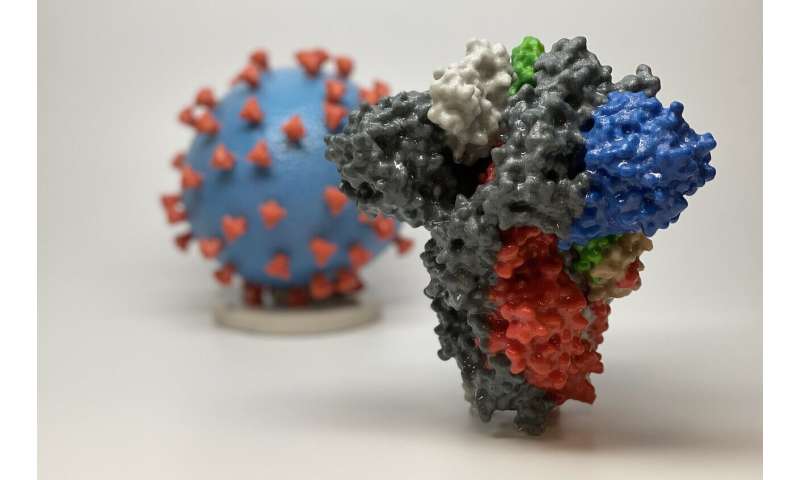
3D print of a spike protein of SARS-CoV-2, the virus that causes COVID-19--in front of a 3D print of a SARS-CoV-2 virus particle. The spike protein (foreground) enables the virus to enter and infect human cells. On the virus model, the virus surface (blue) is covered with spike proteins (red) that enable the virus to enter and infect human cells. Credit: NIH
Loss of smell and taste has been anecdotally linked to COVID-19 infections. In a study published April 12, 2020 in the journal International Forum of Allergy & Rhinology, researchers at UC San Diego Health report the first empirical findings that strongly associate sensory loss with COVID-19, the respiratory disease caused by the novel coronavirus.
20 april 2020--"Based on our study, if you have smell and taste loss, you are more than 10 times more likely to have COVID-19 infection than other causes of infection. The most common first sign of a COVID-19 infection remains fever, but fatigue and loss of smell and taste follow as other very common initial symptoms," said Carol Yan, MD, an otolaryngologist and head and neck surgeon at UC San Diego Health. "We know COVID-19 is an extremely contagious virus. This study supports the need to be aware of smell and taste loss as early signs of COVID-19."
Yan and colleagues surveyed 1,480 patients with flu-like symptoms and concerns regarding potential COVID-19 infection who underwent testing at UC San Diego Health from March 3 through March 29, 2020. Within that total, 102 patients tested positive for the virus and 1,378 tested negative. The study included responses from 59 COVID-19-positive patients and 203 COVID-19-negative patients.
Yan said the study demonstrated the high prevalence and unique presentation of certain sensory impairments in patients positive with COVID-19. Of those who reported loss of smell and taste, the loss was typically profound, not mild. But encouragingly, the rate of recovery of smell and taste was high and occurred usually within two to four weeks of infection.
"Our study not only showed that the high incidence of smell and taste is specific to COVID-19 infection, but we fortunately also found that for the majority of people sensory recovery was generally rapid," said Yan. "Among the Covid-19 patients with smell loss, more than 70 percent had reported improvement of smell at the time of survey and of those who hadn't reported improvement, many had only been diagnosed recently."
Sensory return typically matched the timing of disease recovery. Interestingly, the researchers found that persons who reported experiencing a sore throat more often tested negative for COVID-19.
In an effort to decrease risk of virus transmission, UC San Diego Health now includes loss of smell and taste as a screening requirement for visitors and staff, as well as a marker for testing patients who may be positive for the virus.
Other known symptoms of COVID-19 include fever, fatigue, cough and difficulty breathing. Respondents in Yan's study were most often persons with milder forms of COVID-19 infection who did not require hospitalization or intubation. The findings, she said, underline the importance of identifying early or subtle symptoms of COVID-19 infection in people who may be at risk of transmitting the disease as they recuperate within the community.
"It is our hope that with these findings other institutions will follow suit and not only list smell and taste loss as a symptom of COVID-19, but use it as a screening measure for the virus across the world," Yan said.

More information: Carol H. Yan et al, Association of chemosensory dysfunction and Covid-19 in patients presenting with influenza-like symptoms, International Forum of Allergy & Rhinology (2020). DOI: 10.1002/alr.22579

Chest X-ray findings normal for many confirmed COVID-19 cases

Chest X-ray findings normal for many confirmed COVID-19 cases
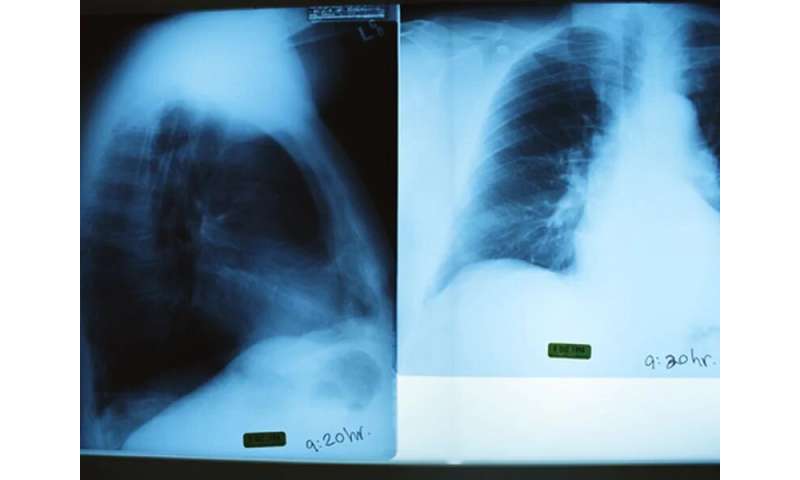
Most patients presenting to urgent care centers with confirmed coronavirus disease 2019 (COVID-19) have normal or mildly abnormal findings on chest X-rays (CXRs), according to a study published online April 14 in the Journal of Urgent Care Medicine.
20 april 2020--Michael B. Weinstock, M.D., from the Wexner Medical Center at The Ohio State University in Columbus, and colleagues examined the percentage of normal versus abnormal CXRs in urgent care patients with confirmed COVID-19 and described specific imaging characteristics of abnormal findings on CXR using a database of a large urgent care company in the greater New York City area. A total of 636 CXRs were reviewed among patients with confirmed COVID-19.
The researchers found that although patients were symptomatic enough to warrant imaging, 58.3 percent of the CXRs were normal. Of the 265 abnormal cases, 195, 65, and five demonstrated mild, moderate, and severe disease, respectively. The predominant descriptive findings were interstitial changes and ground glass opacities in 23.7 and 18.9 percent, respectively, of the total number of patients. Locations of the abnormalities were in the lower lobe, bilateral, and multifocal in 33.8, 20.9, and 24.2 percent, respectively. Effusions and lymphadenopathy were infrequently observed.
"In future reports we hope to examine what clinical signs, medical history, and demographic characteristics are associated with normal and abnormal CXR readings in patients with COVID-19," the authors write.

More information: Abstract/Full Text

Tuesday, April 14, 2020

How do viruses mutate and jump species? And why are 'spillovers' becoming more common?


How do viruses mutate and jump species? And why are 'spillovers' becoming more common?
Credit: Shutterstock
Viruses are little more than parasitic fragments of RNA or DNA. Despite this, they are astonishingly abundant in number and genetic diversity. We don't know how many virus species there are, but there could be trillions.
14 april 2020--Past viral epidemics have influenced the evolution of all life. In fact, about 8% of the human genome consists of retrovirus fragments. These genetic "fossils" are leftover from viral epidemics our ancestors survived.
COVID-19 reminds us of the devastating impact viruses can have, not only on humans, but also animals and crops. Now for the first time, the disease has been confirmed in a tiger at New York's Bronx Zoo, believed to have been infected by an employee. Six other tigers and lions were also reported as "showing symptoms".
According to the BBC, conservation experts think COVID-19 could also threaten animals such as wild gorillas, chimps and orangutans.
While virologists are intensely interested in how viruses mutate and transmit between species—and understand this process to an extent—many gaps in knowledge remain.
Skilled in their craft
Most viruses are specialists. They establish long associations with preferred host species. In these relationships, the virus may not induce disease symptoms. In fact, the virus and host may benefit each other in symbiosis.
Occasionally, viruses will "emerge" or "spillover" from their original host to a new host. When this happens, the risk of disease increases. Most infectious diseases that affect humans and our food supply are the result of spillovers from wild organisms.
The new coronavirus (SARS-CoV-2) that emerged from Wuhan in November isn't actually "new". The virus evolved over a long period, probably millions of years, in other species where it still exists. We know the virus has close relatives in Chinese rufous horseshoe bats, intermediate horseshoe bats, and pangolins - which are considered a delicacy in China.
Past coronaviruses, including the severe acute respiratory syndrome coronavirus (SARS-CoV), have jumped from bats to humans via an intermediary mammal. Some experts propose Malayan pangolins provided SARS-CoV-2 this link.
Although the original host of the SARS-CoV-2 virus hasn't been identified, we needn't be surprised if the creature appears perfectly healthy. Many other coronaviruses exist naturally in wild mammal and bird populations around the world.
Where do they keep coming from?
Human activity drives the emergence of new pathogenic (disease-causing) viruses. As we push back the boundaries of the last wild places on Earth—felling the bush for farms and plantations—viruses from wildlife interact with cropsfarm animals and people.
Species that evolved separately are now mixing. Global markets allow the free trade of live animals (including their eggs, semen and meat), vegetables, flowersbulbs and seeds – and viruses come along for the ride.
Humans are also warming the climate. This allows certain species to expand their geographical range into zones that were previously too cold to inhabit. As a result, many viruses are meeting new hosts for the first time.

How do viruses mutate and jump species? And why are 'spillovers' becoming more common?
Smuggled pangolins are killed for their scales to be used in traditional Chinese medicine. They are suspected to be the world’s most-trafficked mammal, apart from humans. Credit: Shutterstock
How do they make the jump?
Virus spillover is a complex process and not fully understood. In nature, most viruses are confined to particular hosts because of specific protein "lock and key" interactions. These are needed for successful replication, movement within the host, and transmission between hosts.
For a virus to infect a new host, some or all protein "keys" may need to be modified. These modifications, called "mutations", can occur within the old host, the new one, or both.
For instance, a virus can jump from host A to host B, but it won't replicate well or transmit between individuals unless multiple protein keys mutate either simultaneously, or consecutively. The low probability of this happening makes spillovers uncommon.
To better understand how spillovers occur, imagine a virus is a short story printed on a piece of paper. The story describes:
  1. how to live in a specific cell type, inside a specific host
  2. how to move to the cell next door
  3. how to transmit to a new individual of the same species.
The short story also has instructions on how to make a virus photocopying machine. This machine, an enzyme called a polymerase, is supposed to churn out endless identical copies of the story. However, the polymerase occasionally makes mistakes.
It may miss a word, or add a new word or phrase to the story, subtly changing it. These changed virus stories are called "mutants". Very occasionally, a mutant story will describe how the virus can live inside a totally new host species. If the mutant and this new host meet, a spillover can happen.
We can't predict virus spillovers to humans, so developing vaccines preemptively isn't an option. There has been ongoing discussions of a "universal flu vaccine" which would provide immunity against all influenza virus mutants. But so far this hasn't been possible.
Let wildlife be wildlife
Despite how many viruses exist, relatively few threaten us, and the plants and animals we rely on.
Nonetheless, some creatures are especially dangerous on this front. For instance, coronaviruses, Ebola and Marburg virusesHendra and Nipah virusesrabies-like lyssaviruses, and mumps/measles-like paramyxoviruses all originate from bats.
Given the enormous number of viruses that exist, and our willingness to provide them global transport, future spillovers are inevitable. We can reduce the chances of this by practising better virus surveillance in hospitals and on farms.
We should also recognise wildlife, not only for its intrinsic value, but as a potential source of disease-causing viruses. So let's maintain a "social distance" and leave wildlife in the wild.

Provided by The Conversation