Showing posts with label covid-19. Show all posts

Wednesday, March 09, 2022


COVID infects penis, testicles and prostate
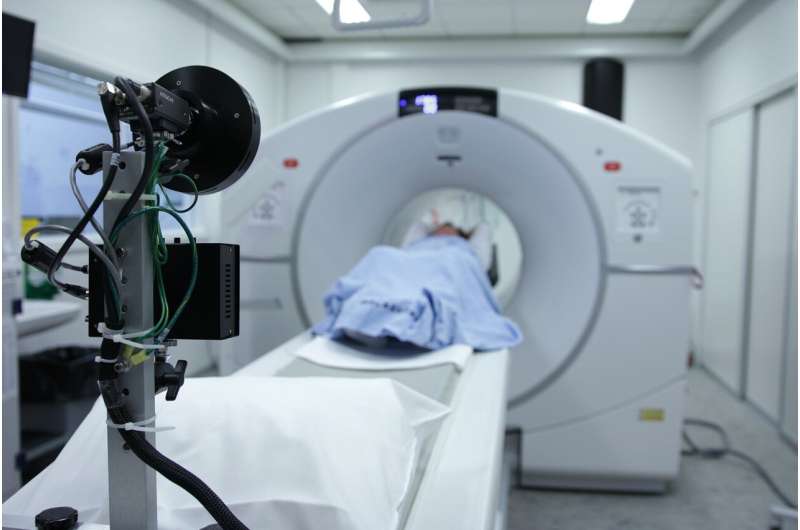
pet scan
Credit: Pixabay/CC0 Public Domain

Multiple tissues of the male genital tract can be infected with SARS-CoV-2, reports a new Northwestern Medicine study in large animal models. The study, in SARS-CoV-2 infected-rhesus macaques, revealed the prostate, vasculature of testicles, penis and testicles were all infected with the virus.

09 mar 2022--The surprising discovery was made utilizing a PET scan specially designed to reveal sites of infection spreading over time in a whole-body scan. Scientists didn't know what they would find, but they expected to see the virus in the lungs and high up in the nose near the brain because people were experiencing loss of taste and smell.

"But the signal that jumped out at us was the complete spread through the male genital tract," Hope said. "We had no idea we would find it there."

"These results indicate that the testicular pain, erectile dysfunction, hypogonadism, reduced sperm count and quality, and decreased fertility associated with SARS-CoV-2 infection are a direct consequence of infection of cells of the male reproductive tract and not indirect mechanisms such as fever and inflammation," said lead investigator Thomas Hope, professor of cell and developmental biology at Northwestern University Feinberg School of Medicine.

The evidence that infection with SARS-CoV-2 can negatively impact male sexual health and fertility is increasing every day. But scientists didn't know the reason and wondered if the cause was fever and inflammation.

"We just didn't understand why it had this negative impact until this study," Hope said. He noted viruses such as mumps, Ebola, Zika, SARS-COV-1 and other viruses also can infect tissues of the male genital tract and negatively impact fertility. Mumps infection is well known to potentially cause male sterility.

The new study shows how the virus can cause pathology in the prostate, penis, testicles and testicular vasculature (blood vessels), Hope said.

The study is posted as a preprint on bioRxiv, meaning it should be considered preliminary research until it is published in a peer-reviewed journal.

"Even if this is only a small percentage of the infected, it represents millions of men who may suffer from a negative impact on their sexual health and fertility," Hope said.

Clinical studies suggest 10% to 20% of SARS-CoV-2-infected men have symptoms related to male genital tract dysfunction. This suggests tens of millions of men who have been infected with SARS-CoV-2, especially those who had severe COVID-19, should evaluate their sexual health and fertility to determine if additional therapies could prevent or diminish future problems, Hope said.

"The potential impact of SARS-CoV-2 infection on sexual and reproductive health should be part of everyone's decision to get vaccinated to minimize the chance of death, severe disease and hospitalization, and infection of the prostate, penis, testicles and vasculature (blood supply) of testicles," Hope said.

This is the first PET (positron emission tomography) probe shown to be able to identify the sites of SARS-CoV-2 infection in a living animal, the study authors said.

"This approach allows the sequential scanning of the same animal, which defines the progression of virus dissemination and time before the virus is purged from the body," Hope said. "It also has the potential to increase our understanding of long COVID and the development of novel therapies targeting different long COVID comorbidities."

How the study worked

Early development of a fluorescently labeled version of the antibody-derived probe suggested a radioactive version of the probe would reveal the anatomical distribution of SARS-CoV-2 infection after a PET scan.

The observation of SARS-CoV-2 infection of the different tissues of the male genital tract emerges from a new system designed to use a PET scan to detect sites of SARS-CoV-2 infection in a rhesus macaque. The identification of the rhesus macaque as a major and reproducible site of SARS-CoV-2 infection was unexpected and has pathological characteristics consistent with the pathology of testicles of victims of SARS-CoV-2 infection.

Future research by Hope's lab will:

  • Examine male genital tract infection at later timepoints
  • Determine if testicles are a reservoir for SARS-CoV-2 infection as has been suggested in literature
  • Investigate if SARS-CoV-2 infects tissues of the female reproductive system
  • Aid in the development of therapies and interventions to mitigate the impact of the COVID-19 pandemic on male fertility
  • Goal to eventually do PET scan on patients to determine the location of the virus and the best the course of care

More information: Patrick J Madden et al, An immunoPET probe to SARS-CoV-2 reveals early infection of the male genital tract in rhesus macaques (2022). DOI: 10.1101/2022.02.25.481974

Sunday, February 20, 2022


Analysis shows that COVID-19 infections increase risk of heart conditions up to a year later

heart
Credit: Pixabay/CC0 Public Domain

An in-depth analysis of federal health data indicates that people who have had COVID-19 are at increased risk of developing cardiovascular complications within the first month to a year after infection. Such complications include disruptive heart rhythms, inflammation of the heart, blood clots, stroke, coronary artery disease, heart attack, heart failure or even death.

20 feb 2022--Such problems occur even among previously healthy individuals and those who have had mild COVID-19 infections, according to the study, from researchers at Washington University School of Medicine in St. Louis and the Veterans Affairs St. Louis Health Care System.

The research is published Feb. 7 in Nature Medicine.

"We wanted to build upon our past research on COVID's long-term effects by taking a closer look at what's happening in people's hearts," said senior author Ziyad Al-Aly, MD, an assistant professor of medicine at Washington University. "What we're seeing isn't good. COVID-19 can lead to serious cardiovascular complications and death. The heart does not regenerate or easily mend after heart damage. These are diseases that will affect people for a lifetime."

More than 380 million people globally have been infected with the virus since the pandemic started.

"Consequently, COVID-19 infections have, thus far, contributed to 15 million new cases of heart disease worldwide," said Al-Aly, who treats patients within the VA St. Louis Health Care System. "This is quite significant. For anyone who has had an infection, it is essential that heart health be an integral part of post-acute COVID care."

Cardiovascular disease—an umbrella term that refers to various heart conditions, thrombosis and stroke—is the leading cause of death in the United States and the world. The Centers for Disease Control and Prevention (CDC) estimates that one out of every four Americans dies of heart disease each year.

Additionally, heart disease comes with a hefty price tag, according to the CDC, costing the U.S. about $363 billion each year in health-care services, medications and productivity lost to death.

"For people who were clearly at risk for a heart condition before becoming infected with SARS-CoV-2, the findings suggest that COVID-19 may amplify the risk," said Al-Aly, who is also director of the Clinical Epidemiology Center and chief of the Research and Education Service at the Veterans Affairs St. Louis Health Care System.

"But most remarkably, people who have never had any heart problems and were considered low risk are also developing heart problems after COVID-19," he added. "Our data showed an increased risk of heart damage for young people and old people; males and females; Blacks, whites and all races; people with obesity and people without; people with diabetes and those without; people with prior heart disease and no prior heart disease; people with mild COVID infections and those with more severe COVID who needed to be hospitalized for it."

The researchers analyzed de-identified medical records in a database maintained by the U.S. Department of Veterans Affairs, the nation's largest integrated health-care delivery system. The researchers created a controlled dataset that included health information of 153,760 people who had tested positive for COVID-19 sometime from March 1, 2020, through Jan. 15, 2021, and who had survived the first 30 days of the disease. Very few of the people in the study were vaccinated prior to developing COVID-19, as vaccines were not yet widely available at the time of enrollment.

Statistical modeling was used to compare cardiovascular outcomes in the COVID-19 dataset with two other groups of people not infected with the virus: A control group of more than 5.6 million patients who did not have COVID-19 during the same time frame; and a control group of more than 5.8 million people who were patients from March 2018 through January 2019, well before the virus spread and the pandemic settled in.

The study does not include data involving the virus's Delta and Omicron variants, which began spreading rapidly in the latter half of 2021.

The COVID-19 patients in the study were mostly older, white men; however, the researchers also analyzed data that included women and adults of all ages and races.

The researchers analyzed heart health over a year-long period. Heart disease, including heart failure and death, occurred in 4% more people than those who had not been infected with COVID-19.

"Some people may think 4% is a small number, but it's not, given the magnitude of the pandemic," Al-Aly said. "That translates to roughly 3 million people in the U.S. who have suffered cardiovascular complications due to COVID-19."

Compared with those in the control groups without any infections, people who contracted COVID-19 were 72% more likely to suffer from coronary artery disease, 63% more likely to have a heart attack and 52% more likely to experience a stroke.

Overall, those infected with the virus were 55% more likely than those without COVID-19 to suffer a major adverse cardiovascular event, which includes heart attack, stroke and death.

"Our findings highlight the serious long-term cardiovascular consequences of having a COVID-19 infection and emphasize the importance of getting vaccinated against COVID-19 as a way to prevent heart damage; this also underscores the importance of increasing accessibility to the vaccines in countries with limited resources," Al-Aly said.

"Governments and health systems around the world should be prepared to deal with the likely significant contribution of the COVID-19 pandemic to a rise in the burden of cardiovascular diseases," he said. "Because of the chronic nature of these conditions, they will likely have long-lasting consequences for patients and health systems, and also have broad implications on economic productivity and life expectancy. Addressing the challenges posed by long-COVID will require a much-needed—but so far lacking—urgent and coordinated long-term global response strategy."


More information: Yan Xie et al, Long-term cardiovascular outcomes of COVID-19, Nature Medicine (2022). DOI: 10.1038/s41591-022-01689-3
Provided by Washington University in St. Louis 


Study suggests increased risk of mental health disorders after COVID-19 infection

coronavirus , COVID-19
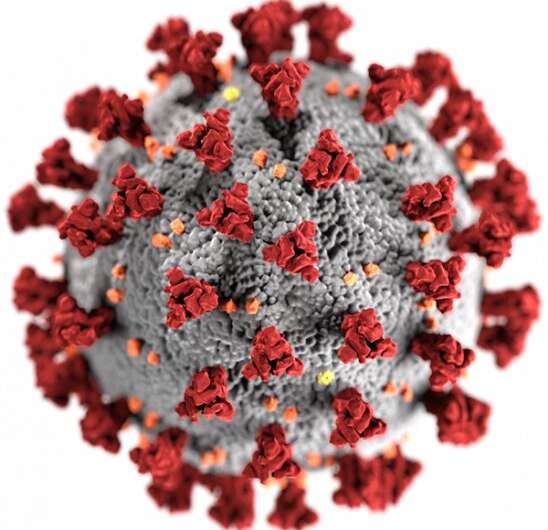
Image of the ultrastructural morphology exhibited by the 2019 Novel Coronavirus (2019-nCoV). Credit: CDC

A study published by The BMJ today finds that COVID-19 is associated with an increased risk of mental health disorders, including anxiety, depression, substance use, and sleep disorders, up to one year after initial infection.

20 feb 2022--The findings suggest that tackling mental health disorders among survivors of COVID-19 should be a priority.

Some studies have suggested that people with COVID-19 might be at increased risk of anxiety and depression, but they included only a small selection of mental health outcomes and tracked patients over a maximum of six months.

A comprehensive assessment of the mental health manifestations in people with COVID-19 at one year has not yet been undertaken.

To address this, researchers used data from the US Department of Veterans Affairs national healthcare databases to estimate the risks of mental health outcomes in people who survived at least 30 days after a positive polymerase chain reaction (PCR) test result between March 2020 and January 2021.

They identified data for 153,848 individuals and matched them to two control groups without COVID-19: 5,637,840 contemporary controls and 5,859,251 historical controls who predated the pandemic.

Participants were mostly white men with an average age of 63 years.

The COVID-19 group was further divided into those who were or were not admitted to hospital during the acute phase of infection, and information was collected on potentially influential factors including age, race, sex, lifestyle, and medical history.

The researchers then followed all three groups for one year to estimate the risks of a set of prespecified mental health outcomes, including anxiety, depression and stress disorders, substance use disorders, neurocognitive decline, and sleep disorders.

Compared with the non-infected control group, people with COVID-19 showed a 60% higher risk of any mental health diagnosis or prescription at one year (equivalent to an additional 64 per 1,000 people).

When the researchers examined mental health disorders separately, they found that COVID-19 was associated with an additional 24 per 1,000 people with sleep disorders at one year, 15 per 1,000 with depressive disorders, 11 per 1,000 with neurocognitive decline, and 4 per 1,000 with any (non-opioid) substance use disorders.

Similar results were found when the COVID-19 group was compared with the historical control group.

The risks were highest in people admitted to hospital during the initial (acute) phase of COVID-19, but were evident even among those who were not admitted to hospital.

People with COVID-19 also showed higher risks of mental health disorders than people with seasonal influenza, while people admitted to hospital for COVID-19 showed increased risks of mental health disorders compared with those admitted to hospital for any other reason.

This is an observational study, so can't establish cause, and the researchers acknowledge that some misclassification bias may have occurred. What's more, the study included mostly older white men, so results may not apply to other groups.

Nevertheless, they say their findings suggest that people who survive the acute phase of COVID-19 are at increased risk of an array of incident mental health disorders, and that tackling mental health disorders among survivors of COVID-19 should be a priority.

We now have a clearer picture of the mental health impacts of the COVID-19 pandemic, says Scott Weich, professor of mental health at the University of Sheffield, in a linked editorial.

Drawing on results from previous studies, he explains that for the general population, COVID and lockdown caused transient distress (related to threat) and those who contracted COVID-19 were at moderately increased risk of anxiety and depression, for the first 6 months or so (though the risk was greatest in month 1).

"Taking stock, it could be argued that much of the research concerned with the mental health impacts of COVID-19 represents more hindsight than insight," he adds. And he says we now need to focus on advancing our understanding of the causes of mental ill health or undertaking research that evaluates treatments for mental disorders more generally.


More information: Risks of mental health outcomes in people with COVID-19: cohort study Editorial: Mental health after COVID-19, BMJ (2022). DOI: 10.1136/bmj-2021-068993
Journal information: British Medical Journal (BMJ) 

Saturday, December 04, 2021


European Society of Cardiology COVID-19 guidance launched

cardiology
Credit: CC0 Public Domain

European Society of Cardiology (ESC) guidance for the diagnosis and management of cardiovascular disease during the COVID-19 pandemic is published today in the European Heart Journal.

04 dec 2021--This guidance brought together a large number of key opinion leaders at the outset of the pandemic. The advice was first published on the ESC website to be regularly updated, and is now provided as a journal publication.

The two-part document provides practical information and advice to help clinicians diagnose and manage cardiovascular disease in patients with COVID-19.

Part one includes:

  • The impact of cardiovascular comorbidities on the epidemiology of COVID-19 noting that:
    • Cardiovascular conditions are common in patients with COVID-19.
    • The presence of cardiovascular disease is associated with severe COVID-19 and higher mortality.
    • Cardiovascular risk factors are linked with severe COVID-19 and higher mortality.
  • Summary of the cardiovascular manifestations of COVID-19:
    • Myocardial injury, arrhythmias, heart failure, vascular dysfunction, and thromboembolic disease are a consequence of severe infection.
    • Long-term cardiovascular manifestations of COVID-19 are unclear, so careful follow-up is needed.
  • How to diagnose cardiovascular conditions in patients with the infection:
    • Covering the clinical presentation (e.g. chest pain, breathlessness), electrocardiogram (ECG), relevant cardiac biomarkers, and imaging modalities (when to perform and how to do it safely).

Part two includes:

  • Management and treatment pathways for common cardiovascular conditions such as:
    • Diagnostic pathways and treatment algorithms for patients with suspected acute coronary syndromes.
    • Diagnosis and management of patients with chronic coronary syndromes
    • Advice on the management of patients with heart failure, valvular heart disease, arterial hypertension, acute pulmonary embolism, and arrhythmias.
    • Follow-up via tele-health.
  • Treatment of SARS-CoV-2 Infection in patients with cardiovascular diseases including:
    • Maintenance of cardiovascular medications.
    • Drug–drug interactions, particularly regarding potential proarrhythmic properties.
  • Patient information such as:
    • How to reduce the risk of transmission, maintain a healthy lifestyle, and manage cardiovascular disease.

The authors note that the papers summarize current knowledge and guidance: "The recommendations are mainly the result of observations and personal experience from healthcare providers [in Europe]. Therefore, the information provided here may be subject to change with increasing knowledge, evidence from prospective studies, and changes in the pandemic. Likewise, the guidance provided in the document should not interfere with recommendations provided by local and national healthcare authorities."

More information: European Heart Journal (2021). DOI: 10.1093/eurheartj/ehab696
Provided by European Society of Cardiology

Saturday, October 30, 2021


Cheap antidepressant shows promise treating early COVID-19

Cheap antidepressant shows promise treating early COVID-19
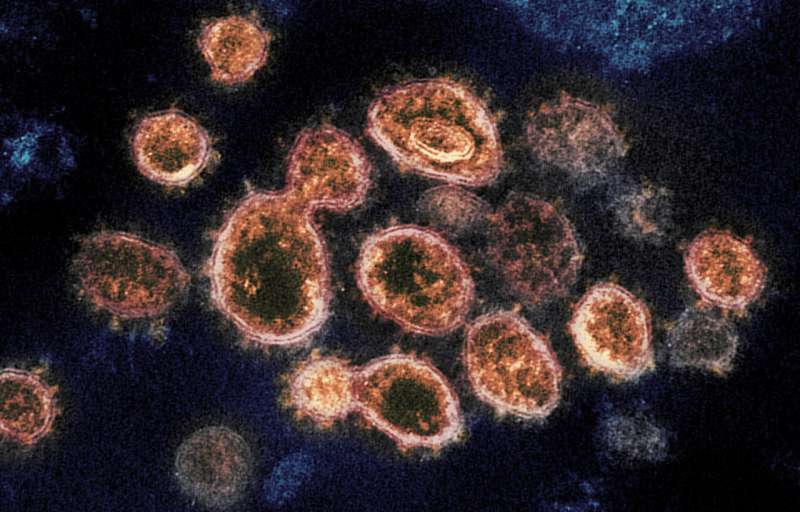
This 2020 electron microscope image provided by the National Institute of Allergy and Infectious Diseases - Rocky Mountain Laboratories shows SARS-CoV-2 virus particles which cause COVID-19, isolated from a patient in the U.S., emerging from the surface of cells cultured in a lab. According to a study released in The Lancet Global Health on Wednesday, Oct. 27, 2021, Fluvoxamine, a cheap antidepressant, reduced the need for hospitalization among high-risk adults with COVID-19. Credit: NIAID-RML via AP

A cheap antidepressant reduced the need for hospitalization among high-risk adults with COVID-19 in a study hunting for existing drugs that could be repurposed to treat coronavirus.

30 oct 2021--Researchers tested the pill used for depression and obsessive-compulsive disorder because it was known to reduce inflammation and looked promising in smaller studies.

They've shared the results with the U.S. National Institutes of Health, which publishes treatment guidelines, and they hope for a World Health Organization recommendation.

"If WHO recommends this, you will see it widely taken up," said study co-author Dr. Edward Mills of McMaster University in Hamilton, Ontario, adding that many poor nations have the drug readily available. "We hope it will lead to a lot of lives saved."

The pill, called fluvoxamine, would cost $4 for a course of COVID-19 treatment. By comparison, antibody IV treatments cost about $2,000 and Merck's experimental antiviral pill for COVID-19 is about $700 per course. Some experts predict various treatments eventually will be used in combination to fight the coronavirus.

Researchers tested the antidepressant in nearly 1,500 Brazilians recently infected with coronavirus who were at risk of severe illness because of other health problems, such as diabetes. About half took the antidepressant at home for 10 days, the rest got dummy pills. They were tracked for four weeks to see who landed in the hospital or spent extended time in an emergency room when hospitals were full.

In the group that took the drug, 11% needed hospitalization or an extended ER stay, compared to 16% of those on dummy pills.

The results, published Wednesday in the journal Lancet Global Health, were so strong that independent experts monitoring the study recommended stopping it early because the results were clear.

Questions remain about the best dosing, whether lower risk patients might also benefit and whether the pill should be combined with other treatments.

The larger project looked at eight existing drugs to see if they could work against the pandemic virus. The project is still testing a hepatitis drug, but all the others—including metformin, hydroxychloroquine and ivermectin—haven't panned out.

The cheap generic and Merck's COVID-19 pill work in different ways and "may be complementary," said Dr. Paul Sax of Brigham and Women's Hospital and Harvard Medical School, who was not involved in the study. Earlier this month, Merck asked regulators in the U.S. and Europe to authorize its antiviral pill.


More information: Gilmar Reis et al, Effect of early treatment with fluvoxamine on risk of emergency care and hospitalisation among patients with COVID-19: the TOGETHER randomised, platform clinical trial, The Lancet Global Health (2021). DOI: 10.1016/S2214-109X(21)00448-4


New study provides robust evidence that COVID-19 is a seasonal infection

covid mask leaves
Credit: Unsplash/CC0 Public Domain

A new study led by the Barcelona Institute for Global Health (ISGlobal) provides robust evidence that COVID-19 is a seasonal infection linked to low temperatures and humidity, much like seasonal influenza. The results, published in Nature Computational Science, also support the considerable contribution of airborne SARS-CoV-2 transmission and the need to shift to measures that promote "air hygiene."

A key question regarding SARS-CoV-2 is whether it is behaving, or will behave, as a seasonal virus like influenza, or whether it will be equally transmitted during any time of the year. A first theoretical modeling study suggested that climate was not a driver in COVID-19 transmission, given the high number of susceptible individuals with no immunity to the virus. However, some observations suggested that the initial propagation of COVID-19 in China occurred in a latitude between 30 and 50 degrees N, with low humidity levels and low temperatures (between 5 degrees and 11 degrees C).

"The question of whether COVID-19 is a genuine seasonal disease becomes increasingly central, with implications for determining effective intervention measures," explains Xavier Rodó, director of the Climate and Health program at ISGlobal and coordinator of the study. To answer this question, Rodó and his team first analyzed the association of temperature and humidity in the initial phase of SARS-CoV-2 spread in 162 countries across five continents, before changes in human behavior and public health policies were put into place. The results show a negative relationship between the transmission rate (R0) and both temperature and humidity at the global scale: higher transmission rates were associated with lower temperatures and humidity.

The team then analyzed how this association between climate and disease evolved over time, and whether it was consistent at different geographical scales. For this, they used a statistical method that was specifically developed to identify similar patterns of variation (i.e. a pattern-recognition tool) at different windows of time. Again, they found a strong negative association for short time windows between disease (number of cases) and climate (temperature and humidity), with consistent patterns during the first, second and third waves of the pandemic at different spatial scales: worldwide, countries, down to individual regions within highly affected countries (Lombardy, Thüringen and Catalonia) and even to the city level (Barcelona).

The first epidemic waves waned as temperature and humidity rose, and the second wave rose as temperatures and humidity fell. However, this pattern was broken during summertime in all continents. "This could be explained by several factors, including mass gatherings of young people, tourism, and air conditioning, among others," explains Alejandro Fontal, researcher at ISGlobal and first author of the study.

When adapting the model to analyze transient correlations at all scales in countries in the Southern Hemisphere, where the virus arrived later, the same negative correlation was observed. The climate effects were most evident at temperatures between 12 degrees and 18 degrees C and humidity levels between 4 and 12 g/m3, although the authors warn that these ranges are still indicative, given the short records available.

Finally, using an epidemiological model, the research team showed that incorporating temperature into the transmission rate works better for predicting the rise and fall of the different waves, particularly the first and third ones in Europe. "Altogether, our findings support the view of COVID-19 as a true seasonal low-temperature infection, similar to influenza and to the more benign circulating coronaviruses," says Rodó.

This seasonality could contribute importantly to the transmission of SARS-CoV-2, since low humidity conditions have been shown to reduce the size of aerosols, and thereby increase airborne transmission of seasonal viruses such as influenza. "This link warrants an emphasis on 'air hygiene' through improved indoor ventilation as aerosols are capable to persist suspended for longer times," says Rodó, and highlights the need to include meteorological parameters in the evaluation and planning of control measures.


More information: Xavier Rodó, Climatic signatures in the different COVID-19 pandemic waves across both hemispheres, Nature Computational Science (2021). DOI: 10.1038/s43588-021-00136-6www.nature.com/articles/s43588-021-00136-6
Provided by Barcelona Institute for Global Health 

Saturday, April 17, 2021


Prolonged brain dysfunction in COVID-19 survivors: A pandemic in its own right

reflective
Credit: Unsplash/CC0 Public Domain

One in three survivors of COVID-19, those more commonly referred to as COVID-19 long-haulers, suffered from neurologic or psychiatric disability six months after infection, a recent landmark study of more than 200,000 post-COVID-19 patients showed.

17 april 2021--Researchers looked at 236,379 British patients diagnosed with COVID-19 over six months, analyzing neurologic and psychiatric complications during that time period. They compared those individuals to others who had experienced similar respiratory illnesses that were not COVID-19.

They found a significant increase in several medical conditions among the COVID-19 group, including memory loss, nerve disorders, anxiety, depression, substance abuse and insomnia. Additionally, the symptoms were present among all age groups and in patients who were asymptomatic, isolating in home quarantine, and those admitted to hospitals.

The results of this study speak to the seriousness of long-term consequences of COVID-19 infection. Numerous reports of brain fog, post-traumatic stress disorder, heart disease, lung disease and gastrointestinal disease have peppered the media and puzzled scientists over the past 12 months, begging the question: What effect does COVID-19 have on the body long after the acute symptoms have resolved?

I am an assistant professor of neurology and neurosurgery and can't help but wonder what we have learned from past experience with other viruses. One thing in particular stands out: COVID-19 consequences will be with us for quite some time.

Learning from history

Past virus outbreaks, such as the 1918 flu pandemic and the SARS epidemic of 2003, have provided examples of the challenges to expect with COVID-19. And, the long-term effects of other viral infections help provide insight.

Several other viruses, including a large majority of those that cause common upper and lower respiratory infections, have been shown to produce such chronic symptoms as anxiety, depression, memory problems and fatigue. Experts believe that these symptoms are likely due to long-term effects on the immune system. Viruses trick the body into producing a persistent inflammatory response resistant to treatment.

Myalgic encephalomyelitis, also known as chronic fatigue syndrome, is one such illness. Researchers believe this condition results from continuous activation of the immune system long after the initial infection has resolved.

In contrast to other viral infections, the COVID-19 survivors in the study reported persistent symptoms lasting more than six months, with no significant improvement over time. The abundance of psychiatric symptoms was also notable and likely attributable to both infection and pandemic-related experience.

These findings are leading researchers to hypothesize several mechanisms following acute COVID-19 infection that may lead to long-haul COVID-19. With the known historical context of chronic symptoms following other viruses, doctors and researchers may have a glimpse into the future of COVID-19 with the potential to create therapies to alleviate patients' persistent symptoms.

When does COVID-19 really end?

COVID-19 is now known to be a disease that affects all organ systems, including the brain, lungs, heart, kidneys and intestines.

Several theories exist as to the cause of chronic, lingering symptoms. Hypotheses include direct organ damage from the virus, continual activation of the immune system after acute  and persistent lasting virus particles that find safe harbor within the body.

To date, autopsy studies have not confirmed the presence or overabundance of COVID-19 particles in the brain, making the immune theories the most likely cause of brain dysfunction.

Some recovered COVID-19 patients detail significant improvement or resolution of long symptoms following inoculation with the COVID-19 vaccine. Others report improvement following a short course of steroids. The most plausible explanation for the direct effects of long COVID-19 on the brain are due to its body-wide connections and the fact that COVID-19 is a multi-organ disease.

These findings may point to a direct immune related cause of long COVID-19, though no real answers yet exist to define the true cause and duration of the disease.

The post-COVID-19 world

In February, the National Institutes of Health announced a new initiative to study long COVID-19, now collectively defined as Post-Acute Sequelae of SARS-CoV-2. The NIH created a fund of US$1.15 billion to study this new disease. The aims of the study include the cause of long-term symptoms, the number of people affected by the disease and vulnerabilities leading to long COVID-19.

In my view, public health officials should continue to be open and transparent when discussing the short- and long-term effects of COVID-19. Society as a whole needs the best information possible to understand its effects and resolve the problem.

COVID-19 remains and will continue to be one of the largest socioeconomic problems across the world as we begin to recognize the true long-term impacts of the disease. Both the scientific and research communities should continue to be diligent in the fight long after the acute infections are gone. It appears that the chronic effects of the disease will be with us for some time to come.


Provided by The Conversation 

Thursday, March 11, 2021


Scientists report gastrointestinal manifestations and mechanisms of COVID-19

Scientists report gastrointestinal manifestations and mechanisms of COVID-19
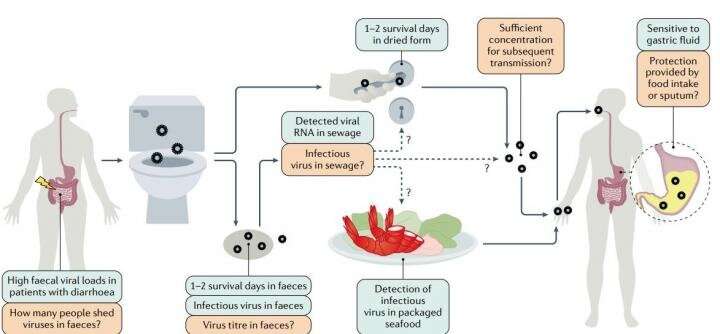
The potential faecal-oral transmission of SARS-CoV-2 Credit: GUO Meng

Recently, Prof. Zhu Shu from University of Science and Technology of China (USTC) of CAS and Prof. Richard A. Flavell from Yale University were invited to publish a review article in Nature Reviews Gastroenterology and Hepatology. They systematically summarized the gastrointestinal manifestations in patients with COVID-19 and explored the possible mechanisms of intestinal symptoms caused by COVID-19 infection.

11 mar 2021--Although the clinical manifestations of COVID-19 are primarily fever, cough, and pulmonary imaging, gastrointestinal symptoms have also been reported. About 50% of COVID-19 patients have shown detectable SARS-CoV-2 RNA in their fecal samples. Evidence of SARS-CoV-2 intestinal infection has also been reported based on multiple in vitro and in vivo animal studies.

Existing evidence of intestinal infection in COVID-19 were summarized. Intestinal expression of SARS-CoV-2 receptor and serine protease remain relatively high level. Virus particles and intestinal inflammation were detected at autopsy and biopsy of the patient's intestines. In vitro intestinal cell lines and intestinal organs were identified as susceptible to SARS-CoV-2. The mouse, hamster, ferret, rhesus monkey and other animal models that can be used to investigate the intestinal infection of SARS-CoV-2 were also summarized and compared

The risk of potential fecal-oral transmission of SARS-CoV-2 was discussed. A rigorous and systematic determination of whether the virus titre in fecal fomites can exceed the minimum infection dose is essential to accurately quantify the true risk of SARS-CoV-2 transmission through a fecal-oral route.

This work deepened the understanding of COVID-19 gastrointestinal manifestations and suggest a potential relation between intestinal infections and disease severity. It is important for understanding the pathogenicity and transmission mechanism of the virus and developing scientific prevention and control strategies.


More information: Meng Guo et al, Potential intestinal infection and faecal–oral transmission of SARS-CoV-2, Nature Reviews Gastroenterology & Hepatology (2021). DOI: 10.1038/s41575-021-00416-6
Provided by University of Science and Technology of China

Tuesday, February 16, 2021

Global weekly COVID cases are falling, WHO says—but 'if we stop fighting it on any front, it will come roaring back'

Global weekly COVID cases are falling, WHO says — but 'if we stop fighting it on any front, it will come roaring back'

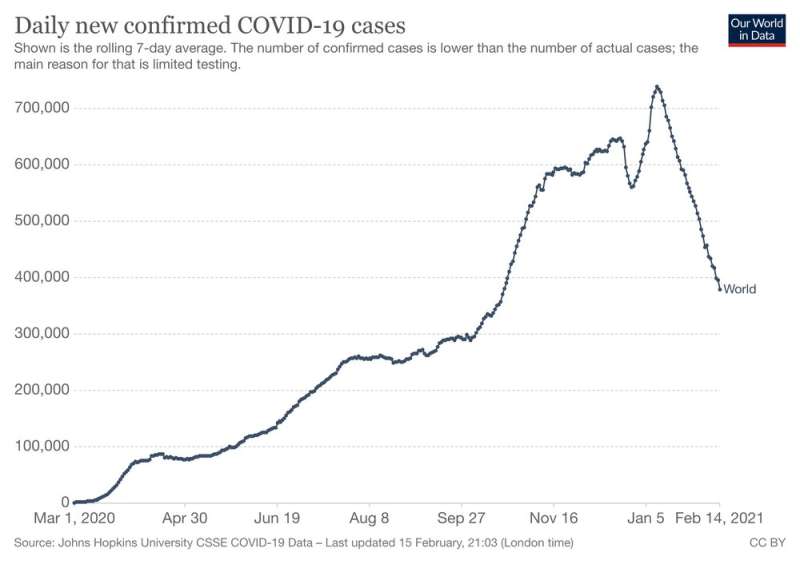
The number of reported global weekly COVID cases is falling and has dropped nearly 50% this year, the World Health Organization (WHO) said overnight. This incredibly encouraging news shows the power of public health measures—but we must remain vigilant. Letting our guard down now, when new variants are emerging, could easily reverse the trend.

16 feb 2021--According to a WHO press release: "Last week saw the lowest number of reported weekly cases since October", Tedros Adhanom Ghebreyesus, Director-General of the World Health Organization (WHO) told journalists at a regular press briefing in Geneva.

Noting a nearly 50% drop this year, he stressed that "how we respond to this trend" is what matters now.

While acknowledging that there is more reason for hope of bringing the pandemic under control, the WHO chief warned, "the fire is not out, but we have reduced its size".

"If we stop fighting it on any front, it will come roaring back".

This welcome news shows that when governments respond rapidly by putting in place public health measures, we reap the benefits even before widespread vaccine rollouts. That's a really important message now, and for when the next pandemic hits (and another one eventually will).

As good as this news is, though, we are still seeing infections in fairly large numbers worldwide. And, as we have regrettably seen in the past, subsequent waves of infection can easily emerge.

We also now have a series of variants to contend with. Even as begin to understand how the variants now circulating will affect the effectiveness of current vaccines, it's possible we could see yet another new variant emerge that would reverse the downward trend. This remains a real risk when there are still so many new infections worldwide and when so few countries have been able to start vaccinating.

Global weekly COVID cases are falling, WHO says — but 'if we stop fighting it on any front, it will come roaring back'

It's too early to see vaccine effect

Some countries, such as Israel and the United Kingdom, have already vaccinated huge swathes of their population. That's a tremendous achievement and we will start to see the benefits in the coming months. But fundamentally, it's too early to see the effect of the vaccine rollout in widespread reduction of infection.

On the other hand, we have recently seen a much greater focus on public health measures in places such as Europe, the Middle East and the United States. These places have been significantly affected by COVID outbreaks and are dealing with third waves, as some are preparing for their fourth.

It's likely these public health measures—such as lockdowns, physical distancing, mask-wearing and increased hygiene measures—are what's driving the global downward trend. That shows the benefit when leaders do engage and bring their populations with them.

To keep that trend going in the right direction, we need high levels of public compliance with those public health measures and more equitable access to vaccines globally.

Unequal global access to vaccines is a major risk

Very few low-income countries have started a widespread vaccine rollout, and many are struggling to secure doses. Having unequal access globally to vaccines is obviously morally wrong and dangerous—but it also represents a great economic risk to high income countries like Australia.

Having high-income countries buying up all the stock of vaccines and leaving poorer nations with little recourse will prolong the pandemic. And that's bad news for the global economy, with estimates suggesting the pandemic will cost US$16 trillion dollars.

Even if Australia were able to maintain its success so far, having the pandemic run out of control in other countries means no travel, will continue to make it hard for Australians to return home, and could lead to shortages of products and materials from other countries. As the global financial crisis showed, economic strife in other parts of the world can have profound impact locally, even when Australia is doing relatively OK.

The risk this poses to lives and to the global economy is one reason the WHO has called for vaccine rollouts to begin in all countries in the first 100 days of 2021, and for health-care workers in lower- and middle-income countries to be protected first.

The WHO has issued a vaccine equity declaration calling for, among other things, world leaders to increase contributions to the UN-led vaccine equity initiative, COVAX, and to share doses with COVAX even as they roll out their own national campaigns.

We also clearly need to upscale vaccine research and manufacturing capacity around the world, which would also help us respond to the next pandemic, too.

There's still a lot of work to be done.

Relaxing too soon can undo our progress

As the WHO's Director-General said overnight, the fire is not out and "if we stop fighting it on any front, it will come roaring back".

That's why sticking to the fundamentals of infection control is so important. That means keeping up with the hand-washing and physical distancing. It means wearing a mask if you can't physically distance and complying with lockdowns and other public health orders. Yes, it's hard to maintain a high level of commitment, but the alternative is far worse.

When people start to hear that global case numbers are improving, there's a tendency to relax—and that's risky. Now is the time we need to work together to see this contained, and ideally suppressed.

We may never completely eradicate this virus. But if we stick with the public health measures, and vaccinate as many people as possible worldwide, we can keep the trend going in the right direction.


Provided by The Conversation 

Wednesday, February 03, 2021

Early anticoagulation may not up survival in severe COVID-19

Early anticoagulation may not up survival in severe COVID-19

Early therapeutic anticoagulation does not appear to affect survival among critically ill adults with COVID-19, according to a study published online Jan. 26 in the Annals of Internal Medicine.

03 feb 2021--Hanny Al-Samkari, M.D., from Massachusetts General Hospital and Harvard Medical School in Boston, and colleagues evaluated the incidence of venous thromboembolism (VTE) and major bleeding in 3,239 critically ill adults with COVID-19 (67 hospitals; median age, 61 years; 64.5 percent men) and examined the effect of early therapeutic anticoagulation (within the first two days of intensive care unit [ICU] admission) on survival.

The researchers found that 204 patients (6.3 percent) developed VTE and 90 patients (2.8 percent) developed a major bleeding event. Male sex and higher D-dimer level on ICU admission were independent predictors of VTE. The analysis included 2,809 patients in the target trial emulation, with 11.9 percent receiving early therapeutic anticoagulation. During a median follow-up of 27 days, patients who received early therapeutic anticoagulation had a similar risk for death as those who did not (hazard ratio, 1.12; 95 percent confidence interval, 0.92 to 1.35).

"Our findings do not support early empirical use of therapeutic anticoagulation in critically ill patients with COVID-19," the authors write. "These findings highlight the need for well-designed, adequately powered randomized clinical trials of therapeutic anticoagulation in critically ill patients with COVID-19."

More information: Abstract/Full Text

Journal information: Annals of Internal Medicine 

Saturday, December 05, 2020

 How are older adults coping with the mental health effects of COVID-19?

How are older adults coping with the mental health effects of COVID-19?
McLean researchers indicate that older adults may be withstanding the mental health strains of the COVID-19 pandemic better than other age groups. Credit: McLean Hospital

Older adults are especially vulnerable to the effects of the COVID-19 pandemic—with higher risks of severe complications and death, and potentially greater difficulties accessing care and adapting to technologies such as telemedicine. A viewpoint article published in the Journal of the American Medical Association notes that there's also a concern that isolation during the pandemic could be more difficult for older individuals, which could exacerbate existing mental health conditions. Information gathered over the past several months suggests a much more nuanced picture, however.

05 december 2020--"Over the spring and summer of 2020, we were struck by a number of individual studies from all over the world that reported a consistent theme: Older adults, as a group, appeared to be withstanding the strains on mental health from the pandemic better than all other age groups," said lead author Ipsit Vahia, MD, medical director of the Geriatric Psychiatry Outpatient Services and the Institute for Technology in Psychiatryat McLean Hospital. "In this article, we highlight some of these studies and discuss resilience in older adults and what factors may be driving it."

Resilience may reflect an interaction among internal factors—such as an individual's stress response, cognitive capacity, personality traits, and physical health—and external resources like social connections and financial stability. For older adults experiencing isolation during the pandemic, having more meaningful relationships seems to be more important than having more interactions with others, and maintaining these relationships may require the use of technology to connect with loved ones.

Resilience can be supported through increased physical activity, enhanced compassion and emotional regulation, and greater social connectivity. Technology can play an important role in achieving these. "It can help maintain social connectivity, provide access to care via telemedicine, and also facilitate a range of other activities that may help cope with isolation," said Vahia. "It is increasingly becoming important for clinicians to assess patients' access and proficiency with technology as a part of care."

The authors stressed that although findings from the early months of the pandemic are encouraging and provide cause for cautious optimism, they may not reflect individual realities. "Older adults are a highly diverse group, and each person's response to the stresses of the pandemic depends on a unique set of circumstances," Vahia explained. "In addition, the current studies may not reflect specific high-risk populations with unique stressors, such as those living in underserved areas or those suffering with dementia or caregivers for people with dementia."

Importantly, the pandemic continues without a defined timeline or clear end in sight. The longer-term effects of COVID-19 on older adults' mental health, especially in countries with very high rates of disease, are unclear.


More information: Ipsit V. Vahia et al, Older Adults and the Mental Health Effects of COVID-19, JAMA (2020). DOI: 10.1001/jama.2020.21753
Provided by McLean Hospital