The COVID-19 pandemic likely permanently increased the delivery of mental health counseling through telehealth, according to new research from Oregon Health & Science University.
01 may 2022--Theretrospective analysiswas published today in the April issue of the journalHealth Affairs.
"Our study suggests that telehealth services for mental health counseling expanded significantly and is likely to stay," said lead author Jane Zhu, M.D., assistant professor of medicine (general internal medicine and geriatrics) in the OHSU School of Medicine. "Future applications of tele-mental health should really be focused on understanding the population, context and disease conditions most conducive to this method."
Zhu and co-authors used a nongovernmental claims clearinghouse to analyze data from 2016-18 and compare it with the period of the onset of the pandemic, from March to December 2020, combing through a total of 101.7 million outpatient mental health visits.
They found that in the early period of the pandemic, in-person mental health visits initially fell by 21.9%, despite the onset of a stress-inducing pandemic. Mental health visits promptly rebounded, however, with nearly half of them—47.9%—transitioning to telehealth by the end of the study period in December 2020.
Researchers detected differences in the use of telehealth among clinical conditions. For example, people being seen for schizophrenia were less likely to use in-person visits, whereas those with anxiety and fear-related disorders used telehealth to a greater extent.
The authors also cited additional research revealing that older adults, Black and Hispanic people, people living alone, and those with lower incomes appear to be less likely to access mental health counseling online.
"Telemedicine is often talked about as the next frontier of health care delivery," Zhu said. "Yet, the evidence in our paper suggests a lack of uptake among some groups who are experiencing barriers to telehealth."
Patients will continue to make substantial use of telehealth in the years to come, researchers expect.
Telehealth is uniquely suited to mental health services, they write. Even before the pandemic, earlier studies raised the potential for improving access to care for the 119 million Americans who live in areas defined as lacking health professionals. In addition, studies have shown a high satisfaction among patients who don't necessarily need a detailed in-person physical exam or laboratory testing often required for medical or surgical care.
The authors conclude with a cautionary note:
"Although reducing regulatory and payment barriers may improve access to care, increased reliance on telehealth could exacerbate existing health care disparities or worsen care outcomes for other populations, particularly if access to broadband internet is limited in some regions or unavailable to lower-income or clinically vulnerable populations," they write. "Future research is needed to understand how telehealth modalities can best improve equitable access to mental health care in the face of increased overall demand."
In addition to Zhu, co-authors included Renae Myers, M.P.H., John McConnell, Ph.D., and Ximena Levander, M.D., of OHSU; and Sunny C. Lin, Ph.D., now of Washington University in St. Louis.
More information: Trends in outpatient mental health services use before and during the COVID-19 pandemic, Health Affairs (2022). DOI: 10.1377/hlthaff.2021.01297
Saturday, January 29, 2022
Study: Telehealth services for the elderly should include caregivers
Family caregivers are often involved in the day-to-day activities of their older relatives, such as communicating with doctors, helping them navigate the health care system and making decisions that affect their care.
29 jan 2022--When the pandemic hit, forcing health care systems to switch totelehealthvisits, many of the caregivers that would have been involved in in-person care were left out of the process, according to a new observational study published in theAnnals of Family Medicine.
"Our telehealth policies and practices need to consider how to involve caregivers," said lead author Minakshi Raj, a professor of kinesiology and community health at the University of Illinois Urbana-Champaign. Raj conducted the study while a doctoral student at the University of Michigan School of Public Health.
For their study, researchers recruited participants from the University of Michigan Institute for Clinical and Health Research between May 1 and June 30, 2020. In all, 90 participants completed the 10-minute survey.
Caregivers reported that among other benefits, telehealth increased access to health care, limited risk exposure to COVID-19 and improved relationship and rapport between older relatives and care providers.
Caregivers cited concerns over their older relatives' ability to access and manage technology independently and the relevance of telehealth for addressing their specific needs, as well as patient-clinician rapport.
"There were some caregivers with relatives who had mobility challenges, so for them, telehealth was great because they didn't have to worry about finding their relative an Uber or somebody to transport them to the doctor's office," Raj said. "The two biggest challenges were whether it's appropriate—say with a wound infection—or whether their relative knows how to use the technology and is comfortable navigating the telehealth platform.
"For example, in many cases, getting into the visit requires multiple clicks, knowing how to use a computer, turning on the microphone, turning on the speakers, being able to hear. Some of the caregivers described their older relative's hearing difficulties, and so it just became more frustrating because they couldn't hear what the doctor was saying through the computer."
Having a clear understanding of the involvement caregivers can have could help maximize the benefits of telehealth while addressing privacy concerns, Raj said. Many were kicked out of the virtual visits but would have been allowed to take part in in-person visits, for example.
"The way that we think about caregiver involvement in in-person care and telehealth is still different," Raj said. "And in terms of telehealth policy and practice, we need to start thinking about how we can better engage caregivers so that they can still stay involved, better support their relatives and also be better supported by the health care system."
More information: Minakshi Raj et al, Family Caregivers' Experiences With Telehealth During COVID-19: Insights From Michigan, The Annals of Family Medicine (2022). DOI: 10.1370/afm.2760
Friday, August 27, 2021
Telehealth helped physical therapists support patients virtually during pandemic, study finds
As a pediatric physical therapist in Clinton, Missouri, Jessica Luechtefeld was used to a hands-on coaching approach whenever meeting with her patients at their preschools, in their homes or at the Child's Play Therapy clinic. But the COVID-19 pandemic forced physical therapists like Luechtefeld to cancel in-person sessions and quickly transition to telehealth appointments to continue providing essential care.
26 aug 2021--While the switch totelehealthshowcased new opportunities for how critical therapy services can still be delivered virtually, a new study at the University of Missouri found it also exposed some technical issues for patients in rural areas.
"When meeting with patients virtually, I would demonstrate to the parents or caregivers what I wanted them to do to coach their child through the exercises, and we would try to come up with fun games to keep the child engaged," Luechtefeld said. "For example, I might tell them to roll up some towels and line them up end to end to make a balance beam, placing a toy car on one end and a racetrack on the other end so the child had an incentive for practicing his balance while walking."
Curious about how other pediatric physical therapists were adjusting to providing virtual services during the pandemic, Luechtefeld collaborated with Jamie Hall, an assistant teaching professor in the MU School of Health Professions, to create and distribute a survey to pediatric physical therapists to better understand their successes and challenges using telehealth. While caregiver engagement was reported as the biggest facilitator to successful telehealth therapy sessions, access to reliable Wi-Fi was a common challenge, particularly for rural families.
"The switch happened so suddenly that many pediatric physical therapists had no training, experience or support with telehealth, but we all desperately wanted to continue providing these much-need services to our patients as they are developing so early on in their lives," Hall said. "We see a wide variety of patients. While some kids might be recovering from a sports injury, other children might be born with early onset conditions, such as cerebral palsy, Down syndrome or muscular dystrophy."
Luechtefeld saw firsthand the challenges that arise when physical therapists are so heavily reliant on technology, as broadband internet can be limited in rural areas and Wi-Fi can be spotty at times.
"Sometimes a parent or caregiver would ask me what step they should do next to help their child through an exercise, and the video would start buffering, so it was harder to track the child's progress," Luechtefeld said. "Another thing we noticed was using a laptop or tablet would work better since the screen is larger and you can set it down without holding it, but not every family can afford those devices, so access remains a big issue, particularly in rural areas."
Hall found that a silver lining that discovered during the pandemic was the convenience and flexibility telehealth may provide for families who often drive long distances to and from physical therapy clinics for their children to receive hands-on, in-person appointments.
"Going forward, we can consider a hybrid model where patients come into the clinic once a month and then they can do a telehealth visit from home twice a month as well," Hall said. "Telehealth can help cut down on travel time and improve efficiency while still delivering the essential services kids need to support their mobility, balance, posture and overall development."
As a pediatric physical therapist, Hall is passionate about the role telehealth will play for younger physical therapists like Luechtefeld moving forward.
"I have been able to impact families one at a time as a clinician," Hall said. "Now as a researcher and assistant teaching professor, I can help the next generation of physical therapists, so it feels great to help out as many families as possible."
"Pediatric physical therapy telehealth and COVID-19: Factors, facilitators, and barriers influencing effectiveness—a survey study" was recently published in Pediatric Physical Therapy.
More information: Jamie B. Hall et al, Pediatric Physical Therapy Telehealth and COVID-19: Factors, Facilitators, and Barriers Influencing Effectiveness—a Survey Study, Pediatric Physical Therapy (2021). DOI: 10.1097/PEP.0000000000000800
Thanks to the pandemic, we have gotten used to having appointments with their doctors and other health providers through video chats, phone calls and text-based e-visits.
14 aug 2021--But what does the future hold for telehealth, and how can providers, insurers and policymakers use the experience of the past year and a half to decide what kind of virtual care they will support once the pandemic ends?
A new report from the University of Michigan provides new data that could inform them all. The "snapshot" report spotlights a number of disparities in adoption, access and attitudes when it comes to telehealth, through previously unreleased data as well as finding from published research.
It's the product of work by dozens of U-M faculty members and research staff who collaborate with the Institute for Healthcare Policy and Innovation's Telehealth Research Incubator.
The rapid pivot to virtual visits in March and April 2020, when limiting in-person care to the most essential interactions, was one of the most rapid and revolutionary shifts modern medicine has ever witnessed," said Chad Ellimoottil, M.D., M.S., who leads IHPI's telehealth efforts and who was working to encourage and study virtual visits through his faculty role in the U-M Department of Urology for several years before the pandemic began. "Rapid access to data such as these can help decisionmakers at all levels make choices to make the best use of this option, but only if they listen to the voice of the patient and the frontline provider."
Key findings shared for the first time in the report come from an analysis of data from Michigan Medicine, U-M's academic medical center, as well as statewide records from Blue Cross Blue Shield of Michigan. The report also summarizes telehealth polling and research already published by teams led by IHPI members.
Among the newly released findings:
1 in 5 patient visits covered by BCBSM as of March 2021 are by telehealth, showing the lasting interest in virtual visits even as the pandemic ebbed.
91% of larger primary care practices in Michigan used telehealth, compared with 63% of solo practices. Larger practices also had a higher percentage of visits via telehealth.
Striking disparities in use of video visits emerged from the analysis of Michigan Medicine data, with much lower use by patients who are older, are African-American, need an interpreter, have Medicaid as a primary insurance, or live in a zip code where less than half of households have broadband Internet access.
Telephone-based audio-only visits have been covered by most insurers during the pandemic, but there are signs this may change once the emergency status is lifted. However, more than 60% of Michigan Medicine patients over age 65 used this option in May through June of 2020, with the percentage going up with age. Patients of any age who live in rural areas are also more likely to use audio-only visits.
When all costs are taken into account, video visits and in-person visits cost approximately the same, and patients were no more likely to cancel or fail to show up for a video visit than they were for in-person visits.
Half of all Michigan Medicine clinicians surveyed say that after the pandemic they intend to offer the same volume of video visits as now. About 40% said their productivity is the same now that telehealth is an option, and 27% say it's higher. A majority said they were able to provide the same quality of care over telehealth and establish the same level of rapport with patients.
In addition to the new data, the report summarizes key findings from studies published by IHPI members in medical and telehealth journals, and from the National Poll on Healthy Aging which released its second report on telehealth used by adults age 50 to 80 last year.
Provided by University of Michigan
Monday, May 31, 2021
Telehealth is growing in use, acceptance among Americans, says poll
Many Americans have used telehealth and would turn to it for mental health care, a new online poll shows.
31 may 20221--Conducted by the American Psychological Association (APA) from March 26 to April 5, the poll found that 38% had used telehealth to consult with a health professional, up from 31% last fall.
In all, 82% have used it since the start of the pandemic, the poll found. Most consultations were done via video (69%). Thirty-eight percent of respondents said they had used phone calls only.
"The quick pivot to providing telehealth services at the start of the pandemic was vital to providing continued access to care, and this poll shows the important potential role for telehealth going forward," said APA President Dr. Vivian Pender.
"Telepsychiatry especially helps those facing barriers such as lack of transportation, the inability to take time off work for appointments, or family responsibilities," she added in an APA news release.
The poll found that confidence in telehealth is growing.
Respondents were slightly more likely this year than last to say telehealth can provide the same quality care as in-person services (45% versus 40%), and that they would use telehealth for mental health services (59% versus 49%).
In the new survey, 66% of 18- to 29-year-olds said they would do so, compared to 36% of seniors.
Similar percentages (between 58% and 61% each) of Black respondents, Hispanic respondents and white respondents said they would use telehealth for mental health care.
Overall, about 43% of respondents said they want to continue using telehealth when the pandemic is over and 34% said they'd prefer it to an office visit—up from 31% in 2020. Acceptance was highest among 18- to 44-year-olds, at 45%.
The survey also found that 57% of respondents would consider using a support line or online chat when struggling with personal difficulty and mental anxiety, and 7% said they had already done so. Only 21% would not consider it.
The online poll has a margin of error of plus or minus 3.1 percentage points.
More information: The U.S. Department of Health and Human Services has more on telehealth.
Provided by American Psychological Association
Wednesday, January 13, 2021
Use of telehealth jumped as pandemic shutdown began
Use of telehealth jumped sharply during the first months of the coronavirus pandemic shutdown, with the approach being used more often for behavioral health services than for medical care, according to a new RAND Corporation study
13 jan 2021--Between mid-March and early May 2020,telehealthwas used by more than 40% of patients with a chronic physical health condition and by more than 50% of those with a behavioral health condition, according to findings published in theJournal of General Internal Medicine.
Overall, almost half of the people who were undergoing treatment when the pandemic shutdown began reported using some form of telemedicine.
Researchers found that the use of telehealth for behavioral health conditions was lower among women and among people over the age of 60. Use of telehealth also was lower among Non-Hispanic Whites relative to Non-Hispanic Blacks, and was lower among those with less than a high school education relative to those with a college degree.
"While the increased use of telehealth was widespread, some groups of Americans reported using the services less often than others," said Dr. Shira H. Fischer, the study's lead author and a physician researcher at RAND, a nonprofit research organization. "If telehealth use is going to remain high, we need to ensure equity of access, particularly for behavioral health care where education, age and gender were all associated with levels of use."
In a finding with important implications for the future of telehealth, researchers also found that during the pandemic a large majority of telehealth users connected with their own doctor rather than a new or unfamiliar doctor.
Prior to the pandemic, patients frequently were reluctant to use telehealth because it often meant seeing a provider other than their own physician. According to researchers, sustaining the ability to see one's own doctor through telehealth may be critical to making telehealth a permanent part of routine health care.
Many reports have documented a spike in the use of telehealth services after the shutdown prompted by the coronavirus pandemic. The increase was made possible by emergency regulatory changes that were adopted to promote use of telehealth.
RAND researchers examined the increase in telehealth by surveying 2,052 adults who are a part of the RAND American Life Panel, a nationally representative internet panel. The questions about use of telehealth were part of a larger survey about life during the pandemic that was fielded between May 1 and May 6.
When the pandemic began, nearly 40% of the Americans surveyed were being treated for a chronic physical health condition, while 15% were being treated for a behavioral health condition. Since the pandemic started, 16% had considered seeking care for a new or recurrent condition.
The study found that among patients who were receiving care when the pandemic began, 11% had used telehealth that included video conferencing from the middle of March to early May, a period of less than two months. In contrast, a survey conducted with the same panel in 2019 found that fewer than 4% had ever used video conferencing with a doctor.
Among people who used telehealth services, researchers found that the use of video telehealth was less common for physical health care (14% of patients) than for behavioral health care (30% of patients).
Lack of insurance was associated with lower telehealth use for new conditions, while use of telehealth was more common in the Northeast than other parts of the nation.
"There is a wide expectation that telehealth will continue after the pandemic ends. Lessons from the use of telehealth during this period should inform policy for the post-COVID-19 era," Fischer said.
Provided by RAND Corporation
Sunday, September 13, 2020
Telehealth scales up during the pandemic to offer patient care in the safety of the home
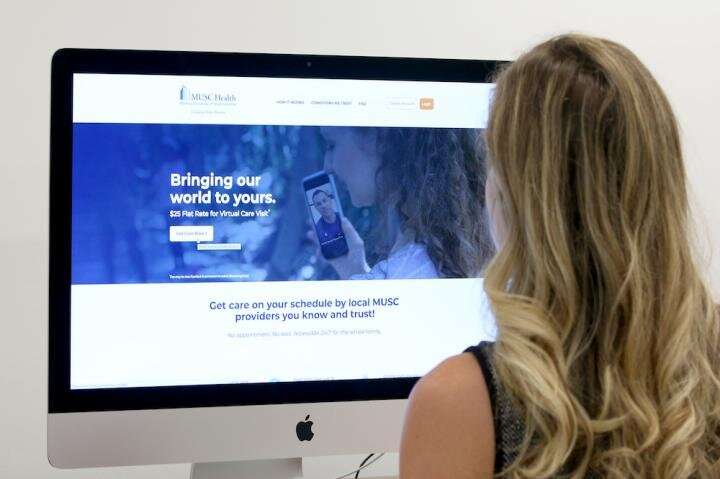
Simulation of a virtual urgent care visit at the Medical University of South Carolina. MUSC Health offered these visits for free to help screen patients with suspected COVID-19. Credit: Sarah Pack, Medical University of South Carolina
Hailed for its ability to erase distance between health care providers in cities and patients in rural areas, telehealth has ironically enabled medical care to continue in a time when we all must keep our distance.
13 september 2020--Across the country,telehealthuse has spiked as providers offer virtual patient visits to ensure medical needs are met while minimizing COVID-19 exposure. Regulatory agencies have loosened some restrictions on telehealth during this crisis, and more and more payers have begun to reimburse for it as they would for any other medical service.
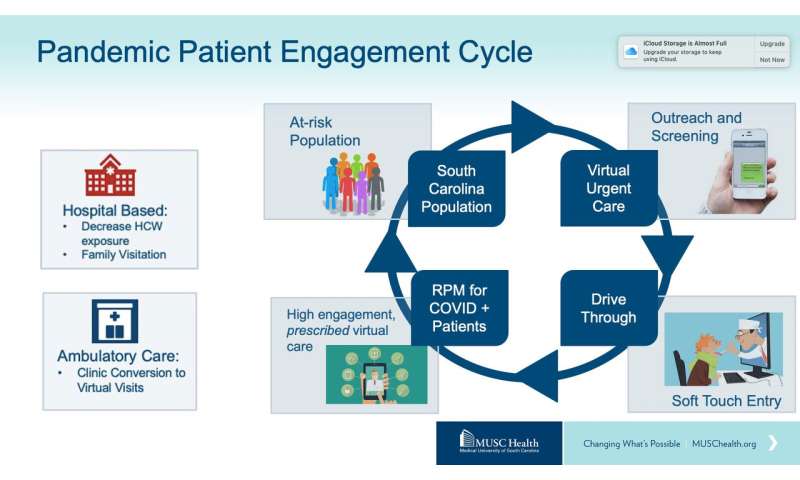
The Medical University of South Carolina, one of only two Telehealth Centers of Excellence nationwide, quickly mounted a four-pronged response to the COVID-19 pandemic that ensured both continuity of care for patients with suspected or confirmed COVID-19 and continued ambulatory, also referred to as outpatient, care for all other patients. The team of telehealth and bioinformatics experts who led the effort documented their approach and its success in a recent article in the Journal of the American Medical Informatics Association.
Early on, MUSC Health and telehealth leaders saw the need for a coordinated response to the pandemic.
"The same realization was coming to the forefront of the minds of the leadership, myself included, in telehealth that this was going to be a big problem," said Dee Ford, M.D., director of the MUSC Telehealth Center of Excellence and lead author on the article. "We needed in our own way to create some kind of response to what we believed to be a pretty significant public health problem. Planning started before we even had a case in the state."
Very quickly, MUSC Health was able to stand up virtual screening of patients with suspected COVID-19 and mobile testing sites across the state, a remote home-monitoring program for patients with less severe COVID-19 and a telesitter program for hospitalized patients that enabled providers to monitor and communicate with patients via an audiovisual monitor, minimizing health care exposure and preserving personal protective equipment.
It was able to do so in part because it had long been building its telehealth and bioinformatics capacity. With generous funding from the state, the MUSC Health Center for Telehealth, in coordination with the South Carolina Telehealth Alliance, has been expanding its telehealth services throughout even the remotest regions of the state.
"The state of South Carolina made an investment in MUSC years ago to develop telehealth programs, which then led to a high state of expertise and readiness to pivot when COVID-19 arrived," said Patrick J. Cawley, M.D., CEO of MUSC Health. "The MUSC Health Center for Telehealth is to be congratulated for this ability to lead during this crisis."
Since 2012, when MUSC Health adopted EPIC, an electronic health record, the MUSC enterprise has continued to recruit bioinformatics researchers, mainly housed in the Biomedical Informatics Center (BMIC) and Information Solutions, to customize EPIC to the health system's needs and to learn how to improve care by analyzing EHR data.
Existing telehealth tools would prove invaluable to the initiative, but they had to be radically reimagined and integrated for the purpose of responding to COVID-19. Realizing that the scale of the effort would require easy-to-use options, telehealth leaders also onboarded some new tools, such as the user-friendly telemedicine platform doxy.me, created by BMIC researcher Brandon Welch, Ph.D.
"We had a battlefield-type mentality that we had to all get together to form a new structure," said James McElligott, M.D., executive medical director of the MUSC Health Center for Telehealth.
As they worked to build a unified response and fashion existing tools so as to be COVID-19 relevant, telehealth leaders had the full support of hospital leadership, their colleagues in bioinformatics and the South Carolina Clinical & Translational Research Institute, which provided technical and logistical support.
"No one ever said no, even if that meant working for five months straight and into the late hours of the night and calling up Bioinformatics and saying, 'Make this work like this or change it like this,'" said article co-author Kathryn King, M.D., co-director of the MUSC Telehealth Center of Excellence. "No one ever said no because I think we just knew that it had to happen."
MUSC Health chief research information officer and BMIC director Leslie Lenert, M.D., who is senior author of the article, is proud of his bioinformatics team, which put research aside for a time to help meet this urgent clinical need.
"We took the research capacity we had for EPIC support and improvement, and we told them to stop, and we put them on this full time. That's why we were able to respond so fast," said Lenert. "So we took our best people, and we put them on this problem immediately. We protected their time, and we told them to get something done. We started early, we committed absolutely and we worked with our clinicians to solve practical problems that they had."
With BMIC's help and SCTR's support, existing tools were quickly revamped to ensure continuity of care for patients with suspected or confirmed COVID-19 and continued ambulatory care for all other patients.
Virtual urgent care
Virtual urgent care technology, meant to provide patients a convenient way to be seen for minor illnesses, had to be adapted into a platform for screening patients with suspected COVID-19 and scheduling appointments for them at mobile testing sites throughout the state. Previously, patients reporting serious symptoms, such as shortness of breath, would have been kicked out of that system; therefore, Edward O'Bryan, M.D., telemedicine director for the Emergency Department and direct-to-consumer and institutional telehealth at MUSC, along with other telehealth leaders, had to work rapidly with the virtual urgent care vendor to adapt the technology to screen for COVID-19 symptoms. At the same time, they had to begin staffing up to meet the anticipated demand, increasing the number of providers dedicated to virtual urgent care from fewer than ten to more than a hundred. O'Bryan estimates that more than 150,000 patients have now been screened for COVID-19 through the modified virtual urgent care program.
"We were the first people in South Carolina to offer free virtual care COVID screenings," said O'Bryan. "I'm really proud that we were able to roll it out so quickly and that so many South Carolinians took advantage of it."
BMIC researchers developed an artificial intelligence algorithm that could analyze symptom data provided by patients during virtual urgent care screenings and prioritize those most likely to have COVID-19 for testing. The algorithm proved critical when testing capacity was challenged and should continue to play a key role with the implementation nationwide of "batch testing." Essentially, samples from patients thought to be at low risk of having COVID-19 could be tested in batches of five to extend testing capacity. If the test comes back negative, all five patients are presumed to have a negative result. The algorithm helps identify low-risk patients appropriate for such batch testing while reserving individual testing for higher-risk patients.
"What we were able to do is make a very functional system, which, on the outside, might seem simple -you fill out a questionnaire on a telehealth platform, it goes in and everything happens behind the scenes," said McElligott. "But all of that had to be protected for the patient and linked in with the medical record and the lab. We had to know what to do to get testing sites set up with tents and then use the platforms to guide people there. There's just a whole lot of stuff that had to happen to be able to do this: not one patient at a time, but thousands at a time. We couldn't have done it without the Bioinformatics group stepping in and helping to connect all the dots and then bringing new ideas to the table about how to monitor patients."
Illustration showing MUSC Health's four-pronged Telehealth response to COVID-19. Credit: MUSC Health Center for Telehealth, Medical University of South Carolina
Remote patient monitoring
In the second prong of the four-pronged approach, patients who tested positive were then invited to enroll in a remote patient monitoring (RPM) program. That program, which had been used to track data on patients with chronic disease, was transformed into a virtual means of monitoring and delivering acute care to patients with less severe COVID-19 who were recovering at home. RPM nurses contacted patients by telephone or text to ask if they wished to enroll in the program. Enrolled patients were asked to answer online survey questions daily about the symptoms they were experiencing and to provide temperature and oxygen saturation values. BMIC researchers created a "best practice alert," which notified a patient's RPM nurse should his or her condition begin to deteriorate. The nurse could then call the patient, alert the patient's primary care provider or arrange for a video consultation with a physician at MUSC Health. Patients who developed more severe disease could be hospitalized.
By the end of August, 735 patients had been treated through the RPM program. Of those patients, 20% were considered high risk and 32% medium risk. Some of these patients lived alone or in rural areas, and the daily contact and calls with RPM nurses were an emotional, as well as a medical, lifeline.
"The lead nurse ends up being a connection to care for a pretty decent number of people who are otherwise fairly isolated," said Ford. "They may live in rural areas. They may be elderly and live alone. They're also supposed to be in quarantine, so they're not supposed to be out and about and have people around them. So, it ends up being an important kind of emotional support tool for folks with cases of COVID-19 that are on home quarantine."
Telesitter program
The third prong of the approach, a telesitter program, is intended for patients hospitalized with more severe disease. An audiovisual cart, previously used to monitor patients to keep them from falling, was adapted so that caregivers could monitor and interact with patients with COVID-19 without having to don and doff personal protective gear each time, at the same time limiting the exposure of the health care worker.
"That's been a real satisfier for the clinical teams. They are able to have that kind of ease of communication without having to go into the patient's room each time," said Ford.
Reimagining outpatient care
In addition to ensuring a smooth continuum of care for patients with COVID-19, the team of telehealth and bioinformatics experts also wanted to provide a way for providers to continue to treat all of their patients, not just those with COVID-19. During the lockdown, most in-person outpatient visits were canceled, leaving many patients without needed medical care. Leaders at the Center for Telehealth quickly began preparing to transition most outpatient visits to telehealth visits -a gargantuan task.
"The scale of response was ... it was something I never thought I'd see," said McElligott.
Article co-author Jillian Harvey, Ph.D., associate professor in the Department of Healthcare Leadership and Management at MUSC, agrees.
"Telehealth has always been seen as the promising solution for access to the health care system, but its utilization hasn't picked up as quickly as we expected," explained Harvey. "Now, because of COVID, there has been a huge ramping up of telehealth across the country, especially in March, April and May."
During that timeframe, telehealth visits soared from less than 5% to more than 70% of all visits at MUSC Health. Between March and July, almost 30,000 outpatients met with their physicians via secure video teleconferencing. To make that happen so quickly, the Center for Telehealth, which previously had been predominantly focused on providing services externally to patients in remote areas of the state, suddenly had to integrate itself more deeply into clinical practice at MUSC Health.
"We had to replicate the whole design of the health system in a microcosm," said McElligott.
Typically, he explained, the Center for Telehealth would have smoothed out work processes and flows for such an initiative, but due to the public health emergency, there was no time.
"So, we set up an organizational structure to try to get this done, changed video technologies to more user-friendly ones, built a bunch of tip sheets about how to do it, and we just rolled it out and let everybody innovate."
And innovate they did. Physicians in every specialty took those tip sheets and figured out for themselves how to overcome every obstacle so that they could begin seeing patients virtually.
"So, the true heroes in all of this are the front-line providers who took the information and figured out how to do it themselves because they knew they had to or patients weren't going to be seen," said McElligott.
The way forward
Due to the pandemic, many more providers, payers and patients have become aware of what telehealth can offer. How deeply it will remain integrated into health systems will depend, in part, on whether payers continue to reimburse for telehealth visits at a similar rate as for in-person care, as they are now doing during the public health emergency.
"This ambulatory care conversion required an infrastructure rebuild but is probably the initiative with the most lasting impact," said King. "Now that providers and patients know what telehealth can do, I don't think they will ever give it up."
"There's no real going back to a lack of telehealth use," said McElligott. "That has probably been forever changed."
Indeed, McElligott believes that the pandemic has helped to transform how providers and the public view health care.
"Our health care system has always been very focused on a provider-centric view of health care. In other words, you as a patient come to the provider, and that's how we work," explained McElligott. "Just using distance technologies starts to reverse that. This terrible pandemic has forced a reckoning and a realization that, in terms of the long-term goals of improving health, it's really more important to meet the needs of patients where they're at."
More information: Dee Ford et al, Leveraging Health System Telehealth and Informatics Infrastructure to Create a Continuum of Services for COVID-19 Screening, Testing, and Treatment, Journal of the American Medical Informatics Association (2020). DOI: 10.1093/jamia/ocaa157
Journal information: Journal of the American Medical Informatics Association
Provided by Medical University of South Carolina
Tuesday, August 18, 2020
Telehealth visits have skyrocketed for older adults, but some concerns and barriers remain
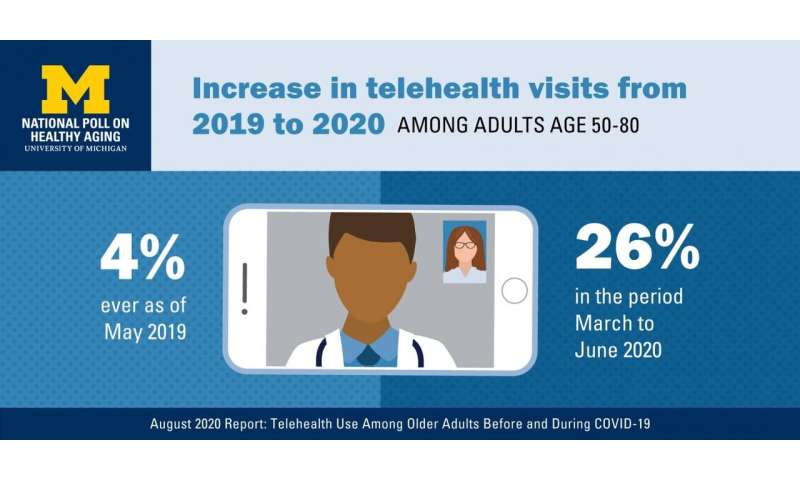
Key findings about the use of telehealth by older adults in 2020, compared with 2019. Credit: University of Michigan
One in four older Americans had a virtual medical visit in the first three months of the COVID-19 pandemic, most of them by video, a new telehealth poll finds. That's much higher than the 4% of people over 50 who said they had ever had a virtual visit with a doctor in a similar poll taken in 2019.
17 august 2020--Comfort levels with telehealth, also called telemedicine, have also increased. Back in 2019, most older adults expressed at least one serious concern about trying a telehealth visit. But by mid-2020, the percentage with such concerns had eased, especially among those who had experienced a virtual visit between March and June of this year.
Yet not all older adults see virtual care as an adequate substitute for in-person care, even in a pandemic, the National Poll on Healthy Aging findings show.
And 17% of people over 50 still say they have never used any sort of video conferencing tool for any reason, including medical care. While that's 11 percentage points lower than in the 2019 poll, that lack of experience or access could be a barrier to receiving care without having to leave home as the pandemic continues to surge in dozens of states.
Both the 2019 and 2020 polls were done for the University of Michigan's Institute for Healthcare Policy and Innovation with support from AARP and Michigan Medicine, U-M's academic medical center. Both involved a national sample of more than 2,000 adults aged 50 to 80.
"These findings have implications for the health providers who have ramped up telehealth offerings rapidly, and for the insurance companies and government agencies that have quickly changed their policies to cover virtual visits," says Laurie Buis, Ph.D., M.S.I., a health information technology researcher at U-M who helped design the poll and interpret its results. "Tracking change over time could inform future efforts, and highlights the need for much more research on concerns, barriers and optimal use of telehealth by older adults."
"This has been an extraordinary time for the telemedicine movement, and these poll results show just how powerful this 'trial by fire' has been," says Jeff Kullgren, M.D., M.P.H., M.S., associate director of the poll, health care researcher and a primary care provider who uses telehealth with his patients at the VA Ann Arbor Healthcare System. "But our data also highlight areas of continued concern for patients that need to be addressed."
COVID-19 impacts
The poll finds that 30% older adults had ever participated in a telehealth visit by June 2020, perhaps reflecting changes in insurance coverage that began to take effect before the pandemic. But the figure for March through June suggests that much of the movement to telehealth visits resulted from states mandating reductions in elective and non-emergency health care during the first months of the pandemic, as part of "stay home" public health requirements aimed at reducing the spread of the virus.
Nearly half of those who had had a telehealth visit said that they had had an in-person visit canceled or rescheduled by their health care provider between March and June, and 30% said that a virtual visit was the only option when they called to schedule an appointment.
Awareness about the special risks of COVID-19 among older adults may have also played a role, as 45% of respondents said the pandemic made them more interested in telehealth. The percentage was higher among those who had had a telehealth visit in the past. But only 15% of the poll respondents who had a telehealth visit said that fear of the virus led them to request a telehealth visit, whether for a new concern or in place of a previously scheduled visit.
Among those who had telehealth visit this past spring, 91% said it was easy to connect with their doctor. One-third had their visits via a video connection from their phone, and another third carried out the video visit on a tablet or computer. In addition, 36% had an audio-only visit by phone, which the 2019 poll did not ask about.
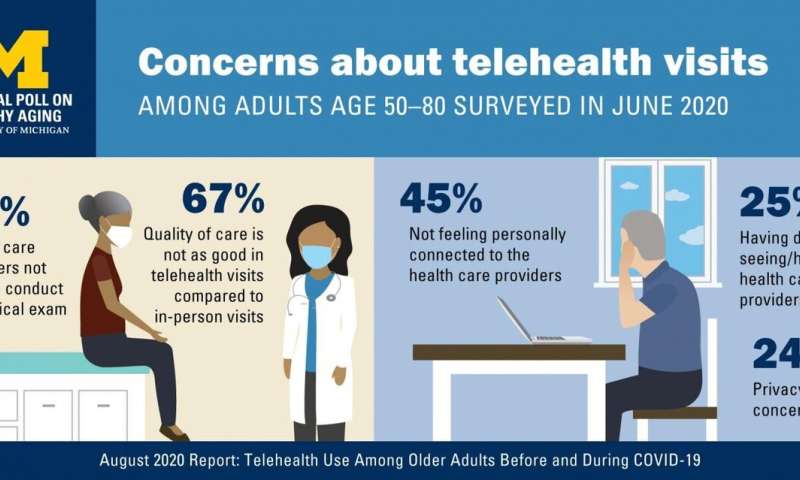
Key concerns by older adults about using telehealth to connect with medical providers. Credit: University of Michigan
Year-over-year change
The new poll asked older adults many of the same questions as the poll conducted in 2019. This allows for comparisons between the two years, such as the percentage who said:
They feel very or somewhat comfortable with video conferencing technologies: 64%, up from 53% in 2019
At least one of their health providers offer telehealth visits: 62%, up from 14%. They are interested in using telehealth to connect with a provider they had seen before: 72%, up from 58%
They are interested in using telehealth for a one-time follow-up appointment after a procedure or operation: 63%, up from 55%
They have concerns about privacy during a telehealth visit: 24%, down from 49%
They are concerned they would have difficulty seeing or hearing the provider during a video visit: 25%, down from 39%
But there was almost no change in the percentage who said they would feel comfortable seeing a provider for the first time via a virtual visit (about one in three would), and the percentage who felt that the quality of care in a telehealth visit was not as good (about two-thirds).
Moving forward
Physician groups, insurers, professional societies and organizations including AARP are monitoring the situation with telehealth, and in some cases advocating for the temporary changes in Medicare and Medicaid payment policy, and other relevant regulations, to become permanent.
In June, AARP Research released a report about older adults' awareness of and attitudes toward telehealth. AARP has also published resources to help older adults and their caregivers use telehealth services.
"It's clear from this study and AARP's research that older adults are increasingly comfortable with telehealth and are willing to use technology to interact with their health providers," says Alison Bryant, Ph.D., senior vice president of research for AARP, says. "As the coronavirus pandemic continues, telehealth has been a useful tool for older adults to access health care from the safety of their own homes, but we must be mindful that not everyone can access these services."
Meanwhile, Buis is leading a new COVID-19-related telehealth research interest group as part of a broader IHPI initiative to evaluate the impacts and appropriate use of telehealth as well as barriers. Buis is an assistant professor in the U-M Department of Family Medicine, which has pivoted to virtual care for many primary care appointments along with the rest of Michigan Medicine.
The National Poll on Healthy Aging results are based on responses from a nationally representative sample of 2,074 adults aged 50 to 80 who answered a wide range of questions online. Questions were written, and data interpreted and compiled, by the IHPI team. Laptops and Internet access were provided to poll respondents who did not already have them.
Friday, April 03, 2020
Want to see a doctor amid COVID-19? Use telehealth
by Carrie MacMillan, Kathleen Raven, Kathy Katella, Colleen Moriarty, Yale University
Credit: CC0 Public Domain
We are being told to stay home and practice social distancing during the COVID-19 pandemic, but where does that leave people with routine doctor appointments? What about someone who notices a lump in her breast? Or has worrisome digestive problems? Should these patients still see their doctor, and, if so, how?
03 april 2020--At Yale Medicine, patients can still see their specialists—whether it's their cardiologist, urologist, Ob/Gyn, dermatologist, pediatrician, oncologist, and others—for a telehealth video visit.
What is telehealth?
"
Telehealth" refers to the broad category of electronic telecommunications technologies, including things like smartphone apps, while "telemedicine," or video visits, are specific to remote doctor-patient services, allowing you to receive health care and services from your provider who is in a different location.
To participate in telemedicine, patients need to download the MyChart app to their device (smart phone or tablet). When the appointment time comes, the patient and provider log in and talk to one another over a video connection.
The platform is completely compliant with HIPAA, the federal law that protects patient privacy, says Pamela Hoffman, MD, medical director for Telehealth Services for Yale Medicine and Yale New Haven Health System. "It provides the safety and security that patients deserve. For instance, videos are not recorded," Dr. Hoffman adds.
To maintain social distancing protocols, all Yale Medicine appointments that can be handled via telehealth are currently being converted to telehealth. The transition has been quick, Dr. Hoffman says. YM has had experience with telehealth, with some doctors doing these visits for several years now, but the services have expanded dramatically in recent weeks. For example, Dr. Hoffman said that there were 34 video visits scheduled on one particular day in the pre-COVID-19 era, whereas in a single day this week, more than 1,500 video visits were scheduled.
If someone is uncomfortable with a video visit or doesn't have a device that can support it, a telephone consult is another option. But Dr. Hoffman says a video visit is preferred, because it allows for better interactions between patient and provider.
"If patients have any concerns about doing a video visit, they can talk to their provider about it, or even whoever calls to schedule the appointment," she says. "We know that these visits work well, and we don't want people to wait for in-person visits because we don't know when those will take place. This is the new normal."
As for insurance coverage, Dr. Hoffman says video visits are covered just like a regular appointment would be. "Right now, we don't want that to be a hindrance to getting care," Dr. Hoffman says.
We asked Yale Medicine specialists in different disciplines to discuss how they've adapted to Telehealth.
Telehealth and cardiovascular medicine
Yale Medicine Cardiology ramped up its telehealth visits quickly, knowing that heart patients—along with pulmonary and immunocompromised patients—are at especially high risk for complications if they are infected with COVID-19, says cardiologist Joyce Oen-Hsiao, MD. She says almost 95% of Yale Medicine's cardiac patients are now using telehealth.
"It's just like talking to grandkids over FaceTime," she says of the video visits. "It's a little bit of a different platform, but essentially it's the same thought process."
Patients should treat video visits the same way they would an in-office appointment, Dr. Oen-Hsiao says, adding that the doctors are seeing the patients at their designated appointment time and are moving from one patient to the next, just as they would in the office. Patients shouldn't postpone any visits just because they are telehealth, and they should bring up the same issues as they would in the office, she adds.
"We run through their medications, ask them how they are doing, discuss symptoms, and ask them to check their blood pressure if they have a monitor at home," she says. "It's very helpful for the patient, not only so they can stay in touch with the doctor, but also to make sure they have enough refills, so they will not be in danger of running out."
Cardiologists using telehealth have identified potential complications in patients they see over video, which helps them prevent serious problems and hospital stays, she says. Dr. Oen-Hsaio has picked up on changes patients may not notice themselves, as she did when she saw that a patient was using different muscles to breathe. (If patients start to have a build-up of fluid in their lungs, it is harder for them to breathe, which means that instead of using mostly the diaphragm to take a breath, they will start using muscles in their neck to help take a breath.)
"If physicians can see their patients on video, we can notice if a patient is struggling to breathe more," she says. She asked another patient to hold the phone down to her legs so she could diagnose "pitting edema" (a build-up of fluid that leaves a "dimple" after pressure is applied to the area) and prescribe medication.
While the goal is to avoid office visits, "If there are major issues, the patient may be asked to come in," Dr. Oen-Hsiao says. As always, it's important to call 9-1-1 if there are symptoms that could signal a heart attack: chest discomfort (pressure, squeezing, fullness, pain) in the center of the chest that lasts more than a few minutes, or comes and goes; discomfort in one or both arms, or the back, neck, jaw, or stomach; shortness of breath with or without chest pain; or other signs that could include a cold sweat, lightheadedness, or nausea.
Telehealth and Ob/Gyn
In the past, physicians from Yale Medicine Obstetrics, Gynecology & Reproductive Sciences had used telehealth very little, says Hugh Taylor, MD, chair of the department. But the service is now working very smoothly for many Ob/Gyn patients, he says.
"Naturally, there are things we can't do remotely, such as when a physical exam is needed, or for ultrasounds. But in many cases, it works beautifully," Dr. Taylor says. "Patients feel safer using telehealth given the risks out there, and they can get the same medical care they would have received in the office. It saves them gas and travel time. That's helpful, because some of our patients have had to travel great distances for care."
Currently, Ob/Gyn physicians are only seeing patients in person who are pregnant and need to be monitored, and those with urgent needs, including cancer patients or women who have had a miscarriage. "We are deferring routine annual exams in healthy people until the risk goes down," Dr. Taylor explains. "And for those who do come in, we are screening them at the door and taking temperatures and spacing people out by six feet in the waiting room."
It's also a way to keep appointments running on time. "In the office, so many things can throw off all the appointments in the day. One person can be late because of a traffic jam, and it has a domino effect," Dr. Taylor says. "I was on time for every video visit I did the other day."
Telehealth and pediatrics
In the past, telehealth was not widely used in pediatrics, except for some surgery and neurology patients. "For surgery, we had done some brief follow-up visits post-surgery. Instead of having a family come in, we could check the wounds via telehealth and save them the visit, and that worked well," says Anthony Porto, MD, MPH, a Yale Medicine pediatric gastroenterologist and vice chair of ambulatory operations in the Department of Pediatrics.
Now, nearly all non-urgent appointments are moving to telehealth, and the transition is going smoothly, Dr. Porto says. "We were concerned about continuity of care if we delayed visits until we could meet face to face, and we are finding this to be very seamless," he says. "Kids are very engaged, sometimes more engaged than they are in the office, because we are using technology that is second nature to them."
The only difference for pediatrics in terms of MyChart is that for patients under age 13, a parent has to sign a digital proxy to see information for their child.
And if patients and families prefer—or if they don't have a device that allows for a video visit—a telehealth appointment can be done over the phone.
"We want to keep as many people at home as possible. The patients who do need to come in are more likely to be immunocompromised, and they still need to come to our infusion sites in Trumbull, Greenwich, and New Haven," Dr. Porto says.
For now, Dr. Porto says he is trying to embrace the positive parts of this difficult time. "I think families and providers alike will see that telehealth is the future, and we are just going to keep enhancing its services," he says. "As a parent myself, it's nice to know you could have certain visits after school on the phone and leave in-person visits for new cases or others where it is preferred."
Telehealth and orthopaedics
Before the current crisis, Yale Medicine Orthopaedics & Rehabilitation's Jonathan Grauer, MD, says his department had not fully embraced telehealth visits.
That's changing. "There is a lot we can do through telemedicine or telephone encounters. For example, with a video visit, we can ask a patient about how much they can they move their arm, and see it. Or, if someone has an incision site they are worried about, they can show us," says Dr. Grauer, an orthopaedic spine surgeon.
No elective surgeries and procedures are being done right now; all are being deferred, to be rescheduled when life begins to return to normal. "Not only is this for the safety of patients and medical teams, but we anticipate shortages in personal protective equipment (PPE), and we want to conserve these as much as possible right now," Dr. Grauer explains. "This is hard because something may be considered elective medically, but when someone is in pain, they may not see it that way. Nonetheless, we can't have an elderly person come in and then get sick, or give someone an elective procedure and later on be short on masks and gowns because of it."
This experience with telehealth has made Dr. Grauer realize there will probably be a greater place for it in orthopaedic care going forward. "You can get a lot from a telehealth visit instead of waiting three weeks for an in-person appointment."
Telehealth and urology
By the time COVID-19 arrived in Connecticut in early March, Yale Medicine's urologists were already testing telehealth visits with a small percentage of patients who had undergone surgery recently through a pilot program. "We had a handful of physicians who were familiar with it," says Diana Glassman, clinical program director of urology.
By mid-March, urology physicians were seeing almost all patients online. "When we launched our pilot program, we had to spend a lot of time convincing patients this was a good idea," Glassman says. "Since last week, we haven't had to convince anyone."
For now, a wide variety of appointments can be accomplished through telehealth, Glassman says. "Most of our assessment of a patient's health comes from reviewing radiology images and looking at lab results, and those can be done before the telehealth visit starts," she says. Based on information from those sources, doctors can change medications, or decide to keep everything the same.
Patients can discuss any symptoms that may be concerning them. So far, patients have been able to show physicians their stitches, or sutures, from surgery and how wounds are healing, Glassman says. For those with catheters collecting urine in a bag, doctors can request to look at the urine for signs of blood or clots. "It's not glamorous, but it works," she adds.
Two groups of patients are keeping their in-person hospital or office visits: bladder cancer patients who need to continue their treatments, and patients with an emergency. For example, people who have urinary retention—which means they are unable to completely empty their bladder—are being seen, Glassman says. "We want those patients to come in so we can be proactive and keep them out of the emergency room," she says.
The biggest challenge Glassman and her team faced with video visits has already gone away. "We've seen a change in the public's understanding of the value of staying home. Now the understanding is there," she says.
Telehealth and dermatology
Sara Perkins, MD, a Yale Medicine dermatologist, says skin conditions such as acne, psoriasis, and rosacea can be assessed and handled via video visits.
"Because dermatology is such a visual field, I think in some ways we are particularly well-suited for this," Dr. Perkins says. "Every patient is getting a call and being offered to convert to a video or phone visit. I think patients are appreciative of having their questions answered without having to go to the office."
Patients can also upload photographs into MyChart, which is sometimes preferable for doctors to assess a spot on the skin or some other problem a patient may be worried about. And if a patient has something that looks like a precancerous lesion, for example, the plan may be to first try a topical medication and then make an appointment in person.
Routine appointments, including total body scans for moles, and cosmetic procedures, are being postponed for now.
"In most situations, it is alright to wait for your total body skin exam for a few months. If a patient has a spot that's changing, hurting, bleeding, or otherwise concerning to them, that lesion should be evaluated. They can send me a photo and I can see the lesion over the video, hear how it changed—and when—and determine the urgency of when you need to be seen," Dr. Perkins says.
Dr. Perkins stresses that telehealth is a worthy tool for dermatology. "If you have a skin concern you've been putting off, or you wanted to schedule an appointment but one wasn't available for months, this is an opportunity to re-engage and schedule a video visit," she says.
Plus, through telehealth doctors can still write prescriptions, which patients can fill via home delivery or drive-through pharmacies.
Telehealth and cancer
To show just how quickly Smilow Cancer Hospital at Yale New Haven changed previously scheduled in-person visits to telehealth ones, Anne Chiang, MD, Ph.D., its chief network officer, shares this metric: "Last week, in some parts of Smilow, we had more telehealth visits than in-person visits," she says. "The fact that we made that transformation in a short time period means that everyone is working together to make patient care a priority."
Dr. Chiang notes that patients who need to receive treatment in the hospital, such as chemotherapy or immunotherapy, are still scheduled to go in. Another group of patients who are continuing to be seen in-person are ones who are very sick, as well as those who need lab tests completed, she says.
But many cancer patients who had follow-up visits scheduled before the COVID-19 pandemic can continue to see their physicians through video visits. "We can talk with patients about test results that have come back, and for patients managing pain medication, we can discuss how well the medication is working and make adjustments if needed," says Dr. Chiang, a lung cancer oncologist. "We can see the patient and examine rashes or bruises—there are a lot of aspects of the physical exam that are observed and not felt."
Telehealth initiatives, launched over a year ago, allow Smilow patients cared for in New Haven or at one of the 15 care centers located throughout the state—with one in Rhode Island—to discuss the results of genetic testing, answer questions about palliative care, and provide second opinions on cancer diagnoses, Dr. Chiang explains.
A little less than a year ago, Dr. Chiang helped a patient enroll in a clinical trial through the Smilow Waterford Care Center located near her home. "She felt comfortable having the appointment from her home and she was so grateful that she was able to enroll in the clinical trial," Dr. Chiang says. "After this pandemic, I think we will find that being able to do video visits is an easy way to communicate and allows our patients to stay at home more often."
Being able to do that, Dr. Chiang says, is "a wonderful thing."
Explore further
Follow the latest news on the coronavirus (COVID-19) outbreak