Showing posts with label Ageing. Show all posts

Saturday, August 14, 2021


Ageing societies afford more advantages to men than women, international study finds
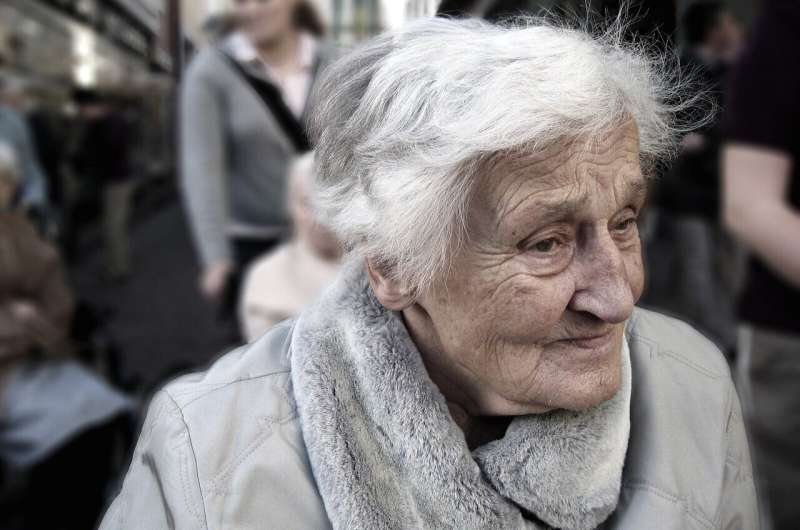
aging
Credit: CC0 Public Domain

Gender differences in societal ageing favour men over women, which suggests that men have better resources to help them cope with the challenges of ageing. The international analysis, published in The Lancet Healthy Longevity journal, is the first of its kind to investigate gender differences in the ageing experience of older people across 18 Organization for Economic Cooperation and Development (OECD) countries.

14 aug 2021--The study reveals that different gender roles in society not only shape women's and men's lifetime opportunities, but also their experience of ageing. Men are especially advantaged in income and wealth, are much more likely to be financially secure, be engaged in paid work, and spend fewer years in ill health than women in later life.

Worldwide, the number of people aged 65 years and older is expected to more than double in the next 30 years, rising from 703 million in 2019 to 1.5 billion in 2050. While women in OECD countries have an average life expectancy that is over three years longer than men, they spend more years in poor health. Although most OECD countries have achieved universal health coverage, the disproportionately greater risk of disability and ill health in women increases their likelihood of needing long-term care. Women also earn less and are more likely to live alone at the end of their lives.

"Ageing societies reinforce the prevailing gender norms in which men continue to be allocated the majority of opportunities, resources, and social support", says lead author Dr. Cynthia Chen from the National University of Singapore in Singapore. "With the world's population ageing at an unprecedented rate, and the ratio of older women to older men expected to increase, there is an urgent need to challenge the structural and policy biases that favour men."

Senior author Professor John Rowe from Columbia University, U.S., adds, "Stark income-based inequalities suggest ample room for improving women's standing in paid work, job opportunities, and retirement income. Addressing these gender disparities will not only benefit society by increasing women's long-term savings and old-age security, but may also enable women to live longer independently and in better health. And could have positive knock-on effects for the next generation by reducing the burden of unpaid informal caregiving by younger women."

Countries vary widely in their policies and services to support the wellbeing of older people, but little is known about the differences in the ageing experience for men and women, despite the substantial gender differences in life expectancy and societal roles.

Measuring society's impact on the quality of ageing

To address this, researchers used the latest available data from the OECD and World Bank between 2015 and 2019 for 18 of the 35 OECD countries with sufficient data, to develop a gender-specific ageing index to estimate the degree to which a society enables successful ageing for men and women.

The new index accounts for five domains that capture social and economic factors affecting the quality of ageing: wellbeing (living longer in good health and life satisfaction); productivity and engagement (engaging productively in society either through paid work or volunteering); equity (how equally resources are distributed across the older population, particularly money and education); cohesion (how well older people are integrated in societies, including the provision of social support and not living alone); and security (both financial security and the degree of physical safety perceived by older people).

The researchers calculated the overall index and individual domain scores (from 0 to 100) for men and women, and compared these scores between genders and countries, with a higher score indicating a successfully ageing society.

All societies make ageing easier for men than women

The findings suggest that gender differences in societal ageing favour men by an average of 9 points over women.

Overall, countries in northern Europe (ie, Denmark, Sweden, Finland, and Norway), the Netherlands, and Japan do well for both genders (overall index score 66 or above for men vs 55 or above for women), whereas countries in much of eastern and southern European are at the bottom of the rankings (eg, Hungary, Poland, and Slovenia, overall score 38 or under vs 31 or under). The U.S.'s overall performance is average (score 55 for men vs 47 for women), along with other industrialised western European nations, such as the UK (57 vs 47) and Germany (62 vs 51).

Countries with the biggest differences in scores between men and women were the Netherlands (overall index score 70 for men vs 55 for women), Austria (64 vs 51), Italy (51 vs 39), and Denmark (70 vs 59). Poland (overall index score 32 for men vs 29 for women), Spain (55 vs 51), and Ireland (62 vs 56) have the smallest difference between men and women.

Large gender biases favour men in productivity and engagement, security, and cohesion

The findings reveal that differences between men and women were largest for societal integration, including social support and living with others (the cohesion domain)—favouring men by an average of 21 points (appendix page 11). This gender disparity is driven by women often outliving their partners and therefore living on their own towards the end of their lives, despite being more socially connected than men. Country rankings are available in appendix page 11, figure S7.

Similarly, in all 18 countries, men were more likely to have higher levels of productivity and engagement and financial and personal security than women, by an average of 10 points. For all countries, older men had a 6% higher average work force participation rate and retired on average 1.7 years later than women (appendix page 8). Additionally, men aged 65 years and older earn on average US$3,450 more than women, have greater pension wealth, and are 15% more likely to report feeling safe walking alone at night (i.e. 83% men feel safe vs 68% women feel safe; appendix page 10). Some of the largest differences in security were observed in Japan (security score 62 for men vs 39 for women) and the U.S. (53 vs 32). Country rankings are available in appendix pages 8 (figure S4) and 10 (figures S6).

In contrast, gender differences in wellbeing and equity revealed a much smaller advantage for men, by an average of 1.5 and 3.5 points respectively. The UK (wellbeing score 74 for men vs 61 for women) and Italy (73 vs 64) had the largest difference in wellbeing scores, with scores favouring men (appendix page 7). The largest gaps in equity scores were observed in Austria (equity score 79 for men vs 63 for women) and Germany (77 vs 67). Across countries, men were on average 5% less likely to experience poverty in later life than women. Western and northern Europe (ie, Norway, Denmark, Finland, the Netherlands, and Belgium) ranked highest for equity for both genders, reflecting strong welfare support, while the U.S. and the UK performed more poorly, indicating growing inequality in the distribution of income and wealth in these countries. Country rankings are available in appendix pages 7 (figure S3) and 9 (figures S5).

Call for gender-responsive reforms

"Our findings underscore the importance of considering gender-specific needs when developing policies and programmes for ageing societies. Even the top-performing countries have considerable room for improvement," says Dr. Chen.

According to Professor Rowe, "Replicating successful programmes and policies, such as Norway's More Years—More Opportunities strategy for an ageing friendly society and Sweden's National Action Plan on Policy for the Elderly, is critical to ensure that the ageing experience in all countries comes with longer years of healthy, active, and productive life for both men and women."

The authors propose four measures to help address gender bias and inequality in societal ageing, including assessing minimum income requirements for healthy living in older people and minimum pensions and income standards to remove barriers to health care. They also recommend addressing older adults' social isolation to improve emotional and mental wellbeing, and introducing national policies to tackle the lower economic standing of older women (for example, by increasing pension benefits and providing tax incentives for older workers and their employers). Lastly, they suggest societies should tailor policies to different gendered experiences to improve societal welfare and reduce labour market inefficiencies (for example, by adopting flexible working hours to make it easier for women to work).

The authors acknowledge that their findings show observational differences rather than evidence of cause and effect. They point out some limitations inherent to the methodology, including that the study was cross-sectional and therefore could not identify trends over time, and that overall population data were used whenever there was an insufficient comparable gender-disaggregated data, or when data were only available at the country level rather than individual level. They also point out that different societies will value different aspects of ageing, meaning that there will be inherent differences in their scores. Finally, they note that the study findings reflect differences among developed economies so the generalisability of the findings to older individuals in low-income countries are uncertain.


More information: Gender differences in countries' adaptation to societal ageing: an international cross-sectional comparison, www.thelancet.com/journals/lan … (21)00121-5/fulltext 

Sunday, May 15, 2016

Ageing affects test taking, not language, study shows

Ageing affects test taking, not language, study shows
The ability to understand language could be much better preserved into old age than previously thought, according to researchers from the University of Cambridge, who found older adults struggle more with test conditions than language processing.

15 may 2016--Scientists from the Cambridge Centre for Ageing and Neuroscience (Cam-CAN) scanned participants during testing and found that the areas of the brain responsible for language performed just as well in older adults as in younger ones.
The research, published in the Journal of Neuroscience, suggests that increased neural activation in the frontal brain regions of older adults reflects differences in the way they respond to the demands of the task compared with younger adults, rather than any difference in language processing itself.
"These findings suggest our ability to understand language is remarkably preserved well into old age, and it's not through some trick of the mind, or reorganisation of the brain," says co-author Professor Lorraine Tyler, who leads Cam-CAN. "Instead, it's through the continued functioning of a well-used language processing machine common to all humans."
Professor Tyler says cognitive neuroscientists attempting to explain how the mind and brain work typically approach the question with tasks designed to measure particular cognitive abilities, such as memory or language. However, it's rarely as simple as that, she says, and tasks never end up measuring only one thing.
"Scientists claim that they are studying language, when really they are studying language plus your motivation to do well, plus your understanding of the instructions, plus your ability to focus, and so on," says lead author Dr Karen Campbell, now based at Harvard University. "These poorly defined tasks become even more problematic when it comes to studying the older brain, because older adults sometimes show increased neural activation in frontal brain regions, which is thought to reflect a change in how older brains carry out a given cognitive function. However, this extra activation may simply reflect differences in how young and older adults respond to the demands of the task."
Campbell and her Cam-CAN colleagues tried to isolate the effect of the testing by scanning 111 participants aged 22-87 using functional magnetic resonance imaging (fMRI) while they either passively listened to sentences or decided if the sentences were grammatical or not.
The researchers found that simply listening to and comprehending language, as we do in everyday life, "lights up" brain networks responsible for hearing and language, whereas performing a cognitive task with the same sentences leads to the additional activation of several task-related networks.
Age had no effect on the language network itself, but it did affect this network's ability to "talk with" other task-related networks.

More information: K. L. Campbell et al. Robust Resilience of the Frontotemporal Syntax System to Aging, Journal of Neuroscience (2016). DOI: 10.1523/JNEUROSCI.4561-15.2016


Provided by University of Cambridge

Thursday, November 06, 2014

UN health agency sounds alarm over needs for elderly

The explosion in the world's ageing population presents herculean challenges for health systems, especially in poorer countries, the UN's World Health Organisation (WHO) warned on Thursday.
06 nov 2014--As people live longer, the need to care for long-term, age-related health problems will grow, it said.
"Worldwide, life expectancy of older people continues to rise," the WHO said in a press release.
"By 2020, for the first time in history, the number of people aged 60 years and older will outnumber children younger than five years.
"By 2050, the world's population aged 60 years and older is expected to total two billion, up from 841 million today."
The agency added: "Eighty percent of these older people will be living in low- and middle-income countries."
The WHO, in an overview published in the British health journal The Lancet, said a longer lifespan was not necessarily associated with good health.
A large percentage of the global burden of illness is concentrated in people aged over 60.
Much of this takes the form of long-term illnesses such as cancer, respiratory disease, arthritis and mental and neurological disorders.
The number of people with dementia, for instance, is expected to rise from 44 million now to 135 million by 2050, the WHO said.
The ageing phenomenon required "deep and fundamental reforms" of health and social care systems, it added.
The issue "is the next top of the agenda," said Sommath Chatterji of the WHO's Department of Health Statistics, arguing that measures did not have to be costly to be effective.
Affordable options included mobile clinics for rural populations, improving vaccine coverage and advice for healthy living, reducing salt intake and tobacco use, and allowing people who are fit to remain in the workforce for longer.

Friday, July 12, 2013

Accepting what cannot be changed is key to happiness in old age after loss of independence

When older adults lose control as they move into residential care, they adapt and accept what cannot be changed in order to stay happy. According to a new study, by Jaclyn Broadbent, Shikkiah de Quadros-Wander and Jane McGillivray from Deakin University in Australia, when it comes to satisfaction in later life the ability to accept what cannot be changed is as important as the feeling of being able to exert control. Their work is published online in Springer's Journal of Happiness Studies.
12 july 2013--Ageing with satisfaction has been linked to maintaining a sense of control into the later years. Perceived control consists of two components. Primary control relates to the capacity to make changes to the environment to suit your desire or needs - this applies to older adults living independently in the community. Secondary control describes making cognitive changes within yourself to adapt to the environment - for example when older adults move into residential care. In effect, secondary control buffers losses in primary control by helping us to accept what cannot be changed.
Broadbent, de Quadros-Wander and McGillivray evaluated the differences in levels of life satisfaction and perceived control between 101 older people living in residential care and another 101 living in the community. They also compared how these two types of control might predict well-being in later life. The authors looked at eight key domains of satisfaction: standard of living, health, achieving in life, personal relationships, safety, community connectedness, future security, and spirituality and religion.
Their analyses revealed that the unique relationship between primary control and satisfaction was always larger for the elderly living in the community than those in residential care. Equally, the contribution of secondary control to satisfaction was larger in the residential care group than in the community group. Having a strong sense of control is therefore likely to be more important to older adults living in the community than those living in residential care. In contrast, acceptance is likely to be more important to the well-being of care residents than community dwellers.
The authors conclude: "In order to protect the well-being of older individuals, adaptation involves both a sense of control and the active acceptance of what cannot be changed. Primary and secondary perceived control may predict satisfaction with comparable strength depending on the older person's situation. Acceptance takes more of a prime position in low control situations."
More information: Broadbent J, de Quadros-Wander S, & McGillivray J (2013). Perceived Control's Influence on Well-being in Residential Care vs. Community Dwelling Older Adults. Journal of Happiness StudiesDOI 10.1007/s10902-013-9452-9
Provided by Springer

Monday, October 31, 2011

Live longer with fewer calories

By consuming fewer calories, ageing can be slowed down and the development of age-related diseases such as cancer and type 2 diabetes can be delayed. The earlier calorie intake is reduced, the greater the effect. Researchers at the University of Gothenburg have now identified one of the enzymes that hold the key to the ageing process.

31 oct 2011--"We are able to show that caloric restriction slows down ageing by preventing an enzyme, peroxiredoxin, from being inactivated. This enzyme is also extremely important in counteracting damage to our genetic material," says Mikael Molin of the Department of Cell and Molecular Biology.

By gradually reducing the intake of sugar and proteins, without reducing vitamins and minerals, researchers have previously shown that monkeys can live several years longer than expected. The method has also been tested on everything from fishes and rats to fungi, flies and yeasts with favourable results. Caloric restriction also has favourable effects on our health and delays the development of age-related diseases. Despite this, researchers in the field have found it difficult to explain exactly how caloric restriction produces these favourable effects.

Using yeast cells as a model, the research team at the University of Gothenburg has successfully identified one of the enzymes required. They are able to show that active peroxiredoxin 1, Prx1, an enzyme that breaks down harmful hydrogen peroxide in the cells, is required for caloric restriction to work effectively.

The results, which have been published in the scientific journal Molecular Cell, show that Prx1 is damaged during ageing and loses its activity. Caloric restriction counteracts this by increasing the production of another enzyme, Srx1, which repairs Prx1. Interestingly, the study also shows that ageing can be delayed without caloric restriction by only increasing the quantity of Srx1 in the cell. Repair of the peroxiredoxin Prx1 consequently emerges as a key process in ageing.

"Impaired Prx1 function leads to various types of genetic defects and cancer. Conversely, we can now speculate whether increased repair of Prx1 during ageing can counteract, or at least delay, the development of cancer."

Peroxiredoxins have also been shown to be capable of preventing proteins from being damaged and aggregating, a process that has been linked to several age-related disorders affecting the nervous system, such as Alzheimer's and Parkinson's. The researchers are accordingly also considering whether stimulation of Prx1 can reduce and delay such disease processes.

More information: The article 'Life Span Extension and H2O2 Resistance Elicited by Caloric Restriction Require the Peroxiredoxin Tsa1 in Saccharomyces cerevisiae' has been published in the journal Molecular Cell.

Expert comments in the same issue "Translating a Low-Sugar Diet into a Longer Life by Maintaining Thioredoxin Peroxidase Activity of a Peroxiredoxin"

Provided by University of Gothenburg

Friday, July 02, 2010

Closing in on genes that help people live to 100

WASHINGTON, 02 july 2010 – The oldest among us seem to have chosen their parents well. Researchers closing in on the impact of family versus lifestyle find most people who live to 100 or older share some helpful genes.

But don't give up on diet and exercise just yet.

In an early step to understanding the pathways that lead to surviving into old age, researchers report in Thursday's online edition of the journal Science that a study of centenarians found most had a number of genetic variations in common.

That doesn't mean there's a quick test to determine who will live long and who won't — a healthy lifestyle and other factors are also significant, noted the team led by Paola Sebastiani and Thomas T. Perls of Boston University.

Nevertheless, Perls said the research might point the way to determining who will be vulnerable to specific diseases sooner, and there may be a possibility, down the road, to help guide therapy for them.

The team looked at the genomes of 1,055 Caucasians born between 1890 and 1910 and compared them with 1,267 people born later.

By studying genetic markers the researchers were able to predict with 77 percent accuracy which came from people over 100.

"Seventy-seven percent is very high accuracy for a genetic model," said Sebastiani. "But 23 percent error rate also shows there us a lot that remains to be discovered."

The centenarians could be fitted into 19 groups with different genetic signatures, they found. Some genes correlate with longer survival, others delayed the onset of various age-related diseases such as dementia.

"The signatures show different paths of longevity," Sebastiani said.

In general, the centenarians remained in good health longer than average, not developing diseases associated with old age until in their 90s, according to the study.

The researchers were surprised, Sebastiani said, that they found little difference between the centenarians and the control group in genetic variations that predispose people to certain illnesses.

"We found that what predisposes to a long life is not lack of disease associated variants, but the presence of protective variants," she said at a briefing.

In addition, 40 percent of "super-centenarians" aged 110 and over had three specific genetic variants in common.

Perls cautioned that this is a very complex genetic puzzle and "we're quite a ways away, still, in understanding what pathways are governed by these genes."

"I look at the complexity of this puzzle and feel very strongly that this will not lead to treatments that will get people to be centenarians," he said. But it may help in developing a strategy and screenings that will help find what treatments will be needed down the road.

While this study, begun in 1995, focused on Caucasians, the researchers said they plan to extend it to other groups, including studying Japan, which has large numbers of elderly.

"Inheritability of longevity has been looked at, so genes do play a role," said Dr. Kenneth S. Kendler of the Department of Human and Molecular Genetics at Virginia Commonwealth University.

But so do other factors "such as driving motorcycles fast and smoking," said Kendler, who was not part of the research team.

The 77 percent accuracy rate reported in this study is better than other groups have been able to do, Kendler added.

The U.S. study found that about 85 percent of people 100 and older are women and 15 percent men.

"Men tend to be more susceptible to mortality in age-related diseases," Perls said. "Once they get a disease they more readily die. Women, on the other hand, seem to be better able to handle these diseases, so they tend to have higher levels of disability than men, but they live longer than men."

The study was funded by grants from the National Institute of Aging and the National Heart Lung and Blood Institute of the National Institutes of Health.

Tuesday, May 04, 2010

Bad habits can age you by 12 years, study suggests

CHICAGO, 04 may 2010 – Four common bad habits combined — smoking, drinking too much, inactivity and poor diet — can age you by 12 years, sobering new research suggests.

The findings are from a study that tracked nearly 5,000 British adults for 20 years, and they highlight yet another reason to adopt a healthier lifestyle.

Overall, 314 people studied had all four unhealthy behaviors. Among them, 91 died during the study, or 29 percent. Among the 387 healthiest people with none of the four habits, only 32 died, or about 8 percent.

The risky behaviors were: smoking tobacco; downing more than three alcoholic drinks per day for men and more than two daily for women; getting less than two hours of physical activity per week; and eating fruits and vegetables fewer than three times daily.

These habits combined substantially increased the risk of death and made people who engaged in them seem 12 years older than people in the healthiest group, said lead researcher Elisabeth Kvaavik of the University of Oslo.

The study appears in Monday's Archives of Internal Medicine.

The healthiest group included never-smokers and those who had quit; teetotalers, women who had fewer than two drinks daily and men who had fewer than three; those who got at least two hours of physical activity weekly; and those who ate fruits and vegetables at least three times daily.

"You don't need to be extreme" to be in the healthy category, Kvaavik said. "These behaviors add up, so together it's quite good. It should be possible for most people to manage to do it."

For example, one carrot, one apple and a glass of orange juice would suffice for the fruit and vegetable cutoffs in the study, Kvaavik said, noting that the amounts are pretty modest and less strict than many guidelines.

The U.S. government generally recommends at least 4 cups of fruits or vegetables daily for adults, depending on age and activity level; and about 2 1/2 hours of exercise weekly.

Study participants were 4,886 British adults aged 18 and older, or 44 years old on average. They were randomly selected from participants in a separate nationwide British health survey. Study subjects were asked about various lifestyle habits only once, a potential limitation, but Kvaavik said those habits tend to be fairly stable in adulthood.

Death certificates were checked for the next 20 years. The most common causes of death included heart disease and cancer, both related to unhealthy lifestyles.

Kvaavik said her results are applicable to other westernized nations including the United States.

June Stevens, a University of North Carolina public health researcher, said the results are in line with previous studies that examined the combined effects of health-related habits on longevity.

The findings don't mean that everyone who maintains a healthy lifestyle will live longer than those who don't, but it will increase the odds, Stevens said.

___

On the Net:

Archives: http://www.archinternmed.com

Tuesday, April 20, 2010

95% Of People In Later Life Feel Ageing Should Be A Time Of Celebration - Despite 78% Feeling That Older People Are Ignored By Society, UK


New research by Age UK, the new force combining Age Concern and Help the Aged, has revealed that 95% of people over 60 think getting older should be a time of enjoyment and celebration.

20 april 2010--This is despite 78% of this age group feeling that older people are ignored by society. The polling for Age UK by YouGov also revealed that 82% of over-60s felt that older people's voices were not heard as much as younger people's. It also highlighted how work, not necessarily just age, may play a defining role in this, with 64% saying they felt working people had a greater voice than those who were retired.

The same poll also found that when asked about what could be done locally to improve their lives, being treated with dignity and respect came top for the over-60s (46%). This was closely followed by 34% saying opportunities to learn new hobbies, and 32% citing that more frequent and accessible public transport would improve their lives.

The research is released on the same day that Age UK launches a new Television advertising campaign. The advertisement - starring actor Brian Cox - will reach a wide audience and showcase the range of ways that Age UK can help, the products and services it offers, and how people can get in touch.

As part of its mission to improve later life for all, Age UK is calling for older people from across the country to come forward to tell their inspiring stories of achievements. Age UK will use these to highlight how later life can be a time of opportunity and to challenge some of the stereotypes about older age.

Diana Moran, aged 70, model and famously known as The Green Goddess, is fronting the campaign. She said:

'I am an extremely active 70-year-old and make a very valuable contribution to society. I am happy to help highlight the search to find stories of other people doing remarkable things and celebrating the joy of later life.'

Michelle Mitchell, Charity Director for Age UK said:

'As a group within society, people in later life often feel ignored, and this research clearly demonstrates how this is a reality experienced by the majority. Ageing can present many challenges, particularly for those experiencing disadvantage. Age UK campaigns and provides services and solutions to help improve later life.

'However, we believe an ageing society presents tremendous opportunities that should rightly be celebrated, and it is heartening to see that this is a belief held by such a high percentage of those polled. The search to find these inspirational stories is just one way to celebrate later life and is a first step in ensuring that the voices of people in later life are heard loud and clear.'

Older people who are interested in taking part in the campaign can send in their story, or the story of someone they know*, by emailing mystory@ageuk.org.uk.

Notes

All figures, unless otherwise stated, are from YouGov Plc. Total sample size was 1076 adults 60+. Fieldwork was undertaken between 9th to 12th April 2010. The survey was carried out online. The figures have been weighted and are representative of all GB adults (aged 60+).

Age UK is the new force combining Age Concern and Help the Aged. The Age UK family includes Age Scotland, Age Cymru and Age NI.

* If submitting a story about someone else, please ensure you get their permission before contacting us.

The new Age UK TV campaign launches on 19th April and aims to raise awareness of its work, the products and services it provides, the need to raise funds and how people can get involved. The ads feature actors Brian Cox, Sir Ian McKellen and Eleanor Bron, who are all over 60.

Age UK is inspired by the belief that it can improve the lives of people in later life. It celebrates ageing and believes it presents unprecedented opportunities and challenges at home and abroad. Age UK will challenge ageist prejudice in society, provide services that address market failures and support the public and private sectors to design age-friendly products and services. It will support people to remain in their own homes through campaigning and practical services, and its Information and Advice service will offer millions of people support on a range of issues, from claiming benefits to staying fit and healthy.

Age UK will fund biomedical research that helps tackle the ill health and poor quality of life that are too common as people age. Working with over 350 partners across the country, Age UK helps influence local decisions and deliver the most appropriate services. Its network of over 500 shops will act as a focal point for the local community, providing information and help with local services. Age UK works across the globe as well as in the UK, with its international partner, Help Age International, championing older people's rights and needs, and as an active member of the DEC.

Source
Help The Aged

Saturday, March 27, 2010

4 preventable risk factors reduce US life expectancy and lead to health disparities

27 mar 2010--A study published this week in PLoS Medicine finds that four risk factors — smoking, high blood pressure, high blood sugar and obesity — explain a substantial amount of the disparity in life expectancy amongst the "Eight Americas", which are groups of the US population that can be defined by race, and location and socioeconomic features of counties they live in. Together, these four risk factors are estimated to reduce life expectancy in the United States by 4.9 years in men and 4.1 years in women. The researchers calculate that disparities in life expectancy in the "Eight Americas" would decline by 20% if the four risk factors were reduced to optimal levels.

Smoking, high blood pressure, high blood sugar and obesity are preventable risk factors responsible for hundreds of thousands of deaths in the United States each year through chronic diseases such as cardiovascular diseases, cancers and diabetes. Goodarz Danaei (of the Harvard School of Public Health) and collaborators used information from national surveys to estimate the number of deaths that would have been prevented in 2005 if exposure to these four risk factors had been reduced. They estimated the effect of the risk factors on life expectancy in the United States as a whole, and also on the disparities in life expectancy and deaths from specific diseases among the "Eight Americas" that were observed in a previous study (http://dx.doi.org/10.1371/journal.pmed.0030260)

The researchers found that a person's ethnicity and where they live is a predictor of life expectancy and health. The Asian American subgroup had the lowest body mass index, smoking rates and blood sugar, whilst the white subgroups had the lowest blood pressure. Blood pressure was highest in the US black population, especially in the rural south; body mass index was highest in western Native American men and southern low-income rural black women; and smoking highest in western Native Americans and low-income whites in Appalachia and the Mississippi Valley. The effect on life expectancy of these factors was smallest in the Asian group and largest in low-income southern rural blacks.

Whilst acknowledging that other factors such as alcohol use and dietary salt are also major contributors to disease, the researchers emphasize that public health interventions to reduce smoking, high blood pressure, blood sugar and obesity must be implemented and evaluated to improve the nation's health and reduce health disparities in the United States.


###

Citation:Danaei G, Rimm EB, Oza S, Kulkarni SC, Murray CJL, et al. (2010) The Promise of Prevention: The Effects of Four Preventable Risk Factors on National Life Expectancy and Life Expectancy Disparities by Race and County in the United States. PLoS Med 7(3): e1000248. doi:10.1371/journal.pmed.1000248

Funding: This research was supported by a cooperative agreement from the US Centers for Disease Control and Prevention (CDC) through the Association of Schools of Public Health (ASPH) (grant no. U36/CCU300430-23). The contents of this article are solely the responsibility of the authors and do not necessarily represent the official views of CDC or ASPH. The funders had no role in the study design, data collection, analysis, decision to publish or preparation of the manuscript.

Competing Interests:The authors have declared that no competing interests exist.

IN YOUR COVERAGE PLEASE USE THIS URL TO PROVIDE ACCESS TO THE FREELY AVAILABLE PAPER: http://www.plosmedicine.org/article/info%3Adoi%2F10.1371%2Fjournal.pmed.1000248

PRESS-ONLY PREVIEW OF THE ARTICLE: www.plos.org/press/plme-07-03-ezzati.pdf

Wednesday, March 17, 2010

Technology And Positive Attitudes Improving Older People's Lives


17 mar 2010--The population of the UK is ageing. Sixteen per cent of the UK population is 65 or older, and for the first time, there are more people over the age of 65 than there are under the age of 18. This raises a lot of questions on issues such as pension provision, health care and wellbeing. Ensuring that elderly people have access to medical and social support; the use of new technologies to make it easier for them to live independent lives; and helping the elderly to stay active within society. These are issues discussed during the Economic and Social Research Council's (ESRC) Festival of Social Science (12-21 March).

Loneliness and the lack of independence are major issues for many old people. New technologies have enormous potential to help elderly people live independently. However, many are not aware of the benefits, do not know how to use and engage with digital technologies or simply don't feel confident enough to use it. As one person put it, "My computer is in cobwebs." At 'Improving everyday life: getting connected to public services' older people will talk about their personal experiences with digital technologies and their applications, and how these helped them be less isolated and more independent. IT taster sessions will be offered to the elderly to encourage them to explore new technologies, and local service providers will demonstrate how their services can be accessed and requested online.

For many old people, their quality of life is also affected by poor health. Currently there are 800,000 people with dementia in the UK: the most common being Alzheimer's disease. Behind these facts and figures are individuals and families learning to live with the condition and get on with their lives. Stereotypes about people are however often negative and disabling. In the spirit of one person with dementia who says "Positivity is my greatest weapon", the event promotes a more balanced and positive perspective on dementia. At 'Dementia: don't fear it' two people with dementia who are active campaigners will speak about their experiences and views. Images and interviews from an ongoing research project on how and why some people with dementia become campaigners or change agents will stimulate a debate with a Q & A session.

The media play a major role in shaping people's attitudes. The way old people are portrayed in the media influence the way we think about them. But what do we actually think about ageism? The European Social Survey (ESS) database collects and stores information on the social attitudes of thousands of residents across Europe. The 'What do the British think about… Ageism, Welfare and Political Institutions' is an event aimed at journalists. The event will demonstrate the range of data freely accessible through the ESS database and explain how to access and use it. Data on individual states as well as comparative data can be quickly and easily gathered. By better understanding social science data, it is hoped that stereotypes will be challenged.

Events on ageing include:

What do the British think about…Ageism, Welfare and Political Institutions?
Organiser: European Social Survey, Centre for Comparative Social Surveys and ESS UK National Coordinator, NatCen
Monday 15 March 9:00am - 11.00am
Venue: Social Science Building, St John Street, Centre for Comparative Social Surveys, School of Science Sciences, Northampton Square, London. EC1V 0BH
Audience: For professionals as part of their work

Improving everyday life: getting connected to public services
Organiser: Graduate School, BLSS, Nottingham Trent University
Friday 19 March 2pm-5.00pm
Venue: Cotmanhay Enterprise Centre, Cotmanhay, Ilkeston. DE7 8PF
Audience: Suitable for all

Dementia: Don't fear it
Organiser: Bradford Dementia Group, University of Bradford
Friday 19 March 6.00pm - 8.30pm
Venue: Otley Courthouse, Courthouse Street, Otley, West Yorkshire. LS21 3AN
Audience: Suitable for all

Source:
Danielle Moore Economic & Social Research Council

Wednesday, February 10, 2010

Scientists identify first genetic variant linked to biological aging in humans

Discovery has important implications for the understanding of cancer and age associated diseases

10 feb 2010--Scientists announced today they have identified for the first time definitive variants associated with biological ageing in humans. The team analyzed more than 500,000 genetic variations across the entire human genome to identify the variants which are located near a gene called TERC.

The study in Nature Genetics published today by researchers from the University of Leicester and King's College London, working with University of Groningen in the Netherlands, was funded by The Wellcome Trust and the British Heart Foundation.

British Heart Foundation Professor of Cardiology at the University of Leicester Professor Nilesh Samani, of the Department of Cardiovascular Sciences, who co-led the project explained that there are two forms of ageing – chronological ageing i.e. how old you are in years and biological ageing whereby the cells of some individuals are older (or younger) than suggested by their actual age.

He said: "There is accumulating evidence that the risk of age-associated diseases including heart disease and some types of cancers are more closely related to biological rather than chronological age.

"What we studied are structures called telomeres which are parts of one's chromosomes. Individuals are born with telomeres of certain length and in many cells telomeres shorten as the cells divide and age. Telomere length is therefore considered a marker of biological ageing.

"In this study what we found was that those individuals carrying a particular genetic variant had shorter telomeres i.e. looked biologically older. Given the association of shorter telomeres with age-associated diseases, the finding raises the question whether individuals carrying the variant are at greater risk of developing such diseases"

Professor Tim Spector from King's College London and director of the TwinsUK study, who co-led this project, added:

"The variants identified lies near a gene called TERC which is already known to play an important role in maintaining telomere length. What our study suggests is that some people are genetically programmed to age at a faster rate. The effect was quite considerable in those with the variant, equivalent to between 3-4 years of 'biological aging" as measured by telomere length loss. Alternatively genetically susceptible people may age even faster when exposed to proven 'bad' environments for telomeres like smoking, obesity or lack of exercise – and end up several years biologically older or succumbing to more age-related diseases. "

###

Notes to Editors:

The paper, will be published online in Nature Genetics on 07 February 2010. To view the paper, please visit http://www.nature.com/naturegenetics/

Please cite the University of Leicester and King's College London in all reports

Tuesday, December 29, 2009

Over 85s Function Well Despite Disease and Disability

'Oldest old' are fastest growing segment of the global population

29 dec 2009-- Elders over the age of 85 report good health and functional ability despite the fact that they have to contend with a range of diseases and disabilities; however, as the fastest growing segment of the world's population, the health needs of future generations of over 85s represent a profound challenge, according to a study published online Dec. 22 in BMJ.

Joanna Collerton, of Newcastle University in the United Kingdom, and colleagues conducted a study of 1,453 people aged 85 and above. They conducted health assessments of a maximum of 853 patients and reviewed records for a maximum of 1,030 patients.

Hypertension and osteoarthritis were the two most common diseases, found in 57.5 and 51.8 percent of cases, respectively. Hearing impairment affected 59.6 percent of patients, 37.2 percent were visually impaired, and 21.3 percent had profound urinary incontinence, the researchers found. Despite this, 77.6 percent of respondents rated their health as good, very good, or excellent.

"Our study shows the opportunities available to intervene to improve health further in this age group," the authors write. "If the data are extrapolated to the future, much larger, populations of 85 year olds in developed countries, implications for health and social care and the resources needed to provide these are profound."

Abstract
Full Text
Editorial

Monday, December 14, 2009

A Nobel Prize For Better Understanding Of The Ageing Mechanism


14 dec 2009--This year's Nobel Prize in Physiology or Medicine was awarded to three American scientists Elizabeth Blackburn, Carol Greider and Jack Szostak for the discovery of "how chromosomes are protected by telomeres and the enzyme telomerase". The research contributed to the understanding of how telomeres protect chromosomes from degradation and identified telomerase, the enzyme that preserves telomere length and integrity.

Roughly speaking, telomeres are the tails of chromosomes; they are an indicator of history and replicative potential of the cell. Research in the last three decades indicates that telomeres are key factors in several biological fields such as cancer and ageing. Because of the long lifespan of humans and their short telomeres, attrition in telomere length may be a major determinant of human ageing not only at cellular level, but also at organ and perhaps systemic levels.

Recent studies, notably by the Nobel Prize winners have shown the existence of a specific enzyme, telomerase, capable of restoring the extremity of telomeres and thus keep the cell in "good shape". Professor Athanase BENETOS (Nancy, France), Member of the IAGG World Executive Committee explains: "Results of recent clinical studies suggest that subjects with shorter telomere length could have a more advanced biological age and an increased predisposition for the development of age-related diseases. These discoveries open new perspectives for the detection and prevention of the risk of age-related diseases."

A leap forward in Geriatric Medicine

"The ageing process remains a large domain of research and all mechanisms are not depicted yet. These recent discoveries are a real step forward to attract young scientist to the new fields of research and clinical practice in Geriatric Medicine and Gerontology", said Professor Baeyens, President International Association of Gerontology and Geriatrics (IAGG) for the European Region. He is available for interviews on the subject.

Source
International Association of Gerontology and Geriatrics