Research led by UNSW Sydney's Center for Healthy Brain Aging (CHeBA) has highlighted the need for clarity when defining late-life cognitively high performers, which could ultimately inform strategies to help prevent the development of dementia.
29 jan 2024--Super-aging refers to the elite group of individuals who manage to maintain varying degrees of midlife levels of capability and activity into very late life. A "cognitive super-ager" is deemed to demonstrate higher levels of intellectual activity than their more cognitively average peers.
Super-agers have been shown to have healthier lifestyles, less diabetes, and, from a genetic standpoint, have lower rates of the protein associated with Alzheimer's disease. Imaging studies of the brains of super-agers also show less brain atrophy, greater white matter integrity and differences in functional connectivity.
However, how super-aging is best defined and how exactly it differs from usual or normal aging remain unanswered.
Currently, there isn't a consistent approach to measuring cognitive super-aging. Most studies consider super-aging based on memory performance that is equivalent or comparable to that of a younger adult range, but very few examine other aspects of cognition or the maintenance of high-level abilities over time.
The review, published in the International Journal of Geriatric Psychiatry, comprises a systematic literature search of 44 studies across five major research databases from their inception until July 2023. It aimed to evaluate the literature identifying older adults with exceptional cognitive performance with emphasis on how super-aging is defined, and the key clinical features that distinguish this group from the general older adult population.
A major goal of aging research is to identify factors associated with a delay in the emergence of age-related disease and a lower burden of disease to promotehealthy life expectancy.
Differences in definitions of super-aging across the research were extensive and included variations in the ages of the super-aging groups and comparator groups, cognitive domains and neuropsychological tests being used as well as the cut-off scores.
The review showed that maintenance of cognitive abilities over time was inconsistently required and there was a limited focus on superior cognitive performance in domains other than verbal memory.
"Understanding and identifying exceptional cognition is extremely powerful for research," said lead author Dr. Alice Powell. "It would allow us to increase the value of research insights gained from studying this extraordinary population—both in terms of aging well and preventing and treating neurodegenerative conditions such as Alzheimer's disease."
However, major discrepancies in these approaches such as the age range of super-agers and comparator groups and the choice of cognitive domains assessed need to be addressed to reach consensus in the field.
Dr. Powell said a future approach could be to apply different criteria to identify groups of super-agers from a large population sample. Examination of how cognitive super-aging relates to physical capacity, psychological well-being and degree of social engagement may also provide greater insights into aging well.
More information: Alice Powell et al, Defining exceptional cognition in older adults: A systematic review of cognitive super‐ageing, International Journal of Geriatric Psychiatry (2023). DOI: 10.1002/gps.6034
Saturday, October 14, 2023
Most accurate test to date developed to measure biological aging
A team of European researchers has developed a new test that can accurately measure biological aging in a clinical setting. The discovery was made while studying patients for the aging effects of chronic kidney disease.
14 oct 2023--Thenew testis anepigenetic clock—a type of biochemical assessment that looks at DNA to understand how well the body is aging in contrast to itschronological age—and is the first of these cutting-edge tests to be proven to perform accurately in aclinical setting, in both healthy and unhealthy tissue.
The work was led by a partnership between the University of Glasgow and the Karolinska Institutet, Stockholm, and is published in the Journal of Internal Medicine as part of a study into the aging effects of chronic kidney disease and its associated treatments. It is titled "Epigenetic clocks indicate that kidney transplantation and not dialysis mitigates the effects of renal aging."
The research team studied more than 400 patients with chronic kidney disease in Sweden alongside around 100 matched population controls, to better understand the impact on aging of the disease, including during dialysis treatment and after kidney transplant.
To do this, researchers used a range of tests including blood biomarkers, skin autofluorescence and epigenetic clocks. The team used the clocks to measure the change in biological age of around 47 patients one year after kidney transplantation, or one year after the start of their dialysis treatment, as well as how the healthy tissue in 48 controls aged by comparison.
The results showed that for patients with chronic kidney disease, their biological clock is ticking faster than the average person's. This continues to be the case even after dialysis treatment. Indeed, patients' biological clocks were only shown to slow down following a kidney transplant.
However, while the epigenetic clocks all showed a similar picture, the research team found that none of the current clocks could be shown to be accurate in a clinical setting, and all were found to be inaccurate to differing degrees when tested in healthy tissue over time.
To address this, the team developed a new, more accurate epigenetic clock—the Glasgow-Karolinska Clock—that works on healthy and unhealthy tissue. The results from this new clock matched what doctors saw in patients with chronic kidney disease, and also appeared to accurately assess healthy tissue too. This study is the first real-world test of epigenetic clocks in a normal aging setting, and against clinical parameters.
As the body ages, a series of factors lead to epigenetic changes and loss of a chemical tag (DNA methylation) from your DNA. This is often associated with a range of disease common to aging, such as chronic kidney disease, cancer and heart disease. Epigenetic clocks have been proposed as a "gold standard" for measuring age accurately, beyond a person's biological age, as they are able to measure methylation tags on DNA.
Professor Paul Shiels, lead author of the study for the University of Glasgow, said, "This study is the first time in a clinical setting that we can accurately report on the extent of biological as opposed to chronological aging in chronic kidney disease patients. Our findings, using the new Glasgow-Karolinska Clock—show that not only are these patients aging faster than people in the general population, their accelerated aging only slows down once they have had a transplant. Treatment with dialysis does not appear to impact this process.
"This is also the first clinical test of epigenetic clocks, and the discovery that most are inaccurate when compared with medical evidence has led us to develop a new more accurate test which can accurately measure methylation tags on DNA of both healthy and unhealthy tissue. We have proven it is accurate to the high standards of a clinical setting.
"Methylation tagging of DNA is impacted by what we eat and also out gut microbiome. As a result, this new clock has real potential to be able to evaluate lifestyle interventions, including diet, that could benefit the public and help to address issues such as health inequalities."
Peter Stenvinkel, professor at Karolinska Institutet, said, "I found the new tool to estimate effects of interventions on biological age of much interest. The tool could be used to study treatment strategies in patients with end-stage kidney disease—a group subjected to premature aging."
More information: Epigenetic clocks indicate that kidney transplantation and not dialysis mitigates the effects of renal ageing, Journal of Internal Medicine (2023). DOI: 10.1111/joim.13724 , onlinelibrary.wiley.com/doi/10.1111/joim.13724
Tuesday, September 19, 2023
Researchers publish editorial on epigenetic aging in oocytes
by Impact Journals LLC
Credit: Pixabay/CC0 Public Domain
A new editorial paper titled "Epigenetic aging in oocytes" has been published in Aging.
19 sept 2023--Aging-related phenotypes span many different tissues andcell types, and start to occur at different ages—a different typical age for every cell type. In their new editorial, researchers Peera Wasserzug-Pash and Michael Klutstein from The Hebrew University of Jerusalem discuss one of the earliest occurring aging events in thehuman body, which is the beginning of female reproductive aging and deterioration. The clinical cutoff foradvanced maternal age(AMA), a condition associated with poor reproductive outcomes, is 35 years old.
According to the research, "The early onset of reproductive aging poses a significant challenge to clinicians since a global consistent increase in maternal age at first birth has occurred in recent decades, effectively shortening the available time window for reproduction."
As the rate of patients with advanced maternal age rises, and with it, the number of patients in fertility clinics, so does the necessity for a fundamental understanding of the reproductive aging process. In recent years, it has been established that there is a substantial dominating influence of oocyte quality loss on age-related fertility decline. This is best demonstrated by the rise in IVF success rates in reproductively aged women when they receive an egg donation from a younger woman. Oocyte quality loss is characterized by diminished cellular function and an increased occurrence of chromosomal nondisjunctions.
"Our recent publication addresses the question of additional, epigenetic mechanisms that lead to the occurrence of age-related oocyte quality loss," the paper states.
More information: Peera Wasserzug-Pash et al, Epigenetic aging in oocytes, Aging (2023). DOI: 10.18632/aging.204976
Sunday, February 26, 2023
Telomeres, mitochondria, and inflammation: Three hallmarks of aging work together to prevent cancer
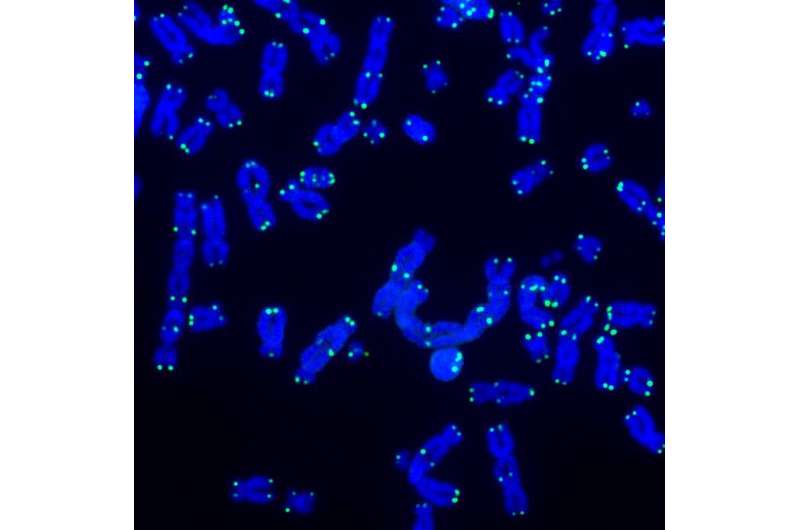
Telomeres protect the ends of chromosomes from damage. This image shows telomeres (green) and DNA (blue) during DNA repair activities. Credit: Salk Institute
As we age, the end caps of our chromosomes, called telomeres, gradually shorten. Now, Salk scientists have discovered that when telomeres become very short, they communicate with mitochondria, the cell's powerhouses. This communication triggers a complex set of signaling pathways and initiates an inflammatory response that destroys cells that could otherwise become cancerous.
26 fev 2023--The findings, published inNatureon February 8, 2023, could lead to new ways of preventing and treatingcanceras well as designing better interventions to offset the harmful consequences of aging.
The discovery is the result of a collaboration between co-senior authors and Salk Professors Jan Karlseder and Gerald Shadel, who teamed up to explore similarities they had each found in inflammatory signaling pathways. Karlseder's lab studies telomere biology and how telomeres prevent cancer formation. Shadel's lab studies the role mitochondria play in human disease, aging, and the immune system.
"We were excited to discover that telomeres talk to mitochondria," says Karlseder, holder of the Donald and Darlene Shiley Chair. "They clearly synergize in well-controlled biological processes to initiate cellular pathways that kill cells that could cause cancer."
When telomeres shorten to a point where they can no longer protect chromosomes from damage, a process called "crisis" occurs and cells die. This beneficial natural process removes cells with very short telomeres and unstable genomes and is known to be a powerful barrier against cancer formation. Karlseder and the study's first author Joe Nassour, a senior research associate in the Karlseder lab, previously discovered that cells in crisis are removed by a process called autophagy, in which the body rids itself of damaged cells.
In this illustration, shortened telomeres are represented as the ends of the two sparklers. The telomeres sendoff inflammatory communication signals, represented as sparkler paths, to mitochondria. The telomere-to-mitochondria communication activates the immune system which destroys cells that might become cancerous. Credit: Salk Institute
In this study, the team wanted to know how autophagy-dependent cell-death programs are activated during crisis, when telomeres are extremely short. By conducting a genetic screen using human skin cells called fibroblasts, the scientists discovered interdependent immune sensing and inflammatory signaling pathways—similar to the ones by which the immune system combats viruses—that are crucial for cell death during crisis. Specifically, they found that RNA molecules emanating from short telomeres activate immune sensors called ZBP1 and MAVS in a unique way on the outer surface of mitochondria.
The findings demonstrate important links between telomeres, mitochondria, and inflammation and underscore how cells can bypass crisis (thereby evading destruction) and become cancerous when the pathways are not functioning properly.
"Telomeres, mitochondria, and inflammation are three hallmarks of aging that are most often studied in isolation," says Shadel, holder of the Audrey Geisel Chair in Biomedical Science and director of the San Diego Nathan Shock Center of Excellence in the Basic Biology of Aging. "Our findings showing that stressed telomeres send an RNA message to mitochondria to cause inflammation highlights the need to study interactions between these hallmarks to fully understand aging and perhaps intervene to increase health span in humans."
"Cancer formation is not a simple process," says Nassour. "It is a multistep process that requires many alterations and changes throughout the cell. A better understanding of the complex pathways linking telomeres and mitochondria may lead to the development of novel cancer therapeutics in the future."
Next, the scientists plan to further examine the molecular basis of these pathways and explore the therapeutic potential of targeting these pathways to prevent or treat cancer.
Other authors included Lucia Gutierrez Aguiar, Adriana Correia, Tobias T. Schmidt, Laura Mainz, Sara Przetocka, Candy Haggblom, Nimesha Tadepalle, April Williams, and Maxim N. Shokhirev of Salk, and Semih C. Akincilar and Vinay Tergaonkar of the Institute of Molecular and Cell Biology, Singapore.
An estimated 71% of transgender women use or intend to use gender-affirming hormone therapy (GAHT). Although sample sizes are comparatively small, there are studies that demonstrate psychological advantages of GAHT, whereas others suggest added health risks. A presentation at The North American Menopause Society (NAMS) Annual Meeting in Atlanta, October 12-15, will address the differentiated pros and cons of hormones for transgender women.
05 nov 2022--Understanding the risks and benefits of GAHT for women in midlife and beyond is important because it's estimated that nearly one-quarter (23%) oftransgenderwomen beginhormone therapyafter the age of 40, with 12% beginning GAHT after age 50. Specific areas of focus include mental, cardiovascular, and breast health.
Multiple studies have confirmed improved mental health benefits and a feeling of overall well-being in transgender women using GAHT. Data collected from the National Transgender Discrimination Study examined qualify-of-life outcomes in transgender women aged older than 60 years and found that those who recently initiated GAHT reported statistically higher quality-of-life scores than their age-matched peers who had not initiated GAHT.
Currently, there is no evidence to support the termination of GAHT in transgender women on the basis of age alone, although in most aging populations, there is concern about increased cardiovascular risk. In transgender women using GAHT who have cardiovascular risk factors, literature supports transdermal estradiol as the preferred route.
Multivariable analyses demonstrate that transgender women experience myocardial infarction at approximately two times higher rates than cisgender women, and similar trends have been seen with ischemic stroke. Studies evaluating the risk of breast cancer in transgender women using GAHT have produced mixed results, largely because of limited sample sizes.
Dr. Sarah Pickle from the University of Cincinnati College of Medicine will present this information during the NAMS Annual Meeting and will discuss current GAHT recommendations and additional treatment considerations for transgender patients.
"For most transgender women and transfeminine persons, the well-documented benefits of gender-affirming hormone therapy largely outweigh potential risks. It is important for health care professionals to understand how to counsel patients and mitigate possible risks of hormone therapy while recognizing that transgender patients are more likely to have deleterious health effects from discrimination, marginalization, and lack of access to health care than they are from side effects of hormone therapy," says Dr. Pickle.
"This study is extremely valuable for health care professionals who are looking for guidance on how to best care for their transgender patients. Among other things, it confirms that more research specific to transgender populations is needed so that health care professionals can make treatment recommendations with greater confidence," says Dr. Faubion, NAMS medical director.
Older adults who consistently get up early and remain active throughout the day are happier and perform better on cognitive tests than those with irregular activity patterns, according to a new study led by University of Pittsburgh researchers.
06 oct 2022--The findings, published online inJAMA Psychiatry, suggest that patterns of activity—not just activity intensity—are important for healthy aging andmental health.
"There's something about getting going early, staying active all day and following the same routine each day that seems to be protecting older adults," said lead author Stephen Smagula, Ph.D., assistant professor of psychiatry and epidemiology at Pitt. "What's exciting about these findings is that activity patterns are under voluntary control, which means that making intentional changes to one's daily routine could improve health and wellness."
To learn more about daily activity patterns in U.S.-based older adults and identify links with mental health and cognition, Smagula and his team recruited 1,800 senior citizens aged over 65. Participants wore accelerometers—movement-detecting devices often found in smartphones and exercise trackers—on their wrists for seven days to measure activity, and they completed questionnaires to assess depression symptoms and cognitive function.
The analysis showed that 37.6% of participants rose early in the morning, stayed active throughout the day and had consistent daily routines.
"Many older adults had robust patterns: They get up before 7 a.m. on average, and they keep going; they stay active for 15 hours or so each day. They also tend to follow the same pattern day in, day out," said Smagula. "Lo and behold, those same adults were happier, less depressed and had better cognitive function than other participants."
Another group comprising 32.6% of participants similarly had consistent daily patterns but the participants were active for an average of just 13.4 hours each day because they rose later in the morning or settled down earlier in the evening. This group had more depression symptoms and poorer cognition than the early risers.
"People often think about activity intensity being important for health, but it might be the duration of activity that matters more," said Smagula. "This is a different way of thinking about activity: You may not need to be sprinting or running a marathon but simply staying engaged with activities throughout the day."
The remaining 29.8% of participants had disrupted activity patterns in which periods of activity were erratic throughout the day and inconsistent across days. These adults had the highest rates of depression and performed worst on cognitive tests.
According to Smagula, the relationship between mental health and activity patterns likely goes both ways: Depression or cognitive impairment can make it harder to follow a consistent routine, and conversely, having a disrupted activity rhythm may worsen these symptoms.
"Our findings suggest that activity pattern disruption is very common and associated with health problems in older adults," explained Smagula. "The relationship is likely bi-directional, so the good news is we think that simple changes—things everyone can try—can restore regular activity patterns and doing so may improve health."
Now, Smagula and his team are developing interventions to test their hypothesis that modifying behaviors to develop more consistent daily routines will boost cognition and improve mental health in older adults.
Smagula said that the first step to developing a consistent routine and getting better sleep is waking up at the same time each day—no matter how tired you are.
"The other thing is having a realistic plan to keep active through the whole day. This can be really hard—especially if you're in a slump or recovering from an injury—so it's important to be reasonable with yourself," he added. "A plan could include making a list of activities you enjoy and scheduling time to meet a friend or neighbor."
Time cues, called "zeitgebers," which help set the body's internal clock, can also assist in creating a stable routine. These include sunlight, exercise and eating. Pets, who often demand meals and walks at the same time each day, can be important social zeitgebers.
"Most people are aware of the importance of good sleep and exercise, but I think what's missing from this picture is the daily (circadian) pattern of activity," said Smagula. "Having something to wake up for each morning and having a full day that you find purposeful and rewarding might be what's important for us sleeping well at night and aging well."
More information: Stephen F. Smagula et al, Association of 24-Hour Activity Pattern Phenotypes With Depression Symptoms and Cognitive Performance in Aging, JAMA Psychiatry (2022). DOI: 10.1001/jamapsychiatry.2022.2573
Saturday, September 03, 2022
GlyNAC supplementation reverses aging hallmarks in aging humans
A randomized, double blind human clinical trial conducted by researchers at Baylor College of Medicine reveals that supplementation with GlyNAC—a combination of glycine and N-acetylcysteine—improves many age-associated defects in older humans and powerfully promotes healthy aging. This is relevant because until now, there have been no solutions toward improving many of these age-related declines in people.
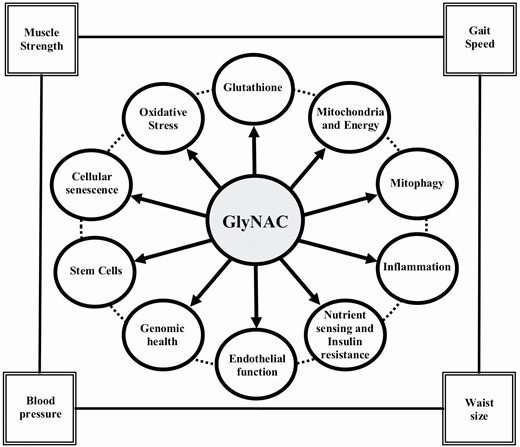
03 sept 2022--Published inThe Journals of Gerontology: Series A, the study shows that older humans taking GlyNAC for 16-weeks improved many characteristic defects of aging. This includesoxidative stress,glutathionedeficiency and multiple aging hallmarks affecting mitochondrial dysfunction, mitophagy, inflammation, insulin resistance, endothelial dysfunction, genomic damage, stem cell fatigue and cellular senescence. These were associated with improvements inmuscle strength, gait speed, exercise capacity, waist circumference and blood pressure.
"This is the first randomized clinical trial of GlyNAC supplementation in older humans, and it found that a wide variety of age-associated abnormalities improved in older adults supplemented with GlyNAC, while no improvements were seen in those receiving placebo," said corresponding author Dr. Rajagopal Sekhar, professor of medicine—endocrinology, diabetes and metabolism at Baylor.
The improvements in oxidative stress, glutathione levels and mitochondrial function in the muscle tissue of older humans taking GlyNAC were similar to the improvements in organs such as the heart, liver and kidneys of aged mice supplemented with GlyNAC as reported in the researchers' recent publication. Taken together, the results of these studies show that GlyNAC supplementation can improve these defects in many different organs of the body. "GlyNAC supplementation in aging mice increased their length of life mice by 24%," said Sekhar. "Gait speed is reported to be associated with survival in older humans. Our randomized clinical trial found a significant improvement in gait speed in older humans supplemented with GlyNAC. This raises the interesting question of whether GlyNAC supplementation could have implications for survival in people."
For the last 20 years, Sekhar has been studying natural aging in humans and animal models to understand why age-related declines occur and how to correct them. His work brings mitochondria, known as the batteries of the cell, as well as free radicals and glutathione to discussions about how they are connected. Sekhar's work and discoveries could also help explain why we age and how to improve health while aging.
Mitochondria dysfunction, oxidative stress and aging
Mitochondria generate energy needed for supporting cellular functions. Therefore, normal mitochondrial function is critically important for a healthy life. Sekhar believes that improving the health of malfunctioning mitochondria in aging is the key to healthy aging. "Energy supports life and mitochondria provide energy. I believe that mitochondrial health is vitally important to our well-being, and maintaining mitochondrial health as we age should be a high priority in our efforts to improve overall health," said Sekhar.
However, the ability of mitochondria to work well declines as we age. How to improve the ability of these failing mitochondria to work is not well understood, and therefore no solutions have been available. Sekhar's group discovered earlier that supplementing GlyNAC in aged mice corrected malfunctioning mitochondria. However, to definitively determine whether GlyNAC supplementation benefited people, a placebo-controlled randomized clinical trial was required.
Sekhar and his team conducted and completed such a randomized clinical trial which found that older people have widespread mitochondrial damage and other age-associated defects compared to young people. After 16-weeks of GlyNAC supplementation, mitochondrial function of older people improve toward levels found in young people. This was accompanied by improvements in multiple additional outcomes as reported in the publication. Analysis of the molecular data from the trial suggests that the GlyNAC supplementation is able to fill cells with younger and more efficient mitochondria. "Collectively these exciting new discoveries hold great promise for improving our mitochondrial and general health as we age," Sekhar said.
A second vital benefit offered by supplementing GlyNAC is that it also helps protect the body from an important problem called oxidative stress. Oxidative stress is caused by high levels of toxic waste products known as reactive oxygen species or free-radicals. Oxidative stress can damage our cells, membranes, lipids, proteins and DNA, and is very common in aging. Glutathione is a natural antioxidant. Glutathione is made every day inside our cells and it works by protecting cells from harmful oxidative stress. However, in older people, glutathione levels are very low and the harmful oxidative stress is very high. GlyNAC supplementation corrects glutathione deficiency and lowers oxidative stress in older humans back to youthful levels, thereby solving both problems.
Sekhar believes that the restoration of mitochondrial health and correction of oxidative stress with GlyNAC supplementation are two powerful reasons which help explain why so many other age-related defects improve. It also accounts for the wide spectrum of health benefits.
Graphical abstract. Credit: The Journals of Gerontology: Series A (2022). DOI: 10.1093/gerona/glac135
Taking GlyNAC is not the same as taking glutathione: Introducing the 'Power of 3'
"It is really important to understand that this trial supplemented GlyNAC, and did not supplement glutathione," says Sekhar. "This is because our body does not get its glutathione from food, but the body has to make its own glutathione every day. All our organs maintain different levels of glutathione in a delicate balance that favors health. Too little glutathione cannot fight the harmful oxidative stress, and too much glutathione could lead to harmful reductive stress," said Sekhar. "This is why GlyNAC is a natural solution for correcting glutathione deficiency, because it provides the raw materials to help cells to make their own glutathione in just the right amount. We have seen that this repeatedly in all our prior studies supplementing GlyNAC, including this trial."
"One of the intriguing questions from this trial is why so many improvements occur toward promoting health. We believe that this is due to the combined effort of three separate components—glycine, cysteine (from NAC) and glutathione, and not just due to glutathione itself. Glycine and cysteine are both very important for cellular health on their own, and GlyNAC provides both. Glycine and cysteine are building blocks to form glutathione, which also has health benefits. We believe that the improvements in this trial and in our previous studies are the result of the combined effects of glycine and NAC and glutathione, and we refer to this combination as the 'Power of 3,'" said Sekhar.
GlyNAC improves several aging hallmarks in aging
The population of older adults is expected to exceed 2.1 billion by 2050, according to the World Health Organization. This predicted increase in the older human population will result in a rise of the need for healthcare and will intensify the stress on healthcare systems around the world. To understand what causes unhealthy aging, scientific research has identified nine aging hallmarks that represent specific defects that are believed to contribute to health decline while aging.
"It is believed that correcting aging hallmarks could help people age in a healthier way," Sekhar said. "However, we do not fully understand why these aging hallmarks occur in the first place, and therefore there have been no proven solutions via human randomized clinical trials to improve or correct aging hallmarks in aging humans."
The aging hallmarks that improved are mitochondrial dysfunction, altered intercellular communication, nutrient sensing, loss of proteostasis, genomic instability, cellular senescence and stem cell fatigue. The study participants were instructed not to change their usual diet or physical activity; therefore, nothing changed except for the GlyNAC supplementation. "This tells us that benefits were due to GlyNAC supplementation. But we were really surprised to see so many aging hallmarks improve. This level of improvement offers clues as to how and why these aging hallmarks may be connected to one another," says Sekhar.
GlyNAC improves muscle strength in aging
GlyNAC supplementation improved muscle strength in the upper and lower extremity and a trend toward increased exercise capacity. "These findings could have additional implications for improving the health of older humans, especially in terms of being able to be more physically active," said Sekhar.
"This study was effort intensive and took many years to complete. I take this opportunity to thank all my co-investigators, nursing staff, and everyone who helped with this trial. I especially thank all the trial participants who volunteered to participate in this research," Sekhar said.
As he moves forward, Sekhar plans to expand on his work to understand more about the health benefits of GlyNAC supplementation on cells, tissues and organs of the body. He plans on seeking funding to conduct larger clinical trials in more typical older humans to increase our understanding of how GlyNAC could improve health in aging. Additionally, as reported in their previously published exploratory study, Sekhar's group found that GlyNAC supplementation in older humans could improve memory and cognition. He has studied this further in aged mice and found that GlyNAC supplementation appears to correct multiple age-related declines directly in the brain, and was associated with improvements in memory and brain health—a report on these emerging new and exciting findings is in development.
More information: Premranjan Kumar et al, Supplementing Glycine and N-Acetylcysteine (GlyNAC) in Older Adults Improves Glutathione Deficiency, Oxidative Stress, Mitochondrial Dysfunction, Inflammation, Physical Function, and Aging Hallmarks: A Randomized Clinical Trial, The Journals of Gerontology: Series A (2022). DOI: 10.1093/gerona/glac135
Provided by Baylor College of Medicine
Excessive blue light from our gadgets may accelerate the aging process
Too much screen use has been linked to obesity and psychological problems. Now a new study has identified a new problem—a study in fruit flies suggests our basic cellular functions could be impacted by the blue light emitted by these devices. These results are published in Frontiers in Aging.
03 sept 2022--"Excessive exposure to blue light from everyday devices, such as TVs, laptops, and phones, may have detrimental effects on a wide range of cells in our body, from skin andfat cells, tosensory neurons," said Dr. Jadwiga Giebultowicz, a professor at the Department of Integrative Biology at Oregon State University and senior author of this study. "We are the first to show that the levels of specific metabolites—chemicals that are essential for cells to function correctly—are altered infruit fliesexposed to blue light."
"Our study suggests that avoidance of excessive blue light exposure may be a good anti-aging strategy," advised Giebultowicz.
Turn off the light
The researchers at Oregon State University have previously shown that fruit flies exposed to light "turn on" stress protective genes, and that those kept in constant darkness lived longer.
"To understand why high-energy blue light is responsible for accelerating aging in fruit flies, we compared the levels of metabolites in flies exposed to blue light for two weeks to those kept in complete darkness," explained Giebultowicz.
Blue light exposure caused significant differences in the levels of metabolites measured by the researchers in the cells of fly heads. In particular, they found that the levels of the metabolite succinate were increased, but glutamate levels were lowered.
"Succinate is essential for producing the fuel for the function and growth of each cell. High levels of succinate after exposure to blue light can be compared to gas being in the pump but not getting into the car," said Giebultowicz. "Another troubling discovery was that molecules responsible for communication between neurons, such as glutamate, are at the lower level after blue light exposure."
Accelerating aging
The changes recorded by the researchers suggest that the cells are operating at suboptimal level, and this may cause their premature death, and further, explain their previous findings that blue light accelerates aging.
"LEDs have become the main illumination in display screens such as phones, desktops and TVs, as well as ambient lighting, so humans in advanced societies are exposed to blue light through LED lighting during most of their waking hours. The signaling chemicals in the cells of flies and humans are the same, so the there is potential for negative effects of blue light on humans," explains Giebultowicz.
Future work hopes to study the effects directly on human cells.
"We used a fairly strong blue light on the flies—humans are exposed to less intense light, so cellular damage may be less dramatic. The results from this study suggests that future research involving human cells is needed to establish the extent to which human cells may show similar changes in metabolites involved in energy production in response to excessive exposure to blue light," concluded Giebultowicz.
More information: Jun Yang et al, Chronic blue light leads to accelerated aging in Drosophila by impairing energy metabolism and neurotransmitter levels, Frontiers in Aging (2022). DOI: 10.3389/fragi.2022.983373
Provided by Frontiers
Saturday, July 09, 2022
Serotonin and dopamine modulate aging in response to food odor and availability
It's common knowledge that a healthy diet is a key to a healthy life. And while many people go on specialized diets to trim down or improve their overall health, researchers interested in aging have been actively studying the life-extending effects of dietary restriction and fasting.
09 jul 2022--"There's a concept called hormesis in biology, the idea of which is what doesn't kill you makes you stronger," said Scott Leiser, Ph.D., an assistant professor in Molecular & Integrative Physiology, and Internal Medicine at University of Michigan Medical School.
"One of the stresses that's been most studied is dietary restriction, shown in many different organisms to extend lifespan and in people to improve health."
However, as anyone on a diet to lose weight can attest, the mere smell of delicious food can be enough to break one's willpower. A previous study from Leiser's colleague Scott Pletcher, Ph.D., also of the Department of Molecular & Integrative Physiology, found that in fruit flies, attractive food smells are enough to blunt the life-extending effect of a restricted diet.
In a new study published in Nature Communications, Leiser, first authors Hillary Miller, Ph.D., and Shijiao Huang, Ph.D., and their team build on that research to figure out why this is the case and whether the phenomenon could be blocked with a drug.
In the roundworm C. elegans, lifespan extension in response to environmental stressors such as dietary restriction involves the activation of a gene called fmo-2. The team used the transparent nature of C. elegans to be able to see, in real time, the levels of FMO proteins.
When worms were limited in the amount of food they could eat, the FMO protein, which was highlighted using a fluorescent marker, lit up "like a Christmas tree…it was bright red," noted Leiser. However, when the worms were exposed to food smells, there was considerably less activation of FMO, leading to a loss of life extension.
One of the main issues of dietary restriction as a potential approach for life extension in people is how difficult it is. But, said Leiser, "what if you could give yourself a drug that confused your body into thinking you were restricting your diet?"
Building on earlier research showing that neurotransmitters regulate longevity resulting from dietary restriction, the team screened compounds known to act on neurons.
They found three compounds that could prevent the reversal of fmo-2 induction in the presence of food: an antidepressant that blocks the neurotransmitter serotonin, and two antipsychotic drugs used to treat schizophrenia, both of which block the neurotransmitter dopamine.
"We know serotonin and dopamine are major players in the reward portion of the brain and tend to be involved in satiety and food response signals," said Leiser. "The fact that the drugs we found were antagonizing this suggests you are blocking aspects of these pathways." Ultimately, the drugs enabled the life extension effect of FMO, even in the presence of the smell of food.
These specific drugs are unlikely to be prescribed for this effect however, given their many potentially dangerous side effects. But they provide important clues about the fmo-2 activation pathway and its effect on life extension.
More information: Hillary A. Miller et al, Serotonin and dopamine modulate aging in response to food odor and availability, Nature Communications (2022). DOI: 10.1038/s41467-022-30869-5
Geriatrics experts explore relationship between the two leading causes of death for older Americans
Experts' discussions and recommendations addressing the interface between cancer and heart disease were published this month in the Journal of the American Geriatrics Society summarizing sessions from a virtual bench to bedside conference hosted by the American Society of Geriatrics (AGS).
09 jul 2022--The interrelationship between these two conditions—the two leading causes of death for older Americans—is critical to being able to effectively treat patients with either cancer, cardiovascular disease (CVD) or both concurrently, as risk factors for CVD are also risks for cancer, and both conditions often co-exist inolder adults. Manycancer patientshave underlying CVD, cancer treatments can increase the risk of CVD, and risk factors can exacerbate each other. Although significant advances in early detection and combination treatments have improved cancer survival rates, the management of care aftercancer treatmentin older adults has not changed much in twenty years. Clinicians andhealthcare professionalsacross disciplines face the challenge of delivering patient-centered, high-quality care for older adults with either or both cancer and CVD while mitigating unnecessary risk of morbidity or mortality of the other.
"This AGS-NIA 'U13' conference has stimulated new research collaborations between patients, geriatricians, oncologists, and cardiologists who are tackling common yet unsolved clinically important issues at the interface of aging, cancer, and cardiovascular disease," Surpiya Mohile, MD, MS, conference co-chair said. "New collaborations and a working group have been formed to move what has been learned at the conference to towards next steps."
More than 80 experts and new investigators—leaders and rising stars—in various disciplines in the field of aging were invited to come together virtually in sessions addressing mechanisms of co-development of CVD and cancer, the cardiotoxic effect of cancer therapies and management of patients with both cancer and CVD. Conference attendees shared updates on the latest research developments, identified specific gaps in knowledge, and created opportunities for collaboration with the aim of finding better and more equitable management strategies.
One promising study is Targeting Aging with Metformin (TAME), a trial tracking more than 3,000 individuals aged 65-79 to determine whether metformin can delay the development or progression of many age-related chronic diseases, including CVD and cancer. In clinical trials metformin has been linked to lower CVD and cancer mortality rates, providing insight into the aging processes affecting cancer and CVD and the possibility of using existing drugs to delay aging.
Cardiotoxicity from cancer treatment is the most common cause of CVD in cancer survivors, leading to different kinds of cardiac complications depending on how the cancer treatment affects biological mechanisms. For instance, most cytotoxic chemotherapies induce senescence—the process by which damaged cells permanently exit the cell cycle—in tumor cells. Therefore, therapies that target cellular senescence might prevent cardiotoxicity in patients undergoing cancer treatment. Some drugs that treat systolic heart failure might also prevent cardiotoxicity. Understanding the unique underlying mechanisms through more research is a top priority in cardio-oncology.
Older adults tend to question treatments and even patients who respond well to cancer treatment face the specter of recurrence as patients with CVD fear heart attacks and stroke, a situation made worse by a lack of coordination between cardiology and oncology. Until a comprehensive geriatric assessment is the standard for evaluation and follow up, patients, families, and caregivers face the repercussions of a siloed approach in care management that creates misperceptions about risk and often delays care. Shared decision-making that considers patient values and preferences facilitates an open discussion between clinicians and patients about the best available evidence and treatment choices that protect quality of life. Using accessible and appropriate language and shared decision-making tools help communicate and accurately interpret risk levels.
Improved collaboration fosters a preventive medicine approach. Although there is still a lot to be learned about the complexity of managing comorbid CVD and cancer, they share many risk factors that can be mitigated by lifestyle changes such as physical activity, diet, and environmental exposures. Physical activity interventions, for instance, could prevent the progression or new onset of both diseases.
At the same time, these challenges are further complicated by health disparities associated with both cancer and CVD among racial and ethnic minority populations as well as individuals of lower socioeconomic status, people who live in specific locations such as rural areas, and LGBTQ+ communities. Presenters at the conference discussed approaches to ensure equitable access to clinical trials and healthcare for all older adults. And while research priorities are still being identified, so are the reasons why limited numbers of people from racial and ethnic minorities participate and why clinical cancer trials often exclude older adults even though they benefit most from resulting treatments.
The AGS-NIA U13 conference on Cancer and Cardiovascular Disease was the third and final in a three-part series designed to provide updates on cutting-edge research and facilitate collaboration among experts. Editorials summarizing this and the previous two conferences are both available for free from JAGS.
"The NIA/AGS conference series has been instrumental in defining research priorities and actionable next steps most likely to move the needle toward better health outcomes for older Americans, said Heather Whitson, Md, MHS, principal investigator for the conference series. "We are delighted that this tradition will continue with our next series, which will focus on the research agenda for resilience across the lifespan."
More information: Supriya Mohile et al, AGS and NIA bench‐to bedside conference summary: Cancer and cardiovascular disease, Journal of the American Geriatrics Society (2022). DOI: 10.1111/jgs.17921
In the search for eternal youth, poo transplants may seem like an unlikely way to reverse the aging process.
31 may 2022--However, scientists at the Quadram Institute and the University of East Anglia have provided evidence, from research inmice, that transplanting fecalmicrobiotafrom young intoold micecan reverse hallmarks of aging in the gut, eyes, andbrain.
In the reverse experiment, microbes from aged mice induced inflammation in the brain of young recipients and depleted a key protein required for normal vision.
These findings show that gut microbes play a role in the regulating some of the detrimental effects of aging and open up the possibility of gut microbe-based therapies to combat decline in later life.
Prof Simon Carding, from UEA's Norwich Medical School and head of the Gut Microbes and Health Research Program at the Quadram Institute, said: "This ground-breaking study provides tantalizing evidence for the direct involvement of gut microbes in aging and the functional decline of brain function and vision and offers a potential solution in the form of gut microbe replacement therapy."
It has been known for some time that the population of microbes that we carry around in our gut, collectively called the gut microbiota, is linked to health. Most diseases are associated with changes in the types and behavior of bacteria, viruses, fungi and other microbes in an individual's gut.
Some of these changes in microbiota composition happen as we age, adversely affecting metabolism and immunity, and this has been associated with age-related disorders including inflammatory bowel diseases, along with cardiovascular, autoimmune, metabolic and neurodegenerative disorders.
To better understand the effects of these changes in the microbiota in old age, scientists from the Quadram Institute transferred the gut microbes from aged mice into healthy young mice, and vice versa. They then looked at how this affected inflammatory hallmarks of aging in the gut, brain and eye, which suffer from declining function in later life.
The study, published in the journal Microbiome, found that the microbiota from old donors led to loss of integrity of the lining of the gut, allowing bacterial products to cross into the circulation, which results in triggering the immune system and inflammation in the brain and eyes.
Age-related chronic inflammation, known as inflammaging, has been associated with the activation of specific immune cells found in brain. These cells were also over-activated in the young mice who received aged microbiome transplants.
In the eye, the team also found specific proteins associated with retinal degeneration were elevated in the young mice receiving microbiota from old donors.
In old mice, these detrimental changes in the gut, eye and brain could be reversed by transplanting the gut microbiota from young mice.
In ongoing studies, the team are now working to understand how long these positive effects can last, and to identify the beneficial components of the young donor microbiota and how they impact on organs distant from the gut.
The microbiota of young mice, and the old mice who received young microbiota transplants were enriched in beneficial bacteria that have previously been associated with good health in both mice and humans.
The researchers have also analyzed the products which these bacteria produce by breaking down elements of our diet. This has uncovered significant shifts in particular lipids (fats) and vitamin metabolism, which may be linked to the changes seen in inflammatory cells in the eye and brain.
Similar pathways exist in humans, and the human gut microbiota also changes significantly in later life, but the researchers caution about extrapolating their results directly to humans until similar studies in elderly humans can be performed.
A new facility for Microbiota Replacement Therapy (MRT), also known as Fecal Microbiota Transplantation (FMT) is being built in the Quadram Institute that will facilitate such trials, as well as other trials for microbiota-related conditions.
Lead author of the study, Dr. Aimee Parker from the Quadram Institute said: "We were excited to find that by changing the gut microbiota of elderly individuals, we could rescue indicators of age-associated decline commonly seen in degenerative conditions of the eye and brain.
"Our results provide more evidence of the important links between microbes in the gut and healthy aging of tissues and organs around the body. We hope that our findings will contribute ultimately to understanding how we can manipulate our diet and our gut bacteria to maximize good health in later life."
"Fecal microbiota transfer between young and aged mice reverses hallmarks of the aging gut, eye, and brain" is published in the journal Microbiome.
More information: Aimée Parker et al, Fecal microbiota transfer between young and aged mice reverses hallmarks of the aging gut, eye, and brain, Microbiome (2022). DOI: 10.1186/s40168-022-01243-w