Showing posts with label doctor patient relationship. Show all posts

Wednesday, January 15, 2020

Researchers recommend five practices to improve doctor-patient relationships
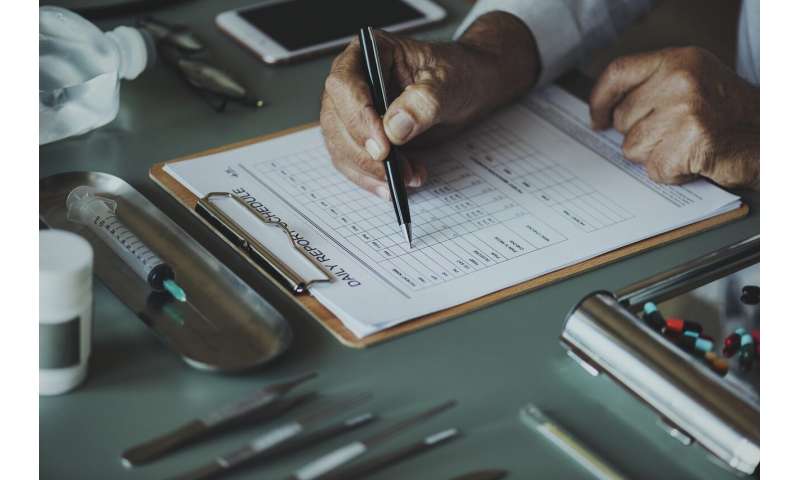
doctor and patient
Credit: CC0 Public Domain
When Stanford physicians Donna Zulman, MD, and Abraham Verghese, MD, set out more than two years ago to lead a team in finding ways to heal a growing fracture in doctor-patient relationships, they knew the task would be complicated.
15 jan 2020--In recent surveys, clinicians have reported that the current climate of medicine—with limits on the amount of time they can spend with patients during appointments, an explosion of biomedical knowledge and increased demands to update and review electronic health records—translates into less time for meaningful interactions with patients.
That, Stanford researchers contend in a paper to be published Jan. 7 in JAMA, isn't good for patients—or for clinicians who are feeling increasingly disconnected from the reasons they got into medicine.
The goal of their research, which began 2½ years ago, was to identify evidence-based measures that clinicians can take to be fully engaged with patients and understand their perspectives, life circumstances and priorities. Ultimately, researchers wanted to generate a brief list of highly effective practices that clinicians could easily incorporate into their interactions with patients, Zulman said.
In their paper, researchers describe five evidence-based recommendations:
  • Prepare with intention: Familiarize yourself with the patient you are about to meet; create a ritual to focus your attention before a visit.
  • Listen intently and completely: Sit down, lean forward and position yourself to listen; don't interrupt; your patient is your most valuable source of information.
  • Agree on what matters most: Find out what your patient cares about and incorporate these priorities into the visit agenda.
  • Connect with the patient's story: Consider the circumstances that influence your patient's health; acknowledge your patient's efforts, and celebrate successes.
  • Explore emotional cues: Tune in, notice, name and validate your patient's emotions to become a trusted partner.
The research was conducted in conjunction with Presence, an interdisciplinary center at Stanford that promotes the art and science of human connection in medicine. The objective of the research project was to revise the critical moment when physicians and patients meet, shifting the emphasis from institutional procedure to an interaction focused on meaningful human interaction.
"We were looking for practices that would improve the experience of patients and lead to better care for them, but would also improve the experience of clinicians and help them to rediscover the joy of medicine," said Zulman, an assistant professor of medicine and the director of Stanford Presence 5, one of several Presence initiatives.
"As physicians, we are privileged to work with people in their most vulnerable moments," she said. "And in today's climate, particularly in primary care, it's easy to lose sight of that with all of the administrative demands, time pressures and technology distractions."
Zulman, a health services researcher at Stanford and the Veterans Affairs Health Care System, is the lead author of the paper. Verghese, an advocate for the importance of bedside medicine and physical exams, is senior author of the paper, which includes links to podcast interviews with him and Zulman.
Identifying strategies
The Presence 5 practices, as they are known, were identified through a systematic review of 73 studies of interpersonal interventions published between January 1997 and August 2017, as well as through observations of clinician-patient encounters, and interviews with clinicians and patients at Stanford internal medicine and family medicine clinics, the Ravenswood Family Health Center in East Palo Alto and the Veterans Affairs Palo Alto Health Care System. The team also interviewed professionals outside the field of medicine to learn about cross-cutting themes related to clinician presence and human connection.
The published studies were analyzed to measure how interventions improved health outcomes, costs and patient and physician experiences. The interviews and observations provided insights into best practices at the clinical level.
The information researchers gleaned from the studies, interviews and observations generated 31 ideas for practices physicians could implement, which were reviewed, rated and culled to five with input from a group of experts: physicians, researchers, a patient advocate, a caregiver advocate and health care leaders.
Zulman said the team's next step is to evaluate how using the five practices affects the experiences of patients and clinicians, with new research being conducted at Stanford primary care clinics, the MayView Community Health Center in Mountain View and the San Jose VA Clinic, which is part of the VA Palo Alto Health Care System.
Researchers are holding workshops to share their findings, as well as developing a curriculum for training medical students and residents. The team is also working to validate their findings with international collaborators and to determine whether the practices can be adapted for different clinical settings and models.
"The Presence 5 practices resonate because they speak to something that is timeless and central to medicine," said Verghese, the Linda R. Meier and John F. Lane Provostial Professor and director of the Presence Center. "Patients want us to be more present. And we as physicians want to be more present with our patients, because without that contact, our professional life loses much of its meaning."
Systematic change is needed
Zulman said the researchers see the Presence 5 measures as just one step to address frustrations with modern-day medicine.
"While we might not be able to change the system overnight, our study suggests there are some concrete, evidence-based strategies that we, as physicians, can use that will help preserve and foster the connections that are most healing for patients and for us as physicians," she said.

Journal information: Journal of the American Medical Association 
Provided by Stanford University Medical Center

Friday, December 07, 2018

Why patients lie to their doctors

doctor
Credit: CC0 Public Domain
When your doctor asks how often you exercise, do you give her an honest answer? How about when she asks what you've been eating lately? If you've ever stretched the truth, you're not alone.
60 to 80 percent of people surveyed have not been forthcoming with their doctors about information that could be relevant to their health, according to a new study. Besides fibbing about diet and exercise, more than a third of respondents didn't speak up when they disagreed with their doctor's recommendation.

07 dec 2018--Another common scenario was failing to admit they didn't understand their clinician's instructions.
When respondents explained why they weren't transparent, most said that they wanted to avoid being judged, and didn't want to be lectured about how bad certain behaviors were. More than half were simply too embarrassed to tell the truth.
"Most people want their doctor to think highly of them," says the study's senior author Angela Fagerlin, Ph.D., chair of population health sciences at U of U Health and a research scientist with the VA Salt Lake City Health System's Informatics Decision-Enhancement and Analytic Sciences (IDEAS) Center for Innovation.
"They're worried about being pigeonholed as someone who doesn't make good decisions," she adds.
Scientists at University of Utah Health and Middlesex Community College led the research study in collaboration with colleagues at University of Michigan and University of Iowa. The results will be published online in JAMA Network Open on November 30, 2018.
Insights into the doctor-patient relationship came from a national online survey of two populations. One survey captured responses from 2,011 participants who averaged 36 years old. The second was administered to 2,499 participants who were 61 on average.
Survey-takers were presented with seven common scenarios where a patient might feel inclined to conceal health behaviors from their clinician, and asked to select all that they had ever happened to them. Participants were then asked to recall why they made that choice. The survey was developed with input from physicians, psychologists, researchers and patients, and refined through pilot testing with the general public.
In both surveys, people who identified themselves as female, were younger, and self-reported as being in poor health were more likely to report having failed to disclose medically relevant information to their clinician.
"I'm surprised that such a substantial number of people chose to withhold relatively benign information, and that they would admit to it," says the study's first author Andrea Gurmankin Levy, Ph.D., MBe, an associate professor in social sciences at Middlesex Community College in Middletown, Connecticut. "We also have to consider the interesting limitation that survey participants might have withheld information about what they withheld, which would mean that our study has underestimated how prevalent this phenomenon is."
The trouble with a patient's dishonesty is that doctors can't offer accurate medical advice when they don't have all the facts.
"If patients are withholding information about what they're eating, or whether they are taking their medication, it can have significant implications for their health. Especially if they have a chronic illness," says Levy.
Understanding the issue more in-depth could point toward ways to fix the problem. Levy and Fagerlin hope to repeat the study and talk with patients immediately after clinical appointments, while the experience is still fresh in their minds. Person-to-person interviews could help identify other factors that influence clinician-patient interactions. For instance, are patients more open with doctors they've known for years?
The possibility suggests that patients may not be the only ones to blame, says Fagerlin. "How providers are communicating in certain situations may cause patients to be hesitant to open up," she says. "This raises the question, is there a way to train clinicians to help their patients feel more comfortable?" After all, a healthy conversation is a two-way street.
"Prevalence of and Factors Associated with Patient Nondisclosure of Medically Relevant Information to Clinicians" publishes online in JAMA Network Open on Nov. 13, 2018.

More information: "Prevalence of and Factors Associated with Patient Nondisclosure of Medically Relevant Information to Clinicians" JAMA Network Open (2018). DOI: 10.1001/jamanetworkopen.2018.5293


Provided by University of Utah

Saturday, December 12, 2015

Seven behaviors suggested to improve 'art of medicine'

Seven behaviors suggested to improve 'Art of medicine'
12 dec 2015—Seven behaviors should be implemented to improve the art of medicine, which can help improve relationships with patients, according to an article published in Family Practice Management.
Thomas R. Egnew, Ed.D., from the University of Washington School of Medicine in Seattle, reviewed the literature and delineated seven behaviors that promote more consistent practice of the interpersonal aspects of medicine.
Egnew describes seven behaviors that include focusing on the patient, ideally taking a moment to prepare before entering the office, and establishing a connection with the patient, preferably before opening the electronic medical record in the first few minutes of the consultation. Other tips include assessing the patient's response to illness and suffering, use of communication to foster healing, use of the power of touch, use of humor and laughter, and showing empathy.
"The behaviors recommended are based on empirical data," Egnew writes. "They incorporate a patient-centered approach to communicating with patients, which has been shown to improve health outcomes, increase patient satisfaction, and decrease malpractice liability."

More information: Full Text

Thursday, July 03, 2014

A physician's ability to empathize may be in the genes

A physician's ability to empathize may be in the genes


03 july 2014—Sensory processing sensitivity (SPS) is associated with increased activation of brain regions involved in awareness, attention, and action planning, according to a study published online June 23 in Brain and Behavior.
Noting that self-report studies show high-SPS individuals are strongly affected by others' moods, Bianca P. Acevedo, Ph.D., from the University of California in Santa Barbara, and colleagues examined theneural correlates of SPS, measured by the standard short-form Highly Sensitive Person (HSP) scale. The functional magnetic resonance imaging study was conducted in 18 participants (10 female) who viewed photos of their romantic partners and of strangers displaying positive, negative, or neutral facial expressions. Thirteen of the 18 participants were scanned twice, one year apart.
The researchers found that HSP scores correlated with increased brain activation in the cingulate and premotor area (involved in attention and action planning) across all conditions. SPS correlated with activation of brain regions involved in awareness, integration of sensory information, empathy, and action planning for happy and sad photo conditions. HSP scores correlated with stronger activation of brain regions involved in awareness, empathy, and self-other processing for partner images and happy facial photos.
"We found that areas of the brain involved with awareness and emotion, particularly those areas connected with empathetic feelings, in the highly sensitive people showed substantially greater blood flow to relevant brain areas than was seen in individuals with low sensitivity during the 12 second period when they viewed the photos," a coauthor said in a statement. "This is physical evidence within the brain that highly sensitive individuals respond especially strongly to social situations that trigger emotions, in this case of faces being happy or sad."
More information: Abstract
Full Text

Monday, July 09, 2012


Patients trust doctors but consult the Internet

Patients look up their illnesses online to become better informed and prepared to play an active role in their care  not because they mistrust their doctors, a new University of California, Davis, study suggests.
09 july 2012--The study surveyed more than 500 people who were members of online support groups and had scheduled appointments with a physician.
"We found that mistrust was not a significant predictor of people going online for health information prior to their visit," said Xinyi Hu, who co-authored the study as part of her master's thesis in communication. "This was somewhat surprising and suggests that doctors need not be defensive when their patients come to their appointments armed with information taken from the Internet."
With faculty co-authors at UC Davis and the University of Southern California, Hu examined how the study subjects made use of support groups, other Internet resources, and offline sources of information, including traditional media and social relations, before their medical appointments.
The study found no evidence that the users of online health information had less trust in their doctors than patients who did not seek information through the Internet.
"The Internet has become a mainstream source of information about health and other issues," Hu noted. "Many people go online to get information when they anticipate a challenge in their life. It makes sense that they would do the same when dealing with a health issue."
Although physician mistrust did not predict reliance on the Internet prior to patients' medical visits, several other factors did. For example, people were more likely to seek information online when their health situation was distressful or when they felt they had some level of personal control over their illness. Online information-seeking was also higher among patients who believed that their medical condition was likely to persist.
The study also found that Internet health information did not replace more traditional sources of information. Instead, patients used the Internet to supplement offline sources, such as friends, health news reports and reference books.
"With the growth of online support groups, physicians need to be aware that many of their patients will be joining and interacting with these groups. These patients tend to be very active health-information seekers, making use of both traditional and new media," the study said.
Almost 70 percent of the study subjects reported they were planning to ask their doctor questions about the information they found, and about 40 percent said they had printed out information to take with them to discuss with their . More than 50 percent of subjects said they intended to make at least one request of their doctor on the basis of Internet information.
"As a practicing physician, these results provide some degree of reassurance," said co-author Richard L. Kravitz, a UC Davis Health System professor of internal medicine and study co-author. "The results mean that patients are not turning to the Internet out of mistrust; more likely, Internet users are curious information seekers who are just trying to learn as much as they can before their visit."
Online support groups provide online virtual meeting places for sharing information and social support. In February 2011, there were more than 12,000 groups listed in the support category of Yahoo! Groups Health and Wellness directory. Even so, other studies suggest that only 9 percent of Americans and 37 percent of patients with chronic disease have participated in online support groups. The majority of subjects assessed their own health as fair or poor.
More information: The study, "The Prepared Patient: Information Seeking of Online Support Group Members Before Their Medical Appointments" was published earlier this year in the Journal of Health Communication.
Provided by UC Davis

Saturday, December 17, 2011

Doctors should tell patients the realities of aging

Dr. Alexander K. Smith hopes to provoke a national discussion about being frank with the very elderly about their individual medical prognosis.

18 dec 2011--In his recent paper on the issue published by the New England Journal of Medicine, he makes a strong case for outlining the future in frank terms - provided the elder wants to hear it.

"Studies show patients want to discuss the realities of aging but they may be waiting for the physician to bring it up," says Smith, who is an assistant professor of medicine at the University of California San Francisco and an associate of the San Francisco Veterans Affairs Medical Center.

"Often it's the doctor who doesn't want to talk about it," he says.

Here Smith discusses the issue:

Q: You admit not all patients want to know the details of their future, medically. For those who are interested, what's the problem?

A: As I write in this paper, co-authored by Dr. Brie A. Williams and Dr. Bernard Lo, despite knowing that life expectancy inexorably decreases with advancing age, we tend to avoid discussing overall prognosis with elderly patients, particularly those with no dominant terminal illness. By avoiding such discussions, however, we may undercut the ability of patients and their caregivers to make informed choices for their future.

Q: You say discussing these individual issues with elderly patients should be the norm. Seems this should already be routine and not the topic of such serious debate.

A: Well, the idea of patient activism is relatively new. There has been, in the past, strong pressure to deny the realities of aging. We know a substantial number of patients want to talk about this now. But we have to respect those who don't. It depends on the person. I have patients who are 100 who won't admit their time is limited.

Q: Is this a way to reduce overall health costs? I mean, if I know that the cancer I have is going to kill me eventually, why bother to spend the money to treat it in the end days of life? By denying treatment to those it will not substantially benefit with many more years of good health, we could reduce Medicare costs significantly.

A: When patients are aware of the options, they often make choices themselves that reduce the cost of care. But it is our job to support the patient's goals and aspirations. I absolutely am not suggesting we tell people that the eventual outcome of this treatment will not benefit them so we aren't going to do it because of the expense.

Right now, we are doing a study to find out why patients will talk about a short-term prognosis but generally aren't willing to talk about five or 10 years ahead.

We need to set a balance but we also must give hope. So many are living longer comfortably with disabilities that once were painful.

Q: In your paper you suggest that clinicians should routinely offer to discuss the overall prognosis for elderly patients with a life expectancy of less than 10 years Â- or at least by the time a patient reaches 85 - and that the older and frail should be encouraged to talk about reducing the pill burden and engaging in advanced care planning.

A: Most of the very elderly patients place great emphasis on the harms as well as the benefits of medications (but) clinicians may fear talking about or even raising the topic of overall prognosis because it may seem threatening to patients and family members....

Whereas clinicians consider overall prognosis in order to inform medial decision-making, in our experience, many very elderly patients are interested in it because it affects personal life choices Â- motivating them, for instance, to arrange finances for long-term care or to prioritize spending time with grandchildren and other family members while they are active.

Q: Some of the common medical decisions and life choices that you say offer opportunities to discuss overall prognosis with the elderly are assessing the appropriateness of high-risk surgery or initiating renal dialysis in an elderly patient.

A: Not withstanding large current gaps in evidence, we believe we should start talking about overall prognosis now, even as we carry out more research on patient preferences and ways of improving such discussions. To make our care more patient-centered, we need to start helping our very elderly patients set goals of care that take their overall prognosis into account. We should do so in the ordinary course of clinical practice, letting our patients be our guides.

Friday, November 25, 2011

Doctors could learn from Shakespeare's deep understanding of mind-body connection

Shakespeare was a master at portraying profound emotional upset in the physical symptoms of his characters, and many modern day doctors would do well to study the Bard to better understand the mind-body connection, concludes an analysis of his works, published in Medical Humanities.

25 nov 2011--Kenneth Heaton, a medical doctor and extensively published author on William Shakespeare's oeuvre, systematically analysed 42 of the author's major works and 46 of those of his contemporaries, looking for evidence of psychosomatic symptoms.

He focused on sensory symptoms other than those relating to sight, taste, the heart, and the gut.

He found that Shakespeare's portrayal of symptoms such as dizziness/faintness, and blunted or heightened sensitivity to touch and pain in characters expressing profound emotions was significantly more common than in works by other authors of the time.

Vertigo/giddiness/dizziness is expressed by five male characters in "Taming of the Shrew", "Romeo and Juliet", "Henry VI" part 1, "Cymbeline" and "Troilus and Cressida". The nearest approximation in contemporaries' works was one incident in John Marston's "The Malcontent".

There are at least 11 instances of breathlessness associated with extreme emotion in "Two Gentlemen of Verona", "The Rape of Lucrece", "Venus and Adonis", and "Troilus and Cressida", compared with just two in the works of other writers.

Fatigue/weariness as a result of grief or distress is a familiar sensation among Shakespeare's characters, most notably in "Hamlet", "The Merchant of Venice", "As You Like It", "Richard II" and "Henry IV" part 2. This crops up twice as frequently as in other contemporaries' works, argues Dr Heaton.

Disturbed hearing at a time of high emotion occurs in "King Lear", "Richard II" and "King John" while blunted/exaggerated senses are portrayed in "Much Ado about Nothing", "Venus and Adonis", "King Lear", "Love's Labour's Lost" and "Coriolanus".

"Shakespeare's perception that numbness and enhanced sensation can have a psychological origin seems not to have been shared by his contemporaries, none of whom included such phenomena in the works examined," writes Dr Heaton.

The Bard also uses coldness - for example, "Romeo and Juliet" - and faintness to convey shock, including in "Titus Andronicus", "Julius Caesar", "Love's Labour's Lost", and "Richard III", significantly more frequently than other writers of the period.

Dr Heaton concludes that his data show that Shakespeare "was an exceptionally body-conscious writer," suggesting that the technique was used to make his characters seem more human and engender greater empathy or raise the emotional temperature of his plays and poems.

And his findings should encourage doctors to remember that physical symptoms can have psychological causes, he suggests.

"Many doctors are reluctant to attribute physical symptoms to emotional disturbance, and this results in delayed diagnosis, overinvestigation, and inappropriate treatment," he writes.Link

"They could learn to be better doctors by studying Shakespeare. This is important because the so-called functional symptoms are the leading cause of general practitioner visits and of referrals to specialists," he says.

Provided by British Medical Journal

Monday, November 02, 2009

The Power Of Doctors Makes Elderly Patients Passive


02 nov 2009--Elderly patients are often critical about consultations with their doctor. Hierarchical structures, time pressure and traditions in the health care sector make these patients and their relatives passive when facing the doctor and his or her position of power. This is shown in a thesis from the Sahlgrenska Academy, University of Gothenburg, Sweden.

The study is based on interviews with 20 elderly patients and their relatives in Gothenburg, Sweden, and about an equal number of doctors.

'We cannot disregard that the ability of doctors to communicate with elderly patients and their relatives could be improved, and that this shortcoming may explain why this group of patients feel insecure in meeting with the doctor. They don't feel at home in the health care system and sometimes have problems understanding the doctor,' says Sandra Pennbrant, nurse and the author of the thesis.

A good relationship between the doctor and the patient leads to reduced apprehension and increased faith in the health care system. This kind of relationship requires, among other things, that the doctor and the patient discuss the situation and that the doctor listens to what the patient has to say before deciding on a treatment plan.

'Elderly patients and their relatives tend to have a critical view of meetings with the doctor. Doctors and patients have the same understanding of how good relations can be created, but it seems that doctors have a hard time accomplishing it in real life,' says Pennbrant.

The interviewed doctors feel it is difficult to create good relationships when meeting with elderly patients and that this is mainly because the patient often only stays in hospital for a short time.

Pennbrant concludes that the health care sector needs to become a learning organisation where the medical personnel are trained to prevent misunderstandings in their meeting with elderly patients and their relatives.

'Doctors need to learn to acknowledge the questions elderly patients may have and consider their medical conditions and personalities in communication and when building relations. Relatives should also participate in this meeting, so that they feel their work is supported and appreciated,' says Pennbrant.

Thesis for the Degree of Doctor of Philosophy at the Institute of Health and Care Sciences, Sahlgrenska Academy, University of Gothenburg, publicly defended 2009-10-23
Title of the thesis: How elderly patients, relatives and doctors experience their meeting - A sociocultural study in a hospital setting
Link to thesis: http://hdl.handle.net/2077/21198

Source:
Elin Lindström Claessen
University of Gothenburg

Monday, March 09, 2009

The Six Habits of Highly Respectful Physicians

09 mar 2009--Recently, I asked a colleague about the quality of care her hospitalized mother was getting. “Well, you can at least have a conversation with her doctor,” she replied. Clearly this was a big relief.

High-level skills like reflectiveness and empathy are an important part of medical education these days. That is all to the good, of course. But as I noted last May in an article in The New England Journal of Medicine, medical schools may be underemphasizing a much simpler virtue: good manners.

In the article, I described a common-sense method for spreading clinical courtesy that I call “etiquette-based medicine,” and I proposed a simple six-step checklist for doctors to follow when meeting a hospitalized patient for the first time:

• Ask permission to enter the room; wait for an answer.

• Introduce yourself; show your ID badge.

• Shake hands.

• Sit down. Smile if appropriate.

• Explain your role on the health care team.

• Ask how the patient feels about being in the hospital.

Do doctors really need to be told to do such obvious things? Unfortunately, anyone who has spent time in the hospital as a patient or a physician knows how haphazardly such actions are performed, and as Samuel Johnson wrote, “Man needs more to be reminded than instructed.”

There is a useful analogy here to raising children. The British physician D. W. Winnicott coined the term “good enough mother” in part to help mothers who were overly anxious about their parenting skills. Rather than worry about trying to be perfect (whatever that meant), he urged them to relax, trust their intuition and realize that their children needed a mother who was caring, alert and reliable — in other words, good enough.

Similarly, when medical schools try to turn out ideal doctors, they can miss the opportunity to help them be good enough: perhaps not perfectly attuned to the patient, but at least respectful and professional. An etiquette-based approach can promote such behavior.

Etiquette-based medicine rests on the fact that patients derive comfort from specific actions — as opposed to attitudes or feelings — that are independent of the doctor’s emotional investment in the patient. My doctor may be tired, preoccupied or not that interested in me as a person; but I should still expect him or her to treat me with the kind of attentiveness and respect I recently received from a “genius” at the local Apple store.

The “genius” was skillful, efficient and professional, and solved my problem quickly without feeling my pain (which had been considerable). I don’t necessarily want or need to have an exceptional healer, but I would like to have good service. Patients should command at least the same regard from their doctors.

Does this mean surrendering medicine’s nobler values in the service of mere client satisfaction? Not at all. Consider one more analogy: A developing country may make a major investment in M.R.I. machines, an essential element of up-to-date medicine. But that money will be misspent if the country lacks enough antibiotics and doctors to prescribe them.

By the same token, trying to cultivate deeper human sensibility in doctors will be an inefficient use of scarce educational resources if those doctors cannot make the time to sit down, introduce themselves and make eye contact with their patients. Training good enough doctors should be like fluoridating the water supply or vaccinating children: uncomplicated, routine, relatively inexpensive — but with widespread and long-lasting benefits.

Friday, February 13, 2009

Lessons From the Bedside Exam

“Cutting for Stone” is the story of Dr. Marion Stone, a conjoined twin who is separated from his brother shortly after birth. Born of an Indian nun and raised in Ethiopia, he searches across continents for his English father and his own identity. It is an epic tale, populated by a series of unforgettable characters. I was drawn in from the very first page.

But Dr. Verghese’s book is more than an engrossing read. It is a tribute to great doctoring, a novel that sent me searching frantically for my old medical school physical exam textbook.

Take, for example, one character’s description of typhoid fever. “’Coma vigil,’ he said....’See how her eyes keep roving as if she’s waiting for something? A grave sign. And look at the way she picks at the bedclothes — that’s called carphology, and those little muscle twitches are subsultus tendinum.’”

Or another character’s lecture on the descriptive names for different physical signs: “’Yes! A treasure trove of words! That’s what you find in medicine. Take the food metaphors we use to describe disease: the nutmeg liver, the sago spleen, the anchovy sauce sputum, or currant jelly stools. Why, if you consider just fruits alone you have the strawberry tongue of scarlet fever, which the next day becomes the raspberry tongue. Or how about the strawberry angioma, the watermelon stomach, the apple core lesion of cancer, the peau d’orange appearance of breast cancer...and that’s just the fruits! Don’t get me started on the nonvegetarian stuff!”

After reading through several of these passages about doctoring, I could not help but feel about Dr. Verghese as the young Marion Stone did about his first doctor-teacher. “He invited me to a world that wasn’t secret, but it was well hidden. You needed a guide. You had to know what to look for, but also how to look. You had to exert yourself to see this world. But if you did, if you had that kind of curiosity, if you had an innate interest in the welfare of your fellow human beings, and if you went through that door, a strange thing happened: you left your petty troubles on the threshold.”

The magical power of Marion Stone’s first doctor-teacher reminded me of my own early awkward attempts to teach young doctors. I strived to convey the importance of looking, touching, listening and even smelling, but inspiring the kind of excitement Dr. Verghese’s novel does is difficult for clinical teachers. The cards — and the glittering allure of technology — are stacked against us.

I recall one day, after finishing rounds with the residents in the I.C.U., when the head nurse pulled me aside. “The residents barely touch the patients,” she whispered, her eyes darting back and forth to make sure no one else was listening. “What they are reciting during rounds is what is charted or what they see on the monitors and radiology reports.”

When I confidentially mentioned the nurse’s concern the next morning, none of the residents — three smart and hard-working young doctors — denied the charge. And as I lectured them about the importance of human touch in relationships, even for individuals who were sedated and unconscious in the I.C.U., they smiled politely, gamely even, the effort accentuating the dark bags under their eyes.

But I could not get too upset. I understood what drove them to shortchange their patients’ bedside exams. I knew, as well as they did, that there was probably more information to be gleaned from radiologic studies, blood tests and monitors than from a rubber tube connected to a metal bell, fingers tapping against the chest, and a palm laid on the belly. And when time was short or when you were uncertain, it seemed far more efficient — and exact — to go by an objective radiologic study than by your subjective physical exam.

In fact, compared to the screens that beeped, the consoles that displayed the latest radiographs, and the machines that whistled and whirred before coughing out test results to the 10th decimal point, my sermon about the laying on of hands seemed, well, quaintly retro, a leftover from the days of the traveling doctor who carried a black bag of tricks.

I spoke to Dr. Verghese recently and asked him about his novel and the ascent of technology at the cost of bedside skills in modern medicine.

“I actually love bedside skills,” he said to me over the phone. “And that is probably the most autobiographical part of the novel. It harkens back to when I was a student. My teachers were magically seeing things we students could not see; I wanted so much to be part of that magic society.”

I asked Dr. Verghese what inspired him to become an outspoken advocate of these skills in modern practice. He recounted several incidents that occurred early in his practice and described the experience of a close friend with breast cancer. She had initially traveled to a famous cancer center for treatment but returned to her hometown to finish her chemotherapy.

“I pressed her on why she came back,” he recalled. “And she said, ’They did everything just right — efficiency, caring, even valet parking — but they didn’t really examine my breasts too well.’”

Dr. Verghese reflected on his friend’s reaction. “You and I might argue that the cancer center doctors did examine her well, that they could see her better with scans and markers than they could with their hands. But to my friend, it was a sign of inattentiveness.”

But how, I asked him, could overworked clinicians squeeze more detailed exams into their already overbooked schedules?

“The busy practitioner struggles with time pressures,” Dr. Verghese responded. “But hurrying through makes us just hurry through. We order a lot of tests because we think we are saving time or because we are uncertain. If you spend more time listening to a patient or being more thoughtful, you end up saving time.”

“I have no illusions about the limitations of the physical exam,” he added. “But I increasingly feel that the exam is an important ritual whose importance has diminished for doctors because we have other ways of getting information.”

“But it is still just as important for the patients,” he continued. “The importance of the ritual of one patient baring his or her soul and body cannot be underestimated. Rituals are terribly important to human beings because they signify transformation. This is how you earn your right to say, ’I am your doctor.’ If as a doctor you shortchange the ritual, you end up making patients feel you aren’t interested. They lose trust.”

He then remarked wryly, “We could inaugurate the president by an e-mail from the Chief Justice, but there’s a reason we have an inauguration.”

Dr. Verghese described the bedside clinical teaching rounds he holds every Wednesday with medical students. “I renew my faith in medicine when I see these students get excited. I want them to feel the awe and privilege of being at a patient’s bedside.”

“It’s so easy for the doctor to just slide into a room and not think,” he said. “But for the patient it is high drama and hugely symbolic. I want us to remember that all the time.”

Monday, January 26, 2009

The total package: A skillful, compassionate doctor

INDIANAPOLIS, 26 jan 2009 – Patients and their families want physicians who are gifted in diagnosis and treatment and who are caring individuals with the interpersonal skills needed to communicate complex information in stressful circumstances.

A new study in the January 2009 issue of Academic Medicine shows training physicians to be humanistic is feasible and produces measurably better communicators.

"Humanism in medicine isn't about sitting and singing Kumbaya, it is about taking the individual patient's concerns and values into account in his or her treatment," said study co-author Richard Frankel, Ph.D. "Those values are clearly linked to higher quality of care and reduction of medical errors yielding safety improvement." Dr. Frankel is a professor of medicine at the Indiana University School of Medicine and a Regenstrief Institute research scientist.

The study was conducted at five very different medical schools – Emory University School of Medicine, Indiana University School of Medicine, the University of Rochester School of Medicine, Baylor College of Medicine and the University of Minnesota Medical School – rather than only one institution. The authors believe their findings are generalizeable throughout American medical education.

The 2001 Institute of Medicine report, "Crossing the Quality Chasm: A New Health System for the 21st Century," highlighted the benefits of patient-centered humane care that is respectful of and responsive to patients' needs, values and concerns.

The concept of humanism in medicine and patient-centered care predates the 21st century. In the 1920's Francis Peabody, M.D., wrote that "the secret of care of the patient is caring for the patient" a humanistic concept that in the intervening years has become overshadowed by a preoccupation with technological advances in medicine, the same technology that resulted in the development of antibiotics and thousands of other life-saving drugs, sophisticated scanning devices and untold number of vital therapies.

"Traditionally medical school curricula have focused on the pathophysiology of disease while neglecting the very real impact of disease on the patient's social and psychological experience, that is, their illness experience. It is in this intersection that humanism plays a profound role," said Dr. Frankel, who is a medical sociologist.

"As educators, we aim to foster the development of future physicians who are competent both technically and interpersonally. Patients, their families, and the public expect no less of us. This study suggests there are various faculty development processes that will allow us all to pursue these aims more effectively," said study co-author Thomas Inui, M.D., I.U. School of Medicine associate dean for health care research and Sam Regenstrief Professor of Health Services Research. Dr. Inui also is president and CEO of the Regenstrief Institute.

###

Other authors of the study, which was funded by the Arthur Vining Davis Foundations, are William T. Branch, Jr., M.D., of Emory University; Catherine F. Gracey, M.D., of the University of Rochester; Paul M. Haidet, M.D., M.P.H., of Baylor College of Medicine; Peter F. Weissmann, M.D., of the University of Minnesota Medical School; Paul Cantey, M.D, M.P.H., formerly of Emory and now of the Centers for Disease Control and Prevention; and Gary A. Mitchell, M.D., formerly at the IU School of Medicine, now with the American University of the Caribbean School of Medicine.

Tuesday, December 23, 2008

A simple questionnaire to replace a doctor's exam

23 dec 2008--The good news — you've been offered the perfect job. The not-so-good news — it's contingent on a medical exam.

For the disabled, people with diseases like HIV, or those who are simply mega-stressed at the thought of a doctor's waiting room, undergoing a medical exam to qualify for a job can be daunting. For them, new research from Tel Aviv University brings excellent news.

Medical exams are often not an accurate predictor of competency or job performance, says Tel Aviv University researcher Dr. Shlomo Moshe, an occupational physician from the Sackler Faculty of Medicine. Thanks to his new research, unnecessary and uncomfortable medical and psychological tests can now be replaced with a pencil and paper — and can provide a much more accurate forecast.

"A questionnaire can effectively rule out those who are not fit for white collar and non-hazardous blue collar positions," Dr. Moshe says, "and with our test, more people are actually found fit for work than those assessed by a medical exam."

A Win-Win for the Workplace

The research is excellent news for employers, too.

The potential savings in medical costs are enormous ― as are the costs of litigation after a rescinded offer. Currently, the Americans with Disabilities Act means employers can't order medical tests for prospective hires until after a job offer has been made. Since the act went into effect, a number of complicated lawsuits have arisen from companies rescinding job offers.

"It's only natural that an employer wants to be sure he won't be affected by an employee's medical problems, and that a disability won't affect job performance," says Dr. Moshe. "He wants a certificate of health. Now we can give that without extracting a drop of blood or urine."

Based on data collected during his experience as an occupational physician and from insurance companies, Dr. Moshe's non-invasive "medical test" can be performed in an office or online. The predictive power of the test is so strong, results indicate, that it can not only eliminate unnecessary medical exams, but can help those previously deemed unemployable find suitable work. The test is already used widely in Israel.

Extremely High Accuracy

Researchers in the study show that 98% of all people who take the questionnaire are correctly deemed suitable for employment. The test is so effective that occupational experts in America have been asking for a copy of the questionnaire. It's now available in the Occupational Medicine journal which reports on Dr. Moshe's study.

Israeli employers have been using the questionnaire since 2000. It includes several dozen questions, including: Are you taking medications regularly? Have you ever filed a disability claim? Do you have allergies to any food and medications? Have you ever been injured in an accident?

Antiquated Tests Are Costly and Irrelevant

Most of the medical tests currently used to screen prospective employees were developed decades ago, when workers were frequently exposed to dangerous substances such as lead and asbestos. Because new safety standards limit the incidence of exposure to such toxins, a majority of traditional medical tests are completely redundant, Dr. Moshe indicates. And major communicable diseases like tuberculosis, formerly common, are found quite rarely today.

"Obviously, employers, are afraid of lawsuits and poor performance on the job," Dr. Moshe concludes. "Our test gives everyone in the system job security."

###

Dr. Moshe is an occupational physician, working in Maccabi Healthcare Services. The organization supports and encourages clinical research taking place in the community in cooperation with Tel Aviv University and other University-affiliated medical centres.

American Friends of Tel Aviv University (www.aftau.org) supports Israel's leading and most comprehensive center of higher learning. In independent rankings, TAU's innovations and discoveries are cited more often by the global scientific community than all but 20 other universities worldwide.

Friday, December 05, 2008

Does More Sleep Make for Better Doctors?

By PAULINE W. CHEN, M.D.
05 dec 2008--This week a national panel of health care experts released a report affirming the current mandate that limits the workweek for medical residents to 80 hours and offering additional recommendations to decrease fatigue for doctors-in-training.
The report, “Resident Duty Hours: Enhancing Sleep, Supervision, and Safety,” from the Institute of Medicine, encourages graduate medical education programs to embrace a new culture of training, one that emphasizes patient safety and the importance of sleep. It’s an impressive assessment, at 480 pages, but reading through it I could not help but wonder if in our attempts to solve one set of problems, we will find ourselves facing another.
It reminded me of an aphorism I think of each time I prescribe or operate: every treatment is a double-edged sword. The aspirin that relieves pain can cause intractable bleeding; the chemotherapy that arrests cancer can carry debilitating side effects; and the operation that replaces diseased livers requires toxic immunosuppressive drugs.
Even the best attempts at cure do not come without strings attached.
Residency training, the three to seven or more years following medical school, has historically been the most intense period of a doctor’s professional life. In teaching hospitals and large academic medical centers across the country, freshly minted doctors balance learning myriad clinical skills with serving on the clinical front line. Residents are often the first doctors to see a patient in the admission process and in hospital emergencies. And up until relatively recently, they shouldered these responsibilities while working 110 hours a week or more.
I finished my general surgery training in 1998, five years before the national accrediting organization for residency programs set a limit of 80 hours per workweek for residents across the country. I worked on average 110 to 120 hours per week and had my share of being on call every other night. Like many of my peers, I know about fatigue so overpowering that the odor from your pores smells not like nervousness or exertion but exhaustion. I have experienced the teeth-chattering chill of the early morning, which never leaves despite two layers of clothing, a sweatshirt and a doctor’s coat. I remember that falling asleep at 5 a.m. for an hour before rounds does more harm than good. And I can tell you that a quick but well-timed morning shower after being up all night is the physiological equivalent of a two-hour nap.
This is not the kind of wisdom or experience I think anyone should ever have.
But I can also say that I, like many of my peers, had unparalleled experiences and freedom in residency because our time with patients was not restricted. And a part of me, I have to admit, feels badly for the young doctors and future patients who may not have a chance for the same because of the way we choose to address the problem of resident fatigue.
I was in the hospital a lot, but I was also part of a team of residents, residents who were always available to share in the workload and cover for one another if we had to run a personal errand, make a long overdue phone call or needed a nap because of a tough night on call.
Moreover, I had the privilege of being considered a patient’s dedicated doctor. I had the opportunity to work and care for a wide variety of people who became sick not at predetermined intervals but at unpredictable hours of the day and night. I worked with them as they came into the hospital and had the time to hear the stories of their lives and to learn the nuances of their diseases and personal biology. I was able to forge the kind of strong personal and clinical connections that helped me offer them more relevant, sometimes lifesaving, clinical care. I never had to resort to the simulated patients, computer-generated cases or foam rubber suturing set-ups that educators are now using increasingly in order to round out clinical experiences.
And unlike the young doctors of today, I never had the burden, at the 78th hour of my workweek, of deciding how I would spend my last few hours in the hospital and what might be most important to my education. I had the luxury of never having to choose between spending more time with patients and their families, scrubbing in on a rare operation, or discussing a worrisome patient case with an attending surgeon or senior member of the resident team. I did not feel pressed to maximize my clinical learning within a certain amount of time but could linger, hover even, at my patients’ bedsides to hear all they wanted to tell me about their illness experience and not just what I, with my relative clinical and personal inexperience, might have deemed as the important facts.
And at the end of five years after all those hours, I felt I had acquired the kind of clinical confidence that comes from having done all the required major and minor operations of my field, and from having participated in the pre-operative and post-operative care of those patients. I finished my residency as a fully trained surgeon comfortable not only with taking out a gallbladder and removing a tumor, but also with operating on the wide range of individuals who might walk through my office door and caring for almost any of their complications or complexities. That level of comfort came from the hours I put into my training and the experiences I acquired.
I agree that exhaustion is not good for residents, or for patients, and that an increased emphasis on patient safety and the importance of sleep is clearly needed in the medical profession. But I can’t help but wonder if we may also risk losing something by trying, prematurely perhaps, to fit the unpredictability of the illness experience and the individuality of human relationships into a scheduling grid that has little proven efficacy.
Some of the Institute of Medicine’s recommendations are simply part of good patient care. Supervision by experienced physicians is always critical, and the more supervision, the better. It makes sense, too, that we need to pay close attention to the process of transferring patient responsibility, the “handover,” and that residents should spend less time with non-educational work, such as retrieving X-rays and scheduling tests.
But it’s unclear to me that we are doing the best by our patients, and ourselves, by reaffirming the 80-hour cap, as the Institute of Medicine committee report has done. Yes, fewer hours overall and a mandatory five-hour sleep break during long shifts would likely be helpful, but we are not even completely sure that setting a weekly limit of 80 hours will do what we think or hope it might do. Instead, perhaps we should put the $1.7 billion dollars per year that would be required for the institute’s recommendations into research first on our current situation.
There is, as the expert panel was quick to concede, little conclusive data on the effects of the current residency duty hour limits. In fact, there have been few, if any, large-scale studies on how strictly residency programs have followed the 2003 mandate; which scheduling adjustments have worked, or have not; how the quality of resident education might have been affected; and, most importantly, exactly how patient safety may or may not have been compromised.
As Dr. Michael M. E. Johns, chairman of the expert panel, remarked at a public briefing on the report on Tuesday, “While the science on sleep and human performance provided a rich evidence base for duty hour adjustment, there was limited data on the impact of the 2003 limits on actual hours worked, scheduling practices, education and patient safety.” In other words, in the realm of resident duty hours reform, there isn’t really enough information to make solid evidence-based recommendations.
In fact, the much-touted cap of 80 hours is hardly based on scientific evidence or extensive testing. In a letter last year to The Journal of the American Medical Association, Dr. Bertrand Bell, who was crucial in getting residency reforms passed in the 1980s, wrote, “The specific ’80-hour week’ was actually determined by a colleague on my porch and was based on the following informal reasoning....” That reasoning included, as Dr. Bell continued in the letter, the idea that “it is reasonable for residents to work a 10-hour day for 5 days a week [and] it is humane for people to work every fourth night.” After a series of mathematical calculations, his colleague came up with the now hallowed figure. And “eureka,” Dr. Bell wrote, “that equals an 80-hour week.”
The medical profession needs to address how we can create a safer environment for patients and a more humane workplace for residents. And the recent Institute of Medicine report is an important first step. But the takeaway message is not that we should proceed with costly reforms but that we desperately need more research on what changes have already been made.
Further resident duty hours reform without adequate evidence could lead to an entirely different and equally difficult set of problems for doctors and patients. It could fundamentally affect how we interact with one another. We as patients might have to work a little harder to recall the name of the doctor watching over us on the current shift. We might have to adjust our expectations of those physicians and surgeons caring for us, as the clinical experience of future doctors could be vastly different from that of the doctors we see now. And in a culture of handovers and shifts, where individuals are interchangeable, we might have to accept that each of us, doctor and patient, and our individual contributions to the doctor-patient relationship, would no longer be as unique as we might otherwise have once liked to believe.
Because even the most well intended reform efforts will not come without strings attached.

Friday, November 21, 2008

Too Much Information

But my visit was not how I had imagined it would be. The doctor did help me medically, but along the way I learned about her training, her kids and her health problems. I even learned about a brewing personal issue when she let me in on some of the details before leaving the exam room to take a personal phone call. While she might have let her guard down more than usual because I was a budding physician, I wasn’t so sure she had focused on me during the exam and I felt overwhelmed by all the information she had shared.

It was, as they say, “T.M.I.,” too much information.

How much should doctors tell their patients?

Up until recently there has been little systematic research regarding physician self-disclosure and patient satisfaction. Historically, doctors erred on the side of saying little or nothing about themselves, positioning themselves as a “blank slate” against which patients could freely discuss concerns.

By the time I was in medical school in the late 1980s, those boundaries between doctors and patients had become more porous. Lecturers now told us that it was impossible to be a truly blank slate, as doctors and patients unconsciously pick up on one another’s personal cues. Eeven the most discreet doctors unintentionally reveal something during their interactions with patients. Patients might notice the kinds of shoes their doctor wears, the presence or absence of a wedding ring, and even the photographs or trinkets on his or her desk.

Some of my classmates took the idea of “no blank slates” one step further. They believed that by sharing more, by acting more “human,” doctors could strengthen the bonds with their patients.

But whatever our individual leanings were in practice, there was also very little research or evidence for young doctors to fall upon for guidance. The doctor-patient interaction was firmly part of the “art” and not the “science” of our work, so we based our ideas on anecdotal evidence, usually our own experiences. For me, the singular experience with my friend’s doctor made me less enthusiastic about disclosing my personal life to patients. And after a few more years of training, I found that I rarely brought my own life into the clinic or hospital room except when a patient specifically asked.

Over the last four years, there have been several studies on the effects of physician self-disclosure on patient satisfaction. It turns out that patients don’t always want to know about their doctors’ personal experiences. And doctors don’t always do a great job when they do choose to share their personal information.

Susan H. McDaniel and her colleagues at the University of Rochester School of Medicine and Dentistry found that doctors made self-disclosure statements in approximately a third of patient visits, but almost 40 percent of these statements were unrelated to the patient’s symptoms, family or feelings. In addition, in the vast majority of cases, doctors never returned to the topic that inspired the personal reference in the first place.

Interestingly enough, there is also a difference in how patients react to doctors from different specialties. Dr. Mary Catherine Beach and her colleagues at the Johns Hopkins School of Medicine in Baltimore found that when surgeons revealed something personal, patients were significantly more satisfied with their quality of care than when surgeons kept mum. But when primary care doctors disclosed a fact from their own lives, their patients were significantly less satisfied.

I was intrigued by these findings and called Dr. Beach.

“No, I did not expect those results,” Dr. Beach responded. “And we didn’t see a difference in what the surgeons were saying to their patients versus what the primary care doctors were saying.”

Dr. Beach offered a few possible explanations for the difference. Patients may not expect surgeons to share such personal information or may feel more vulnerable and anxious as they face the possibility of an operation. With primary care physicians, on the other hand, patients might interpret a personal disclosure like, “Don’t worry about the pain in your knee; I get that all the time, too,” not as reassuring but as dismissive or as an attempt to invalidate concerns.

As a doctor, I have often wondered if those of us who disclose little seem less “real” to our patients. At the same time, as Dr. Beach notes, there may be “a little bit of narcissism and self-centeredness going on in physician self-disclosure.” I may feel a better sense of rapport with a patient after inserting a personal note into the conversation. But at that point the focus of the discussion begins to center on me, or how I am like the patient, rather than on the patient.

When I consider my experiences as a patient, I find that my favorite doctors rarely offer their own information in the exam room. Nonetheless, I do feel a deep personal connection with them and can even reel off a few facts about their lives. But I have learned about my gynecologist and my children’s pediatrician because I have asked them specific questions during our office visits on terms that I, the patient, have set.

“Doctors should think about it before they make a self-disclosure statement,” Dr. Beach said, “because most of the time these statements occur reflexively and without much thought. Doctors should make sure the statement has some purpose in the conversation and that it is either helpful to the patient or is about empathy. And they must transfer the focus of the conversation quickly back to the patient, so they don’t run on and on about themselves.”

I asked Dr. Beach how her research affected her practice.

“I don’t spontaneously disclose as much anymore,” she answered. “As I was writing the study, I began to pay attention to my own behavior. I found that self-disclosure wasn’t really as useful as I believed it might have been.”

“Having people see your emotional commitment is not a bad thing, but self-disclosure in practice is not as effective as people think it might be in building rapport,” she said.

Friday, November 07, 2008

A Positive Approach to Doctors-in-Training

By PAULINE W. CHEN, M.D.
07 nov 2008--At the core of every doctor’s training is the internship, that first year of residency that begins just a few weeks after all the pomp and circumstance and lighthearted celebration of medical school graduation. Sometimes referred to as simply the first year of residency, internship is the first step in a professional journey that could include several more years of residency training, a year or two of subspecialty fellowship, and another year or two of research before one ever reaches the goal of becoming a fully trained doctor, an attending physician.
I began my internship as part of a class of five, two women and three men who had all done reasonably well in medical school. By the end of our second year, however, three had left. None of us had ever expected such an attrition rate; our teachers, the attending surgeons, had not intended, as some residency programs did at the time, to fire two of my peers. None guessed that a third would simply up and quit.
The two of us left standing knew that the official reasons were poor judgment and “unprofessional behavior” — we had heard that one of our classmates had repeatedly violated patient confidentiality, and the other had made a decision that put a young child’s life in danger. But after their departure, the two of us remaining became fast friends.
We had to be, given the stark facts: we were working well over 100 hours a week with the possibility — the sheer fear, really — that we could be next in line to be fired and would lose all we had worked for until that point. Our dismissed classmates had struggled to find work after leaving; one had begun training all over again in a different specialty, and the other eventually left medicine altogether. Without the support of the other remaining intern, my best friend, I could not have survived.
We did make it through residency, and we learned during our internship and our second year to stay as far away from trouble as we could. “Remember,” the two of us often warned one another, “you’re only one slip-up away from one of those guys.”
Negative reinforcement during those early years taught me to be a cautious and conscientious doctor. Our teachers rarely praised us for good work and never allowed us to forget our errors. But sometimes the lessons had little to do with learning how to care for patients.
One night during my internship, for example, a powerful senior attending called to chew me out for putting his V.I.P. patient in a double room. His voice was so loud I can still remember holding the phone away from my ear. “Do you know I can get you fired for this?” he roared.
“Yes, sir,” I responded meekly. I was too scared to tell him the truth, which was that the head nurse, not the intern, assigned patient rooms.
Those early lessons were so effective that even today whenever I hear anyone say the words, “I need to talk to you,” my first response is: Did I do something wrong?
I believe strongly that we need to train young doctors to be competent, caring and conscientious. And I would also say that most individuals in my profession feel the same way, judging by the degree of interest in journals and professional societies in cultivating “professionalism,” the buzzword used to encompass all those desired qualities. “Placing the interests of patients above those of the physician, setting and maintaining expert standards of competence and integrity, and providing expert advice to society on matters of health” is how one international gathering of medical groups summed up the goals of “professionalism.”
I just wonder, though, if emphasizing the negatives — what not to do and the terrible personal repercussions — is necessarily the best way to go about teaching professionalism.
Recently while reading The Journal of the American Medical Association, I came across a study on professionalism that addresses positive reinforcement. Using observation-based evaluations, Dr. Darcy A. Reed and her colleagues at the Mayo Clinic in Rochester, Minn., assessed aspects of professionalism like compassion, competence and integrity among 148 residents and then examined the specific behaviors of the most outstanding among them.
I read through Dr. Reed’s paper once and had difficulty understanding her premise; there was little mention of the negative behaviors young doctors needed to avoid. I read through the paper again and this time noticed that even the so-called “average” residents in her study behaved in a very “professional” way. The differences in professionalism between the outstanding residents and those who were average were not that disparate.
In other words, most residents were trying their best to be good doctors.
I called Dr. Reed.
“People have a natural desire to do good, physicians especially,” she said. “But the problem,” she continued, “may be a training system that encourages not how I can improve but how I can survive.”
Doctors-in-training, Dr. Reed maintained, want to know how to improve. But many of their teachers, individuals like myself who were exposed early on in their training to negative reinforcement, might not necessarily understand how encouraging rather than ignoring or discouraging might work in residency. Moreover, even for those educators who are comfortable with positive reinforcement, it is still not entirely clear which behaviors correlate best with professionalism and are thus most important to encourage.
Which is the reason why Dr. Reed and her colleagues chose to focus on only the most highly-rated residents in their study. “What is it about outstanding residents? And how can we all emulate and encourage that behavior?” she asked me on the phone. “We want to encourage residents and the behaviors that we know are associated with outstanding professionalism.”
Dr. Reed paused and then added, “Negative reinforcement is so defeating. There are far fewer people who need negative reinforcement than those who need the positive.”
I got off the phone that morning feeling a little unbalanced, as if I had been handed a new pair of glasses to wear. Maybe I did not need all that early negative reinforcement to have become a conscientious doctor. Maybe all those fears my best friend and I shouldered during our internship and second year of training were unnecessary.
I read Dr. Reed’s paper yet again and suddenly remembered her answer to a question I include in all my interviews: What was it personally that got you interested in this topic?
Dr. Reed had, I noticed, answered without a moment’s hesitation. “I became interested in educational research through interest in teaching. I was impressed by excellent teachers and wanted to emulate them.”
She had learned, I now understood, through positive reinforcement.

Friday, October 31, 2008

A guide to the Hippocratic Oath

By Dr Daniel Sokol Medical ethicist
31 oct 2008--When I asked my medical students to name famous doctors in the history of medicine, their first answer was Harold Shipman, the GP who murdered hundreds of patients.
I nearly swallowed my tongue.
Their second answer was House, the fictional doctor from the American TV series.
Tears of frustration welled up in my eyes.
Their third answer was Hippocrates, presumed author of the Hippocratic Oath - I breathed a sigh of relief.
Written nearly 2,500 years ago, the Oath is the most famous text in Western medicine, yet most people (including doctors) know precious little about it.
One GP recounted the story of an elderly patient who believed the Oath instructed doctors never to tell patients the truth. It contains no such advice.
Here is a brief guide to the Oath.
The Oath starts: "I swear by Apollo the physician and by Asclepius and Hygieia and Panacea... to bring the following oath to fulfilment."
Apollo, the god of healing, fell in love with a human, Coronis.
I will use treatments for the benefit of the ill in accordance with my ability and my judgment, but from what is to their harm and injustice I will keep them Hippocratic Oath
In his absence, Apollo sent a white crow to look after her.
When the crow informed Apollo that Coronis loved another man, Apollo's rage turned the crow black.
To avenge her brother, Apollo's sister shot Coronis with an arrow and, as she lay dying, Coronis told Apollo that she was bearing his child.
Although Apollo could not save Coronis, he rescued the unborn child, Asclepius.
Hygieia, the goddess of health, and Panacea, the goddess of cures, are the daughters of Asclepius.
According to legend, Hippocrates was a descendant of one of Asclepius' sons.
Inspiration
Doctors taking the Oath would doubtless have been inspired by this illustrious lineage of healers.
The next section instructs the doctor to treat his teachers as his parents, and to pass on the art of medicine to the next generation of healers.
In a pure and holy way, I will guard my life and my art and science Hippocratic Oath
The Oath continues: "And I will use treatments for the benefit of the ill in accordance with my ability and my judgment, but from what is to their harm and injustice I will keep them."
In other words, doctors should act in the best interests of their patients, and when unjust circumstances arise - for instance, a certain life-prolonging drug may not be available on the NHS - they should strive to correct the injustice harming their patients.
The next part seemingly concerns euthanasia or physician-assisted suicide, saying: "And I will not give a drug that is deadly to anyone if asked, nor will I suggest the way to such a counsel."
Two leading scholars of the Oath, Littre and Miles, have however suggested that this passage alludes to the then common practice of using doctors as skilled political assassins.
Steven Miles notes: "Fear of the physician-poisoner may be traced very close to the time of the Oath."
The word "euthanasia" (meaning "easeful death") was only coined a century after the writing of the Oath.
Abortion
The text continues: "And likewise I will not give a woman a destructive pessary."
This passage is often interpreted as a rejection of abortion.
However, abortion was legal at the time and the text only mentions pessaries (a soaked piece of wool inserted in the vagina to induce abortion), not the oral methods of abortion also used in ancient Greece.
As pessaries could cause lethal infections, the author of the Oath may have had a clinical objection to the method, rather than a moral objection to abortion itself.
The next sentence - "In a pure and holy way, I will guard my life and my art and science" - is a call for professional integrity.
Doctors should refrain from immoral behaviour and resist the temptations that accompany their privileged position (today, from drug companies offering generous gifts, for example).
Surgery
The Oath continues: "I will not cut, and certainly not those suffering from stone, but I will cede this to men who are practitioners of this activity."
Another common misconception is that the Oath forbids surgery.
About whatever I may see or hear in treatment, or even without treatment, in the life of human beings, I will remain silent, holding such things to be unutterable Hippocratic Oath
In fact, it instructs doctors to acknowledge the limits of their competence and to refer cases to more specialised practitioners.
Next, the doctor enters the patient's house: "Into as many houses as I may enter, I will go for the benefit of the ill, while being far from all voluntary and destructive injustice, especially from sexual acts both upon women's bodies and upon men's."
The need for such a statement reflects the wide distrust in healers at the time.
In a competitive marketplace where quacks abounded, it was necessary to reassure the public that doctors would not exploit patients.
Confidentiality
The penultimate section deals with confidentiality and reads: "And about whatever I may see or hear in treatment, or even without treatment, in the life of human beings, I will remain silent, holding such things to be unutterable."
As today, patients in ancient times shared deeply personal information with doctors on the assumption that their details would not be revealed to others.
Without this trust, patients may withhold facts that would help the doctor make an accurate diagnosis.
The text ends with the rewards that await those who respect the Oath ("the benefits both of life and of art and science, being held in good repute among all human beings for time eternal") and the punishment of those who do not ("if, however, I transgress and swear falsely, the opposite of these").
This whistle-stop tour of the Oath gives some idea of the content and spirit of this ancient text.
In an age of technological developments, cosmetic surgery, complementary medicine, drug companies, and many other temptations for patients and doctors alike, the spirit of the Oath is as relevant as ever.

• Dr Daniel Sokol is a medical ethicist at St George's, University of London

Thursday, October 30, 2008

In a Eulogy, Finding a Person, Not a Patient

By SANDEEP JAUHAR, M.D
30 oct 2008--Sometimes you learn about a patient only after he dies.
Not long ago, I took care of a young man named Michael with severe congestive heart failure. Michael received the diagnosis when he was 18, but as is so often the case with this disease, we never figured out how he got it. He was a student at a community college in Brooklyn when I met him, though he dropped out when his condition worsened. Despite the setbacks, he was a model patient, coming in diligently with his mother for weekly appointments, eliminating salt from his diet, taking his medications regularly.
Eventually I referred him to a heart-transplant center in Manhattan, where he went for evaluation and frequent follow-up visits. He had to lose weight to qualify for a transplant, and by the time he did, his lungs had become so waterlogged from heart failure that he was suffering from severe fatigue and worsening shortness of breath.
Two weeks before his 20th birthday, Michael went on a weeklong religious retreat with friends in Kentucky. His doctors had strongly discouraged him from going, but he had insisted. He left by car on a Sunday. The following Friday, he died in a Lexington hotel room.
His mother called to tell me the news. Voice breaking, she thanked me and John, the nurse practitioner I work with, for treating him over so many months. She invited us to the funeral; amazed and touched at her grace in the depths of her loss, we accepted.
The church, in Queens, resounded with lilting hymns as we arrived. Inside, men were dressed in cream-colored suits and women in Sunday finery. An organ was playing eerie music in the high-ceilinged chamber. Two men stood in front of the coffin, which carried a portrait of Michael wearing a pinstriped suit, looking debonair, unlike the way I remembered him. As we took our seats, a man got up and started tap dancing, exhorting the crowd to come up and dance with him.
Soon, people were clapping on tambourines and playing harmonicas in fast, crazy rhythms. A few were dancing wildly as Gospels were shouted. Men came up to praise Michael: “He walked with God. ... He is in a better place. ... He never did anything the wrong way.”
His uncle, a bishop, stood up and delivered the main eulogy. In soaring oratory, he declared that Michael had an unshakeable conviction that God would save him. “Even in his worst sickness, when he had to tell his brothers to give him a few minutes because he could not get up from a chair, even then, he had faith.”
“Tick tock!” he screamed into a microphone, which reverberated in dissonant feedback. “Your time is coming, too. Keep on with the insults, the small-minded bruises and disputes. Tick tock! Your time is coming, too.” Murmurings swelled to shouts of support.
The sermon then took on a more subdued tone. The uncle recalled how Michael had been adopted as an infant. (I did not know.) He said Michael had taught himself Hebrew and liked being called “T.R.,” for Temple Rabbi. (Another thing I didn’t know.)
Then he said, “Forgive me, but I want to focus on the lighter side of my nephew.” He told how Michael wore fancy clothes. He recalled Michael’s youthful indiscretions. “Michael loved White Castle cheeseburgers and Chinese food.” Chinese food? I thought. “And chicken rolls with soy sauce.” Michael had always denied such improprieties to us. “Whenever he was with me, we would always stop for takeout.”
I looked at John. He had the same disbelieving look I must have had.
“Michael did not like taking his medications,” his uncle went on. “I’d remind him to do it, force him to, but he would avoid it because they didn’t make him feel good.” I shifted uncomfortably in my seat. “And you all know he never wanted a heart transplant. He never would have accepted one.” (That was news to me, too.)
Afterward, John and I were asked to say a few words. John recalled how much Michael loved pens, how John would always give him a fancy pen when he came to see us. (I had no idea.)
As I walked up, I wasn’t sure what to say. I thought about how easy it is, with the time pressures of medical practice, to ignore social history, habits, the sorts of things that make a patient into a real person — and vice versa. Undoubtedly, such information would have helped me treat Michael.
I told the crowd that Michael was brave and vibrant. I called his death a tragedy. Then I thanked his adoptive mother for inviting me. I had learned so much about her son that day.
Sandeep Jauhar is a cardiologist on Long Island and the author of the new memoir “Intern: A Doctor’s Initiation.”