Showing posts with label Parkinson disease. Show all posts

Monday, January 29, 2024


A substantial number of Parkinson's disease cases can be attributed to preventable risk factors, researcher says
A substantial number of Parkinson's disease cases can be attributed to preventable risk factors, new research finds
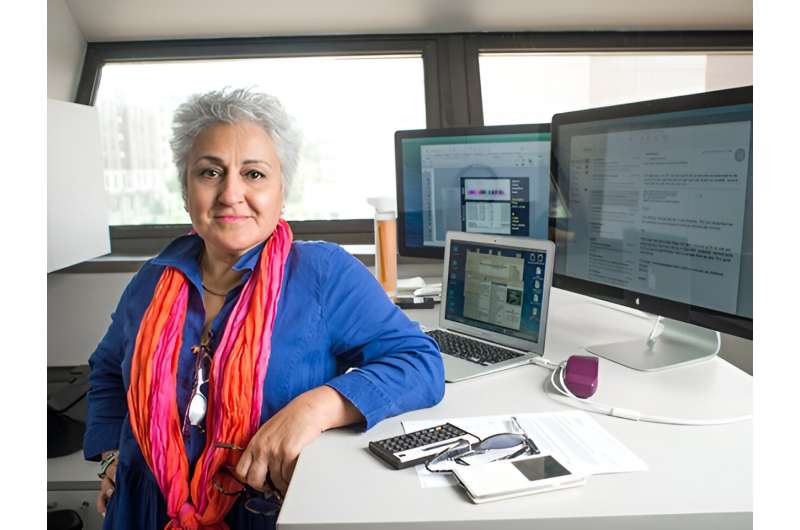
Haydeh Payami, Ph.D. Credit: Steve Wood

New research published by neurology researchers from the University of Alabama at Birmingham in npj Parkinson's Disease found that preventable risk factors play a significant role in a person's potential of developing Parkinson's disease.

29 jan 2024--The 1,223 persons studied at UAB hailing from the Southern region of the United States included 808 with PD and 415 neurologically healthy controls. Researchers came away with two significant findings that indicated that preventable risks affect the risk of Parkinson's disease: Repeated blows to the head sustained in activities like football and exposure to herbicides and pesticides.

First, the study found that repeated blows to the head in sports or military combat that seem harmless and may not even cause concussion doubled a person's risk of developing PD later in life. Second, 23% of cases of PD in both men and women were associated with exposure to pesticides, herbicides or military-related chemical exposures. Together, head injury and exposure to environmental toxins may account for nearly 1 in 3 cases of PD in men, and 1 in 4 in women.

"Parkinson's disease is rising fast globally, and there is an unspoken assumption that there is no prevention—but there is," said Haydeh Payami, Ph.D., professor and John T. & Juanelle D. Strain Endowed Chair in the UAB Department of Neurology, faculty in the Center for Neurodegeneration and Experimental Therapeutics, and the study's lead author.

"Our research demonstrated that a substantial fraction of PD in the Deep South is attributable to risk factors that can be reduced or avoided. Our paper puts a number on how many cases of PD could potentially be prevented if toxic chemicals were eliminated and if we made contact sports like football safer."While genes play an important part in a person's exposure to PD cases, with about 5% of cases caused by genetic mutations that are hereditary, the other 95% of PD cases are thought to be caused by various external factors that cause disease in individuals who are genetically susceptible to their damaging effect.

As the research for this study was conducted at UAB and research participants were all from the Deep South, Payami shared that findings indicate that incidence of disease will likely vary by population depending on how prevalent the risk factors are.

For instance, in Europe, where many of the toxic chemicals that are commonly found in American products are banned, a lower fraction of Parkinson's disease could be attributed to those specific chemicals. Furthermore, numbers could change with time for better or worse, depending on actions taken now to clean the environment and improve health and safety standards.

More information: Haydeh Payami et al, Population fraction of Parkinson's disease attributable to preventable risk factors, npj Parkinson's Disease (2023). DOI: 10.1038/s41531-023-00603-z

Monday, November 13, 2023


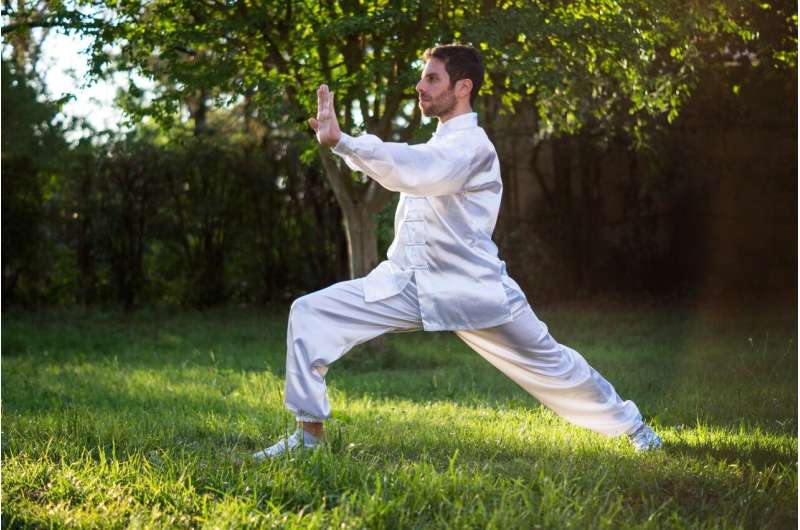
Tai chi may curb Parkinson's disease symptoms and complications for several years

tai chi
Credit: Pixabay/CC0 Public Domain

Tai chi, the Chinese martial art that involves sequences of very slow controlled movements, may curb the symptoms and complications of Parkinson's disease for several years, reveals research published online in the Journal of Neurology Neurosurgery & Psychiatry.

13 nov 2023--Its practice was associated with slower disease progression and lower doses of required drugs over time, the findings show.

Parkinson's disease is a debilitating and progressive neurodegenerative disorder, characterized by slowness of movement, resting tremor, and stiff and inflexible muscles. It is the fastest growing neurological condition in the world, with the numbers of those affected projected to reach nearly 5 million by 2030 in China alone. In the UK, two people are diagnosed with the disease every hour according to the charity Parkinson's UK.

As yet, there is no cure for Parkinson's, and while drugs can improve clinical symptoms, they don't treat all the manifestations of the disease. There's no evidence that they slow progression either, explain the researchers. Previously published research suggests that tai chi eases Parkinson's symptoms in the short term, but whether this improvement can be sustained over the long term isn't known.

In a bid to find out, the researchers monitored two groups of patients with Parkinson's disease for more than five years from January 2016 to June 2021.

One group of 147 patients practiced tai chi twice a week for an hour, aided by the provision of classes to improve their technique. The other group of 187 patients continued with their standard care, but didn't practice tai chi.

Disease severity was formally assessed in all the participants at the start of the monitoring period, and disease progression, including increases in the need for medication, were subsequently monitored in November 2019, October 2020, and June 2021.

The extent of movement and other symptoms, such as autonomic nervous system function (to include bowel movements, urinary and cardiovascular issues); mood, sleep quality, and cognition; and the prevalence of complications, such as dyskinesia (involuntary movement); dystonia (abnormal muscle tone); decline in responsiveness to drug treatment over time; mild cognitive impairment; hallucinations; restless leg syndrome were also tracked, using validated scales.

Disease severity, medication use, sex, age, and education level, were similar in both groups.

Disease progression was slower at all monitoring points in the tai chi group, as assessed by three validated scales to assess overall symptoms, movement, and balance.

The number of patients who needed to increase their medication in the comparison group was also significantly higher than it was in the tai chi group: 83.5% in 2019 and just over 96% in 2020 compared with 71% and 87.5%, respectively.

Cognitive function deteriorated more slowly in the tai chi group as did other non-movement symptoms, while sleep and quality of life continuously improved.

And the prevalence of complications was significantly lower in the tai chi group than in the comparison group: dyskinesia 1.4% vs. 7.5%; dystonia 0% vs. 1.6%; hallucinations 0% vs. just over 2%; mild cognitive impairment 3% vs. 10%; restless leg syndrome 7% vs. 15.5%.

Falls, dizziness, and back pain were the three side effects reported by study participants, but these were all significantly lower in the tai chi group. While 23 people sustained a fracture, these all occurred during routine daily life and were fewer in the tai chi group: 6 vs. 17.

This is an observational study, and as such, can't establish cause and effect. The researchers also acknowledge that the number of study participants was relatively small and they weren't randomly assigned to their group.

But they conclude, "Our study has shown that tai chi retains the long-term beneficial effect on [Parkinson's disease], indicating the potential disease-modifying effects on both motor and non-motor symptoms, especially gait, balance, autonomic symptoms and cognition."

They add, "[Parkinson's disease] can worsen motor function and non-motor symptoms progressively with time, resulting in disability and influencing the quality of life. The long-term beneficial effect on [the disease] could prolong the time without disability, leading to a higher quality of life, a lower burden for caregivers, and less drug usage."

More information: Effect of long-term Tai Chi training on Parkinson's disease: a 3.5-year follow-up cohort study, Journal of Neurology Neurosurgery & Psychiatry (2023). DOI: 10.1136/jnnp-2022-330967


Sunday, July 09, 2023


Smart watches could detect Parkinson's up to seven years before hallmark symptoms appear

smart watch
Credit: CC0 Public Domain

Smart watches could identify Parkinson's disease up to seven years before hallmark symptoms appear and a clinical diagnosis can be made, new research reveals.

09 Jul 2023--In the new study, scientists analyzed data collected by smart watches over a 7-day period measuring participants' speed of movement. They found that they could accurately predict, using artificial intelligence (AI), those who would go on to later develop Parkinson's disease.

Researchers say this could be used as a new screening tool for Parkinson's disease, which would enable detection of the disorder at a much earlier stage than current methods allow.

The study was led by scientists at the UK Dementia Research Institute and Neuroscience and Mental Health Innovation Institute (NMHII) at Cardiff University. It is published today (July 3) in the journal Nature Medicine.

Parkinson's affects cells in the brain called dopaminergic neurons, located in an area of the brain known as the substantia nigra. It causes motor symptoms such as tremor, rigidity (stiffness), and slowness of movement. By the time these hallmark symptoms of Parkinson's begin to show, and a clinical diagnosis can be made, more than half of the cells in the substantia nigra will already have died.

Therefore, there is a need for cheap, reliable and easily accessible methods to detect early changes so that intervention can be made before the disease causes extensive damage to the brain.

The researchers analyzed data collected from 103,712 UK Biobank participants who wore a medical-grade smart watch for a 7-day period in 2013–2016. The devices measured average acceleration, meaning speed of movement, continuously over the week-long period.

They compared data from a subset of participants who had already been diagnosed with Parkinson's disease, to another group who received a diagnosis up to seven years after the smart watch data was collected. These groups were also compared to age- and sex-matched healthy people.

The researchers showed that, using AI, it is possible to identify participants who would later go on to develop Parkinson's disease, from their smart watch data. Not only could these participants be distinguished from healthy controls in the study, but the researchers then extended this to show that the AI could be used to identify individuals who would later develop Parkinson's in the general population. They found that this was more accurate than any other risk factor or other recognized early sign of the disease in predicting whether someone would develop Parkinson's disease. The model was also able to predict time to diagnosis.

A limitation to the study is the lack of replication using another data source, as there are currently no other comparable data sets that would allow for similar analysis. However, extensive evaluation was performed to mitigate any biases.

Study leader Dr. Cynthia Sandor, emerging leader at the UK Dementia Research Institute at Cardiff University, said, "Smart watch data is easily accessible and low-cost. As of 2020, around 30% of the UK population wear smart watches. By using this type of data, we would potentially be able to identify individuals in the very early stages of Parkinson's disease within the general population.

"We have shown here that a single week of data captured can predict events up to seven years in the future. With these results we could develop a valuable screening tool to aid in the early detection of Parkinson's. This has implications both for research, in improving recruitment into clinical trials, and in clinical practice, in allowing patients to access treatments at an earlier stage, in future when such treatments become available."

Dr. Kathryn Peall, clinical senior lecturer in the NMHII at Cardiff University, said, "For most people with Parkinson's disease, by the time they start to experience symptoms, many of the affected brain cells have already been lost. This means that diagnosing the condition early is challenging. Though our findings here are not intended to replace existing methods of diagnosis, smart watch data could provide a useful screening tool to aid in the early detection of the disease. This means that as new treatments hopefully begin to emerge, people will be able to access them before the disease causes extensive damage to the brain."

More information: Cynthia Sandor, Wearable movement-tracking data identify Parkinson's disease years before clinical diagnosis, Nature Medicine (2023). DOI: 10.1038/s41591-023-02440-2www.nature.com/articles/s41591-023-02440-2

Saturday, January 29, 2022


Study could explain why Parkinson's drug improves, then diminishes quality of life

Study could explain why Parkinson’s drug improves, then diminishes quality of life
“Although L-dopa remains the gold standard for Parkinson’s treatment, as the disease progresses, efficacy decreases, requiring higher and more frequent doses, which increases the risk of dyskinesia,” says the study’s co-corresponding author Amal Alachkar, Ph.D., associate professor of teaching in UCI’s Department of Pharmaceutical Sciences. “Our study indicates that L-dopa may play a significant role in this process.” Credit: School of Pharmacy & Pharmaceutical Sciences / UCI

A team of University of California, Irvine researchers has discovered a possible reason why L-dopa, the front-line drug for treating Parkinson's disease, loses efficacy and causes dyskinesia—involuntary, erratic muscle movements of the patient's face, arms, legs and torso—as treatment progresses.

29 jan 2022--"Paradoxically, the exact therapy that improved the quality of life for tens of thousands of Parkinson's patients is the one that contributes to the rapid decline in quality of life over time," said the study's co-corresponding author Amal Alachkar, Ph.D., associate professor of teaching in UCI's Department of Pharmaceutical Sciences. "L-dopa has been shown to accelerate disease progression through neural mechanisms that are not very well understood."

Findings from the study were recently published in ACS Chemical Neuroscience.

L-dopa and other pharmacological treatments for Parkinson's are designed to replace the lost dopamine caused by the degeneration of nerve cells in the . Although dopamine can't cross the blood-brain barrier, which lets substances such as water and oxygen pass into the brain, L-dopa can, and it's used to treat the disease's motor symptoms. However, 99 percent of L-dopa is metabolized outside the brain, so it's administered in combination with an enzyme inhibitor to increase the amount of the dose that reaches the brain to 5 to 10 percent and to prevent side effects such as nausea and heart problems.

The team studied the molecular binding characteristics of L-dopa and related compounds using an optical technology called surface plasmon resonance to measure interactions between the drug and target proteins. Findings demonstrate that L-dopa and the protein siderocalin combine in the presence of iron to create a complex that may cause a cellular iron overload, leading to an imbalance between free radicals and antioxidants, as well as neuroinflammation in the brain, triggering dyskinesia, fluctuations in mobility and freezing episodes. As Parkinson's progresses, lower doses of L-dopa induce these negative side effects, while the dose required to alleviate disease symptoms increases, resulting in a narrow therapeutic window.

"This small L-dopa molecule is certainly mysterious," Alachkar said. "We're interested in unlocking L-dopa mysteries and, in particular, understanding how it acts as such a magic therapeutic agent and, at the same time, contributes to disease progression. The formation of the L-dopa-siderocalin complex may play a role in decreasing efficacy by reducing the amount of free L-dopa available for dopamine synthesis in the brain."

Ongoing UCI studies focus on testing whether continuous L-dopa administration in animal models of Parkinson's disease is associated with increased iron accumulation in the brain's dopaminergic neurons and if this accumulation depends on L-dopa binding to siderocalin. Researchers also want to determine whether the complex can be detected in the blood of Parkinson's patients, serving as a biomarker showing the correlation with their physical deterioration and as a target for novel treatments for the disease.


More information: Sammy Alhassen et al, Surface Plasmon Resonance Identifies High-Affinity Binding of l-DOPA to Siderocalin/Lipocalin-2 through Iron–Siderophore Action: Implications for Parkinson's Disease Treatment, ACS Chemical Neuroscience (2021). DOI: 10.1021/acschemneuro.1c00693

Sunday, December 26, 2021


SARS-CoV-2 protein interacts with Parkinson's protein, promotes amyloid formation

SARS-CoV-2 protein interacts with Parkinson's protein, promotes amyloid formation
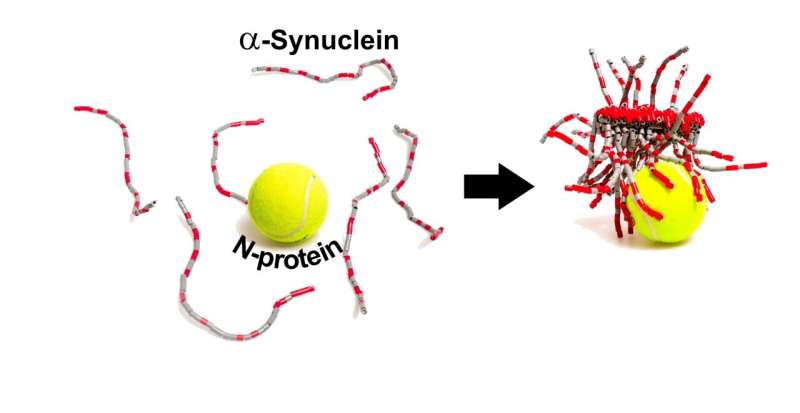
The SARS-CoV-2 N-protein can interact with α-synuclein in the test tube and help it form amyloid fibrils, a hallmark of Parkinson's disease. Credit: Adapted from ACS Chemical Neuroscience 2021, DOI: 10.1021/acschemneuro.1c00666

Case reports of relatively young COVID-19 patients who developed Parkinson's disease within weeks of contracting the virus have led scientists to wonder if there could be a link between the two conditions. Now, researchers reporting in ACS Chemical Neuroscience have shown that, at least in the test tube, the SARS-CoV-2 N-protein interacts with a neuronal protein called α-synuclein and speeds the formation of amyloid fibrils, pathological protein bundles that have been implicated in Parkinson's disease.

26 dec 2021--In addition to respiratory symptoms, SARS-CoV-2 can cause neurological problems, such as loss of smell, headaches and "brain fog." However, whether these symptoms are caused by the virus entering the brain, or whether the symptoms are instead caused by chemical signals released in the brain by the immune system in response to the virus, is still controversial. In Parkinson's disease, a protein called α-synuclein forms abnormal amyloid fibrils, leading to the death of dopamine-producing neurons in the brain. Interestingly, loss of smell is a common premotor symptom in Parkinson's disease. This fact, as well as case reports of Parkinson's in COVID-19 patients, made Christian Blum, Mireille Claessens and colleagues wonder whether protein components of SARS-CoV-2 could trigger the aggregation of α-synuclein into amyloid. They chose to study the two most abundant proteins of the virus: the spike (S-) protein that helps SARS-CoV-2 enter cells, and the nucleocapsid (N-) protein that encapsulates the RNA genome inside the virus.

In test tube experiments, the researchers used a fluorescent probe that binds amyloid fibrils to show that, in the absence of the coronavirus proteins, α-synuclein required more than 240 hours to aggregate into fibrils. Adding the S-protein had no effect, but the N-protein decreased the aggregation time to less than 24 hours. In other experiments, the team showed that the N- and α-synuclein proteins interact directly, in part through their opposite electrostatic charges, with at least 3–4 copies of α-synuclein bound to each N-protein. Next, the researchers injected N-protein and fluorescently labeled α-synuclein into a cell model of Parkinson's disease, using a similar concentration of N-protein as would be expected inside a SARS-CoV-2-infected cell. Compared to control cells with only α-synuclein injected, about twice as many cells died upon injection of both proteins. Also, the distribution of α-synuclein was altered in cells co-injected with both proteins, and elongated structures were observed, although the researchers could not confirm that they were amyloid. It's unknown whether these interactions also occur within neurons of the human brain, but if so, they could help explain the possible link between COVID-19 infection and Parkinson's disease, the researchers say.


More information: Slav A. Semerdzhiev et al, Interactions between SARS-CoV-2 N-Protein and α-Synuclein Accelerate Amyloid Formation, ACS Chemical Neuroscience (2021). DOI: 10.1021/acschemneuro.1c00666
Provided by American Chemical Society

Friday, August 27, 2021


Tailoring wearable technology and telehealth in treating Parkinson's disease

Parkinson's disease
Credit: Pixabay/CC0 Public Domain

Wearable health technologies are vastly popular with people wanting to improve their physical and mental health. Everything from exercise, sleep patterns, calories consumed and heart rhythms can be tracked by a wearable device.

26 aug 2021--But timely and accurate data is also especially valuable for doctors treating patients with complicated health conditions using virtual care.

A new study from the Southern Medical Program (SMP), based at UBC Okanagan, has examined the use of wearable health technology and telehealth to treat patients with Parkinson's disease.

Dr. Daryl Wile, a movement disorder specialist and SMP clinical assistant professor, routinely uses telehealth to connect with Parkinson's patients across the vast and rugged landscape of British Columbia's interior.

"Even prior to the pandemic, telehealth helped deliver specialized care to patients living in remote and rural settings," says Wile, a clinical investigator with the Centre for Chronic Disease Prevention and Management. "But with the complex nature of Parkinson's, we wanted to enhance these appointments to better understand how movements vary throughout a patient's entire day."

To add a new layer of health information, Wile and the research team added wearable technology to the equation.

"We recruited Parkinson's patients with either tremors or involuntary movements," says Joshua Yoneda, SMP student and co-author of the study. "We then divided them into two groups—some using telehealth and device-based health tracking and others attending traditional face-to-face appointments."

The telehealth group wore wearable devices to track their movements, involuntary or not, throughout waking hours. The reported data was then reviewed during telehealth appointments to identify peak times patients experienced Parkinson's symptoms.

"With the integration of accurate and reliable data from wearable devices, we were able to tailor a patient's medication to better manage their symptoms throughout the day," adds Wile.

As part of the study, patients were asked a series of questions from the standardized Parkinson Disease Quality of Life Index. Both study groups were assessed at intervals of six weeks, three months and six months.

Overall, the patients using the wearable devices reported positive experiences and health outcomes in combination with telehealth appointments to access specialized care.

"There's definitely a strong case to leverage multiple technologies to improve a patient's quality of life and limit the added stress and cost associated with travel," says Yoneda.


More information: Dakota Peacock et al, Tailoring the use of wearable systems and telehealth for Parkinson's disease, Parkinsonism & Related Disorders (2021). DOI: 10.1016/j.parkreldis.2021.07.004
Provided by University of British Columbia 

Monday, May 03, 2021


International task force determines current Parkinson's disease subtyping may not fit all patients

Parkinson's disease
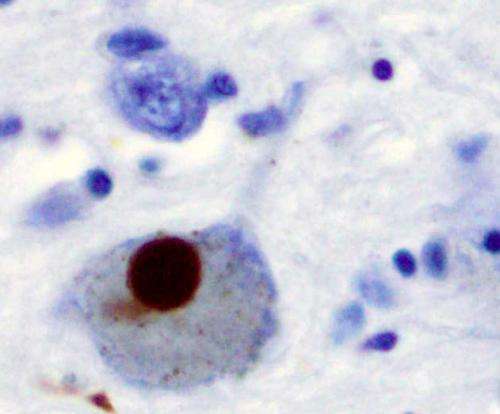
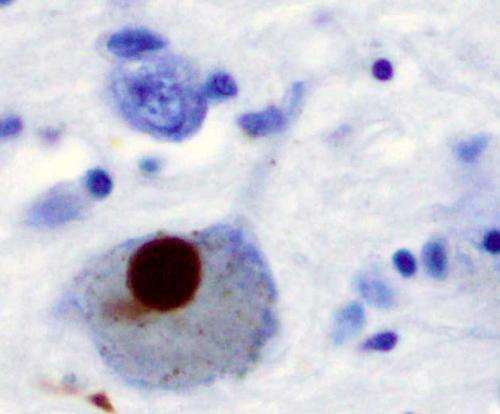
Immunohistochemistry for alpha-synuclein showing positive staining (brown) of an intraneural Lewy-body in the Substantia nigra in Parkinson's disease. Credit: Wikipedia

The clinical presentation and underlying biology of Parkinson's disease (PD) varies significantly, but attempts to cluster cases into a limited number of subtypes have questionable applicability and relevance, reports the international Task Force for PD Subtypes in the Journal of Parkinson's Disease. Their systematic review of studies reporting a subtyping system for the first time concludes that new approaches are needed that acknowledge the individual nature of the disease and are more aligned with personalized medicine.

03 may 2021--In 2018, the International Parkinson's Disease and Movement Disorders Society (MDS) convened the Task Force for PD Subtypes to critically appraise available PD subtyping studies and to provide guidance for the design and conduct of future studies.

"Subtyping of PD attempts to explain the disease mechanisms, its natural history and, more importantly, to inform therapeutic development, which has justified a large number of studies by different groups over the last 30 years. However, the impact of such efforts remains unclear. They have failed to substantially change the understanding of PD or clinical care thus far. Our current review critically appraises the state of the art in PD subtyping," explained lead authors Tiago A. Mestre, MD, Ph.D., Parkinson's Disease and Movement Disorders Center, Division of Neurology, Department of Medicine, The Ottawa Hospital Research Institute, and Connie Marras, MD, Ph.D., Edmond J. Safra Program in Parkinson's Disease and the Morton and Gloria Shulman Movement Disorders Clinic, Toronto Western Hospital, University Health Network.

The Task Force conducted a systematic review of PD subtypes presented in 38 studies divided into two publication periods (1980-2014 and 2015-2019), which yielded a balanced distribution of included studies into a more recent group representing the current state of the field and older studies to test for temporal trends. They also compared two subtyping methodologic approaches (data-driven versus hypothesis-driven) and critically assessed the methodologic quality and clinical applicability of each study.

The clinical and biological signature of PD may be unique to the individual, rendering PD resistant to meaningful cluster solutions. This review revealed that subtyping studies undertaken to date have significant methodologic shortcomings, and most had questionable clinical applicability and unknown biological relevance. Twenty-six of the studies were cross-sectional and used a data-driven approach. Nonclinical biomarkers were rarely used. Motor characteristics were most commonly reported to differentiate PD subtypes. Most of the studies did not achieve high ratings across a Methodologic Quality Checklist. In a Clinical Applicability Checklist, the clinical importance of differences between subtypes, potential treatment implications, and applicability to the general population were rated poorly, and subtype stability over time and prognostic value were largely unknown.

Quality ratings revealed clear areas for improvement. More extensive use of longitudinal data was regarded as critical for gaining a better understanding of the stability of proposed subtypes and their prognostic value. Although historically, there is a paucity of longitudinal studies, the Task Force found that the use of longitudinal data to define or evaluate subtypes was more common in the last five years due to the public availability of large datasets. They noted that only one study had used longitudinal profiling as the basis for defining subtypes, incorporating data on the evolution of clinical or biological features across time into the definition of subtypes.

The Task Force proposed that serial cluster analyses could provide data about the stability of proposed subtypes and the influence of disease duration on their characteristics. Such approaches could provide additional prognostic value, using information about the early evolution of disease to inform later prognosis or underlying biology.

Contemporary medicine is increasingly focusing on personalized treatment, which extends to patients with PD, noted the Task Force. Subtyping places individuals in groups with similar but not identical features. While this may represent an important step toward identifying individuals who can respond preferentially to certain treatments, placing individuals within a group will inevitably fall short of the truly "personal" goal.

Many of the recommendations in this review could apply to future studies in which the unit of measure is the individual's disease fingerprint rather than the group phenotype, acknowledged the Task Force, while recognizing that such an individual approach poses financial and logistical challenges which will have to be overcome when it comes to clinical trials.

"Having reviewed the existing literature on subtyping and explored the methodologic pitfalls and challenges associated with performing the optimal subtyping studies described above, it is time to reevaluate our approach to understanding and describing PD heterogeneity," commented Dr. Mestre and Dr. Marras. "We have provided recommendations and formulated questions that, once addressed, will inform new approaches to better explain the variability in PD including emphasis on the variability at an individual level, more aligned with future application of personalized medicine principles."

PD is a slowly progressive disorder that affects movement, muscle control, and balance and is characterized by a broad range of motor and non-motor symptoms. It is the second most common age-related neurodegenerative disorder affecting about 3% of the population by the age of 65 and up to 5% of individuals over 85 years of age.


More information: Tiago A. Mestre et al, Parkinson's Disease Subtypes: Critical Appraisal and Recommendations, Journal of Parkinson's Disease (2021). DOI: 10.3233/JPD-202472
Provided by IOS Press 

Thursday, March 11, 2021


Sesaminol prevents Parkinson's disease by activating a signaling pathway

Sesaminol: Parkinson's disease's surprise medicine
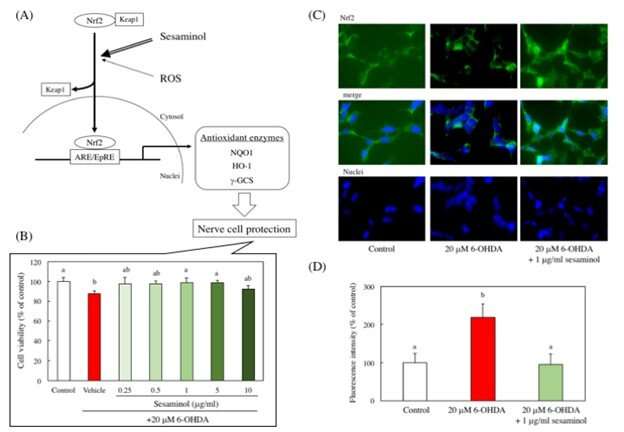
(A) The neuroprotection by sesaminol. ARE: antioxidant response element, EpRE: electrophile responsive element, ROS: reactive oxygen species, NQO1: NAD(P)H: quinone oxidoreductase, HO-1: hemo oxygenase-1, ?-GCS:??-glutamylcysteine synthetase(B) Effects of sesaminol and 6-OHDA on the viability of SH-SY5Y cells.SH-SY5Y cells were incubated with 0.25~10 ?g/ml of sesaminol for 2 h, followed by treatment with 20 ?M 6-OHDA for 24 h. The cell viability was measured using the MTT assay. The results represent the means ± SD of 6 experiments. Values without a common letter are significantly different (p<0.01).(C) Effects of 6-OHDA and sesaminol on nuclear translocation of Nrf2.SH-SY5Y cells were incubated with 1 ?g/ml of sesaminol for 2 h, followed by treatment with 20 ?M 6-OHDA for 3 h. Intracellular Nrf2 was stained using primary and secondary antibodies and nuclei were stained using DAPI.(D) Effects of 6-OHDA and sesaminol on intracellular ROS levels.SH-SY5Y cells were incubated with 1 ?g/ml of sesaminol for 2 h, followed by treatment with 20 ?M 6-OHDA for 6 h. Intracellular ROS levels were measured using DCFH-DA. The fluorescence intensity of intracellular ROS. The results represent the means ± SD of 10 cells. Values without a common letter are significantly different (p<0.05). Credit: Akiko Kojima-Yuasa

Researchers report that the chemical sesaminol, naturally occurring in sesame seeds, protects against Parkinson's disease by preventing neuronal damage that decreases the production of dopamine. In vitro experiments show sesaminol handles oxidative stress in cells by regulating the production of reactive oxygen species and the movement of antioxidants. In vivo experiments reveal that dietary intake of sesaminol increases production of dopamine and significantly improves motor function in mice.

11 março 2021--Sesame seed oil, used by many for its nutty aroma and high burn point, is made by extracting the fatty oils from sesame seeds, with the empty shells thrown out as waste. In a literal instantiation of the age-old adage "one man's trash is another man's treasure," researchers discovered that a chemical called sesaminol, abundant in this waste, has protective effects against Parkinson's disease.


"Currently, there is no preventive medicine for Parkinson's disease," states OCU Associate Professor Akiko Kojima-Yuasa, "We only have coping treatments." Associate Professor Kojima-Yuasa led her research group through a series of experiments to understand the effects of sesaminol on in vitro and in vivo Parkinson's disease models.

Parkinson's disease is caused when certain neurons in the brain involved with movement break down or die due in part to a situation called oxidative stress—neurons in the brain come under extreme pressure from an imbalance between antioxidants and reactive oxygen species (ROS). In cell-based in vitro experiments, the team found that sesaminol protected against neuronal damage by promoting the translocation of Nrf2, a protein involved in the response to oxidative stress, and by reducing the production of intracellular ROS.

In vivo experiments brought Associate Professor Kojima-Yuasa's team equally promising results. The impairment of movement due to Parkinson's disease is the result of damaged neurons producing less dopamine than is required. The team showed that mice with Parkinson's disease models show this lack of dopamine production. However, after feeding the mice a diet containing sesaminol for 36 days, the research team saw an increase in dopamine levels. Alongside this, a rotarod performance test revealed a significant increase in motor performance and intestinal motor function.

With the first-ever medicine for Parkinson's disease potentially being the naturally occurring food ingredient sesaminol, naturally occurring waste of the sesame seed industry, Associate Professor Kojima-Yuasa and her team are ready to take their work to the clinical trial phase and connect the consumption/production chain in a way that, as she puts it, "prevents diseases with natural foods to greatly promote societal health."


More information: Haruka Kaji et al, Sesaminol prevents Parkinson's disease by activating the Nrf2-ARE signaling pathway, Heliyon (2020). DOI: 10.1016/j.heliyon.2020.e05342
Provided by Osaka City University

Sunday, February 21, 2021


Machine learning can help doctors diagnose Parkinson's disease by looking at patients' movements

Parkinson's disease
Immunohistochemistry for alpha-synuclein showing positive staining (brown) of an intraneural Lewy-body in the Substantia nigra in Parkinson's disease. Credit: Wikipedia

Scientists from Skoltech and A.I. Burnazyan Federal Medical and Biophysical Center have designed and developed a second opinion system based on AI-assisted video analysis that can help medical professionals to objectively assess patients with Parkinson's disease (PD), even at an early stage. This approach can help avoid misdiagnosing this disease, distinguishing between its stages, adjusting therapy and recommending diagnosed patients for deep brain stimulation surgery. The paper was published in IEEE Sensors Journal.

21 feb 2021--A growing number of people with neurodegenerative diseases, due to population aging, will mean that in the coming decades, humanity might face a bona fide Parkinson's disease pandemic. PD, currently the fastest growing neurodegenerative disease, affects the patients' quality of life quite severely and needs to be diagnosed as accurately and as early as possible. The challenge there is to distinguish between Parkinson's and other diseases with similar motor symptoms, for instance, essential tremor. So far, PD has no single biomarker that could be used to diagnose it consistently, and doctors have to rely on their observations, which often lead to wrong diagnoses revealed in pathological examinations.

Assistant Professor Andrey Somov and his colleagues built a so-called second opinion system that uses machine-learning algorithms to analyze video recordings of patients performing specific motor tasks. In a small pilot study, this system showed a very high level of performance in detecting potential cases of PD and distinguishing it from essential tremor.

The system uses video recordings, making the diagnostic process fast, unobtrusive and comfortable for the patients. The team designed a set of 15 common exercises such as walking, sitting down on chair, standing up, folding a towel, filling a glass with water, and touching one's nose with one's index finger. These were general and finer movements, no movement at all (to assess tremor at rest) and some activities that clinicians use to evaluate the tremor.

"The exercises were designed under the supervision of neurologists and came from several different sources, including scales that are used for monitoring Parkinson's disease and previous research done in this area. Each exercise had a target symptom that it could reveal," Ekaterina Kovalenko, Skoltech Ph.D. student and a coauthor of the paper, explained.

In the pilot study, 83 patients with or without neurodegenerative diseases were recorded performing these tasks. The videos were then processed using a piece of software that places keypoints onto the human body corresponding to joints and other parts of the body, creating simplified models of moving subjects. Those were analyzed using machine learning techniques.

The team says that the use of video and machine learning introduces a certain degree of objectiveness into the diagnostic process, allowing researchers and doctors to detect very specific features of the disease and its stages which are not visible to the naked eye.

"Our preliminary results show potential in improving diagnosis with the help of video analysis. Our goal is to provide a second opinion for doctors and clinicians, not to replace them. A video-based method perhaps is the most convenient for patients, as it is the most versatile and noninvasive when compared to various sensors and testing," the authors write in their paper.

"Machine learning and computer vision methods we used in this research are already well established in a number of medical applications; they can be trusted, and the diagnostic exercises for Parkinson's disease have been in development by neurologists for some time. What is truly new about this study is our quantitative ranking of these exercises according to their contribution to a precise and specific final diagnosis. This could only be achieved in collaboration between doctors, mathematicians and engineers," Dmitry Dylov, Skoltech Associate Professor and coauthor of the study, said.

In earlier studies, Somov's team also used wearable sensors in a similar feasibility study that helped them detect the most informative exercises for machine learning-assisted diagnosis of Parkinson's.

"As part of the research process, we had the opportunity to closely interact with doctors and medical personnel, who shared their ideas and experience. It was fascinating observing how two seemingly different disciplines came together to help people. We also had the opportunity to monitor all parts of the research, from designing the methodology to data analysis and machine learning," Kovalenko said.

"This collaboration between doctors and scientists in data analysis allows for many important clinical nuances and details that help achieve the best results. We as doctors see great potential in this; apart from differential diagnosis, we need objective tools to assess motor fluctuation in patients with PD. These tools can provide a more personalized approach to therapy and help make decisions on neurosurgical interventions as well as assess the outcomes of surgery later," neurologist Ekaterina Bril, a coauthor of the paper, noted.

Andrey Somov said the team's next goal is to combine video analysis and sensor data in the task of detecting PD and diagnosing its stages—they expect that this will improve accuracy. "We also keep in mind the innovation aspects of our work—our team agrees that it does make sense to consider converting our research results into an intuitive software product. We believe our joint research efforts will have a positive effect for the patients with PD," he added.

More information: Ekaterina Kovalenko et al. Distinguishing Between Parkinson's Disease and Essential Tremor Through Video Analytics Using Machine Learning: a Pilot Study, IEEE Sensors Journal (2020). DOI: 10.1109/JSEN.2020.3035240
Provided by Skolkovo Institute of Science and Technology 

Tuesday, September 22, 2020


Parkinson's disease is not one, but two diseases

Parkinson's disease
Immunohistochemistry for alpha-synuclein showing positive staining (brown) of an intraneural Lewy-body in the Substantia nigra in Parkinson's disease. Credit: Wikipedia

Although the name may suggest otherwise, Parkinson's disease is not one but two diseases, starting either in the brain or in the intestines. Which explains why patients with Parkinson's describe widely differing symptoms, and points towards personalized medicine as the way forward for people with Parkinson's disease.

22 september 2020--This is the conclusion of a study which has just been published in the leading neurology journal Brain.

The researchers behind the study are Professor Per Borghammer and Medical Doctor Jacob Horsager from the Department of Clinical Medicine at Aarhus University and Aarhus University Hospital, Denmark.

"With the help of advanced scanning techniques, we've shown that Parkinson's disease can be divided into two variants, which start in different places in the body. For some patients, the disease starts in the intestines and spreads from there to the brain through neural connections. For others, the disease starts in the brain and spreads to the intestines and other organs such as the heart," explains Per Borghammer.

He also points out that the discovery could be very significant for the treatment of Parkinson's disease in the future, as this ought to be based on the individual patient's disease pattern.

Parkinson's disease is characterized by slow deterioration of the brain due to accumulated alpha-synuclein, a protein that damages nerve cells. This leads to the slow, stiff movements which many people associate with the disease.

In the study, the researchers have used advanced PET and MRI imaging techniques to examine people with Parkinson's disease. People who have not yet been diagnosed but have a high risk of developing the disease are also included in the study. People diagnosed with REM sleep behavior syndrome have an increased risk of developing Parkinson's disease.

The study showed that some patients had damage to the brain's dopamine system before damage in the intestines and heart occurred. In other patients, scans revealed damage to the nervous systems of the intestines and heart before the damage in the brain's dopamine system was visible.

This knowledge is important and it challenges the understanding of Parkinson's disease that has been prevalent until now, says Per Borghammer.

"Until now, many people have viewed the disease as relatively homogeneous and defined it based on the classical movement disorders. But at the same time, we've been puzzled about why there was such a big difference between patient symptoms. With this new knowledge, the different symptoms make more sense and this is also the perspective in which future research should be viewed," he says.

The researchers refer to the two types of Parkinson's disease as body-first and brain-first. In the case of body-first, it may be particularly interesting to study the composition of bacteria in the intestines known as the microbiota.

"It has long since been demonstrated that Parkinson's patients have a different microbiome in the intestines than healthy people, without us truly understanding the significance of this. Now that we're able to identify the two types of Parkinson's disease, we can examine the risk factors and possible genetic factors that may be different for the two types. The next step is to examine whether, for example, body-first Parkinson's disease can be treated by treating the intestines with feces transplantation or in other ways that affect the microbiome," says Per Borghammer.

"The discovery of brain-first Parkinson's is a bigger challenge. This variant of the disease is probably relatively symptom-free until the movement disorder symptoms appear and the patient is diagnosed with Parkinson's. By then the patient has already lost more than half of the dopamine system, and it will therefore be more difficult to find patients early enough to be able to slow the disease," says Per Borghammer.

The study from Aarhus University is longitudinal, i.e. the participants are called in again after three and six years so that all of the examinations and scans can be repeated. According to Per Borghammer, this makes the study the most comprehensive ever, and it provides researchers with valuable knowledge and clarification about Parkinson's disease—or diseases.

"Previous studies have indicated that there could be more than one type of Parkinson's, but this has not been demonstrated clearly until this study, which was specifically designed to clarify this question. We now have knowledge that offers hope for better and more targeted treatment of people who are affected by Parkinson's disease in the future," says Per Borghammer.

According to the Danish Parkinson's Disease Association, there are 8,000 people with Parkinson's disease in Denmark and up to eight million diagnosed patients worldwide.

This figure is expected to increase to 15 million in 2050 due to the aging population, as the risk of getting Parkinson's disease increases dramatically the older the population becomes.


More information: Jacob Horsager et al, Brain-first versus body-first Parkinson's disease: a multimodal imaging case-control study, Brain (2020). DOI: 10.1093/brain/awaa238
Provided by Aarhus University 

Sunday, December 08, 2019

From depression to Parkinson's disease: The healing power of dance

From depression to Parkinson's disease: The healing power of dance
Historically, the body and movement have been widely disregarded within psychotherapy. But times are changing, as a growing movement of somatic and dance therapies are gaining scientific credibility. Credit: Shutterstock
Why do we stop dancing when we grow up? Why do we disconnect and alienate ourselves from the body? It is surprising to me that dance/movement therapy (DMT) is not more popular within the fields of psychology and psychotherapy globally.
08 dec 2019--For a couple of decades, I devoted my attention as a researcher in behavioral neurobiology and psychiatry almost exclusively to the brain and mental health, neglecting the rest of the body.
I was trained in the late 1990s, the decade of the brain. I have been mesmerized by the complexity of the brain, completely forgetting that it is part of the entire organism, intimately connected and reciprocally interacting with the entire body.
Interestingly, in my personal life my body has played a central role. My way to deal with any mental health problems has been through long walks, dancing and yoga.
This is partly why in the past few years, as a professor in psychology at Bishop's University, I have started incorporating bodywork in my teaching and research, and why I entered a dance/movement therapy training program in Canada this summer.
Understanding the body in motion
Dance/movement therapy goes beyond simply dancing. DMT uses dance and movement to promote insight, integration and well-being, as well as to diminish undesirable symptoms in various clinical populations.
Unlike mainstream talk therapies, DMT uses the entire body to approach the client primarily on a non-verbal and creative level. The body in motion is both the medium and the message. DMT recognizes the moving body as the centre of the human experience, and that body and mind are in constant reciprocal interaction.
Just like with more traditional psychotherapies, DMT can be applied in a wide range of ways. It may involve talking, different types of music or no music at all. It can be done in groups, with individuals or with couples. Therapists sometimes dance with their clients and at other times observe.
A group therapy session may involve a warm-up and check-in as to where we are at emotionally, mentally and physically. It may be followed by the development of a theme, which emerges spontaneously or has been prepared by a therapist (for example, working with difficult emotions). It ends with grounding (reconnecting with our bodies and our selves in the present moment) and closure (for example, a gesture, a sound, a word).
An introduction to dance/movement therapy from the American Dance Therapy Association.
All of this is done with our bodies in motion or stillness, but some verbal sharing, journaling, drawing and other elements may be added.
Dance/movement therapy has been around for several decades but it has never become widely popular, possibly due to a lack of well-designed research studies. This has changed and I would like to highlight here a few recent studies supporting the benefits of dance and DMT on emotional regulation, cognitive function and neural plasticity.
A positive effect on depression
One of the main reasons people dance is to modify their emotional state; typically, they strive to feel more joy and happiness and to reduce stress and anxiety. Since its inception dance therapy, similar to somatic psychotherapies, has emphasized the reciprocal interaction between body and mind, and the ability to regulate emotions via changes in body postures and movements.
The exploration of new movements can evoke novel perceptions and feelings. It may also facilitate seeing a wider range of possibilities in a given situation. Some new or old movement patterns may evoke repressed material and enhance better understanding of oneself and one's environment and history.
One of the most compelling studies supporting this idea examined complex improvised movements, and identified unique sets of movement components that can elicit the feelings of happiness, sadness, fear or anger. The associations between emotions and specific motor components have been used in the past for diagnosis or emotion recognition. This study goes further and proposes specific techniques for modifying emotions.
A recent systematic review of research on dance/ specifically found it to be effective in the treatment of adults with depression.
Improvements in Parkinson's disease
Dance typically involves learning sequences of steps and movements in space, in coordination with music. In other words, it requires substantial physical and cognitive engagement and, as such, it should improve not only muscle tone, strength, balance and coordination, but also memory, attention and visuospatial processing.
When comparing relatively long-term dance interventions (of six and 18 months) to conventional fitness training, several studies have found improvements in attention and verbal memory and neuroplasticity in healthy older adults. Researchers also found improvements in memory and cognitive function for older adults with mild cognitive impairment after a 40-week dance program.
In addition, a recent meta-analysis of seven randomized controlled trials comparing the effects of dance therapy to non-dance interventions in Parkinson's disease found that dance was especially beneficial for executive function, the processes that help us plan, organize and regulate our actions.
A new report from WHO/Europe provides evidence of the benefits of the arts for mental and physical health.
Changes in brain structure
A recent descriptive systematic review included eight well-controlled studies, all of which demonstrated changes in brain structure following dance intervention. These changes included:increased hippocampal and parahippocampal volume (involved in memory), increased gray matter volume in the precentral gyrus (involved in ) and white matter integrity in the corpus callosum (involved in communication between the two hemispheres).
Overall, these studies are compatible with the idea of using dance and DMT in various neurological and psychiatric disorders —such as Parkinson's disease, Alzheimer's disease and mood disorders —as well as in the general population.
New possibilities for feeling and perceiving
It is clear that dance has a powerful effect on the human body and psyche.
DMT from its inception emphasized that the body is inseparable from, and in constant reciprocal interaction with, the mind. As such, sensations, perceptions, emotions and thinking affect our body and the way we move. By observing the body we can deduce mental states.
Conversely, our posture and our movements have the power to transform our mental states, to evoke repressed memories, to release spontaneity and creativity, to reorganize our brains. New ways of moving and dancing may produce new ways of feeling and perceiving the world.
This is one of the most exciting and profound aspects of DMT and it is shocking that the body, movement and dance have been almost entirely ignored by mainstream psychotherapy. It is time to change that!
Provided by The Conversation