Showing posts with label centenarians. Show all posts

Saturday, November 05, 2022


Why centenarians consistently present a younger epigenetic age than their chronological age

Aging | Centenarians consistently present a younger epigenetic age than their chronological age with four epigenetic clocks base
Description of the four DNA methylation-based epigenetic clocks used in our study. Credit: 2022 Daunay et al.

Aging is a progressive time-dependent biological process affecting individuals differentially. Some may present exceptional longevity. One of the hallmarks of aging is epigenetic alterations, which comprise the epigenetic drift and clock at DNA methylation level.

05 nov 2022--In a new study published in Aging, researchers Antoine Daunay, Lise M. Hardy, Yosra Bouyacoub, Mourad Sahbatou, Mathilde Touvier, Hélène Blanché, Jean-François Deleuze, and Alexandre How-Kit from Foundation Jean Dausset—CEPH, Laboratory of Excellence GenMed, Sorbonne Paris Nord University, University of Paris (CRESS), and Institut François Jacob investigated the DNA methylation-based age (DNAmage) of long-lived French individuals in the CEPH Aging Cohort using four epigenetic clocks.

"In the present study, we estimated the DNA methylation-based age (DNAmage) using four epigenetic clocks based on a small number of CpGs in French centenarians and semi-supercentenarians (CSSC, n=214) as well as nonagenarians' and centenarians' offspring (NCO, n=143) compared to individuals from the French general population (CG, n=149)," report the researchers.

DNA methylation analysis of the nine CpGs included in the epigenetic clocks showed high correlation with chronological age (-0.66>R>0.54) and also the presence of an epigenetic drift for four CpGs that was only visible in CSSC. DNAmage analysis showed that CSSC and to a lesser extend NCO present a younger DNAmage than their chronological age (15-28.5 years for CSSC, 4.4-11.5 years for NCO and 4.2-8.2 years for CG), which were strongly significant in CSSC compared to CG (p-values<2.2e-16).

These differences suggest that epigenetic aging and potentially biological aging are slowed in exceptionally long-lived individuals and that epigenetic clocks based on a small number of CpGs are sufficient to reveal alterations of the global epigenetic clock.

"This suggests a decelerated epigenetic and biological aging in these two groups of individuals, confirming the results of three other studies performed on Italian, Australian and Israeli long-lived individuals. In addition, our study also demonstrated the possibility of using epigenetic clocks based on a small number of CpG sites to reveal DNAmage and chronological age differences between individuals with different life expectancy."

More information: Antoine Daunay et al, Centenarians consistently present a younger epigenetic age than their chronological age with four epigenetic clocks based on a small number of CpG sites, Aging (2022). DOI: 10.18632/aging.204316
Provided by Impact Journals LLC

Sunday, August 01, 2021


Centenarians have a distinct microbiome that may help support longevity

Centenarians have a distinct microbiome that may help support longevity
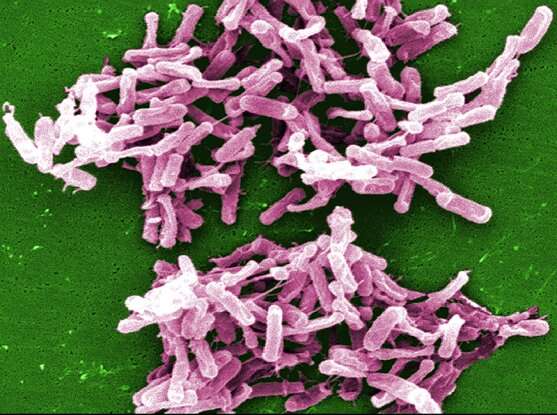
Researchers found that a compound made by intestinal microbes in centenarians strongly inhibits the growth of Clostridium difficile (colorized), which causes severe diarrhea and gut inflammation. Credit: Janice Carr/CDC

Centenarians are less susceptible to age-related chronic diseases and more likely to survive infectious diseases. Now, a new study reveals that people who live to be 100 or older have a unique microbiome that may protect them from certain bacterial infections including those caused by multidrug-resistant bacteria. The findings, published in Nature, could help researchers develop new ways to treat chronic inflammation and bacterial disease.

01 aug 2021--A team of researchers including Yuko Sato, Koji Atarashi, Nobuoshi Hirose, and Kenya Honda at Keio University School of Medicine in Japan, and Damian Plichta and Ramnik Xavier at the Broad Institute of MIT and Harvard, studied microbes found in fecal samples from 160 Japanese centenarians who had an average age of 107. They found that centenarians, compared to people aged 85 to 89 and those between 21 and 55, had higher levels of several bacterial species that produce molecules called secondary bile acids. Secondary bile acids are generated by microbes in the colon and are thought to help protect the intestines from pathogens and regulate the body's immune responses.

The researchers next treated common infection-causing bacteria in the lab with the secondary bile acids that were elevated in the centenarians. One molecule, called isoalloLCA, strongly inhibited the growth of Clostridioides difficile, an antibiotic-resistant bacterium that causes severe diarrhea and gut inflammation. Feeding mice infected with C. difficile diets supplemented with isoalloLCA similarly suppressed levels of the pathogen. The team also found that isoalloLCA potently inhibited the growth of or killed many other gram positive pathogens, suggesting that isoalloLCA may help the body maintain the delicate equilibrium of microbial communities in a healthy gut.

"The ecological interaction between the host and different processes in bacteria really suggests the potential of these gut bugs for health maintenance," said Plichta, a computational scientist at the Broad and co-first author of the study.

Larger and longer-term studies from different regions around the world may help uncover a causal link between longevity and bile acids. In the meantime, the bacteria identified in this study could help researchers study how to manipulate bile acids to treat infections caused by antibiotic-resistant bacteria.

"A unique cohort, international collaboration, computational analysis, and experimental microbiology all enabled this discovery that the gut microbiome holds the keys to healthy aging," said Xavier, core institute member at the Broad and co-corresponding author of the study. "Our collaborative work shows that future studies focusing on microbial enzymes and metabolites can potentially help us identify starting points for therapeutics."


More information: Yuko Sato et al, Novel bile acid biosynthetic pathways are enriched in the microbiome of centenarians, Nature (2021). DOI: 10.1038/s41586-021-03832-5
Provided by Broad Institute of MIT and Harvard 

Thursday, March 11, 2021


Happiness of centenarians a severely neglected area of research

old birthday
Credit: Unsplash/CC0 Public Domain

A systematic review by researchers at the Centre for Healthy Brain Aging (CHeBA), UNSW Sydney has highlighted the need for clearer definitions of 'happiness', 'life satisfaction' and 'positive affect' in centenarians. This is the first systematic review to summarize the literature on the subjective wellbeing of this unique age group.

11 mar 2021--The review, published in Aging & Mental Health, identified 18 studies that followed patients from several weeks to 18 years and looked at subjective wellbeing, comprising a cognitive component and an affective component.

The cognitive component is represented as 'life satisfaction' and the affective or mood component defined in relation to a person's immediate emotional state.

"Rapid population aging is an issue faced by many countries, with near centenarian and centenarian populations also increasing rapidly—with an expected global rise from 441,000 in 2013 to about 20 million in 2100," says co-author and Co-Director of CHeBA, Professor Henry Brodaty.

"Despite this rapid growth, centenarians remain an underrepresented group in aging research," says Professor Brodaty.

Professor Brodaty says that although interest in subjective wellbeing and its relationship with exceptional longevity is increasing, the happiness of centenarians remains a severely neglected area of research which needs to be addressed.

Lead author Adrian Cheng says research into the happiness of centenarians is important because examination of subjective wellbeing in this unique group can reveal factors associated with good psychological health.

According to Mr Cheng, the review revealed that while centenarians consistently have similar levels of happiness as younger age groups, it was unclear if this was the same for their life satisfaction and positive affect, which comprises positive emotions, enthusiasm and joy.

Demographic variables such as sex, living situation and ethnicity did not show any significant association with life satisfaction, positive affect or happiness.

"Perceived health—which is the perception of our own health—was consistently associated with higher levels of life satisfaction and positive affect," said Mr Cheng. "Therefore, having a positive view about our own health, or possibly simply having better health, as we age is important as part of the aging process."

"In contrast, fatigue and visual impairment were clearly associated with lower levels of life satisfaction and positive affect," says Mr Cheng.

"These may be targets for future interventions to improve life satisfaction in older populations.

Mr Cheng says an international consortium of centenarian studies could facilitate cross-cultural comparisons on subjective wellbeing.

"Future research should be directed towards interventions that promote subjective wellbeing in the oldest old," says Mr Cheng.


More information: Adrian Cheng et al. A systematic review of the associations, mediators and moderators of life satisfaction, positive affect and happiness in near-centenarians and centenarians, Aging & Mental Health (2021). DOI: 10.1080/13607863.2021.1891197
Provided by CHeBA

Saturday, September 29, 2018

Many proxies unaware of centenarians' thoughts on death

Many proxies unaware of centenarians' thoughts on death
Many proxies of centenarians are not well-informed about the centenarians' thoughts and plans regarding the end of life (EOL), according to a study published in the July issue of the Journal of the American Geriatrics Society.

29 sept 2018--Kathrin Boerner, Ph.D., from the University of Massachusetts in Boston, and colleagues conducted a population-based study with semistructured in-person interviews to explore how centenarians think about and plan for EOL. Seventy-eight centenarians were interviewed and reported on their thoughts about EOL, perception of EOL as threatening, longing for death, and engagement in EOL planning; the same set of questions was answered by proxies based on what they thought the centenarians' perspective was.
The researchers found that proxies misjudged whether the centenarian thought about EOL in 44.3 percent of cases. Just 1.5 percent of centenarians perceived EOL as threatening, and 24.2 percent reported longing for death; however, proxies over- and underestimated the former and the latter, respectively. Compared with centenarians, proxies reported more centenarian EOL planning.
"Health care professionals should be aware that, even for very old adults approaching the end of their lives, discussions about EOL and EOL planning may need to be actively encouraged and supported," the authors write.

More information: Abstract/Full Text (subscription or payment may be required)

Monday, July 02, 2018

Who wants to live to 100?

Who wants to live to 100?
A lonely life. Credit: Robert Kneschke/Shutterstock.com
While the ageing of society has become one of the givens in today's world, less is made of the lived experience of the very elderly in society. And although there is some suggestion that the much trumpeted steady expansion of the human lifespan has begun to slow down, the numbers of very old people continue to grow. Despite this, debates about the resourcing of universal health and social care tend not to examine the costs associated with extreme ageing. Yet the problem of chronic conditions and multiple morbidity is greatest among octagenerians and nonagenarians.


02 july 2018--Very old age, if commented upon, is presented as if it were a kind of extreme sports competition. Centenarians are celebrated simply for reaching 100. Nonagenarians hit the news when they run a mile, climb a mountain or pilot a plane. Otherwise, silence reigns. Yet the focus of most social care is on people aged 80 and over – a group for whom care is needed because health cures have failed them. The morbidities and infirmities that beset the extremely aged are not so much ignored as abandoned to the efforts of medical services and social care.
At UCL, we are trying to throw some light on this darker side of ageing. There are of course a number of ways that such "hyper-ageing" can be approached and understood. One view celebrates the fact that the more and more people can expect to live for 100 years or more. Another sees it as an apocalyptic disaster, as agedness "swamps" the resources of society needed to maintain itself. Yet another view juggles between the successes of more years of healthy active life and the failings of more years of living with disability and infirmity.

Changing patterns of disease

Across the world, the burden of disease has been receding. But this is more the case for illnesses affecting younger people and those that are likely to lead to death, rather than disablement. By contrast, conditions that are degenerative and disabling more often than causing death remain largely unchanged.
Rates of osteo-arthritis, for example, which disables but does not kill you, have been rising over the last 25 years (from 213·4 cases per 100,000 in 1990 to 232·1 cases per 100,000 in 2016). Rates for Alzheimer's disease, which disables more than it causes death, have also grown but in a less pronounced manner, (rising from 460·9 cases per 100,000 in 1990 to 470·6 cases per 100,000 in 2016).
Although some chronic conditions affecting older people, such as chronic obstructive pulmonary disease, which kills and disables you, have been falling (from 1666·8 cases per 100,000 in 1990 to 945·3 cases per 100,000 in 2016), the really large falls in disease prevalence have been in conditions affecting the young, such as cases of diarrhoea and related common infectious diseases, which have dropped remarkably, from 8951·2 in 1990 to 3275·6 in 2016.
In Denmark, one of the few national surveys of nonagenerians was conducted around the turn of this century. The researchers found that the majority contacted had some disability and that women were more often affected than men. The same researchers also observed that "about 10% of the octogenarians and more than 55% of the centenarians live in nursing homes, while dependency rises from approximately 30% to 70%, and the prevalence of dementia rises from approximately 7% to 50%".
In the UK, one study of 85-year-olds found a median number of five diseases per person, with more than half suffering from hearing impairment, just over half from osteoarthritis, and just under half suffering from high blood pressure. Just under a quarter had some form of cancer. Less than 5% told the researchers that their health was poor: most said it was good.

The silent issue

This last point emphasises how extreme ageing presents issues that easily go unremarked upon. Its problems are largely confined within the individual household or in long-term care institutions. Wider society scarcely acknowledges these problems and most of those on the receiving end, whether carers or people being cared for, are simply too overwhelmed to do much about them.
Although not closed off to the public, the nursing home remains more present in the imagination than in most people's everyday experience. The social networks of the frail elderly, whether living at home or in a nursing home, tend to be so much smaller than those of the rest of the population. Most people over 80 live alone. They often have only a few people to talk with. Meantime, stories of abuse, or TV footage of the inside of the nursing home paint a grim picture to all who watch, read or hear them.
These isolation and neglect of these spaces help preserve the distance between an "us" who are, if we are ageing, ageing well clear of such scenarios, and a "them", who are not. To be old and frail is not an identity to be acclaimed and the old and frail are generally unable or unwilling to represent themselves as such.
For many of these people, life can be difficult. Estimates suggest that chronic pain "in people aged 85 years or older is common", affecting the majority of people from this age group. Aged lives of quiet desperation are sadly not rare, nor are most lived in the heroic terms of the marathon-running nonagenarian that hits the news.
In drawing attention to this, we are not attempting to promote further victimhood. What we hope to achieve is to cast a little light upon the darker side of our ageing and of our ageing societies. Old age should not be sought out just for the sake of it.

This article was originally published on The Conversation. Read the original article

Provided by The Conversation

Tuesday, December 26, 2017

Experts say these two things are the secret to living a longer life

Experts say these two things are the secret to living a longer life
Costa Rica’s Nicoya Peninsula is home to the second-largest community of centenarians in the world. 
"Blue zones" are areas of the world where people live considerably longer lives. On these territories we can find octogenarians, nonagenarians and many centenarians, and even some supercentenarians (people who have reached the age of 110).
These regions were named "blue zones" after the Belgian demographer Michel Poulain and the Italian doctor Gianni Pes discovered a population with such features in the region of Barbaglia (Sardinia, Italy), and they marked out the area with blue ink

26 dec 2017--A demographic study carried out at the beginning of this century showed that one out of 196 people who were born between 1880 and 1990 reached the age of 100 years old.
Later on, the American researcher Dan Buettner embarked on a project aimed at identifying other areas with high longevity rates. He found four additional regions. These were also named "blue zones": Okinawa (Japan), Icaria (Greece), Loma Linda (California) and Nicoya Peninsula (Costa Rica). In all these territories there is a high proportion of long-lived people, and each area is characterised by specific features which relate to that condition.
In the region of Barbaglia, located in the Sardinian mountain area, there is the world's largest concentration of centenarians. Okinawa Island is inhabited by the oldest women on Earth. Icaria – an island which is located in the Aegean Sea – has the long-lived population with the lowest senile dementia levels. Loma Linda is home to a community of Seventh-day Adventists whose life expectancy is 10 years over the average lifespan in the United States. And in Nicoya we can find the second-largest community of centenarians in the world.
What is the secret behind this great longevity; the mystery of the blue zones, where so many centenarians live?
A team composed of several specialists (doctors, anthropologists, demographers, nutritionists, epidemiologists) – and led by Dan Buettner himself – travelled many times to the different blue zones. They identified the following nine general longevity factors, which are related to diet and lifestyle:
  1. intense and regular physical activity in the performance of daily duties. The concept of a sedentary lifestyle is unknown to the people living in these regions
  2. having an "ikigai" – a Japanese word (Okinawa) which is used to define our own "reasons for being" or, more precisely, the reasons why we wake up every morning
  3. reduction of stress, a factor which is closely linked to almost all ageing-related diseases. Stress reduction means interrupting the normal pace of our daily lives in order to allow time for other activities which are part of normal social habits. For example, taking a nap in Mediterranean societies, praying in the case of Adventists, the tea ceremony of women in Okinawa, and so on.
  4. "Hara hachi bu" – a Confucian teaching that means we should not continue to eat until we are full, but only until 80% of our eating capacity
  5. prioritising a diet that is rich in plant-based products. Meat, fish and dairy products may be consumed, but in lower amounts
  6. a moderate consumption of alcoholic beverages, which confirms the belief that moderate drinkers live longer lives than nondrinkers
  7. engaging in social groups that promote healthy habits
  8. engaging in religious communities with common religious practices
  9. building and maintaining solid relationships between family members: parents, siblings, grandparents and others.
To sum up, the above nine longevity factors could be synthesised in just two.
Firstly, maintaining a healthy lifestyle – which implies regular intensity exercise, including routines to "break" from daily stress, and including mainly plant-based products in our diets, eating without filling up and not drinking excessively.
Secondly, integrating in groups that promote and support those "good practices": family, religious communities, social groups, and so on – all of which must have their own "ikigai", that is, their own "reason to live". There is a personal "ikigai", but there is also a collective "ikigai" that sets the goals for each community as well as the challenges to overcome in order to achieve them.
Living this way means living better and longer. Longevity may be determined by genetics, but it is also something that can be trained, as can be seen in the example of the inhabitants of the blue zones.
Rafael Puyol, Director of the Observatory of Demography and Generational Diversity, IE Business School

This article was originally published on The Conversation. Read the original article.The Conversation

Provided by The Conversation

Wednesday, May 10, 2017

Lower incidence of chronic illness for centenarians

Lower incidence of chronic illness for centenarians
10 may 2017—Among elderly veterans, the incidence of chronic illness is lower for centenarians than octogenarians and nonagenarians, according to a study published online April 19 in the Journal of the American Geriatrics Society.

Raya Elfadel Kheirbek, M.D., M.P.H., from the Washington D.C. Veterans Affairs Medical Center, and colleagues conducted a retrospective study involving community-dwelling veterans born between 1910 and 1915 who survived to at least age 80 (31,121 octogenarians, 52,420 nonagenarians, and 3,351 centenarians). The authors examined the cumulative incidence of chronic conditions according to age group.
The researchers found that octogenarians had higher incidence rates of chronic illnesses than centenarians did (atrial fibrillation, 15 versus 0.6 percent; heart failure, 19.3 versus 0.4 percent; chronic obstructive pulmonary disease, 17.9 versus 0.6. percent; hypertension, 29.6 versus 3 percent; end-stage renal disease, 7.2 versus 0.1 percent; malignancy, 14.1 versus 0.6 percent; diabetes mellitus, 11.1 versus 0.4 percent; and stroke, 4.6 versus 0.4 percent). Nonagenarians also had higher incidence rates of chronic illnesses than did centenarians (atrial fibrillation, 13.2 versus 3.5 percent; heart failure, 15.8 versus 3.3 percent; chronic obstructive pulmonary disease, 11.8 versus 3.5 percent; hypertension, 27.2 versus 12.8 percent; end-stage renal disease, 11.9 versus 4.5 percent; malignancy, 8.6 versus 2.3 percent; diabetes mellitus, 7.5 versus 2.2 percent; and stroke, 3.5 versus 1.3 percent).
"Centenarians had a lower incidence of chronic illness than those in their 80s and 90s, demonstrating similar compression of morbidity and extension of health span observed in other studies," the authors write.

More information: Abstract
Full Text (subscription or payment may be required)

Saturday, April 29, 2017

Study finds new genetic variants associated with extreme old age

old person
The search for the genetic determinants of extreme longevity has been challenging, with the prevalence of centenarians (people older than 100) just one per 5,000 population in developed nations.

29 april 2017--But a recently published study by Boston University School of Public Health and School of Medicine researchers, which combines four studies of extreme longevity, has identified new rare variants in chromosomes 4 and 7 associated with extreme survival and with reduced risks for cardiovascular and Alzheimer's disease.
The results, published in the Journals of Gerontology: Biological Sciences, highlight the importance of studying "truly rare survival, to discover combinations of common and rare variants associated with extreme longevity and longer health span," the authors said.
The research group, led by Paola Sebastiani, professor of biostatistics the BU School of Public Health (BUSPH), created a consortium of four studies—the New England Centenarian Study, the Long Life Family Study, the Southern Italian Centenarian Study, and the Longevity Gene Project - to build a large sample of 2,070 people who survived to the oldest one percentile of survival for the 1900 birth year cohort. The researchers conducted various analyses to discover longevity-associated variants (LAVs), and to characterize those LAVs that differentiated survival to extreme age.
Their analysis identified new "extreme longevity-promoting variants" on chromosomes 4 and 7, while also confirming variants (SNPs, or single nucleotide polymorphisms) previously associated with longevity.
In addition, in two of the datasets where researchers had age-of-onset data for age-related diseases, they found that certain longevity alleles also were significantly associated with reduced risks for cardiovascular disease and hypertension.
"The data and survival analysis provide support for the hypothesis that the genetic makeup of extreme longevity is based on a combination of common and rare variants, with common variants that create the background to survive to relatively common old ages (e.g. into the 80s and 90s), and specific combinations of uncommon and rare variants that add an additional survival advantage to even older ages," the authors wrote.
They said, however, that while the "yield of discovery" in the study was more substantial than in prior genome-wide association studies (GWAS) of extreme longevity, it remained disappointing, in that the two most significant genotypes discovered "are carried by a very small proportion of the cases included in the analysis," meaning that much of the genetic variability around extreme lifespan remains unexplained.
"We expect that many more uncommon genetic variants remain to be discovered through sequencing of centenarian samples," they wrote. "Larger sample sizes are needed to detect association of rare variants... and therefore promising associations that miss the threshold for genome-wide significance are important to discuss."


Provided by Boston University Medical Center

Monday, November 14, 2016

France expects 13 times as many centenarians by 2070


France, which already has the most centenarians of any European country, could be home to 13 times more people over the age of 100 by 2070, the national statistics agency Insee said Thursday.
In January 2016, there were around 21,000 centenarians living in France, almost 20 times more than in 1970, it said.

14 nov 2016--If current life-expectancy trends continue, this could rise to 270,000 by 2070.
Insee said France currently had the most centenarians of any country in Europe, ahead of Spain and Italy, partly because it has one of the largest populations but also because life expectancy among women is particularly high.
By 2070, almost one centenarian in three was expected to be a man, up from a ratio of one in six currently, the study said.
France was also home to the oldest verified person ever—Jeanne Louise Calment, who died in 1997 aged 122 years and 164 days.

Tuesday, September 06, 2016

Italy's 100 club village reveals its secret

Scientists on Monday revealed part of the secret to why a small village in southern Italy has an unusual number of centenarians—low levels of a particular hormone that affects circulation.
Italian and US experts have spent the last six months investigating the extraordinary longevity of residents of Acciaroli, where more than one in 10—81 at the mayor's last count—of the village's population of 700 is over 100 years old.

06 sept 2016--Acciaroli is part of the Cilento coast, an area of outstanding natural beauty where the late US nutritionist Ancel Keys first established convincing evidence of the health benefits of a Mediterranean diet based on olive oil and rich in fresh fruit, vegetables and fish.
As well as reaching extremely old age, people in Acciaroli and tiny communities nearby also seem to be largely immune to dementia, heart disease and other chronic conditions associated with ageing in most of the Western world.
Researchers from Rome's Sapienza University and the San Diego School of Medicine said Monday that the explanation could lie in low levels of adrenomedullin, a hormone that acts to widen blood vessels.
Adrenomedullin is present "in a much reduced quantity in the subjects studied and seems to act as a powerful protecting factor, helping the optimal development of microcirculation", or capillary circulation, they said in a statement.
Capillary blood vessels tend to degenerate in older people, but the seniors in Cilento had capillaries of the sort found in much younger people, even those in their 20s.
The study also found "metabolites present (in the bodies of those studied) which may have a positive influence on longevity and the well-being of Cliento's centenarians", the statement said, without giving further details.
The researchers have decided to extend the study and expand their research, including by launching a fundraising campaign.
Aside from blood tests, the researchers also carried out cardiac and neurological tests, Alan S. Maisel, the San Diego cardiologist heading up the project, told AFP.
The scientists are looking into whether genetics could combine with lifestyle factors—diet and physical activity—to extend the villagers' longevity.
The Cilento locals all eat rosemary—known to improve brain function—almost every day, and also all practise some physical activity daily, such as fishing, walking or gardening, another line of enquiry for the scientists.
Before Monday's release of results, Maisel also pointed to what may be another important ingredient in the recipe for a long and happy life.
"Sexual activity among the elderly appears to be rampant," Maisel said. "Maybe living long has something to do with that, it's probably the good air and the joie de vivre."

Saturday, July 09, 2016

Living longer associated with living healthier, study of centenarians finds

old person
Credit: Peter Griffin/public domain
Research has shown that the human lifespan has the potential to be extended. But would this merely mean people living longer in poor health? The upbeat findings from a new study in the Journal of the American Geriatrics Society indicate that those extra years could well be healthy ones. In a study of nearly 3,000 people, the onset of illness came decades later in life for centenarians than for their younger counterparts.

09 july 2016--"Most people struggle with an ever-increasing burden of disease and disability as they age," said study leader Nir Barzilai, M.D., professor of medicine and of genetics at Albert Einstein College of Medicine, director of Einstein's Institute for Aging Research, and attending physician at Montefiore Health System. "But we found that those who live exceptionally long lives have the additional benefit of shorter periods of illness – sometimes just weeks or months – before death."
The researchers looked at the health status of centenarians and near-centenarians enrolled in two ongoing studies: the Longevity Genes Project (LGP) and the New England Centenarian Study (NECS). Since 1998, Dr. Barzilai and colleagues have conducted the LGP, which recruits healthy, independently living Ashkenazi Jewish people 95 and older from the northeastern United States. For comparison, the LGP includes a group of Ashkenazi Jewish individuals who do not have a parental history of longevity. The NECS began in 1994 as a study of all centenarians living in eight towns near Boston and was later expanded to include participants from North America generally as well as England, Ireland, Australia and New Zealand. The NECS comparison group consisted of people aged 58 to 95.
This study compared (1) the health status of 483 long-lived LGP participants with 696 LGP comparison individuals 60-94 years old, and (2) the health status of 1,498 long-lived NECS participants with 302 NECS comparison subjects aged 58-95. For both sets of comparisons, the researchers looked at the ages at which individuals developed five major age-related health problems: cancer, cardiovascular disease, hypertension, osteoporosis and stroke. Analysis revealed a consistent pattern of delayed onset of illness in the LGP and NECS centenarian groups compared to their respective comparison groups.
For example, for the long-lived NECS individuals, cancer didn't afflict 20 percent of men until age 97 and women until 99. In contrast, 20 percent of NECS comparison participants had developed cancer by age 67 in men and 74 in women. Results were similar for the LGP: for the long-lived LGP participants, the age at which 20 percent had developed cancer was delayed to 96 for both sexes. But cancer had affected 20 percent of LGP control-group males by age 78 and control-group females by 74.
Despite their genetic, social and cultural differences, the long-lived LGP and NECS participants proved markedly similar with respect to major illness: Compared to younger comparison groups, their onset of major age-related disease was delayed, with serious illness essentially compressed into a few years very late in life. The findings suggest that discoveries made in one group of centenarians can be generalized to diverse populations. And they contradict the notion that the older people get, the sicker they become and the greater the cost of taking care of them.
The study is titled "Compression of Morbidity Is Observed Across Diverse Cohorts with Exceptional Longevity."


Provided by Albert Einstein College of Medicine

Saturday, May 14, 2016

Italian woman, 116, seen as last living person born in 1800s

Italian woman, 116, seen as last living person born in 1800s
Emma Morano sits on her bed in her apartment in Verbania, Italy, Friday, May 13, 2016. Emma Morano is now the oldest person in the world. Not only that, but she is believed to be the last surviving person in the world who was born in the 1800s, coming into the world on Nov. 29, 1899. That's just 4 and a half months after Susannah Mushatt Jones, who died Thursday in New York at the age of 116. (Antonino Di Marco/ANSA via AP)
Surrounded by relatives and friends, Italy's Emma Morano greeted with a smile the news that she, at 116, is now the oldest person in the world.
Not only that, but Morano is believed to be the last surviving person in the world born in the 1800s, with a birthdate of Nov. 29, 1899. That's just 4 ½ months after Susannah Mushatt Jones, who died Thursday in New York, also at 116.
Journalists on Friday descended upon Morano's home in Verbania, a northern Italian mountain town overlooking Lake Major, to document her achievement, but had to wait until she finished a nap to greet her.
Morano lives in a neat one-room apartment, which she no longer leaves, and is kept company by a caregiver and two elderly nieces.
"I am doing fine —116!" she told well-wishers from her bed Friday.
"I finished school and I went to work. I used to sing. I had a beautiful voice," she added, summing up her life in a frail voice.
Her physician of 23 years, Dr. Carlo Bava, delivered the news earlier that she was officially the world's oldest person.
"She was very, very happy" and sitting up in a chair, he told The Associated Press in a phone interview. "She was all proud and contented."
Italian woman, 116, seen as last living person born in 1800s
Emma Morano sits on her bed in her apartment in Verbania, Italy, Friday, May 13, 2016. Emma Morano is now the oldest person in the world. Not only that, but she is believed to be the last surviving person in the world who was born in the 1800s, coming into the world on Nov. 29, 1899. That's just 4 and a half months after Susannah Mushatt Jones, who died Thursday in New York at the age of 116. (Antonino Di Marco/ANSA via AP)
For the occasion, he brought flowers as well seven Easter cakes called Colomba, an Italian specialty that he managed to procure out of season to satisfy her sweet tooth until Christmas, when Panettone is available.
The doctor said Morano has never had a very balanced diet, relying mostly on animal protein, the occasional banana and grapes in season. Her diet now includes two raw eggs and 100 grams of raw steak a day, which Bava prescribed after she had a bout of anemia some years back. Her nieces also make her apple sauce.
Italy is known for its centenarians—many of whom live on the Mediterranean island of Sardinia—and gerontologists at the University of Milan are studying Morano, along with a handful of Italians over 105, to try to figure out why they live so long.
Bava, who visits her every Friday, is convinced there's a genetic component to Morano's longevity in addition to her positive attitude. One of her sisters lived to be over 100 and another to nearly 100.
She has been in stable health for years, Bava said, with no chronic ailments.
Italian woman, 116, seen as last living person born in 1800s
In this Friday, June 26, 2015 photo, Emma Morano, 116, sits in her apartment in Verbania, Italy. At 116 years of age, Emma is now the oldest person in the world and is believed to be the last surviving person in the world who was born in the 1800s, coming into the world on Nov. 29, 1899. That's just 4 and a half months after Susannah Mushatt Jones, who died Thursday in New York at the age of 116. (AP Photo/Antonio Calanni, File)
"Her longevity is a genetic fact, nothing else," Bava said. "She is a person who from a young age had a difficult life that would have sapped the energy out of anyone."
He said Morano's husband beat her and she lost an infant son to crib death at 6 months. She supported herself working in a factory making jute bags, then in a hotel, working well past retirement age.
"She abandoned the husband in the Fascist era, when women were supposed to be submissive. She was always very decisive," her doctor said.
Bava, who has known Morano since she was 90, also praised her emotional stability.
"She is always a very serene. The beauty of Emma is that it is normal that she smiles, but also in difficulties, she is very decisive," he said. "But perhaps this tranquility comes with age, which becomes wisdom. Who knows?"
Italian woman, 116, seen as last living person born in 1800s
In this Friday, June 26, 2015 photo, Emma Morano, 116, sits in her apartment in Verbania, Italy. At 116 years of age, Emma is now the oldest person in the world and is believed to be the last surviving person in the world who was born in the 1800s, coming into the world on Nov. 29, 1899. That's just 4 and a half months after Susannah Mushatt Jones, who died Thursday in New York at the age of 116. (AP Photo/Antonio Calanni, File)
During a visit by the AP last summer, Morano was in feisty spirits, displaying the sharp wit and fine voice that used to stop men in their tracks.
"I sang in my house, and people on the road stopped to hear me singing. And then they had to run, because they were late and should go to work," she recalled, before breaking into a round of the 1930s Italian love song "Parlami d'amore Mariu."
"Ahh, I don't have my voice anymore," she lamented.

Tuesday, June 23, 2015

More women are reaching 100 but centenarian men are healthier

More women are reaching 100 but centenarian men are healthier

Credit: Marina Guimarães CC-BY-SA-2.0
New research conducted by a team at King's College London has found an increasing trend in the number of people in the UK reaching age 100 over the past two decades. The study also found that, whilst women were far more likely to reach 100 than men, males tended to be healthier and had fewer diagnosed chronic illnesses compared to women.
23 jun 2015--The study, published today in the Journal of the American Geriatrics Society, used electronic health records to examine some of the main age-related chronic illnesses, including diabetes, stroke, arthritis and cancer, as well as old age related problems including falls, fractures, dementia and hearing/visual impairments among 11,084 centenarians.
Findings suggested a 50 per cent increase in the number of females reaching the age of 100 years between 1990 and 2013 and that women were four times more likely to reach age 100 than men. There was also a 30 per cent increase in the number of males reaching 100 during the same period.
Whilst far less men reached the age of 100, those that did tended to be healthier, with females more likely to experience multiple chronic illnesses and disabilities such as fractures, incontinence and hearing/visual deterioration than men.
Less life-threatening conditions such as arthritis and other musculoskeletal diseases were also shown to be more prevalent than the more serious illnesses such as diabetes and cancer across both men and women in the sample.
The increase in the overall number of centenarians and conditions associated with reaching this age suggest that the utilisation of health care services by the elderly may increase substantially and could also have an impact on the associated health care costs.
More women are reaching 100 but centenarian men are healthier
However, further research is needed to understand why some people reach extreme old age without severe health problems and others do not. This could help to improve care, develop health services and improve quality of life for older generations in the future.
Nisha Hazra, lead author of the study from the Department of Primary Care and Public Health Sciences at King's College London said: 'We found a surprising number of 100 year-olds who had no major illnesses. However, as the number of people living to 100 continues to increase, it's very important to understand the evolving health care needs of the oldest old.
'This will help to accurately project health care costs associated with the ageing population. Future research should focus on understanding these implications to help develop healthcare services.'
More information: "Differences in Health at Age 100 According to Sex: Population-Based Cohort Study of Centenarians Using Electronic Health Records." Journal of the American Geriatrics Society on Monday 22 June 2015
Provided by King's College London

Friday, May 01, 2015

Lifestyle advice for would-be centenarians

For the past 50 years, researchers at Sahlgrenska Academy have followed the health of 855 Gothenburg men born in 1913. Now that the study is being wrapped up, it turns out that ten of the subjects lived to 100 and conclusions can be drawn about the secrets of their longevity.
01 may 2015--Over the past half century, the University Gothenburg has hosted one of the world's first prospective studies of aging. The subjects are 855 Gothenburg men born in 1913.
The first surveys were conducted in 1963.Now that it has been determined that ten of the men lived to 100, the study is being wrapped up.
Promotes longevity
Various surveys at the age of 54, 60, 65, 75, 80 and 100 permitted the researchers to consider the factors that appear to promote longevity.
A total of 27% (232) of the original group lived to the age of 80 and 13% (111) to 90. All in all, 1.1% of the subjects made it to their 100th birthday.
According to the study, 42% of deaths after the age of 80 were due to cardiovascular disease, 20% to infectious diseases, 8% to stroke, 8% to cancer, 6% to pneumonia and 16% to other causes.
A total of 23% of the over-80 group were diagnosed with some type of dementia.
Unique design
"The unique design has enabled us to identify the factors that influence survival after the age of 50," says Lars Wilhelmsen, who has been involved in the study for the past 50 years. "Our recommendation for people who aspire to centernarianism is to refrain from smoking, maintain healthy cholesterol levels and confine themselves to four cups of coffee a day."
Correlation with the mother's age
It also helps if you paid a high rent for a flat or owing a house at age 50 (indicating good socio-econmic standard), enjoy robust working capacity at a bicycle test when you are 54 and have a mother who lived for a long time.
"Our findings that there is a correlation with maternal but not paternal longevity are fully consistent with a previous studies," Dr. Wilhelmsen says. "Given that the same associations have been demonstrated in Hawaii, the genetic factor appears to be a strong one." But still we found that this "genetic factor" was weaker than the other factors. So factors that can be influenced are important for a long life.
No smokers
Two of the 100-year-olds dropped out of the study due to dementia and one for personal reasons. Facts about the other seven:
  • Two lived at home and five in assisted living facilities
  • None of them smoked
  • All of them exhibited good temporal and spatial cognition
  • All of them wore hearing aids
  • Most of them wore glasses, were able to read and watch TV
  • All of them were slim and had good postures
  • All of them used walkers
"Normally we conducted the surveys at hospitals, but we visited the seven centenarians at home," Dr. Wilhelmsen says. all of them were clinically healthy, satisfied with their circumstances and pleased to be living where they were."
More information: "Men born in 1913 followed to age 100 years." By Wilhelmsen L, Dellborg M, Welin L, Svärdsudd K. Published in Scandinavian Cardiovascular Journal. Link to abstract: www.ncbi.nlm.nih.gov/pubmed/25658252
Provided by University of Gothenburg

Thursday, November 13, 2014

World's oldest people share no genetic secrets, study finds

DNA
Think the reason some people live beyond the age of 100 is because of their genes? Think again.
13 nov 2014--US scientists said Wednesday they've found no genetic secrets shared between a group of 17 supercentenarians, or those who have lived beyond 110.
"From this small sample size, the researchers were unable to find rare protein-altering variants significantly associated with extreme longevity compared to control genomes," said the study led by Hinco Gierman of Stanford University.
The research was published in the November 12 issue of the open-access journal PLOS ONE.
People who live to age 100 and beyond are far less likely to get cancer—a 19 percent lifetime incidence compared to 49 percent in the general population—according to background information in the article.
Those who live more than a century also have lower rates of cardiovascular disease and stroke than controls.
There are 74 supercentenarians alive worldwide, and 22 live in the United States.
The 17 people whose genomes were sequenced had lived to age 110 and older.
Their average age at death was 112, and the longest living member of the group lived to age 116.
Fourteen had European ancestry; two were Hispanic and one was African-American.
Even though no genetic clues emerged in this study, scientists said they would make their analysis available to the public as a resource for future research.
"Supercentenarians are extremely rare and their genomes could hold secrets for the genetic basis of extreme longevity," it said.
More information: Gierman HJ, Fortney K, Roach JC, Coles NS, Li H, et al. (2014) Whole-Genome Sequencing of the World's Oldest People. PLoS ONE 9(11): e112430. DOI: 10.1371/journal.pone.0112430

Thursday, June 05, 2014

New health services needed for rise in 100-year-olds

Over 35,000 people lived to 100 years or more in England over the last ten years, with a large proportion subsequently dying from frailty exacerbated by pneumonia, according to a new study by King's College London. With the number of centenarians set to grow, end-of-life care needs to be tailored to the increasing frailty in this age group, warn the King's palliative care researchers. Boosting care home capacity and planning health services for the rise in centenarians could help to reduce reliance on hospital admission at the end of life and ensure a better quality of end-of-life.
05 jun 2014--Centenarians – people aged 100 years or over - are a rapidly growing demographic group worldwide. In 2011, centenarians globally numbered over 300,000. They are projected to reach three million worldwide by 2050, and 17 million at the end of the century. In the UK, this group has steadily increased since 1956 with numbers roughly doubling every 10 years. The latest Office of National Statistics figures indicate that 13,350 centenarians were living in the UK in 2012. Over half a million are expected to be living in the UK by 2066.
Few studies have looked at the health and social care needs of centenarians compared to younger cohorts of older people, or the implications of extreme longevity for health policy and services. The King's study, funded by the National Institute for Health Research Health Services and Delivery Research (HS&DR) Programme and published in the journal PLOS Medicine, examined the cause and place of death in 35,867 centenarians in England between 2001 and 2010, and compared these findings with those of people who died in their 80s to 90s. The study also looked at factors such as the effect of socioeconomic deprivation on place of death.
The 35,867 people in the study spanned the age range 100-115 years (average age 101), and mainly comprised women (87%) and widowed people (85%). The number of centenarian deaths per year in England increased from 2,800 in 2001 to nearly 4,400 in 2010. Areas of highest deprivation in the UK had the lowest proportion of centenarian deaths, with dying more likely to occur in hospital than in a community setting. The North East of England had the lowest overall proportion of centenarian deaths (4%).
Over the ten-year period, around 60 per cent of centenarians died in a residential or nursing care home, a quarter died in hospital, a tenth died at home and a small number (0.2%) in a hospice.
'Old age' was the most common cause of certifying death (28%), followed by pneumonia (18%) and other respiratory diseases (6%); stroke (10%); heart disease (9%) and other circulatory diseases (10%); dementia and Alzheimer's disease (6%); and cancer (4%). Pneumonia accounted for the largest group of hospital deaths, while across non-hospital settings 'old age' formed the largest category followed by pneumonia. Overall, three-quarters of centenarian death certificates stated 'old age' as either an underlying cause (28%) or contributing cause (47%).
The main causes of death changed with increasing age. In the group aged 80-85 years, heart disease was stated on 19% of death certificates, with 'old age' on only one per cent of certificates.
Dr Catherine Evans, Clinical Lecturer in Palliative Care at the Cicely Saunders Institute, King's College London said: "Centenarians have outlived death from chronic illness, but they are a group living with increasing frailty and vulnerability to pneumonia and other poor health outcomes. We need to plan for health care services that meet the 'hidden needs' of this group, who may decline rapidly if they succumb to an infection or pneumonia. We need to boost high quality care home capacity and responsive primary and community health services to enable people to remain in a comfortable, familiar environment in their last months of life.
"Compared to other European countries the proportion of people aged 90 years and over dying in hospital in England is high, and the number dying in care homes is low. For example, in the Netherlands and Finland more than three-quarters of people aged over 90 die in a long-term care setting such as a nursing home; far fewer die in hospital.
"Hospital admission in the last weeks of life accounts for a third of the total cost of end-of-life care per patient. Increasing the number of care home beds could reduce the reliance on hospital care, but we need to ensure caliber services are provided by GPs, community nurses and other healthcare working with social care providers to enable people to remain in their usual residence at the end of life if they choose."
More information: Evans CJ, Ho Y, Daveson BA, Hall S, Higginson IJ, et al. (2014) Place and Cause of Death in Centenarians: A Population-Based Observational Study in England, 2001 to 2010. PLoS Med 11(6): e1001653. doi:10.1371/journal.pmed.1001653 . www.plosmedicine.org/article/info%3Adoi%2F10.1371%2Fjournal.pmed.1001653
Provided by King's College London

Saturday, May 10, 2014

Spanish and Japanese centenarians reveal a genetic key to longevity

The genes of 894 men and women over the age of one hundred in Spain and Japan have revealed that the secret to longevity, at least in southern Europe, lies in a variant on chromosome 9p21.3, which had already been associated with the risk of cardiovascular disease.
10 may 2014--Centenarians live at least fifteen years longer than the average person in the West. This exceptional longevity is partially genetic.
There are a number of gene variants that may hold the key to a healthy old age life. For example, a polymorphism (that is, a particular sequence variation in the DNA among individuals from a particular population) called rs1333049 on chromosome 9p21.3 is related to chronic ailments associated with ageing, mainly with cardiovascular diseases.
The C allele is the copy of this gene that carries the greatest risk. In order to find out whether this polymorphism is also associated with extreme longevity, Spanish researchers performed an analysis of the frequencies of this polymorphism among centenarians and healthy adults in two independent cohorts, by geographical regions and by ethnic groups.
The study included 152 Spaniards aged between 110 and 111 years and 742 Japanese people aged between 100 and 115 years. The results have been published in the journal 'Age'.
"This variant may be associated with extreme longevity, particularly among the Spanish population," Alejandro Lucía, the main author and researcher at the European University and also a member of the Hospital 12 de Octubre Research Institute, told SINC. "The study also revealed that the risk allele reduces the possibilities of reaching one hundred years of age".
The frequency of the risk C variant in Spanish people over the age of one hundred was 47.0%, lower than in healthy people that were taken as a control sample in the study (52.9%) and individuals with cardiovascular disease (55.1%).
Significant differences were also discovered between the centenarians and the two control groups when their genotype frequencies were compared, in other words, the proportion of individuals with a specific gene sequence.
The results were different in the Japanese group. Among the Japanese participants, the risk gene variant had a similar frequency in centenarians (46.4%) and in healthy controls (47.3%), but it was less frequent than in controls performed withcardiovascular disease (57.2%).
Although the biological mechanisms through which this polymorphism could affect ageing are not known, it is adjacent to two genes called CDKN2A and CDKN2B, which play an important role in cell cycle regulation.
"In fact, the CDKN2A takes part in the p53 signalling pathway, one of the most important ones in the cell senescence regulation," adds Lucía.
Healthy ageing model
"People aged one hundred years or over are not only the peak of the population pyramid," says Lucía. "They also represent a healthy ageing model given that they have delayed, and sometimes even avoided, chronic illnesses that come with age and loss of independence and they tend to be just as health as nonagenarians".
This is why the authors believe it is important to know the genetic or environmental factors that condition the possibilities of reaching this age.
Although more research is required, the information obtained from this study coincides with others published recently on the Mediterranean population of the north of Italy, "therefore the effect of this gene seems to exist in southern Europe at least," concluded the researcher.
More information: Tomàs Pinós, Noriyuki Fuku, Yolanda Cámara, Yasumichi Arai, Yukiko Abe, Gabriel Rodríguez-Romo, Nuria Garatachea, Alejandro Santos-Lozano, Elisabet Miro-Casas, Marisol Ruiz-Meana, Imanol Otaegui, Haruka Murakami, Motohiko Miyachi, David Garcia-Dorado, Kunihiko Hinohara, Antoni L. Andreu, Akinori Kimura, Nobuyoshi Hirose y Alejandro Lucia. "The rs1333049 polymorphism on locus 9p21.3 and extreme longevity in Spanish and Japanese cohorts". AGE DOI: 10.1007/s11357-013-9593-0
Provided by Plataforma SINC

Saturday, July 13, 2013

China island centenarians claim secret of long life

The elderly residents of one Chinese county have endured invasion, civil war and famine, and many live in unheated concrete shacks on only a few dollars a day. But they are apparently among the longest-lived people on earth.
13 july 2013--Chengmai, a string of villages dotted with orange plantations in the tropical island province of Hainan, claims more than 200 residents aged over 100 out of a population of 560,000—one of the highest ratios in the world.
They are said to include at least three "supercentenarians"—the name given to those aged over 110—out of fewer than 400 thought to exist worldwide.
Li Aizhu, whose government-issued residence permit says she was born in 1900, hobbles daily from her tiny concrete bedroom, where an electric fan beats back the intense heat, to watch quacking ducks waddle past her family farmhouse.
"Who are these people?" Li asked relatives when visitors arrived, a shock of white hair framing her wrinkled face.
She aimed the same question at government officials who arrived with a metal plaque declaring her to be a "longevity celebrity", her family said. It now hangs above a hard wooden bench in her simple living room, entitling her to a 500 yuan ($81) monthly payment, and free medical treatment.
Other clusters of longevity are said to include Cuba, islands off Greece and Japan, and a peninsula in Costa Rica, with researchers finding common characteristics including an emphasis on family, lifestyles requiring physical activity, and a plant-based diet.
As China was swept by dramatic changes—from Japanese invasion, to the Communist victory in the civil war, and a transition from a planned economy to the market—most Chengmai residents carried on doing what they had always done, growing crops.
"I've never done any exercise, except hard farmwork," said 86 year-old Wang Kailu, who lives in a simple concrete shack with his wife Wu Aihe. The couple said they married the day after Japan's World War Two surrender, 68 years ago.
Their one-storey dwelling is barely furnished and Wang draws water from a well to spread on his small vegetable plot.
Experts on ageing who have travelled to the area say several factors could be involved in the phenomenon.
Jennifer Holdaway, who runs the China Environment and Health Initiative of the US-based Social Science Research Council and visited Chengmai for a government-funded conference last year, pointed out that its economy was centred around agriculture.
"There is not a lot of industry, the climate is good, they can get exercise easily, and the diet is healthy; they have plenty of fresh fruit and vegetables, and the soil is also naturally high in selenium", an essential nutrient, she said.
Locals, though, claimed a healthy reliance on alcohol was vital. Xu Yuhe, whose residency permit lists her as 104, told AFP that she takes daily shots of "Three Coconut Spring" a local grain spirit.
"I drink alcohol every evening, just a little bit, it helps you feel warm," added Sheng She, an 80-year-old who says she has 31 children and grandchildren.
Experts say an active social life is also a key to longevity, and each morning dozens of Chengmai's elderly pack out benches in a teahouse, with men at the back playing cards and women at the front, chatting and listening to clattering opera recordings.
"I come here every morning to exercise, watch opera and drink tea," said Sheng, before darting out to test her strength on a yellow-painted metal exercise machine.
A study commissioned by Chengmai's Communist Party committee put its residents' lifespans down to their being "diligent, simple-minded and magnanimous, mainly taking a vegetarian diet, eating sensibly, early to bed early to rise."
The county has coralled its centenarians into singing concerts and paraded them for the media as it seeks to promote itself as a centre of long life.
Property companies—which have developed large swathes of Hainan in recent years—also hope to cash in, with the island a hotspot for retirees from across China.
Soaring clumps of newly-built apartment blocks dot the county, with one named "Longevity City" trumpeting the ageing population in its advertising.
But while Chengmai has stepped up investment in elderly care—AFP visited a newly built set of huts for housing those whose families cannot look after them—facilities for the aged themselves remain basic.
Experts say longevity zones around the world are rarely in rich areas.
"If you're living in a climate like that you don't need very much to be comfortable: simple housing, a mosquito net, some rattan chairs and other people to hang out with," said Holdaway.
"It's a different matter if you live in the North where you have to spend a lot of time indoors and fresh food is expensive in the winter."
Li Aizhu, though, has a simpler explanation. "We asked her once," said the 113-year-old's great-granddaughter, Yi Mei. "She said its because she eats a lot of peanut oil, that's her secret."
Wednesday, January 23, 2013


When will we all live to 100? 40 percent of girls born now expected to reach this milestone

An article from John Appleby, Chief Economist at the Kings Fund, published on BMJ website today brings attention to the rising amount of those expected to live to 100 and asks where it will end.
23 jan 2013--According to the Office of National Statistics there seems to be "no end in sight" as far as the number of UK citizens reaching 100 years old is concerned. Approximately 13% of girls born in 1951 are expected to reach this milestone, increasing to 40% for girls born this year and a predicted 60% of those born in 2060.
Appleby attributes similar worldwide trends to the fact that people are dying at older ages. Deaths in children under five have fallen by 60% since 1970, and surviving early childhood makes it easier to live a much longer life.
Variations between men and women, social groups and countries have, however, remained significant with one UK study finding a difference of 11.4 years (80 years compared with 68.6 years) between women in the poorest and most affluent social classes.
And although "living longer is a good thing", research suggests that gains in life expectancy have more to do with reductions in deaths than reductions in years lived in disability. While life expectancy for women has risen 4.6% since 1990, healthy life expectancy has risen by only 3%.
As more and more people live longer, Appleby asks whether we may find ourselves "scrabbling for resources" but concludes that this is unlikely and there is "no need to panic".
Provided by British Medical Journal