Showing posts with label hypertension. Show all posts

Monday, November 13, 2023


Newly published updates on hypertensive heart disease burden in older adults
Updates on hypertensive heart disease burden in older adults
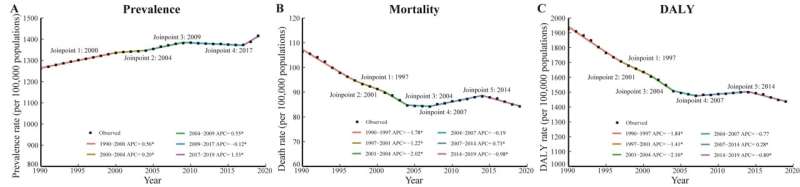
Joinpoint regression analysis of global prevalence (A), mortality (B), and DALY rate (C) for HHD in individuals aged 60–89 years between 1990 and 2019. * P <0.05. APC: Annual percentage change; DALY: Disability-adjusted life-year; HHD: Hypertensive heart disease. Credit: Chinese Medical Journal (2023). DOI: 10.1097/CM9.0000000000002863

High blood pressure, also called hypertension, has become quite a common health problem among adults worldwide, with over one billion cases reported in 2019. When blood pressure is not properly controlled, the heart undergoes adaptive changes at the macroscopic and microscopic levels, affecting its valves, chambers, and muscles. This condition, known as hypertensive hearth disease (HHD), can cause permanent remodeling of the heart over time, affecting its normal function and ultimately leading to heart failure.

13 nov 2023--Today, over 15 million people worldwide suffer from HDD, which has become the second leading cause of heart failure. Thus, HDD represents a massive challenge in health care that needs to be urgently addressed. Although HDD manifests mainly in older adults, there is limited data on its trends in this population.

To tackle this problem, a research team from the Hypertension Center, Fuwai Hospital, State Key Laboratory of Cardiovascular Disease, National Center for Cardiovascular Diseases, Peking Union Medical College and Chinese Academy of Medical Sciences, Beijing, China conducted a comprehensive statistical analysis on the impact of HHD among older adults (60–89 years old) at the global, regional, and national levels.

Their study, which was led by Professor Jun Cai, was published in the Chinese Medical Journal.

"HHD remains a major concern in the management of hypertension and an important public health challenge," says Prof. Cai.

The data for this study came from the Global Burden of Disease Study 2019 project. Using its publicly available dataset, the researchers estimated the incidence, prevalence, mortality, and disability-adjusted life years (DALY) associated with HHD of 204 countries by age, sex, location, and year between 1990 and 2019.

The authors noted that there was an overall increase in the global prevalence of HHD between 1990 and 2019, but a decrease in mortality and DALY rates. This pattern was mostly maintained for both sexes across all age groups, as well as for sociodemographic index (SDI), which summarizes health-related social and economic development indicators.

Unfortunately, these results paint a particularly difficult situation for health care systems, as higher prevalence but lower mortality imply that more people will require treatment for HHD. "We observed the largest increasing trend in the prevalence of HHD since 2017 with a slowing of decreasing trends in HHD-related mortality and DALY rate since 2014," says Prof. Cai, "This finding suggests that we are presently facing even more rapid growth of the burden of HHD, which needs urgent attention."

Interestingly, the results for males and females were considerably different in a few regards. While males exhibited a higher prevalence of HHD, females had higher mortality and DALY rates. This suggests that the management of cardiovascular diseases in females is less effective, leading to worse prognosis. Moreover, the increasing trend of HHD prevalence was also higher in females, with a steep increase in 2017. Thus, the gap in prevalence between males and females seems to be narrowing.

"Our findings highlight disparities in the disease burden between the sexes, and the burden of HHD in older females should not be ignored," says Prof. Cai.

Worth noting, there were significant differences in the indicators for HHD between different countries and for different SDI groups. Overall, there were 85 countries with a significant increasing trend in HHD prevalence and 81 with a significant decreasing trend between 1990 and 2019. Notably, high-income Asia-Pacific countries (such as Japan, Singapore, and South Korea) exhibited the largest increase in HHD prevalence, but also the largest decrease in HHD mortality and DALY rate.

Despite the increasingly aging population in these countries contributing to the prevalence of HHD, it appears that they have managed to keep risk factors in check by providing adequate health care and keeping their populations informed.

Taken together, the study sheds light on the burden of HHD at the global, regional, and national level and provides a solid groundwork for the development of strategies to combat this challenging disorder.

"There are gaps in the prevention, management, and treatment of HHD world-wide," concludes Prof. Cai. "Our findings regarding the current situation of HHD and its temporal trends highlight inequities in the burden of HHD among older adults globally as well as a need for public health interventions at the individual and population levels."

More information: Ruixue Yang et al, Global, regional, and national burden of hypertensive heart disease among older adults in 204 countries and territories between 1990 and 2019: a trend analysis, Chinese Medical Journal (2023). DOI: 10.1097/CM9.0000000000002863

Thursday, August 17, 2023


Constipation associated with increased risk of hypertension, cardiovascular events in elderly Australian patients

Constipation associated with increased risk of hypertension, cardiovascular events in elderly Australian patients
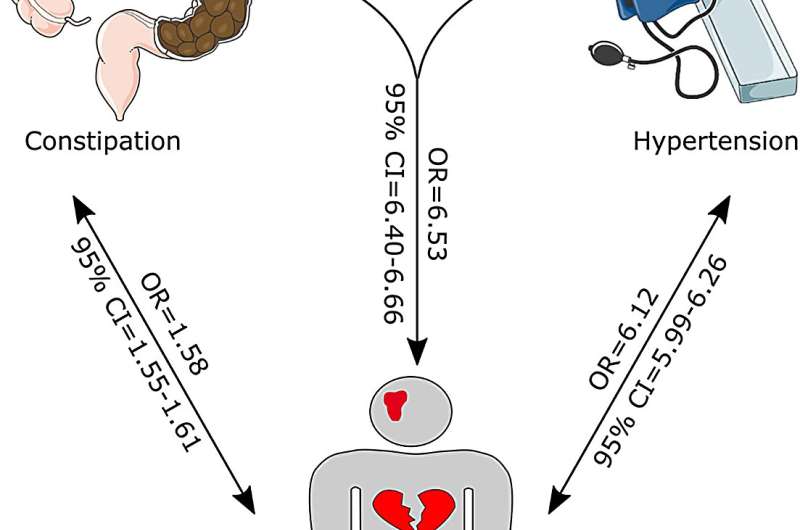
Summary of the findings. This study found that constipation was positively associated with hypertension and cardiovascular events. CI, confidence interval; OR, odds ratio. This figure was partly generated using Servier Medical Art, provided by Servier, licensed under a Creative Commons Attribution 3.0 unported license. Credit: Scientific Reports (2023). DOI: 10.1038/s41598-023-38068-y

A relatively common health problem—constipation—has been shown to be a risk factor for hypertension and cardiovascular events such as stroke in people over 60.

17 aug 2023--The extensive La Trobe University study of over half a million hospital admissions in Victoria suggests that interventions to address constipation may reduce these risks in elderly patients.

The study, led by Professors Grant Drummond and Chris Sobey and published in Scientific Reports, looked at 541,172 hospitalized patients over 60 years of age.

For each constipation admission, one exact age-matched non-constipated admission was randomly selected from all hospitalizations within two weeks to form the control arm of the study.

The researchers found that patients with constipation had almost double the risk for hypertension, and were also more likely to suffer from major cardiovascular events such as heart attack and stroke.

The number of people with cardiovascular diseases (CVD) has nearly doubled over the past 30 years, and the number of deaths from CVD has increased from 12.1 million to 18.6 million during this time.

According to Professor Drummond, despite efforts to modify traditional risk factors for CVD with lifestyle and drug interventions, cardiovascular events are still responsible for 32% of global deaths, 85% of which are due to heart attacks or stroke.

"Therefore, identifying non-traditional CVD risk factors and developing strategies to address them is critical to further reduce CVD-associated morbidity and mortality," Professor Drummond said.

While it is unclear whether constipation is a direct the cause of hypertension in elderly patients, according to Professor Sobey,

"Such a relationship is plausible because in constipation there is increased water absorption from the gut, microbiota changes, and inflammation, all of which could lead to hypertension," Professor Sobey said.

The study found that:

  • constipation in patients was associated with a 96% increased risk of hypertension and also a an increased risk of myocardial infarction, stroke and all cardiovascular events, compared to patients with no constipation
  • patients with both constipation and hypertension had a more than 500% higher risk of cardiovascular events than patients with neither condition.
  • these relationships were similar in males and females
  • 15.2% of people over 60 in the study suffered from constipation

More information: Courtney P. Judkins et al, Association of constipation with increased risk of hypertension and cardiovascular events in elderly Australian patients, Scientific Reports (2023). DOI: 10.1038/s41598-023-38068-y

Sunday, July 26, 2020

Plant-based diets shown to lower blood pressure even with limited meat and dairy


Plant-based diets shown to lower blood pressure even with limited meat and dairy
Consuming a plant-based diet can lower blood pressure even if small amounts of meat and dairy are consumed too, according to new research from the University of Warwick.
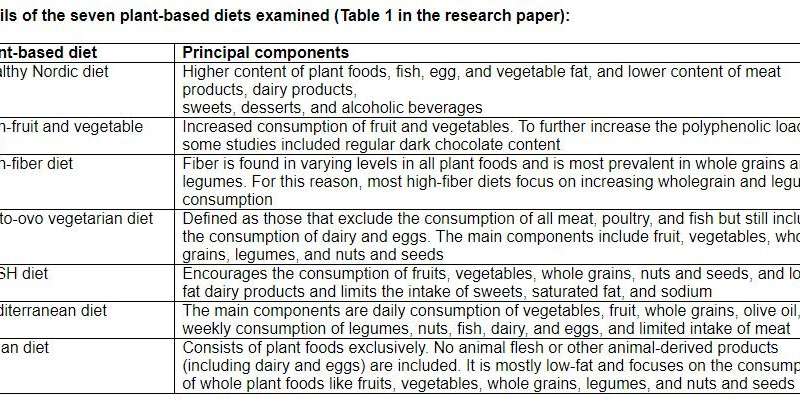
26 july 2020--Published online by a team from Warwick Medical School in the Journal of Hypertension today (25 July), they argue that any effort to increase plant-based foods in your diet and limit animal products is likely to benefit your blood pressure and reduce your risk of heart attacks, strokes and cardiovascular disease. They conducted a systematic review of previous research from controlled clinical trials to compare seven plant-based diets, several of which included animal products in small amounts, to a standardised control diet and the impact that these had on individuals' blood pressure.
Plant-based diets support high consumption of fruits, vegetables, whole grains, legumes, nuts and seeds, limiting the consumption of most or all animal products (mainly meat and diary). (See Notes to Editors for further details)
High blood pressure is the leading risk factor globally for heart attacks, strokes and other cardiovascular diseases. A reduction in blood pressure has important health benefits both for individuals and for populations. Unhealthy diets are responsible for more deaths and disabilities globally than tobacco use, high alcohol intake, drug use and unsafe sex put together. An increased consumption of whole grains, vegetables, nuts and seeds, and fruit, as achieved in plant-based diets, could avert up to 1.7, 1.8, 2.5 and 4.9 million deaths globally respectively every year according to previous research.
Vegetarian and vegan diets with complete absence of animal products are already known to lower blood pressure compared to omnivorous diets. Their feasibility and sustainability are, however, limited. Until now, it has not been known whether a complete absence of animal products is necessary in plant-based dietary patterns to achieve a significant beneficial effect on blood pressure.
Lead author Joshua Gibbs, a student in the University of Warwick School of Life Sciences, said: "We reviewed 41 studies involving 8,416 participants, in which the effects of seven different plant-based diets (including DASH, Mediterranean, Vegetarian, Vegan, Nordic, high fibre and high fruit and vegetables) on blood pressure were studied in controlled clinical trials. A systematic review and meta-analysis of these studies showed that most of these diets lowered blood pressure. The DASH diet had the largest effect reducing blood pressure by 5.53/3.79 mmHg compared to a control diet, and by 8.74/6.05 mmHg when compared to a 'usual' diet.
"A blood pressure reduction of the scale caused by a higher consumption of plant-based diets, even with limited animal products would result in a 14% reduction in strokes, a 9% reduction in heart attacks and a 7% reduction in overall mortality.
"This is a significant finding as it highlights that complete eradication of animal products is not necessary to produce reductions and improvements in blood pressure. Essentially, any shift towards a plant-based diet is a good one."
Senior author Professor Francesco Cappuccio of Warwick Medical School said: "The adoption of plant-based dietary patterns would also play a role in global food sustainability and security. They would contribute to a reduction in land use due to human activities, to global water conservation and to a significant reduction in global greenhouse gas emission.
"The study shows the efficacy of a plant-based diet on blood pressure. However, the translation of this knowledge into real benefits to people, i.e. its effectiveness, depends on a variety of factors related to both individual choices and to governments' policy decisions. For example, for an individual, the ability to adopt a plant-based diet would be influenced by socio-economic factors (costs, availability, access), perceived benefits and difficulties, resistance to change, age, health status, low adherence due to palatability and acceptance.
"To overcome these barriers, we ought to formulate strategies to influence beliefs about plant-based diets, plant food availability and costs, multisectoral actions to foster policy changes focusing on environmental sustainability of food production, science gathering and health consequences."
More information: The effect of plant-based dietary patterns on blood pressure: a systematic review and meta-analysis of controlled intervention trials, Journal of Hypertension 2020; 38: in press. DOI: 10.1097/HJH0000000000002604
Provided by University of Warwick 

Thursday, October 24, 2019

Bed time is the best time to take blood pressure medication

Bed time is the best time to take blood pressure medication
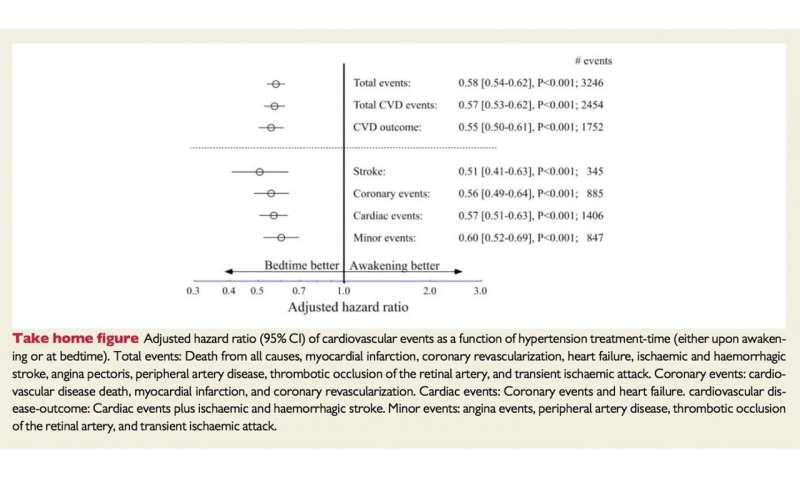
Adjusted hazard ratio (95% CI) of cardiovascular events as a function of hypertension treatment-time (either upon awakening or at bedtime). Total events: Death from all causes, myocardial infarction, coronary revascularization, heart failure, ischaemic and haemorrhagic stroke, angina pectoris, peripheral artery disease, thrombotic occlusion of the retinal artery, and transient ischaemic attack. Coronary events: cardiovascular disease death, myocardial infarction, and coronary revascularization. Cardiac events: Coronary events and heart failure. cardiovascular disease-outcome: Cardiac events plus ischaemic and haemorrhagic stroke. Minor events: angina events, peripheral artery disease, thrombotic occlusion of the retinal artery, and transient ischaemic attack. Credit: European Heart Journal
People with high blood pressure who take all their anti-hypertensive medication in one go at bedtime have better controlled blood pressure and a significantly lower risk of death or illness caused by heart or blood vessel problems, compared to those who take their medication in the morning, according to new research.
24 oct 2019--The Hygia Chronotherapy Trial, which is published in the European Heart Journal today, is the largest to investigate the effect of the time of day when people take their anti-hypertensive medication on the risk of cardiovascular problems. It randomised 19,084 patients to taking their pills on waking or at bedtime, and it has followed them for the longest length of time—an average of more than six years—during which time the patients' ambulatory blood pressure was checked over 48 hours at least once a year.
The researchers, who are part of the Hygia Project led by Professor Ramón C. Hermida, Director of the Bioengineering and Chronobiology Labs at the University of Vigo, Spain, found that patients who took their medication at bedtime had nearly half the risk (45% reduction) of dying from or suffering heart attacks, myocardial infarction, stroke, heart failure or requiring a procedure to unblock narrowed arteries (coronary revascularisation), compared to patients who took their medication on waking.
The researchers had adjusted their analyses to take account of factors that could affect the results, such as age, sex, type 2 diabetes, kidney disease, smoking and cholesterol levels.
When they looked at individual outcomes, they found that the risk of death from heart or blood vessel problems was reduced by 66%, the risk of myocardial infarction was reduced by 44%, coronary revascularisation by 40%, heart failure by 42%, and stroke by 49%.
Prof Hermida said: "Current guidelines on the treatment of hypertension do not mention or recommend any preferred treatment time. Morning ingestion has been the most common recommendation by physicians based on the misleading goal of reducing morning blood pressure levels. However, the Hygia Project has reported previously that average systolic blood pressure when a person is asleep is the most significant and independent indication of cardiovascular disease risk, regardless of blood pressure measurements taken while awake or when visiting a doctor. Furthermore, there are no studies showing that treating hypertension in the morning improves the reduction in the risk of cardiovascular disease.
"The results of this study show that patients who routinely take their anti-hypertensive medication at bedtime, as opposed to when they wake up, have better-controlled blood pressure and, most importantly, a significantly decreased risk of death or illness from heart and blood vessel problems."
The Hygia Project is composed of a network of 40 primary care centres within the Galician Social Security Health Service in northern Spain. A total of 292 doctors are involved in the project and have been trained in ambulatory blood pressure monitoring, which involves patients wearing a special cuff that records blood pressure at regular intervals throughout the day and night. The Hygia Chronotherapy Trial is unusual in monitoring blood pressure for 48 hours, rather than the more usual 24 hours.
Between 2008 and 2018, 10,614 men and 8,470 women of Caucasian Spanish origin, aged 18 or over, who had been diagnosed with hypertension by means of ambulatory blood pressure monitoring, were recruited to the trial; they had to adhere to a routine of daytime activity and night-time sleep, which means that it is not possible to say if the study findings apply to people working night shifts.
Doctors took the patients' blood pressure when they joined the study and at each subsequent clinic visit. Ambulatory blood pressure monitoring over a 48-hour period took place after each clinic visit and at least once a year. This gave doctors accurate information on average blood pressures over the 48 hours, including how much blood pressure decreased or 'dipped' while the patients were asleep.
During a median (average) of 6.3 years follow-up, 1752 patients died from heart or blood vessel problems, or experienced myocardial infarction, stroke, heart failure or coronary revascularisation. Data from ambulatory blood pressure monitoring showed that patients taking their medication at bedtime had significantly lower average blood pressure both at night and during the day, and their blood pressure dipped more at night, when compared with patients taking their medication on waking. A progressive decrease in night-time systolic blood pressure during the follow-up period was the most significant predictor of a reduced risk of cardiovascular disease.
Prof Hermida concluded: "The findings from the Hygia Chronotherapy Trial and those previously reported from the Hygia Project indicate that average blood pressure levels while asleep and night-time blood pressure dipping, but not day-time blood pressure or blood pressure measured in the clinic, are jointly the most significant blood pressure-derived markers of cardiovascular risk. Accordingly, round-the-clock ambulatory blood pressure monitoring should be the recommended way to diagnose true arterial hypertension and to assess the risk of cardiovascular disease. In addition, decreasing the average systolic blood pressure while asleep and increasing the sleep-time relative decline in blood pressure towards more normal dipper blood pressure patterns are both significantly protective, thus constituting a joint novel therapeutic target for reducing cardiovascular risk."
The Hygia Project is currently investigating what the best blood pressure levels should be while asleep in order to reduce cardiovascular risk most effectively in the THADEUS Trial (Treatment of Hypertension During Sleep).
Limitations of the Hygia Chronotherapy Trial include that it requires validation in other ethnic groups; the question of whether the same results would be seen in shift workers also requires investigation; and patients were not assigned to specific hypertension medication classes or specific lists of medications within each class—their treatment was chosen by their doctors according to current clinical practice.

More information: Ramón C Hermida et al, Bedtime hypertension treatment improves cardiovascular risk reduction: the Hygia Chronotherapy Trial, European Heart Journal (2019). DOI: 10.1093/eurheartj/ehz754
Ramón C Hermida et al. Asleep blood pressure: significant prognostic marker of vascular risk and therapeutic target for prevention, European Heart Journal (2018). DOI: 10.1093/eurheartj/ehy475
Journal information: European Heart Journal 
Provided by European Society of Cardiology 

Sunday, March 31, 2019

Trips to the toilet at night are a sign of high blood pressure


blood pressure
Credit: CC0 Public Domain
Trips to the toilet at night are a sign of high blood pressure, according to results from the Watari study presented today at the 83rd Annual Scientific Meeting of the Japanese Circulation Society (JCS 2019).
31 mar 2019--"Our study indicates that if you need to urinate in the night—called nocturia—you may have elevated blood pressure and/or excess fluid in your body," said study author Dr. Satoshi Konno, of the Division of Hypertension, Tohoku Rosai Hospital, Sendai, Japan. "If you continue to have nocturia, ask your doctor to check your bloodpressure and salt intake."
JCS 2019 takes place from 29 to 31 March in Yokohama. Joint scientific sessions are being held by the European Society of Cardiology (ESC) and JCS as part of the ESC Global Activities programme.
Previous research from Japan has reported that high  intake is associated with nocturia. Compared to western countries, people in Japan eat more salt and are more likely to be "salt sensitive", meaning that their blood pressure rises more when salt is consumed. Taken together, these two factors mean that people in Japan are at greater risk of developing high blood pressure.
This study examined the link between nocturia and hypertension in the general Japanese population. The study enrolled 3,749 residents of Watari who had an annual health check in 2017. Blood pressure was measured and information on nocturia was obtained by questionnaire. Participants with blood pressure 140/90 mmHg or higher or prescribed antihypertensive drugs were considered hypertensive.
Nocturia (one or more nocturia events per night) was significantly associated with hypertension after controlling for possible confounders

Of the 1,882 participants who answered the questionnaire, 1,295 (69%) had nocturia. Dr. Konno said the results do not prove a causal relationship between nocturia and hypertension and may not apply to populations outside Japan. He said: "The relationship may be influenced by various factors including lifestyle, salt intake, ethnicity, and genetic background."
Dr. Mutsuo Harada, press coordinator for JCS 2019, said: "Hypertension is a national disease in Japan. The average salt intake in Japan is approximately 10 g/day, which is more than double the average salt intake worldwide (4 g/day). This excessive salt intake is related to our preference for seafood and soy sauce-based food, so salt restriction is difficult to carry out. Early detection and management of hypertension are very important to prevent cardiovascular diseases. We should keep in mind that nocturia is not only caused by urinary organ problems but also by systemic diseases such as hypertension."
ESC President Professor Barbara Casadei said: "More than one billion people have high blood pressure worldwide. High blood  is the leading global cause of premature death, accounting for almost ten million deaths in 2015. ESC guidelines recommend medication to reduce the risk of stroke and heart disease.3 A healthy lifestyle is also advised, including salt restriction, alcohol moderation, healthy eating, regular exercise, weight control, and smoking cessation."

More information: Tomohiro Matsuo et al. Daily salt intake is an independent risk factor for pollakiuria and nocturia, International Journal of Urology (2017). DOI: 10.1111/iju.13321
Bryan Williams et al. 2018 ESC/ESH Guidelines for the management of arterial hypertension, European Heart Journal (2018). DOI: 10.1093/eurheartj/ehy339
Journal information: European Heart Journal
Provided by European Society of Cardiology

Wednesday, March 06, 2019

New scientific statement on blood pressure measurement in people


blood pressure
Credit: CC0 Public Domain
The accurate measurement of blood pressure is essential for the diagnosis and management of hypertension, a major risk factor for heart disease and stroke, according to an updated American Heart Association scientific statement on blood pressure measurement in humans, published in the American Heart Association journal Hypertension.
06 mar 2019--The statement, which updates a previous statement on the topic published in 2005, provides an overview of what is currently known about blood pressure measurement. and supports recommendations in the 2017 American College of Cardiology/American Heart Association Guideline for the Prevention, Detection, Evaluation and Management of High Blood Pressure
The auscultatory method—where a healthcare provider uses a blood pressure cuff, a stethoscope and a mercury sphygmomanometer (device that measures blood pressure) - has been the gold standard for office blood pressure measurement for several decades. The mercury sphygmomanometer has a simple design and is not subject to substantial variation across models made by different manufacturers. However, mercury devices are no longer being used due to environmental concerns about mercury.
"Many oscillometric devices, which use an electronic pressure sensor within the blood pressure cuff, have been validated (checked for accuracy) which allow for accurate blood pressure measurement in the healthcare office settings while reducing human errors associated with the auscultatory approach," said Paul Muntner, Ph.D., chair of the writing group for the scientific statement.
"Additionally, newer automated oscillometric devices can obtain multiple measurements with the single push of a button, which can be averaged to better estimate blood pressure," said Muntner, who is also a professor at the University of Alabama at Birmingham.
The statement also summarizes current knowledge about ambulatory blood pressure monitoring, which is done when a patient wears a device which measures their blood pressure throughout the day to identify white coat hypertension and masked hypertension.
Substantial data have been published since the last Scientific Statement in 2005 showing the importance of measuring blood pressure outside of the clinic setting. White coat hypertension, when blood pressure is raised in the healthcare office setting but not at other times and masked hypertension where blood pressure is normal in the healthcare office setting but raised at other times.
As detailed in the Scientific Statement, patients with white coat hypertension may not have an increased risk for cardiovascular disease and may not benefit from initiating antihypertensive medication. In contrast, patients with masked hypertension have a substantial increased risk for cardiovascular disease.
The 2017 hypertension guideline also recommends conducting ambulatory blood pressure monitoring to screen for white coat hypertension and masked hypertension in clinical practice.
The American Heart Association continues to recommend patients measure their blood pressure at home using a blood pressure device with an upper arm cuff that has been checked for accuracy by a healthcare provider.
More informationHypertension (2019). DOI: 10.1161/HYP.0000000000000087 , https://www.ahajournals.org/doi/10.1161/HYP.0000000000000087
Provided by American Heart Association

Sunday, September 16, 2018

Single, fixed-dose combo pills improve hypertension outcomes

Single, fixed-dose combo pills improve hypertension outcomes
Single-pill, fixed-dose combination (FDC) treatment may be more effective for improving blood pressure control in older patients, according to a study recently published in PLOS Medicine.

16 sept 2018--Amol A. Verma, M.D., from St. Michael's Hospital in Toronto, and colleagues used linked clinical and administrative databases to compare clinical outcomes and medication adherence for patients prescribed one angiotensin-converting enzyme inhibitor or angiotensin II-receptor blocker plus one thiazide diuretic, either as a single-pill FDC or as a multi-pill combination. The authors performed a retrospective cohort study, with five year follow-up, of 13,350 patients aged 66 years or older.

The researchers observed no significant difference in outcomes between groups while patients were on treatment (hazard ratio, 1.06; 95 percent confidence interval, 0.86 to 1.31; P = 0.60). The proportion of total follow-up days covered with medications was significantly greater in the FDC group (70 percent) versus the multi-pill group (42 percent; P < 0.01), and a composite of death or hospitalization for acute myocardial infarction, heart failure, or stroke was less frequent in FDC recipients (3.4 versus 3.9 events per 100 person-years; hazard ratio, 0.89; 95 percent confidence interval, 0.81 to 0.97; P < 0.01).
"Among older adults initiating combination antihypertensive treatment, FDC therapy was associated with a significantly lower risk of composite clinical outcomes, which may be related to better medication adherence," the authors write.
One author disclosed financial ties to the pharmaceutical industry.

More information: Abstract/Full Text

Saturday, August 25, 2018

Single pill with two drugs could transform blood pressure treatment

A single pill with two drugs could transform blood pressure treatment, according to the 2018 European Society of Cardiology (ESC) and European Society of Hypertension (ESH) Guidelines on arterial hypertension published online today in European Heart Journal.

25 aug 2018--The guidelines recommend starting most patients on two blood pressure lowering drugs, not one. The previous recommendation was for step-wise treatment, which meant starting with one drug then adding a second and third if needed. This suffered from "physician inertia", in which doctors were reluctant to change the initial strategy despite its lack of success. At least 80% of patients should have been upgraded to two drugs, yet most remained on one drug.
It is now recognised that a major reason for poor rates of blood pressure control is that patients do not take their pills. Non-adherence increases with the number of pills, so administering the two drugs (or three if needed) in a single tablet "could transform blood pressure control rates", state the guidelines.
Professor Bryan Williams, ESC Chairperson of the Guidelines Task Force, University College London, UK, said: "The vast majority of patients with high blood pressure should start treatment with two drugs as a single pill. These pills are already available and should massively improve the success of treatment, with corresponding reductions in strokes, heart disease, and early deaths."
More than one billion people have hypertension (high blood pressure) worldwide. Around 30-45% of adults are affected, rising to more than 60% of people over 60 years of age. High blood pressure is the leading global cause of premature death, accounting for almost ten million deaths in 2015, of which 4.9 million were due to ischaemic heart disease and 3.5 million were due to stroke. High blood pressure is also a major risk factor for heart failure, atrial fibrillation, chronic kidney disease, peripheral artery disease, and cognitive decline.
High blood pressure does not usually cause symptoms. However, people with very high blood pressure may have headaches, blurred or double vision, regular nosebleeds, difficulty breathing, chest pain, irregular heartbeat, blood in the urine, confusion, or pounding in the chest, neck, or ears. See your doctor if you have any of these symptoms.
Treatment thresholds in the 2018 Guidelines are less conservative, with drugs recommended for patients who would previously have received lifestyle advice only. These are patients with low to moderate risk grade I hypertension (140-159/90-99 mmHg), including 65-80 year-olds, and those with high normal blood pressure (130-139/85-89 mmHg).
Professor Williams said: "Many more millions of people, particularly in the older age groups, should be receiving treatment for high blood pressure. See your doctor if you are 65 to 80 years old and your blood pressure is above 140/90 mmHg. The evidence suggests that treatment would reduce your risk of stroke and heart disease."
The guidelines state that "treatment should never be denied or withdrawn on the basis of age". It is increasingly recognised that frailty, independence and biological, rather than chronological, age determine the tolerability and likely benefit of blood pressure lowering medications. For people over 80 years who have not yet received blood pressure treatment, therapy should be started if systolic blood pressure is 160 mmHg or above. People already taking medication should not have it withdrawn at 80 years of age if it is well tolerated.
Blood pressure targets for patients of all ages are lower than in previous guidelines. Systolic blood pressure targets are now 120-129 mmHg for patients under 65 years of age, and 130-139 mmHg for patients over 65 years of age, taking into account treatment tolerability, independence, frailty, and comorbidities. Blood pressure below 120 mmHg should not be the target for any patient since the risk of harm outweighs the potential benefits.
When blood pressure is not controlled by three drugs given in a single pill, a condition known as resistant hypertension, a second pill containing a diuretic such as spironolactone should be added. Device-based therapy is not recommended for routine treatment of these patients and should only be administered within clinical trials.
A healthy lifestyle is recommended for all patients, regardless of blood pressure level, as it can delay the need for drugs or complement their effects. Advice includes salt restriction, alcohol moderation, healthy eating, regular exercise, weight control, smoking cessation, and a new recommendation to avoid binge drinking.
A new section on hypertension and cancer therapy states that temporary discontinuation of anticancer therapy may be considered when blood pressure values are exceedingly high despite multidrug treatment. A section on blood pressure during exercise and high altitude has been added, with the advice that patients with severe, uncontrolled hypertension should avoid exposure to very high altitude (above 4000 metres).
Professor Giuseppe Mancia, ESH Chairperson of the Guidelines Task Force, University of Milano-Bicocca, Milan, Italy, said: "We have effective treatments and, theoretically, 90-95% of patients should have their blood pressure under control, but in reality only 15-20% achieve target levels. The 2018 Guidelines aim to improve these poor rates of blood pressure control by introducing a treatment strategy that is simple and easier to follow."

More information: 12018 ESC/ESH Guidelines for the management of arterial hypertension. European Heart Journal. 2018. doi:10.1093/eurheartj/ehy339


Provided by European Society of Cardiology

Tuesday, June 05, 2018

New hypertension guideline discussed for older adults

New hypertension guideline discussed for older adults
Clinicians caring for older adults with hypertension should be mindful of the specific blood pressure (BP) goals proven to reduce cardiovascular disease events, while adopting the new 2017 American College of Cardiology/American Heart Association (ACC/AHA) hypertension guideline, according to an article published online May 20 in the Journal of the American Geriatrics Society.

04 jun 2018--William C. Cushman, M.D., and Karen C. Johnson, M.D., M.P.H., from the University of Tennessee Health Science Center in Memphis, discuss the 2017 ACC/AHA hypertension guideline in the context of caring for older adults with hypertension.
The authors note that the ACC/AHA hypertension guideline is primarily based on systematic reviews and meta-analyses. Consequently, the classification of BP, thresholds for initiating drug therapy, and treatment goals are not identical with specific levels proven in randomized controlled trials. When caring for older adults, it is important for physicians to be mindful of the specific BP goals proven to reduce cardiovascular disease events in this population. They should also be attentive to proper BP measurement techniques; encourage non-pharmacologic interventions; and monitor patients for concomitant conditions, adverse drug effects, and complications of elevated BP.
"Adjustments to therapy and goals may be necessary as older adults become increasingly frail, cognitively impaired, or institutionalized, or have a limited life expectancy, although many frail older adults will still benefit from appropriate antihypertensive non-pharmacological and drug therapy," the authors write.
One author disclosed financial ties to the pharmaceutical industry.

More information: Abstract/Full Text (subscription or payment may be required)

Thursday, May 03, 2018

Blood pressure readings often higher outside doctor's office

AHA: blood pressure readings often higher outside doctor's office
Blood pressure readings taken outside of the doctor's office often read higher than those in the office, a new study says. Spanish researchers found that 39 percent of people who had normal blood pressure readings at the doctor registered high blood pressure readings out of the office over a 24-hour period when using American Heart Association/American College of Cardiology treatment guidelines.

03 may 2018--The researchers found that 20 percent had high blood pressure when doing out-of-office readings under European blood pressure criteria.
The phenomena of people registering normal at the doc but higher at home or the office is called "masked hypertension." The AHA/ACC and European guidelines both warn of the dangers of the condition and the need for improved treatment.
Masked hypertension comes with stark implications because it isn't diagnosed by a routine medical examination and brings an adverse prognosis of organ damage or heart disease, stroke or other cardiovascular diseases if it continues to go unrecognized.
Cardiovascular disease has been the leading cause of death in the United States for more than half a century. From 2005 to 2015, the death rate attributable to high blood pressure increased by about 10 percent.
Males, younger people who are active or those with additional cardiovascular risk factors are most at risk for high blood pressure that isn't apparent at the doctor's office, according to the study published April 30 in the American Heart Association journal Circulation.
High blood pressure is defined as a systolic pressure of 130 or above, or a diastolic pressure of 80 or above, according to AHA/ACC treatment guidelines. The target guideline from the European Society of Hypertension and the European Society of Cardiology is generally 140/90.
Among people treated for high blood pressure, masked hypertension "is often seen in those who seem apparently controlled, but signs of silent organ damage are still present," said study author Dr. Alejandro de la Sierra. He heads the Internal Medicine Department at Hospital Mutua Terrassa at the University of Barcelona in Spain.
The high prevalence of masked hypertension was observed in the study of 115,708 people who were monitored for 24 hours using devices. Their blood pressure was measured every 20 minutes during the day and every 30 minutes at night. Those in the study are part of the Spanish Ambulatory Blood Pressure Measurements registry.
The study supports a wider use of blood pressure monitoring at regular intervals in routine clinical practice. Both guidelines recommend such screening for masked hypertension for people who are at risk.
The possible barriers to doing that include out-of-pocket costs, test accuracy and instruction time.
But the payoff is there, said Dr. Willie Lawrence, an interventional cardiologist for Midwest Heart and Vascular Specialists at Research Medical Center in Kansas City, Mo. Lawrence recommends 24-hour monitoring, which is more widely applicable than other types of blood pressure monitoring.
"Twenty-four-hour monitoring is a great research tool and it's very valuable in select clinical situations. It allows us to better understand how to use more basic tools to detect and treat large populations under various circumstances," he said.
Dr. Robert Eckel, an endocrinologist and physician-scientist at the University of Colorado Anschutz Medical Campus, agreed that more measurements provide more insight.
"Ambulatory measurements are valuable but should be performed carefully using the right equipment and if possible under optimal conditions," he said. "Moreover, 24-hour assessments are always better than one to three measurements per day."

Thursday, April 26, 2018

Drinking kefir may prompt brain-gut communication to lower blood pressure

kefir
Credit: CC0 Public Domain
Drinking kefir may have a positive effect on blood pressure by promoting communication between the gut and brain. Kefir is a fermented probiotic milk beverage known to help maintain the balance of beneficial bacteria in the digestive system. Researchers will present their findings today at the American Physiological Society (APS) annual meeting at Experimental Biology 2018 in San Diego.

26 april 2018--Previous research has shown that an imbalance in the gut's colony of bacteria (microbiota) may cause high blood pressure in some people. Similarly, probiotics—live bacteria supplements that are beneficial to the digestive system—have been found to lower blood pressure, but the mechanisms by which this occurs are unclear.
A research team from Auburn University in Alabama, in collaboration with the University of Vila Velha in Brazil, studied three groups of rats to determine how kefir reduces high blood pressure (hypertension):
  • One group had hypertension and was treated with kefir ("treated").
  • One group had hypertension and was not treated ("untreated").
  • One group had normal blood pressure and was not treated ("control").
After nine weeks of kefir supplementation, the treated rats had lower levels of endotoxins (toxic substances associated with disruption in the cells), lower blood pressure and improved intestinal permeability when compared with the untreated group. Healthy intestines allow some substances to pass through, but generally act as a barrier to keep out harmful bacteria and other potentially dangerous substances. In addition, kefir supplementation restored the natural balance of four different bacteria in the gut and of an enzyme in the brain essential for normal nervous system function, suggesting that the nervous and digestive systems work together to reduce hypertension.
"Our data suggests that kefir antihypertensive-associated mechanisms involve gut microbiota-brain axis communication during hypertension," the researchers wrote.

More information: Mirian Silva-Cutini, of Auburn University, will present "Probiotic kefir antihypertensive effects in spontaneously hypertensive rats involve central and peripheral mechanisms" on Wednesday, April 25, in the Sails Pavilion of the San Diego Convention Center.


Provided by Experimental Biology 2018

Monday, March 19, 2018

Low-dose 'triple pill' lowers blood pressure more than usual care

A pill combining low doses of three blood pressure-lowering medications significantly increased the number of patients reaching blood pressure targets compared with usual care, researchers reported at the American College of Cardiology's 67th Annual Scientific Session. There was also no significant increase in adverse effects with the "Triple Pill."

19 mar 2018--"Most people—70 percent—reached blood pressure targets with the Triple Pill. The benefits were seen straight away and maintained until six months, whereas with usual care control rates were 55 percent at six months and even lower earlier in the trial," said Ruth Webster, MBBS, of The George Institute for Global Health at the University of New South Wales in Sydney, Australia, and lead author of the study. "Based on our findings, we conclude that this new method of using blood pressure-lowering drugs was more effective and just as safe as current approaches."
Despite the availability of effective blood pressure-lowering drugs, high blood pressure remains a major problem around the world, Webster said. Effectively treating high blood pressure can help to prevent heart attacks, strokes and kidney problems. Globally, however, many people with high blood pressure receive no treatment, and only about a third of those who are treated achieve recommended reductions in blood pressure. Achieving desired reductions in blood pressure often requires treatment with more than one medication, which increases the complexity of treatment, and patients often have difficulty adhering to regimens that involve taking multiple pills every day.
This study was the first large trial designed to test the theory that starting treatment with low doses of three drugs could achieve better blood pressure control compared with usual care and that combining these drugs in a single pill would make it easier both for doctors to prescribe treatment and for patients to adhere to it, Webster said.
The TRIUMPH trial, which was conducted in Sri Lanka, enrolled 700 patients whose average age was 56 years, 58 percent of whom were women. Trial participants had an average blood pressure of 154/90 mm Hg. Over half (59 percent) were receiving no treatment for high blood pressure before they enrolled in the trial. In addition to high blood pressure, 32 percent of participants had diabetes or chronic kidney disease.
Patients were randomly assigned to receive either the combination pill or usual care. The combination pill, or Triple Pill, consisted of the blood pressure medications telmisartan (20 mg), amlodipine (2.5 mg) and chlorthalidone (12.5 mg). These medications use different mechanisms to reduce blood pressure by relaxing the blood vessels, so the heart does not need to pump as hard to send blood throughout the body. Usual care meant that patients received their doctor's choice of blood pressure¬-lowering medication.
The trial's primary endpoint was the proportion of patients who achieved a blood pressure target of 140/90 mm Hg or less (130/80 mm Hg or less in those with diabetes or chronic kidney disease) at six months.
Compared with patients receiving usual care, a significantly higher proportion of patients receiving the Triple Pill achieved their target blood pressure at six months. The average reduction in blood pressure was 8.7 mm Hg for participants receiving the Triple Pill and 4.5 mm Hg for those receiving usual care. At six months, 83 percent of participants in the Triple Pill group were still receiving the combination pill and one-third of those in the usual-care group were receiving at least two blood pressure-lowering drugs.
The maximum difference between the two groups of patients was observed at six weeks after starting treatment, when 68 percent of those receiving the Triple Pill had achieved a blood pressure within their target range, compared with 44 percent of those receiving usual care. This represented a 53 percent reduction in the risk for high blood pressure for patients receiving the Triple Pill, Webster said.
Rates of participants having to change treatment due to side effects were not significantly different in the two groups (6.6 percent for the Triple Pill, 6.8 percent for usual care). This should allay concerns that use of the three-drug combination pill could lead to an unacceptable increase in adverse medication side effects, Webster said.
Each of the drugs used in the Triple Pill has been shown to be highly effective in reducing blood pressure and preventing deaths and illness due to heart disease and strokes, she said. Each drug represents a different class of blood pressure medication and previous studies have shown that combining such drugs results in synergistic effects.
"The most urgent need for innovative strategies to control blood pressure is in low- and middle-income countries," Webster said. "The Triple Pill approach is an opportunity to 'leap frog' over traditional approaches to care and adopt an innovative approach that has been shown to be effective."
The study's findings are also important for high-income countries, she said.
"A control rate of 70 percent would be a considerable improvement even in high-income settings. Most hypertension guidelines in these countries do not recommend combination blood pressure-lowering therapy for initial treatment in all people," she said. "Our findings should prompt reconsideration of recommendations around the use of combination therapy."
An inevitable consequence of a necessarily unblinded study (where both participants and their doctors know whether participants are assigned to the Triple Pill or usual care) is that doctors might manage patients differently depending on the assigned treatment. However, it is important to note this trial was designed to evaluate a new strategy of care in a real-world setting, Webster said.
To minimize the risk of bias in measuring the main outcomes, the number of patient visits was identical in both groups and all outcomes were standardized and objectively documented, she said.
The researchers are now conducting a follow-up qualitative study to find out what participants and their doctors thought about using the Triple Pill. And they are conducting a cost effectiveness evaluation to determine whether the Triple Pill is a cost-effective solution for blood pressure control.
Recommended targets for blood pressure control vary by country. In the U.S., guidance released in 2017 by the ACC and the American Heart Association recommends initiating treatment if blood pressure exceeds 130/80 mm Hg. European guidelines recommend that treatment should aim to achieve a blood pressure level of 140/90 mm Hg or less.


Provided by American College of Cardiology

Tuesday, January 17, 2017

ACP and AAFP release guideline for treatment of hypertension in older adults

The American College of Physicians (ACP) and the American Academy of Family Physicians (AAFP) have published an evidence-based clinical practice guideline on the appropriate systolic blood pressure target for adults 60 years old and older with hypertension. The joint guideline is published in today's issue of Annals of Internal Medicine and a summary of the guideline will be published in the March/April 2017 issue of the Annals of Family Medicine.

17 jan 2017--Hypertension, an elevation of systemic arterial blood pressure, is one of the most common chronic diseases in the United States. About 65 percent of adults in the U.S. over the age of 60 have hypertension, and the disease affects about 29 percent of all adults in the nation.
ACP and AAFP are two of the largest physician organizations in the U.S. representing primary care doctors. Their combined 272,900 members, including internal medicine physicians (internists) and family physicians, treat the majority of patients in the U.S. with hypertension.
ACP and AAFP recommend that physicians initiate treatment in adults aged 60 years old and older with persistent systolic blood pressure at or above 150 millimeters of mercury (mm Hg) to achieve a target systolic blood pressure of less than 150 mm Hg to reduce the risk of mortality, stroke, and cardiac events.
"The evidence showed that any additional benefit from aggressive blood pressure control is small, with a lower magnitude of benefit and inconsistent results across outcomes," said Nitin S. Damle, MD, MS, MACP, president. ACP. "Most benefits of targeting of less than 150 mm Hg apply to individuals regardless of whether or not they have diabetes."
The guideline notes that some patients may have falsely elevated readings in clinical settings ("white coat hypertension"). Therefore, it is important for physicians to ensure that they are accurately measuring blood pressure before initiating or changing treatment for hypertension.
"The most accurate measurements come from multiple blood pressure measurements made over time," said John Meigs, Jr., MD, president, AAFP "These may include multiple measurements in clinical settings or ambulatory or home-monitoring."
The guideline includes two additional recommendations:
  • - ACP and AAFP recommend that physicians consider initiating or intensifying drug therapy in adults aged 60 years old and older with a history of stroke or transient ischemic attack to achieve a target systolic blood pressure of less than 140 mm Hg to reduce the risk of recurrent stroke.
- ACP and AAFP recommend that physicians consider initiating or intensifying pharmacological treatment in some adults aged 60 years old and older at high cardiovascular risk, based on individualized assessment, to achieve a target systolic blood pressure of less than 140 mm Hg to reduce the risk of stroke or cardiac events.
Increased cardiovascular risk includes all people with known vascular disease and among others, is defined as most patients with diabetes, individuals with chronic kidney disease with estimated glomerular filtration rate (eGFR) <45 1.73="" abdominal="" age.="" and="" diabetes="" dyslipidemia="" hypertension="" m2="" metabolic="" min="" ml="" obesity="" older="" p="" per="" syndrome="">When prescribing drug therapy, physicians should select generic formulations over brand name drugs, which have similar efficacy, reduced cost, and therefore better adherence, ACP and AAFP advise.
Because of insufficient evidence, ACP and AAFP did not make any recommendations about diastolic blood pressure targets.
Guideline Development Process
"Pharmacological Treatment of Hypertension in Adults Over Age 60 to Higher vs. Lower Targets" is based on a systematic review of published randomized controlled trials for primary outcomes and observational studies for harms only from database inception through January 2015, and updated with a MEDLINE search through September 2016. Evaluated outcomes included all-cause mortality, morbidity and mortality related to stroke, major cardiac events (fatal and nonfatal myocardial infarction and sudden cardiac death), and harms.
ACP's clinical practice guidelines are developed through a rigorous process based on an extensive review of the highest quality evidence available, including randomized control trials and data from observational studies. ACP also identifies gaps in evidence and direction for future research through its guidelines development process.

More information: Article: annals.org/aim/article/doi/10.7326/M16-1785
Editorial: annals.org/aim/article/doi/10.7326/M17-0034
Review: annals.org/aim/article/doi/10.7326/M16-1754


Provided by American College of Physicians

Wednesday, October 14, 2015

Confirm high blood pressure outside doctor's office, US task force says

Confirm high blood pressure outside doctor's office, U.S. task force says
Expert group advises ambulatory or home monitoring before starting treatment.
14 oct 2015—High blood pressure levels should generally be confirmed with home or ambulatory blood pressure monitoring before starting treatment for hypertension, a new U.S. Preventive Services Task Force (USPSTF) recommendation says.
Many factors can affect blood pressure readings, such as stress, physical activity and caffeine or nicotine, the USPSTF said. And, some people experience "white-coat hypertension"—an increase in blood pressure at the doctor's office from stress—when having their blood pressure taken.
All of these factors can make it hard to tell if someone really has high blood pressure, the researchers said.
That's why the Task Force recommends confirming a diagnosis of high blood pressure, or hypertension, before starting treatment, unless someone has very high blood pressure that needs to be treated right away.
"For most patients, elevated blood pressure readings in the doctor's office should be confirmed outside the doctor's office before starting treatment," said Task Force vice-chair Dr. Kirsten Bibbins-Domingo.
"For individuals who have very high blood pressure or other health problems, such as heart or kidney damage, that might make it critical to lower blood pressure, this recommendation doesn't really apply to them. This recommendation is really for individuals where one wants to confirm high blood pressure," Bibbins-Domingo said.
Blood pressure levels can be confirmed with ambulatory blood pressure monitoring. Your doctor will provide a small, portable device that automatically measures your blood pressure every 20 to 30 minutes over 12 to 48 hours. If this method isn't available, people can take their blood pressure at different times throughout the day using home blood pressure monitoring, the USPSTF said.
The Task Force recommendations were published online Oct. 12 in the Annals of Internal Medicine.
Ambulatory blood pressure monitoring is the first choice for confirming a diagnosis of high blood pressure, the Task Force said. But, when not available, home monitors are an acceptable alternative.
Home blood pressure monitoring devices can cost from less than $20 to $100 or more, according to Consumers Union. Devices that use upper arm readings—rather than finger or wrist—are considered more accurate, the American Heart Association (AHA) says. But, it's important that the cuff that wraps around your arm fits properly, the AHA advises.
The dangers of sustained high blood pressure include an increased risk for heart attack, stroke, kidney disease and heart failure, the USPSTF said. High blood pressure is a leading cause of death in the United States, particularly among older Americans, Bibbins-Domingo said.
Dr. Gregg Fonarow is a spokesman for the AHA and a professor of cardiology at the University of California, Los Angeles. He said, "Nearly one in three adult men and women in the United States have high blood pressure. However, way too many adults do not have their elevated blood pressure adequately detected and treated, and as a result are at risk for heart attacks and strokes that could have been prevented."
The Task Force's recommendations reinforce that it's essential for all adults to have their blood pressure checked at least once a year, he said. The latest guidelines also emphasize the need to take action to achieve and maintain a healthy blood pressure level in consultation with their doctor, Fonarow said.
"It is well established that systolic blood pressure above 120 mm Hg results in a greater risk of heart disease and stroke," he said. Systolic blood pressure is the top number in a reading.
"New trial results demonstrate that treating systolic blood pressure to achieve a goal of 120 mm Hg lowers the risk of death from any cause, compared with treating to a conventional goal of 140 mm Hg," Fonarow said, adding that the USPSTF's treatment section needs to be updated to reflect this new information.

More information: For advice on selecting a home blood pressure monitor, go to the American Heart Association.

Saturday, September 12, 2015

Study backs more aggressive treatment of high blood pressure


Study backs more aggressive treatment of high blood pressure
A major new U.S. study shows treating high blood pressure more aggressively than usual cuts the risk of heart disease and death in people over age 50, the National Institutes of Health said Friday,
12 sept 2015--Aiming lower saves more lives when it comes to controlling high blood pressure, says a major new study that could spur doctors to more aggressively treat patients over 50.
Patients who got their blood pressure well below today's usually recommended level significantly cut their risk of heart disease and death, the National Institutes of Health announced Friday. The benefit was strong enough that NIH stopped the study about a year early.
"This study provides potentially life-saving information," declared Dr. Gary Gibbons, director of NIH's National Heart, Lung and Blood Institute.
Doctors have long debated how low blood-pressure patients need to go, especially as they get older. Friday's results are preliminary, and researchers stressed that they shouldn't alter patient care just yet. But if the full results pan out, they eventually could influence treatment guidelines.
"This study certainly supports that lower is better," said Dr. Mark Creager, president of the American Heart Association, who wasn't involved with the new study. He called the research a possible roadmap to treatment strategies "that will save a significant amount of lives."
About 1 in 3 adults in the U.S. has high blood pressure, raising the risk of heart attacks, stroke, kidney failure and other health problems.
Normal blood pressure is less than a measurement of 120 over 80. High blood pressure is diagnosed once that measurement reaches, or passes, 140 over 90. Only about half of diagnosed patients have their blood pressure under control.
Today's treatment guidelines are mixed but generally recommend getting that top number—called the systolic pressure—down to about 140 in generally healthy adults and to 130 in patients who also have kidney disease or diabetes.
The institute sponsored a nationwide study to test if that's the best goal, or if aiming lower would either help or harm. Starting in 2010, more than 9,300 high blood pressure patients were enrolled in the SPRINT study, the Systolic Blood Pressure Intervention Trial. Half received an average of about two medications with the goal of lowering their systolic pressure below 140. The other half received an average of three medications with the goal of getting below 120.
The more aggressively treated patients saw their risk of death drop by almost 25 percent compared to the less controlled patients, researchers said. And rates of cardiovascular problems dropped by almost 30 percent in the better-controlled group.
Researchers wouldn't give precise numbers, or information about side effects, data that's expected when the full study is published in a scientific journal by year's end.
But preliminary results suggest treatment was "extremely well tolerated," said SPRINT investigator Dr. Jackson Wright of Case Western Reserve University.
One question is whether older patients need to get their blood pressure as low as middle-aged patients do, or if doing so increases the seniors' risk of side effects including falls. Last year, an expert panel sparked debate by recommending that the treatment target for patients over 60 be a systolic pressure of 150.
The average age of SPRINT participants was 68, and a quarter of them were over 75. The heart association's Creager said doctors will examine closely how those older patients fared.
Researchers also will continue tracking SPRINT participants to see if kidney disease, brain function and dementia were affected by more aggressive care.
Meanwhile, what's the advice for patients now struggling to control their blood pressure?
"The important public health message is to speak with their health care providers," said NHLBI heart specialist Dr. George Mensah.
Everyone should know their blood pressure, added Creager, director of the Heart and Vascular Center at Dartmouth-Hitchcock Medical Center. Risks for heart disease begin gradually rising as blood pressure gets above 120, even if people never cross the line into full-blown hypertension.
Good diets, physical activity and keeping a healthy weight help avoid high blood pressure, and can help to lower it before medications are required or along with them.
But once high blood pressure is diagnosed, getting treatment is more important than the debate over how low to go, Creager said. That's an individual decision based on the person's overall health, and many people aren't reaching today's recommended levels.
"The worst thing people with high blood pressure can do is ignore it," he said.


Tuesday, July 07, 2015

New blood pressure guidelines may lead to under treatment of older adults

blood pressure


A medical student checking blood pressure using a sphygmomanometer and stethoscope.

Approximately one-third of U.S. adults have hypertension (or high blood pressure). Treatment of this condition is essential to the prevention of cardiovascular disease (CVD), the #1 killer of both men and women in the country. In 2014, the Joint National Committee (JNC) released the eighth update to the blood pressure guidelines (JNC8P). These guidelines included a controversial decision to change the blood pressure goal for adults 60 years of age or older. The JNC8P guidelines set a less stringent goal blood pressure ; 150/90 mmHg for individuals 60 years of age or older compared to the previous <140 nbsp="">
07 july 2015--Michael Miedema, MD of the Minneapolis Heart Institute Foundation and principal investigator in a recently published study said, "The concern surrounding less stringent guidelines is that under treatment of  may lead to an increase in the risk for heart attacks and strokes. One of the main risk factors for CVD is age, so under treating older adults may lead to a significant increase in CVD events. This study has helped us understand the potential magnitude of the impact of these new guidelines."
The study reviewed the Atherosclerosis Risk in Communities (ARIC) cohort, a longitudinal study of cardiovascular disease sponsored by the National Heart, Lung, and Blood Institute, to understand the prevalence of blood pressure control and use of antihypertensive medications in aging black and white individuals. Of the over 6,000 individuals included in the study, findings suggest that 16.6 percent (approximately 1 in 6) of participants would be reclassified as having "at goal" blood pressure under the new guidelines with rates similar across black and white individuals. According to Dr. Miedema, "The less stringent blood pressure goals will increase the number who are 'at goal,' indicating to the patient and their primary care provider that treatment is not indicated when in fact treatment of their mildly elevated blood pressure may reduce their risk for a heart attack and stroke." Additionally, the study also revealed that, despite more lenient goals and frequent use of antihypertensive medications, more than 20 percent of the aging cohort remained above JNC8P goals. Dr. Miedema commented, "Our study showed that 1 in 5 adults were not at goal blood pressure by either new or older guidelines. Regardless of what the exact blood pressure goal should be, we clearly need to continue efforts at improving the detection and control of hypertension."
Full study findings have been published online in Hypertension and will be published in print in the September 2015 issue of Hypertension.
Provided by Minneapolis Heart Institute Foundation