Showing posts with label lgbt. Show all posts

Wednesday, December 04, 2019

Study to investigate surrogate decision challenges for LGBT patients with Alzheimer's

Study to investigate surrogate decision challenges for LGBT patients with Alzheimer's
Facing Alzheimer's disease in a loved one is challenging under any circumstances but may be even more challenging when the patient is lesbian, gay, bisexual, or transgender (LGBT). Regenstrief Institute Research Scientist and Indiana University School of Medicine faculty member Alexia Torke, M.D., M.S. is working to gain insight into needs and experiences of LGBT older adults with Alzheimer's disease. Credit: Regenstrief Institute
Facing Alzheimer's disease in a loved one is challenging under any circumstances but may be even more challenging when the patient is lesbian, gay, bisexual, or transgender (LGBT).
04 dec 2019--Regenstrief Institute research scientist and Indiana University School of Medicine faculty member Alexia Torke, M.D., M.S., has received a grant from the National Institutes of Health (NIH) to gain insight into the needs and experiences of this doubly vulnerable population—LGBT older adults with Alzheimer's disease—and their surrogate decision makers.
"With this study we are taking a step on the path towards decreasing health disparities among the LGBT community in the context of end-of-life care," said Dr. Torke. "We need to know more about their needs and experiences so we can develop tools and resources supporting high-quality decision making and enabling care that aligns with their own goals and preferences."
"This is the first generation of LGBT individuals who are out and through this study we hope to learn more about their knowledge and engagement with surrogate decision making and more about the barriers encountered by their surrogates," Dr. Torke said.
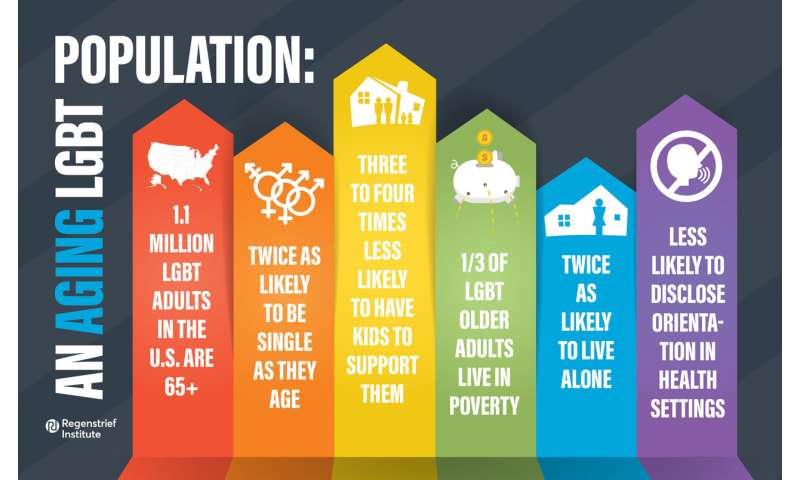
After encountering significant prejudice throughout their lives, LGBT individuals are known to confront even more prejudice as they grow older, according to Dr. Torke. Compared to heterosexual individuals, LGBT individuals are twice as likely to be single as they age, twice as likely to live alone, three to four times less likely to have children to support them, and Dr. Torke notes that because of these factors, LGBT individuals have increased challenges in advance care planning.
One third of LGBT older adults live in poverty. Currently there are 1.1 million LGBT individuals in the United States who are 65 years of age and older. By 2030, it is estimated that this population will grow to 7 million. Because of social stigma, older LGBT individuals are known to refrain from disclosing their sexual orientation or going back in the closet as they age according to Dr. Torke. She notes that healthcare providers often operate without clear guidance on how to interact with LGBT individuals about care decisions and practices based on heteronormative assumptions.
The inclusion of same-sex partners in decision making and treatment planning has been shown repeatedly to be a priority for LGBT patients facing life-limiting illness.
In this newly funded study, Dr. Torke and colleagues from Regenstrief Institute, IU School of Medicine and Carey Candrian, Ph.D. from the University of Colorado Denver will explore the emotional, spiritual and religious experiences of both LGBT Alzheimer's disease patients and their caregivers. Caregivers, who may be partners or spouses, children, other relatives or friends, will be interviewed and surveyed.
The researchers will explore the impact of communication quality on decision making quality and surrogate well-being, including post-traumatic stress. They will also examine religious and spiritual dimensions of surrogates and the extent to which they impact medical decision making as well as the actual care received by the LGBT individual with Alzheimer's disease. The findings will inform the development of innovative aids to improve both the quality of medical care for incapacitated patients and the well-being of the decision makers.

Provided by Regenstrief Institute 

Saturday, July 13, 2019

Researchers make recommendations to improve health of LGBTQ communities


Researchers make recommendations to improve health of LGBTQ communities
Alex Abramovich is an assistant professor at U of T’s Dalla Lana School of Public Health. Credit: Dalla Lana
Trans people do not have access to adequate and inclusive medical care. Gay, bisexual and other men who have sex with men face discriminatory policies when donating blood. When measuring homelessness, researchers cannot determine how many LGBTQ youth and young adults are affected.
13 july 2019--When Canada doesn't collect data on gender identity, it's to the detriment of the community. But one researcher at the University of Toronto says that could be about to change.
Along with their Ph.D. students, Assistant Professor Alex Abramovich and Associate Professor Lori Ross—both of U of T's Dalla Lana School of Public Health—helped develop 23 recommendations that were presented to the House of Commons Standing Committee on Health in June. If enacted, the recommendations would allow the government to collect inclusive data—a significant change the LGBTQ community has been requesting.
"Trans people are often not included in national health data, such as suicide data," says Abramovich. "There is still so much that we don't know regarding LGBTQ2S health.
"Collecting this data will allow us to implement interventions and save lives."
Abramovich has been studying the issue of homelessness among LGBTQ youth and young adults for over a decade and does a lot of work in the area of trans health. With enough data, he says, public health specialists can provide safe housing for LGBTQ youth and education for health providers across Canada.
"It is also time to address the issue of LGBTQ2S youth homelessness nationally," he says. "LGBTQ2S youth are overrepresented among the youth homelessness population in Canada. However, national point-in-time counts and street needs assessments, up until very recently, have not collected inclusive data."
The report also recommends an end to all discriminatory practices related to blood, organ and tissue donation for men who have sex with men and trans people.
"I am thrilled this report has meaningfully included the research findings of community-based organizations I am fortunate to work with, including the Community-Based Research Centre (CBRC)," says Daniel Grace, an assistant professor at Dalla Lana.
In a recently published qualitative study in the journal BMC Public Health, Grace spoke to 47 Canadian men who wanted policies to catch up to evidence on HIV testing. Grace says an HIV-negative man told him his blood shouldn't be deemed "better or worse" and that we "should look more at risky sexual behavior—independently of a person's sexual orientation or gender."
To give blood just three years ago, a man had to abstain from all sexual contact with other men for at least 12 months. Today, the deferral period is three months—an incremental step in the right direction, but still discriminatory, according to Grace.
In his latest op-ed in Vancouver's Georgia Straight, Grace and his collaborators expressed the importance of a scientifically-informed blood donation policy that removes discriminatory bans while ensuring Canada's blood supply is safe and readily available.
While problems continue to persist in LGBTQ health, Abramovich says he's optimistic.
"This study on LGBTQ2S health that the committee undertook is historic. Many people have waited a long time for something like this to happen," he says.
"I am honoured to have been invited as a witness, especially as a trans-identified researcher, studying LGBTQ2S youth homelessness."


More information: Daniel Grace et al. Gay and bisexual men's views on reforming blood donation policy in Canada: a qualitative study, BMC Public Health (2019). DOI: 10.1186/s12889-019-7123-4
Journal information: BMC Public Health 
Provided by University of Toronto 

Wednesday, November 21, 2018

Dementia study first in a series on health needs and challenges of LGBTQ seniors

homosexual family


In the first paper to emerge from a series of research projects aimed at understanding the health needs of older adults who identify as lesbian, gay, bisexual, transgender and queer (LGBTQ), Jason Flatt of the Institute for Health & Aging at the UC San Francisco School of Nursing found that nearly 25 percent of the LGBT adults aged 50 and older in his study had subjective cognitive decline, a potential indicator of a future Alzheimer's diagnosis. According to the Alzheimer's Association, only 10 percent of the overall population of the United States aged 65 and older has Alzheimer's dementia.

21 nov 2018--The disparity not only invites further questions about how the incidence and prevalence rates of dementia among LGBTQ adults compare with those in other populations and why they may differ, but it also speaks to the importance of the entire body of research that Flatt is pursuing.

An Understudied Population

According to the American Psychological Association, 2.4 million people over age 65 in the U.S. identify as LGBT. In this community, the common challenges of aging are often compounded by health disparities that can arise in connection with decades of discrimination. The disparities include reduced access to health care, minority stress and lack of social support. Through his diverse and expanding research program, Flatt is uncovering new insights about this understudied population to better understand its challenges and needs.
Flatt's interest in the health of older people began in high school, when he volunteered as a social activity coordinator for assisted living and skilled nursing facilities. The experience stayed with him through college and during his master of public health (MPH) degree program at the University of South Carolina. When he decided to get his Ph.D. degree in behavioral and community health sciences at the University of Pittsburgh Graduate School of Public Health, he did some soul-searching. "I asked myself what was the most rewarding thing I'd done so far, what would I like to do for a living, and it was working with older people," he says. "I decided to try to see what was important about the social lives of older adults. Could we use [an understanding of that] to either prevent or help people compensate when they're having challenges due to dementia?"
An invitation to join the faculty at UCSF offered him an opportunity to hone his focus. "I thought about what was unique about San Francisco and where there were opportunities to contribute," he says. As he began volunteering with organizations serving the city's LGBTQ community, he recognized that there was a paucity of research on the challenges of dementia in this population and decided he could help change that.

Investigating Dementia Risk in LGBTQ Elders

To that end, Flatt is using a career development award from the National Institute on Aging to jump-start his investigation of the epidemiology of dementia among LGBTQ elders. His study is the first to address the issue, investigating whether there are unique risk or protective factors in this group.
He and his collaborators – including Associate Dean for Research Julene Johnson – are using medical records from a large data set held at Kaiser Permanente Northern California's Research Program on Genes, Environment and Health (RPGEH). The records allow him to follow more than 4,000 participants identifying as lesbian, gay or bisexual from the time they enter the health system and compare them with other participants to investigate the factors that affect dementia risk. (Transgender individuals aren't part of the study at this point.) The data set offers a unique opportunity to get longitudinal data on this group, Flatt says, because RPGEH began recording data on the cohort in 1996 and started asking participants about sexual orientation in 2007, making it one of the earliest large research programs to do so.
Flatt is primarily pursuing two overlapping research questions: Are sexual minorities at higher or lower risk for developing dementia? And how does sexual minority status affect outcomes for elders living with dementia?
"We know that [sexual minorities] are at higher risk for health conditions like depression, heart disease and risky health behaviors like tobacco use, which are potential risk factors for dementia," says Flatt. "What's unique about [the LGBTQ community] is that, in some ways, they can't rely on the same social support structures that other elders do. They're often not married or partnered, they're less likely to have children, and they're more likely to live alone. We know that those are risk factors for [poor outcomes for people with] dementia."
Flatt and his co-investigators' first paper, published in the Journal of Alzheimer's Disease, has begun to tease out answers to the first question, but Flatt hopes to publish many more papers that emerge from this data set. "It's very basic descriptive data," he says. "Our first step is to describe and look at the strengths and weaknesses for this community, and how they relate to the risks related to Alzheimer's." As associations between those strengths and weaknesses and Alzheimer's risk emerge from the research, Flatt says, the next step is to develop programs and interventions both to help people reduce their risk for developing dementia and to help those who do develop it better cope with their condition.
In a separate but related project, Flatt is a collaborator on the UCSF PRIDE Study, a landmark investigation of LGBTQ health that uses mobile phone technology to connect with LGBTQ adults across the U.S. to study factors related to health over time. Flatt is specifically looking at the over-50 cohort in the study group to examine health disparities and to quantify strengths and weaknesses related to aging in the LGBTQ community.

Inclusive and Affordable Housing's Effect on Health

Another of Flatt's research projects looks at the impact of inclusive and affordable housing on the health of LGBT older adults. With funding from UCSF's Resource Allocation Program (RAP), Flatt and his co-investigators – Leslie Dubbin, of the School of Nursing, Meredith Greene and Madeline Deutsch, of the School of Medicine, and Karyn Skultety, executive director of San Francisco's Openhouse, a nonprofit organization that provides housing and a range of supportive services and community programs for LGBTQ seniors – are following LGBTQ participants in San Francisco's affordable housing lottery for the next year to see how receiving or not receiving housing affects their health and quality of life. He was also recently contacted by SAGE, a national organization that advocates for services for LGBT seniors, to include two new housing sites in New York City in his study. This will result in evaluating the impact of 307 new LGBT-inclusive and affordable apartments on the health of LGBT seniors in San Francisco and New York.
Research suggests that housing status is linked to health outcomes, and LGBTQ seniors face increased challenges finding stable housing due to a number of factors, including discrimination, lack of social and family support and chronic health problems like testing positive for human immunodeficiency virus (HIV). A related concern is that LGBT seniors who can't find welcoming, age-appropriate housing will be forced into long-term care facilities, where they may face discrimination, leading to adverse health outcomes and poor quality of life.
A 2010 report from Justice in Aging, a national organization that fights poverty among older adults, found that a majority of LGBT seniors surveyed were afraid it would be unsafe for them to be "out" in a long-term care facility. The report also recorded 853 incidences of mistreatment, including harassment and neglect by long-term care facility staff, reported by LGBT seniors or their family, friends or other advocates.
Flatt's study will look at whether receiving affordable, LGBTQ-friendly housing is associated with decreased health care utilization among seniors, which would suggest improved health. Because some of the lottery units are designated for people who have been chronically homeless or are living with HIV, Flatt says, he would not be surprised to see initial utilization go up as those individuals transition to stable housing and can begin to focus on health issues. He hopes his study will show whether, over time, emergency department visits and inpatient hospital stays will decrease as these issues are addressed and stably housed participants are better able to manage chronic health conditions.
Flatt's work with Openhouse has led to another project he's excited about – one that takes him back to his roots working with seniors in assisted living. Openhouse and its partner On Lok, a nonprofit senior care organization, have invited Flatt and his research team to do a needs assessment for a new "LGBT-welcoming" high-rise building for low-income seniors in San Francisco. The team is working with community members to look at the need for all-inclusive health care for the building's residents.
The project appeals to Flatt's passion for working directly with members of the community and giving back to the people who have inspired and fueled his research career. "I'm interested in more participatory approaches [to research], and this is true community-participatory work," he says.
He sees such work as well suited to addressing the unique health challenges and needs of LGBTQ seniors. Those needs are only beginning to be quantified and described, but Flatt is hopeful that greater awareness of the challenges that face this community will spur more research.

More information: Jason D. Flatt et al. Correlates of Subjective Cognitive Decline in Lesbian, Gay, Bisexual, and Transgender Older Adults, Journal of Alzheimer's Disease (2018). DOI: 10.3233/JAD-171061


Provided by University of California, San Francisco

Wednesday, July 25, 2018

First dementia prevalence data in lesbian, gay and bisexual older adults

The first dementia prevalence data from a large population of lesbian, gay and bisexual older adults was reported today at the 2018 Alzheimer's Association International Conference in Chicago.

25 july 2018--Researchers from University of California, San Francisco and Kaiser Permanente Division of Research, Oakland, CA, examined the prevalence of dementia among 3,718 sexual minority adults age 60+ who participated in the Kaiser Permanente Research Program on Genes, Environment, and Health (RPGEH). Dementia diagnoses were collected from medical records.
Over 9 years of follow-up, the overall crude prevalence of dementia was 7.4 percent for sexual minority older adults in this study population. For comparison, Alzheimer's Association 2018 Alzheimer's Disease Facts and Figures reports U.S. prevalence of Alzheimer's disease dementia and other dementias for age 65+ at approximately 10 percent. According to the researchers, significant rates of depression, hypertension, stroke and cardiovascular disease in the study population may be contributing factors to the level of dementia.
"Current estimates suggest that more than 200,000 sexual minorities in the U.S. are living with dementia, but—before our study—almost nothing was known about the prevalence of dementia among people in this group who do not have HIV/AIDS-related dementia," said Jason Flatt, Ph.D., MPH, Assistant Professor at the Institute for Health & Aging, School of Nursing, University of California, San Francisco. "Though our new findings provide important initial insights, future studies aimed at better understanding risk and risk factors for Alzheimer's and other dementias in older sexual minorities are greatly needed."
"With the growing prevalence of Alzheimer's disease dementia and the swelling population of LGBT older adults, we place a high priority on examining the intersections of Alzheimer's disease, sexual orientation, and gender identity and expression," said Sam Fazio, Ph.D., Alzheimer's Association Director of Quality Care and Psychosocial Research. "A more thorough and thoughtful understanding of this intersection will enable us to better meet the needs of LGBT elders living with dementia and their caregivers."
"Encouraging people to access healthcare services and make healthy lifestyle changes can have a positive impact on both LGBT and non-LGBT communities. Effective outreach to LGBT communities that is sensitive to racial, ethnic, and cultural differences could result in earlier diagnosis, which has been linked to better outcomes," Fazio added.
"Our findings highlight the need for culturally competent healthcare and practice for older sexual minorities at risk for, or currently living with, Alzheimer's disease or another dementia. There are also important implications for meeting the long-term care services and caregiving needs of this community. Given the concerns of social isolation and limited access to friend and family caregivers, there is a strong need to create a supportive healthcare environment and caregiving resources for sexual minority adults living with dementia," Flatt said.

The LGBT Community and Dementia

According to "Issue Brief: LGBT and Dementia," a co-publication of the Alzheimer's Association and SAGE (Services and Advocacy for GLBT Elders), there are 2.7 million LGBT people over age 50, and that number will likely double over the next 15 years. While the LGBT community faces similar health concerns as the general public, the LGBT population who receive a dementia diagnosis face uniquely challenging circumstances.
  • Even with recent advances in LGBT rights, LGBT older adults are often marginalized and face discrimination.
  • They are twice as likely to age without a spouse or partner, twice as likely to live alone and three to four times less likely to have children—greatly limiting their opportunities for support.
  • There's also a lack of transparency as forty percent of LGBT older people in their 60s and 70s say their healthcare providers don't know their sexual orientation (Out and Visible).
The Institute of Medicine identified the following pressing health issues for LGBT people: lower rates of accessing care (up to 30%); increased rates of depression; higher rates of obesity in the lesbian population; higher rates of alcohol and tobacco use; higher risk factors of cardiovascular disease for lesbians; and higher incidents of HIV/AIDS for gay and bisexual men (Brennan-Ing, Seidel, Larson, and Karpiak, 2014). Risk factors for heart disease—including diabetes, tobacco use, high blood pressure and high cholesterol—are also risk factors for Alzheimer's and stroke-related dementia.
Due to the healthcare-related challenges they and others have faced, an LGBT person may not reach out for services and support because they fear poor treatment due to their LGBT identity, because they fear the stigma of being diagnosed with dementia, or both. Several studies document that LGBT elders access essential services, including visiting nurses, food stamps, senior centers, and meal plans, much less frequently than the general aging population.
Among the 16 recommendations for organizations and service providers in their Issue Brief, the Alzheimer's Association and SAGE suggest:
  • Expand your definition of family.
  • Educate yourself and your staff on LGBT cultural competency.
  • Find or create support groups specifically for LGBT people.
  • Partner with local LGBT community groups and political organizations.
  • Help LGBT people and their families with legal and financial planning.
Dementia Survival Time is Short, Regardless of Age at Onset

Previous studies of survival times in persons with dementia have varied considerably, reporting between three and 12 years in elderly populations with either general dementia or Alzheimer's disease dementia. To better understand survival time in individuals of a relatively young age and with different types of dementia, Hanneke Rhodius-Meester, MD, Ph.D., of VU University Medical Center in Amsterdam, and colleagues investigated survival time of 4,495 early-onset dementia patients in a memory clinic (aged 66 ±10 years; 45 percent female) enrolled in the Amsterdam Dementia Cohort between 2000-2014, with any type of dementia (n=2,625), mild cognitive impairment (n=739) or subjective cognitive decline (n=1,131).
The study found that the median survival time across all groups was six years and varied based on dementia type: 6.4 years in frontotemporal lobe degeneration; 6.2 years in Alzheimer's disease; 5.7 years in vascular dementia; 5.1 years in dementia with Lewy bodies; and 3.6 years for rarer causes of dementia. Survival time hardly differed when comparing younger patients (age 65 or younger) to those older than 65. However, over time and compared to the general Dutch population, survival time in older patients showed a marginal increase, while survival time in younger patients remained unchanged.
"These findings suggest that, despite all efforts, and despite being younger and perhaps physically healthier' than older people, survival time in people with young-onset dementia has not improved since 2000," said Rhodius-Meester. "While these results still need to be replicated and confirmed, they do highlight the urgency of the need for better treatments and effective prevention strategies."

Prevalence of Dementia Increases with Age, Even in "Oldest Old"

Evaluating data from 17 centenarian studies conducted across 11 countries through the International Centenarian Consortium for Dementia (ICC-Dementia), Yvonne Leung, Ph.D., a postdoctoral fellow from the Centre for Healthy Brain Ageing (CHeBA), University of New South Wales in Sydney, and colleagues examined dementia prevalence, risk factors and cognitive and functional impairment in 4,121 centenarians and near-centenarians (aged 95-110).
When statistical predictive models were applied to examine impairment as a function of age, sex and education, researchers found that:
  • Prevalence increased with age (from 95-99 to 105 years) in all societies for dementia (from 35.75 to 75.61 percent), cognitive impairment (from 45.24 to 78.72 percent) and functional impairment (from 67.46 to 91.55 percent).
  • The risk of dementia, cognitive and functional impairment varied significantly between countries, suggesting cultural and lifestyle factors play a role in remaining physically and cognitively healthy as we age.
  • Participants with higher levels of education expressed lower prevalence of dementia and cognitive impairment than those with fewer years of education.
  • Women in this age group had a higher risk of dementia and cognitive impairment compared to men.
"This is the first study to define the global prevalence of dementia in this advanced age group using a set of common diagnostic criteria," said Dr. Leung. "These data, and this type of research, may help identify protective factors to reduce the risk of dementia, and provide insights into longevity and brain health."


Provided by Alzheimer's Association
Wednesday, June 27, 2018

Aging LGBT seniors a major public health issue


Aging LGBT seniors a major public health issue
Credit: American Heart Association
LGBT people of all ages have experienced health inequalities, but researchers have begun to delve into the consequences of a lifetime of that inequity – and what happens to their health as they grow older.
"They've been relatively invisible, undercounted and underserved," said Dr. Karen Fredriksen Goldsen. "We're talking about a major public health issue."

27 jun 2018--LGBT people face health disparities due to stigma, discrimination and violence, according to the Centers for Disease Control and Prevention study Healthy People 2020. But those problems spike as lesbian, gay, bisexual and transgender people age, said Fredriksen Goldsen, a researcher behind the ongoing Aging with Pride: National Health, Aging, and Sexuality/Gender Study. It's a federally funded project following 2,450 LGBT adults from age 50 to over 100.
"We've found a constellation of high-risk factors, including a history of victimization and not getting access to the services they need," said Fredriksen Goldsen, professor and director of Healthy Generations Hartford Center of Excellence at the University of Washington.
"Not everyone is experiencing poor health – in fact, most are doing very well," she said. "But we wanted to understand the poor health outcomes in this community."
According to the report, about 2.7 million U.S. adults 50 and older identify as LGBT, including 1.1 million age 65 and older. Those numbers are expected to nearly double by 2060.
About 13 percent of LGBT older adults report being denied health care or given poor care because of their sexual or gender identities. Among transgender participants, that number jumped to 40 percent.
"So many people have been denied care or received inferior care that they've become more hesitant now to obtain care," Fredriksen Golden said.
Older LGBT adults are more likely than heterosexuals to smoke, drink excessively and report depression, according to the study.
And disparities exist even among subgroups within the LGBT community, with some struggling with their health more than others:
  • Both Hispanic and African-American LGBT older adults in the project are more likely to report having HIV than their white counterparts.
  • Hispanic LGBT adults are more likely to report asthma, diabetes and visual impairment.
  • African-American LGBT older adults are more likely to be obese and have high blood pressure.
  • Native American LGBT older adults are less likely to report cancer than whites but more likely to report poor physical health, disability, obesity, asthma and cardiovascular disease.
  • Asian/Pacific Islander LGBT older adults are more likely to have visual impairment, but less likely to be obese or have cancer.
Compounding the problem is a lack of access to high-quality health and senior services. According to a recent AARP survey, about 48 percent of big city residents and 10 percent of rural and small-town residents say they have access to LGBT senior services in their community.
"People in rural areas are more dependent on the luck of the draw," said Lisa Krinsky, director of the LGBT Aging Project at Fenway Health, a Boston-based health care, research and advocacy center.
Some LGBT residents in smaller New England towns regularly band together and make road trips to Boston for medical appointments.
"That's a creative, resilient solution, but I'm concerned about what happens when people age and can no longer do the car ride. What happens when they become less mobile and lose their social connections?" Krinsky said, citing a study that reported social isolation can be as damaging to your health as smoking 15 cigarettes a day. She said Fenway Health recently launched a pilot program to use video-conferencing to reduce social isolation among older LGBT adults.
Another ongoing health issue for older LGBT adults is HIV. Thanks to the success of antiretroviral drugs, people with the disease are living longer, and those 50 and older make up 45 percent of all Americans living with diagnosed HIV, according to the CDC.
"That's a data point that doesn't get much attention," Krinsky said. "We think of it still as a young person's disease."
Yet as HIV patients age, health disparities continue. A recent study reported that those with HIV have about a 50 percent to 100 percent higher risk of heart attack or stroke compared with people who are negative for HIV, partly because doctors were less likely to prescribe them cholesterol-lowering drugs or aspirin.
Statistics like that underscore the unique health roadblocks facing older LGBT adults – including Baby Boomers, a group that's been more open about their identity than older generations, Krinsky said.
"Boomers don't want to have to go back into the closet to receive health care," she said. "But if they perceive themselves as being in an unsafe place, they may have to go back."
Fredriksen Goldsen said the Aging with Pride study has been expanded to explore dementia and other issues. The ongoing study has a high retention rate – 96 percent of the original participants are still in the study five years later – which gives her hope for the future.
"People are very interested in learning how to improve health in the community," she said. "They really want to reduce disparities and create better health opportunities for the next generation."


Provided by American Heart Association

Friday, January 19, 2018

Should all patients be asked about their sexual orientation?

In late 2017, NHS England released guidelines recommending that health professionals ask all patients about their sexual orientation in order to improve services for non-heterosexual patients, but should they? Experts debate the issue in The BMJ today.

19 jan 2018--After decades of campaigning from lesbian, gay, bisexual and trans (LGBT) charities, sexual orientation is now a protected characteristic that is written into the Equality Act 2010. General practitioner and research fellow Richard Ma, from Imperial College London says all patients should be asked about their sexual orientation.
Ma comments that it would seem like a welcome step for NHS England to include sexual orientation monitoring in health and social care systems.
"Some doctors and patients have expressed concerns about this policy, citing reasons such as intrusion or invasion of privacy, fear of causing offence, doubts about relevance, data security" he says. "Whilst I understand these concerns, they result in inertia; and failure to act undermines hard fought rights of LGBT patients to better healthcare."
Ma states there are flaws in recognising LGBT health needs. A survey of nearly 7000 gay and bisexual men, commissioned by LGBT charity, Stonewall, shows that smoking, alcohol, and drug use were more prevalent in this group compared to men in general.
"Sexual orientation monitoring is necessary to make the health service for LGBT patients fairer. If we don't count our LGBT patients, they don't count." Ma concludes.
But Michael Dixon, a general practitioner, says that it should be up to the individual judgement of GPs as to when it's appropriate or useful to ask such questions about patient sexual orientation.
He says that whilst there are health benefits from knowing a patient's sexuality, the approach of asking 'all' patients is wrong.
"Apparently this is all to stop discrimination under the Equality Act, but surely the best way to avoid discrimination is by not knowing people's sexuality in the first place" he says.
"In good medical practice, the patient's own needs, wishes, choices, beliefs, culture, and perspective should come first - not the rules or diktats of any higher body" he concludes.
In a linked patient commentary, Tamás Bereczky, from the European AIDS Treatment Group, says whilst discussing sexual orientation between doctors and patients can be embarrassing, healthcare professionals should be able to talk about all sensitive topics.
"Visibility and honest discussion can also eventually reduce stigma" he concludes.

More information: Should all patients be asked about their sexual orientation? www.bmj.com/content/360/bmj.k52
Commentary: Let's talk about sex www.bmj.com/content/360/bmj.k76


Provided by British Medical Journal

Tuesday, December 19, 2017

Factors affecting the health of older sexual and gender minorities

Factors affecting the health of older sexual & gender minorities

A special issue of LGBT Health includes the latest research, clinical practice innovations, and policy aimed at addressing disparities and enhancing healthcare for older LGBT populations. A collection of informative and insightful articles that contribute to the understanding of factors that affect the health of older gay, lesbian, bisexual, and transgender Americans is published in LGBT Health.

Guest Editors Judith B. Bradford, PhD and Sean R. Cahill, PhD coordinated this special issue of LGBT Health. Included is an article entitled "Health Indicators for Older Sexual Minorities: National Health Interview Survey, 2013-2014," in which Christina Dragon, MSPH, Centers for Medicare & Medicaid Services (Baltimore, MD) and coauthors from NORC at the University of Chicago (Bethesda, MD), KPMG (McLean, VA), and The Fenway Institute (Boston, MA) explored differences between older sexual minorities and heterosexuals across multiple health indicators. The researchers found better outcomes or health-related behaviors among sexual minorities for some of the indicators, but sexual minorities were more than twice as likely to report binge drinking compared with their heterosexual peers.
Stuart Michaels, PhD, NORC at the University of Chicago, IL and colleagues from NORC and the Centers for Medicare & Medicaid Services coauthored the article entitled "Improving Measures of Sexual and Gender Identity in English and Spanish to Identify LGBT Older Adults in Surveys." They demonstrated that efforts to identify LGBT older adults may be hindered by language-related obstacles among non-LGBT Spanish speakers who might have difficulty understanding terms used to designate sexual identities.
In the article "Transgender Medicare Beneficiaries and Chronic Conditions: Exploring Fee-for-Service Claims Data," a team of authors from the Centers for Medicare & Medicaid Services and NORC at the University of Chicago (Bethesda, MD), led by Christina Dragon, MSPH, report on differences in the chronic conditions burden between transgender and cisgender Medicare beneficiaries. Overall, transgender beneficiaries were found to have a greater burden of chronic conditions, and higher rates of asthma, autism spectrum disorder, chronic obstructive pulmonary disease, depression, hepatitis, HIV, schizophrenia, and substance use disorders compared with cisgender beneficiaries. Transgender Medicare beneficiaries also had higher observed rates of potentially disabling mental health and neurological/chronic pain conditions.
"This special issue of LGBT Health highlights innovations in research, practice, and policy to improve healthcare and services for LGBT older adults. The articles in the issue contribute to our understanding of health disparities and resiliencies in these populations, and suggest ways to improve care and integrate support services to ensure healthy aging," says Guest Editor Sean Cahill, The Fenway Institute. "The timing of this special issue is important, as the federal government is rolling back sexual orientation and gender identity nondiscrimination regulations and data collection. The special issue is dedicated to Judy Bradford, a leader in LGBT aging and LGBT health research, and to her vision of LGBT health and equality."


Provided by Mary Ann Liebert, Inc

Thursday, August 24, 2017

LGB older adults suffer more chronic health conditions than heterosexuals

Lesbian and bisexual older women are more likely than heterosexual older women to suffer chronic health conditions, experience sleep problems and drink excessively, a new University of Washington study finds.

24 aug 2017--In general, lesbian, gay and bisexual (LGB) older adults were found to be in poorer health than heterosexuals, specifically in terms of higher rates of cardiovascular disease, weakened immune system and low back or neck pain. They also were at greater risk of some adverse health behaviors such as smoking and excessive drinking. At the same time, however, findings point to areas of resilience, with more LGB adults engaging in preventive health measures, such as obtaining HIV tests and blood pressure screening.
The study is the first to use national, population-based data to evaluate differences in health outcomes and behaviors among lesbian, gay and bisexual older adults. Using two-year survey data of 33,000 heterosexual and LGB adults ages 50 and older from a probability-based study of the U.S. Centers for Disease Control and Prevention, researchers from the UW School of Social Work report noticeable health disparities between LGB and heterosexual adults.
The findings were published in the August issue of the American Journal of Public Health.
While this study did not delve into what causes the poorer health outcomes, UW social work professor Karen Fredriksen-Goldsen pointed to other research, including the landmark longitudinal study, Aging with Pride: National Health, Aging and Sexuality/Gender Study, that has identified associated factors.
"The strong predictors of poor health are discrimination and victimization," said Fredriksen-Goldsen, the principal investigator on Aging with Pride, which surveyed 2,450 adults aged 50 to 100, studying the impact of historical, environmental, psychological, social, behavioral and biological factors on LGBT older adult health and well-being.
The new UW study relied on the 2013-14 National Health Interview Survey, which for the first time asked respondents about their sexual orientation. In the United States, approximately 2.7 million adults age 50 and older self-identify as lesbian, gay, bisexual or transgender. This number is expected to increase to more than 5 million by 2060.
Among the UW study's findings:
  • Disability and mental distress are significantly more prevalent among lesbians or gay men than among their bisexual counterparts.
  • Strokes, heart attacks, asthma, arthritis and lower back or neck pain affected significantly greater percentages of lesbian and bisexual women than heterosexual women. For example, 53 percent of lesbians and bisexual women experienced lower back or neck pain, versus not quite 40 percent of heterosexuals.
  • Nearly 7 percent of gay and bisexual men, compared to 4.8 percent of heterosexual men, suffered chest pain related to heart disease.
  • More LGB people reported weakened immune systems: about 17 percent of women, and 15 percent of men, compared to 10 percent of heterosexual women, and 5 percent of heterosexual men.
  • Lesbian and bisexual women were up to two times as likely to engage in adverse health behaviors such as excessive drinking.
More than three-fourths of gay and bisexual men, and almost half of lesbians and bisexual women, had received an HIV test. In contrast, roughly one-fourth of heterosexuals had obtained a test. Slightly more lesbian and bisexual women had health insurance than heterosexual women, a possible reflection of professional choices, financial independence or same-sex partner benefits. But the health disparities among lesbian and bisexual women indicate a population that merits greater attention, Fredriksen-Goldsen said.
"Most people think gay and bisexual men would have more adverse health effects, because of the HIV risk," she said. "Lesbian and bisexual women tend to be more invisible, less often considered when it comes to health interventions. This is a population that isn't getting the attention it deserves," she said.
Bisexual men and women, meanwhile, may be marginalized not only in the general population, but also within gay and lesbian communities. As a result, bisexuals report feeling more isolated and experience greater stress, which, in turn, could lead to more adverse health conditions associated with stress as well as frequent risky health behaviors, Fredriksen-Goldsen said.
Like Aging with Pride, this new national study brings to light the need to target prevention efforts and health care services to improve health and the quality of life of LGB older adults, Fredriksen-Goldsen said.

More information: Karen I. Fredriksen-Goldsen et al, Chronic Health Conditions and Key Health Indicators Among Lesbian, Gay, and Bisexual Older US Adults, 2013–2014, American Journal of Public Health (2017). DOI: 10.2105/AJPH.2017.303922


Provided by University of Washington

Friday, April 14, 2017

Married LGBT older adults are healthier, happier than singles, study finds

Same-sex marriage has been the law of the land for nearly two years—and in some states for even longer—but researchers can already detect positive health outcomes among couples who have tied the knot, a University of Washington study finds.

14 april 2017--For years, studies have linked marriage with happiness among heterosexual couples. But a study from the UW School of Social Work is among the first to explore the potential benefits of marriage among LGBT couples. It is part of a national, groundbreaking longitudinal study with a representative sample of LGBT older adults, known as "Aging with Pride: National Health, Aging, Sexuality/Gender Study," which focuses on how historical, environmental, psychological, behavioral, social and biological factors are associated with health, aging and quality of life.
UW researchers found that LGBT study participants who were married reported better physical and mental health, more social support and greater financial resources than those who were single. The findings were published in a February special supplement of The Gerontologist.
"In the nearly 50 years since Stonewall, same-sex marriage went from being a pipe dream to a legal quagmire to reality—and it may be one of the most profound changes to social policy in recent history," said lead author Jayn Goldsen, research study supervisor in the UW School of Social Work.
Some 2.7 million adults ages 50 and older identify as lesbian, gay, bisexual or transgender—a number that is expected to nearly double by 2060.
Among LGBT people, marriage increased noticeably after a 2015 U.S. Supreme Court ruling legalized same-sex marriage nationwide. A 2016 Gallup Poll found that 49 percent of cohabiting gay couples were married, up from 38 percent before the ruling.
For the UW study, more than 1,800 LGBT people, ages 50 and older, were surveyed in 2014 in locations where gay marriage was already legal (32 states and Washington, D.C.). About one-fourth were married, another fourth were in a committed relationship, and half were single. Married respondents had spent an average of 23 years together, while those in a committed, unmarried relationship had spent an average of 16 years.
Among the study participants, more women were married than men, and of the respondents who were married, most identified as non-Hispanic white.
Researchers found that, in general, participants in a relationship, whether married or in a long-term partnership, showed better health outcomes than those who were single. But those who were married fared even better, both socially and financially, than couples in unmarried, long-term partnerships.
Single LGBT adults were more likely to have a disability; to report lower physical, psychological, social and environmental quality of life; and to have experienced the death of a partner, especially among men.
The legalization of gay marriage at the federal level opens up access to many benefits, such as tax exemptions and Social Security survivor benefits that married, straight couples have long enjoyed. But that does not mean every LGBT couple was immediately ready to take that step.
According to Goldsen, marriage, for many older LGBT people, can be something of a conundrum—even a non-starter. LGBT seniors came of age at a time when laws and social exclusion kept many in the closet. Today's unmarried couples may have made their own legal arrangements and feel that they don't need the extra step of marriage—or they don't want to participate in a traditionally heterosexual institution.
Goldsen also pointed to trends in heterosexual marriage: Fewer people are getting married, and those who do, do so later.
"More older people are living together and thinking outside the box. This was already happening within the LGBT community—couples were living together, but civil marriage wasn't part of the story," she said.
The different attitudes among older LGBT people toward marriage is something service providers, whether doctors, attorneys or tax professionals, should be aware of, Goldsen said. Telling a couple they should get married now simply because they can misses the individual nature of the choice.
"Service providers need to understand the historical context of this population," she said. "Marriage isn't for everyone. It is up to each person, and there are legal, financial and potentially societal ramifications." For example, among the women in the study, those who were married were more likely to report experiencing bias in the larger community.
At the same time, Goldsen said, single LGBT older adults do not benefit from the marriage ruling, and other safeguards, such as anti-discrimination laws in employment, housing and public accommodations, are still lacking at the federal level.
Over time, Goldsen and colleagues will continue to examine the influence of same-sex marriage policy on partnership status and health.

More information: Jayn Goldsen et al, Who Says I Do: The Changing Context of Marriage and Health and Quality of Life for LGBT Older Adults, The Gerontologist (2017). DOI: 10.1093/geront/gnw174


Provided by University of Washington

Friday, February 10, 2017

New data reveal aging experiences of LGBT Americans

A new supplemental issue of the journal The Gerontologist presents the findings of the largest national survey to date focused on the health and well-being of lesbian, gay, bisexual, and transgender (LGBT) older adults.

10feb 2017--The issue, titled "Aging with Pride: National Health, Aging, and Sexuality/Gender Study (NHAS)," provides cutting edge research, drawing upon the 2014 wave of data from the first national, longitudinal study of more than 2,400 diverse LGBT adults aged 50 to 100. This research was supported by a grant from the National Institute on Aging.
Karen I. Fredriksen-Goldsen, PhD, a professor in the University of Washington School of Social Work, served as editor for this journal issue, which contains 10 articles.
"These articles provide the opportunity to consider how social, historical, and environmental contexts influence the health and well-being of LGBT older adults as we move forward in aging-related research, services, and policies—especially if we are to understand the realities of older adulthood across diverse and vulnerable communities." said Fredriksen-Goldsen. "The insights gleaned from this study of aging among LGBT older adults can deepen our understanding of the richness, diversity, and resilience of lives across the life course."
Findings in the journal reveal that 2.4 percent of older adults in the U.S. currently self-identify as LGBT, accounting for 2.7 million adults aged 50 and older, including 1.1 million aged 65 and older.
Collectively, the articles cut across three major themes: risk and protective factors and life course events associated with health and quality of life among LGBT older adults; heterogeneity and subgroup differences in LGBT health and aging; and processes and mechanisms underlying health and quality of life of LGBT older adults. The authors address the intersection of health and well-being with such topics as race and ethnicity, HIV status, military service, marriage, social networks, and depression.
"LGBT older adults face disparities in health and well-being compared to heterosexual peers, including higher rates of disability, cardiovascular disease, depression and social isolation," Fredriksen-Golden said. "Discrimination, stigma, and lack of healthcare access is associated with these elevated disparities. It is important to understand that these communities are diverse, and unique groups face distinct challenges to their health."


Provided by The Gerontological Society of America