Showing posts with label vaccine. Show all posts

Wednesday, August 12, 2020


Russia's coronavirus vaccine hasn't been fully tested, and approving it now risks side effects and false protection
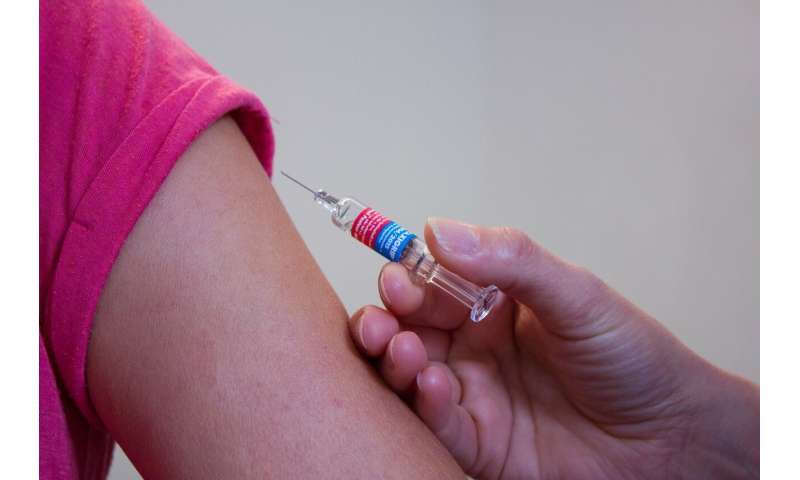
vaccine
Credit: Pixabay/CC0 Public Domain

On Tuesday, Vladimir Putin announced Russia was the first country to register a vaccine offering "sustainable immunity" against SARS-CoV-2, the virus that causes COVID-19.

12 august--Developed by the Gamaleya Research Institute in Moscow, it's been registered with the Russian Health Ministry and approved for emergency use only.

But there are concerns it will soon be rolled out across the Russian population, far beyond emergency use. This has prompted discussion about the "race" towards a COVID-19 vaccine.

While speed is important, ensuring a vaccine is effective and safe is much more critical. The consequences of doling out a potentially unsafe and ineffective vaccine could be wide-reaching.

Data about the trials has not been published

The Gamaleya Research Institute announced it registered a SARS-CoV-2 vaccine with the Russian Health Ministry, the local regulatory body that determines which medicines can be used in Russia. This vaccine is called "Sputnik V" and the Institute has indicated it's approved for emergency use. An emergency use approval generally means a vaccine could be offered to people at very high risk of infection, such as health-care workers, but not the general civilian population.

The Institute had previously registered this vaccine for a Phase I/II trial (to assess safety and immune responses in humans), initially with just 38 people. Senior Russian officials said it induced a strong immune response and no "serious complications" in this trial. This isn't too surprising, as published data from human clinical trials for other similar vaccines have shown strong immune responses and no serious complications.

However, the data from the trial of Sputnik V has not been published and there is no data that indicates the vaccine would actually protect, as Phase III studies (requiring thousands of volunteers to demonstrate efficacy and detect rare side-effects) haven't been performed.

The Institute did announce a Phase III trial for Sputnik V will begin on August 12 in Russia and several other countries. However, many scientists (including Russian researchers) expressed concern the vaccine will soon be used in large civilian vaccination campaigns, which wouldn't usually be the case with an approval for emergency use.

What are the risks

If we go back to the analogy of a "race," we should stop thinking of vaccine development as the 100-meter sprint. Instead, think of it more like the pentathlon. In the pentathlon, each section the athlete completes contributes to their overall score and cannot be missed. If we try to run this race against COVID-19 without each section, we could end up with a vaccine which has not been properly tested, which could be unsafe and would be unethical. And then we all lose.

The risks of advancing into mass vaccination without proper testing are significant. If a vaccine is released but side-effects emerge, the consequences include both the health impacts and deterioration in trust from our community. If the vaccine does not protect individuals from infection, those who have been vaccinated could falsely believe they are protected.

Our system of methodical series of clinical trials has been designed, oftentimes with hard-won lessons, to avoid oversights and build essential data on safety, immunity and protection with vaccines.

As stated by the US Health and Human Services secretary, Alex Azar: "The point is not to be first with a vaccine. The point is to have a vaccine that is safe and effective for the American people and the people of the world."

Development takes time and we need to be realistic with our timelines and expectations.

Testing a vaccine is rigorous

When countries consider introducing a vaccine, the following information is examined:

  • how safe is the vaccine?
  • how well does the vaccine work?
  • how serious is the disease the vaccine would prevent?
  • how many people would get the disease if we did not have the vaccine?

This information is collected during each phase of the clinical trials (Phase I, II and III), with a particular focus on vaccine safety at each step. Developing this package of information can take years, but there have been cases when timelines were condensed.

For example, testing for an Ebola vaccine was condensed down to five years due to a critical need for a vaccine in the midst of ongoing epidemics. Regardless of this urgency, each clinical trial phase was still completed.

Phase III clinical trials are especially critical to assess safety in a large group of people, because certain rare side effects may not be identified in earlier, smaller trials. For example, if a vaccine-related side effect only occurred in one in every 10,000 people, the trial would have to enroll 60,000 volunteers to detect it.

In general, vaccines are more thoroughly tested than any other medicine. We administer vaccines to healthy people, so safety is the key priority, and we administer vaccines to large numbers of people, so rare side-effects must be identified.

What's in this vaccine?

This type of vaccine is called a viral vector. With viral vectors, we trick our immune system with a bait-and-switch; we take a harmless virus, modify it so it can't replicate, and include a target from the surface of the SARS-CoV-2 virus. The vaccine looks like a dangerous virus to the immune system, so the immune response is relatively strong and targeted against SARS-CoV-2, but the virus can't cause disease.

Sputnik V is unusual because it uses two different viral vectors, one after the other, in what we call a "prime boost." The first is called Ad26, which is similar to a COVID-19 vaccine being developed by Johnson&Johnson, and the second is called Ad5, which is similar to a COVID-19 vaccine being developed by CanSino Biologics. This prime boost should generate a relatively strong , but we don't know for sure.

Viral vectors are also a relatively new technology. There have been a number of large clinical trials with viral vectors for HIV, Malaria, Tuberculosis and Ebola, but only one for Ebola has ever been approved for use in the general population.


Provided by The Conversation 

Sunday, June 02, 2013

Hope sparked by new vaccine for Alzheimer's

Brain research has made unprecedented progress over the years, with Europe at the forefront of scientific advances. But more can be done. This comes from Alzheimer's Disease International who issued their report on the Global Economic Impact of Dementia. They estimate that if dementia care were a country, it would be the world's 18th largest economy, ranking between Turkey and Indonesia.
02 jun 2013--The European MIMOVAX project has high hopes of making a significant breakthrough in this important area of medical research. Alzheimer's Disease (AD) is a progressive, degenerative and irreversible brain disorder that causes intellectual impairment and disorientation. With no effective treatment, the MIMOVAX team has set out to develop a vaccination which can ensure safe and effective treatment, and ultimately halt progression of this crippling disease.
MIMOVAX is a 'Specific Targeted Research Project' (STREP) which targets truncated peptides Aß40/42 - derived from the Amyloid Precursor Protein (APP) - through active immunisation. The team focused on the use of immune reactions to fight known and less well-known beta amyloid (BA) proteins, which are thought to cause the disease.
The initial three-year project (extended to another 15 months to fulfil clinical objectives) was led by the Austrian company AFFiRiS AG. The consortium comprised three other industrial companies, two university institutes and a clinic, with a total of 20 scientists. The project received funding of EUR 4.3 million, of which EUR 2.4 came from the European Commission.
During the course of MIMOVAX, several AD vaccine candidates have been identified, which demonstrate the ability to reduce amyloid plaque load and alleviate the pathologic hallmarks of AD in the brain of animal models. In addition, according to the research team, a vaccination using AD vaccine candidates, improved spatial memory and learning in transgenic animals, thereby showing the potential for altering disease progression in these models. These experiments led to the identification of the AD03 vaccine as a candidate for clinical testing.
Dr Markus Mandler, the scientific coordinator at AFFiRiS AG explains: 'A clinical study using AD03 was conducted on 24 elderly patients with mild AD. Over the course of 12 months we studied the safety and tolerability of the vaccine. We then followed the patients up for a further 12 months to assess their behaviour. The results from these tests are currently being evaluated and we should see the final analysis in a few months.'
He adds: 'Once we see the full results we will decide whether to embark on further clinical testing, eventually leading to studies and data which can be presented to regulatory authorities for review and approval.
More information: MIMOVAX www.mimovax.eu
Alzheimer's Disease International www.alz.co.uk/
Provided by CORDIS

Saturday, December 10, 2011

Alzheimer's vaccine cures memory of mice

Alzheimer's vaccine cures memory of mice


Associate Professor Lars Ittner: "Although we have a long way to go before the vaccine might be available for human use, these early results are very promising."

10 dec 2011-- A vaccine that slows the progression of Alzheimer's disease and other types of dementia has been developed by researchers at the University of Sydney's Brain and Mind Research Institute (BMRI).

The vaccine, which targets a protein known as tau, prevents the ongoing formation of neurofibrillary tangles in the brain of a mouse with Alzheimer's disease.

This progressive neurodegenerative disease affects more than 35 million people worldwide. The tau protein is also involved in front temporal dementia, the second most common form of dementia in people younger than 65 years.

The results of the study which led to the production of the vaccine have been published today in the scientific journal PLoS ONE.

Lead author on the study, Associate Professor Lars Ittner, from the Alzheimer's and Parkinson's Disease Laboratory says: "Our study is the first to show that a vaccine targeting the tau protein can be effective once the disease has already set in.

"The vaccine appears to have a preventative effect: slowing the development of further tangles, rather than clearing existing ones, but the exact mechanism involved is not yet understood," he said.

According to Associate Professor Ittner, scientists have been working on vaccines targeting the amyloid plaques seen in Alzheimer's for many years with a few currently in clinical trials.

"Most of the other vaccines targeting tau were tested only before or around the onset of the disease in animal models, but the vast majority of people with Alzheimer's disease are only diagnosed after the symptoms have appeared.

"We are already collaborating with the US pharmaceutical industry to develop this new vaccine for humans.

"Although we have a long way to go before the vaccine might be available for human use, these early results are very promising and a great reward for the countless hours spent in the lab by me and my team!"

Provided by University of Sydney

Friday, November 21, 2008

Medical societies: Adults need vaccines

Many adults are unaware of the potential risks of vaccine-preventable diseases, the need for booster doses to maintain maximum protection, and the availability of newer vaccines

Philadelphia, 21 nov 2008-- The American College of Physicians (ACP) and the Infectious Diseases Society of America (IDSA) have released a joint statement on the importance of adult vaccination against an increasing number of vaccine-preventable diseases. The statement has been endorsed by 17 other medical societies representing a range of practice areas.

According to the Centers for Disease Control and Prevention, 95 percent of vaccine-preventable diseases occur in adults and more than 46,000 adults die of vaccine-preventable diseases or their complications.

"It is crucial for physicians -- internists, family physicians, and subspecialists who provide primary and preventive care services for patients, especially those with chronic diseases -- to discuss and review their adult patients' vaccination status and either vaccinate them or provide a referral for recommended vaccines," said Jeffrey P. Harris, MD, FACP, president of ACP. "We believe that the Patient-Centered Medical Home model of care -- which in coordination with the other components of the health care delivery system is the future of health care -- will help to increase immunization rates among adults."

"Thanks to immunization, most children never suffer from vaccine-preventable diseases but that's not true for their parents or grandparents," said William Schaffner, MD, FIDSA, MACP, chair of IDSA's Immunization Work Group. "Every year, hundreds of thousands of adults get sick, miss work, and are hospitalized. Many adults die because of vaccine-preventable diseases or their complications. Costs associated with treatment run in the billions."

Adult vaccination rates range from 26 to 69 percent, depending on the vaccine and specific target group. ACP and IDSA plan to work with the other medical societies toward facilitating access to tools and resources to help physicians encourage adult immunization amongst their patients.

The joint statement includes the following five proposals:

  • Primary and subspecialty physicians should conduct an immunization review at appropriate adult medical visits to educate patients about the benefits of vaccination and to assess whether the patient's vaccination status is current, referring to the Advisory Committee on Immunization Practices Adult Immunization Schedule.
  • When appropriate, physicians should provide or refer patients for recommended immunizations.
  • Physicians who administer vaccines should ensure appropriate documentation in the medical record. In addition, documentation of vaccination in other settings, patient refusal and any contraindications is advisable. The use of immunization registries and electronic data systems facilitates access to accurate and complete immunization data.
  • Physicians who refer patients for vaccination also should review and document the vaccination status of their patients whenever possible.
  • Consistent with the CDC Advisory Committee on Immunization Practices and multiple subspecialty organizations, physicians and their staff should be immunized consistent with CDC recommendations, with particular attention to annual influenza immunization.

The list of vaccines that adults should discuss with their physicians includes influenza, pneumococcal, tetanus-diptheria-pertussis, hepatitis A, hepatitis B, measles-mumps-rubella, chickenpox (varicella), meningococcal, human papillomavirus, and shingles (zoster). Specific recommendations vary depending on age and other factors.

###

For more information, visit the ACP (www.acponline.org)and IDSA (www.idsociety.org) Web sites.

Monday, March 31, 2008

A Multitude of Vaccine Benefits, Yet Controversy Persists

By DONALD G. McNEIL Jr.
Vaccinations are among the most important health advances in history.Death rates for 13 diseases that can be prevented by childhood vaccinations were at all-time lows in the United States in 2007.Rumors persist that some immunizations, or the vaccine preservative thimerosal, cause autism.
Public health experts generally agree that after clean water and flush toilets, the most important health advances in history have been vaccinations.
Shots against measles, diphtheria, whooping cough, tetanus, polio, mumps, rubella, chicken pox, flu, hepatitis and some causes of childhood meningitis, pneumonia and diarrhea have saved more lives than all the “miracle drugs” of the latter half of the 20th century — antibiotics like penicillin, antivirals like drugs to fight AIDS and flu, and so on. In addition, vaccination is one of the leading reasons that many families in the West now feel comfortable having only two or three children: they can be reasonably certain that the children will survive childhood.
According to a large historical study by the Centers for Disease Control and Prevention released in November 2007, death rates for 13 diseases that can be prevented by childhood vaccinations were at all-time lows in the United States. The study looked at hospital and death records going back to 1900 and estimated death rates before various vaccines were invented. In nine of the diseases, rates of hospitalization or death had declined more than 90 percent. For three — smallpox, diphtheria and polio — death rates had dropped by 100 percent.
In the 1930s, the United States had about 30,000 diphtheria cases a year, and 3,000 of those succumbed to the disease as gray membranes formed in their airways and eventually choked them to death. Diphtheria is now virtually unknown in the West, but in the chaos following the breakup of the former Soviet Union, vaccinations broke down, and the Red Cross estimated there were 100,000 cases and 5,000 deaths from the disease.
Smallpox vaccine is no longer given to children because the disease has been eliminated from the world, except for stocks frozen in laboratories in the United States and Russia. The smallpox vaccine also carried some risks.
Since the 1990s, vaccines have become somewhat controversial, even in the United States. As diseases have disappeared, generations have grown up without ever seeing the sickness and death they caused. At the same time, new parents are often upset as their babies receive between 20 and 30 injections before age 2 and suffer the pain and mild fever that can accompany them as routine side effects.
In addition, rumors continue to spread that some vaccines, or a mercury antifungal vaccine preservative called thimerosal that was added to vaccines, cause autism. Numerous studies have shown no link between autism and either vaccines or the preservative. An active anti-vaccine lobby, however, keeps the issue alive. The lobby is a broad tent. A few members question even whether bacteria and viruses cause disease; most seek more research into safety and greater rights to refuse vaccination.
State and city health departments, recognizing that the risk of epidemics soars when children gather daily in school, generally require parents to prove that children have been immunized before they enroll. There are some exceptions. All states allow medical exemptions for children who are immunocompromised or allergic to vaccine components. Most allow religious objections. A few allow “personal or philosophical” ones; how hard it is to get one varies by state.
Health insurers pay for most vaccines, and public clinics offer them free to the uninsured, the cost paid by the federal government under the Vaccines for Children Program of 1994. Before that time, incomplete vaccination was most common among the poor. Now it is more common for children from wealthy or middle-class families to lack some or all shots, presumably because their parents objected.
More vaccines are being developed all the time. Some are aimed at teenagers because they thwart diseases spread by sex or common in student dorms and military barracks. These include vaccines for human papillomaviruses, which cause cervical cancer; herpes; and meningococcal B infections, the cause of sometimes deadly meningitis. Others, like those against flu, shingles and some bacterial toxins, are particularly aimed at older people, who have weaker immune systems and are more likely to be in hospitals or nursing homes.
Newer vaccines tend to be much more expensive than older ones, which were developed before the era of clinical trials costing hundreds of millions of dollars and before medical liability lawsuits were so common. But the cost of not vaccinating at all, as history has taught, can be very high.

Sunday, March 16, 2008

Parents May Be Jailed Over Vaccinations

By MARIA CHENG
LONDON (AP) — As doctors struggle to eradicate polio worldwide, one of their biggest problems is persuading parents to vaccinate their children. In Belgium, authorities are resorting to an extreme measure: prison sentences.
Two sets of parents in Belgium were recently handed five month prison terms for failing to vaccinate their children against polio. Each parent was also fined 4,100 euros ($8,000).
"It's a pretty extraordinary case," said Dr. Ross Upshur, director of the Joint Centre for Bioethics at the University of Toronto.
"The Belgians have a right to take some action against the parents, given the seriousness of polio, but the question is, is a prison sentence disproportionate?"
The parents can still avoid prison — their sentences were delayed to give them a chance to vaccinate their children. But if that deadline also passes without their children receiving the injections, the parents could be put behind bars.
Because of privacy laws, Belgian officials would not talk specifically about the case, such as why the parents refused the vaccine or how much longer they have to vaccinate their children.
The polio vaccine is the only one required by Belgian law. Exceptions are granted only if parents can prove their children might have a bad physical reaction to the vaccine.
"Polio is a very serious disease and has caused great suffering in the past," said Dr. Victor Lusayu, head of Belgium's international vaccine centre. "The discovery of the vaccine has eliminated polio from Europe and it is simply the law in Belgium that you have to be vaccinated. ... At the end of the day, the law must be respected."
Some ethicists back the hardline Belgian stance.
"Nobody has the right to unfettered liberty, and people do not have a right to endanger their kids," said John Harris, a professor of bioethics at the University of Manchester.
"The parents in this case do not have any rights they can appeal to. They have obligations they are not fulfilling."
Aside from Belgium, only France makes polio vaccinations mandatory by law. In the United States, children must be vaccinated against many diseases including polio, but most states allow children to opt out if their parents have religious or "philosophical" objections.
In the U.S. state of Maryland, prosecutors and school officials in one county threatened truancy charges against parents who failed to vaccinate their children. The measure sharply reduced the number of unvaccinated children although nobody has been charged.
The only other case of mandatory polio vaccines is during the Muslim yearly Hajj pilgrimage in Saudi Arabia. Pilgrims from polio-endemic countries — Afghanistan, India, Nigeria and Pakistan — must prove they have been vaccinated. Saudi officials even give them an extra dose upon arrival at the airport.
Since the polio virus can live in the human body for weeks, it jumps borders easily. That makes health officials even in developed countries nervous, since the threat of an outbreak remains as long as the virus is circulating anywhere.
Polio is a highly infectious disease spread through water that mainly strikes children under five. Initial symptoms include fever, headaches, vomiting, stiffness in the neck and fatigue. The polio virus invades the body's nervous system and can lead to irreversible paralysis within hours. In extreme cases, children can die when their breathing muscles are immobilized.
Incidence has dropped by 99 percent since the World Health Organization and partners began their eradication effort in 1988. But the virus is still entrenched in Afghanistan, India, Nigeria and Pakistan, and occasionally pops up elsewhere.
For developed countries, imported polio cases could cause chaos in the health system, warned Dr. Steve Cochi, an immunization expert at the United States' Centers for Disease Control and Prevention.
He said that unlike other medical problems, in which rejecting treatment only affects the individual, refusing a vaccine for a transmissible disease like polio puts others at risk as well.
"Most of the time, polio outbreaks do spill into the general population," Cochi said.
Ethicists argue that people who refuse vaccinations are taking advantage of everyone else who has been vaccinated. Once the majority of a population is vaccinated, there are few susceptible people the disease can infect, thus lowering the odds of an outbreak.
People who refuse to be vaccinated are "free riders," Harris said. "They can only afford to refuse the vaccine because they are surrounded by people who have fulfilled their obligations to the community."
Health officials doubt that Belgium's strategy will be useful to countries still battling polio.
"It is up to individual countries to decide their own policies, but we do not feel that imprisonment would help," said Dr. David Heymann, WHO's top polio official.

Saturday, March 08, 2008

Vaccine Could One Day Control High Blood Pressure

By Steven ReinbergHealthDay ReporterFri Mar 7, 5:02 PM ET
THURSDAY, March 6 (HealthDay News) -- A vaccine that blocks so-called angiotensin II receptors, thus relaxing blood vessels to lower blood pressure, may one day replace current blood pressure medications, a new study suggests.
The advantage of the vaccine is that it would only need to be given two or three times a year and should help patients adhere to their medication regimen, researchers say.
"We found the vaccine was well-tolerated, and it did lower blood pressure in hypertensive people," said vaccine inventor Martin Bachmann, of Cytos Biotechnology in Schlieren, Switzerland.
Currently, there are two problems with high blood pressure drugs, Bachmann said. "On the one hand, people just don't take them, and, on other hand, the drugs don't work very well early in the morning," he said.
In the United States, only about one-third of people with high blood pressure (also known as hypertension) have their blood pressure under control, according to background information for the study. Many people don't take their blood pressure medications because of side effects, concerns about the long-term effects of the drugs, and their lack of perceptible symptoms, Bachmann noted.
"Our vaccine would only have to be taken maybe twice or three times a year, not every day. In addition, it works best early in the morning," Bachmann said.
In the new study, Bachmann's team presented the results of an early trial of 72 patients with mild to moderate high blood pressure who were randomly assigned to receive the vaccine at two different doses or a placebo.
The patients' blood pressure was measured before the trial and 14 weeks after the trial began. The outcome the researchers were looking for was whether the vaccine was safe and well-tolerated.
Bachmann's team found that patients who received the higher dose of vaccine had a drop in their systolic blood pressure of 9 mm Hg and a 4 mm Hg drop in their diastolic blood pressure. The blood pressure drop was particularly significant in the early morning, where patients showed a 25 mm Hg drop in systolic blood pressure and a 13 mm Hg drop in diastolic blood pressure, compared with patients receiving a placebo.
Overall, the vaccine was well tolerated, with only 10 patients reporting flu-like symptoms after the injection. Such reactions are common with several vaccines, the researchers noted. In addition, some patients experienced mild irritation at the injection site.
The study results are published in the March 8 issue of The Lancet.
More extensive testing is needed before the vaccine could be made available to the public, Bachmann said. "We are moving on to eventually large trials," he said.
One expert thinks this finding could be a breakthrough in helping patients control their blood pressure.
"Poorly controlled blood pressure remains a worldwide health-care problem and contributes greatly to heart attacks, strokes, and cardiovascular deaths," said Dr. Gregg C. Fonarow, a professor of cardiology at the University of California, Los Angeles.
Although there are lifestyle modifications and a number of effective and reasonably well-tolerated medications that can help control blood pressure, many patients don't adhere to their regimens in a way that works effectively, Fonarow said. "A vaccinate for controlling blood pressure, if proven to be safe and effective, could represent an important therapeutic advance," he said.
This study is the first to show promising data with a vaccine against angiotensin II, a potent constrictor of blood vessels, in patients with mild to moderate hypertension, Fonarow said.
"While further studies for safety and efficacy, including ones that are larger and follow patients longer, are clearly necessary, this is an exciting development in the search for new and more effective means to help patients achieve and maintain control of high blood pressure," he said.

Thursday, November 15, 2007

Nicotine Vaccine: Another Option for Smoking Cessation?

Sue Hughes
November 13, 2007 (Orlando, FL) – A phase 2 study of a nicotine vaccine has shown that the highest dose tested produced antibodies against nicotine and was associated with an higher rate of smoking cessation than placebo.
In the study [1], presented here by Dr Stephen Rennard (University of Nebraska Medical Center, Omaha) at last week's American Heart Association 2007 Scientific Sessions, the highest dose of the vaccine tested was associated with a quit rate at 12 months of 16% vs 6% for placebo.
Rennard commented to heartwire that the quit rates in this study were generally similar to that achieved with other smoking-cessation aids, showing abstinence rates two- to threefold higher than placebo. "Nicotine patches and bupropion show a twofold greater quit rate than placebo, and this increases to about threefold with varenicline. So this vaccine could be regarded as another option, and the more options the better. Some people will prefer one method; others may prefer a different method. The more tools in the toolbox the better. Anything that helps will be welcome."
The vaccine is in development by Nabi Biopharmaceuticals under the brand name NicVAX. It consists of a chemical derivative of nicotine linked to a protein to induce an immune response. The idea is that the antibodies produced will bind to nicotine in the bloodstream and prevent it from crossing the blood-brain barrier and entering the brain, thus preventing the positive-sensation stimulus of nicotine, which mediates its addictive properties. Nabi suggests that the vaccine may have advantages over existing treatments because its effect is irreversible for potentially six to 12 months following vaccination as antibodies to nicotine continue to be produced by the body's immune system. This, it says, is important in view of the high relapse rates associated with smoking cessation.
"The vaccine is really very different from all of the other drugs that are available to help smoking cessation," Rennard said. "Theoretically, the other drugs are designed to work in the person's brain to affect the nicotine addiction process. But the vaccine targets the addicting drug, and it seems more appealing to attack the enemy."
In the phase 2 study, 301 participants who smoked at least 15 cigarettes a day (average 24 a day) were randomized to the nicotine vaccine or placebo. The vaccine was given by injection at two different doses (200 µg and 400 µg) in different schedules (four or five shots over a 26-week period). Smoking cessation was started one week after the second shot.
Correlation between antibody titers and quit rates
The group receiving five shots of the vaccine at the highest dose consistently showed the best results throughout the study, with quit rates of 25% after eight weeks vs 13% for those who received placebo. By one year, 16% of patients who had received five shots of the high dose were still abstinent, compared with 6% of those given placebo. Results also suggested that the five-shot high-dose group also achieved the highest antibody titers, and there was a direct correlation between antibody titers and quit rates.
Rennard said the vaccine was generally well tolerated but was associated with injection-site reactions, mild fever, and aches. Seven people dropped out of the study because of adverse reactions, but of these, only one was probably related to the vaccine and another one possibly related.
He added that a large trial would have to be performed for the vaccine to be marketed, with at least several hundred patients in each group. "We have shown preliminary evidence of efficacy, but the FDA will want more definitive evidence and more safety data," he added.
Rennard SI. A randomized placebo-controlled trial of a conjugate nicotine vaccine (NicVAX) in smokers who want to quit: 12-month results. American Heart Association 2007 Scientific Sessions; November 4-7, 2007; Orlando, FL. Abstract 3712

Monday, July 09, 2007

First brain cancer vaccine approved in Switzerland
Mon Jul 9, 4:12 AM ET

Northwest Biotherapeutics, a US-based biotech company, said Monday it had won approval for commercial use of the world's first vaccine against brain cancer in Switzerland.
The company, which is listed in London, intends to begin making DCVax-Brain available to patients before the end of September, according to a statement.
Under the Swiss approval plan, Northwest is able to manufacture the vaccine in the United States and make it available for the treatment of patients with brain cancer at select centres in Switzerland.
"We are delighted to be the first company to reach the market with a personalized therapeutic vaccine for brain cancers, which carry a very bleak prognosis for patients," said Alton Boynton, president and chief executive of Northwest Biotherapeutics.
"Switzerland is an attractive place to begin commercialisation, due to its highly respected regulatory oversight, and its growing experience with cellular therapies.
Boynton added: "We look forward to being able to bring DCVax-Brain to patients in additional countries, and to applying our DCVax technology to many other cancers."

Tuesday, June 19, 2007

OPTIONS VI: Tests of Flu Vaccine Too Variable for Reliability

TORONTO, June 18 -- The tests used to evaluate influenza vaccines are so unreliable they can vary up to 700-fold from one lab to another, a British researcher said here.
Because experts fear the world may need a vaccine against a new flu pandemic at a few months' notice, such unreliability can't be tolerated, said John Wood, Ph.D., of the United Kingdom's National Institute for Biological Standards and Control.
The issue is "brought to a head when there are global influenza vaccine trials taking place," Dr. Wood said at the Options for Control of Influenza meeting.
"If you want to compare a clinical trial in Canada with one in Europe," he said, "where do you start?"
There are two main tests used to evaluate the effectiveness of flu vaccines, Dr. Wood said -- hemagglutinin inhibition and antibody neutralization. But both tests are surprisingly variable.
Form lab to lab, he said, the results of the hemagglutinin test vary between six- and 128-fold "and the neutralization test was even worse - a 91- to 720-fold variation between labs."
To try to remedy the situation, he and colleagues -- working with the World Health Organization - are planning an international study to create a reference standard.
Part of the problem, he said, is that "there are so many variables - interactions with antibodies, with the virus, with red blood cells." Even using different sources of red blood cells - as many labs do - can cause variation, he said.
Dr. Wood and colleagues have collected four liters of serum from human volunteers exposed to various experimental H5N1 vaccines, all of whom had high antibody responses.
The serum will be freeze-dried and distributed to labs around the world for testing as a reference standard, probably starting this fall, he said. "It's a small study with a panel of test sera to see how well this standard performs in making the results more reproducible," he said.
Health authorities currently avoid the issue, he said, by having many labs test a given seasonal vaccine and then deciding how effective it will be by consensus.
Now, though, the issue is more highly charged, as many authorities fear that a pandemic influenza strain is overdue. The highly pathogenic H5N1 avian flu strain - already seen in many parts of the world - is viewed as a possible pandemic candidate and much research has been done on finding vaccines against it.
But studying those vaccines - using the standard techniques - has been difficult, agreed Keiji Fukuda, M.D., of the World Health Organization's influenza program.
He said standardizing the development of vaccines would be a mistake, but "there's the whole issue of how do you know whether one vaccine is comparable to another."
Dr. Wood had raised the issue during a wide-ranging plenary session addressing international pandemic preparedness, in which other speakers warned that:
Africa is woefully unprepared for a flu pandemic, especially if it arises from the current H5N1 avian flu strain that has been seen in nine African nations.
Wrangling over intellectual property could harm the global effort to create effective pandemic vaccines.
"Influenza has never been a priority for Africa," said Stella Chungong, M.D., of the World Health Organization, mainly because other issues - most notably the HIV pandemic - have claimed public health attention and dollars.
"But now that is changing," she said, "especially with the tangible effect of actually having the virus circulating in these countries."
Africa was the latest to be hit with avian flu. Of the nine affected nations, three - Nigeria, Egypt, and Djibouti - had a total of 38 human cases last year, with 16 deaths, she said.
But Dr. Chungong said that African public health systems are so unprepared for flu surveillance that no one can tell whether that total is accurate. "It's impossible to be certain," she said.
But millions of Africans, she said, are in regular contact with live poultry. It's the custom to handle chickens in the market before buying, slaughtering is often done at home, and feathers and offal are disposed of casually without regard to safety, she said.
Also, "poultry are practically living in some households."
Those social factors, combined with poor public health facilities, make preparing for a pandemic an "enormous challenge" for Africa, she said.
Dr. Fukuda argued that because of the public-private nature of the flu vaccine development process intellectual property issue - including the patenting of viral strains or development processes - is becoming an important issue.
So far, he said, there's no sign that patent disputes have slowed research.