Saturday, April 17, 2021


Prolonged brain dysfunction in COVID-19 survivors: A pandemic in its own right

reflective
Credit: Unsplash/CC0 Public Domain

One in three survivors of COVID-19, those more commonly referred to as COVID-19 long-haulers, suffered from neurologic or psychiatric disability six months after infection, a recent landmark study of more than 200,000 post-COVID-19 patients showed.

17 april 2021--Researchers looked at 236,379 British patients diagnosed with COVID-19 over six months, analyzing neurologic and psychiatric complications during that time period. They compared those individuals to others who had experienced similar respiratory illnesses that were not COVID-19.

They found a significant increase in several medical conditions among the COVID-19 group, including memory loss, nerve disorders, anxiety, depression, substance abuse and insomnia. Additionally, the symptoms were present among all age groups and in patients who were asymptomatic, isolating in home quarantine, and those admitted to hospitals.

The results of this study speak to the seriousness of long-term consequences of COVID-19 infection. Numerous reports of brain fog, post-traumatic stress disorder, heart disease, lung disease and gastrointestinal disease have peppered the media and puzzled scientists over the past 12 months, begging the question: What effect does COVID-19 have on the body long after the acute symptoms have resolved?

I am an assistant professor of neurology and neurosurgery and can't help but wonder what we have learned from past experience with other viruses. One thing in particular stands out: COVID-19 consequences will be with us for quite some time.

Learning from history

Past virus outbreaks, such as the 1918 flu pandemic and the SARS epidemic of 2003, have provided examples of the challenges to expect with COVID-19. And, the long-term effects of other viral infections help provide insight.

Several other viruses, including a large majority of those that cause common upper and lower respiratory infections, have been shown to produce such chronic symptoms as anxiety, depression, memory problems and fatigue. Experts believe that these symptoms are likely due to long-term effects on the immune system. Viruses trick the body into producing a persistent inflammatory response resistant to treatment.

Myalgic encephalomyelitis, also known as chronic fatigue syndrome, is one such illness. Researchers believe this condition results from continuous activation of the immune system long after the initial infection has resolved.

In contrast to other viral infections, the COVID-19 survivors in the study reported persistent symptoms lasting more than six months, with no significant improvement over time. The abundance of psychiatric symptoms was also notable and likely attributable to both infection and pandemic-related experience.

These findings are leading researchers to hypothesize several mechanisms following acute COVID-19 infection that may lead to long-haul COVID-19. With the known historical context of chronic symptoms following other viruses, doctors and researchers may have a glimpse into the future of COVID-19 with the potential to create therapies to alleviate patients' persistent symptoms.

When does COVID-19 really end?

COVID-19 is now known to be a disease that affects all organ systems, including the brain, lungs, heart, kidneys and intestines.

Several theories exist as to the cause of chronic, lingering symptoms. Hypotheses include direct organ damage from the virus, continual activation of the immune system after acute  and persistent lasting virus particles that find safe harbor within the body.

To date, autopsy studies have not confirmed the presence or overabundance of COVID-19 particles in the brain, making the immune theories the most likely cause of brain dysfunction.

Some recovered COVID-19 patients detail significant improvement or resolution of long symptoms following inoculation with the COVID-19 vaccine. Others report improvement following a short course of steroids. The most plausible explanation for the direct effects of long COVID-19 on the brain are due to its body-wide connections and the fact that COVID-19 is a multi-organ disease.

These findings may point to a direct immune related cause of long COVID-19, though no real answers yet exist to define the true cause and duration of the disease.

The post-COVID-19 world

In February, the National Institutes of Health announced a new initiative to study long COVID-19, now collectively defined as Post-Acute Sequelae of SARS-CoV-2. The NIH created a fund of US$1.15 billion to study this new disease. The aims of the study include the cause of long-term symptoms, the number of people affected by the disease and vulnerabilities leading to long COVID-19.

In my view, public health officials should continue to be open and transparent when discussing the short- and long-term effects of COVID-19. Society as a whole needs the best information possible to understand its effects and resolve the problem.

COVID-19 remains and will continue to be one of the largest socioeconomic problems across the world as we begin to recognize the true long-term impacts of the disease. Both the scientific and research communities should continue to be diligent in the fight long after the acute infections are gone. It appears that the chronic effects of the disease will be with us for some time to come.


Provided by The Conversation 

Saturday, April 10, 2021


COVID reinfection is rare, but seniors more vulnerable: study

COVID reinfection is rare, but seniors more vulnerable: study

Reinfection with COVID-19 in people who've already had the illness is very rare, and most people are protected against reinfection for at least six months, a new report finds. However, immunity appears to drop sharply in those aged 65 and older, researchers found.

10 april 2021--Reporting Wednesday in The Lancet, a team of Danish scientists looked at reinfection rates among 4 million people during the second surge of COVID-19—from September through Dec. 31—and compared this to infection rates during the first surge between March and May.

Of the 11,068 people who tested positive during the first surge, only 72 tested positive again during the second.

But age mattered.

The older age group had only about 47% protection against repeat infection, compared to younger people who seemed to have about 80% protection from reinfection, the team discovered. Less than 1% of those under 65 were reinfected, while 3.6% of people 65 and older suffered a second bout of COVID-19.

The finding does not come as a complete surprise, since people's immune systems weaken as they age.

"Given what is at stake, the results emphasize how important it is that people adhere to measures implemented to keep themselves and others safe, even if they have already had COVID-19," study co-author Dr. Steen Ethelberg, of the Statens Serum Institut in Denmark, said in a journal news release.

"The take away is that the elderly must continue to practice mitigation measures such as wearing masks and social distancing—along with getting vaccinated—even if they have been previously diagnosed with COVID-19," said Dr. Robert Glatter, an emergency physician who's cared for many patients with the illness

"Rapid vaccination is our single best weapon against the continued spread of COVID-19," said Glatter, who practices at Lenox Hill Hospital in New York City.

Dr. Amesh Adalja is an infectious disease specialist and senior scholar at the Johns Hopkins Center for Health Security in Baltimore. He said that second bouts of COVID-19 might not turn out to be as severe as a first encounter, at least.

"We've known that with other coronaviruses, reinfection is common after a several months-long period of time—which appears to be the case with SARS-CoV-2 as well—and they are are generally mild," he said. "It is important to know what severity of clinical symptoms and level of contagiousness these rare re-infections are associated with."

In a commentary that accompanied the study, immunologists Dr. Rosemary Boyton and Daniel Altmann, of Imperial College London, called the variation in reinfection rates "relatively alarming."

"Only 80% protection from reinfection in general, decreasing to 47% in people aged 65 years and older, are more concerning figures than offered by previous studies," they wrote."These data are all confirmation, if it were needed, that for SARS-CoV-2 the hope of protective immunity through natural infections might not be within our reach and a global vaccination program with high-efficacy vaccines is the enduring solution."

Edwards noted that, "There's a reason why people over 60 have to get extra vaccines to boost their immunity to various infections, because we know that the immune system starts waning in later life."

One reassuring thing about the mRNA vaccines from Pfizer and Moderna is that the vaccines do seem to overcome some of the immunity concerns among older people because they produce such robust protection.

A limitation of the study is that it looked at infections before there were a lot of the variants in circulation, so it's unclear what impact that could have on future reinfection rates. That's something scientists will have to look at going forward.

"With the rise of variants, especially B117, which is not only more infectious but deadly, we must continue to vaccinate as fast as possible in order to prevent them from becoming dominant," Glatter said.

States expand COVID vaccine eligibility

States are rapidly expanding eligibility for coronavirus vaccines as they race to meet President Joe Biden's deadline to have shots for all American adults by May 1.

At the beginning of the vaccine rollout, COVID-19 vaccines were available only to the most vulnerable Americans and some essential workers. Now, three states—Maine, Virginia and Wisconsin—along with Washington, D.C., have said they will open eligibility to their general population by May 1, The New York Times reported. At least six other states—including Colorado, Connecticut, Ohio, Michigan, Montana and Utah—hope to do so this month or next.

Meanwhile, anyone aged 16 or older can now get a vaccine In Mississippi and Alaska, while Arizona and Michigan have made the vaccines available to all adults in some counties, the Times reported.

With three coronavirus vaccines now in use, Biden has set a lofty goal that many states intend to reach.

Several have already been expanding eligibility for vaccinations. In Ohio, vaccines will open to anyone 40 and up as of Friday, and to more residents with certain medical conditions, the Times reported. Indiana extended access to people 45 and older, effective immediately.

Coloradans age 50 and up will be eligible for a shot on Friday, along with anyone 16 years and older with certain medical conditions, the Times reported. And Wisconsin said on Tuesday that residents aged 16 and up with certain medical conditions would be eligible a week earlier than initially planned. On Monday, Texans age 50 and older and Georgians over 55 became eligible for vaccines.

In New York, residents aged 60 and older are eligible to receive a vaccine, and more frontline workers will become eligible on Wednesday, including government employees, building services workers and employees of nonprofit groups. Gov. Andrew Cuomo has yet to announce how or when the state will open eligibility to all adults.

Since vaccinations began in December, the federal government has delivered more than 147.6 million vaccine doses to states and territories, and more than 77 percent have been administered, according to the latest figures from the U.S. Centers for Disease Control and Prevention. The country is averaging about 2.4 million shots a day, compared with well under 1 million a day in January, the Times said.

As of Thursday, 65.4 percent of the country's seniors had received at least one vaccine dose, with 37.6 percent fully vaccinated.

At the same time, coronavirus cases, deaths and hospitalizations are significantly down from the peak levels reported in January, the Times reported. But progress has slowed noticeably since the beginning of March, with continued drops in some states offset by persistent outbreaks in other parts of the country, especially the Northeast.

Biden weighs national face mask standard for workplaces

The Biden Administration is deliberating on a nationwide face mask standard for workplaces, although it has already missed its own deadline for a decision.

On Jan. 21, Biden told the Labor Department's Occupational Safety and Health Administration (OSHA) to determine by March 15, if such a standard is needed, CBS News reported.

An emergency temporary standard on face masks in the workplace is expected to be issued soon, but the analysis has not yet been completed, three people familiar with the process told CBS News.The nationwide temporary standard for face masks in the workplace would impact millions of workers and would likely last six months.

Public health and workplace safety experts told CBS News the emergency temporary standard could provide valuable social distancing advice for workers and safety guidance for face masks, since they vary in their protective abilities.

OSHA workplace standards typically take years to implement, so an emergency temporary standard has sometimes been used to counter "grave dangers" facing workers, CBS News reported.

The last time an emergency standard was used was in 1983 to limit asbestos exposure in the workplace, according to the Congressional Research Service. The rule was eventually struck down in court.

Without a nationwide standard so far during the pandemic, several states have enacted their own standards, CBS News reported.

Dr. David Michaels, a former assistant secretary of labor for OSHA who served on Biden's presidential transition team, explained to CBS News the technical aspects of any emergency temporary standard must be balanced with the urgent need to protect workers from the spread of COVID-19.

"The Occupational Safety and Health Administration has been working diligently, as appropriate, to consider what standards may be necessary, and is taking the time to get this right," a Labor Department spokesperson told CBS News on Monday. This official did not offer any timeline for their decision.

A global scourge

By Thursday, the U.S. coronavirus case count passed 29.6 million while the death toll passed 537,000, according to a Times tally. On Thursday, the top five states for coronavirus infections were: California with over 3.6 million cases; Texas with more than 2.7 million cases; Florida with nearly 2 million cases; New York with more than 1.7 million cases; and Illinois with over 1.2 million cases.

Curbing the spread of the coronavirus in the rest of the world remains challenging.

In Brazil, the  case count was nearly 11.7 million by Thursday, with nearly 283,000 deaths, a Johns Hopkins University tally showed. India had nearly 11.5 million cases and over 159,000 deaths as of Thursday, the Hopkins tally showed.

Worldwide, the number of reported infections passed 121 million on Thursday, with nearly 2.7 million deaths recorded, according to the Hopkins tally.

More information: Christian Holm Hansen et al, Assessment of protection against reinfection with SARS-CoV-2 among 4 million PCR-tested individuals in Denmark in 2020: a population-level observational study, The Lancet (2021). dx.doi.org/10.1016/S0140-6736(21)00575-4
Journal information: The Lancet 


Pay for elderly to live in care homes in lower income countries, rich nations advised

elderly
Credit: Unsplash/CC0 Public Domain

Rich nations should consider paying for elderly people to live in care homes in lower income countries in a bid to ease the pressure on domestic residential and nursing care provision, argues an ethicist in the Journal of Medical Ethics.

10 april 2021--Providing such a move wouldn't disadvantage local residents, and that appropriate quality checks could be made, this policy would enable older citizens to access affordable and decent care when they need it, contends Dr. Bouke de Vries, University of UmeĆ„, Sweden.

The reality is that many higher-income countries are struggling to provide affordable and decent care for their relatively old and ageing populations, says De Vries.

Something has to be done, and there are already examples of German and Swiss citizens who have opted to live in care homes in Eastern Europe and South East Asia, he points out.

Paying for provision in lower income countries would be morally acceptable if five criteria are met he suggests:

a significant proportion of citizens don't currently have access to adequate residential or nursing carethe care in homes abroad isn't worse than that provided in domestic care homessending states conduct regular quality checks or delegate this to reliable local monitoring bodiesappropriate steps are taken to ensure that this type of migration doesn't disadvantage local residents in the receiving countriesthe public money allocated for this isn't better spent on other ways of easing the pressure on domestic care/nursing homes

How much a richer nation should pay will depend on several factors, he suggests. These include its wealth; the magnitude of the strain on domestic provision; and how much the public purse will save, as well as the amount of taxpayers' money needed to convince citizens to make the move, to monitor the quality of those care homes, and to offset any disadvantage to local citizens.

This disadvantage might include fierce competition for care  places that would otherwise be available to locals and/or increasing the costs of residential care, because of the ability of migrants from richer countries to afford higher prices.

But this could be overcome by the sending countries subsidising the construction of affordable care homes for local people or building care homes within the receiving countries that partly if not wholly accommodate their own citizens, suggests De Vries.

In a linked blog, De Vries acknowledges that this migration policy is not the only solution to the crisis facing elderly care.

Others include paying formal caregivers more; providing better support to informal caregivers; and investing in robot caregivers and other forms of assistive technology. But he nevertheless believes his solution shows "great promise."

Some people might object on the grounds that the policy might put undue pressure on people on lower incomes to migrate while others might simply feel that it is unpalatable.

"My proposal for higher-income countries to pay their residents to move to care homes within lower-income countries will undoubtedly prove controversial," he accepts.

But should it, if the eligibility criteria are strictly adhered to? he asks.

"The proposal could have significant benefits for lower-income countries. "By incentivising comparatively wealthy foreigners to live in  within these countries, it might indirectly stimulate their economies. In addition, it might reduce the need for local clinicians and care workers to move to higher income countries to earn higher wages, meaning that fewer of them would be separated from their family and friends," he writes.


More information: Should higher-income countries pay their citizens to move to foreign care homes? Journal of Medical Ethics (2021). DOI: 10.1136/medethics-2020-106380 


How specialist palliative care services around the world coped in response to COVID-19

care home
Credit: Pixabay/CC0 Public Domain

Specialist palliative care services have been flexible, highly adaptive and have embraced a low-cost "frugal innovation" model in response to the COVID-19 pandemic say researchers.

10 appril 2021--The CovPall study, published in Palliative Medicine, is a collaborative project between Lancaster University, Cicely Saunders Institute at King's College London, Hull York Medical School and the University of York.

It aims to understand the multinational specialist palliative care response to COVID-19 through an online survey of more than 450 hospice and specialist palliative care providers throughout the world.

Lesley Dunleavy, Professor Catherine Walshe and Professor Nancy Preston from the International Observatory on End of Life care at Lancaster University led on mapping and analyzing the types of innovations and practice changes made by specialist palliative care services in response to the pandemic.

Examples included:

  • creating a single point of access for patients, family carers and health care professionals,
  • using communication technology to provide clinical care
  • developing COVID-19 symptom control guidelines and providing training in end of life care.

Services reported a number of challenges and concerns when responding to the pandemic that included working within a climate of heightened fear and anxiety, a lack of IT infrastructure, how to sustain out of hours cover without adequate funding and how to keep abreast of the ever-changing situation. There was evidence that services sometimes duplicated guideline and policy development.

The study highlighted that specialist palliative care services need better financial support but also need to build organizational resilience and drive forward innovation through greater collaboration to manage the impact of the COVID 19 pandemic or any future crisis.

Lesley Dunleavy, Senior Research Associate and lead author said: "Services have demonstrated considerable flexibility and adaptability in response to the COVID-19 pandemic and have played an important role in the crisis, but going forward greater financial support as well national and international collaboration is needed to manage the impact of this and any future crisis."


More information: Lesley Dunleavy et al. 'Necessity is the mother of invention': Specialist palliative care service innovation and practice change in response to COVID-19. Results from a multinational survey (CovPall), Palliative Medicine (2021). DOI: 10.1177/02692163211000660
Provided by Lancaster University 


During the first wave of the coronavirus pandemic, older adults left home predominantly for physical exercise

During the first wave of the coronavirus pandemic, older adults left home predominantly for physical exercise
Physical exercise was the most common reason to leave home during the first wave of the pandemic in 2020. Credit: University of JyvƤskylƤ

In spring 2020, when the first wave of the coronavirus pandemic hit Finland, older adults drastically reduced their out-of-home activities. During the period of government restrictions, physical exercise was the most common reason to leave home,a recent study at the University of JyvƤskylƤ Faculty of Sport and Health Sciences finds.

10 april 2020--"In spring 2020, it was feared that the closure of many activity destinations and the recommendations to avoid close contact with persons from other households put in place by the government would decrease physical activity levels, and thus, negatively affect ' physical functional capacity," Senior Researcher Erja Portegijs explains. "According to our research results, this was however, not the case."

Throughout the restriction period, physical exercise and walking outdoors, for example, in nature was possible, and even encouraged by the government later in the spring.

"This study shows that physical exercise was the most common reason to go out," Portegijs adds. "Otherwise, older participants had few reasons to go out beyond grocery shopping during the first spring of the pandemic."

Previous research shows that all activities outside of one's home are beneficial for physical activity. As the reasons to leave home were markedly limited during the first spring of the pandemic, more research is needed to determine the long-term effects on mobility and maintaining functional capacity.

"This research is unique, even though it was based on the data of 44 participants only," Portegijs says. "Previously, we did not know where older adults moved and for what reason. Studying where people go to is possible using a map-based questionnaire. This is one of the first studies utilizing such a questionnaire among older adults."

As coronavirus-related measures have varied significantly between countries, it is not sure whether these results are generalizable to other countries. In Finland, curfews were not implemented and governmental restrictions were mostly based on recommendations rather than enforced regulations.

In 2017 and 2018, a map-based questionnaire was used to collect data on frequently visited activity destinations as part of the larger AGNES study among 75-, 80-, and 85-year-old adults living in JyvƤskylƤ city in Central Finland. In May and June 2020, participants were invited to complete the map-based questionnaire following a postal questionnaire. Only a small portion of participants was able to use digital devices independently and thus to participate. These participants had somewhat better health and function than the others.

"As abilities to use digital devices improve among the aging population, the relevance of map-based research methods will further increase," Portegijs says.


More information: Erja Portegijs et al. Older adults' activity destinations before and during COVID-19 restrictions: From a variety of activities to mostly physical exercise close to home, Health & Place (2021). DOI: 10.1016/j.healthplace.2021.102533
Journal information: Health & Place 


For older patients, focusing on what matters is often the best medicine

patient
Credit: Unsplash/CC0 Public Domain

A woman in her 80s wanted to play with her great-grandchildren when they came to visit, but knee pain made it difficult for her. A man in his late 70s said he enjoyed going out to dinner, but was constrained by the meal preparation guidelines that he needed to follow because of his diabetes.

10 april 2021--Both people have multiple chronic conditions. They also have life goals, things they want to do to live their lives fully, like playing with grandchildren and going out to eat. Understanding these goals and barriers to them, helps doctors align care with what matters most to their patients while eliminating unwanted health care, said the authors of a report that was published March 24 in JAMA Network Open.

The report, the first systematic description of older adults' health care priorities, describes a structured process called Patient Health Priorities that health care providers can follow to identify the life goals of older adults with multiple chronic conditions as well as their health care preferences.

"There is growing awareness of the need to transition health care, particularly for people with multiple chronic conditions, from treating single diseases in isolation to health care that is aligned with patients' priorities," said Mary Tinetti, MD, the principal investigator of the Patient Priorities Care study, and the Gladys Phillips Crofoot Professor of Medicine (Geriatrics) at Yale School of Medicine (YSM).

During the study, health care providers asked 163 patients who were 65 and older and have multiple chronic conditions to identify what they value most in life such as connecting with family, being productive, or remaining independent. They then asked what specific and realistic activities they most wanted to be able to do that reflected their values. The participants also were asked to describe the barriers that prevented them from achieving their goals, such as unnecessary doctors' visits, taking too many medications, or health concerns such as fatigue and shortness of breath.

"The medications, health care visits, testing, procedures, and self-management tasks entailed in treating multiple chronic conditions require investments of time and effort that may be burdensome and conflict with what patients are willing and able to do," Tinetti said.

The study was conducted among patients of 10 primary care doctors from a multi-site practice in Connecticut who invited patients to participate during routine visits. Participants had to be 65 or older and have at least three chronic health conditions that were treated with at least 10 prescription medications. They also had to be under the care of two or more specialists, or have visited the emergency room at least two times, or had been hospitalized once, during the past year. Of the 236 patients at the practice, 163 agreed to participate. Most participants were white, female, about 78 years old, and had four chronic conditions. Nearly half had high school-level or less education.

Participants were asked to identify their values with questions such as, "What does enjoying life mean to you?" and "When you have a good day, what happens?" Their health care providers then worked with them to make sure their care was focused on achieving those goals. Participants also were asked what health issues most interfered with their goals, and what aspects of their health care they found helpful and which they felt were unhelpful to too burdensome.

The 163 participants identified 459 outcome goals, the most common of which were sharing meals with friends and family (7.8%); visiting with grandchildren (16.3%); going shopping (6.1%), and exercising (4.6%). Twenty participants (4.4%) said they wanted to be able to stay in their homes and live independently. Common barriers to their goals were pain (41%); fatigue, lack of energy or poor sleep (14.4%); unsteadiness (13.5%); and shortness of breath and dizziness (6.1%).

Thirty-two participants (19.8%) felt they were taking too many medications, while 57 (35.0%) reported having bothersome symptoms from their medications but did not mention specific drugs. Also, 43 (26%) participants said that visits to their primary care physicians and specialists were helpful, although 15 (9%) said they have too many visits or doctors. "I'm tired of going to so many doctors."

Understanding what's important to patients can help with patient-doctor communication and decision-making, Tinetti said. "If a patient's outcome goals are not achievable or realistic given their health status, a conversation might include, "I worry that you might not be able to continue driving your friends to the theater. I wonder if there are other ways to fulfill your desire to see shows and connect with your friends that could be more achievable."

Participants were drawn from a single practice with a homogeneous patient population; results may not generalize to other populations, and identifying the priorities of diverse groups is essential, the report's authors noted. "While further research is needed, the study suggests the feasibility of asking people about their goals and preferences, and getting responses that can inform decision-making," Tinetti said.

Self-Directed Website Launches

A newly launched website, MyHealthPriorities.org, grew out of the Patient Priorities Care initiative. People can use the website to identify their priorities so they can discuss them with their health care team.

"When there isn't a healthcare provider available to do the health priorities identification, there is now this option of the self-directed website," said Jessica Esterson, MPH, project director in the Section of Geriatrics at YSM. "We want to spread this capability to as many older adults as possible. By providing the website directly to individuals we greatly expand its reach and potential."

The website walks people through the Patient Priorities Care health priorities identification process. At the end they will have a summary to bring to their doctors that outlines their health priorities—the activities they want their health care to help them achieve based on what they are willing and able to do.

Tinetti encourages people of all ages, particularly older adults with multiple health conditions, to use MyHealthPriorities.org. "It will help you think about things you haven't thought about before, and better understand what matters most to you about your health and health care," Tinetti said. "It's important to you, your family, and your doctors."


More information: Mary E. Tinetti et al. Outcome Goals and Health Care Preferences of Older Adults With Multiple Chronic Conditions, JAMA Network Open (2021). DOI: 10.1001/jamanetworkopen.2021.1271
Provided by Yale University 

Wednesday, April 07, 2021


GlyNAC improves multiple defects in aging to boost strength and cognition in older humans

old people
Credit: CC0 Public Domain

A pilot human clinical trial conducted by researchers at Baylor College of Medicine reveals that supplementation with GlyNAC—a combination of glycine and N-acetylcysteine as precursors of the natural antioxidant glutathione—could improve many age-associated defects in older humans to improve muscle strength and cognition, and promote healthy aging.

07 april 2021--Published in the journal Clinical and Translational Medicine, the results of this study show that older humans taking GlyNAC for 24 weeks saw improvements in many characteristic defects of aging, including glutathione deficiency, oxidative stress, mitochondrial dysfunction, inflammation, insulin resistance, endothelial dysfunction, body fat, genomic toxicity, muscle strength, gait speed, exercise capacity and cognitive function. The benefits declined after stopping supplementation for 12 weeks. GlyNAC supplementation was well tolerated during the study period.

"There is limited understanding as to why these defects occur in older humans, and effective interventions to reverse these defects are currently limited or lacking," said corresponding author endocrinologist Dr. Rajagopal Sekhar, associate professor of medicine in the Section of Endocrinology, Diabetes and Metabolism at Baylor.

For the last 20 years, Sekhar and his team have been studying natural aging in older humans and aged mice. Their work brings mitochondria, known as the batteries of the cell, as well as free radicals and glutathione to the table in discussions about why we age.

Mitochondrial dysfunction and aging

Mitochondria generate energy needed for supporting cellular functions by burning fat and sugar from foods, therefore mitochondrial health is critically important for life. Sekhar believes that improving the health of malfunctioning mitochondria in aging is the key.

As mitochondria generate energy, they produce waste products such as free radicals. These highly reactive molecules can damage cells, membranes, lipids, proteins and DNA. Cells depend on antioxidants, such as glutathione, the most abundant antioxidant in our cells, to neutralize these toxic free radicals. Failing to neutralize free radicals leads to harmful and damaging oxidative stress that can affect mitochondrial function.

Interestingly, glutathione levels in older people are much lower than those in younger people, and the levels of oxidative stress are much higher.

Animal studies conducted in the Sekhar lab have shown that restoring glutathione levels by providing GlyNAC reverses glutathione deficiency, reduces oxidative stress and fully restores mitochondrial function in aged mice.

"In previous work we showed that supplementing HIV patients with GlyNAC improved multiple deficits associated with premature aging observed in those patients," Sekhar said. "In this study, we wanted to understand the effects of GlyNAC supplementation on many age-associated defects in older adults."

GlyNAC improves several hallmark defects in aging

The world population of older humans is rapidly increasing and with it comes an increase in many age-related illnesses. To understand what causes unhealthy aging, scientific research has identified nine hallmark defects which are believed to contribute to the aging process.

"It is believed that correcting these aging hallmarks could improve or reverse many age-related disorders and help people age in a healthier way," Sekhar said. "However, we do not fully understand why these hallmark defects happen, and there are currently no solutions to fix even a single hallmark defect in aging."

This is where Sekhar's trial results become encouraging, because GlyNAC supplementation for 24 weeks appears to improve four of the nine aging hallmark defects.

To further understand whether GlyNAC holds the keys to mitochondrial recovery and more, Sekhar and his team conducted this pilot clinical trial.

"We worked with eight older adults 70 to 80 years of age, comparing them with gender-matched younger adults between 21 and 30 years old," Sekhar said. "We measured glutathione in red-blood cells, mitochondrial fuel-oxidation, plasma biomarkers of oxidative stress and oxidant damage, inflammation, endothelial function, glucose and insulin, gait-speed, muscle strength, exercise capacity, cognitive tests, gene-damage, glucose-production and muscle-protein breakdown rates and body composition. Before taking GlyNAC, all these measurements were abnormal in older adults when compared with those in younger people."

The older participants took GlyNAC for 24 weeks, and then stopped it for 12 weeks. Sekhar and his colleagues repeated the above measurements at the halfway point at 12 weeks, after 24 weeks of taking GlyNAC, and again after stopping GlyNAC for 12 weeks.

"We are very excited by the results," Sekhar said. "After taking GlyNAC for 24 weeks, all these defects in older adults improved and some reversed to the levels found in young adults." The researchers also determined that older adults tolerated GlyNAC well for 24 weeks. The benefits, however, declined after stopping GlyNAC supplementation for 12 weeks.

"I am particularly encouraged by the improvements in cognition and muscle strength," Sekhar said. "Alzheimer's disease and mild cognitive impairment (MCI) are serious medical conditions affecting memory in older people and leading to dementia, and there are no effective solutions for these disorders. We are exploring the possibility that GlyNAC could help with these conditions by conducting two pilot randomized clinical trials to test whether GlyNAC supplementation could improve defects linked to cognitive decline in Alzheimer's disease and in MCI, and possibly improve cognitive function."

"The overall findings of the current study are highly encouraging," Sekhar said. "They suggest that GlyNAC supplementation could be a simple and viable method to promote and improve healthy aging in older adults. We call this the 'Power of 3' because we believe that it takes the combined benefits of glycine, NAC and glutathione to reach this far reaching and widespread improvement. We also have completed a randomized clinical trial on supplementing GlyNAC vs. placebo in older adults and those results will be forthcoming soon."


More information: Premranjan Kumar et al, Glycine and N‐acetylcysteine (GlyNAC) supplementation in older adults improves glutathione deficiency, oxidative stress, mitochondrial dysfunction, inflammation, insulin resistance, endothelial dysfunction, genotoxicity, muscle strength, and cognition: Results of a pilot clinical trial, Clinical and Translational Medicine (2021). DOI: 10.1002/ctm2.372
Provided by Baylor College of Medicine 


OCD patients with comorbidities respond well to deep brain stimulation

obsessive-compulsive disorder
Repetitive hand-washing is a common OCD symptom. Credit: Lars Klintwall Malmqvist/public domain

A new study published in Frontiers in Psychiatry finds that patients with Obsessive Compulsive Disorder (OCD) as well as other psychiatric comorbidities, such as autism spectrum or tic disorders, may respond well to Deep Brain Stimulation (DBS).

07 april 2021--DBS is a minimally invasive neurosurgical procedure that uses coordinates to target certain areas of the brain, implanting electrodes that can help regulate abnormal brain activity. DBS procedures are rare for OCD in the United States; only a couple hundred patients have received this treatment for OCD management since its FDA approval in 2009 via a Humanitarian Device Exemption. The effectiveness of DBS for OCD has been well-documented in literature, but the interplay with comorbid disorders has not been as thoroughly explored.

"This study helps us understand more about real-world use of DBS for OCD," says Rachel Davis, MD, associate professor in the CU Department of Psychiatry and study principal investigator. "Most patients seeking treatment don't only have OCD, comorbidities are more the rule than the exception. So it's important to understand how this life-changing procedure can benefit our more typical patients."

Davis and clinicians at the University of Colorado Anschutz Medical Campus retrospectively examined five patients seeking DBS for OCD between 2015 and 2019. Patients exhibited comorbidities including substance use disorder, eating disorder, autism spectrum disorder, major depression, ADHD, and tic disorder. Three patients were awake during DBS surgery, allowing clinicians to check for response to stimulation (improved mood, increased energy, and reduction in anxiety), an additional way to confirm correct electrode placement. After surgery, Davis assessed response and determined the correct settings by asking patients about changes in mood, energy, and anxiety. Improvement in these areas tend to be associated with reduction in OCD symptoms later on. Change over time was monitored with a variety of IRB-approved questionnaires, gauging changes in mood, anxiety, depression and other quality of life elements affected by OCD.

Overall, these patients experienced significant improvement in OCD and mood symptoms. A standard scale for assessing symptom severity and treatment response in OCD, the Yale-Brown Obsessive-Compulsive Scale (YBOCS), measures degree of distress and impairment caused by obsessions and compulsions. A good clinical response is considered to be greater than a 35% reduction. In this study, patients averaged a 44% reduction on this scale; four out of five experienced full response with the fifth having a partial response, with approximately 25% reduction in OCD symptoms. Patients also reported an average of 53% reduction in depression symptoms.

"For these treatment-refractory OCD patients, our Psychiatric DBS program, led by Dr. Davis, is finally providing relief," says John Thompson, Ph.D., associate professor of neurosurgery at the University of Colorado School of Medicine and one of the co-authors on this manuscript. "While DBS for OCD is rare, this study is a glimpse at its potential. There is much yet to be learned about the complex interplay between circuit modulation and co-morbid symptom management in OCD patients treated with DBS."


More information: Lora Kahn et al, Deep Brain Stimulation for Obsessive-Compulsive Disorder: Real World Experience Post-FDA-Humanitarian Use Device Approval, Frontiers in Psychiatry (2021). DOI: 10.3389/fpsyt.2021.568932
Provided by CU Anschutz Medical Campus


Alzheimer's patients' cognition improves with Sargramostim (GM-CSF), new study shows

alzheimers
Credit: Unsplash/CC0 Public Domain

A new study suggests that Sargramostim, a medication often used to boost white blood cells after cancer treatments, is also effective in treating and improving memory in people with mild-to-moderate Alzheimer's disease. This medication comprises of a natural human protein produced by recombinant DNA technology (yeast-derived rhu GM-CSF/Leukine).

07 april 2021--The study, from the University of Colorado Alzheimer's and Cognition Center at the University of Colorado Anschutz Medical Campus (CU Anschutz), presents evidence from their clinical trial that shows that Sargramostim may have both disease-modifying and cognition-enhancing activities in Alzheimer's disease patients. It was published online today by Alzheimer's & Dementia: Translational Research and Clinical Interventions, an open access journal of the Alzheimer's Association.

"The goal of the clinical trial was to examine the impact of a natural human protein called granulocyte-macrophage colony stimulating factor (GM-CSF) on people living with Alzheimer's disease. We tested GM-CSF because people with rheumatoid arthritis tend not to get Alzheimer's disease and we had previously found this protein, which is increased in the blood of people with rheumatoid arthritis, reduced amyloid deposition in Alzheimer's mice and returned their poor memory to normal after a few weeks of treatment. Thus, naturally increased levels of GM-CSF in people with rheumatoid arthritis may be one reason that they are protected from Alzheimer's disease," said Huntington Potter, Ph.D., director of the CU Alzheimer's and Cognition Center, who together with Jonathan Woodcock, Timothy Boyd and collaborators carried out the new trial.

"Human GM-CSF is the active compound in the known human drug Sargramostim, and we are the first to study its effect on people with Alzheimer's disease."

GM-CSF/Sargramostim is used to stimulate the bone marrow to make more white blood cells of a particular kind called macrophages and granulocytes, as well as progenitor cells that repair blood vessels. These white blood cells circulate throughout the body and remove cells, bacteria and amyloid deposits that aren't supposed to be there, as well as promoting repair to damaged blood vessels and to the brain.

The researchers carried out a randomized, double-blind, placebo-controlled phase II trial to test the safety and efficacy of Sargramostim treatment in participants with mild-moderate Alzheimer's disease. Study participants who met eligibility criteria were randomized to receive injections of either Sargramostim (20 participants took a standard FDA dosage 250 mcg/m2/day subcutaneous injection for five days a week for three weeks) or placebo (20 participants took saline for five days a week for three weeks). The majority of the participants from the study were recruited and treated at CU Anschutz with a few from the University of South Florida.

The CU Anschutz researchers then conducted and studied multiple neurological, neuropsychological, cell, cytokine, Alzheimer's pathology biomarkers and neuroimaging assessments.

They found that short-term Sargramostim treatment increased innate and other immune cells, modulated cytokine measures, and was safe and well-tolerated by participants. They also found cognition memory improved by almost two points in the 30 point Mini-Mental State Exam. Measures of blood biomarkers of Alzheimer's disease—brain amyloid, tangles, and neurodegeneration—all improved toward normal.

"These results suggest that short-term Sargramostim treatment leads to innate immune system activation, cognition and memory improvement, and partial normalization of  measures of amyloid and tau pathology and neuronal damage in participants with mild-to-moderate Alzheimer's disease," said Potter.

"This surprising finding that stimulating the innate immune system and modulating inflammation may be a new treatment approach and induced us to start a larger trial of Sargramostim in Alzheimer's disease with more participants treated over a longer time."


More information: Huntington Potter et al. Safety and efficacy of sargramostim (GM‐CSF) in the treatment of Alzheimer's disease, Alzheimer's & Dementia: Translational Research & Clinical Interventions (2021). DOI: 10.1002/trc2.12158
Provided by CU Anschutz Medical Campus 


World-first aged care monitoring and alert technology unveiled

World-first aged care monitoring and alert technology unveiled
REMi is a three-part system comprising of flexible sensors integrated into a medical grade mattress cover, the backend platform that analyzes the data and the front-end user interface delivering valuable insights for the aged care workforce. Credit: Sleeptite

Pioneering technology that can deliver real-time and non-invasive resident monitoring and alerts for the aged care industry has been unveiled.

06 april 2021--The world-first smart monitoring system, REMi, featuring sensor technology developed by RMIT University, has been launched by Australian research and advanced manufacturing company Sleeptite.

REMi sees fundamental research taken from the labs of RMIT and translated into a commercial outcome, supported by an Australian Government Cooperative Research Centres—Project (CRC-P) grant.

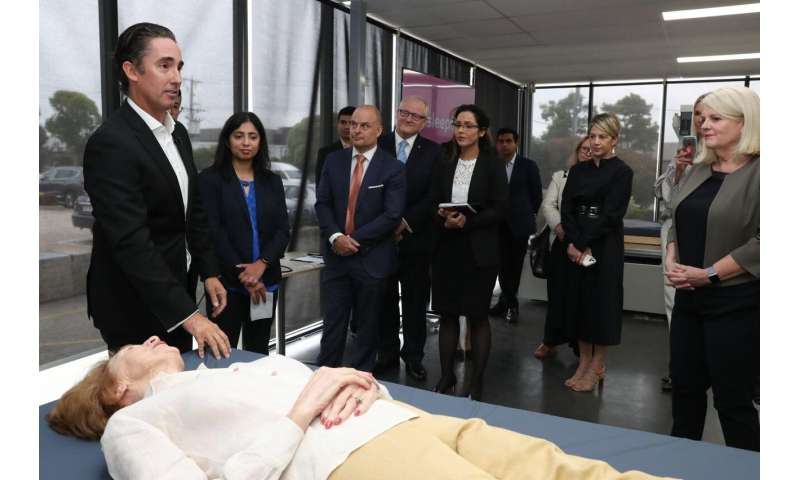
Australian Minister for Industry, Science and Technology, Karen Andrews, joined Sleeptite at their Melbourne test facility and manufacturing home for the launch and to learn more about the next phase for the technology—aged care field trials and an advanced manufacturing push.

"Innovative partnerships like this between researchers and industry are crucial to solving problems and then translating them into commercial outcomes," Andrews said.

Integrated sensing and data platform

REMi is a three-part system comprising of flexible sensors integrated into a medical grade mattress cover, the backend platform that analyzes the data and the front-end user interface delivering valuable insights for the aged care workforce.

Setting the REMi system apart from existing aged care monitoring devices are two world-first advancements:

  • flexible and stretchable sensors that can monitor movement and vital signs when embedded in materials sitting external to the human body, developed by RMIT; and
  • the advanced manufacturing equipment and processes, developed by Sleepeezee Bedding Australia, required to take the sensors made in a laboratory environment and mass produce them at scale for use in the real world.

Sleeptite CEO Cameron van den Dungen said the system gave the aged care sector the opportunity to both increase the quality of healthcare they offer and the quality of residents' lives, through technology.

World-first aged care monitoring and alert technology unveiled
The new technology features flexible and stretchable sensors that can monitor movement and vital signs when embedded in materials sitting external to the human body, developed by RMIT University Credit: Sleeptite

"Technology like Sleeptite's REMi not only supports the valuable care workers but enables them to provide greater care than they believe is possible," van den Dungen said.

"REMi takes the data that we extract from the person, from the environment in an aged care bedroom—whether it's at home or whether it's in a facility—and sorts out what is valuable to the user that needs that information.

"Whether it's the carers wanting to know that whenever their attention is turned they have a safety net behind them monitoring all residents, or their loved ones wanting to feel reassured at all times, or a CEO, or a board making a decision based on benchmark of care or the standard of care in multiple sights."

Professor Madhu Bhaskaran, co-leader of the Functional Materials and Microsystems Research Group at RMIT, said the collaboration was a model for deep engagement between universities and industry.

"REMi shows the power of true partnership and the extraordinary results we can achieve through a collaboration built on mutual respect and clear, shared goals," Bhaskaran said.

"We've gone from lab bench to commercialisation in just three years—solving myriad challenges along the way—to deliver smart home-grown tech that will be manufactured right here in Australia.

"It's incredibly exciting to see the sensor we developed leaping out from our lab and into the world, to improve the care of some of our most vulnerable people."

Advanced monitoring and care

REMi has been designed to enable the aged care workforce to non-intrusively monitor residents during the night and receive alerts at critical moments such as if a resident falls, or is at risk of falling.

Using the technology, carers will be able to determine not only the presence or absence of a person in bed, but also vital information about their position on the mattress.

World-first aged care monitoring and alert technology unveiled
Sleeptite CEO Cameron van den Dungen and Professor Madhu Bhaskaran (left) explain the technology behind REMi to Federal Minister for Industry, Science and Technology, Karen Andrews (right). Credit: Lucas Dawson

This allows them to detect signs of abnormality or potential health risks, such as their state of sleep or distress, as well as providing valuable insights in the understanding or prevention of falls.

REMi can provide macro-data to facility mangers ensuring that quality care can be benchmarked and easily monitored and that facilities can easily, accurately and scientifically provide evidence of quality care to regulatory bodies, government and families.

Further testing is already proving that the technology is also able to monitor more health parameters including respiratory and heart rate readings, with future developments to be added as field trials begin in coming months.

Collaborative partnerships

RMIT Deputy Vice-Chancellor Research and Innovation and Vice-President, Professor Calum Drummond, said strong partnerships with industry were at the heart of RMIT research.

"Our goal is to bridge the gap between research and impact, for the benefit of our communities," Drummond said.

"It's through these kinds of deep collaborations that we can accelerate the translation of university research into new technologies and play a critical role in boosting Australia's sovereign capability, to help drive our economic recovery."

Bill Mantzis, Managing Director Sleepeezee Bedding Australia, said advanced manufacturing techniques would ensure Australia's global competitiveness and generate demand for local jobs.

"Companies that invest in innovation, research and development of new technologies and ideas will set the scene for the (manufacturing) industry and the industries for whom they are developing products," Mantzis said.


Provided by RMIT University