Wednesday, May 10, 2023


Social interaction reduces dementia risk and increases longevity

old people
Credit: CC0 Public Domain

Spending time with loved ones can have significant health benefits as we age, according to a new meta-analysis study from the Centre for Healthy Brain Ageing (CHeBA) at UNSW Sydney.

10 may 2023--The researchers studied the link between social connections in older people and the risk of mild cognitive impairment (MCI), dementia and mortality. They pooled together the results of 13 international studies, which followed people aged 65 years and above over long periods of time.

The research is published today in Alzheimer's & Dementia.

"We know from previous research that social connections are important for our health and being isolated puts us at higher risk of dementia and death," said first author Dr. Suraj Samtani, who is a clinical psychologist and researcher at CHeBA.

"Our goal was to find which social connections protect us from dementia and death."

Studying aging populations

The researchers obtained results from studies in low, middle and high-income countries across the world. These included Australia, North America, and several nations in Europe, South America, Asia, and Africa. The study population is more diverse than previous meta-analyses, which have mainly focused on North America and Europe.

Then the researchers analyzed information about the social connections of the study participants. They were interested in the social connection type (e.g., being in a relationship or married, engaging with a community group), function (e.g., social support, having a confidante), and quality (e.g., level of relationship satisfaction).

Finally, the researchers looked at whether the participants developed MCI or dementia, or passed away, during the studies. They controlled for other variables which could influence these outcomes including age, sex, education level, lifestyle factors and other chronic diseases.

"We looked at social variables across these studies, such as living with others, interacting with friends and family, engaging in community activities, and social support," Dr. Samtani said. "We wanted to know which of these are associated with risk of getting dementia over time or dying."

Protective effects of social connections

Among the study participants, good social connections were associated with a lower risk of MCI, dementia and death.

"We found that frequent interactions—monthly or weekly—with family and friends and having someone to talk to reduced the risk of getting dementia. We also found that living with others and doing community activities reduced the risk of dying," Dr. Samtani said.

Why would social interaction be linked to MCI, dementia and death? Many other studies show that poor social connections are associated with poorer lifestyle and poorer health.

For example, close relationships can have a stress buffering effect, as we confide in and receive support from these individuals. Controlling stress is important for brain and overall health.

Another example is that our family, friends and community members may influence us to take on healthy behaviors. This phenomenon, exemplified by your friends dragging you to park run at 7am on a Saturday, is known as 'social contagion'.

One limitation of the findings is the 'chicken or the egg' problem. Participants who had already MCI or dementia at the beginning of the studies were excluded from the analysis. However, it is possible that they had some undetected cognitive and physical health issues. These could impact their social interactions, rather than the other way around.

Tips to stay healthy

The researchers recommend that we prioritize social connection to reduce risk of cognitive decline and live longer.

"Try to meet with friends and family at least once a month, take part in community activities like volunteering or a rotary club, and open your heart to someone when you feel stressed. Living with others, for example in an intergenerational household, is also helpful," Dr. Samtani said.

"Connecting with others helps us to keep our bodies and minds healthy."

The researchers at CHeBA are now looking at interventions to improve the social connections of older adults, to protect their brain and overall health. Dr. Samtani has recently been awarded a Dementia Australia Research Foundation post-doctoral fellowship to trial a social cognition intervention for older adults with memory concerns.

"We hope that helping people to stay engaged in conversations and maintain healthy friendships and relationships will help them to stay healthy and happy," Dr. Samtani said.

More information: Gowsaly Mahalingam et al, Social connections and risk of incident mild cognitive impairment, dementia, and mortality in 13 longitudinal cohort studies of ageing, Alzheimer's & Dementia (2023). DOI: 10.1002/alz.13072


Study provides evidence that breathing exercises may reduce Alzheimer's risk

senior citizen
Credit: Unsplash/CC0 Public Domain

The exercise was simple: inhale for a count of five, then exhale for a count of five. Do that for 20 minutes, twice a day, for four weeks.

10 may 2023--These brief breathing sessions had significant impacts: Volunteers' heart rate variability increased during each exercise period and the levels of amyloid-beta peptides circulating in their blood decreased over the four weeks of the experiment.

That's the finding of a new study from USC Leonard Davis School of Gerontology Professor Mara Mather. Published last month in the journal Scientific Reports, the study may be the first to discover a way that adults, both young and old, can reduce their amyloid beta levels: via breathing exercises that lower the levels in our blood of these peptides associated with Alzheimer's disease.

That's because the way we breathe affects our heart rate, which in turn affects our nervous system and the way our brain produces proteins and clears them away. While we are awake and active, we typically use our sympathetic nervous system. This is sometimes known as the "fight or flight" system but we also use it to exercise, to focus attention, and even to help create long-lasting memories. While the sympathetic nervous system is activated, there isn't much variation in the time between each heartbeat. In contrast, when the parasympathetic system is activated, heart rates increase during inhaling and decrease during exhaling.

When we're young—or older, but very fit—our body slides easily between the sympathetic nervous system and its partner, the parasympathetic nervous system. Sometimes known as the "rest and digest" part of our system, the parasympathetic nervous system allows us to calm down, digest food easily, and sleep soundly. When these kinds of activities occur, the variation between heartbeats is greater.

But as we age, scientists are learning, our ability to access our parasympathetic nervous system—and thus, our heart rate variation—decreases dramatically.

A 2020 study using smart watches found that heart rate variability drops on average 80 percent between twenty and sixty years old. This finding could partially explain why we struggle to sleep deeply as we age.

"We know the sympathetic and parasympathetic systems influence the production and clearance of Alzheimer's related peptides and proteins," said Mather, who directs the Emotion & Cognition Lab at the Leonard Davis School of Gerontology. "Nevertheless, there's been very little research on how these physiological changes in aging might be contributing to the factors that make it conducive for someone to develop Alzheimer's disease or not."

Mather and fellow researchers from USC, UC Irvine and UCLA asked participants to do biofeedback exercises twice a day, for 20 minutes at a time. All the participants clipped a heart monitor onto their ear; that monitor was connected to a laptop the researchers provided.

Half the group was instructed to think of calm things, like a beach scene or a walk in a park, or to listen to calm music. Meanwhile, they were instructed to keep an eye on their heart rate as displayed on the laptop screen, making sure the heart rate line stayed as steady as possible while they meditated.

The other group was told to pace their breathing in rhythm with a pacer on the laptop screen—when the square rose, they inhaled, and when the square dropped, they exhaled. They also monitored their heart rates, which tended to rise in peaks as they inhaled and dip down to baseline as they exhaled. Their goal was to increase the breathing-induced oscillations in their heart rate.

Study provides evidence that breathing exercises may reduce Alzheimer’s risk
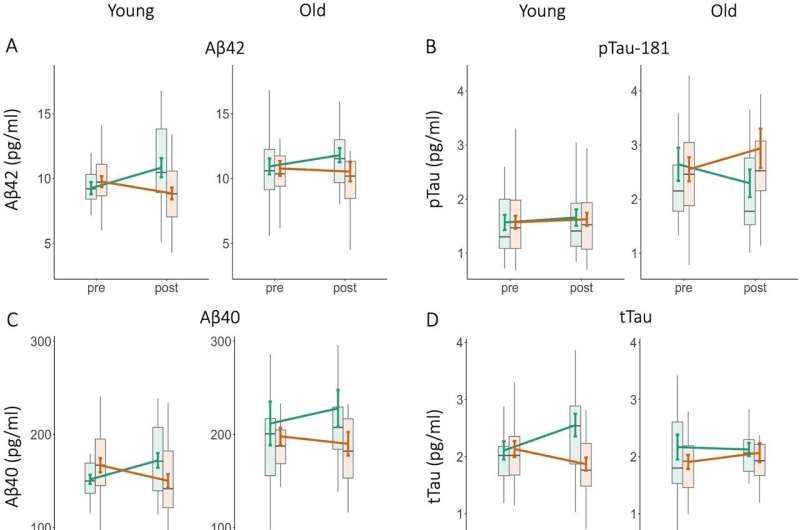
Intervention effect on Aβ and tau levels. Orange represents Osc+ and green represents Osc−. The upper and lower box boundaries indicate the 75th and 25th percentiles respectively. The gray horizontal bar inside each box shows a median value for the box, and the colored vertical line describes the mean and standard error. The outliers are included for the summary statistics but are not shown in the figure. Credit: Scientific Reports (2023). DOI: 10.1038/s41598-023-30167-0

The researchers took blood samples before the participants began the experiment and again, after four weeks of biofeedback training. Then the researchers examined the plasma of participants from both groups, looking for amyloid beta peptides.

In particular, the researchers looked at two peptides, amyloid beta 40 and 42.

Accumulation of amyloid beta in the brain due to increased production and/or decreased clearance is believed to trigger the Alzheimer's disease process. In healthy adults who do not yet have signs of amyloid accumulation in the brain, a meta-analysis shows that higher levels of amyloid beta 40 and 42 in circulating blood predicts a greater risk of developing Alzheimer's.

In Mather and colleagues' study, plasma levels of both peptides decreased in the group who breathed slowly and tried to increase their heart rate variability (HRV) by increasing oscillations.

Now researchers want to figure out why the peptides decrease when HRV increases, said Jungwon Min, a graduate student in psychology and the lead author on the study. Is it because fewer peptides are being produced? Or because the body clears them out better? Or some combination of both?

Though the current study does give some hints.

"Based on the data we have, it appears the decrease in amyloid beta is due more to decreased production," she said. "But that doesn't exclude the possibility of increased clearance."

Of the study's 108 participants, half were young (ages 18 to 30) and half were old (ages 55 to 80). The younger and the older adults showed similar effects of the interventions on plasma amyloid beta levels.

The study appears to be the first to find that behavioral interventions can reduce the level of amyloid beta peptides in plasma. Previous research has demonstrated that sleep deprivation and stress can increase amyloid beta levels, but it has proved more challenging to decrease amyloid beta with behavioral interventions.

"At least to date, exercise interventions have not decreased Aβ [amyloid beta] levels," said Mather. "Regularly practicing slow-paced breathing via HRV biofeedback may be a low-cost and low-risk way to reduce plasma Aβ levels and to keep them low throughout adulthood."

Other study co-authors were Kaoru Nashiro, Hyun Joo Yoo, Shai Porat, Christine Cho and Junxiang Wan, of USC; Jeremy Rouanet, Allesandra Cadete Martini, Elizabeth Head, Daniel A. Nation and Julian F. Thayer, of UC Irvine; and Steve W. Cole of UCLA.

More information: Jungwon Min et al, Modulating heart rate oscillation affects plasma amyloid beta and tau levels in younger and older adults, Scientific Reports (2023). DOI: 10.1038/s41598-023-30167-0

Journal information: Scientific Reports 


GlyNAC supplementation found to improve cognitive decline and brain health in aging

GlyNAC supplementation improves cognitive decline and brain health in aging
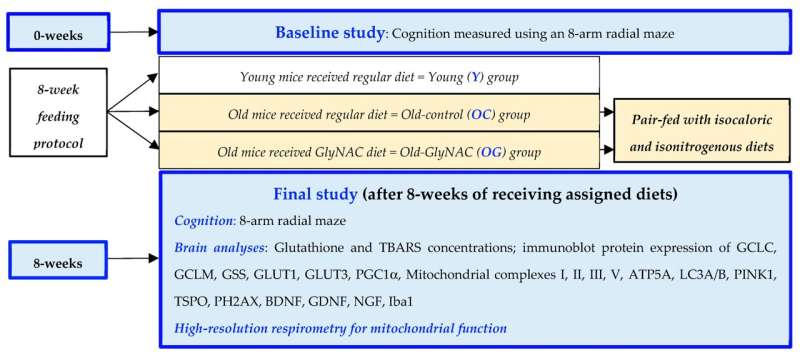
Study experimental details. GCLC and GCLM = catalytic and modifier subunits of glutamate cysteine ligase enzyme; GSS = glutathione synthetase enzyme; GLUT1 and GLUT3 = glucose transporters 1 and 3; PGC1α = peroxisome proliferator-activated receptor-gamma coactivator 1-alpha; ATP5A = mitochondrial adenosine triphosphate synthase F1 subunit alpha; LC3A/B = Light chain 3 microtubule-associated proteins 1A and 1B; PINK1 = PTEN-induced kinase; TSPO = translocator protein; PH2AX = phosphor H2A histone family member X; BDNF = brain-derived neurotrophic factor; GDNF = glial-derived neurotrophic factor; NGF = nerve growth factor. Credit: Antioxidants (2023). DOI: 10.3390/antiox12051042

As people get older, they aspire to live healthy lives as free as possible from the natural decline of cognitive abilities that occurs with aging. At Baylor College of Medicine, researchers have been studying the biological underpinnings of age-associated cognitive decline and developing nutritional strategies to promote healthy brain aging.

10 may 2023--They report today in the journal Antioxidants that supplementing GlyNAC—a combination of glycine and N-acetylcysteine as precursors of the natural antioxidant glutathione—improved or reversed age-associated cognitive decline in old mice and improved multiple associated defects in the aging brain.

The findings are consistent with improvements observed after supplementing older adults with GlyNAC, as reported in their 2021 pilot human trial; therefore, the findings reported here are likely applicable to humans.

"For over two decades, my lab has been studying natural aging in older humans and aged mice," said corresponding and senior author Dr. Rajagopal Sekhar, professor of medicine—endocrinology, diabetes and metabolism at Baylor.

"Our work provides an understanding of how age-associated cognitive decline in older humans is linked to glutathione deficiency, increased oxidative stress, mitochondrial dysfunction, abnormal glucose metabolism and insulin resistance, inflammation and low levels of neurotrophic or neuron-supporting factors, and that supplementing GlyNAC reverses these defects and improves cognition."

Human studies only permit measurements at the whole-body level, so in this study the researchers studied mice to investigate defects directly in the aging brain.

This study is important for many reasons: it assesses the reversibility of naturally occurring cognitive decline in aging instead of cognitive decline resulting from introducing gene defects; increased age is identified as the most important risk factor for Alzheimer's disease; and these naturally occurring defects were studied directly in the brain.

Sekhar and his team worked with three groups of mice. Two groups were aged naturally side-by-side until they were 90 weeks old, which is similar to a 70-year-old person. At 90 weeks of age, both groups of old mice were evaluated for their cognitive abilities, such as remembering the correct route in a maze that leads to a food reward.

These results were compared to those of young mice, the third group. Then, one group of old mice began a GlyNAC-supplemented diet, while the other group, called the old-controls, continued their regular diet without GlyNAC supplementation.

After completing eight weeks on their respective diets, the animals' cognitive abilities were evaluated again and their brains analyzed to measure specific brain defects that had previously been associated with cognitive impairment in studies by others. The results of these analyses in old mice supplemented with GlyNAC were compared with those of the old-control group and with the corresponding data obtained from young mice.

"We were very excited with the findings of this study," Sekhar said. "Compared to young mice, old mice had cognitive impairment and many brain abnormalities such as glutathione deficiency, increased oxidative stress, impaired mitochondrial function, elevated inflammation, genomic damage and lower levels of brain-supporting factors. Importantly, we found evidence that there was a shortage of transporters responsible for moving glucose, the main fuel for the brain, into this organ."

"This problem gets worse because the mitochondria, the engines that burn glucose to provide energy, were also not working well in the brain. The brain requires a very large amount of energy for its function, and these defects suggest that the aging brain is starved of energy, which could result in cognition decline."

GlyNAC supplementation in old mice corrected brain glutathione deficiency, improved brain glucose transporters, reversed mitochondrial dysfunction and improved cognition. In addition, GlyNAC supplementation reduced oxidative stress, inflammation and genomic damage and improved neurotrophic factors.

"It is really exciting to see so many improvements in the brain with GlyNAC supplementation, as it provides evidence that it may now be possible to improve brain health in aging," Sekhar said. "Going forward, we plan to conduct a larger randomized clinical trial in older people to study the effect of GlyNAC supplementation on improving cognitive and brain health in aging."

Previous rodent studies from the Sekhar lab reported that GlyNAC supplementation improved similar biological defects in the heart, liver and kidneys, and also increased length of life. A recently published randomized clinical trial in older humans provided evidence of similar improvements in skeletal muscle and blood and reversal of aging hallmarks.

The results of this study are consistent with these prior studies and make an advancement by supporting the beneficial role of GlyNAC supplementation to specifically promote brain health and support cognitive function in aging.

"In addition, our findings may also have implications for Alzheimer's disease and mild cognitive impairment, because similar defects are also reported in these conditions," Sekhar said. "We are currently evaluating whether older people with mild cognitive impairment have glutathione deficiency, compared to older people without a diagnosis of cognitive impairment."

More information: Premranjan Kumar et al, GlyNAC (Glycine and N-Acetylcysteine) Supplementation in Old Mice Improves Brain Glutathione Deficiency, Oxidative Stress, Glucose Uptake, Mitochondrial Dysfunction, Genomic Damage, Inflammation and Neurotrophic Factors to Reverse Age-Associated Cognitive Decline: Implications for Improving Brain Health in Aging, Antioxidants (2023). DOI: 10.3390/antiox12051042. www.mdpi.com/2076-3921/12/5/1042

Journal information: Antioxidants 


Many older adults take multiple medications; updated criteria will help ensure they are appropriate

medication
Credit: CC0 Public Domain

Today, the American Geriatrics Society (AGS) released the 2023 update to the AGS Beers Criteria for Potentially Inappropriate Medication Use in Older Adults. The AGS Beers Criteria serves as a comprehensive list of medications that older people should potentially avoid or consider using with caution because they often present unnecessary risks for this population. Given that—according to the National Center for Health Statistics, United States (NCHSUS)—more than 88% of older people use at least one prescription and more than 66% use three or more in any given month, the AGS Beers Criteria are an important clinical, educational and quality assurance tool for clinicians across disciplines and the healthcare system as a whole.

10 may 2023--"Medications have a vital role to play in helping us to remain healthy, active, and engaged in our communities," said Donna M. Fick, Ph.D., GCNS-BC, FGSA, FAAN, AGSF, AGS President-elect and a member of the AGS Beers Criteria Expert Panel. "The 2023 AGS Beers Criteria is based on the best available evidence and supports person-centered decision-making that takes into account what matters to an older person, considers both drug and non-drug approaches to care, and is focused on maximizing health while minimizing unnecessary risk."

Though not an exhaustive catalogue of inappropriate treatments, the five lists included in the AGS Beers Criteria describe particular medications where the best available evidence suggests they should be:

  1. Avoided by most older adults (outside of hospice and palliative care settings);
  2. Avoided by older adults with specific health conditions;
  3. Used with caution because of the potential for harmful side effects; or
  4. Avoided in combination with other treatments because of the risk for harmful "drug-drug" interactions; or
  5. Dosed differently or avoided among older adults with reduced kidney function, which impacts how the body processes medicine.

First developed by the late Mark Beers, MD, and colleagues in 1991, the AGS took over maintenance and updating of the AGS Beers Criteria in 2011. For the 2023 update, an expert panel reviewed more than 1,500 clinical trials and research studies published between 2017 and 2022. The resulting 2023 AGS Beers Criteria include:

  • Over three dozen individual medications or medication classes to avoid for most older people.
  • 40+ medications or medication classes to use with caution or avoid when someone lives with certain diseases or conditions.

The expert panel also moved several medications to different categories or revised guidance based on new evidence. To simplify and increase usability of the five lists comprising the criteria, the panel moved a number of medications to a separate list given that they have low usage or are no longer available in the United States. The panel still considers these medications as being potentially inappropriate for use in older adults in alignment with the 2019 criteria.

"The AGS Beers Criteria offers guidance about potentially harmful treatments for all of us as we age, supporting clinicians, patients, and caregivers to choose the safest, most effective treatment when making decisions that are individualized to what matters to the person. Our goal is to improve drug therapy and outcomes by identifying and reducing the prescribing of potentially inappropriate medications in older adults," noted Todd Semla, MS, PharmD, BCGP, FCCP, AGSF, a co-chair of the 2023 AGS Beers Criteria expert panel.

"The AGS Beers Criteria should never solely dictate how medications are prescribed or be used to justify restricting health coverage," he added. "We encourage older adults who see one of their drugs listed on the AGS Beers Criteria to speak with their clinician about an alternative."

Published in its entirety in the Journal of the American Geriatrics Society, the AGS Beers Criteria is also available as a mobile app and as a pocket reference card. Both are designed to meet the needs of busy clinicians practicing in a variety of settings and are available from GeriatricsCareOnline.org. The AGS is committed to bringing the expertise of geriatrics health professionals to the public and lay versions of the Beers Criteria as well as tools to aid older adults and caregivers in understanding what medications are potentially inappropriate are available for free from HealthinAging.org.

More information: American Geriatrics Society 2023 updated AGS Beers Criteria® for potentially inappropriate medication use in older adults, Journal of the American Geriatrics Society (2023). DOI: 10.1111/jgs.18372

Journal information: Journal of the American Geriatrics Society 

Sunday, April 09, 2023


Obstructive sleep apnea may directly cause early cognitive decline

sleep apnea
Credit: Unsplash/CC0 Public Domain

Obstructive sleep apnea (OSA) is a potentially dangerous condition. During sleep, the throat muscles of people with OSA relax and block the airflow into the lungs, so that they repeatedly stop breathing. Common symptoms of OSA include restless sleep, loud snoring, daytime sleepiness, and prolonged headaches in the morning—highly debilitating for patients and their partners.

09 april 2023--OSA is currently underdiagnosed: it may occur in as much as 15 to 30% of men and 10 to 15% of women, or approximately 1 billion adults worldwide, of whom an estimated 80% don't know they have it. Major risk factors for OSA include middle or old age, being obese, smoking, chronic nasal blockage, high blood pressure, and being male.

Now, researchers from the UK, Germany, and Australia have shown for the first time that in middle-aged men, OSA can also cause early cognitive decline, even in patients who are otherwise healthy and not obese. The results are published in Frontiers in Sleep.

"We show poorer executive functioning and visuospatial memory and deficits in vigilance, sustained attention, and psychomotor and impulse control in men with OSA. Most of these deficits had previously been ascribed to co-morbidities," said Dr. Ivana Rosenzweig, a neuropsychiatrist who heads the Sleep and Brain Plasticity Centre at King's College London, and the lead author of the study.

"We also demonstrated for the first time that OSA can cause significant deficits in social cognition."

Rare cohort without co-morbidities

Rosenzweig and colleagues studied a group of 27 men between the ages of 35 and 70 with a new diagnosis of mild to severe OSA but without any co-morbidities. Such patients are relatively rare, because most men and women with OSA have co-morbidities such as cardiovascular and metabolic disease, stroke, diabetes, chronic systemic inflammation, or depression.

The men were not currently smokers or alcohol abusers, and were not obese (i.e., with a body mass index (BMI) below 30). As a control, the researchers studied a group of seven age-, BMI-, and education-matched men without OSA. The OSA diagnosis was confirmed by a so-called WatchPAT test of their respiratory function during sleep at home, and also by video-polysomnography at King's College sleep center.

With the latter method, the brain waves of sleeping subjects were measured by electroencephalography (EEG), while their blood oxygen levels, heart rate, breathing, and eye and leg movements were tracked.

The scientists also tested the subjects' cognitive function with the CANTAB or 'Cambridge Neuropsychological Test Automated Battery' of tests.

Premature cognitive decline

The results showed that patients with severe OSA had poorer vigilance, executive functioning, short-term visual recognition memory, and social and emotion recognition than the matched controls. Patients with mild OSA performed better in these domains than patients with severe OSA, but worse than the controls.

"The most significant deficits…were demonstrated in the tests that assess both simultaneous visual matching ability and short-term visual recognition memory for non-verbalizable patterns, tests of executive functioning and cued attentional set shifting, in vigilance and psychomotor functioning, and lastly, in social cognition and emotion recognition," wrote the authors.

The authors conclude that OSA is sufficient to cause these cognitive deficits, which previous studies had attributed to the most common co-morbidities of OSA such as systemic hypertension, cardiovascular and metabolic diseases, and type 2 diabetes.

Unclear mechanism

But what is the mechanism by which OSA causes premature cognitive decline? The authors speculated that the cognitive deficits are due to intermittent low oxygen and high carbon dioxide in the blood, changes in blood flow to the brain, sleep fragmentation, and neuroinflammation in OSA patients.

"This complex interplay is still poorly understood, but it's likely that these lead to widespread neuroanatomical and structural changes in the brain and associated functional cognitive and emotional deficits," said Rosenzweig.

Whether co-morbidities have similar negative effects on cognition above and beyond those caused directly by OSA is not yet clear.

"Our study is a proof of concept. However, our findings suggest that co-morbidities likely worsen and perpetuate any cognitive deficits caused directly by OSA itself," said Rosenzweig.

"What remains to be clarified in future studies is whether co-morbidities have an additive or synergistic effect on the latter deficits, and whether there is a difference in brain circuitry in OSA patients with or without co-morbidities."

More information: Ivana Rosenzweig et al, Distinct cognitive changes in male patients with obstructive sleep apnea without co-morbidities, Frontiers in Sleep (2023). DOI: 10.3389/frsle.2023.1097946 , www.frontiersin.org/articles/1 … le.2023.1097946/full

Provided by Frontiers 


Modified Mediterranean ketogenic diet may benefit adults at risk for Alzheimer's disease

Mediterranean diet
Credit: Unsplash/CC0 Public Domain

Following a Mediterranean-based ketogenic diet may decrease the risk of Alzheimer's disease, according to a new study from scientists at Wake Forest University School of Medicine.

09 april 2023--In the study, researchers compared a low-fat diet with a diet consisting of healthy fats/protein and low carbohydrates—the modified Mediterranean ketogenetic diet—and found that the modified diet showed robust changes in a biological pathway that is linked to Alzheimer's disease.

The findings were published online today in Alzheimer's & Dementia: The Journal of the Alzheimer's Association.

According to the Alzheimer's Association, more than 6.5 million Americans are living with Alzheimer's disease, and 1 in 3 seniors die with the disease or another form of dementia.

"We hope that better understanding this complex relationship between diet, cognitive status and gut health will lead to new interventions to prevent and treat Alzheimer's disease," said Suzanne Craft, Ph.D., professor of gerontology and geriatric medicine at Wake Forest University School of Medicine.

This study builds upon previous research from Craft's team showing that a modified ketogenic diet may prove beneficial in the prevention of cognitive decline.

The randomized, single-site study involved 20 adults, nine diagnosed with mild cognitive impairment (MCI) and 11 with normal cognition. These participants were randomly assigned to follow either the low-carbohydrate modified Mediterranean-ketogenic diet or a low-fat, higher carbohydrate diet for six weeks then, after a six-week "washout" period, to switch to the other diet.

Stool samples were collected from participants at the beginning and end of each diet period, and six weeks after the washout of the second diet to analyze changes in gut microbiome—the good and bad bacteria that live in the gastrointestinal tract.

Researchers found that participants with MCI on the modified Mediterranean ketogenic diet had lower levels of gamma-aminobutyric acid (GABA) and of GABA-producing microbes. Participants on this diet also had higher levels of GABA-regulating bacteria. GABA is the primary inhibitory neurotransmitter in the central nervous system, and GABA dysfunction is associated with neuropsychiatric conditions including Alzheimer's disease.

"Our study is the first to show that diet modulates GABA differently in MCI," Craft said.

The study also showed that participants with MCI who had curcumin in their diets also had lower levels of BSH-containing bacteria. These bacteria regulate bile acids produced by the liver and gut. Lower levels suggest reduced gut motility, a phenomenon in which food and waste take longer to transit the gut. Abnormal bile acid profiles have been observed in adults with Alzheimer's disease.

"These findings provide crucial insight into how diet may affect the microbiome and improve brain health," Craft said. "Larger studies are needed to assess the role diet interventions play in patients with cognitive impairment."

More information: Amanda Hazel Dilmore et al, Effects of a ketogenic and low‐fat diet on the human metabolome, microbiome, and foodome in adults at risk for Alzheimer's disease, Alzheimer's & Dementia (2023). DOI: 10.1002/alz.13007

Provided by Atrium Health Wake Forest Baptist


Lifespans into the 140s predicted by centuries-old Gompertz law

Lifespans into the 140s predicted by 202-year-old Gompertz law
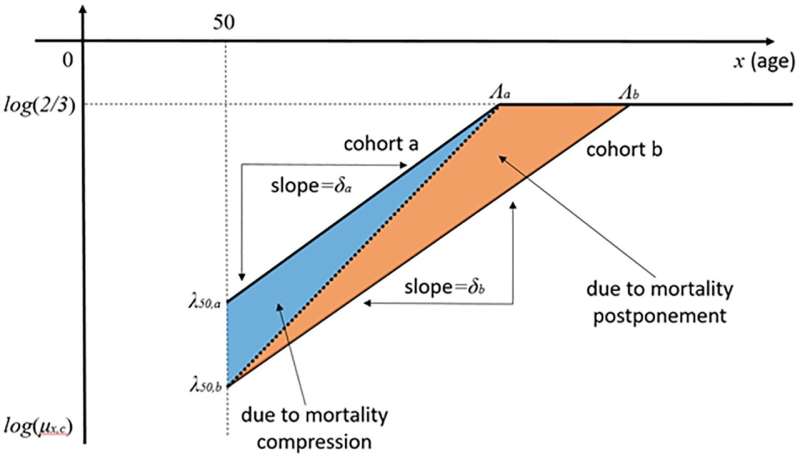
Dividing changes in mortality rates between compression and postponement. Credit: PLOS ONE (2023). DOI: 10.1371/journal.pone.0281752

A recent paper in the journal PLOS ONE suggests that humans have yet to reach their maximum age and that there might not even be one. In the paper, "Mortality postponement and compression at older ages in human cohorts," David Mcarthy of the Terry College of Business, University of Georgia, and his former Ph.D. student, Po-Lin Wang, currently at Muma College of Business, University of Southern Florida, use mathematical modeling of longevity trends, without reference to any biological, social or medical science to extrapolate the future of human longevity.

09 april 2023--Typically in the introductory section of an academic study, the author provides context on the paper's topic, including relevant citations to help understand what body of work the study is building on.

The first citation in the introduction is a psalm from the King James Bible, which the authors suggest indicates that ancient Hebrews, around 2,500 years ago, believed the maximum age a human could reach was 80 years old. Next, there is a citation of a poem by Horace, from which the authors suggest that the ancient Romans estimated the maximum lifespan of humans to be 100 or 110 years old.

There is the uncited reference to the current human longevity record being 122, unchanged since 1997, which is likely referring to Jeanne Calment, a wealthy French woman who holds the record for the world's most extended verified lifespan. While it is an astonishing age to reach, it has been long predicted to be feasible that someone should reach this age as an outlier. What accompanies that prediction is an expectation that there would not be anyone else close to them in age, and in fact, the next closest oldest verified lifespan is a full three years less. Currently (and I do mean currently), there are eight people over the age of 114 on the planet, all women, with the oldest being 116.

It should also be noted that the lead author of the study, David McCarthy, is an editorial board member and frequent contributor to the Journal of Pension Economics and Finance and describes himself as a policy expert. Mathematical models are commonly used for setting pension goals and life insurance premiums, and predicting the ages that people will live has a long history in the world of finance. For most of that history, a preferred mathematical law from the 19th century has been relied upon with reasonable accuracy.

Gompertz law

The Gompertz law used in the study is a 202-year-old mathematical formula to model mortality rates. The law states that mortality rates increase exponentially with age, meaning the risk of death increases by a magnitude approximately every decade after age 50. The Gompertz law is named after Benjamin Gompertz, a British mathematician who first proposed the law in 1825.

Gompertz himself only believed that his model was reliable up to the age of 85; Gompertz died at age 86. Still, at 86, Gompertz was nine years older than the life expectancy of a male born in the U.S. today.

The paper in PLOS ONE refrains from involving biology in predicting a maximum age. However, it does conclude with math alone that birth year cohorts of individuals born after 1950 should be the first to experience a significant postponement in the historical progression of mortality. By calculating a fixed mortality risk rate for each year after, the study forecasts a future where longevity records will be commonly broken after 2073, with some prediction graphs running into the 140s.

While a combination of medical advances and increased starting populations by birth year favor the extension of the maximum age, the ability to reach these more extreme lifespans will require much more than statistical chance. It will require a much deeper understanding of cellular function, DNA repair, cancer mitigation and tissue rejuvenation. It will likely require lab-assisted prefertilization genetic modifications to equip the body with a genome that can withstand 140 years of cellular replication without disruptive mutations or senescence—and that generation, along with the required knowledge, has not yet been born.

More information: David McCarthy et al, Mortality postponement and compression at older ages in human cohorts, PLOS ONE (2023). DOI: 10.1371/journal.pone.0281752

Journal information: PLoS ONE 


New study shows SARS-CoV-2 infection accelerates the progression of dementia

New study shows SARS-CoV-2 infection accelerates the progression of dementia
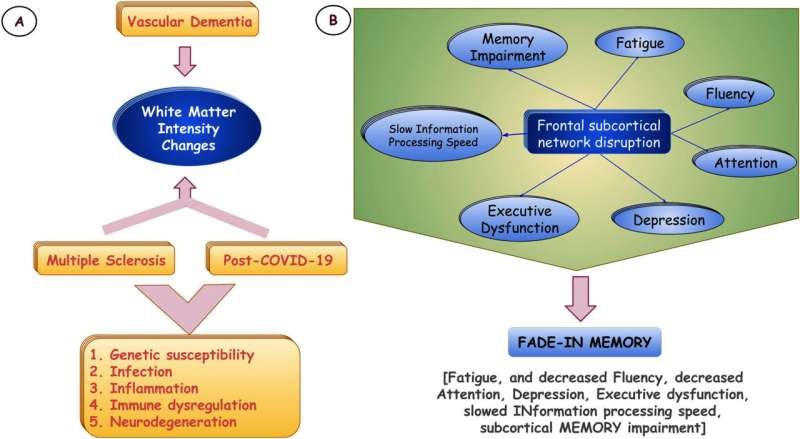
The possible common pathomechanisms linking multiple sclerosis and post-COVID-19 brain involvement (A). Proposal of a new codename regarding post-COVID-19 cognitive sequelae (B). Credit: Journal of Alzheimer's Disease Reports (2023). DOI: 10.3233/ADR-220090

Infection with SARS-CoV-2 has a significant impact on cognitive function in patients with preexisting dementia, according to new research published in the Journal of Alzheimer's Disease Reports. Patients with all subtypes of dementia included in the study experienced rapidly progressive dementia following infection with SARS-CoV-2.

09 april 2023--Since the first wave of COVID-19, neurologists have noticed both acute and long-term neurological syndromes and neuropsychiatric sequelae of this infectious disease. Insights into the impact of COVID-19 on human cognition has so far remained unclear, with neurologists referring to "brain fog."

A group of researchers driven to gain a better understanding of and dissipate this fog investigated the effects of COVID-19 on cognitive impairment in 14 patients with preexisting dementia (four with Alzheimer's disease [AD], five with vascular dementia, three with Parkinson's disease dementia, and two with the behavioral variant of frontotemporal dementia), who had suffered further cognitive deterioration following COVID-19.

Lead investigators Souvik Dubey, MD, DM, from the Department of Neuromedicine, Bangur Institute of Neurosciences (BIN), Kolkata, West Bengal, India, and Julián Benito-León, MD, Ph.D., from the Department of Neurology, University Hospital "12 de Octubre," Madrid, Spain, explained, "We speculated there must have been some deleterious effect of COVID-19 in patients with preexisting dementia extrapolating our understanding from the cognitive impact of this viral infection in patients without dementia. However, post-COVID-19 evaluation of cognitive impairments in patients with preexisting dementia is difficult due to multiple confounders and biases."

In addition to finding that that all subtypes of dementia, irrespective of patients' previous dementia types, behaved like rapidly progressive dementia following COVID-19, the team of investigators found that the line of demarcation between different types of dementia became remarkably blurry post-COVID-19.

Co-investigator Ritwik Ghosh, MD, Department of General Medicine, Burdwan Medical College and Hospital, Burdwan, West Bengal, India, expressed his concern about dementia subtyping. "It is more difficult in the post-COVID-19 era, where the history of this viral infection plays the most important role. Few patients with a history of COVID-19 without preexisting dementia have phenotypically and imaging-wise similar brain changes mimicking other degenerative and vascular dementias."

Researchers also found that the characteristics of a particular type of dementia changed following COVID-19, and both degenerative and vascular dementias started behaving like mixed dementia both clinically and radiologically. A rapidly and aggressively deteriorating course was observed in patients having insidious onset, slowly progressive dementia, and who were previously cognitively stable.

Cortical atrophy was also evident in the study's subsequent follow-ups. Coagulopathy involving small vessels and inflammation, which were further correlated with white matter intensity changes in the brain, was considered the most important pathogenetic indicator.

The rapid progression of dementia, the addition of further impairments/deterioration of cognitive abilities, and the increase or new appearance of white matter lesions suggest that previously compromised brains have little defense to withstand a new insult (i.e., a "second hit" like infection/dysregulated immune response and inflammation).

According to Dr. Dubey and his co-investigators, "'Brain fog' is an ambiguous terminology without specific attribution to the spectrum of post-COVID-19 cognitive sequelae. Based on the progression of cognitive deficits and the association with white matter intensity changes, we propose a new term: 'FADE-IN MEMORY' (i.e., Fatigue, decreased Fluency, Attention deficit, Depression, Executive dysfunction, slowed INformation processing speed, and subcortical MEMORY impairment)."

Co-investigator Mahua Jana Dubey, MD, Department of Psychiatry, Berhampur Mental Hospital, Berhampur, West Bengal, India, added, "Amidst various psychosocial impacts of COVID-19, cognitive deficits, when accompanied by depression and/or apathy and fatigue in patients with or without preexisting dementia, require meticulous evaluation because it imposes added stress and burden on caregivers, one of the most important but often forgotten issues that may have the potential to hamper treatment."

"As the aging population and dementia are increasing globally, we believe pattern recognition of COVID-19-associated cognitive deficits is urgently needed to distinguish between COVID-19-associated cognitive impairments per se and other types of dementia. This understanding will have a definitive impact on future dementia research," Dr. Souvik Dubey concluded.

"Increasing epidemiological evidence of the association of COVID-19 and AD is the heightened risk of AD with COVID-19, and of increased COVID-19 in patients with AD points to shared pathogenesis. Dubey et al further clarify this connection in demonstrating COVID-19 fundamentally alters the course of dementia no matter the cause," remarked George Perry, Ph.D., Editor-in-Chief, Journal of Alzheimer's Disease, and Semmes Distinguished University Chair in Neurobiology at The University of Texas at San Antonio.

More information: Souvik Dubey et al, The Effects of SARS-CoV-2 Infection on the Cognitive Functioning of Patients with Pre-Existing Dementia, Journal of Alzheimer's Disease Reports (2023). DOI: 10.3233/ADR-220090

Provided by IOS Press 


Study: ChatGPT has potential to help cirrhosis, liver cancer patients

liver
Credit: Pixabay/CC0 Public Domain

A new study by Cedars-Sinai investigators describes how ChatGPT, an artificial intelligence (AI) chatbot, may help improve health outcomes for patients with cirrhosis and liver cancer by providing easy-to-understand information about basic knowledge, lifestyle and treatments for these conditions.

09 april 2023--The findings, published in the peer-reviewed journal Clinical and Molecular Hepatology, highlights the AI system's potential to play a role in clinical practice.

"Patients with cirrhosis and/or liver cancer and their caregivers often have unmet needs and insufficient knowledge about managing and preventing complications of their disease," said Brennan Spiegel, MD, MSHS, director of Health Services Research at Cedars-Sinai and co-corresponding author of the study. "We found ChatGPT—while it has limitations—can help empower patients and improve health literacy for different populations."

Patients diagnosed with liver cancer and cirrhosis, an end-stage liver disease that is also a major risk factor for the most common form of liver cancer, often require extensive treatment that can be complex and challenging to manage.

"The complexity of the care required for this patient population makes patient empowerment with knowledge about their disease crucial for optimal outcomes," said Alexander Kuo, MD, medical director of Liver Transplantation Medicine at Cedars-Sinai and co-corresponding author of the study. "While there are currently online resources for patients and caregivers, the literature available is often lengthy and difficult for many to understand, highlighting the limited options for this group."

Personalized education AI models could help increase patient knowledge and education, noted Kuo.

One of those is ChatGPT, which stands for generative pre-trained transformer. It has quickly become popular for its human-like text in chatbot conversations where users can input any prompt and it will generate a response based on the information stored in its database.

It has already shown some potential for medical professionals by writing basic medical reports and correctly answering medical student examination questions.

"ChatGPT has shown to be able to provide professional, yet highly comprehensible responses," said Yee Hui Yeo, MD, first author of the study and a clinical fellow in the Karsh Division of Gastroenterology and Hepatology at Cedars-Sinai. "However, this is one of the first studies to examine the ability of ChatGPT to answer clinically oriented, disease-specific questions correctly and compare its performance to physicians and trainees."

To verify the accuracy of the AI model in its knowledge about both cirrhosis and liver cancer, investigators presented ChatGPT with 164 frequently asked questions in five categories. The ChatGPT answers were then graded independently by two liver transplant specialists.

Each question was posed twice to ChatGPT and was categorized as either basic knowledge, diagnosis, treatment, lifestyle or preventive medicine.

Study results include:

  • ChatGPT answered about 77% of the questions correctly, providing high levels of accuracy in 91 questions from a variety of categories.
  • The specialists grading the responses said 75% of the responses for basic knowledge, treatment and lifestyle were comprehensive or correct, but inadequate.
  • The proportion of responses that were "mixed with correct and incorrect data" was 22% for basic knowledge, 33% for diagnosis, 25% for treatment, 18% for lifestyle and 50% for preventive medicine.

The AI model also provided practical and useful advice to patients and caregivers regarding the next steps adjusting to a new diagnosis.

Still, the study left no doubt that advice from a physician was superior.

"While the model was able to demonstrate strong capability in the basic knowledge, lifestyle and treatment domains, it suffered on the ability to provide tailored recommendations according to the region where the inquirer lived," said Yeo. "This is most likely due to the varied recommendations in liver cancer surveillance interval and indications reported by different professional societies. But we are hopeful that it will be more accurate in addressing the questions according to the inquirers' location."

"More research is still needed to better examine the tool in patient education, but we believe ChatGPT to be a very useful adjunctive tool for physicians—not a replacement—but adjunctive tool that provides access to reliable and accurate health information that is easy for many to understand," Spiegel said. "We hope that this can help physicians to empower patients and improve health literacy for patients facing challenging conditions such as cirrhosis and liver cancer."

Other Cedars-Sinai authors are Jamil Samaan, Hirsh Trivedi, Aarshi Vipani, Walid Ayoub, Ju Dong Yang and Omer Liran.

More information: Yee Hui Yeo et al, Assessing the performance of ChatGPT in answering questions regarding cirrhosis and hepatocellular carcinoma, Clinical and Molecular Hepatology (2023). DOI: 10.3350/cmh.2023.0089

Provided by Cedars-Sinai Medical Center 


Alzheimer's: New study supports amyloid hypothesis but suggests alternative treatment

Alzheimer's: New study supports amyloid hypothesis but suggests alternative treatment
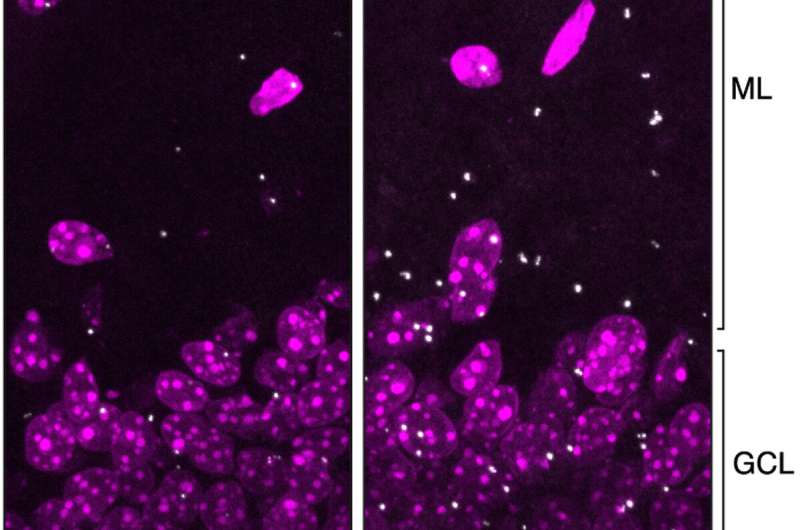
CREB3L2-ATF4 up-regulation in β-amyloid pathology 5xFAD model. In vivo detection and quantification of CREB3L2-ATF4 dimers by PLA in the dentate gyrus of 10-week-old 5xFAD or wild-type hippocampus. ML, molecular layer; IPL, inner polymorphic layer; GCL, granule cell layer. Wild-type (WT), n = 6; 5xFAD, n = 5; ML, *P = 0.0182; GCL, P = 0.0574; IPL, *P = 0.0285; unpaired one-tailed t tests. Whiskers extend to the smallest and largest data values, and sample means are indicated by + sign. Scale bar, 10 μm. Credit: Science Advances (2023). DOI: 10.1126/sciadv.add2671

An analysis of human brain cells provides new evidence in support of the "amyloid hypothesis," the prevailing idea that Alzheimer's is caused by the accumulation of beta-amyloid proteins in the brain.

09 april 2023--In the study, Columbia University researchers found that amyloid sparks an alliance between two proteins in the brain's neurons and this pairing is linked to about half of the gene changes that are known to occur in the disease, triggering the rapid accumulation of tau proteins, a primary driver of neurodegeneration in the disease.

"This protein pair seems very central to the disease, and because it does not appear to have another function in the brain, it is a good target for a new therapy," says the study's senior author, Ulrich Hengst, Ph.D., associate professor of pathology & cell biology (in the Taub Institute for Research on Alzheimer's Disease and the Aging Brain) at the Columbia University Vagelos College of Physicians and Surgeons.

Protein pair was hidden to previous research

The researchers found the pair when they were looking for proteins that spark hundreds of changes in gene activity that occur in brain cells during Alzheimer's disease. "Our thought was that if we can interfere with the proteins and prevent those changes, we can prevent the disease," says Cláudio Gouveia Roque, Ph.D., associate research scientist in the Hengst lab, who conducted the study.

Instead of looking for proteins that act alone, the researchers looked for pairs of different proteins working together.

"We know this type of protein necessarily works in pairs, but previous Alzheimer's research hadn't looked for specific pairs. Consequently, our understanding of the changes underlying Alzheimer's progression has been fragmented and incomplete," says Hengst. "And because of that, we've most likely missed therapeutic opportunities."

Amyloid causes proteins to stick together

The search by Hengst and Gouveia Roque, together with a previous associate research scientist in the Hengst lab, Jimena Baleriola, uncovered two proteins—ATF4 and CREB3L2—whose binding to each other is triggered by amyloid and that together interact with about 50% of the gene expression changes that occur in brain cells during Alzheimer's disease.

Once formed, the CREB3L2-ATF4 pair activates a network of other proteins that cause deadly tau deposits to accumulate inside neurons. The protein pair also disables the cellular machinery that clears old and damaging proteins from neurons, another hallmark of Alzheimer's.

Although CREB3L2 and ATF4 are also found alone in healthy neurons, their binding together is greatly increased in the presence of a stress like excess amyloid, the researchers found.

"These two proteins are like two teenage boys," says Hengst. "Individually, they may be relatively harmless. But if you put them together without a responsible adult in the room, they're likely to be up to no good."

New treatment approach

The findings suggest that Alzheimer's could be treated by interfering with the CREB3L2-ATF4 pair.

"Normally, proteins that control gene activity are very poor drug targets because they control too many genes. But by targeting this pair we might be able to preserve the function of the two individual proteins while preventing the bad effects of them binding together," Hengst says.

Hengst and Gouveia Roque have already identified a drug, dovitinib, that interferes with the effects of the protein pair. Dovitinib has been approved by the FDA for the treatment of renal cancer but has not been tested for the treatment of Alzheimer's. "Nonetheless, the drug is not toxic to neurons and crosses the blood-brain barrier, so this bodes well for future drug development," Hengst says.

"We're not talking about getting rid of amyloid with this approach," adds Gouveia Roque. "If we can interfere with the protein pair, we could slow or perhaps even stop the progression of the disease. Yes, there would still be amyloid in the brain, but the neurons would react far less to it. One could hypothesize that such a drug could be used in combination with an amyloid-reducing drug for even greater effect."

The paper is published in the journal Science Advances.

More information: Cláudio Gouveia Roque et al, CREB3L2-ATF4 heterodimerization defines a transcriptional hub of Alzheimer's disease gene expression linked to neuropathology, Science Advances (2023). DOI: 10.1126/sciadv.add2671


Provided by Columbia University