Edible fats and oils consumed in the U.S., 2017/18. Credit: USDA
New UC Riverside research shows soybean oil not only leads to obesity and diabetes, but could also affect neurological conditions like autism, Alzheimer's disease, anxiety, and depression.
17 jan2020--Used forfast foodfrying, added to packaged foods, and fed to livestock, soybean oil is by far the most widely produced and consumed edible oil in the U.S., according to the U.S. Department of Agriculture. In all likelihood, it is not healthy for humans.
It certainly is not good for mice. The new study, published this month in the journal Endocrinology, compared mice fed three different diets high in fat: soybean oil, soybean oil modified to be low in linoleic acid, and coconut oil.
The same UCR research team found in 2015 that soybean oil induces obesity, diabetes, insulin resistance, and fatty liver in mice. Then in a 2017 study, the same group learned that if soybean oil is engineered to be low in linoleic acid, it induces less obesity and insulin resistance.
However, in the study released this month, researchers did not find any difference between the modified and unmodified soybean oil's effects on the brain. Specifically, the scientists found pronounced effects of the oil on the hypothalamus, where a number of critical processes take place.
"The hypothalamus regulates body weight via your metabolism, maintains body temperature, is critical for reproduction and physical growth as well as your response to stress," said Margarita Curras-Collazo, a UCR associate professor of neuroscience and lead author on the study.
The team determined a number of genes in mice fed soybean oil were not functioning correctly. One such gene produces the "love" hormone, oxytocin. In soybean oil-fed mice, levels of oxytocin in the hypothalamus went down.
The research team discovered roughly 100 other genes also affected by the soybean oil diet. They believe this discovery could have ramifications not just for energy metabolism, but also for proper brain function and diseases such as autism or Parkinson's disease. However, it is important to note there is no proof the oil causes these diseases.
Additionally, the team notes the findings only apply to soybean oil—not to other soy products or to other vegetable oils.
"Do not throw out your tofu, soymilk, edamame, or soy sauce," said Frances Sladek, a UCR toxicologist and professor of cell biology. "Many soy products only contain small amounts of the oil, and large amounts of healthful compounds such as essential fatty acids and proteins."
A caveat for readers concerned about their most recent meal is that this study was conducted on mice, and mouse studies do not always translate to the same results in humans.
Also, this study utilized male mice. Because oxytocin is so important for maternal health and promotes mother-child bonding, similar studies need to be performed using female mice.
One additional note on this study—the research team has not yet isolated which chemicals in the oil are responsible for the changes they found in the hypothalamus. But they have ruled out two candidates. It is not linoleic acid, since the modified oil also produced genetic disruptions; nor is it stigmasterol, a cholesterol-like chemical found naturally in soybean oil.
Identifying the compounds responsible for the negative effects is an important area for the team's future research.
"This could help design healthier dietary oils in the future," said Poonamjot Deol, an assistant project scientist in Sladek's laboratory and first author on the study.
"The dogma is that saturated fat is bad and unsaturated fat is good. Soybean oil is a polyunsaturated fat, but the idea that it's good for you is just not proven," Sladek said.
Indeed, coconut oil, which contains saturated fats, produced very few changes in the hypothalamic genes.
"If there's one message I want people to take away, it's this: reduce consumption of soybean oil," Deol said about the most recent study.
More information: Poonamjot Deol et al, Dysregulation of Hypothalamic Gene Expression and the Oxytocinergic System by Soybean Oil Diets in Male Mice, Endocrinology (2020). DOI: 10.1210/endocr/bqz044
Journal information: Endocrinology
Provided by University of California - Riverside
Thursday, January 16, 2020
Behavioral therapy first step for overactive bladder in men
Among men with overactive bladder, combined behavioral and drug therapy is superior to drug therapy alone, but not behavioral therapy alone, for symptomatic improvement, according to a study published online Jan. 13 in JAMA Internal Medicine.
16 jan 2020--Kathryn L. Burgio, Ph.D., from the University of Alabama at Birmingham, and colleagues conducted a three-arm randomized clinical trial in which participants aged 40 years or older with urinary urgency and nine or more voids per 24 hours were randomly assigned to six weeks of behavioral therapy alone, drug therapy alone, or combined therapy, followed by step-up to six weeks of combined therapy for all groups. A total of 183 men completed treatment.
The researchers found that in all three groups, the mean voids per 24 hours decreased significantly from baseline to six-week follow-up (behavioral therapy: change, 2.9; percentage change, 24.7 percent; drug therapy: change, 1.5; percentage change, 12.7 percent; combined therapy: change, 13.6; percentage change, 30.5 percent). Posttreatment mean voiding frequencies were significantly lower for those receiving combined therapy versus drug therapy alone (8.2 versus 10.3) but not compared with those receiving behavioral therapy alone (8.2 versus 8.8); frequencies were significantly lower for those receiving behavioral therapy alone versus drug therapy alone (8.8 versus 10.3).
"Behavioral therapy can be implemented by nurses, nurse practitioners, and physical therapists and has potential for widespread application in a variety of outpatient settings," the authors write.
Several authors disclosed financial ties to the pharmaceutical, medical technology, and personal care industries.
When Stanford physicians Donna Zulman, MD, and Abraham Verghese, MD, set out more than two years ago to lead a team in finding ways to heal a growing fracture in doctor-patient relationships, they knew the task would be complicated.
15 jan 2020--In recent surveys, clinicians have reported that the current climate ofmedicine—with limits on the amount of time they can spend with patients during appointments, an explosion of biomedical knowledge and increased demands to update and reviewelectronic health records—translates into less time for meaningful interactions with patients.
That, Stanford researchers contend in a paper to be published Jan. 7 in JAMA, isn't good for patients—or for clinicians who are feeling increasingly disconnected from the reasons they got into medicine.
The goal of their research, which began 2½ years ago, was to identify evidence-based measures that clinicians can take to be fully engaged with patients and understand their perspectives, life circumstances and priorities. Ultimately, researchers wanted to generate a brief list of highly effective practices that clinicians could easily incorporate into their interactions with patients, Zulman said.
In their paper, researchers describe five evidence-based recommendations:
Prepare with intention: Familiarize yourself with the patient you are about to meet; create a ritual to focus your attention before a visit.
Listen intently and completely: Sit down, lean forward and position yourself to listen; don't interrupt; your patient is your most valuable source of information.
Agree on what matters most: Find out what your patient cares about and incorporate these priorities into the visit agenda.
Connect with the patient's story: Consider the circumstances that influence your patient's health; acknowledge your patient's efforts, and celebrate successes.
Explore emotional cues: Tune in, notice, name and validate your patient's emotions to become a trusted partner.
The research was conducted in conjunction with Presence, an interdisciplinary center at Stanford that promotes the art and science of human connection in medicine. The objective of the research project was to revise the critical moment when physicians and patients meet, shifting the emphasis from institutional procedure to an interaction focused on meaningful human interaction.
"We were looking for practices that would improve the experience of patients and lead to better care for them, but would also improve the experience of clinicians and help them to rediscover the joy of medicine," said Zulman, an assistant professor of medicine and the director of Stanford Presence 5, one of several Presence initiatives.
"As physicians, we are privileged to work with people in their most vulnerable moments," she said. "And in today's climate, particularly in primary care, it's easy to lose sight of that with all of the administrative demands, time pressures and technology distractions."
Zulman, a health services researcher at Stanford and the Veterans Affairs Health Care System, is the lead author of the paper. Verghese, an advocate for the importance of bedside medicine and physical exams, is senior author of the paper, which includes links to podcast interviews with him and Zulman.
Identifying strategies
The Presence 5 practices, as they are known, were identified through a systematic review of 73 studies of interpersonal interventions published between January 1997 and August 2017, as well as through observations of clinician-patient encounters, and interviews with clinicians and patients at Stanford internal medicine and family medicine clinics, the Ravenswood Family Health Center in East Palo Alto and the Veterans Affairs Palo Alto Health Care System. The team also interviewed professionals outside the field of medicine to learn about cross-cutting themes related to clinician presence and human connection.
The published studies were analyzed to measure how interventions improved health outcomes, costs and patient and physician experiences. The interviews and observations provided insights into best practices at the clinical level.
The information researchers gleaned from the studies, interviews and observations generated 31 ideas for practices physicians could implement, which were reviewed, rated and culled to five with input from a group of experts: physicians, researchers, a patient advocate, a caregiver advocate and health care leaders.
Zulman said the team's next step is to evaluate how using the five practices affects the experiences of patients and clinicians, with new research being conducted at Stanford primary care clinics, the MayView Community Health Center in Mountain View and the San Jose VA Clinic, which is part of the VA Palo Alto Health Care System.
Researchers are holding workshops to share their findings, as well as developing a curriculum for training medical students and residents. The team is also working to validate their findings with international collaborators and to determine whether the practices can be adapted for different clinical settings and models.
"The Presence 5 practices resonate because they speak to something that is timeless and central to medicine," said Verghese, the Linda R. Meier and John F. Lane Provostial Professor and director of the Presence Center. "Patients want us to be more present. And we as physicians want to be more present with our patients, because without that contact, our professional life loses much of its meaning."
Systematic change is needed
Zulman said the researchers see the Presence 5 measures as just one step to address frustrations with modern-day medicine.
"While we might not be able to change the system overnight, our study suggests there are some concrete, evidence-based strategies that we, as physicians, can use that will help preserve and foster the connections that are most healing for patients and for us as physicians," she said.
Journal information: Journal of the American Medical Association
Provided by Stanford University Medical Center
Tuesday, January 14, 2020
Antipsychotic medications linked to brain injuries in individuals with Alzheimer's disease
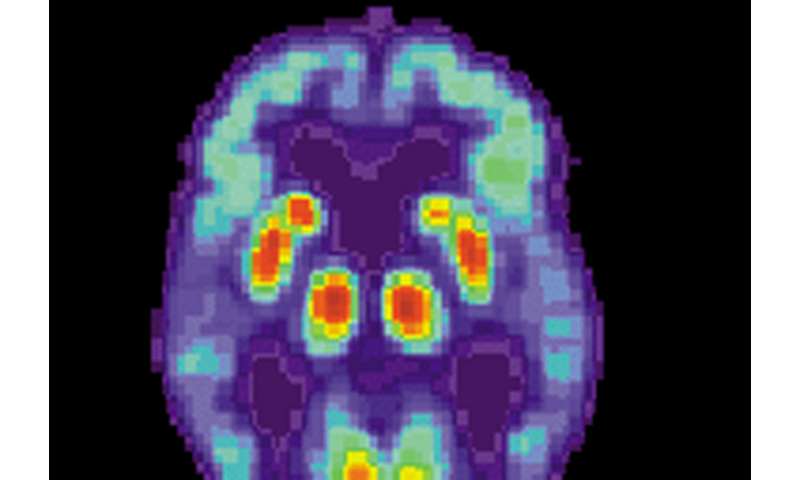
PET scan of a human brain with Alzheimer's disease. Credit: public domain
Use of antipsychotic medications was associated with an increased risk of head injuries in a study of individuals with Alzheimer's disease. The findings are published in the Journal of the American Geriatrics Society.
14 jan 2020--The nationwide study of individuals in Finland who were diagnosed with Alzheimer's disease from 2005 to 2011 included 21,795 patients who started taking antipsychotic medications and 21,795 patients who did not. Use of antipsychotic medications was linked with a 29% higher risk of head injuries—the "event rate" was 1.65 vs. 1.26 per 100 person-years in users vs. non-users. (This means there would be an average of 1.65 vs. 1.26 injuries among 100 people over one year. This translates to 165 vs. 126 injuries per 10,000 people.) Also, use of antipsychotic medications was linked with a 22% higher risk of traumatic brain injuries—0.90 vs. 0.72 per 100 person-years.
When comparing antipsychotic medications, quetiapine users had 60% higher risk of traumatic brain injuries compared with risperidone users.
"Persons with Alzheimer's disease have a higher risk of falling, head injuries, and traumatic brain injuries and worse prognosis after these events in comparison to those without Alzheimer's disease.Therefore, it is important to avoid further increasing risk with antipsychotics in this vulnerable population, if possible," said lead author Vesa Tapiainen, MD, of the University of Eastern Finland.
More information: Vesa Tapiainen et al, The Risk of Head Injuries Associated With Antipsychotic Use Among Persons With Alzheimer's disease, Journal of the American Geriatrics Society (2020). DOI: 10.1111/jgs.16275
Journal information: Journal of the American Geriatrics Society
Provided by Wiley
Sunday, January 12, 2020
Artificial intelligence has come to medicine. Are patients being put at risk?
by Liz Szabo
Credit: CC0 Public Domain
Health products powered by artificial intelligence, or AI, are streaming into our lives, from virtual doctor apps to wearable sensors and drugstore chatbots.
12 jan 2020--IBM boasted that its AI could "outthink cancer." Others saycomputer systemsthat read X-rays will make radiologists obsolete.
"There's nothing that I've seen in my 30-plus years studying medicine that could be as impactful and transformative" as AI, said Dr. Eric Topol, a cardiologist and executive vice president of Scripps Research in La Jolla, Calif. AI can help doctors interpret MRIs of the heart, CT scans of the head and photographs of the back of the eye, and could potentially take over many mundane medical chores, freeing doctors to spend more time talking to patients, Topol said.
Even the Food and Drug Administration—which has approved more than 40 AI products in the past five years—says "the potential of digital health is nothing short of revolutionary."
Yet many health industry experts fear AI-based products won't be able to match the hype. Many doctors and consumer advocates fear that the tech industry, which lives by the mantra "fail fast and fix it later," is putting patients at risk—and that regulators aren't doing enough to keep consumers safe.
Early experiments in AI provide a reason for caution, said Mildred Cho, a professor of pediatrics at Stanford's Center for Biomedical Ethics.
Systems developed in one hospital often flop when deployed in a different facility, Cho said. Software used in the care of millions of Americans has been shown to discriminate against minorities. And AI systems sometimes learn to make predictions based on factors that have less to do with disease than the brand of MRI machine used, the time a blood test is taken or whether a patient was visited by a chaplain. In one case, AI software incorrectly concluded that people with pneumonia were less likely to die if they had asthma—an error that could have led doctors to deprive asthma patients of the extra care they need.
"It's only a matter of time before something like this leads to a serious health problem," said Dr. Steven Nissen, chairman of cardiology at the Cleveland Clinic.
Medical AI, which pulled in $1.6 billion in venture capital funding in the third quarter alone, is "nearly at the peak of inflated expectations," concluded a July report from the research company Gartner. "As the reality gets tested, there will likely be a rough slide into the trough of disillusionment."
That reality check could come in the form of disappointing results when AI products are ushered into the real world. Even Topol, the author of "Deep Medicine: How Artificial Intelligence Can Make Healthcare Human Again," acknowledges that many AI products are little more than hot air. "It's a mixed bag," he said.
Experts such as Dr. Bob Kocher, a partner at the venture capital firm Venrock, are blunter. "Most AI products have little evidence to support them," Kocher said. Some risks won't become apparent until an AI system has been used by large numbers of patients. "We're going to keep discovering a whole bunch of risks and unintended consequences of using AI on medical data," Kocher said.
None of the AI products sold in the U.S. have been tested in randomized clinical trials, the strongest source of medical evidence, Topol said. The first and only randomized trial of an AI system—which found that colonoscopy with computer-aided diagnosis found more small polyps than standard colonoscopy—was published online in October.
Few tech startups publish their research in peer-reviewed journals, which allow other scientists to scrutinize their work, according to a January article in the European Journal of Clinical Investigation. Such "stealth research"—described only in press releases or promotional events—often overstates a company's accomplishments.
And although software developers may boast about the accuracy of their AI devices, experts note that AI models are mostly tested on computers, not in hospitals or other medical facilities. Using unproven software "may make patients into unwitting guinea pigs," said Dr. Ron Li, medical informatics director for AI clinical integration at Stanford Health Care.
AI systems that learn to recognize patterns in data are often described as "black boxes" because even their developers don't know how they have reached their conclusions. Given that AI is so new—and many of its risks unknown—the field needs careful oversight, said Pilar Ossorio, a professor of law and bioethics at the University of Wisconsin-Madison.
Yet the majority of AI devices don't require FDA approval.
"None of the companies that I have invested in are covered by the FDA regulations," Kocher said.
Legislation passed by Congress in 2016—and championed by the tech industry—exempts many types of medical software from federal review, including certain fitness apps, electronic health records and tools that help doctors make medical decisions.
There's been little research on whether the 320,000 medical apps now in use actually improve health, according to a report on AI published Dec. 17 by the National Academy of Medicine.
"Almost none of the (AI) stuff marketed to patients really works," said Dr. Ezekiel Emanuel, professor of medical ethics and health policy in the Perelman School of Medicine at the University of Pennsylvania.
The FDA has long focused its attention on devices that pose the greatest threat to patients. And consumer advocates acknowledge that some devices—such as ones that help people count their daily steps—need less scrutiny than ones that diagnose or treat disease.
Some software developers don't bother to apply for FDA clearance or authorization, even when legally required, according to a 2018 study in Annals of Internal Medicine.
Industry analysts say that AI developers have little interest in conducting expensive and time-consuming trials. "It's not the main concern of these firms to submit themselves to rigorous evaluation that would be published in a peer-reviewed journal," said Joachim Roski, a principal at Booz Allen Hamilton, a technology consulting firm, and co-author of the National Academy's report. "That's not how the U.S. economy works."
But Oren Etzioni, chief executive officer at the Allen Institute for AI in Seattle, said AI developers have a financial incentive to make sure their medical products are safe.
"If failing fast means a whole bunch of people will die, I don't think we want to fail fast," Etzioni said. "Nobody is going to be happy, including investors, if people die or are severely hurt."
Relaxing Standards At The FDA
The FDA has come under fire in recent years for allowing the sale of dangerous medical devices, which have been linked by the International Consortium of Investigative Journalists to 80,000 deaths and 1.7 million injuries over the past decade.
Many of these devices were cleared for use through a controversial process called the 510(k) pathway, which allows companies to market "moderate-risk" products with no clinical testing as long as they're deemed similar to existing devices.
In 2011, a committee of the National Academy of Medicine concluded the 510(k) process is so fundamentally flawed that the FDA should throw it out and start over.
Instead, the FDA is using the process to greenlight AI devices.
Of the 14 AI products authorized by the FDA in 2017 and 2018, 11 were cleared through the 510(k) process, according to a November article in JAMA. None of these appear to have had new clinical testing, the study said. The FDA cleared an AI device designed to help diagnose liver and lung cancer in 2018 based on its similarity to imaging software approved 20 years earlier. That software had itself been cleared because it was deemed "substantially equivalent" to products marketed before 1976.
AI products cleared by the FDA today are largely "locked," so that their calculations and results will not change after they enter the market, said Bakul Patel, director for digital health at the FDA's Center for Devices and Radiological Health. The FDA has not yet authorized "unlocked" AI devices, whose results could vary from month to month in ways that developers cannot predict.
To deal with the flood of AI products, the FDA is testing a radically different approach to digital device regulation, focusing on evaluating companies, not products.
The FDA's pilot "pre-certification" program, launched in 2017, is designed to "reduce the time and cost of market entry for software developers," imposing the "least burdensome" system possible. FDA officials say they want to keep pace with AI software developers, who update their products much more frequently than makers of traditional devices, such as X-ray machines.
Scott Gottlieb said in 2017 while he was FDA commissioner that government regulators need to make sure its approach to innovative products "is efficient and that it fosters, not impedes, innovation."
Under the plan, the FDA would pre-certify companies that "demonstrate a culture of quality and organizational excellence," which would allow them to provide less upfront data about devices.
Pre-certified companies could then release devices with a "streamlined" review—or no FDA review at all. Once products are on the market, companies will be responsible for monitoring their own products' safety and reporting back to the FDA. Nine companies have been selected for the pilot: Apple, FitBit, Samsung, Johnson & Johnson, Pear Therapeutics, Phosphorus, Roche, Tidepool and Verily Life Sciences.
High-risk products, such as software used in pacemakers, will still get a comprehensive FDA evaluation. "We definitely don't want patients to be hurt," said Patel, who noted that devices cleared through pre-certification can be recalled if needed. "There are a lot of guardrails still in place."
But research shows that even low- and moderate-risk devices have been recalled due to serious risks to patients, said Diana Zuckerman, president of the National Center for Health Research. "People could be harmed because something wasn't required to be proven accurate or safe before it is widely used."
Johnson & Johnson, for example, has recalled hip implants and surgical mesh.
In a series of letters to the FDA, the American Medical Association and others have questioned the wisdom of allowing companies to monitor their own performance and product safety.
"The honor system is not a regulatory regime," said Dr. Jesse Ehrenfeld, who chairs the physician group's board of trustees.
In an October letter to the FDA, Sens. Elizabeth Warren (D-Mass.), Tina Smith (D-Minn.) and Patty Murray (D-Wash.) questioned the agency's ability to ensure company safety reports are "accurate, timely and based on all available information."
When Good Algorithms Go Bad
Some AI devices are more carefully tested than others.
An AI-powered screening tool for diabetic eye disease was studied in 900 patients at 10 primary care offices before being approved in 2018. The manufacturer, IDx Technologies, worked with the FDA for eight years to get the product right, said Dr. Michael Abramoff, the company's founder and executive chairman.
The test, sold as IDx-DR, screens patients for diabetic retinopathy, a leading cause of blindness, and refers high-risk patients to eye specialists, who make a definitive diagnosis.
IDx-DR is the first "autonomous" AI product—one that can make a screening decision without a doctor. The company is now installing it in primary care clinics and grocery stores, where it can be operated by employees with a high school diploma. Abramoff's company has taken the unusual step of buying liability insurance to cover any patient injuries.
Yet some AI-based innovations intended to improve care have had the opposite effect.
A Canadian company, for example, developed AI software to predict a person's risk of Alzheimer's based on their speech. Predictions were more accurate for some patients than others. "Difficulty finding the right word may be due to unfamiliarity with English, rather than to cognitive impairment," said co-author Frank Rudzicz, an associate professor of computer science at the University of Toronto.
Doctors at New York's Mount Sinai Hospital hoped AI could help them use chest X-rays to predict which patients were at high risk of pneumonia. Although the system made accurate predictions from X-rays shot at Mount Sinai, the technology flopped when tested on images taken at other hospitals. Eventually, researchers realized the computer had merely learned to tell the difference between that hospital's portable chest X-rays—taken at a patient's bedside—with those taken in the radiology department. Doctors tend to use portable chest X-rays for patients too sick to leave their room, so it's not surprising that these patients had a greater risk of lung infection.
DeepMind, a company owned by Google, has created an AI-based mobile app that can predict which hospitalized patients will develop acute kidney failure up to 48 hours in advance. A blog post on the DeepMind website described the system, used at a London hospital, as a "game changer." But the AI system also produced two false alarms for every correct result, according to a July study in Nature. That may explain why patients' kidney function didn't improve, said Dr. Saurabh Jha, associate professor of radiology at the Hospital of the University of Pennsylvania. Any benefit from early detection of serious kidney problems may have been diluted by a high rate of "overdiagnosis," in which the AI system flagged borderline kidney issues that didn't need treatment, Jha said. Google had no comment in response to Jha's conclusions.
False positives can harm patients by prompting doctors to order unnecessary tests or withhold recommended treatments, Jha said. For example, a doctor worried about a patient's kidneys might stop prescribing ibuprofen—a generally safe pain reliever that poses a small risk to kidney function—in favor of an opioid, which carries a serious risk of addiction.
As these studies show, software with impressive results in a computer lab can founder when tested in real time, Stanford's Cho said. That's because diseases are more complex—and the health care system far more dysfunctional—than many computer scientists anticipate.
Many AI developers cull electronic health records because they hold huge amounts of detailed data, Cho said. But those developers often aren't aware that they're building atop a deeply broken system. Electronic health records were developed for billing, not patient care, and are filled with mistakes or missing data.
A KHN investigation published in March found sometimes life-threatening errors in patients' medication lists, lab tests and allergies.
In view of the risks involved, doctors need to step in to protect their patients' interests, said Dr. Vikas Saini, a cardiologist and president of the nonprofit Lown Institute, which advocates for wider access to health care.
"While it is the job of entrepreneurs to think big and take risks," Saini said, "it is the job of doctors to protect their patients."
Sticking to a healthy lifestyle including not smoking, not being overweight, and exercising regularly, is associated with a longer life expectancy at age 50 free of major diseases such as cancer, cardiovascular diseases, and diabetes, finds a study in The BMJ today.
09 jan 2020--The number of extra disease-free years is around 7.6 for men and 10 for women, compared with participants with no low risklifestylefactors.
Across the world people are, on average, living longer. But as populations age, individuals often live with disabilities and chronic diseases like cancer, heart disease, and diabetes.
Lifestyle factors such as smoking, physical activity, alcohol intake, body weight and diet quality affect both overall life expectancy and likelihood of chronic diseases, but few studies have looked at how a combination of lifestyle factors may relate to life expectancy free from such diseases.
To address this evidence gap, researchers analysed data on 73,196 US registered female nurses from the Nurses' Health Study and 38,366 US male health professionals from the Health Professionals Follow-up Study, who were free of cancer, cardiovascular disease, and diabetes at enrollment.
Five low risk lifestyle factors—never smoking, healthy weight (BMI), at least 30 minutes of daily physical activity, moderate alcohol intake, and a good quality diet—were used to calculate a healthy lifestyle score.
The sum of these five scores together gave a final low risk lifestyle score ranging from 0 to 5, with higher scores indicating a healthier lifestyle.
Participants were assessed regularly over a period of more than 20 years. During this time, new diagnoses and deaths from cancer, cardiovascular disease, and type 2 diabetes were recorded.
After adjusting for age, ethnicity, family medical history, and other potentially influential factors, life expectancy free of cancer, cardiovascular disease, and diabetes at age 50 was 24 years for women who adopted no low risk lifestyle factors, and 34 years for women who adopted four or five low risk factors.
Similarly, life expectancy free of any of these chronic diseases was 24 years among men who adopted no low risk lifestyle factors and 31 years in men who adopted four or five low risk lifestyle factors.
Women with four or five low risk lifestyle factors had 10.6 years' longer life expectancy free of the major chronic diseases than did women with zero low risk lifestyle factors, while men gained 7.6 years' longer life expectancy free of major chronic diseases over those with zero low risk lifestyle factors.
Men who smoked heavily (15 or more cigarettes a day) or obese men and women (body mass index of 30 or over) had the lowest proportion (75% or less) of disease-free life expectancy at age 50.
This is an observational study so can't establish cause, and the authors point to some limitations, such as relying on self reported lifestyle habits and participants being mainly white health professionals so results may not apply more generally.
Nevertheless, the data covered a large number of people with detailed and repeated assessment of lifestyle factors over a long follow-up period.
As such, they say: "Public policies for improving food and the physical environment conducive to adopting a healthy diet and lifestyle, as well as relevant policies and regulations (for example, smoking ban in public places or trans fat restrictions) are critical to improving life expectancy, especially life expectancy free of major chronic diseases."
More information: Healthy lifestyle and life expectancy free of cancer, cardiovascular disease, and type 2 diabetes: prospective cohort study, BMJ (2020). DOI: 10.1136/bmj.l6669 , https://www.bmj.com/content/368/bmj.l6669
Journal information: British Medical Journal (BMJ)
Provided by British Medical Journal
Monday, January 06, 2020
Report links recommended physical activity levels to lower risk of seven cancers
A pooled analysis of nine prospective studies involving more than 750,000 adults finds that recommended amounts of leisure-time physical activity were linked to a lower risk for seven cancers, with several cancer types having a 'dose/response' relationship. The study was led by investigators at the National Cancer Institute, the American Cancer Society, and the Harvard T.H. Chan School of Public Health and appears in the Journal of Clinical Oncology.
06 jan 2020--While it's long been known thatphysical activityis associated with alower riskof several cancers, less clear has been the shape of the relationship and whether recommended amounts of physical activity are associated with lower risk. Updated guidelines for activity now state that people should aim for 2.5 to 5 hours/week of moderate-intensity activity or 1.25 to 2.5 hours/week of vigorous activity. Moderate-intensity activities are those that get you moving fast enough or strenuously enough to burn off three to six times as much energy per minute as sitting quietly (3 to 6 METs). Vigorous-intensity activities burn more than 6 METs.
For the current analysis, investigators pooled data from nine prospective cohorts with self-reported leisure-time physical activity and follow-up for cancer incidence, looking at the relationship between physical activity with incidence of 15 types of cancer.
They found engaging in recommended amounts of activity (7.5 to 15 MET hours/week) was associated with a statistically significant lower risk of seven of the 15 cancer types studied, with the reduction increasing with more MET hours. Physical activity was associated with a lower risk of colon cancer in men (8% for 7.5 MET hours/week; 14% for 15 MET hours/week), female breast cancer (6%-10%), endometrial cancer (10%-18%), kidney cancer (11%-17%), myeloma (14%-19%), liver cancer (18%-27%), and non-Hodgkin lymphoma (11%-18% in women). The dose response was linear in shape for half of the associations and nonlinear for the others.
The analysis had some limitations: Even with 750,000 participants, patient numbers were limited for some cancers; participants were primarily white; there was a limited number of cohorts with detailed physical activity measures; and the authors relied on self-reported physical activity.
The authors conclude: "These findings provide direct quantitative support for the levels of activity recommended for cancer prevention and provide actionable evidence for ongoing and future cancer prevention efforts."
"Physical activity guidelines have largely been based on their impact on chronic diseases like cardiovascular disease and diabetes," said Alpa Patel, Ph.D., senior scientific director of epidemiology research at the American Cancer Society. "These data provide strong support that these recommended levels are important to cancer prevention, as well."
More information: Amount and Intensity of Leisure-Time Physical Activity and Lower Cancer Risk, Matthews et al. Journal of Clinical Oncology (2019). DOI: 10.1200/JCO.19.02407
Journal information: Journal of Clinical Oncology
Provided by American Cancer Society
Friday, January 03, 2020
ADA releases 2020 standards of medical care in diabetes
John Buse, MD, Ph.D. Credit: University of North Carolina at Chapel Hill School of Medicine
A strong recurring message of individualizing patient care is echoed throughout the American Diabetes Association's Standards of Medical Care in Diabetes—2020 published recently. Based on the latest scientific diabetes research and clinical trials, the Standards of Care includes new and updated recommendations and guidelines for caring for people with diabetes, including individualized recommendations for treatment of cardiovascular disease based on patients' pre-existing conditions, special considerations for older adults with type 1 diabetes, and revised recommendations and additional supporting evidence for use of rapidly changing diabetes technology.
03 jan 2020--Also, the ADA released: 2019 Update to Management of Hyperglycemia in Type 2 Diabetes, 2018. A Consensus Report by the American Diabetes Association (ADA) and the European Association for the Study of Diabetes (EASD), which includes complimentary information on the treatment of type 2 diabetes based on important research findings from large cardiovascular outcomes trials published in 2019 and has been incorporated into the Standards of Care—2020.
John Buse, MD, Ph.D., the Verne S. Caviness Distinguished Professor of Medicine, Division Chief of Endocrinology and Metabolism, and Director of the NC Translational and Clinical Sciences (TraCS) Institute, led the writing of the update, which includes:
The decision to treat high-risk individuals with a glucagon-like peptide 1 (GLP-1) receptor agonist or sodium–glucose cotransporter 2 (SGLT2) inhibitor to reduce major adverse cardiovascular events (MACE), hospitalization for heart failure (hHF), cardiovascular death, or chronic kidney disease (CKD) progression should be considered independently of baseline HbA1c or individualized HbA1c target;
GLP-1 receptor agonists can also be considered in patients with type 2 diabetes without established cardiovascular disease (CVD) but with the presence of specific indicators of high risk; and
SGLT2 inhibitors are recommended in patients with type 2 diabetes and heart failure, particularly those with heart failure with reduced ejection fraction, to reduce hHF, MACE, and CVD death, as well as in patients with type 2 diabetes with CKD to prevent the progression of CKD, hHF, MACE, and cardiovascular death.
The recommendations for treatment of cardiovascular disease, which is the leading cause of morbidity and mortality for individuals with diabetes, have now been individualized based on patients' risks, including the presence of atherosclerotic cardiovascular disease (ASCVD) or ASCVD risk factors, diabetic kidney disease, or heart failure.
More information: John B. Buse et al. 2019 Update to: Management of Hyperglycemia in Type 2 Diabetes, 2018. A Consensus Report by the American Diabetes Association (ADA) and the European Association for the Study of Diabetes (EASD), Diabetes Care (2019). DOI: 10.2337/dci19-0066
Journal information: Diabetes Care
Provided by University of North Carolina at Chapel Hill School of Medicine
Tuesday, December 31, 2019
What causes hangovers, blackouts and 'hangxiety'? Everything you need to know about alcohol these holidays
There’s no way to cure a hangover, even with ‘hair of the dog’. Credit: Louis Hansel
With the holiday season well underway and New Year's Eve approaching, you might find yourself drinking more alcohol than usual.
31 dec 2019--So what actually happens to our body as we drink alcohol and wake up with a hangover?
What about memory blackouts and "hangxiety", when you can't remember what happened the night before or wake up with an awful feeling of anxiety?
Let's look at what the science says—and bust some long-standing myths.
What happens when you drink alcohol?
It doesn't matter what type of alcohol you drink—or even whether you mix drinks—the effects are basically the same with the same amount of alcohol.
When you drink alcohol it goes into the stomach and passes into the small intestine where it's quickly absorbed into the bloodstream.
If you have eaten something, it slows the absorption of alcohol so you don't get drunk so quickly. That's why it's a good idea to eat before and during drinking.
It takes your body about an hour to metabolise 10g, or one standard drink, of alcohol.
(There are calculators that help you estimate your blood alcohol level but everybody breaks down alcohol at a different rate. So these calculators should only be used as a guide.)
What causes memory blackouts?
We all have that friend who has woken up after a big night out and not been able to remember half the night. That's a "blackout".
It's different to "passing out"—you're still conscious and able to carry out conversation, you just can't remember it later.
The more alcohol you drink and the faster you drink it, the more likely you are to experience blackouts.
Once alcohol in your blood reaches a certain level, your brain simply stops forming new memories. If you think of your brain like a filing cabinet, files are going straight to the bin, so when you later try to look for them they are lost.
How do I sober up?
If you've had too much, there's no way to sober up quickly. The only thing that can sober you up is time, so that the alcohol can be eliminated from your body.
The caffeine in coffee may make you feel more awake, but it doesn't help break down alcohol. You will be just as intoxicated and impaired, even if you feel a little less drunk.
The same goes for cold showers, exercise, sweating it out, drinking water, and getting fresh air. These things might help you feel more alert, but they have no impact on your blood alcohol concentration or on the effects of alcohol.
What causes hangovers?
Researchers haven't identified one single cause of hangovers, but there are a few possible culprits.
Alcohol is a diuretic, so it makes you urinate more often, which can lead to dehydration. This is especially the case if you're in a hot, sweaty venue or dancing a lot. Dehydration can make you feel dizzy, sleepy and lethargic.
An imbalance of electrolytes (the minerals our body need to function properly) can make you feel tired, nauseated, and cause muscle weakness and cramps.
Too much alcohol can cause your blood vessels to dilate (expand), causing a headache. Electrolyte imbalance and dehydration can also contribute to that thumping head the next morning.
Alcohol also interferes with glucose production, resulting in low blood sugar. Not producing enough glucose can leave you feeling sluggish and weak.
Alcohol also disrupts sleep. It can make you feel sleepy at first but it interrupts the circadian cycle, sleep rhythms and REM (rapid eye movement) sleep, so later in the night you might wake up.
It can stop you from getting the quality of sleep you need to wake feeling refreshed.
Why 'hair of the dog' doesn't work
There's no way to cure a hangover, even with "hair of the dog" (having a drink the morning after). But drinking the next morning might delay the onset of symptoms, and therefore make you feel better temporarily.
Your body needs time to rest, metabolise the alcohol you have already had, and repair any damage from a heavy night of drinking. So it's not a good idea.
If you drink regularly and you find yourself needing a drink the next morning, this may be a sign of alcohol dependence and you should talk with your GP.
Suffering from hangxiety?
Alcohol has many effects on the brain, including that warm, relaxed feeling after a couple of drinks. But if you've ever felt unusually anxious after a big night out you might have experienced "hangxiety".
Over a night of drinking, alcohol stimulates the production of a chemical in the brain called GABA, which calms the brain, and blocks the production of glutamate, a chemical associated with anxiety. This combination is why you feel cheerful and relaxed on a night out.
Your brain likes to be in balance, so in response to drinking it produces more glutamate and blocks GABA. Cue that shaky feeling of anxious dread the next morning.
To ease some of the symptoms, try some breathing exercises, some mindfulness practices and be gentle with yourself.
There are also effective treatments for anxiety available that can help. Talk to your GP or check out some resources online.
If you're already an anxious person, drinking alcohol may help you feel more relaxed in a social situation, but there is an even greater risk that you will feel anxiety the next day.
Prevention is better than a cure
If you choose to drink this holiday season, the best way to avoid hangovers, hangxiety, and blackouts is to stick within recommended limits.
The new draft Australian alcohol guidelines recommend no more than ten standard drinks a week and no more than four standard drinks on any one day.
(If you want to check what a standard drink looks like, use this handy reference.)
As well as eating to slow the absorption of alcohol, and drinking water in between alcoholic drinks to reduce the negative effects, you can also:
set your limits early. Decide before you start the night how much you want to drink, then stick to it
count your drinks and avoid shouts
slow down, take sips rather than gulps and avoid having shots.