Wednesday, March 18, 2020

Artificial intelligence recruited to find clues about COVID-19


ai
Credit: CC0 Public Domain
U.S. health and technology specialists on Monday said they had launched a new collaborative venture to assemble a dataset of tens of thousands of scientific papers and literature on the coronavirus, which would then be analyzed by artificial intelligence programs to find patterns and answer questions raised by the World Health Organization about the pandemic.
18 mar 2020--The dataset includes 29,000 articles, including 13,000 full-text pieces of medical literature, which will be made available on a special website allowing data scientists and artificial intelligence programmers to propose tools and software code that can unearth insights from the articles, White House officials and experts told reporters in a conference call.
The venture came together after the White House Office of Science and Technology Policy issued a call to tech companies and research groups to figure out how artificial intelligence tools could be used to sift through thousands of research articles being published worldwide on the pandemic, said Lynn Parker, deputy chief technology officer at the White House office.
With data scientists and machine language experts mining the literature compilation known as COVID-19 Open Research Dataset, experts and White House officials expect to get help developing vaccines, forming new guidelines on how long social distancing should be maintained and other insights, Michael Kratsios, the U.S. chief technology officer said.
The venture includes the National Library of Medicine, which is part of the National Institutes of Health, Microsoft, Allen Institute of AI, Georgetown University's Center for Security and Emerging Technology, the Chan Zuckerberg Initiative (named for Mark Zuckerberg, Facebook's founder, and his wife Priscilla Chan), and Kaggle, which is a unit of Google.
The Allen Institute's Semantics Scholar website will host the database of scientific articles and add to the collection over time, while Kaggle's platform, which provides access to about 4 million artificial intelligence researchers, will receive suggestions from the experts on tools and codes to use to mine the database, experts from both organizations said.
Scientists have been working and publishing their findings on various strains of coronavirus over the years, including other variants such as SARS, MERS, and the latest, COVID-19. The application of artificial intelligence tools to look for commonalities and differences among the thousands of such published articles will help the scientists spot things they may have missed, Eric Horvitz, Microsoft's chief scientific officer said.
"It's difficult for people to manually go through more than 20,000 articles and synthesize their findings," Anthony Goldbloom, co-founder and CEO of Kaggle said. "Recent advances in technology can be helpful here. We're putting machine readable versions of these articles in front of our community of more than 4 million data scientists. Our hope is that AI can be used to help find answers to a key set of questions about COVID-19."
Sharing vital information across scientific and medical communities is key to accelerating our ability to respond to the coronavirus pandemic," said Cori Bargmann, head of science at the Chan Zuckerberg Initiative. "The new COVID-19 Open Research Dataset will help researchers worldwide to access important information faster."
Publishers of scientific journals and literature have agreed to make their full articles available to researchers so that machine learning algorithms can look for key insights from them, the experts said. As scientists around the world continue to publish new research, journal publishers have agreed to provide those articles in electronic form ahead of their printed versions, they said.


Distributed by Tribune Content Agency, LLC.

Coronavirus pre-screenings: The webcam doctor will see you now


webcam
Credit: CC0 Public Domain
Telemedicine finally came of age this week.
18 mar 2020--As Disneyland said it would close, Broadway went dark, so many conferences were canceled (E3, Apple's WWDC, NAB and others) and Tom Hanks announced he had tested positive for the coronavirus, many people had the same questions.
Am I infected too? How do I find out?
At a press conference Friday, President Donald Trump urged people to turn to telemedicine, which I did as well this week after developing a mild sore throat.
Because, as I discovered, despite the many claims of testing becoming more widespread, the cold reality is that, as of today, the local doctor office is unlikely to see you. I was directed to get my questions answered by the Los Angeles County of Health, where the recording told me there were 30 people ahead of me on hold.
But the telemedicine folks are more than happy to take a look, via webcam, and figure out if you're actually at risk or not.
Does it replace actual testing? No. But it's a start, as you can actually get an answer from somebody, without having to wait for an appointment, or worse, visit an office that might be filled with people who are infected, or you will infect.
Can they actually tell if you're positive? Probably not. But they can see some of the symptoms, just by staring through the webcam. And that's a start.
Dr. Christina Johns, senior medical advisor for PM Pediatrics, a Lake Success, New York-based urgent care provider that offers telemedicine services, says she can look at somebody and detect sneezing, coughing and respiratory symptoms. "Without putting a stethoscope to their chest, I can tell if they're in respiratory duress," she says. "Can they finish a complete sentence in one breath?"
What she hasn't done, nor have the folks at Doctor on Demand, the telemedicine firm founded by TV's Dr. Phil McGraw and his son Jay, is diagnose someone as testing positive for the virus.
What they are doing is screening out the worried folks who watch the news and fear the worst and refer the ones with symptoms that might actually within the scope of the virus to the local health departments.
"Our platform is better suited to deal with this overflow," says Dr. Ian Tong, the chief medical officer for Doctor on Demand. "It's difficult for any one practice to deal with this, we have capacity to handle it."
I sought Doctor on Demand's help when I worried about the virus, paying $75 for a 15-minute session. I was promised a five- to 10-minute wait period, but it (understandably) stretched to 30 minutes before I was connected to Dr. Susan Mayo of Los Angeles.
She had me put my mouth basically right up to the webcam and say "Aah" and she said from that, she could tell that I wasn't swollen and wasn't seeing signs of the virus.
Tong said call volume has spiked 20% in the last weeks since the coronavirus began to spread, and he expects it to spike even more, before dying down in April.
In a week in which there was so much confusion about the coronavirus, where the only stated remedy beyond washing hands was to lock yourself up at home and stay away from people, at least telemedicine gave us somebody to talk to and try and get some answers from.
But Dr. Michael Klein, a Boston-area physician worries that telemedicine will become so popular, people will stop coming in for their in-person visits.
People will likely prefer webcam visits "because it's a lot easier to not have to take time out of the day to come see me," he says. "But in person, I get nuance from how they dress, how they interact with the staff and a lot of information from a physical exam, that you just can't get from a webcam."
In the short term, the telemedicine pre-screenings help take the load off local doctors, he says. There's no question the virus scares "jump-started" telemedicine this week. "I just hope people don't get too used to it."

Distributed by Tribune Content Agency, LLC.
New coronavirus stable for hours on surfaces: study


New coronavirus stable for hours on surfaces
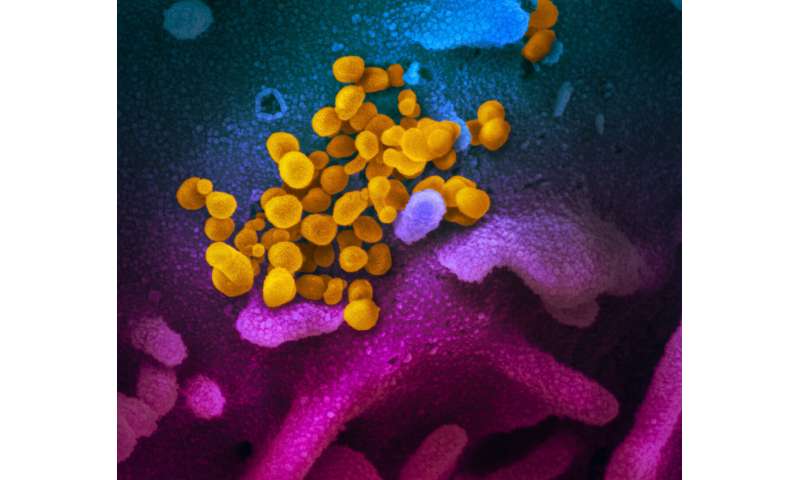
This scanning electron microscope image shows SARS-CoV-2 (yellow)--also known as 2019-nCoV, the virus that causes COVID-19--isolated from a patient in the U.S., emerging from the surface of cells (blue/pink) cultured in the lab. Credit: NIAID RML
The virus that causes coronavirus disease 2019 (COVID-19) is stable for several hours to days in aerosols and on surfaces, according to a new study from National Institutes of Health, CDC, UCLA and Princeton University scientists The New England Journal of Medicine. The scientists found that severe acute respiratory syndrome coronavirus 2 (SARS-CoV-2) was detectable in aerosols for up to three hours, up to four hours on copper, up to 24 hours on cardboard and up to two to three days on plastic and stainless steel. The results provide key information about the stability of SARS-CoV-2, which causes COVID-19 disease, and suggests that people may acquire the virus through the air and after touching contaminated objects. The study information was widely shared during the past two weeks after the researchers placed the contents on a preprint server to quickly share their data with colleagues.
18 mar 2020--The NIH scientists, from the National Institute of Allergy and Infectious Diseases' Montana facility at Rocky Mountain Laboratories, compared how the environment affects SARS-CoV-2 and SARS-CoV-1, which causes SARS. SARS-CoV-1, like its successor now circulating across the globe, emerged from China and infected more than 8,000 people in 2002 and 2003. SARS-CoV-1 was eradicated by intensive contact tracing and case isolation measures and no cases have been detected since 2004. SARS-CoV-1 is the human coronavirus most closely related to SARS-CoV-2. In the stability study the two viruses behaved similarly, which unfortunately fails to explain why COVID-19 has become a much larger outbreak.
The NIH study attempted to mimic virus being deposited from an infected person onto everyday surfaces in a household or hospital setting, such as through coughing or touching objects. The scientists then investigated how long the virus remained infectious on these surfaces.
The scientists highlighted additional observations from their study:
  • If the viability of the two coronaviruses is similar, why is SARS-CoV-2 resulting in more cases? Emerging evidence suggests that people infected with SARS-CoV-2 might be spreading virus without recognizing, or prior to recognizing, symptoms. This would make disease control measures that were effective against SARS-CoV-1 less effective against its successor.
  • In contrast to SARS-CoV-1, most secondary cases of virus transmission of SARS-CoV-2 appear to be occurring in community settings rather than healthcare settings. However, healthcare settings are also vulnerable to the introduction and spread of SARS-CoV-2, and the stability of SARS-CoV-2 in aerosols and on surfaces likely contributes to transmission of the virus in healthcare settings.
The findings affirm the guidance from public health professionals to use precautions similar to those for influenza and other respiratory viruses to prevent the spread of SARS-CoV-2:
  • Avoid close contact with people who are sick.
  • Avoid touching your eyes, nose, and mouth.
  • Stay home when you are sick.
  • Cover your cough or sneeze with a tissue, then throw the tissue in the trash.
  • Clean and disinfect frequently touched objects and surfaces using a regular household cleaning spray or wipe.
More information: Neeltje van Doremalen et al, Aerosol and Surface Stability of SARS-CoV-2 as Compared with SARS-CoV-1, New England Journal of Medicine (2020). DOI: 10.1056/NEJMc2004973

Masks, gloves don't stop coronavirus spread: experts


covid-19
Credit: CC0 Public Domain
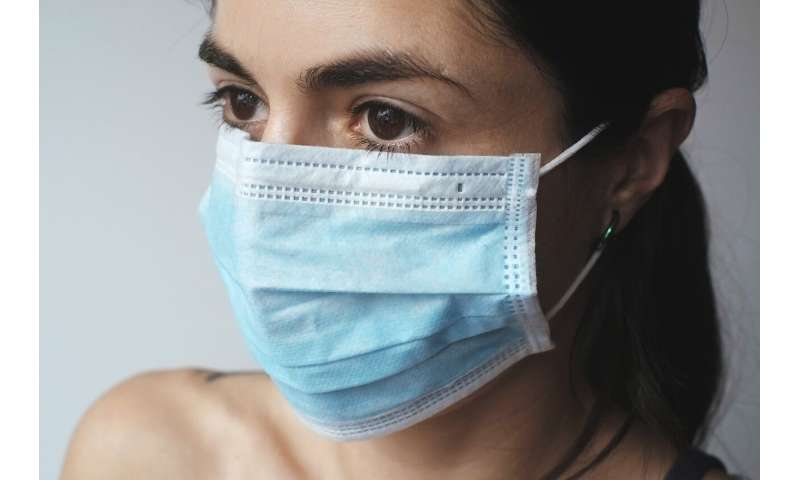
Wearing masks and gloves as a precaution against coronavirus is ineffective, unnecessary for the vast majority of people, and may even spread infections faster, experts said Tuesday.
18 mar 2020--While near-total lockdowns have been imposed in Italy, Spain and now France, the World Health Organization's advice has remained unchanged since the start of the global outbreak: wash your hands, don't touch your face, and keep your distance.
The WHO says it is advisable to wear a protective mask in public if you suspect you are infected or someone you are caring for is, in which case the advice is to stay home whenever possible.
"There are limits to how a mask can protect you from being infected and we've said the most important thing everyone can do is wash your hands, keep your hands away from your face, observe very precise hygiene," said WHO's emergencies director Mike Ryan.
The advice is all the more urgent given the WHO's estimate that health workers worldwide will need at least 89 million masks every month to treat COVID-19 cases.
There are already shortages of masks for medical professionals around the world, a problem that could get worse as the pandemic drags on.
But the message about masks hasn't reached everyone.
"I'm surprised to see through the window in my ministry lots of people in the street wearing masks when that doesn't correspond to our recommendations," French health minister Olivier Veran said Monday.
Mariam, 35, told AFP that she was wearing a mask because she has an elderly mother.
"Just in case," said Mariam, who was also sporting latex gloves.
Mariam, who didn't want to give her last name, she said she got her mask from "a friend's mother who works in a hospital".
Contaminated masks
As well as hoovering up stocks sorely needed by medical professionals, experts say masks can give people who wear them a false sense of security.
For example, many people who wear them don't follow the official advice of washing their hands thoroughly first, ensuring it's air tight and not to touch it once it's on.
"People are always readjusting their masks and that has the potential to contaminate them," said France's head of health, Jerome Salomon.
"If someone has come across the virus, it's surely going to be on the mask."
Gloves, similarly, don't greatly heighten protection and could even end up making you sick.
"If people cannot stop touching their face, gloves will not serve a purpose," Amesh Adalja, from Johns Hopkins Center for Health Security, told AFP.
One 2015 study in the American Journal of Infection Control found that people touch their face on average 20 times an hour.
The novel coronavirus is transmitted via skin contact, transferring infected globules of mucus via the ears, eyes or nose.
"Gloves are not a substitute for washing your hands," said Adalja, adding that surgical gloves should only be used in a medical setting.
Plus, said Veran: "If you're wearing gloves you're not washing your hands."
For one Paris resident, Oriane, 32, this is not a problem.
"I wash my gloves," she said, gesturing to her bright blue surgical mitts.

Journal information: American Journal of Infection Contro

Brazil confirms first coronavirus death

Brazil confirmed its first COVID-19 death Tuesday, as Sao Paulo and Rio de Janeiro declared a state of emergency over the virus outbreak—though President Jair Bolsonaro condemned what he called "hysteria" over the escalating crisis.
17 mar 2020--The South American country's first victim was a 62-year-old man with underlying health conditions who died Monday in Sao Paulo, authorities said.
He was diabetic and had high 
blood pressure, TV network Globo News reported.
"Unfortunately, this shows how severe this pandemic is, despite what some would like to believe," Sao Paulo mayor Bruno Covas told CBN radio.
That will likely be taken as a jab at Bolsonaro, who criticized how local governments are reacting to the pandemic, after the city of Sao Paulo and state of Rio de Janeiro declared states of emergency over the virus.
"People are acting like it's the end of the world," the far-right president said in an interview with Radio Tupi.
"Some governors are taking measures that are really going to hurt our economy.... It's not like having groups of people here and there is the problem. What we need to do is reduce the hysteria."
The measures in Rio included closing the iconic Christ the Redeemer statue and the cable car to Sugarloaf Mountain, two of the city's most famous attractions.
Sao Paulo eased regulations on government purchases of all materials linked to containing the virus—including hand sanitizer, now mandatory on public transportation.
Rio ordered restaurants to reduce the number of tables by 70 percent to increase distance between patrons, closed stores in shopping malls and halved the number of  vehicles in circulation, calling on people to remain home when possible.
On Friday, the state had already closed schools, theaters and cinemas for at least 15 days.
Rio Governor Wilson Witzel has also ordered people off the city's beaches, deploying firefighters with loudspeakers to encourage them to go home.
Bolsonaro under fire
Brazil—the biggest country in Latin America, with 210 million people—has confirmed 234 coronavirus cases, concentrated in Sao Paulo and Rio.
Health officials are working to convince the population to take the threat seriously, but some Brazilians remain skeptical—not least Bolsonaro.
The president has drawn criticism for shaking hands and taking selfies with supporters at a rally Sunday, even though his own health ministry had recommended he remain in isolation for two weeks after being exposed to several officials who tested positive for COVID-19.
Bolsonaro tested negative for the virus last week, but is due to take another test to confirm.
He said in his radio interview that he would hold a "small party" to celebrate his 65th birthday Saturday, even though some health experts have recommended against such gatherings.
"Life goes on," he said.

'Telemedicine' stepping up amid coronavirus spread


'Telemedicine' stepping up amid coronavirus spread
As U.S. states and cities scramble to contain the new coronavirus by restricting public gatherings, hospitals are increasingly using remote medical care to battle the outbreak.
17 mar 2020--Many health systems in the United States already have "telemedicine" services in place, and there is no better time to deploy them, said Dr. Judd Hollander, an emergency medicine physician at Jefferson Health in Philadelphia.
Telemedicine takes advantage of technology to see patients with non-emergency conditions in their own homes. People can use their devices to set up a "virtual visit" with a doctor to evaluate their symptoms, get treatment advice and, in some cases, prescriptions.
And right now, when people should be avoiding crowds whenever possible, telemedicine could fill a critical role, Hollander said.
Jefferson Health has a longstanding telemedicine program, and it generally sees an uptick during flu season, when miserably sick people want to avoid an in-person visit.
"But the whole world has changed in the past month," Hollander said.
In roughly the past week, the number of telemedicine visits at Jefferson has quadrupled—and the program is fast training additional providers to manage the demand, he noted.
"We're basically begging anyone with some spare minutes to take on a visit," he said.
Telemedicine is also a way to keep potentially ill hospital staff away from patients. Since COVID-19 landed in the United States, several health care facilities have put workers under quarantine due to exposure to infected patients.
But telemedicine offers a way to keep those providers working, Hollander said, which would also free up others for in-person care.
Similarly, Jefferson has used the technology to allow doctors with symptoms to care for patients virtually while tests for COVID-19 are pending.
Hollander recently co-wrote a perspective piece in the New England Journal of Medicine, laying out the potential for telemedicine in a time of pandemic. His co-author, Dr. Brendan Carr, is an emergency medicine physician at Mount Sinai Health System in New York City, which also offers virtual visits.
Telemedicine is not new, nor is it uncommon, said Amanda Tosto, clinical transformation officer at Rush University Medical Center in Chicago. But many people may be unaware it's available in their local area, she said.
Rush, which launched "on-demand" video visits last year, has seen a similar surge in demand—going from a typical 30 to 60 visits a month, to about 100 a day, Tosto said.
There are also nationwide telehealth companies, Hollander noted, such as Teladoc and American Well.
Many people making virtual visits now have symptoms they worry could be COVID-19, which generally causes a fever, cough and shortness of breath. Others are simply worried—due to their travel history or exposure to someone diagnosed with the virus.
"People want peace of mind," Hollander said. But, he added, "there aren't enough tests. You can barely test the people who are sick."
In general, people with milder COVID-19 symptoms will be told to isolate at home, rest, stay hydrated and monitor their symptoms.
Dr. Rahul Sharma, emergency physician-in-chief at NewYork-Presbyterian/Weill Cornell Medicine, in New York City, said, "We want people to avoid the ER if it's not an emergency."
His hospital is another that has long been using telemedicine. "It's not new," Sharma said, "but now we're seeing why it's so powerful and useful. We want everyone to be safe, and to minimize disease spread."
Like Jefferson, NYP/Weill Cornell has seen a quadrupling in demand for its telemedicine services in the past 10 days or so, Sharma said.
Not everyone should have a video visit, he stressed. They are for people with problems like respiratory symptoms, headache, stomach complaints, rashes and body aches.
People with severe chest pain or difficulty breathing, for instance, need emergency care, Sharma said.
Who pays for telemedicine? In response to COVID-19, the Medicare program—which covers Americans age 65 and older—has loosened restrictions on seniors' access to such services.
Some private insurers cover virtual visits, Hollander said, but often people self-pay. (The cost per visit is typically around $50; Tosto said Rush is not charging for virtual visits related to "concern for coronavirus.")
Hollander praised certain insurers, such as Aetna, which is waiving co-pays for telemedicine visits for the next 90 days.
Other insurers, he said, "should step up and take care of your people."

More information: The U.S. Centers for Disease Control and Prevention has more on COVID-19.
Journal information: New England Journal of Medicine 

Sunday, March 08, 2020

Men and women live longer in countries with higher gender parity

good life
Credit: CC0 Public Domain
In advance of International Women's Day (Sunday, March 8), new research from the WORLD Policy Analysis Center at the UCLA Fielding School of Public Health (WORLD) shows that in countries where gender parity is high, both men and women live longer than in countries where equality is low.
08 mar 2020--Specifically, countries where educational gender parity is higher could expect years of greater life expectancy for both men and women, along with significantly fewer maternal deaths per 100,000 live births. A separate but related measure of women's participation in the labor force suggests that increased gender parity in the workplace is also associated with a lower national maternal mortality rate and significant extensions to female life expectancy.
 "This study marks an important step in quantitatively debunking the notion that women's improved social standing and access to secure livelihoods come at men's expense. Our research suggests that both men and women can gain from such shifts," said Dr. Jody Heymann, founding director of WORLD and a UCLA distinguished professor of public health, public policy and medicine. "Additionally, male life expectancy may potentially be extended through educational equality."
The study is scheduled for online publication March  in EClinicalMedicine, a medical journal published by The Lancet. Heymann and co-author, Dr. Adva Gadoth, a former Hilton Fellow at WORLD and current postdoctoral scholar at the UCLA Fielding School of Public Health, found the results held true in measures of both educational and work equality. These are defined as the overall proportion of girls or women participating in each area out of a total age-eligible population of females at the national level, and how that compares with those for boys or men in the same country.
A 10% increase in the authors' newly developed educational parity index – equivalent to a 4.9% increase in a country's gross annual school enrollment across primary and secondary schools and higher education – is associated with two years of greater female life expectancy, and almost a year greater male life expectancy at birth, even after accounting for individual countries' GDP, unemployment rates, urbanization, and domestic government health expenditures.
The same 10% increase in a country's educational parity was also associated with a reduction of almost 60 maternal deaths per 100,000 live births nationally. The educational parity index is defined as the average product of a country's female-to-male enrollment ratios and female enrollment rates across all levels of schooling.
Separately, a 10% increase, this time in female labor force participation, is associated with 15 fewer maternal deaths per 100,000 live births, and almost a full year's extension of female life expectancy at birth, with no effect on male life expectancy. The work parity index is defined as a given country's average female-to-male ratios of professional, technical, and managerial workers, and total female labor force participation.
The researchers said the work so far suggests that increases in gender equity can pay off beyond the realm of education and work.
"Improving gender equality through policy and other programmatic interventions is a win-win," Gadoth said. "Our research shows that increasing women's participation in society at large can have broad, positive impacts on population health in addition to reducing poverty, promoting human rights, and increasing people's personal agency around the globe."
More information: Gender parity at scale: Examining correlations of country-level female participation in education and work with measures of men's and women's survival. EClinicalMedicine. DOI:doi.org/10.1016/j.eclinm.2020.100299
Provided by University of California, Los Angeles

Saturday, March 07, 2020

Using artificial intelligence to assess ulcerative colitis

Using artificial intelligence to assess ulcerative colitis
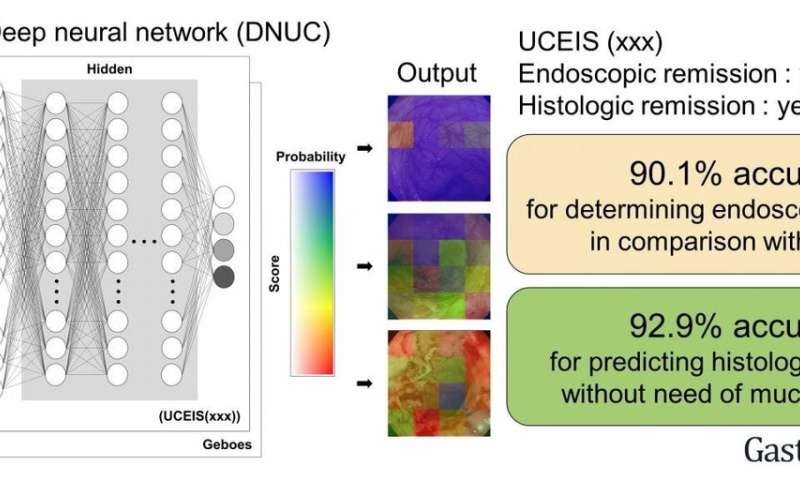
The captured endoscopic images were transferred to the DNUC. Superimposed images were created from the original endoscopic image by filling in the tiles with a specific translucent color. The fill color and transmittance were determined corresponding to the result and to the probability of the score. In addition, we designed the DNUC to output the following results: (1) endoscopic remission (yes/no), (2) histological remission (yes/no), and (3) the UCEIS score. In the determination of endoscopic remission, the DNUC showed high degrees of diagnostic accuracy (90.1%). Regarding the prediction of histological remission, the DNUC showed high diagnostic accuracy (92.9%). Credit: Department of Gastroenterology and Hepatology,TMDU
Researchers from Tokyo Medical and Dental University (TMDU) have developed an artificial intelligence system that effectively evaluates endoscopic mucosal findings from patients with ulcerative colitis without the need for biopsy collection.
07 mar 2020--Assessments of patients with ulcerative colitis (UC), which is a type of inflammatory bowel disease, are usually conducted via endoscopy and histology. But now, researchers from Japan have developed a system that may be more accurate than existing methods and may reduce the need for these patients to undergo invasive medical procedures.
In a study published this February in Gastroenterology, researchers from Tokyo Medical and Dental University (TMDU) have revealed a newly developed artificial intelligence (AI) system that can evaluate endoscopic findings of UC with an accuracy equivalent to that of expert endoscopists.
Accurate evaluations are critical in providing optimal care for patients with UC. Previous studies have indicated that both endoscopic remission, evaluated via assessment of endoscopic procedure, and histological remission, as indicated by the degree of microscopic inflammation, can predict patient outcomes, and are thus frequently used as treatment goals. However, intra- and inter-observer variations occur in both endoscopic and histological analyses, and histological analysis frequently requires the collection of tissue via biopsies, which are invasive and costly.
"The interpretation of endoscopic images is subjective and based on the experience of individual endoscopists, thereby making the standardization of evaluation and real-time characterization challenging," says lead author of the study Kento Takenaka. "To address this, we sought to develop a deep neural network (DNN) system for consistent, objective, and real-time analysis of endoscopic images from patients with UC (DNUC)."
To do this, the researchers developed a system with DNNs to evaluate endoscopic images from patients with UC. DNNs are a type of AI machine-learning method that are based on the construction of artificial neural networks.
"We constructed the DNUC algorithm, using 40,758 images of colonoscopies and 6885 biopsy results from 2012 patients with UC," says senior author Mamoru Watanabe. "This comprised the training set for machine-learning, which enabled the algorithm to learn to accurately evaluate and classify the data."
The researchers then validated the accuracy of the DNUC algorithm using 4187 endoscopic images and 4104 biopsy specimens from 875 patients with UC.
"We found that the DNUC achieved a level of accuracy that was equivalent to that of expert endoscopists," says Takenaka. "Thus, our system was able to predict histologic remission from UC using endoscopic images only, as opposed to both histological and endoscopic data. This represents an important development given the costs and risks associated with biopsies."
The DNUC may be able to identify UC patients who are in remission without requiring them to undergo biopsy collection and analysis. This could save time and money for medical institutions, and limit exposure to invasive medical procedures for individuals with UC.

More information: Kento Takenaka et al, Development and Validation of a Deep Neural Network for Accurate Evaluation of Endoscopic Images From Patients with Ulcerative Colitis, Gastroenterology (2020). DOI: 10.1053/j.gastro.2020.02.012

Artificial intelligence to improve the precision of mammograms

Artificial Intelligence to improve the precision of mammograms
Credit: Universitat Politècnica de València
Artificial intelligence (AI) techniques, used in combination with the evaluation of expert radiologists, improve the accuracy in detecting cancer using mammograms. This is one of the main conclusions of an international study conducted, among others, by researchers from the Polytechnic University of Valencia (UPV), the Higher Council for Scientific Research (CSIC) and the University of Valencia (UV), and which has been published in one of the world's largest medical journals in the field, the Journal of the American Medical Association. The study is based on the results obtained in the Digital Mammography (DM) DREAM Challenge, an international competition led by IBM where researchers from the Instituto de Física Corpuscular (IFIC, CSIC-UV) have participated along with scientists from the UPV's Institute of Telecommunications and Multimedia Applications (iTEAM).
07 mar 2020--The team of researchers from IFIC and the iTEAM UPV was the only Spanish group that reached the end of the challenge. To do so, they developed a prediction algorithm based on convolutional neural networks, an Artificial Intelligence technique that simulates the neurons of the visual cortex and allows classifying images, as well as self-learning of the system. Principles related to interpreting x-rays were also applied, where the group has several patents. The Valencian team's results, along with the rest of the finalists, are now published in the Journal of the American Medical Association (JAMA Network Open).
"Participating in this challenge has allowed our group to collaborate on Artificial Intelligence projects with clinical groups of the Comunidad Valenciana," stated Alberto Albiol, tenured professor at UPV and member of the iTEAM group. "This has opened opportunities for us to apply machine learning techniques, as they are proposed in the article," he added.
For example, the work carried out by Valencian researchers is being carried out in Artemisa, the new computing platform for Artificial Intelligence at the Instituto de Física Corpuscular funded by the European Union and the Generalitat Valenciana within the FEDER operating program of the Comunitat Valenciana for 2014-2020 for the acquisition of R+D+i infrastructures and equipment.
"Designing strategies to reduce operating costs of health care is one of the objectives of sustainably applying Artificial Intelligence," pointed out Francisco Albiol, researcher of the IFIC and participant in the study. "The challenges cover from the algorithm part to jointly designing evidence-based strategies along with the medical sector. Artificial Intelligence applied at a large scale is one of the most promising technologies to make health care sustainable," he noted.
The goal of the Digital Mammography (DM) DREAM Challenge is to involve a broad international scientific community (over 1,200 researchers from around the world) to evaluate whether or not Artificial Intelligence algorithms can be equal to or improve the interpretations of the mammograms carried out by radiologists.
"This DREAM Challenge allowed carrying out a rigorous and adequate evaluation of dozens of advanced deep learning algorithms in two independent databases," explained Justin Guinney, vice president of Computational Oncology at Sage Bionetworks and president of DREAM Challenges.
A half million fewer mammograms per year in the US
Led by IBM Research, Sage Bionetworks and Kaiser Permanente Washington Research Institute, the Digital Mammography DREAM Challenge concluded that, no algorithm by itself surpassed the radiologists, a combination of methods added to the evaluations of experts improved the accuracy of the exams. Kaiser Permanente Washington (KPW) and the Karolinska Institute (KI) of Sweden provided hundreds of thousands of unidentified mammograms and clinical data.
"Our study suggests that a combination of algorithms of artificial intelligence and the interpretations of the radiologists could result in a half million women per year not having to undergo unnecessary diagnostic tests in the United States alone," stated Gustavo Stolovitzky, the director of the IBM program dedicated to Translational Systems Biology and Nanotechnology in the Thomas J. Watson Research Center and founder of DREAM Challenges.
To guarantee the privacy of data and prevent the participants from downloading mammograms with sensitive data, the organizers of the study applied a working system from the model to the data. In the system, participants sent their algorithms to the organizers, who developed a system that applied them directly to the data.
"This focus on sharing data is particularly innovative and essential for preserving the privacy of the data," ensured Diana Buist, of the Kaiser Permanente Washington Health Research Institute. "In addition, the inclusion of data from different countries, with different practices for carrying out mammograms, indicates important translational differences in the way in which Artificial Intelligence can be used on different populations."
Mammograms are the most used diagnostic technique for the early detection of breast cancer. Though this detection tool is commonly effective, mammograms must be evaluated and interpreted by a radiologist, who uses their human visual perception to identify signs of cancer. Thus, it is estimated that there are 10% false positives in the 40 million women who undergo scheduled mammograms each year in the United States.
"An effective AI algorithm that can increase the radiologist's ability to reduce the repetition of unnecessary tests while detecting clinically significant cancers would help increase the value of mammography detection, effectively improving the damage-benefit ratio," concludes Dr. Christoph Lee of the Washington School of Medicine.

More information: Thomas Schaffter et al, Evaluation of Combined Artificial Intelligence and Radiologist Assessment to Interpret Screening Mammograms, JAMA Network Open (2020). DOI: 10.1001/jamanetworkopen.2020.0265
Journal information: Journal of the American Medical Association Provided by Universitat Politècnica de València

App, AI work together to provide rapid at-home assessment of coronavirus risk


App, AI work together to provide rapid at-home assessment of coronavirus risk
A coronavirus app coupled with machine intelligence will soon enable an individual to get an at-home risk assessment based on how they feel and where they've been in about a minute, and direct those deemed at risk to the nearest definitive testing facility, investigators say. Credit: Phil Jones, Senior Photographer, Augusta University
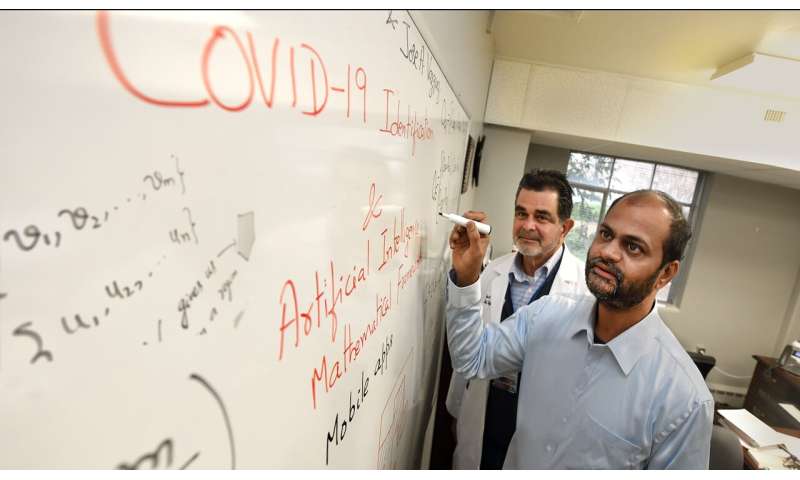
A coronavirus app coupled with machine intelligence will soon enable an individual to get an at-home risk assessment based on how they feel and where they've been in about a minute, and direct those deemed at risk to the nearest definitive testing facility, investigators say.
07 mar 2020--It will also help provide local and public health officials with real time information on emerging demographics of those most at risk for coronavirus so they can better target prevention and treatment initiatives, the Medical College of Georgia investigators report in the journal Infection Control & Hospital Epidemiology.
"We wanted to help identify people who are at high risk for coronavirus, help expedite their access to screening and to medical care and reduce spread of this infectious disease," says Dr. Arni S.R. Srinivasa Rao, director of the Laboratory for Theory and Mathematical Modeling in the MCG Division of Infectious Diseases at Augusta University and the study's corresponding author.
Rao and co-author Dr. Jose Vazquez, chief of the MCG Division of Infectious Diseases, are working with developers to finalize the app which should be available within a few weeks and will be free because it addresses a public health concern.
The app will ask individuals where they live; other demographics like gender, age and race; and about recent contact with an individual known to have coronavirus or who has traveled to areas, like Italy and China, with a relatively high incidence of the viral infection in the last 14 days.
It will also ask about common symptoms of infection and their duration including fever, cough, shortness of breath, fatigue, sputum production, headache, diarrhea and pneumonia. It will also enable collection of similar information for those who live with the individual but who cannot fill out their own survey.
Artificial intelligence will then use an algorithm Rao developed to rapidly assess the individual's information, send them a risk assessment—no risk, minimal risk, moderate or high risk—and alert the nearest facility with testing ability that a health check is likely needed. If the patient is unable to travel, the nearest facility will be notified of the need for a mobile health check and possible remote testing.
The collective information of many individuals will aid rapid and accurate identification of geographic regions, including cities, counties, towns and villages, where the virus is circulating, and the relative risk in that region so health care facilities and providers can better prepare resources that may be needed, Rao says. It also will help investigators learn more about how the virus is spreading, the investigators say.
Once the app is ready, it will live on the augusta.edu domain and likely in app stores on the iOS and Android platforms.
It is imperative that we evaluate novel models in an attempt to control the rapidly spreading virus, Rao and Vazquez write.
Technology can assist faster identification of possible cases and aid timely intervention, they say, noting the coronavirus app could be easily adapted for other infectious diseases. The accessibility and rapidity of the app coupled with machine intelligence means it also could be utilized for screening wherever large crowds gather, such as major sporting events.
While symptoms like fever and cough are a wide net, they are needed in order to not miss patients, Vazquez notes.
"We are trying to decrease the exposure of people who are sick to people who are not sick," says Vazquez. We also want to ensure that people who are infected get a definitive diagnosis and get the supportive care they may need, he says.
While stressing that the infection with coronavirus is not a pandemic— defined by the World Health Organization, as the worldwide spread of a new disease, including numerous flu pandemics like HINI, or swine flu, in which people find themselves exposed to a virus for which they have no immunity—"This is what you have to do with pandemics," says Vazquez. "You don't want to expose an infected person to an uninfected person." If problems with infections persist and grow, drive-thru testing sites may be another need, he says.
The investigators hope this readily available method to assess an individual's risk will actually help quell any developing panic or undue concern over coronavirus, or COVID-19.
"People will not have to wait for hospitals to screen them directly," says Rao. "We want to simplify people's lives and calm their concerns by getting information directly to them."
If concern about coronavirus prompted a lot of people to show up at hospitals, many of which already are at capacity with flu cases, it would further overwhelm those facilities and increase potential exposure for those who come, says Vazquez.
Tests for the coronavirus, which include a nostril and mouth swab and sputum analysis, are now being more widely distributed by the CDC, and the Food and Drug Administration also has given permission to some of the more sophisticated labs, particularly those at academic medical centers like Augusta University Medical Center, to use their own methods to look for signs of the viral infection, which the hospital will be pursuing.
As of this week, about 90,000 cases of coronavirus have been reported in 62 countries, with China having the most cases.
The CDC and WHO say that health care providers should obtain a detailed travel history of individuals being evaluated with fever and acute respiratory illness. They also have recommendations in place for how to prevent spread of the disease while treating patients.
Currently when people do present, for example, at the Emergency Department at AU Medical Center, with concerns about the virus, they are brought in by a separate entrance and escorted to a negative pressure room by employees dressed in hazmat suits per CDC protocols, Vazquez says. As of today, all those who have presented at AU Medical Center have tested negative, he says.
Read the published study here or here.

More information: Arni S.R. Srinivasa Rao et al. Identification of COVID-19 Can be Quicker through Artificial Intelligence framework using a Mobile Phone-Based Survey in the Populations when Cities/Towns Are Under Quarantine, Infection Control & Hospital Epidemiology (2020). DOI: 10.1017/ice.2020.61


Artificial intelligence could enhance diagnosis and treatment of sleep disorders

artificial intelligence
Credit: CC0 Public Domain
Artificial intelligence has the potential to improve efficiencies and precision in sleep medicine, resulting in more patient-centered care and better outcomes, according to a new position statement from the American Academy of Sleep Medicine.
07 mar 2020--Published online as an accepted paper in the Journal of Clinical Sleep Medicine, the position statement was developed by the AASM's Artificial Intelligence in Sleep Medicine Committee. According to the statement, the electrophysiological data collected during polysomnography—the most comprehensive type of sleep study—is well-positioned for enhanced analysis through AI and machine-assisted learning.
"When we typically think of AI in sleep medicine, the obvious use case is for the scoring of sleep and associated events," said lead author and committee Chair Dr. Cathy Goldstein, associate professor of sleep medicine and neurology at the University of Michigan. "This would streamline the processes of sleep laboratories and free up sleep technologist time for direct patient care."
Because of the vast amounts of data collected by sleep centers, AI and machine learning could advance sleep care, resulting in more accurate diagnoses, prediction of disease and treatment prognosis, characterization of disease subtypes, precision in sleep scoring, and optimization and personalization of sleep treatments. Goldstein noted that AI could be used to automate sleep scoring while identifying additional insights from sleep data.
"AI could allow us to derive more meaningful information from sleep studies, given that our current summary metrics, for example, the apnea-hypopnea index, aren't predictive of the health and quality of life outcomes that are important to patients," she said. "Additionally, AI might help us understand mechanisms underlying obstructive sleep apnea, so we can select the right treatment for the right patient at the right time, as opposed to one-size-fits-all or trial and error approaches."
Important considerations for the integration of AI into the sleep medicine practice include transparency and disclosure, testing on novel data, and laboratory integration. The statement recommends that manufacturers disclose the intended population and goal of any program used in the evaluation of patients; test programs intended for clinical use on independent data; and aid sleep centers in evaluation of AI-based software performance.
"AI tools hold great promise for medicine in general, but there has also been a great deal of hype, exaggerated claims and misinformation," explained Goldstein. "We want to interface with industry in a way that will foster safe and efficacious use of AI software to benefit our patients. These tools can only benefit patients if used with careful oversight."
The position statement, and a detailed companion paper on the implications of AI in , are available on the Journal of Clinical Sleep Medicine website.
More information: Cathy A. Goldstein et al, Artificial Intelligence in Sleep Medicine: An American Academy of Sleep Medicine Position Statement, Journal of Clinical Sleep Medicine (2020). DOI: 10.5664/jcsm.8288
Journal information: Journal of Clinical Sleep Medicine 
Provided by American Academy of Sleep Medicine 

Artificial intelligence can scan doctors' notes to distinguish between types of back pain

back pain
Credit: CC0 Public Domain
Mount Sinai researchers have designed an artificial intelligence model that can determine whether lower back pain is acute or chronic by scouring doctors' notes within electronic medical records, an approach that can help to treat patients more accurately, according to a study published in the Journal of Medical Internet Research in February.
07 mar 2020--About 80 percent of adults experience lower back pain in their lifetime; it is the most common cause of job-related disability. Many argue that prescribing opioids for lower back pain contributed to the opioid crisis; thus, determining the quality of lower back pain in clinical practice could provide an effective tool not only to improve the management of lower back pain but also to curb unnecessary opioid prescriptions.
Acute and chronic lower back pain are different conditions with different treatments. However, they are coded in electronic health records with the same code and can be differentiated only by retrospective reviews of the patient's chart, which includes the review of clinical notes.
The single code for two different conditions prevents appropriate billing and therapy recommendations, including different return-to-work scenarios. The artificial intelligence model in this study, the first of its kind, could be used to improve the accuracy of coding, billing, and therapy for patients with lower back pain.
The researchers used 17,409 clinical notes for 16,715 patients to train artificial intelligence models to determine the severity of lower back pain.
"Several studies have documented increases in medication prescriptions and visits to physicians, physical therapists, and chiropractors for lower back pain episodes," said Ismail Nabeel, MD, MPH, Associate Professor of Environmental Medicine and Public Health at the Icahn School of Medicine at Mount Sinai. "This study is important because artificial intelligence can potentially more accurately distinguish whether the pain is acute or chronic, which would determine whether a patient should return to normal activities quickly or rest and schedule follow-up visits with a physician. This study also has implications for diagnosis, treatment, and billing purposes in other musculoskeletal conditions, such as the knee, elbow, and shoulder pain, where the medical codes also do not differentiate by pain level and acuity."
More information: Riccardo Miotto et al. Identifying Acute Low Back Pain Episodes in Primary Care Practice From Clinical Notes: Observational Study, JMIR Medical Informatics (2019). DOI: 10.2196/16878
Journal information: Journal of Medical Internet Research 
Provided by The Mount Sinai Hospital