Saturday, December 04, 2021


Listening to favorite music improves brain plasticity, cognitive performance of Alzheimer's patients

music
Credit: CC0 Public Domain

Researchers at the University of Toronto (U of T) and Unity Health Toronto have demonstrated that repeated listening to personally meaningful music induces beneficial brain plasticity in patients with mild cognitive impairment or early Alzheimer's disease.

04 dec 2021--Changes in the brain's neural pathways correlated with increased memory performance on neuropsychological tests, supporting the clinical potential of personalized, music-based interventions for people with dementia.

The landmark multi-modal study was published today in the Journal of Alzheimer's Disease.

"We have new brain-based evidence that autobiographically salient music—that is, music that holds special meaning for a person, like the song they danced to at their wedding—stimulates neural connectivity in ways that help maintain higher levels of functioning," says Dr. Michael Thaut, senior author of the study, director of the Music and Health Science Research Collaboratory, Tier One Canada Research Chair in Music, Neuroscience and Health, and professor at U of T's Faculty of Music and Temerty Faculty of Medicine.

"Typically, it's very difficult to show positive brain changes in Alzheimer's patients. These preliminary yet encouraging results show improvement in the integrity of the brain, opening the door to further research on therapeutic applications of music for people with dementia—musicians and non-musicians alike."

The research team reported structural and functional changes in neural pathways of study participants, notably in the prefrontal cortex, the brain's control center where deep cognitive processes occur. Researchers showed that exposing the brains of patients with early-stage cognitive decline to autobiographically salient music activated a distinct neural network—a musical network—comprised of diverse brain regions that showed differences in activation after a period of daily music listening.  Differences were also observed in the brain's connections and white matter, providing further evidence of neuroplasticity.

"Music-based interventions may be a feasible, cost-effective and readily accessible intervention for those in early-stage cognitive decline," says Dr. Corinne Fischer, lead author, director of Geriatric Psychiatry at St. Michael's Hospital of Unity Health Toronto and associate professor at U of T's Temerty Faculty of Medicine.

"Existing treatments for Alzheimer's disease have shown limited benefit to date. While larger controlled studies are required to confirm clinical benefits, our findings show that an individualized and home-based approach to music-listening may be beneficial and have lasting effects on the brain."

For the study, 14 participants—eight non-musicians and six musicians—listened to a curated playlist of autobiographically relevant, long-known music for one hour a day over the course of three weeks. Participants underwent structural and task-based functional MRI before and after the listening period to determine changes to brain function and structure. During these scans, they listened to clips of both long-known and newly composed music. Heard one hour before scanning, the new music was similar in style yet held no personal meaning.

When participants listened to the recently heard, newly composed music, brain activity occurred mainly in the auditory cortex, centered on the listening experience. However, when participants listened to long-known music, there was significant activation in the deep-encoded network of the prefrontal cortex, a clear indication of executive cognitive engagement. There was also strong engagement in subcortical brain regions, older areas minimally affected by Alzheimer's disease pathology.

The researchers reported subtle but distinct differences in structural and functional brain changes associated with music listening in musicians relative to non-musicians, though further studies in larger samples are needed to verify these findings. Repeated exposure to music with autobiographical salience improved cognition in all participants, regardless of musicianship.

"Whether you're a lifelong musician or have never even played an instrument, music is an access key to your memory, your pre-frontal cortex," says Thaut.

"It's simple—keep listening to the music that you've loved all your life. Your all-time favorite songs, those pieces that are especially meaningful to you—make that your brain gym."

This paper builds on a previous study in the same participant group that first identified the brain mechanisms that encode and preserve musical memories in people with early-stage cognitive decline.

Next, the researchers plan to replicate the study in a larger sample and institute a strong control condition to investigate the role of musicianship in moderating brain responses, and whether it is the music or the autobiographical content that induces changes in plasticity. 


More information: Corinne E. Fischer et al, Long-Known Music Exposure Effects on Brain Imaging and Cognition in Early-Stage Cognitive Decline: A Pilot Study, Journal of Alzheimer's Disease (2021). DOI: 10.3233/JAD-210610
Provided by University of Toronto 

Tuesday, November 02, 2021


Cerebrovascular abnormalities in Alzheimer's disease: An adrenergic approach

Aging-US: Cerebrovascular abnormalities in Alzheimer's disease: adrenergic approach
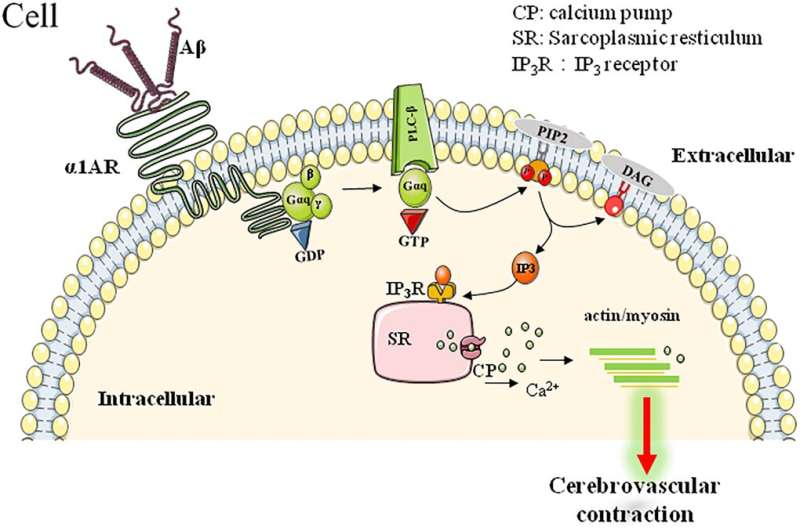
Α1AR-mediated downstream signaling pathway involved in Aβ-induced cerebrovascular abnormalities. Credit: Song Li

Aging-US has published "Involvement of cerebrovascular abnormalities in the pathogenesis and progression of Alzheimer's disease: an adrenergic approach" which reported that alzheimer's disease, as the most common neurodegenerative disease in elder population, is pathologically characterized by β-amyloid plaques, neurofibrillary tangles composed of highly-phosphorylated tau protein and consequently progressive neurodegeneration.

02 nov 2021--Increasing lines of evidence from both clinical and preclinical studies have indicated that age-related cerebrovascular dysfunctions, including the changes in cerebrovascular microstructure, blood-brain barrier integrity, cerebrovascular reactivity and cerebral blood flow, accompany or even precede the development of AD-like pathologies.

In this review, the authors provide an appraisal of the cerebrovascular alterations in AD and the relationship to cognitive impairment and AD pathologies. Moreover, the adrenergic mechanisms leading to cerebrovascular and AD pathologies were further discussed.

Dr. Song Li and Dr. Jun Tan from Chinareport that "Alzheimer's disease (AD) is the most common form of neurodegenerative disease in elder population worldwide."

It is estimated that, by 2060, the number of AD patients in Americans age 65 and older may increase to 13.8 million from 6.2 million today. AD is clinically characterized as cognitive decline and psychiatric manifestations. AD is a progressive neurodegenerative disorder that can start decades before the appearance of clinical symptoms. Although several pathological mechanisms of AD have been identified, the authors believe that no satisfactorily effective therapeutics has been developed. Recently, cerebrovascular dysfunctions, as a possible cause in the development and progression of sporadic AD, have gained increasing attention.

Recent findings further highlighted the prevalence of cerebrovascular disorders in Down syndrome patients and added to a growing body of evidence implicating cerebrovascular abnormalities as a core feature of AD rather than a simple comorbidity.

Moreover, adrenergic system, including /β adrenergic receptors and their downstream molecular signaling process, might serve as the key approach to modulate these cerebrovascular abnormalities and progressive neurodegeneration.

The Li/Tan Research Team concluded that increasing lines of evidence from either preclinical or clinical studies have revealed that the cerebral vascular alterations during early stages of AD may contribute to the pathogenesis and progression of the disease. Cerebral vascular assessment may provide promising tools for AD early diagnosis and cerebral vascular remodeling may yield benefits to AD therapy.

More information: Song Li et al, Involvement of cerebrovascular abnormalities in the pathogenesis and progression of Alzheimer's disease: an adrenergic approach, Aging (2021). DOI: 10.18632/aging.203482


Pandemic solitude was positive experience for many

solitude
Credit: Pixabay/CC0 Public Domain

Time spent alone during the pandemic led to positive effects on well-being across all ages, new research has found.

02 nov 2021--The study of more than 2000 teenagers and adults, published in Frontiers in Psychology today, found that most people experienced benefits from solitude during the early days of the global COVID-19 pandemic.

All age groups experienced positive as well as negative effects of being alone. However, the researchers found that descriptions of solitude included more positive effects than negative. On average, well-being scores when participants were alone were 5 out of 7 across all ages, including adolescents aged 13-16.

Some study participants talked about worsening mood or wellbeing, but most described their experiences of solitude in terms of feeling, competent and feeling autonomous. 43% of all respondents mentioned that solitude involved activities and experiences of competence—time spent on skills-building and activities, and that was consistent across all ages. Meanwhile, autonomy—self-connection and reliance on self—was a major feature particularly for adults, who mentioned it twice as often as teenage participants.

Working age adults recorded the most negative experiences with more participants mentioning disrupted well-being (35.6% vs 29.4% in adolescents and 23.7% in older adults) and negative mood (44% vs 27.8% in adolescents and 24.5% in older adults). Experiences of alienation, or the cost of not interacting with friends, were twice as frequent among adolescents (around one in seven, or 14.8%) as when compared to adults (7%) with older adults mentioning it most infrequently (2.3%).

Dr. Netta Weinstein, Associate Professor of Psychology at the University of Reading and lead author of the paper said:

"Our paper shows that aspects of solitude, a positive way of describing being alone, is recognised across all ages as providing benefits for our well-being.

"The conventional wisdom is that adolescents on the whole found that the pandemic was a negative experience, but we see in our study how components of solitude can be positive. Over those first few months of the pandemic here in the UK, we see that working adults were actually the most likely to mention aspects of worsening well-being and mood, but even those are not as commonly mentioned as more positive experiences of solitude.

"We conducted the research in the summer of 2020 which coincided with the end of the first national lockdown in the UK. We know that many people reconnected with hobbies and interests or increasingly appreciating nature on walks and bike rides during that time, and those elements of what we describe as 'self-determined motivation', where we choose to spend time alone for ourselves are seemingly a critical aspect of positive wellbeing.

"Seeing working age adults experience disrupted well-being and negative mood may in fact be related to the pandemic reducing our ability to find peaceful solitude. As we all adjusted to a 'new normal', many working adults found that usual moments of being alone, whether on their commute or during a work break where disrupted. Even for the most ardent of extroverts, these small windows of peace shows the important role of time alone for our mental health. "It also suggests that certain experiences of solitude are learned or valued increasingly with age, having an effect to reduce the impact of negative elements of loneliness and generally boosting well-being. Equally, it suggests that casual inferences about loneliness based on age and stage miss the reality of our nuanced lived experiences."

The results come from a series of in-depth interviews where participants from the UK answered open questions about their experiences of solitude. The team of researchers coded the answers to find shared experiences and measured quantitative data about two aspects of wellbeing associated with solitude, self-determined motivation (the choice to spend time alone) and peaceful mood.

The researchers note that the findings were taken from one phase of the COVID-19 pandemic during the summer of 2020, and recommend that follow up data looks at experiences of solitude during challenging periods such as this one, and also more commonplace periods where daily solitude may look and feel different.


More information: Netta Weinstein et al, What Time Alone Offers: Narratives of Solitude From Adolescence to Older Adulthood, Frontiers in Psychology (2021). DOI: 10.3389/fpsyg.2021.714518
Provided by University of Reading 


Social isolation linked to higher markers of inflammation in older adults

Social isolation linked to higher markers of inflammation in older adults
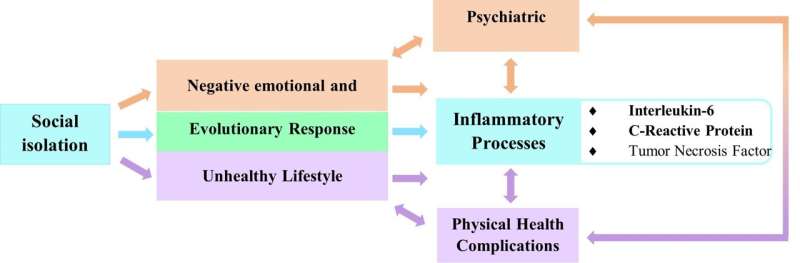
Older US adults who experienced social isolation had higher blood levels of interleukin-6 and C-reactive protein, two markers of inflammation that can have long-term negative consequences for the health of individuals as they age. Credit: Journal of the American Geriatrics Society

In a study published in the Journal of the American Geriatrics Society, older US adults who experienced social isolation had higher blood levels of interleukin-6 and C-reactive protein, two markers of inflammation that can have long-term negative consequences for the health of individuals as they age.

02 nov 2021--The study included a nationally representative sample of 4,648 Medicare beneficiaries aged 65 years and older.

The authors noted that clinical and social interventions that address social isolation among older adults may influence biological processes such as inflammation, as well as their potentially negative effects.

"Our findings demonstrate an important association between social isolation and biological processes. This work is a step in the journey to disentangle the mechanisms by which social isolation leads to higher levels of morbidity and mortality," said lead author Thomas K.M. Cudjoe, MD, MPH, of Johns Hopkins School of Medicine. "My hope is that investigators incorporate objective measures of social isolation and biological markers in future longitudinal studies so that we might continue to advance our understanding of these complex biopsychosocial interactions."


More information: Thomas K. M. Cudjoe et al, Getting under the skin: Social isolation and biological markers in the National Health and Aging Trends Study, Journal of the American Geriatrics Society (2021). DOI: 10.1111/jgs.17518

Monday, November 01, 2021


Increased temperatures contributed to more than 200,000 cases of kidney disease in 15 years in Brazil alone: study

Increased temperatures contributed to more than 200,000 cases of kidney disease in 15 years in Brazil alone, world's largest stu
Professor Yuming Guo. Credit: Monash University

Today the world's largest study of the impact of temperature changes and kidney disease reveals that 7.4 percent of all hospitalisations for renal disease can be attributed to an increase in temperature. In Brazil—where the study was focused—this equated to more than 202,000 cases of kidney disease from 2000-2015.

01 nov 2021--The study, led by Professor Yuming Guo and Dr. Shanshan Li, from Planetary Health at Monash University and published in The Lancet Regional Health—Americas journal, for the first time quantifies the risk and attributable burden for hospitalizations of renal diseases related to ambient temperature using daily hospital admission data from 1816 cities in Brazil.

The study comes as the world focuses on the impact of climate change at the COP26 conference in Glasgow from 31 October.

In 2017, a landmark article in The Lancet declared renal diseases a global public health concern, estimating that almost 2.6 million deaths were attributable to impaired kidney function that year. Importantly the incidence of death from kidney disease had risen 26.6 percent compared to a decade previously, an increase that this study may indicate was, in part, caused by climate change.

The study looked at a total of 2,726,886 hospitalizations for renal diseases recorded during the study period. According to Professor Guo, for every 1°C increase in daily mean temperature, there is an almost 1 percent increase in renal disease, with those most impacted being women, children under 4 years of age and those 80+ years of age.

The associations between temperature and renal diseases were largest on the day of the exposure to extreme temperatures but remained for 1–2 days post-exposure.

In the paper the authors—who are also from the University of Sao Paulo—argue that the study "provides robust evidence that more policies should be developed to prevent heat-related hospitalisations and mitigate climate change."

"In the context of global warming, more strategies and policies should be developed to prevent heat-related hospitalizations."

The authors advise interventions should be urgently incorporated into government policy on climate change, including particularly targeting specific individuals, including females, children, adolescents, and the elderly, as they are more vulnerable to heat with regard to renal diseases.

"Moreover, attention should be paid to low- and middle-income countries like Brazil, where reliable heat warning systems and preventive measures are still in need," Professor Guo added.


More information: Bo Wen et al, Association between Ambient Temperature and Hospitalization for Renal Diseases in Brazil during 2000–2015: A Nationwide Case-Crossover Study, The Lancet Regional Health - Americas (2021). DOI: 10.1016/j.lana.2021.100101

Sunday, October 31, 2021


Eclipsing of older people in the pandemic: Ageist approaches must not underpin guidance for future crises

aging
Credit: Pixabay/CC0 Public Domain

A new qualitative study from researchers at the School of Nursing and Midwifery at Trinity College Dublin provides, for the first time, a depth of understanding of the everyday experience of the COVID-19 pandemic for older people in Ireland.

31 oct 2021--As we move into the winter months and the possibility of further restrictive measures to counteract the spread of the virus, the findings from the study provide important evidence that policy makers and government should be mindful of regarding future possible public health restrictions.

The newly launched report, in partnership with Safeguarding Ireland, found that older people made significant efforts to self-protect from COVID-19. However, this was at the expense of their physical and/or mental health. While public health restrictions applied to the entire population, older people were advised to follow guidance which limited their daily lives.

Unlike previous reports, participants gave a first-hand account of their experience, and described their careful efforts to self-protect. The resilience of older people is a dominant feature of the report.

Key findings of the report

  • Older people made substantial changes to their daily lives to comply with the COVID-19 shielding guidance.
  • COVID-19 had significant impacts on the health of older people in the community.
  • Social capital was demonstrated as compensatory measures were adopted to daily lives.
  • Older people reported a general stoic approach to living in the pandemic and they demonstrated resilience in multiple ways.
  • The use of technology assisted in managing social and practical activities, however, its use, satisfaction and familiarity differed within the participants in the study.
  • Older people need more integrated support systems which maintain their personal, health and social needs.
  • Consideration needs to be given to pandemic related information to avoid information fatigue, misinformation, and confusion.
  • Post-pandemic rehabilitation will be required to focus on restoring lost physical ability and address the consequences of social isolation and loneliness.
  • There is a need to ensure that ageist approaches do not underpin guidance. The rights of autonomy and self-determination need to be central considerations in future similar crises.

A selection of participant quotations from the report (all quotes are anonymous)

  • "So I go out to the driveway where the car would normally be, we put it out on the road and just when the pandemic lifted or sorry when the lockdown lifted I would go down the footpath and that I miss a lot. Because I could go you know right down the road and I would be out for maybe twenty minutes down pass all my neighbors' houses and back again. And that was great but then when the lockdown comes, I stay inside the gate."
  • "I'm in the kitchen and I'm looking at four walls and when I get tired of those four walls, I go into the  and I look at a different four walls and then I go to the sitting room and I look at a different four walls again."
  • "And I suppose there is that about mortality, the fact that you could get this awful disease, awful virus and you know, the way you would die isn't very nice and your funeral, you know, for all the people, like you'd be on your own. You wouldn't, I mean, I know you have nurses and they're very good and so on. But your family, you would have no family, you know."
  • "So you became neurotic about listening to the radio and you were going from one news item on the radio to the next news item on the television and ending up depressed with the fact that you were ending up that you couldn't move or you couldn't go outside the door."
  • "You just feel like you're locked in or hemmed in like, and you can't do anything. And I do wake up and I'll say now I'll do this today, I'll go up to the, I'll go down the post office, oh no I can't, here I am. You know you just feel like you're a prisoner, you know every time you think of something to do you have to knock it on the head because you can't do it, you know."
  • Commentators indicate that this will not be the last pandemic. We need to ensure that the voices of our growing aging population are heard and that they are supported to limit health decline, loneliness and continue to foster both social capital and inter-generational solidarity.

Globally it is recognized that there has been an eclipsing of older people in the pandemic; their voices have been minimized and support systems impacted (both formal and informal). More robust health policy needs to be developed to ensure any health (physical and/or mental) health decline is limited through programs of support in the home. In addition, information management is needed to avoid information overload or misinformation which can lead to psychological distress.

Amanda Phelan, professor in aging and community nursing and principal investigator of the study said: "Older people have made significant efforts to self-protect in the pandemic, however, there has been consequences for both their physical and mental health. The impact has been most profound in the older age groups due a disproportionate impact in mortality and morbidity rates. We need a short-term plan of engaging in rehabilitation through comprehensive geriatric assessments and care plans. While our study did not highlight safeguarding issues, it is also important to acknowledge that the conditions of the pandemic exacerbated elder abuse risk factors, and this may be occurring in Ireland under the radar of our data. Thus, a focus on awareness, prevention and early intervention are key considerations."

Welcoming the report Safeguarding Ireland, Chairperson Patricia Rickard-Clarke said, "This paper is one that will be of interest to everyone and particularly policy-makers and those involved in the planning and delivery of  and social services for older people. It is a timely and important reminder of responses that are needed, not only to the pandemic itself, but also to the unintended effects of efforts to limit the spread of disease. Health and well-being are not just about being free from disease but also encompass less tangible, but no less important, matters such as social connectedness, interdependencies and independence."


More information: Exploring Older People's Experiences of Shielding During the COVID-19 Pandemic: www.tcd.ie/tcphi/assets/pdf/ol … people-shielding.pdf

Saturday, October 30, 2021


Robotic pet boosts mood, behavior and cognition in adults with dementia

Cat's meow: Robotic pet boosts mood, behavior and cognition in adults with dementia
Study participants smiled and talked to their robotic cats and expressed sentiments such as, “the cat is looking at me like someone who listens to me and loves me.” Credit: Florida Atlantic University

Individuals with Alzheimer's disease or related dementias (ADRD) often experience behavioral and psychological symptoms such as depression, aggression and anxiety. Frequently, these symptoms are treated with antipsychotics, antidepressants and benzodiazepines, which often have side effects.

30oct 2021--While pet therapy is known to be a cost effective and therapeutic intervention for improving mood and behavior in older adults, little is known about pet therapy in adult day centers, despite logistical advantages such as socialization and group activities.

With the help of a cuddly and "furry" companion, researchers from Florida Atlantic University's Christine E. Lynn College of Nursing tested the effectiveness of affordable, interactive robotic pet cats to improve mood, behavior and cognition in older adults with mild to moderate dementia. The non-pharmacological intervention took place over the course of 12 visits in an adult day center. Participants were informed that their pet was a robot and not a live animal. Each of them selected a name for their cat, which was fitted with a collar and a personalized nametag.

For the study, published in the journal Issues in Mental Health Nursing, researchers assessed mood and behavioral symptoms using the Alzheimer's Disease and Related Dementias Mood Scale, the Observed Emotion Rating Scale and the Cornell Scale for Depression in Dementia. They also assessed cognition via the Mini Mental State Examination.

The robotic pet cat responded by purring, meowing, turning their head, rolling over or blinking their eyes. Credit: Florida Atlantic University

Results showed that intervention with a robotic pet cat improved all mood scores over time, with significant improvements in the Observed Emotion Rating Scale and the Cornell Scale of Depression in Dementia. More than half of the participants scored higher on the Mini Mental State Examination post-test than pretest, with slight to moderate improvement in attention/calculation, language and registration. Post-test scores on the Alzheimer's Disease and Related Dementias Mood Scale were six points higher than pretest conditions.

Researchers frequently observed study participants smiling and talking to their robotic cats and expressing sentiments such as, "the cat is looking at me like someone who listens to me and loves me." They believed that the robotic pet was responding to their statements through meowing, turning their head or blinking their eyes and that they were having a conversation with the pet. Several of the caregivers reported that their loved one had slept with the cat, held onto the cat when sitting or consistently played with the cat. One participant even slept with her robotic pet cat while she was hospitalized. 

"Since there is no cure for dementia, our project offers a way to address symptoms naturally and without the use of pharmacological treatments, which may or may not be effective and have possible detrimental side effects," said Bryanna Streit LaRose, D.N.P., A.P.R.N., lead author who conducted the study as a doctoral nursing student at FAU, together with co-authors Lisa Kirk Wiese, Ph.D., R.N., an associate professor and Streit LaRose's faculty chair, and María de los Ángeles Ortega, D.N.P., A.P.R.N., a professor, director of FAU's Louis and Anne Green Memory and Wellness Center and Streit LaRose's community chair on the project, both within the Christine E. Lynn College of Nursing. "Our intervention was affordable, safe, and noninvasive." 

By using therapeutic pets instead of live pets, there was no concern about the safety of the pet, feeding them, taking them outside, or making sure they are up-to-date with their vaccines. In addition, there were no fears about participant safety due to possible pet aggression, allergies, tripping over them and the costs associated with caring for a live animal.

Cat's meow: Robotic pet boosts mood, behavior and cognition in adults with dementia
The robotic pet cats provided participants with an alternative way to express themselves. Credit: Florida Atlantic University

"In addition to improving mood, behaviors and cognition, these robotic pet cats provided our participants with an alternative way to express themselves," said Wiese. "Importantly, improving overall mood and behavior in individuals with Alzheimer's disease and related dementias may also improve quality of life for their caregivers and family members."

The researchers also examined the relationship between the Mini Mental State Examination and subscale post-intervention scores of the Cornell Scale of Depression in Dementia, Observed Emotion Rating Scale and Alzheimer's Disease and Related Dementias Mood Scale. They found multiple significant and strong correlations between the 11 subscales of the Alzheimer's Disease and Related Dementias Mood Scale and Mini Mental State Examination following the intervention. Nine categories regarding pleasant mood/behavior correlated favorably with the Mini Mental State Examination score, indicating a relationship between positive mood/behavior and increased Mini Mental State Examination scores.

"In the United States, one in three older adults dies with Alzheimer's disease or a related dementia and there is currently no cure for the rapidly growing burden," said Safiya George, Ph.D., dean, Christine E. Lynn College of Nursing. "This therapeutic interactive pet intervention has proven to be a safe alternative method to improving mood and behavior in people with dementia who are attending an adult day center."


More information: Bryanna Streit LaRose et al, Improving Behavioral and Psychological Symptoms and Cognitive Status of Participants With Dementia Through the Use of Therapeutic Interactive Pets, Issues in Mental Health Nursing (2021). DOI: 10.1080/01612840.2021.1979142
Provided by Florida Atlantic University 


Largest real-world study of third dose of COVID-19 vaccine effectiveness shows Delta resistance

vaccine
Credit: Pixabay/CC0 Public Domain

The Clalit Research Institute, in collaboration with researchers from Harvard University, analyzed one of the world's largest integrated health record databases to examine the effectiveness of the third dose of the Pfizer/BioNTech BNT162B2 vaccine against the Delta variant of SARS-CoV-2. The study provides the largest peer-reviewed evaluation of the effectiveness of a third "booster" dose of a COVID-19 vaccine in a nationwide mass-vaccination setting. The study was conducted in Israel. It is published in The Lancet journal.

30 oct 2021--Many countries are currently experiencing a resurgence of SARS-CoV-2 infections despite hitherto successful vaccination campaigns. This may be due to the greater infectiousness of the Delta (B.1.617.2) variant of SARS-CoV-2, and to waning immunity of vaccines administered months earlier. In the face of the current resurgence, several countries are planning to administer a third booster dose of mRNA COVID-19 vaccine.

This study suggests that a third vaccine dose is effective in reducing severe COVID-19-related outcomes compared to individuals who have received two vaccine doses at least 5 months ago. It is the first to estimate the effectiveness of a third dose of an mRNA COVID-19 vaccine—BNT162b2 specifically—against severe outcomes with adjustment for various possible confounders, including comorbidities and behavioral factors. The study's large size also allows a more precise assessment of the vaccine's effectiveness across different time periods, different subpopulations (by sex, age and number of comorbidities), and different severe outcomes (which are rarer and thus require greater sample size). A recent clinical trial conducted by BioNTech included a smaller sample size and did not estimate the third-dose's effects for more severe outcomes.

The study took place from July 30, 2021 through Sept 23, 2021, coinciding with Israel's fourth wave of coronavirus infection and illness, during which the Delta (B.1.617.2) variant was the dominant strain in the country for new infections (with very few exceptions).

Researchers reviewed data from 728,321 individuals aged 12 or above who had received the third dose of the BNT162b2 vaccine. These individuals were carefully matched 1:1 with 728,321 individuals who had received only two shots of the BNT162b2 vaccine at least five months prior. The matching was based on an extensive set of demographic, geographic and health-related attributes associated with risk of infection, risk of severe disease, health status and health seeking behavior. Individuals were assigned to each group dynamically based on their changing vaccination status (198,476 individuals moved from the unvaccinated cohort into the vaccinated cohort during the study). Multiple analyses were conducted to ensure that the estimated vaccine effectiveness was robust to potential biases. The study included a total of over 12,000,000 person-days of follow-up.

The results show that, compared with individuals who received only two doses five months prior, individuals who received three doses of the vaccine (7 days or more after the third dose) had 93% lower risk of COVID-19-related hospitalization, 92% lower risk of severe COVID-19 disease, and 81% lower risk of COVID-19-related death. Vaccine effectiveness was found to be similar for different sexes, age groups (ages 40-69 and 70+) and number of comorbidities.

The study also included a population-level analysis which found that infection rates began to drop for each age group 7-10 days after that age group became eligible for the third dose.

"These results show convincingly that the third dose of the vaccine is highly effective against severe COVID-19-related outcomes in different age groups and population subgroups, one week after the third dose. These data should facilitate informed policy decision-making," said Prof. Ran Balicer, senior author of the study, Director of the Clalit Research Institute and Chief Innovation Officer for Clalit.

Prof. Ben Reis, Director of the Predictive Medicine Group at the Boston Children's Hospital Computational Health Informatics Program and Harvard Medical School, said that "to date, one of the main drivers of vaccine hesitancy has been a lack of information regarding the effectiveness of the vaccine. This careful epidemiological study provides reliable information on third-dose vaccine effectiveness, which we hope will be helpful to those who have not yet decided about vaccination with a third dose."


More information: Ran Balicer et al, Effectiveness of a third dose of the BNT162b2 mRNA COVID-19 vaccine for preventing severe outcomes in Israel: an observational study, The Lancet, 2021.
Provided by Clalit Research Institute


Cheap antidepressant shows promise treating early COVID-19

Cheap antidepressant shows promise treating early COVID-19
This 2020 electron microscope image provided by the National Institute of Allergy and Infectious Diseases - Rocky Mountain Laboratories shows SARS-CoV-2 virus particles which cause COVID-19, isolated from a patient in the U.S., emerging from the surface of cells cultured in a lab. According to a study released in The Lancet Global Health on Wednesday, Oct. 27, 2021, Fluvoxamine, a cheap antidepressant, reduced the need for hospitalization among high-risk adults with COVID-19. Credit: NIAID-RML via AP

A cheap antidepressant reduced the need for hospitalization among high-risk adults with COVID-19 in a study hunting for existing drugs that could be repurposed to treat coronavirus.

30 oct 2021--Researchers tested the pill used for depression and obsessive-compulsive disorder because it was known to reduce inflammation and looked promising in smaller studies.

They've shared the results with the U.S. National Institutes of Health, which publishes treatment guidelines, and they hope for a World Health Organization recommendation.

"If WHO recommends this, you will see it widely taken up," said study co-author Dr. Edward Mills of McMaster University in Hamilton, Ontario, adding that many poor nations have the drug readily available. "We hope it will lead to a lot of lives saved."

The pill, called fluvoxamine, would cost $4 for a course of COVID-19 treatment. By comparison, antibody IV treatments cost about $2,000 and Merck's experimental antiviral pill for COVID-19 is about $700 per course. Some experts predict various treatments eventually will be used in combination to fight the coronavirus.

Researchers tested the antidepressant in nearly 1,500 Brazilians recently infected with coronavirus who were at risk of severe illness because of other health problems, such as diabetes. About half took the antidepressant at home for 10 days, the rest got dummy pills. They were tracked for four weeks to see who landed in the hospital or spent extended time in an emergency room when hospitals were full.

In the group that took the drug, 11% needed hospitalization or an extended ER stay, compared to 16% of those on dummy pills.

The results, published Wednesday in the journal Lancet Global Health, were so strong that independent experts monitoring the study recommended stopping it early because the results were clear.

Questions remain about the best dosing, whether lower risk patients might also benefit and whether the pill should be combined with other treatments.

The larger project looked at eight existing drugs to see if they could work against the pandemic virus. The project is still testing a hepatitis drug, but all the others—including metformin, hydroxychloroquine and ivermectin—haven't panned out.

The cheap generic and Merck's COVID-19 pill work in different ways and "may be complementary," said Dr. Paul Sax of Brigham and Women's Hospital and Harvard Medical School, who was not involved in the study. Earlier this month, Merck asked regulators in the U.S. and Europe to authorize its antiviral pill.


More information: Gilmar Reis et al, Effect of early treatment with fluvoxamine on risk of emergency care and hospitalisation among patients with COVID-19: the TOGETHER randomised, platform clinical trial, The Lancet Global Health (2021). DOI: 10.1016/S2214-109X(21)00448-4


Dementia makes it hard to detect pain in new nursing home residents

Dementia makes it hard to detect pain in new nursing home residents
Detecting pain in residents with dementia is a necessary first step in treating it with non-drug or drug remedies. That's the first step in improving the quality of life of nursing home residents. Credit: Shutterstock

An assessment tool can make it easier for healthcare professionals to identify pain in residents with dementia. The right treatment can improve residents' quality of life.

30 oct 2021--We know very little about the incidence of pain among the elderly in nursing homes. Norway does not have a requirement in place for pain to be assessed before or during nursing home admission, nor once a person has been admitted.

In some countries, the absence of pain is seen as an indicator of the quality of care and treatment that the nursing home is providing to its residents. Can Norway achieve this as well?

Assessing whether—or where and to what extent—a resident is in pain can be especially challenging among the elderly with dementia. Individuals with severe dementia often find it difficult to express themselves verbally about their condition.

Instead, nurses and health professionals need to observe the resident and look for signs of pain. Such signs might include painful sounds, exclamations, facial expressions like grimacing or the resident reacting by trying to avoid touch and movement.

Our research team has developed a pain assessment tool based on observation that can be used for all stages of dementia. Using this tool, we wanted to study the incidence and severity of pain among the elderly with dementia who are admitted to Norwegian nursing homes.

We found that 36 percent of the almost one thousand (953) elderly people with dementia who were examined after hospitalization had pain that fundamentally affected their everyday life. In other words, the incidence of pain is high.

Both residents who were already on painkillers and those who were not experienced pain of this nature. About half of all the residents were on one or more types of painkillers.

Other non-pharmacological pain relief therapies, such as cognitive behavioral therapy, exercise, massage, pressure relief and environmental music therapy, were not investigated in this study.

Pain has a negative effect on residents' quality of life, and intense pain can reduce their quality of life even more. Lack of pain treatment can lead to aggression and restlessness, but also apathy, mood disorders and more.

Detecting pain in residents with dementia serves as a necessary first step to determine appropriate medication or non-drug therapies for the pain. Such measures will increase the quality of care and treatment and in turn improve the quality of life of nursing home residents.

Regularly assessing pain in residents should be considered a requirement for operating nursing homes and an integral part of the quality assessment. In Norway today, a large proportion of nursing home residents have dementia, with percentages as high as 85 percent. The incidence and severity of dementia have increased among nursing  residents over the last 20 years.

The use of an assessment tool based on observing signs of pain in people with moderate and severe dementia is timely. This tool offers healthcare professionals a better basis for providing both pharmacological and non-pharmacological therapies for pain.

Treatment of pain in the elderly with dementia is challenging, and the first choice should be non-pharmacological treatment, possibly combined with painkillers.

Introducing regular pain assessment and protocols for treatment, as well as drug reviews that shed light on pain and pain-reducing measures for this group of the elderly, is important in order to reduce the incidence and severity of pain in the residents. Assessing and treating this population group requires competence, resources and continuity in their care and treatment.

More information: Anne-Sofie Helvik et al, Pain in nursing home residents with dementia and its association to quality of life, Aging & Mental Health (2021). DOI: 10.1080/13607863.2021.1947968
Provided by Norwegian University of Science and Technology 


Study shows medicinal cannabis products can help with depression and improve quality of life

Study shows medicinal cannabis products can help with depression and improve quality of life
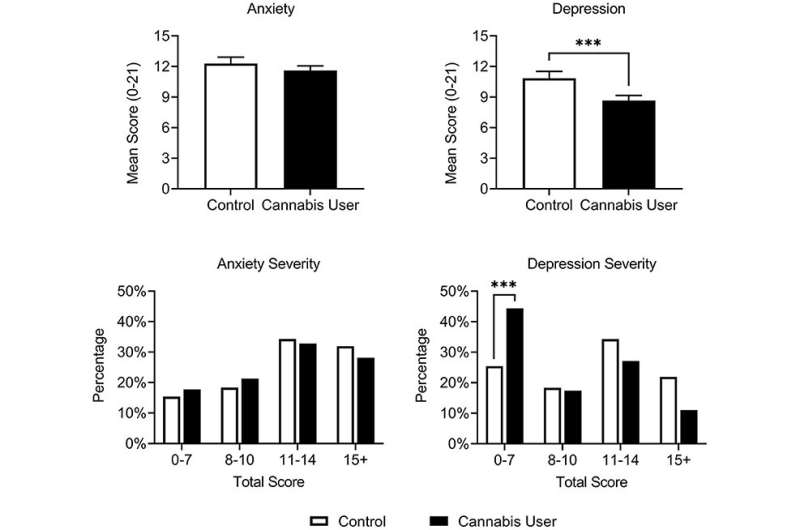
Figure 1. Cannabis Users (n = 368) had reduced depression, but not anxiety, relative to Controls (n = 170) on the HADS at baseline. A greater proportion of Cannabis Users also scored below the HADS cutoff for clinical concern (scores ≥ 8) relative to Controls. Scores ranging from 8 to 10, 11 to 14, and 15 to 21 represent approximate cutoffs for mild, moderate, and severe cases, respectively (83). ***p < 0.001. Credit: DOI: 10.3389/fpsyt.2021.729800

A team of researchers affiliated with multiple institutions in the U.S. has found evidence that medicinal cannabis products relieve depression and improve the quality of life. In their paper published in the journal Frontiers in Psychiatry, the group describes their study involving online surveys about the benefits of cannabis products.

30 oct 2021--Prior research findings regarding the use of cannabis-based products to treat depression and anxiety have been mixed. Some patients have shown improvements while others have not. Prior research has also found that other drugs developed to treat depression and anxiety also have mixed results—some have seen improvements while others have not, and some patients have found that they cannot tolerate the side effects of the drugs. Also, some people have begun using medicinally approved cannabis products to help with their depression, anxiety, chronic pain or sleep disorder, regardless of the research track record—either independently, or with assistance from a doctor. In this new effort, the researchers conducted a study to gauge the opinions of people who use such products, rather than focusing on reports from the medical community regarding how well they thought they worked.

The study was carried out over four years. At the onset, the researchers received responses from 368 people who reported using cannabis products to reduce their depression and/or anxiety, or to help them sleep. As a control group, they also received responses from 170 people who were not using cannabis products but who were considering doing so due to their problems with depression or anxiety.

The researchers found that those people taking cannabis products (mostly those containing CBD rather than THC) reported lower levels of depression than the control group, although they saw no difference in anxiety. They also found those taking cannabis products reported a higher quality of life and better sleep than the control group. The researchers also found reduced levels of depression later on in those who continued to take cannabis products and also in those who began using them during the study. And interestingly, they also found that those who began taking the products during the study also reported improvements in anxiety and quality of life.


More information: Erin L. Martin et al, Antidepressant and Anxiolytic Effects of Medicinal Cannabis Use in an Observational Trial, Frontiers in Psychiatry (2021). DOI: 10.3389/fpsyt.2021.729800


Prozac pegged as potential 1st treatment for leading cause of blindness

Prozac pegged as potential 1st treatment for leading cause of blindness
Bradley D. Gelfand, PhD, and collaborators have found early evidence that the drug fluoxetine may be effective against atrophic (or “dry”) age-related macular degeneration, a condition that affects nearly 200 million people worldwide. The drug has shown promise in the scientists' lab tests and animal models, and the researchers bolstered by their results by examining two huge insurance databases encompassing more than 100 million Americans. Credit: Dan Addison, UVA Communications

An antidepressant best known as Prozac could offer the first treatment for the leading cause of blindness among people over 50, new research from the University of Virginia School of Medicine suggests.

30 oct 2021--UVA's Bradley D. Gelfand, Ph.D., and collaborators have found early evidence that the drug fluoxetine may be effective against atrophic (or "dry") age-related macular degeneration, a condition that affects nearly 200 million people worldwide. The drug has shown promise in the scientists' lab tests and animal models, and the researchers bolstered by their results by examining two huge insurance databases encompassing more than 100 million Americans. That analysis concluded that patients taking fluoxetine were less likely to develop atrophic macular degeneration (AMD).

Based on their findings, the researchers are urging clinical trials to test the drug in patients with AMD. If successful, they believe the drug could be administered either orally or via a long-lasting implant in the eye.

"These findings are an exciting example of the promise of drug repurposing, using existing medicines in new and unexpected ways," said Gelfand, of UVA's Center for Advanced Vision Science. "Ultimately, the best way to test whether fluoxetine benefits macular degeneration is to run a prospective clinical trial."

Fluoxetine and AMD

The researchers believe fluoxetine works against AMD by binding with a particular agent of the immune system known as an inflammasome. This inflammasome, NLRP3-ASC, triggers the breakdown of the pigmented layer of the eye's retina.

After conducting extensive bench research, Gelfand and his team tested fluoxetine and eight other depression drugs in lab mice to see what effect, if any, the drugs would have in a model of AMD. Fluoxetine slowed the progression of the disease, but the others did not, the scientists found.

Encouraged by their findings, the researchers looked at fluoxetine use among patients over age 50 in two enormous insurance databases. People taking the drug had a "significantly" slower rate of developing dry AMD, the researchers report in a new scientific paper outlining their findings.

They note that their approach, combining bench research with big-data analysis, could potentially facilitate the repurposing of existing drugs for many conditions, speeding new treatments to patients.

"Traditional approaches to drug development can be expensive and time-consuming: On average, a new FDA-approved drug takes 10-12 years and costs $2.8 billion (present-day dollars) to develop," the researchers wrote. "Our identification of the unrecognized therapeutic activity of an existing FDA-approved drug using big data mining, coupled with demonstrating its efficacy in a disease-relevant model, could greatly accelerate and reduce the cost of drug development."

Gelfand was involved earlier this year in using a similar approach to determine that HIV drugs known as nucleoside reverse transcriptase inhibitors, or NRTIs, may be useful against dry macular degeneration as well.

"While we have had a great deal of success with the approach of using real-world patient data, we may have only begun to scratch the surface of finding new uses for old drugs," said Gelfand, of UVA's departments of ophthalmology and biomedical engineering. "It is tempting to think about all the untapped therapeutic potential of medicines sitting on pharmacy shelves."

Findings Published

The researchers have published their findings in the scientific journal PNAS. The first author of the paper is Meenakshi Ambati, a senior at Albemarle High School who won several national and international science competition awards for the work. As a volunteer in Gelfand's laboratory, she initially employed bench laboratory techniques. When the pandemic all but shut down normal laboratory operations, she was able to continue working on computational analyses, which ultimately gave the overall study its multi-pronged approach.


More information: Meenakshi Ambati et al, Identification of fluoxetine as a direct NLRP3 inhibitor to treat atrophic macular degeneration, Proceedings of the National Academy of Sciences (2021). DOI: 10.1073/pnas.2102975118
Provided by University of Virginia