Sunday, December 26, 2021


Prescribe fewer antidepressants, and for shorter periods, doctors advised

antidepressant
Credit: Unsplash/CC0 Public Domain

Doctors should prescribe fewer antidepressants and for shorter periods of time, because of the ongoing uncertainties about their effectiveness and the potential severity and durability of the withdrawal symptoms associated with them, suggests a review of the evidence on antidepressant use, published online in the Drug and Therapeutics Bulletin.

26 dec 2021--The use of antidepressants is also associated with a range of side effects, while the clinical trial data mostly don't assess the outcomes that matter most to patients, say the authors. And there is no clinically relevant difference between these drugs and placebo on depression.

While there might be a role for antidepressants among patients with severe depression, the cons may outweigh the pros in those with mild to moderate depression or in those whose symptoms don't yet qualify as depression, they add.

The prescribing of antidepressants, primarily the newer generation classes—selective serotonin reuptake inhibitors (SSRIs) and serotonin and norepinephrine reuptake inhibitors (SNRIs)—has risen steadily in England, with an estimated 7.8 million people issued at least one prescription in 2019-20.

This is equivalent to an antidepressant prescribed to one in every six adults, with prescription rates 50% higher among women.

Much of the evidence for the effectiveness of antidepressants in adults comes from placebo-controlled trials lasting just 6–12 weeks. And the results don't meet the threshold for a clinically important difference, say the authors.

The findings in teenagers and children are even less convincing. Yet the number of 12 to 17 year-olds prescribed antidepressants more than doubled between 2005 and 2017, they add.

What's more, most of the studies don't include outcomes that matter most to patients, such as social functioning or quality of life, focusing instead only on symptom measures.

Side effects are also common. Around 1 in 5 patients on SSRIs report daytime sleepiness, dry mouth, profuse sweating, or weight gain; at least 1 in 4 report sexual difficulties; and about 1 in 10 report restlessness, muscle spasms or twitching, nausea, constipation, diarrhoea or dizziness.

The prevalence of side effects may be even higher among those taking antidepressants for more than 3 years, and can include emotional numbness and mental 'fogginess'.

Patients trying to come off their treatment often experience withdrawal symptoms: these can include anxiety, insomnia, depression, agitation and appetite changes, and can interfere with social functioning and professional life, particularly if treatment is stopped abruptly.

"The recognition that withdrawal effects from antidepressants are more common, more long-lasting and more severe than previously recognised prompted the Royal College of Psychiatrists to issue a position paper, alerting prescribers to this issue, including the recommendation that patients be informed of this risk," note the authors.

Gradual dose tapering may best help patients to stop, say the authors, although "there is no guarantee that patients will avoid consequences such as long-lasting sexual side effects or persistent withdrawal symptoms even with a cautious taper," they write.

But they point out: "The gradual reductions in dose and the very small final doses required for pharmacologically informed tapering will necessitate the use of formulations of medication other than the commonly available tablet forms."

Patients attempting to stop antidepressant use, particularly long term users, may very well need additional help, say the authors. But "there are currently no dedicated NHS services to support antidepressant de-prescribing," they add.

They conclude: "There continues to be considerable uncertainty about the benefits of antidepressant use in the short- and long-term, particularly in regard to the lack of a clinically significant difference between antidepressant and placebo treatment.

"In light of this uncertain balance of benefits and harms, we should re-visit the widespread—and growing—prescription of antidepressants."

They go on to say: "Increasing knowledge about the difficulty that some patients have in stopping antidepressants should lead to more cautious prescribing practice—with antidepressants given to fewer patients, for shorter periods of time."



More information: Newer generation antidepressants and withdrawal effects: reconsidering the role of antidepressants and helping patients to stop, Drug and Therapeutics Bulletin (2021). DOI: 10.1136/dtb.2020.000080
Provided by British Medical Journal 


Big review confirms power of fasting diets for weight loss

Big review confirms power of fasting diets for weight loss

Intermittent fasting is all the rage due to its potential health benefits, and now a new review shows this style of eating really does produce weight loss and may even improve certain markers of heart health.

26 dec 2021--Intermittent fasting is an umbrella term for several diets that alternate between feasts and fasts. The 5:2 diet involves eating normally five days of the week and restricting your calories on the other two days. Alternate-day fasting calls for a fast day-feast day-fast day pattern. In contrast, time-restricted eating refers to eating only during specific time windows each day.

"The new study demonstrates that the different forms of intermittent fasting, i.e., alternate-day fasting, the 5:2 diet and time-restricted feeding, are all effective weight loss interventions for people with obesity," said study author Krista Varady, director of the Human Nutrition Research Unit at the University of Illinois, in Chicago.

"Intermittent fasting may be an effective means of lowering heart disease risk by decreasing blood pressure, low-density lipoprotein [LDL] or 'bad' cholesterol, and triglycerides," she said. What's more, these diets may help prevent type 2 diabetes by lowering insulin resistance and fasting insulin levels.

Most of these benefits likely stem from weight loss.

"All of these regimens induce a calorie restriction of 15% to 30% daily, which results in weight loss," Varady said. "When an obese person loses weight, they almost always see reductions in LDL cholesterol, triglycerides, blood pressure and insulin resistance."

For the review, the researchers analyzed 11 studies that comprised 130 trials of various intermittent fasting regimens. When the investigators looked at all of the studies as a whole, intermittent fasting did produce weight loss and improvements in risk factors for heart health. However, only alternate-day fasting and the 5:2 diet resulted in a clinically significant weight loss of more than 5%, the study showed.

The findings were published online Dec. 17 in JAMA Network Open.

So, should you or shouldn't you jump on the intermittent fasting bandwagon, and if you do, which method is right for you?

Two experts who were not involved with the study agreed that it's too early to make any blanket recommendations.

"The study provides strong evidence that some, but not all, of the regimens result in weight loss and related decreases in body mass metrics and improvements in cardiometabolic risk factors, such as cholesterol levelsblood pressure and measures of insulin resistance," said Benjamin Horne. He is the director of cardiovascular and genetic epidemiology at the Intermountain Heart Institute in Salt Lake City, Utah.

The methods in this study that showed the most profound benefits tend to be the most difficult to follow, he noted. "Future studies should evaluate the ability of the average person to adhere to these regimens, because it is unclear that they are sustainable over the long term," Horne said.

The study also could not address if intermittent fasting reduces heart attacks or strokes or extends longevity. "It is unknown whether the average person can adhere to any of the four intermittent fasting regimens for a long enough period of time [years or decades] to affect those outcomes," Horne added.

And importantly, he asked, can weight loss can be sustained without continuing the regimen?

There are also safety considerations. "The hype surrounding intermittent fasting may be leading to harms to unsuspecting people who want to achieve better health," Horne explained, "especially people with diagnosed chronic diseases and asymptomatic health conditions."

New York City dietician Robin Foroutan isn't a fan of the difficult-to-stick-with intermittent fasting regimens that showed the greatest benefits in this study.

"I only recommend time-restricted eating and fasting-mimicking diets," said Foroutan. Fasting-mimicking diets work by tricking your body into thinking that you're fasting even though you're still eating. These methods are easier to follow so people are more likely to stay the course.

The bottom line? Always talk to your doctor before starting a new eating regimen, she said.


More information: Chanthawat Patikorn et al, Intermittent Fasting and Obesity-Related Health Outcomes, JAMA Network Open (2021). DOI: 10.1001/jamanetworkopen.2021.39558
Journal information: JAMA Network Open 


Reduce frailty to lower dementia, study finds

dementia
Credit: CC0 Public Domain

Reducing frailty in older adults could be an effective strategy to prevent dementia, according to a largescale new study.

26 dec 2021--Published in the Journal of Neurology, Neurosurgery and Psychiatry, the study found that frailty was a strong risk factor for dementia, even among people who are at a high genetic risk for dementia, and that it might be modified through a healthy lifestyle.

The international team from Dalhousie University and Nova Scotia Health in Canada and the University of Exeter in the UK, worked with data from more than 196,000 adults aged over 60 in the UK Biobank. They calculated participants' genetic risk and used a previously-developed score for frailty, which reflects the accumulation of age-related symptoms, signs, disabilities and diseases. They analyzed this alongside a score on healthy lifestyle behaviors, and who went on to develop dementia.

 "We're seeing increasing evidence that taking meaningful action during life can significantly reduce dementia risk," says lead author Dr. David Ward, from the Division of Geriatric Medicine at Dalhousie University "Our research is a major step forward in understanding how reducing frailty could help to dramatically improve a person's chances of avoiding dementia, regardless of their genetic predisposition to the condition. This is exciting because we believe that some of the underlying causes of frailty are in themselves preventable. In our study, this looked to be possible partly through engaging in healthy lifestyle behaviors."

Over the 10-year UK Biobank study period, dementia was detected via hospital admission records in 1,762 of the participants—and these people were much more likely to have a high degree of frailty before their diagnosis compared with those who did not develop dementia.  

The importance of preventing or reducing frailty was highlighted when the researchers examined the impact of genetic risk in people with different degrees of frailty. Genetic risk factors exerted their expected effect on risk of dementia in study participants who were healthy, but genes were progressively less important in study participants who were the most frail. In those frail study participants, risk of dementia was high regardless of their genes.  

Even in those at the highest genetic risk of dementia, the researchers found that risk was lowest in people who were fit, and highest in people who were in poor health, which was measured as a high degree of frailty. However, the combination of high genetic risk and high frailty was found to be particularly detrimental, with participants at six times greater risk of dementia than participants without either risk factor.

Compared with study participants with a low degree of frailty, risk of dementia was more than 2.5 times higher (268 per cent) among study participants who had a high degree of frailty—even after controlling for numerous genetic determinants of dementia.

The research identified pathways to reducing dementia risk. Study participants who reported more engagement in healthy lifestyle behaviors were less likely to develop dementia, partly because they had a lower degree of frailty.

"The risk of dementia reflects genetic, neuropathological, lifestyle, and general health factors that in turn give rise to a range of abnormalities in the brain," says Dr. Kenneth Rockwood,  a Professor of Geriatric Medicine and Neurology and the Kathryn Allen Weldon Professor of Alzheimer Research at Dalhousie University, and the Senior Medical Director of the newly formed Frailty and Elder Care Network at Nova Scotia Health. "Our study is an important step forward on the role of frailty, which appears to have a unique and potentially modifiable pathway in influencing dementia risk. That's an incredibly exciting prospect that we must urgently explore to potentially benefit the growing number of people worldwide affected by dementia.

Co-author Dr. Janice Ranson, from the University of Exeter Medical School, said: "These findings have extremely positive implications, showing it's not the case that dementia is inevitable, even if you're at a genetic high risk. We can take meaningful action to reduce our risk; tackling frailty could be an effective strategy to maintaining brain health, as well as helping people stay mobile and independent for longer in later life."

The paper is entitled, "Frailty, lifestyle, genetics and dementia risk," and is published in the Journal of Neurology, Neurosurgery and Psychiatry.

More information: David D Ward et al, Frailty, lifestyle, genetics and dementia risk, Journal of Neurology, Neurosurgery & Psychiatry (2021). DOI: 10.1136/jnnp-2021-327396


Ketamine therapy swiftly reduces depression and suicidal thoughts

Ketamine
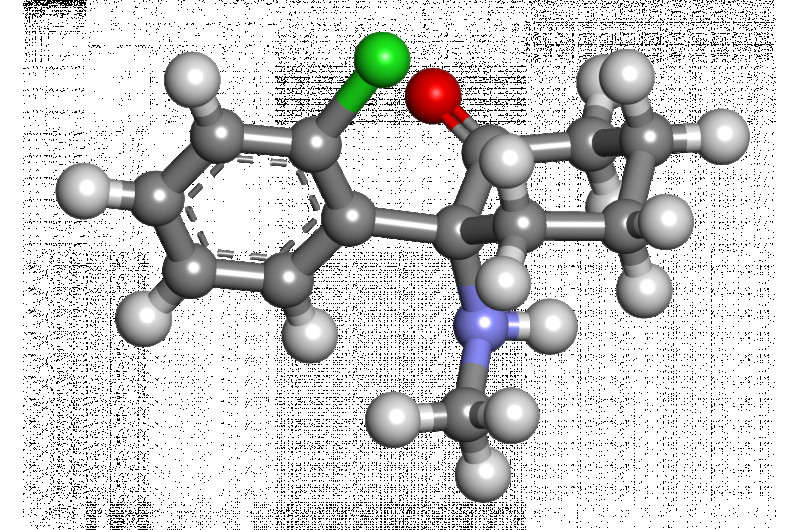
3-D model of Ketamine. Credit: Wikipedia

Ketamine therapy has a swift short-term effect on reducing symptoms of depression and suicidal thoughts, according to a review of all the available evidence.

26 dec 2021--A systematic review led by the University of Exeter and funded by the Medical Research Council analyzed evidence from 83 published research papers. The strongest evidence emerged around the use of ketamine to treat both major depression and bipolar depression. Symptoms were reduced as swiftly as one to four hours after a single treatment, and lasted up to two weeks. Some evidence suggested that repeated treatment may prolong the effects, however more high-quality research is needed to determine by how long

Similarly, single or multiple doses of ketamine resulted in moderate to large reductions in suicidal thoughts. This improvement was seen as early as four hours following ketamine treatment and lasted on average three days, and up to a week.

Lead author Merve Mollaahmetoglu, of the University of Exeter, said: "Our research is the most comprehensive review of the growing body of evidence on the therapeutic effects of ketamine to date. Our findings suggest that ketamine may be useful in providing rapid relief from depression and suicidal thoughts, creating a window of opportunity for further therapeutic interventions to be effective. It's important to note that this review examined ketamine administration in carefully controlled clinical settings where any risks of ketamine can be safely managed.

For other psychiatric disorders, including anxiety disorders, post-traumatic stress disorders and obsessive-compulsive disorders, there is early evidence to suggest the potential benefit of ketamine treatment. Moreover, for individuals with substance use disorders, ketamine treatment led to short-term reductions in craving, consumption and withdrawal symptoms.

Published in the British Journal of Psychiatry Open, the review synthesizes the evidence from a growing field of research into the potential benefits of ketamine for conditions for which there are limited effective treatments. The review included 33 systematic reviews, 29 randomized control trials, and 21 observational studies.

Ketamine's effects on depressive symptoms and suicidal thoughts are supported by numerous systematic reviews and meta-analyses, which provide an exhaustive overview of research in a given topic. These are considered to have the highest strength of evidence compared to other types of studies, increasing confidence in the evidence for ketamine's antidepressant and anti-suicidal effects.

However, ketamine's therapeutic effects for psychiatric conditions other than depression and suicidal thoughts are based on small number of studies that did not randomize people into different treatment arms. These effects require replication in larger randomized placebo-controlled trials, which are considered as gold standard.

The authors noted a number of difficulties in the research field, which they recommend that future studies should seek to address. One factor is the bias created because participants realize they have been given ketamine, rather than a saline solution. Senior author Professor Celia Morgan, of the University of Exeter, said: "We're finding that ketamine may have promising benefits for conditions that are notoriously hard to treat in clinic. We now need bigger and better-designed trials to test these benefits. For example, due to ketamine's unique subjective effects participants may be able to tell whether they have been given ketamine or a saline solution as the placebo, potentially creating an expectation about the effects of the drug. This effect may be better controlled by having active placebo-controlled trials, where the control group receives another drug with psychoactive properties."

A number of questions remain unanswered in the research field, including the optimal dose, route of administration and number of doses of ketamine treatment. There is also a need for further research on the added and interactive benefit of psychotherapy alongside ketamine treatment.

Additionally, the importance of ketamine's acute subjective effects in its therapeutic benefits has not been fully explored. More research is also needed on how to optimize participants' preparation for ketamine treatment and the setting in which ketamine treatment is delivered.

The research involved collaboration with the University of British Columbia, and received support from the Society for the Study of Addiction. The paper is entitled "Ketamine for the treatment of mental health and substance use disorders: a comprehensive systematic review," and is published in the British Journal of Psychiatry Open.

More information: Ketamine for the treatment of mental health and substance use disorders: a comprehensive systematic review, British Journal of Psychiatry Open, 2021. ore.exeter.ac.uk/repository/handle/10871/127825
Provided by University of Exeter 

Saturday, December 04, 2021


European Society of Cardiology COVID-19 guidance launched

cardiology
Credit: CC0 Public Domain

European Society of Cardiology (ESC) guidance for the diagnosis and management of cardiovascular disease during the COVID-19 pandemic is published today in the European Heart Journal.

04 dec 2021--This guidance brought together a large number of key opinion leaders at the outset of the pandemic. The advice was first published on the ESC website to be regularly updated, and is now provided as a journal publication.

The two-part document provides practical information and advice to help clinicians diagnose and manage cardiovascular disease in patients with COVID-19.

Part one includes:

  • The impact of cardiovascular comorbidities on the epidemiology of COVID-19 noting that:
    • Cardiovascular conditions are common in patients with COVID-19.
    • The presence of cardiovascular disease is associated with severe COVID-19 and higher mortality.
    • Cardiovascular risk factors are linked with severe COVID-19 and higher mortality.
  • Summary of the cardiovascular manifestations of COVID-19:
    • Myocardial injury, arrhythmias, heart failure, vascular dysfunction, and thromboembolic disease are a consequence of severe infection.
    • Long-term cardiovascular manifestations of COVID-19 are unclear, so careful follow-up is needed.
  • How to diagnose cardiovascular conditions in patients with the infection:
    • Covering the clinical presentation (e.g. chest pain, breathlessness), electrocardiogram (ECG), relevant cardiac biomarkers, and imaging modalities (when to perform and how to do it safely).

Part two includes:

  • Management and treatment pathways for common cardiovascular conditions such as:
    • Diagnostic pathways and treatment algorithms for patients with suspected acute coronary syndromes.
    • Diagnosis and management of patients with chronic coronary syndromes
    • Advice on the management of patients with heart failure, valvular heart disease, arterial hypertension, acute pulmonary embolism, and arrhythmias.
    • Follow-up via tele-health.
  • Treatment of SARS-CoV-2 Infection in patients with cardiovascular diseases including:
    • Maintenance of cardiovascular medications.
    • Drug–drug interactions, particularly regarding potential proarrhythmic properties.
  • Patient information such as:
    • How to reduce the risk of transmission, maintain a healthy lifestyle, and manage cardiovascular disease.

The authors note that the papers summarize current knowledge and guidance: "The recommendations are mainly the result of observations and personal experience from healthcare providers [in Europe]. Therefore, the information provided here may be subject to change with increasing knowledge, evidence from prospective studies, and changes in the pandemic. Likewise, the guidance provided in the document should not interfere with recommendations provided by local and national healthcare authorities."

More information: European Heart Journal (2021). DOI: 10.1093/eurheartj/ehab696
Provided by European Society of Cardiology


Anxiety symptoms may be early indicator of Alzheimer's disease

depression
Credit: CC0 Public Domain

New research suggests that anxiety symptoms in late-middle-aged adults may be an indicator of the earliest stage of Alzheimer's disease.

04 dec 2021--The study, led by Monash University Turner Institute for Brain and Mental Health researchers Stephanie Perin and Associate Professor Yen Ying Lim, examined the relationship between symptoms of depression and anxiety, and memory and thinking, in 2657 middle-aged adults.

Higher anxiety was found to be related to poorer attention and memory.

"The observation that anxiety symptoms are related to poorer memory, particularly in late-middle-aged adults, suggests that anxiety may also be an indicator of the earliest stage of Alzheimer's disease, or that it may be related to the development of dementia in some way," Associate Professor Lim said.

Associate Professor Lim said individuals with high depressive and anxiety symptoms also reported more concerns about their own memory and thinking.

"This suggests that subjective concerns about one's own memory and thinking abilities may be related to psychological or mood symptoms, rather than true dysfunction in memory or thinking, at least in middle-aged adults," Associate Professor Lim said.

Associate Professor Lim said the findings suggest that anxiety symptoms in midlife may increase a person's risk of developing dementia later in life.

"Screening for these symptoms may be a means of identifying people experiencing or at risk of cognitive decline," Associate Professor Lim said.

"More research is needed to understand exactly what is happening in the brain that links depression and anxiety symptoms to cognitive decline and ultimately, the development of dementia."

The findings were published in the Journal of Affective Disorders. Associate Professor Lim is now challenging these results further by testing whether improving mood will prevent a decline in memory and thinking in the BetterBrains clinical trial.


More information: Stephanie Perin et al, Elucidating the association between depression, anxiety, and cognition in middle-aged adults: Application of dimensional and categorical approaches, Journal of Affective Disorders (2021). DOI: 10.1016/j.jad.2021.10.007
Provided by Monash University 


Pandemic depression persists among older adults, study finds

older adults
Credit: CC0 Public Domain

The COVID-19 pandemic has had a significant impact on the mental health of older people living in the community, with those who are lonely faring far worse, according to new research from McMaster University.

04 dec 2021--Using data from the Canadian Longitudinal Study on Aging (CLSA), a national team of researchers found that 43% of adults aged 50 or older experienced moderate or high levels of depressive symptoms at the beginning of the COVID-19 pandemic, and that increased over time.

Loneliness was the most significant predictor of worsening depressive symptoms, with other pandemic-related stressors, such as family conflict, also increasing the odds.

The study was published in the journal Nature Aging today.

The research was led by Parminder Raina, a professor in the Department of Health Research Methods, Evidence, and Impact and scientific director of the McMaster Institute for Research on Aging.

"The COVID-19 pandemic has had a disproportionated impact on older adults, with groups of people who were already marginalized feeling a far greater negative impact," said Raina, lead principal investigator of the CLSA.

"Those who were socially isolated, experiencing poorer health and of lower socioeconomic status were more likely to have worsening depression as compared to their pre-pandemic depression status collected as part of the Canadian Longitudinal Study on Aging since 2011."

The research team included CLSA principal investigators Christina Wolfson of McGill University, Susan Kirkland of Dalhousie University, Lauren Griffith of McMaster, along with a national team of investigators.

They used telephone and web survey data to examine how health-related factors and social determinants such as income and social participation, impacted the prevalence of depressive symptoms during the initial lockdown starting March 2020 and after re-opening following the first wave of COVID-19 in Canada.

Caregiving responsibilities, separation from family, family conflict, and loneliness were associated with a greater likelihood of moderate or high levels of depressive symptoms that got worse over time.

Women were also more likely to have higher odds of depressive symptoms during the pandemic compared to men, and a greater number of women reported separation from family, increased time caregiving as well as barriers to caregiving.

Overall, older adults had twice the odds of depressive symptoms during the pandemic compared to pre-pandemic. But those with lower income and poorer health, either due to pre-existing health conditions or health concerns reported during the pandemic, experienced a greater impact.

"These findings suggest the negative mental health impacts of the pandemic persist and may worsen over time and underscores the need for tailored interventions to address pandemic stressors and alleviate their impact on the mental health of older adults," Raina added.

The findings mark the first published COVID-19 research emerging from the CLSA, a national research platform on aging involving more than 50,000 community-dwelling middle-aged and older adults at recruitment. The platform is funded by the Government of Canada through and Canadian Institutes of Health Research and the Canada Foundation for Innovation.


More information: Parminder Raina, A longitudinal analysis of the impact of the COVID-19 pandemic on the mental health of middle-aged and older adults from the Canadian Longitudinal Study on Aging, Nature Aging (2021). DOI: 10.1038/s43587-021-00128-1www.nature.com/articles/s43587-021-00128-1
Provided by McMaster University 


Telemedicine during COVID-19: Video vs. phone visits and the digital divide

telehealth
Credit: Unsplash/CC0 Public Domain

Telemedicine visits accounted for more than 60 percent of patient care at New York community health centers during the peak of the COVID-19 pandemic in spring 2020, finds a new study by researchers at NYU School of Global Public Health.

04 dec 2021--While video visits have their advantages, telephone visits accounted for a larger proportion of telemedicine care and are critical for providing access and addressing the "digital divide," according to the study published in the Journal of the American Board of Family Medicine.

"Our study suggests that both video and phone visits will continue to shape how health care is delivered in a post-pandemic world," said Ji Eun Chang, assistant professor of public health policy and management at NYU School of Global Public Health and the lead author of the study.

The COVID-19 pandemic has catalyzed profound transformations across the healthcare delivery system, including an abrupt shift toward telemedicine. While a significant amount of research has centered on the rapid adoption of telemedicine in the early weeks of the COVID-19 pandemic, less is known about the feasibility, use, and benefits of phone vs. video visits in the months following the widespread transition to remote care, particularly for "safety net" providers who care for vulnerable populations.

Chang and her colleagues tracked the use of telephone, video, and in-person visits across 36 New York community health centers from February to November 2020 and interviewed 25 primary care, behavioral health, and pediatric providers from eight community health centers about their experience with telemedicine during the pandemic.

Both types of visits increased significantly during the first wave of COVID-19 across New York State. At its peak (April 11- May 2, 2020), more than 60 percent of visits were conducted via telemedicine, the majority of which were provided via telephone. Telemedicine visits tapered off by the beginning of August 2020, accounting for less than 30 percent of visits. Telephone visits accounted for a larger proportion of telemedicine visits than did video visits throughout the period studied, but the gap narrowed over time.

The health care providers interviewed perceived telemedicine visits to be of similar quality to in-person visits and helpful in reducing no-shows. They also reported that telemedicine improved access to care for patients by providing flexibility; decreasing barriers such as transportation, childcare, and work-related time constraints; and reducing stigma surrounding mental health services.

Video telemedicine visits are often considered the "gold standard" alternative to face-to-face care because of the ability to see patients, which can provide useful clinical information as well as build rapport and improve patient-provider communication. The providers in the study expressed a strong preference for video visits, but acknowledged that they may be exacerbating a "digital divide" between patient populations with more or less access to technology. Specifically, poor Wi-Fi connectivity, a lack of devices with video capabilities, and limited data plans were cited as constraints to successful video visits.

"When it comes to equity in health care access, telemedicine is a double-edged sword," said Chang.

Telephone visits had unique benefits, including greater privacy, feasibility, and ease of use. Providers emphasized the need for both audio and video visits to remain reimbursable in order for providers to be able to provide ongoing support and care to patients.

"While the providers generally preferred video, they relied heavily on telephone as a lifeline," added Chang.

The study participants also reported limitations of telemedicine, including difficulty conducting physical exams and inability to provide vaccines or other in-person care. They suggested ways to improve remote care, including making platforms more user-friendly for patients with low technology literacy, integrating them with electronic health records, and providing financial assistance for telemedicine, including funding for platforms for providers, home monitoring equipment such as blood pressure cuffs for patients, and training.

"Despite challenges, providers had positive experiences delivering care remotely using both telephone and video during the COVID-19 pandemic and believe both are critical for enabling access to care in the safety net," said Chang. "The growth of telemedicine during the pandemic signifies a tectonic shift in health care delivery that is unlikely to be reversed."


More information: Ji Eun Chang et al, Telephone vs. Video Visits During COVID-19: Safety-Net Provider Perspectives, The Journal of the American Board of Family Medicine (2021). DOI: 10.3122/jabfm.2021.06.210186
Provided by New York University 


Listening to favorite music improves brain plasticity, cognitive performance of Alzheimer's patients

music
Credit: CC0 Public Domain

Researchers at the University of Toronto (U of T) and Unity Health Toronto have demonstrated that repeated listening to personally meaningful music induces beneficial brain plasticity in patients with mild cognitive impairment or early Alzheimer's disease.

04 dec 2021--Changes in the brain's neural pathways correlated with increased memory performance on neuropsychological tests, supporting the clinical potential of personalized, music-based interventions for people with dementia.

The landmark multi-modal study was published today in the Journal of Alzheimer's Disease.

"We have new brain-based evidence that autobiographically salient music—that is, music that holds special meaning for a person, like the song they danced to at their wedding—stimulates neural connectivity in ways that help maintain higher levels of functioning," says Dr. Michael Thaut, senior author of the study, director of the Music and Health Science Research Collaboratory, Tier One Canada Research Chair in Music, Neuroscience and Health, and professor at U of T's Faculty of Music and Temerty Faculty of Medicine.

"Typically, it's very difficult to show positive brain changes in Alzheimer's patients. These preliminary yet encouraging results show improvement in the integrity of the brain, opening the door to further research on therapeutic applications of music for people with dementia—musicians and non-musicians alike."

The research team reported structural and functional changes in neural pathways of study participants, notably in the prefrontal cortex, the brain's control center where deep cognitive processes occur. Researchers showed that exposing the brains of patients with early-stage cognitive decline to autobiographically salient music activated a distinct neural network—a musical network—comprised of diverse brain regions that showed differences in activation after a period of daily music listening.  Differences were also observed in the brain's connections and white matter, providing further evidence of neuroplasticity.

"Music-based interventions may be a feasible, cost-effective and readily accessible intervention for those in early-stage cognitive decline," says Dr. Corinne Fischer, lead author, director of Geriatric Psychiatry at St. Michael's Hospital of Unity Health Toronto and associate professor at U of T's Temerty Faculty of Medicine.

"Existing treatments for Alzheimer's disease have shown limited benefit to date. While larger controlled studies are required to confirm clinical benefits, our findings show that an individualized and home-based approach to music-listening may be beneficial and have lasting effects on the brain."

For the study, 14 participants—eight non-musicians and six musicians—listened to a curated playlist of autobiographically relevant, long-known music for one hour a day over the course of three weeks. Participants underwent structural and task-based functional MRI before and after the listening period to determine changes to brain function and structure. During these scans, they listened to clips of both long-known and newly composed music. Heard one hour before scanning, the new music was similar in style yet held no personal meaning.

When participants listened to the recently heard, newly composed music, brain activity occurred mainly in the auditory cortex, centered on the listening experience. However, when participants listened to long-known music, there was significant activation in the deep-encoded network of the prefrontal cortex, a clear indication of executive cognitive engagement. There was also strong engagement in subcortical brain regions, older areas minimally affected by Alzheimer's disease pathology.

The researchers reported subtle but distinct differences in structural and functional brain changes associated with music listening in musicians relative to non-musicians, though further studies in larger samples are needed to verify these findings. Repeated exposure to music with autobiographical salience improved cognition in all participants, regardless of musicianship.

"Whether you're a lifelong musician or have never even played an instrument, music is an access key to your memory, your pre-frontal cortex," says Thaut.

"It's simple—keep listening to the music that you've loved all your life. Your all-time favorite songs, those pieces that are especially meaningful to you—make that your brain gym."

This paper builds on a previous study in the same participant group that first identified the brain mechanisms that encode and preserve musical memories in people with early-stage cognitive decline.

Next, the researchers plan to replicate the study in a larger sample and institute a strong control condition to investigate the role of musicianship in moderating brain responses, and whether it is the music or the autobiographical content that induces changes in plasticity. 


More information: Corinne E. Fischer et al, Long-Known Music Exposure Effects on Brain Imaging and Cognition in Early-Stage Cognitive Decline: A Pilot Study, Journal of Alzheimer's Disease (2021). DOI: 10.3233/JAD-210610
Provided by University of Toronto 

Tuesday, November 02, 2021


Cerebrovascular abnormalities in Alzheimer's disease: An adrenergic approach

Aging-US: Cerebrovascular abnormalities in Alzheimer's disease: adrenergic approach
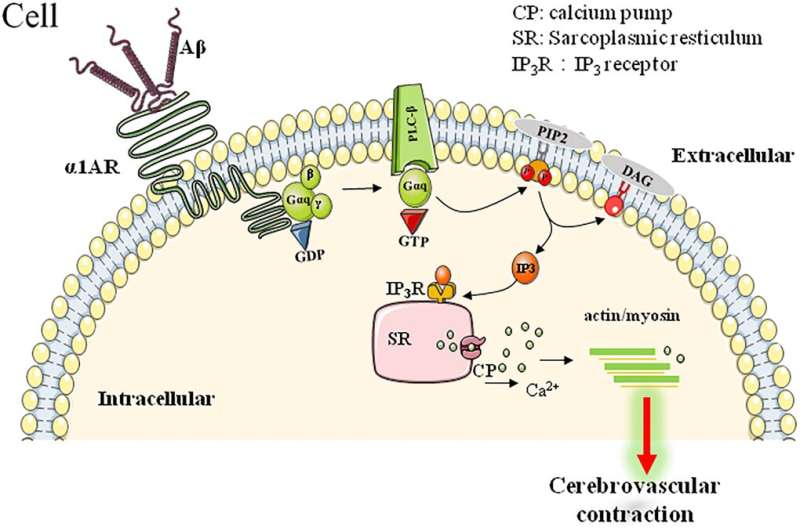
Α1AR-mediated downstream signaling pathway involved in Aβ-induced cerebrovascular abnormalities. Credit: Song Li

Aging-US has published "Involvement of cerebrovascular abnormalities in the pathogenesis and progression of Alzheimer's disease: an adrenergic approach" which reported that alzheimer's disease, as the most common neurodegenerative disease in elder population, is pathologically characterized by β-amyloid plaques, neurofibrillary tangles composed of highly-phosphorylated tau protein and consequently progressive neurodegeneration.

02 nov 2021--Increasing lines of evidence from both clinical and preclinical studies have indicated that age-related cerebrovascular dysfunctions, including the changes in cerebrovascular microstructure, blood-brain barrier integrity, cerebrovascular reactivity and cerebral blood flow, accompany or even precede the development of AD-like pathologies.

In this review, the authors provide an appraisal of the cerebrovascular alterations in AD and the relationship to cognitive impairment and AD pathologies. Moreover, the adrenergic mechanisms leading to cerebrovascular and AD pathologies were further discussed.

Dr. Song Li and Dr. Jun Tan from Chinareport that "Alzheimer's disease (AD) is the most common form of neurodegenerative disease in elder population worldwide."

It is estimated that, by 2060, the number of AD patients in Americans age 65 and older may increase to 13.8 million from 6.2 million today. AD is clinically characterized as cognitive decline and psychiatric manifestations. AD is a progressive neurodegenerative disorder that can start decades before the appearance of clinical symptoms. Although several pathological mechanisms of AD have been identified, the authors believe that no satisfactorily effective therapeutics has been developed. Recently, cerebrovascular dysfunctions, as a possible cause in the development and progression of sporadic AD, have gained increasing attention.

Recent findings further highlighted the prevalence of cerebrovascular disorders in Down syndrome patients and added to a growing body of evidence implicating cerebrovascular abnormalities as a core feature of AD rather than a simple comorbidity.

Moreover, adrenergic system, including /β adrenergic receptors and their downstream molecular signaling process, might serve as the key approach to modulate these cerebrovascular abnormalities and progressive neurodegeneration.

The Li/Tan Research Team concluded that increasing lines of evidence from either preclinical or clinical studies have revealed that the cerebral vascular alterations during early stages of AD may contribute to the pathogenesis and progression of the disease. Cerebral vascular assessment may provide promising tools for AD early diagnosis and cerebral vascular remodeling may yield benefits to AD therapy.

More information: Song Li et al, Involvement of cerebrovascular abnormalities in the pathogenesis and progression of Alzheimer's disease: an adrenergic approach, Aging (2021). DOI: 10.18632/aging.203482


Pandemic solitude was positive experience for many

solitude
Credit: Pixabay/CC0 Public Domain

Time spent alone during the pandemic led to positive effects on well-being across all ages, new research has found.

02 nov 2021--The study of more than 2000 teenagers and adults, published in Frontiers in Psychology today, found that most people experienced benefits from solitude during the early days of the global COVID-19 pandemic.

All age groups experienced positive as well as negative effects of being alone. However, the researchers found that descriptions of solitude included more positive effects than negative. On average, well-being scores when participants were alone were 5 out of 7 across all ages, including adolescents aged 13-16.

Some study participants talked about worsening mood or wellbeing, but most described their experiences of solitude in terms of feeling, competent and feeling autonomous. 43% of all respondents mentioned that solitude involved activities and experiences of competence—time spent on skills-building and activities, and that was consistent across all ages. Meanwhile, autonomy—self-connection and reliance on self—was a major feature particularly for adults, who mentioned it twice as often as teenage participants.

Working age adults recorded the most negative experiences with more participants mentioning disrupted well-being (35.6% vs 29.4% in adolescents and 23.7% in older adults) and negative mood (44% vs 27.8% in adolescents and 24.5% in older adults). Experiences of alienation, or the cost of not interacting with friends, were twice as frequent among adolescents (around one in seven, or 14.8%) as when compared to adults (7%) with older adults mentioning it most infrequently (2.3%).

Dr. Netta Weinstein, Associate Professor of Psychology at the University of Reading and lead author of the paper said:

"Our paper shows that aspects of solitude, a positive way of describing being alone, is recognised across all ages as providing benefits for our well-being.

"The conventional wisdom is that adolescents on the whole found that the pandemic was a negative experience, but we see in our study how components of solitude can be positive. Over those first few months of the pandemic here in the UK, we see that working adults were actually the most likely to mention aspects of worsening well-being and mood, but even those are not as commonly mentioned as more positive experiences of solitude.

"We conducted the research in the summer of 2020 which coincided with the end of the first national lockdown in the UK. We know that many people reconnected with hobbies and interests or increasingly appreciating nature on walks and bike rides during that time, and those elements of what we describe as 'self-determined motivation', where we choose to spend time alone for ourselves are seemingly a critical aspect of positive wellbeing.

"Seeing working age adults experience disrupted well-being and negative mood may in fact be related to the pandemic reducing our ability to find peaceful solitude. As we all adjusted to a 'new normal', many working adults found that usual moments of being alone, whether on their commute or during a work break where disrupted. Even for the most ardent of extroverts, these small windows of peace shows the important role of time alone for our mental health. "It also suggests that certain experiences of solitude are learned or valued increasingly with age, having an effect to reduce the impact of negative elements of loneliness and generally boosting well-being. Equally, it suggests that casual inferences about loneliness based on age and stage miss the reality of our nuanced lived experiences."

The results come from a series of in-depth interviews where participants from the UK answered open questions about their experiences of solitude. The team of researchers coded the answers to find shared experiences and measured quantitative data about two aspects of wellbeing associated with solitude, self-determined motivation (the choice to spend time alone) and peaceful mood.

The researchers note that the findings were taken from one phase of the COVID-19 pandemic during the summer of 2020, and recommend that follow up data looks at experiences of solitude during challenging periods such as this one, and also more commonplace periods where daily solitude may look and feel different.


More information: Netta Weinstein et al, What Time Alone Offers: Narratives of Solitude From Adolescence to Older Adulthood, Frontiers in Psychology (2021). DOI: 10.3389/fpsyg.2021.714518
Provided by University of Reading 


Social isolation linked to higher markers of inflammation in older adults

Social isolation linked to higher markers of inflammation in older adults
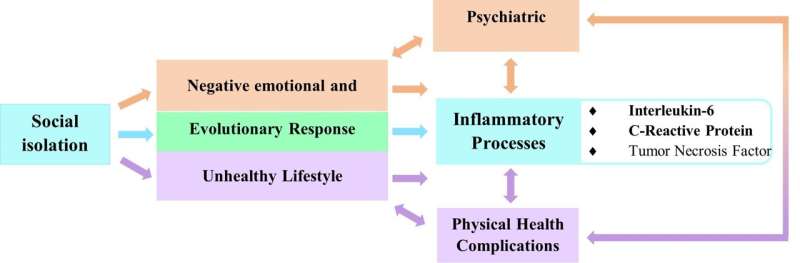
Older US adults who experienced social isolation had higher blood levels of interleukin-6 and C-reactive protein, two markers of inflammation that can have long-term negative consequences for the health of individuals as they age. Credit: Journal of the American Geriatrics Society

In a study published in the Journal of the American Geriatrics Society, older US adults who experienced social isolation had higher blood levels of interleukin-6 and C-reactive protein, two markers of inflammation that can have long-term negative consequences for the health of individuals as they age.

02 nov 2021--The study included a nationally representative sample of 4,648 Medicare beneficiaries aged 65 years and older.

The authors noted that clinical and social interventions that address social isolation among older adults may influence biological processes such as inflammation, as well as their potentially negative effects.

"Our findings demonstrate an important association between social isolation and biological processes. This work is a step in the journey to disentangle the mechanisms by which social isolation leads to higher levels of morbidity and mortality," said lead author Thomas K.M. Cudjoe, MD, MPH, of Johns Hopkins School of Medicine. "My hope is that investigators incorporate objective measures of social isolation and biological markers in future longitudinal studies so that we might continue to advance our understanding of these complex biopsychosocial interactions."


More information: Thomas K. M. Cudjoe et al, Getting under the skin: Social isolation and biological markers in the National Health and Aging Trends Study, Journal of the American Geriatrics Society (2021). DOI: 10.1111/jgs.17518

Monday, November 01, 2021


Increased temperatures contributed to more than 200,000 cases of kidney disease in 15 years in Brazil alone: study

Increased temperatures contributed to more than 200,000 cases of kidney disease in 15 years in Brazil alone, world's largest stu
Professor Yuming Guo. Credit: Monash University

Today the world's largest study of the impact of temperature changes and kidney disease reveals that 7.4 percent of all hospitalisations for renal disease can be attributed to an increase in temperature. In Brazil—where the study was focused—this equated to more than 202,000 cases of kidney disease from 2000-2015.

01 nov 2021--The study, led by Professor Yuming Guo and Dr. Shanshan Li, from Planetary Health at Monash University and published in The Lancet Regional Health—Americas journal, for the first time quantifies the risk and attributable burden for hospitalizations of renal diseases related to ambient temperature using daily hospital admission data from 1816 cities in Brazil.

The study comes as the world focuses on the impact of climate change at the COP26 conference in Glasgow from 31 October.

In 2017, a landmark article in The Lancet declared renal diseases a global public health concern, estimating that almost 2.6 million deaths were attributable to impaired kidney function that year. Importantly the incidence of death from kidney disease had risen 26.6 percent compared to a decade previously, an increase that this study may indicate was, in part, caused by climate change.

The study looked at a total of 2,726,886 hospitalizations for renal diseases recorded during the study period. According to Professor Guo, for every 1°C increase in daily mean temperature, there is an almost 1 percent increase in renal disease, with those most impacted being women, children under 4 years of age and those 80+ years of age.

The associations between temperature and renal diseases were largest on the day of the exposure to extreme temperatures but remained for 1–2 days post-exposure.

In the paper the authors—who are also from the University of Sao Paulo—argue that the study "provides robust evidence that more policies should be developed to prevent heat-related hospitalisations and mitigate climate change."

"In the context of global warming, more strategies and policies should be developed to prevent heat-related hospitalizations."

The authors advise interventions should be urgently incorporated into government policy on climate change, including particularly targeting specific individuals, including females, children, adolescents, and the elderly, as they are more vulnerable to heat with regard to renal diseases.

"Moreover, attention should be paid to low- and middle-income countries like Brazil, where reliable heat warning systems and preventive measures are still in need," Professor Guo added.


More information: Bo Wen et al, Association between Ambient Temperature and Hospitalization for Renal Diseases in Brazil during 2000–2015: A Nationwide Case-Crossover Study, The Lancet Regional Health - Americas (2021). DOI: 10.1016/j.lana.2021.100101