Thursday, December 05, 2019

New position paper offers practical guidance for osteoporosis management
New IOF-ESCEO position paper offers practical guidance for osteoporosis management
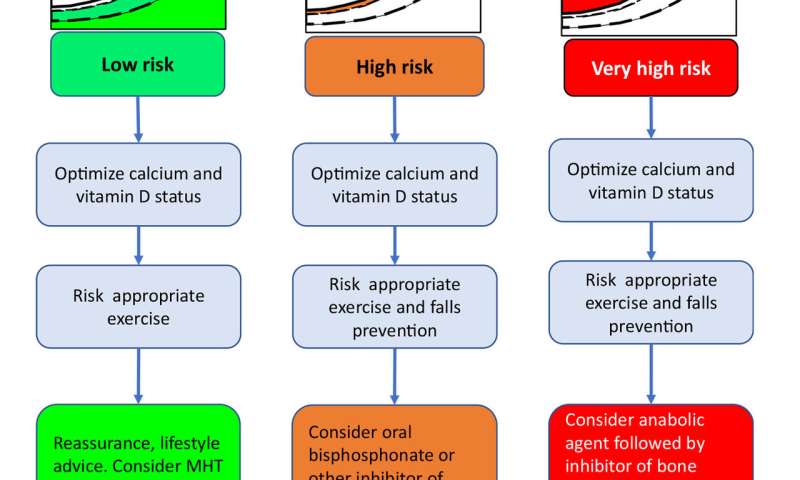
This algorithm illustrates possible decision pathways for the management of postmenopausal osteoporosis, based on the absolute risk of fracture (FRAX®) and an assessment strategy permitting the classification of low, high and very high risk of osteoporotic fractures. Credit: © International Osteoporosis Foundation (IOF) & European Society for Clinical and Economic Aspects of Osteoporosis and Osteoarthritis (ESCEO)
In 2018 the International Osteoporosis Foundation (IOF) and European Society for Clinical and Economic Aspects of Osteoporosis and Osteoarthritis (ESCEO) published the updated European guidance for the diagnosis and management of osteoporosis in postmenopausal women. Now, the newly published position paper, "Algorithm for the management of patients at low, high and very high risk of osteoporotic fractures" summarizes the guidance in an international setting, with a focus on the categorisation of risk as a strategy to target therapeutic interventions.
05 dec 2019--The publication reflects the outcomes of a consensus meeting organized by ESCEO and IOF, involving experts from 17 countries. It includes easy-to-use algorithms which illustrate possible decision pathways for the management of postmenopausal osteoporosis, based on the absolute risk of fracture (FRAX) and an assessment strategy permitting the classification of low, high and very high risk of osteoporotic .
Professor John A. Kanis, lead author and IOF honorary president, stated:
"Fractures related to osteoporosis are a major cause of morbidity and early mortality. We now know that the risk of a subsequent fracture is acute immediately after a first fracture. This clearly points to the need for early intervention for secondary fracture prevention, and to the use of agents that have the most rapid effect on fracture reduction in patients at very high risk."
The rationale for the more refined characterisation of risk is to offer the most appropriate interventions to the patient. For example, initial treatment recommendations for women at high risk might most suitably be with an inhibitor of bone resorption. In contrast, women at very high risk (or 'imminent risk' of fracture) might be more suitably treated with an anabolic treatment followed thereafter by an inhibitor of bone resorption.
Professor Jean-Yves Reginster, ESCEO president and co-author, added: "The publication addresses the need for succinct guidance that will help clinicians identify and treat women at the very highest risk as early as possible. As well, it is intended as a platform on which specific national guidelines can be developed to characterise fracture risk and direct interventions."

More information: J. A. Kanis et al, Algorithm for the management of patients at low, high and very high risk of osteoporotic fractures, Osteoporosis International (2019). DOI: 10.1007/s00198-019-05176-3
European guidance for the diagnosis and management of osteoporosis in postmenopausal women, Osteoporosis International (2018). DOI: 10.1007/s00198-018-4704-5
Executive summary of the European guidance for the diagnosis and management of osteoporosis in postmenopausal women, Calcified Tissue International (2019). DOI: 10.1007/s00223-018-00512-x
Journal information: Osteoporosis International 
Provided by International Osteoporosis Foundation 

Predicting vulnerability to Alzheimer's disease and delirium

alzheimers
Credit: CC0 Public Domain
Marked by acute temporary confusion, disorientation and/or agitation, postoperative delirium is the most common post-surgical complication in older adults, striking as many as half of adults older than 65 who undergo high-risk procedures such as cardiac surgery or hip replacements. Postoperative delirium is also tightly linked to Alzheimer's disease (AD). Although each can occur independently, Alzheimer's is a leading risk factor for delirium, and an episode of delirium puts patients at increased risk for cognitive decline and Alzheimer's disease. However, the physiological mechanisms linking delirium and Alzheimer's disease remain largely unknown.
05 dec 2019--A paper published today in Alzheimer's & Dementia: The Journal of the Alzheimer's Association, researchers at Beth Israel Deaconess Medical Center (BIDMC) shed new light on a genetic risk factor for Alzheimer's disease that may indirectly influence patients' risk of postoperative delirium. In a study of older adults without dementia undergoing major non-cardiac surgery, researchers observed that patients carrying a specific variant of a gene appeared to be much more vulnerable to delirium under certain conditions than people without this genetic variant. The team's findings could open the door to future interventions to prevent or mitigate postoperative delirium in at-risk patients.
"Our findings confirmed our hypothesis that patients' risk of postoperative delirium differs by genetic predisposition," said Sarinnapha M. Vasunilashorn, Ph.D., an Assistant Professor of Medicine in the Division of General Medicine at BIDMC. "We observed a strong and significant association between high postoperative inflammation and delirium incidence, duration and severity among patients carrying a variant of the gene considered to be risky, while the association was weaker and non-significant among non-carriers."
Vasunilashorn and colleagues focused on a gene called APOE (short for apolipoprotein E). The risky version of the gene—notated as APOE ɛ4—is the strongest known genetic risk factor for late-onset Alzheimer's disease and a widely studied genetic risk marker for delirium. While recent studies have shown no direct relationship between APOE ɛ4 and delirium, Vasunilashorn's team hypothesized that the gene variant might indirectly influence risk of delirium by modifying the body's response to inflammation—part of the immune system's natural defense system—indicated by the presence of an inflammatory marker in the blood called CRP (C-reactive protein).
Using data from the Successful Aging after Elective Surgery (SAGES) study, an ongoing prospective cohort study investigating risk factors and long-term outcomes of delirium, the scientists looked at the incidence, severity and duration of delirium in 560 patients 70 years or older who underwent major non-cardiac surgeries under general or spinal anesthesia. Patients were monitored for delirium, assessed by daily cognitive assessments of patients' attention, memory and orientation throughout their hospital stay.
Analyzing data from patients' blood (drawn before surgery, immediately after surgery, two days after and one month after) revealed that, among carriers of the APOE ɛ4 gene variant, patients with high levels of inflammation had an increased risk of postoperative . However, among non-carriers of the APOE ɛ4 gene variant, the scientists found no such association.
"Our findings suggest that APOE ɛ4 may be an indicator of brain vulnerability," said Vasunilashorn, who also holds appointments at Harvard Medical School, and the Harvard T.H. Chan School of Public Health. "This work may inform the targeting of future interventions, such as anti-inflammatory treatments, for prevention of postoperative delirium and its associated adverse long-term cognitive outcomes in patients with this genetic susceptibility."

More information: Sarinnapha M. Vasunilashorn et al, Apolipoprotein E genotype and the association between C-reactive protein and postoperative delirium: Importance of gene-protein interactions, Alzheimer's & Dementia (2019). DOI: 10.1016/j.jalz.2019.09.080
Provided by Beth Israel Deaconess Medical Center 

Brazil approves sale of medical cannabis in pharmacies

Medical marijuana
Credit: CC0 Public Domain
Brazil's health watchdog on Tuesday approved the sale of cannabis-based products for medical use in pharmacies to people with a prescription.

05 dec 2019--The regulation, which takes effect in the coming months, also allows for the manufacture of such products in a laboratory, the Brazilian Health Regulatory Agency (Anvisa) said in a statement.
Anvisa is analyzing the possibility of permitting the cultivation of medical cannabis.
In recent years, several countries in Latin America have legalized cannabis for , including Uruguay, Chile, Colombia, Argentina, Mexico and Peru.
President Jair Bolsonaro has previously expressed support for medical cannabis. But the ultraconservative leader would "not permit loopholes in the law to be used for the planting and consumption of marijuana," his spokesman Otavio Rego Barros told reporters in August.
Since 2015, Anvisa has allowed people with a medical prescription to import cannabidiol, or CBD, a non-psychoactive marijuana derivative, for the treatment of epilepsy and chronic illnesses.
The new regulation allows for the sale of products with a concentration of tetrahydrocannabinol, or THC—the main psychoactive constituent responsible for marijuana's intoxicating effects—of more than 0.2 percent to terminally ill patients or those who have exhausted alternative treatment options.
Others will be allowed to buy medical cannabis products with a THC concentration of less than 0.2 percent.

Wednesday, December 04, 2019

Study to investigate surrogate decision challenges for LGBT patients with Alzheimer's

Study to investigate surrogate decision challenges for LGBT patients with Alzheimer's
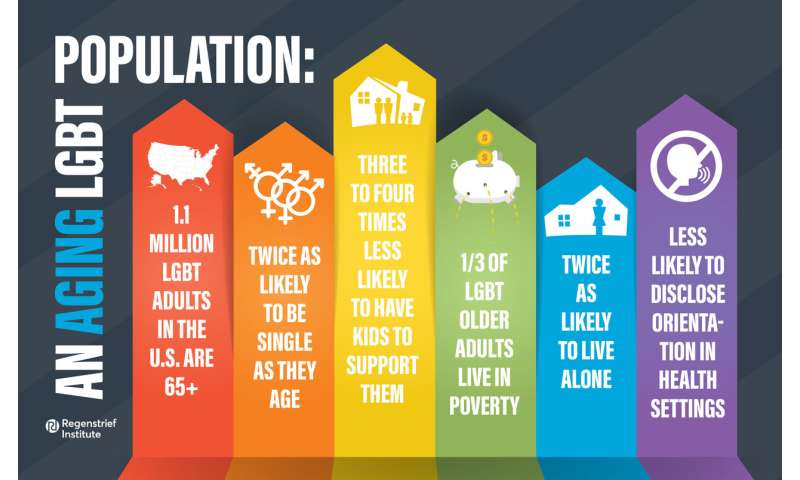
Facing Alzheimer's disease in a loved one is challenging under any circumstances but may be even more challenging when the patient is lesbian, gay, bisexual, or transgender (LGBT). Regenstrief Institute Research Scientist and Indiana University School of Medicine faculty member Alexia Torke, M.D., M.S. is working to gain insight into needs and experiences of LGBT older adults with Alzheimer's disease. Credit: Regenstrief Institute
Facing Alzheimer's disease in a loved one is challenging under any circumstances but may be even more challenging when the patient is lesbian, gay, bisexual, or transgender (LGBT).
04 dec 2019--Regenstrief Institute research scientist and Indiana University School of Medicine faculty member Alexia Torke, M.D., M.S., has received a grant from the National Institutes of Health (NIH) to gain insight into the needs and experiences of this doubly vulnerable population—LGBT older adults with Alzheimer's disease—and their surrogate decision makers.
"With this study we are taking a step on the path towards decreasing health disparities among the LGBT community in the context of end-of-life care," said Dr. Torke. "We need to know more about their needs and experiences so we can develop tools and resources supporting high-quality decision making and enabling care that aligns with their own goals and preferences."
"This is the first generation of LGBT individuals who are out and through this study we hope to learn more about their knowledge and engagement with surrogate decision making and more about the barriers encountered by their surrogates," Dr. Torke said.
After encountering significant prejudice throughout their lives, LGBT individuals are known to confront even more prejudice as they grow older, according to Dr. Torke. Compared to heterosexual individuals, LGBT individuals are twice as likely to be single as they age, twice as likely to live alone, three to four times less likely to have children to support them, and Dr. Torke notes that because of these factors, LGBT individuals have increased challenges in advance care planning.
One third of LGBT older adults live in poverty. Currently there are 1.1 million LGBT individuals in the United States who are 65 years of age and older. By 2030, it is estimated that this population will grow to 7 million. Because of social stigma, older LGBT individuals are known to refrain from disclosing their sexual orientation or going back in the closet as they age according to Dr. Torke. She notes that healthcare providers often operate without clear guidance on how to interact with LGBT individuals about care decisions and practices based on heteronormative assumptions.
The inclusion of same-sex partners in decision making and treatment planning has been shown repeatedly to be a priority for LGBT patients facing life-limiting illness.
In this newly funded study, Dr. Torke and colleagues from Regenstrief Institute, IU School of Medicine and Carey Candrian, Ph.D. from the University of Colorado Denver will explore the emotional, spiritual and religious experiences of both LGBT Alzheimer's disease patients and their caregivers. Caregivers, who may be partners or spouses, children, other relatives or friends, will be interviewed and surveyed.
The researchers will explore the impact of communication quality on decision making quality and surrogate well-being, including post-traumatic stress. They will also examine religious and spiritual dimensions of surrogates and the extent to which they impact medical decision making as well as the actual care received by the LGBT individual with Alzheimer's disease. The findings will inform the development of innovative aids to improve both the quality of medical care for incapacitated patients and the well-being of the decision makers.

Provided by Regenstrief Institute 

Sunday, November 17, 2019

Many patients with iNPH develop Alzheimer's disease, too

brain
Credit: CC0 Public Domain
Up to one in five patients treated for idiopathic normal pressure hydrocephalus, iNPH, also develop Alzheimer's disease, according to a new study from the University of Eastern Finland and Kuopio University Hospital. The researchers were able to predict the development of Alzheimer's disease by using the Disease State Index, DSI, that combines patient-specific data from various sources. The results were published in Journal of Alzheimer's Disease.
17 nov 2019--In iNPH, the circulation of cerebrospinal fluid (CSF) is disturbed for an unknown reason, leading to a slightly elevated brain pressure and dilation of the brain ventricles. Symptoms of NPH include gait deviations, impaired short-term memory and urinary incontinence. Patients with iNPH often have changes in brain that are related to Alzheimer's disease.
The study followed patients with iNPH after they had received treatment for their disease. They were treated with shunt surgery, in which excessive CSF is drained from the brain ventricles to the  by using a CSF shunt. Shunted NPH patients who had undergone brain tissue biopsy in connection with their surgery were selected for the study. The objective of the biopsy was to detect changes that are indicative of Alzheimer's disease.
During the follow-up, the researchers found that up to one in five patients with NPH were later diagnosed with Alzheimer's disease. At the end of the follow-up, patients with NPH were more frequently diagnosed with Alzheimer's disease than the general population. The researchers were able to predict the development of Alzheimer's disease, with moderate accuracy, by using patient-specific DSI. The data used in DSI included the patient's pre-surgery symptom profile, brain tissue samples and brain MRI images.

More information: Antti J. Luikku et al, Predicting Development of Alzheimer's Disease in Patients with Shunted Idiopathic Normal Pressure Hydrocephalus, Journal of Alzheimer's Disease (2019). DOI: 10.3233/JAD-190334
Journal information: Journal of Alzheimer's Disease 
Provided by University of Eastern Finland

Intermittent fasting increases longevity in cardiac catheterization patients

Intermittent fasting increases longevity in cardiac catheterization patients
While Intermittent fasting may sound like another dieting craze, the practice of routinely not eating and drinking for short periods of time has shown again to lead to potentially better health outcomes. Credit: Intermountain Healthcare
While Intermittent fasting may sound like another dieting craze, the practice of routinely not eating and drinking for short periods of time has shown again to lead to potentially better health outcomes.
17 nov 2019--In a new study by researchers at the Intermountain Healthcare Heart Institute in Salt Lake City, researchers have found that cardiac catheterization patients who practiced regular intermittent  lived longer than patients who don't. In addition, the study found that patients who practice intermittent fasting are less likely to be diagnosed with heart failure.
"It's another example of how we're finding that regularly fasting can lead to better health outcomes and longer lives," said Benjamin Horne, Ph.D., principal investigator of the study and director of cardiovascular and genetic epidemiology at the Intermountain Healthcare Heart Institute.
Findings from the study will be presented at the 2019 American Heart Association Scientific Sessions in Philadelphia on Saturday, November 16, 2019.
In the study, researchers asked 2,001 Intermountain patients undergoing cardiac catheterization from 2013 to 2015 a series of lifestyle questions, including whether or not they practiced routine intermittent fasting. Researchers then followed up with those patients 4.5 years later and found that routine fasters had greater survival rate than those who did not.
Because people who fast routinely also are known to engage in other healthy behaviors, the study also evaluated other parameters including demographics, socioeconomic factors, cardiac risk factors, comorbid diagnoses, medications and treatments, and other lifestyle behaviors like smoking and alcohol consumption.
Correcting statistically for these factors, long-term routine fasting remained a strong predictor of better survival and lower risk of heart failure, according to researchers.
The Intermountain Healthcare Heart Institute has the opportunity to closely study intermittent fasting because a large portion of its patients do it regularly: a significant portion of Utah's population belongs the Church of Jesus Christ of Latter-day Saints, whose members typically fast the first Sunday of the month by going without food or drink for two consecutive meals, and thus not eating for the period of about a day.
While the study does not show that fasting is the causal effect for better survival, these real-world outcomes in a large population do suggest that fasting may be having an effect and urge continued study of the behavior.
"While many rapid weight loss fasting diets exist today, the different purposes of fasting in those diets and in this study should not be confused with the act of fasting," said Dr. Horne. "All proposed biological mechanisms of health benefits from fasting arise from effects that occur during the fasting period or are consequences of fasting."
Dr. Horne has previously conducted studies about risk of diabetes and coronary artery disease in patients and found that rates are lower in patients who practice routine intermittent fasting. Those studies were published in 2008 and 2012 and suggested that the decades-long development of those chronic diseases may be ameliorated by long-term routine fasting.
Why long-term intermittent fasting leads to better health outcomes is still largely unknown, though Dr. Horne said it could be a host of factors. Fasting affects a person's levels of hemoglobin, red blood cell count, human growth hormone, and lowers sodium and bicarbonate levels, while also activating ketosis and autophagy—all factors that lead to better heart health and specifically reduce risk of heart failure and coronary heart disease.
"With the lower heart failure risk that we found, which is consistent with prior mechanistic studies, this study suggests that routine fasting at a low frequency over two thirds of the lifespan is activating the same biological mechanisms that fasting diets are proposed to rapidly activate," Dr. Horne noted.
Researchers speculate that fasting routinely over a period of years and even decades conditions the body to activate the beneficial mechanisms of fasting after a shorter length of time than usual.
Typically, it takes about 12 hours of fasting for the effects to be activated, but long-term routine fasting may cause that time to be shortened so that each routine faster's daily evening/overnight fasting period between dinner and breakfast produces a small amount of daily benefit, they noted.
Further studies are on-going that will answer this question and other questions related to possible mechanisms of effects on development of chronic disease and survival. Additional research will also examine potential psychological effects of fasting and potential effects on appetite and perception of hunger.
Fasting is not for everyone. Researchers caution that pregnant and lactating women should not fast, as well as young children and frail older adults. People who have received an organ transplant, who have a suppressed immune system, who are experiencing acute or severe chronic infections, and those with eating disorders should also not fast.
People diagnosed with chronic diseases—especially those who take medications for diabetes, blood pressure, or  disease—should not fast unless under the close care and supervision of a physician because of the severe adverse effects that medications in combination with fasting can cause, including as hypoglycemia.

Provided by Intermountain Medical Center

Friday, November 15, 2019

Many patients with iNPH develop Alzheimer's disease, too

brain
Credit: CC0 Public Domain
Up to one in five patients treated for idiopathic normal pressure hydrocephalus, iNPH, also develop Alzheimer's disease, according to a new study from the University of Eastern Finland and Kuopio University Hospital. The researchers were able to predict the development of Alzheimer's disease by using the Disease State Index, DSI, that combines patient-specific data from various sources. The results were published in Journal of Alzheimer's Disease.
15 nov 2019--In iNPH, the circulation of cerebrospinal fluid (CSF) is disturbed for an unknown reason, leading to a slightly elevated brain pressure and dilation of the brain ventricles. Symptoms of NPH include gait deviations, impaired short-term memory and urinary incontinence. Patients with iNPH often have changes in brain that are related to Alzheimer's disease.
The study followed patients with iNPH after they had received treatment for their disease. They were treated with shunt surgery, in which excessive CSF is drained from the brain ventricles to the abdominal cavity by using a CSF shunt. Shunted NPH patients who had undergone brain tissue biopsy in connection with their surgery were selected for the study. The objective of the biopsy was to detect changes that are indicative of Alzheimer's disease.
During the follow-up, the researchers found that up to one in five patients with NPH were later diagnosed with Alzheimer's disease. At the end of the follow-up, patients with NPH were more frequently diagnosed with Alzheimer's disease than the general population. The researchers were able to predict the development of Alzheimer's disease, with moderate accuracy, by using patient-specific DSI. The data used in DSI included the patient's pre-surgery symptom profile, brain tissue samples and brain MRI images.

More information: Antti J. Luikku et al, Predicting Development of Alzheimer's Disease in Patients with Shunted Idiopathic Normal Pressure Hydrocephalus, Journal of Alzheimer's Disease (2019). DOI: 10.3233/JAD-190334
Journal information: Journal of Alzheimer's Disease 
Provided by University of Eastern Finland 

Aging in good health: The inequalities are widening

Health
Credit: CC0 Public Domain
UNIGE researchers have been analyzing the rise in healthy life expectancy in Switzerland since 1990 and measuring the differences based on an individual's level of education.
15 nov 2019--Life expectancy in Switzerland has been growing steadily for decades. But have these additional years been spent in good health or, on the contrary, do they only prolong the ills of an aging population? In an attempt to answer this question, researchers from the University of Geneva (UNIGE), Switzerland, collated data from the Swiss National Cohort (SNC) and the Swiss Health Surveys between 1990 and 2015, all within the framework of the "LIVES" National Centre of Competence in Research (NCCR LIVES). The results, which are published in the International Journal of Public Health, show that although the life expectancy of the Swiss population as a whole is growing, people who only attended compulsory schooling are living longer in poor health.
Between 1990 and 2015, the life expectancy of Swiss men rose from 78 to 82 years, while for Swiss women it increased from 83 to 86 years. But are these additional years of life spent in good health or do they only prolong the development of morbidity? "The principle of morbidity expansion means that, yes, life expectancy is on the rise, but that these same individuals are spending more years in poor health before they finally die," explains Adrien Remund, a researcher at the Institute of Demography and Socioeconomics in UNIGE's Faculty of Social Sciences (SDS), and first author of the study.
Over 11 million people tracked for 25 years
The UNIGE demographers and medical sociologists calculated the increase in Swiss life expectancy using data from the Swiss National Cohort (SNC), which records everyone who ever lived in Switzerland from 1990 to 2015. "This enabled us to track over 11,650,000 people, including migratory movements and 1.47 million deaths," states Michel Oris, a professor at the Institute of Demography and Socioeconomics. The researchers then cross-referenced this information with data from the Swiss Health Surveys (which took place every five years during the period 1990-2015) to ascertain how many years of healthy life expectancy the Swiss population had gained over 25 years.
"We found that the number of healthy years increases in parallel with life expectancy at national level," says Adrien Remund. Between 1950 and 2015, men lived five years longer, including 4.5 years in good health. Women, meanwhile, gained three years in good health, a figure identical to their increase in life expectancy. "Women have a smaller gap in increased life expectancy because they already live much longer, so the progression is necessarily lower than for men," explains Stéphane Cullati, a researcher in the SDS Institute of Sociological Research at UNIGE, where he works alongside Stefan Sieber, the study's co-author. But are these patterns identical across the entire Swiss population?
Level of education plays a role in expanding morbidity
The UNIGE researchers divided the Swiss population from 1990 to 2015 into three categories based on the socio-economic factor of education, depending on whether they completed compulsory, secondary or tertiary studies. They then once more cross-referenced the SNC and Swiss Health Survey data, whereupon they observed large differences both in the level of education and between men and women. "The data on men who have compulsory schooling shows that there was no increase in their healthy life expectancy in the 2000s: it stagnates at 73 years," says Adrien. The healthy life expectancy of men with secondary education increases continuously to reach 78 years in 2010, and for tertiary-educated men it climbs to 81 years. "The difference in years spent in good health between men with compulsory education and men with tertiary education is 7.6 in 1990, but 8.8 years in 2010, showing that the gap is widening," says the Geneva-based demographer.
For women who only attended compulsory schooling, their life expectancy in good health declined slightly from 1990 to 1995, before rising to 79 years in 2010. Women with secondary and tertiary-level education develop the same curve and see their healthy life expectancy rise to 84 in 2010. There is a difference of 3.3 years in 1990 and five years in 2010 between women with compulsory schooling and the others. "The gap between women with secondary and tertiary education is indistinguishable here because our data covers women born in the years 1920-1930, when access to higher education was restricted and few women worked. It would be interesting to repeat this survey in 50 years, now that women study and work just as much as men," notes Stéphane Cullati.
Why are there such differences?
The Organisation for Economic Co-operation and Development (OECD) has pointed to Switzerland as having an excellent health system for acute care but that there is room for improvement regarding the preventive system. "Our study supports the OECD finding since the difference between people with compulsory and tertiary education can be explained by socio-economic inequalities. These factors drive people on low incomes to put off—or abandon—regular checks with their doctor for as long as possible or to avoid screenings because they're too expensive and aren't covered by their health insurance," says professor Oris. "In fact, the less prevention there is, the less quickly the onset of chronic diseases can be detected, and the more rapidly our health deteriorates."

More information: Longer and healthier lives for all? Successes and failures of a universal consumer-driven healthcare system, Switzerland, 1990–2014, International Journal of Public Health (2019). DOI: 10.1007/s00038-019-01290-5
Provided by University of Geneva 

Cardiologists establish how e-cigarettes damage the brain, blood vessels and lungs

Cardiologists establish how e-cigarettes damage the brain, blood vessels and lungs
Image showing the mechanisms for how e-cigarettes damage the brain, blood vessels and lungs. Credit: European Heart Journal
Cardiologists have issued a stark warning about the dangers of e-cigarettes, particularly for young people, as results of new research show the damage they cause to the brain, heart, blood vessels and lungs.
15 nov 2019--The study, which is published in the European Heart Journal today, also identifies some of the mechanisms involved, for which there has been limited information up until now.
Professor Thomas Münzel, of the Department of Cardiology of the University Medical Centre Mainz in Mainz, Germany, who led the study, said e-cigarettes were so dangerous, as well as addictive, that countries should consider banning them, action that countries such as India, Brazil, Singapore, Mexico and Thailand have already taken.
"We need to focus on the youth because this is by far the largest market," he said. "According to the US Centers for Disease Control and Prevention, over 3.6 million children in the US use e-cigarettes, with a jump of 78%, from 11.7% to 20.8%, among US high school students reporting e-cigarette use from 2017 to 2018. And in the UK, 1.6% of those aged 11-18 use e-cigarettes more than once a week, compared with 0.5% in 2015. Vaping, which was actually intended as an aid to help smokers quit, developed into a trend among young people in the US, leading to nicotine addiction, even among those who had not smoked before."
Prof Münzel said governments should prevent young people having access to tobacco products, tax them heavily, curb the marketing of tobacco products, educate teenagers and their families about the dangers of tobacco products and intensify research into the adverse health consequences of vaping.
"We cannot allow an entire generation to become addicted to nicotine," he said.
Prof Münzel and his colleagues investigated the effect of e-cigarette vapour on blood flow in the brachial artery in the upper arm in 20 healthy smokers before they vaped an e-cigarette and then 15 minutes afterwards. They also measured how stiff the artery became.
In addition, they exposed 151 mice to cigarette vapour over one, three or five days for 20 minutes six times a day.
They found that just one vaping episode increased heart rates and caused the arteries to stiffen and the inner lining of the arteries, the endothelium, to stop working properly in the smokers. The endothelium is responsible for maintaining the correct dilation and constriction of blood vessels, protects tissues from toxic substances and regulates inflammation and blood clotting processes. Endothelial dysfunction is involved in the development of cardiovascular disease.
Results from the mice showed that an enzyme called NOX-2 was responsible for damage to blood vessels, including those in the lungs and the brain, as a result of e-cigarette vapour. NOX-2 is involved in the body's defences against bacteria and in a process called oxidative stress—an imbalance between free radicals and antioxidants in the body. Mice that were not able to produce NOX-2 were protected from the damaging effects of vaping.
The researchers also found that mice that were treated with macitentan (a drug used for treating endothelial dysfunction, increased blood pressure in the vessels and lungs and oxidative stress) or bepridil (used for treating oxidative stress and cell death in cases of high blood pressure, angina or chest pain) did not show signs of endothelial dysfunction, oxidative stress or inflammation. The beneficial effects of these drugs suggested a central role of a chemical in the body called endothelin 1, which is involved in narrowing of the arteries, and a protein called FOXO-3, which protects against oxidative stress.
Prof Münzel said: "The results of the present studies identified several molecular mechanisms whereby e-cigarettes can cause damage to the blood vessels, lungs, heart and brain. This is a consequence of toxic chemicals that are produced by the vaping process and may also be present at lower concentrations in the liquid itself. Importantly, we identified an enzyme, NOX-2, that mediated all the effects of e-cigarettes on the brain and cardiovascular system, and we found that a toxic chemical called acrolein, which is produced when the liquid in e-cigarettes is vaporised, activated the damaging effects of NOX-2. The beneficial effects of macitentan and bepridil indicate that e-cigarettes have the capacity to trigger constriction of blood vessels and to impair our cells' antioxidant and survival systems.
"Our data may indicate that e-cigarettes are not a healthy alternative to traditional cigarettes, and their perceived 'safety' is not warranted. In addition, we still have no experience about the health side effects of e-cigarettes arising from long-term use. The e-cigarette epidemic in the US and Europe, in particular among our youth, is causing a huge generation of nicotine-addicted people who are being endangered by encouragement to switch from traditional cigarettes to e-cigarettes. Research like ours should serve as a warning about their dangers, and aggressive steps should be taken to protect our children from health risks caused by e-cigarettes."
A limitation of the study was that no healthy non-smokers were included. However, the researchers point out that a strength is that they have received no funding from the e-cigarette industry. "Recent studies indicate that e-cigarette industry funding is more likely to lead to results that indicate that e-cigarettes are harmless," write the researchers in their paper.

More information: Marin Kuntic et al, Short-term e-cigarette vapour exposure causes vascular oxidative stress and dysfunction: evidence for a close connection to brain damage and a key role of the phagocytic NADPH oxidase (NOX-2), European Heart Journal (2019). DOI: 10.1093/eurheartj/ehz772
Journal information: European Heart Journal 

Report identifies three dimensions to lifelong 'longevity fitness'

old people
Credit: CC0 Public Domain
Perseverance and attention to social connections, health, and finances will give people the best chance to thrive as they age, according to a new report titled "Longevity Fitness: Financial and Health Dimensions Across the Life Course." It also says that policymakers, employers, and individuals can take actions now to give people the best chance of maintaining their longevity fitness as older adults.
15 nov 2019--The publication was developed by The Gerontological Society of America (GSA) and supported by Bank of America. It uses the term longevity fitness to describe how people can thrive, not just survive, through social, health, and wealth equity.
It further sheds light on a growing body of literature showing that people can make the most of opportunities that come their way by taking three steps: cultivating social relationships with friends and close relatives, maintaining one's health through prevention and lifestyle, and building wealth by living within one's means and saving for the future.
"This report translates the science of so many GSA members and describes the many challenges and opportunities across the life course in maximizing our financial and health fitness," said Peter Lichtenberg, Ph.D., ABPP, FGSA, of Wayne State University, who chaired the advisory board that oversaw content development for the new publication.
Research and innovations addressing the three steps are examined through vignettes about four generations of a fictional family—Mary, Robert, Judy, and Bob—whose respective stories illustrate the challenges of thriving at 85, 65, 45, and 25 years of age. Mary's story of overlapping pressures that occur as people age into their 80s and 90s is presented first, followed by Robert's need for social ties as he retires, Judy as her children leave home and she focuses on the health challenges of midlife, and Bob as he ponders the financial aspects of life as a millennial.
"With this research, The Gerontological Society of America has taken an important step to better understand how to navigate our journeys in life in an era of longer life spans," said Lorna Sabbia, head of Retirement and Personal Wealth Solutions, Bank of America. "This study, together with our own research on life priorities and life stages, provides actionable guidance to individuals and families throughout their financial lives."

More information: "Longevity Fitness: Financial and Health Dimensions Across the Life Course."
Provided by The Gerontological Society of America

Monday, November 11, 2019

Eight tips for promoting men's health

men
Credit: CC0 Public Domain
With November comes Movember, putting the spotlight on men's health. UBC nursing professor John Oliffe has a few tips that can help ensure the success of men's health programs. He recently led a study that reviewed community-based programs in Canada, Australia, New Zealand, U.K., the U.S. and other regions to see what worked and what didn't.
11 nov 2019--"Men tend to shy away from clinical medical services and formal health care programs, leaving community-based programs to help fill the gap," says Oliffe, principal investigator of the men's health program based at UBC's faculty of applied science. "But not all programs are created equal. Our research shows that the ones that succeed are those that recognize and adapt to the social forces that uniquely affect men."
1. Recognize the forces that affect men's health
The UBC research points out that social factors can significantly affect health, including race, culture, socioeconomic status, education and income levels. Dudes Club, a program based in Vancouver's Downtown Eastside, succeeds because its content is tailored to its largely Indigenous clientele. Events include culturally based activities and elder-led circles, and clients are reporting improved mental, spiritual, physical and emotional well-being as a result.
2. Physical activity builds connections
Activity-based programs that link to masculine ideals such as problem-solving and physical prowess work well. Men's Sheds, a program that runs in Australia, Canada and a few other countries, successfully attracts men with woodworking activities, computer tutorials, gardening and informal social events.
3. Safe spaces help men open up
Many men are reticent to talk about health challenges or talk about personal issues, but programs—like prostate cancer support groups—can expand their comfort zone by creating safe spaces for sharing experiences and discussing sensitive topics.
4. Knowledge can combat stigma
Many men who are experiencing health challenges like depression or suicidal thoughts lack knowledge about their condition, which further fuels any stigma they may already feel. Community-based programs can promote health literacy and tackle stigma by using simple, non-judgmental language to describe health conditions, Oliffe said.
5. Men-focused environments work well
No surprise, "men-friendly" community spaces and activities—such as sports events or competitions—work better in recruiting men to health-related programs than strictly clinical programs. Oliffe points to a few examples, including some European soccer clubs, that draw men in to join exercise and healthy eating programs.
6. A clear vision for the program is a must
Programs must have tangible benefits, clear goals and strong, collaborative leaders. Dads in Gear— developed to assist dads to quit smoking—recruited participants with an offer of free meals and child care. It emphasized the need for participants to actively work for their well-being, and it encouraged the men to independently sustain their healthy practices after completing the program.
7. Evaluate to perpetuate
Every program should carry out a consistent and formal evaluation process, Oliffe advises. This helps to support future funding efforts and ensures the program is working as well as it should.
8. "Pop-ups' are OK
And finally, don't expect to sustain or expand every program, says Oliffe, as some might be best considered "pop-ups." Once they've hit their goal, they can be retired and regarded as the seed for future ideas.

Provided by University of British Columbia 

Opioids won't help arthritis patients long-term: study

Opioids won't help arthritis patients long-term: study
Opioid painkillers may temporarily ease the discomfort of arthritis, but they have no clear lasting benefit, a research review finds.
11 nov 2019--In an analysis of 23 clinical trials, researchers found that, on average, opioid medications were somewhat effective at easing pain in patients with osteoarthritis. That's the common form of arthritis in which cartilage cushioning the joints gradually wears down, leading to swelling, stiffness and pain.
But the trials found no evidence that opioids improved patients' quality of life or helped with their depression. And any benefits for pain seemed to wane with time.
"We found that the magnitude of these effects is small and continues to decrease over time," said lead researcher Dr. Raveendhara Bannuru. He is director of the Center for Treatment Comparison and Integrative Analysis at Tufts Medical Center, in Boston.
Treatment guidelines for chronic pain, other than cancer-related pain, already say opioids should be a last resort.
With osteoarthritis, Bannuru said, the drugs are only recommended if a patient has not gotten relief from other medical therapies, and if surgery—like knee or hip replacement—is not an option.
Instead, patients should try to exercise regularly and maintain a healthy lifestyle. As for medications, Bannuru said, topical versions of nonsteroidal anti-inflammatory drugs (NSAIDs)—like ibuprofen and naproxen—are a "first choice."
These creams or ointments help people avoid the side effects that can come with prolonged used of oral NSAIDs (such as Motrin, Advil, Aleve), Bannuru noted. Injections of hyaluronic acid, a substance in joint fluids, are another option, he said.
In addition, aerobic activity, like walking, and exercises that strengthen the muscles around the arthritic joint can be helpful, according to Dr. Steven Eyanson, a rheumatologist who was not involved in the study.
And if a patient is overweight, shedding some pounds can help ease pain and improve joint function, said Eyanson, a retired adjunct assistant professor at the University of Iowa in Iowa City.
"In the case of osteoarthritis, the benefits of therapy by opioid pain relief are very limited," Eyanson said.
Bannuru was scheduled to present the findings Saturday at the American College of Rheumatology's annual meeting, in Atlanta. Research presented meetings is generally considered preliminary until it is published in a peer-reviewed journal.
For the study, the researchers pooled the results of 23 previously published clinical trials that involved more than 11,400 osteoarthritis patients.
Overall, the investigators found, opioid treatment had a modest effect on people's pain over two to 12 weeks. At higher doses, the drugs were actually less effective, and carried a higher risk of side effects, such as nausea, constipation and diarrhea.
"In light of dependency concerns and the discomfort that many patients feel while taking the drugs, it would appear that there is no optimal therapeutic window for the use of oral opioids in osteoarthritis," Bannuru said.
The results come during a national crisis of opioid addiction that, according to government figures, is killing 130 Americans each day.
After years of skyrocketing, prescriptions for opioids—like OxyContin, Vicodin and Percocet—have been declining since 2012, according to the U.S. Centers for Disease Control and Prevention. In recent years, illegal opioids—like heroin and illicitly manufactured fentanyl—have become the biggest concern.
Still, prescription opioids were involved in 36% of opioid overdose deaths in 2017, the CDC says.
"We hope the results of our study will empower osteoarthritis patients to have informed discussions with their health care providers about the safest and most effective treatment options for their pain," Bannuru said.
Eyanson said that, to him, "the take-home messages are that opioids have limited benefit in osteoarthritis pain control, and have significant potential for risk."
Most osteoarthritis patients will benefit from a "more holistic approach"—including medication and non-drug therapies, and in some cases, surgery, he added.
More information: The Arthritis Foundation has more on treating osteoarthritis.
Study: Is There Any Role for Opioids in the Management of OA? (Abstract #910).
Copyright © 2019 HealthDay. All rights reserved.