Sunday, December 15, 2019

Experts review evidence yoga is good for the brain
Experts review evidence yoga is good for the brain
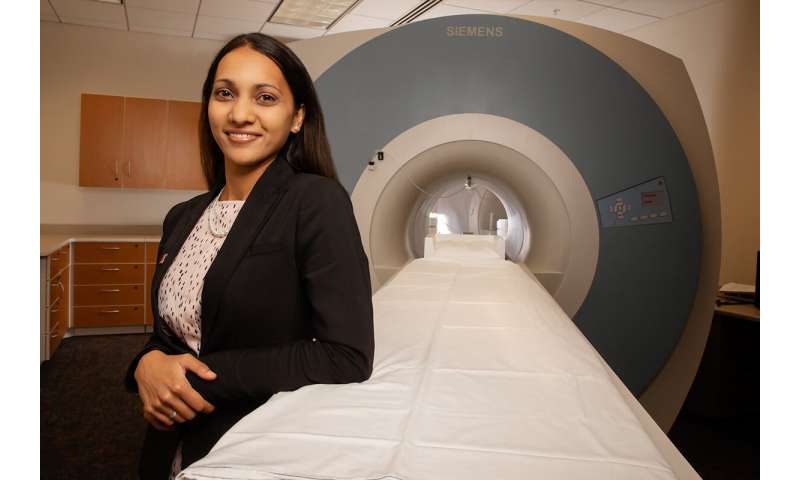
U. of I. kinesiology and community health professor Neha Gothe explores the relationship between physical activity and cognitive aging. Credit: L. Brian Stauffer
Scientists have known for decades that aerobic exercise strengthens the brain and contributes to the growth of new neurons, but few studies have examined how yoga affects the brain. A review of the science finds evidence that yoga enhances many of the same brain structures and functions that benefit from aerobic exercise.
15 dec 2019--The review, published in the journal Brain Plasticity, focused on 11 studies of the relationship between yoga practice and brain health. Five of the studies engaged individuals with no background in yoga practice in one or more yoga sessions per week over a period of 10-24 weeks, comparing brain health at the beginning and end of the intervention. The other studies measured brain differences between individuals who regularly practice yoga and those who don't.
Each of the studies used brain-imaging techniques such as MRI, functional MRI or single-photon emission computerized tomography. All involved Hatha yoga, which includes body movements, meditation and breathing exercises.
"From these 11 studies, we identified some brain regions that consistently come up, and they are surprisingly not very different from what we see with exercise research," said University of Illinois kinesiology and community health professor Neha Gothe, who led the research with Wayne State University psychology professor Jessica Damoiseaux.
"For example, we see increases in the volume of the hippocampus with yoga practice," Gothe said. Many studies looking at the brain effects of  have shown a similar increase in hippocampus size over time, she said.
The hippocampus is involved in memory processing and is known to shrink with age, Gothe said. "It is also the structure that is first affected in dementia and Alzheimer's disease."
Experts review evidence yoga is good for the brain
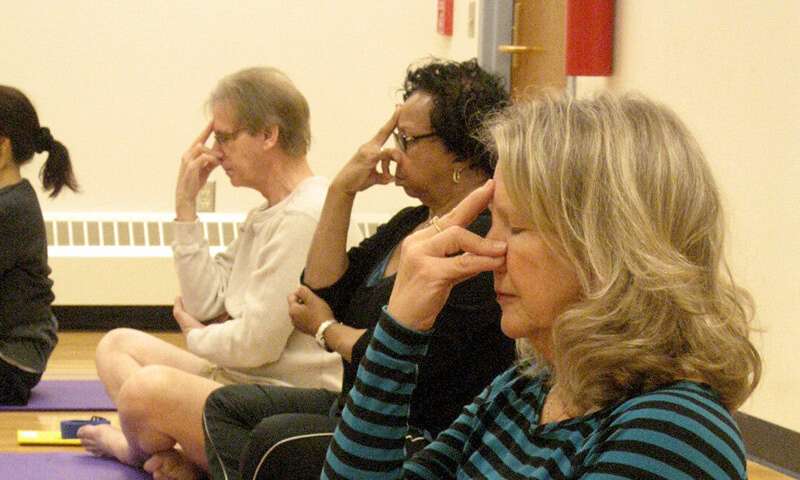
Brain changes seen in individuals who practice yoga are associated with better performance on cognitive tests and measures of emotional regulation. Credit: Neha Gothe
Though many of the studies are exploratory and not conclusive, the research points to other important brain changes associated with regular yoga practice, Damoiseaux said. The amygdala, a brain structure that contributes to emotional regulation, tends to be larger in yoga practitioners than in their peers who do not practice yoga. The prefrontal cortex, cingulate cortex and brain networks such as the default mode network also tend to be larger or more efficient in those who regularly practice yoga.
"The prefrontal cortex, a brain region just behind the forehead, is essential to planning, decision-making, multitasking, thinking about your options and picking the right option," Damoiseaux said. "The default mode network is a set of brain regions involved in thinking about the self, planning and memory."
Like the amygdala, the cingulate cortex is part of the limbic system, a circuit of structures that plays a key role in emotional regulation, learning and memory, she said.
The studies also find that the brain changes seen in individuals practicing yoga are associated with better performance on cognitive tests or measures of emotional regulation.
The discovery that yoga may have similar effects on the brain to aerobic exercise is intriguing and warrants more study, Gothe said.
"Yoga is not aerobic in nature, so there must be other mechanisms leading to these brain changes," she said. "So far, we don't have the evidence to identify what those mechanisms are."
Experts review evidence yoga is good for the brain
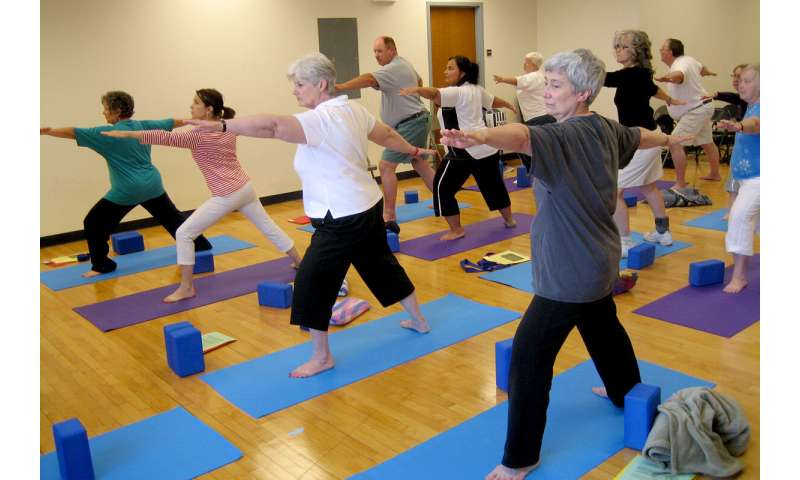
A review of the science finds evidence that yoga enhances many of the same brain structures and functions that benefit from aerobic exercise. Credit: Neha Gothe
She suspects that enhancing emotional regulation is a key to yoga's positive effects on the brain. Studies link stress in humans and animals to shrinkage of the hippocampus and poorer performance on tests of memory, for example, she said.
"In one of my previous studies, we were looking at how yoga changes the cortisol stress response," Gothe said. "We found that those who had done yoga for eight weeks had an attenuated cortisol response to stress that was associated with better performance on tests of decision-making, task-switching and attention."
Yoga helps people with or without anxiety disorders manage their stress, Gothe said.
"The practice of yoga helps improve emotional regulation to reduce stress, anxiety and depression," she said. "And that seems to improve brain functioning."
The researchers say there is a need for more—and more rigorous—research into yoga's effects on the brain. They recommend large intervention studies that engage participants in yoga for months, match yoga groups with active control groups, and measure changes in the brain and performance on cognitive tests using standard approaches that allow for easy comparisons with other types of exercise.
"The science is pointing to yoga being beneficial for healthy brain function, but we need more rigorous and well-controlled intervention studies to confirm these initial findings," Damoiseaux said.

More information: Neha P. Gothe et al, Yoga Effects on Brain Health: A Systematic Review of the Current Literature, Brain Plasticity (2019). DOI: 10.3233/BPL-190084
Provided by University of Illinois at Urbana-Champaign 

Older adults with hypothyroidism face elevated risk of death

older adults
Credit: CC0 Public Domain
While older adults with hypothyroidism face an elevated risk of death, individuals with subclinical hypothyroidism, a milder form of underactive thyroid, did not face the same risk, according to new research published in the Endocrine Society's Journal of Clinical Endocrinology & Metabolism.
15 dec 2019--Hypothyroidism occurs when the body produces too little thyroid hormone. Thyroid hormone controls a person's metabolism and affects the way the body uses energy, consumes oxygen and regulates temperature. The condition occurs more often in women and people over the age of 60.
"Our meta-analysis is the first to evaluate and confirm the association between hypothyroidism and , specifically focusing on an older population," said Carol Chiung-Hui Peng, M.D., of the University of Maryland Medical Center Midtown Campus in Baltimore, Md., and one of the study's authors.
"Our analysis found individuals with hypothyroidism aged 60 years or older were 26 percent more likely to die from all causes than individuals in the same age range who did not have the thyroid condition," said co-author, Huei-Kai Huang, M.D., of Hualien Tzu Chi Hospital and Tzu Chi University in Hualien, Taiwan.
The researchers reviewed the results of 27 published articles including over 1.1 million older individuals. Although hypothyroidism was associated with all-cause mortality risk, the studies did not find a higher incidence of cardiovascular mortality. Interestingly, studies published in Asia and North America were associated with increased all-cause mortality in the hypothyroid population, while those published in Europe and Oceania were not. Among individuals with hypothyroidism who were 80 years old or older, the researchers found no increased risk of all-cause or cardiovascular mortality.
The mortality difference was not seen in older patients with milder forms of thyroid disease. This study provides further evidence to help guide management of hypothyroidism in older adults.
"In accordance with guidelines, our findings imply that individuals with subclinical hypothyroidism—those who have milder thyroid dysfunction—may not benefit from being treated with synthetic thyroid hormone," said Kashif M. Munir, M.D., associate professor in the division of endocrinology, diabetes and nutrition at the University of Maryland School of Medicine in Baltimore, Md., and another of the study's authors. "However, treatment should be considered in individuals diagnosed with hypothyroidism, given increased all-cause mortality."

More information: Tou-Yuan Tsai et al, Association of hypothyroidism and mortality in the elderly population: A systematic review and meta-analysis, The Journal of Clinical Endocrinology & Metabolism (2019). DOI: 10.1210/clinem/dgz186
Provided by The Endocrine Society 

Hydration may affect cognitive function in some older adults

older adults
Credit: CC0 Public Domain
Not getting enough water is enough to make you feel sluggish and give you a headache, but a new Penn State study suggests it may also relate to cognitive performance.
15 dec 2019--The researchers investigated whether hydration levels and water intake among older adults was related with their scores on several tests designed to measure cognitive function. They found that among women, lower hydration levels were associated with lower scores on a task designed to measure motor speed, sustained attention, and working memory. They did not find the same result for men.
The findings were recently published in the European Journal of Nutrition.
"The study gives us clues about how hydration and related drinking habits relate to cognition in older adults," said Hilary Bethancourt, a postdoctoral scholar in biobehavioral health and first author on the study. "This is important because older adults already face increased risk of cognitive decline with advancing age and are often less likely than younger adults to meet daily recommendations on water intake."
Asher Rosinger, Ann Atherton Hertzler Early Career Professor in Global Health, said the researchers found similar results when the participants were overhydrated.
"We found a trend suggesting overhydration may be just as detrimental to cognitive performance as dehydration for older adults," said Rosinger, who also directs the Water, Health, and Nutrition Laboratory and was senior author on the study. "Because of this, being in the 'sweet spot' of hydration seems to be best for cognitive function, especially for tasks requiring sustained attention."
According to the researchers, scientists have long suspected that dehydration may have an effect on cognitive performance. However, previous studies have largely focused on young, healthy people who are dehydrated after exercise and/or being in the heat.
Bethancourt said that because exercise and elevated ambient and body temperatures can have their own, independent effects on cognition, she and the other researchers were interested in the effects of day-to-day hydration status in the absence of exercise or heat stress, especially among older adults.
"As we age, our water reserves decline due to reductions in muscle mass, our kidneys become less effective at retaining water, and hormonal signals that trigger thirst and motivate water intake become blunted," Bethancourt said. "Therefore, we felt like it was particularly important to look at cognitive performance in relation to hydration status and water intake among older adults, who may be underhydrated on a regular basis."
For the study, the researchers used data from a nationally representative sample of 1271 women and 1235 men who were 60 years of age or older. Data were collected by the Nutrition and Health Examination Survey. Participants gave blood samples and were asked about all foods and drinks consumed the previous day. The researchers calculated hydration status based on concentrations of sodium, potassium, glucose, and urea nitrogen in participants' blood. Total water intake was measured as the combined liquid and moisture from all beverages and foods.
Participants also completed three tasks designed to measure different aspects of cognition, with the first two measuring verbal recall and verbal fluency, respectively.
A final task measured processing speed, sustained attention, and working memory. Participants were given a list of symbols, each matched with a number between one and nine. They were then given a list of numbers one through nine in random order and asked to draw the corresponding symbol for as many numbers as possible within two minutes.
Bethancourt said that when they first plotted the average test scores across different levels of hydration status and water intake, there appeared to be a distinct trend toward higher test scores in relation to adequate hydration and/or meeting recommended water intake. However, much of that was explained by other factors.
"Once we accounted for age, education, hours of sleep, physical activity level, and diabetes status and analyzed the data separately for men and women, the associations with hydration status and  intake were diminished," Bethancourt said. "A trend toward lower scores on the number-symbol test among women who were categorized as either underhydrated or overhydrated was the most prominent finding that remained after we accounted for other influential factors."
Bethancourt said that because the data was cross-sectional, they can't be sure whether suboptimal hydration levels are causing cognitive impairment or if people with impaired cognition are just more likely to be under- or overhydrated. The researchers were also unsure why they failed to see the same associations among men. Still, she said the results raise interesting questions.
"It was interesting that even though the test of attention, processing speed, and working memory took only a few minutes, it was the one most strongly associated with lower hydration levels," Bethancourt said. "Other research has similarly suggested that attention may be one of the cognitive domains most affected by hydration status. This left us wondering what the effects of inadequate hydration might be on more difficult tasks requiring longer periods of concentration and focus."
Rosinger said the findings suggest older adults may want to pay close attention to their  status, by both consuming enough liquids to avoid dehydration as well as ensuring adequate electrolyte balance to avoid overhydration.
"Because older adults may not necessarily feel thirsty when their body is reaching a state of underhydration and may be taking diuretics that can increase salt excretion, it is important for older adults and their physicians to better understand the symptoms of being both under- and overhydrated," said Rosinger.
W. Larry Kenney, Marie Underhill Noll Chair in Human Performance, and David M. Almeida, professor of human development and family studies, also participated in this work.
More information: Hilary J. Bethancourt et al, Cognitive performance in relation to hydration status and water intake among older adults, NHANES 2011–2014, European Journal of Nutrition (2019). DOI: 10.1007/s00394-019-02152-9
Journal information: European Journal of Nutrition 
Provided by Pennsylvania State University

Loneliness may be due to increasing aging population

loneliness
Credit: CC0 Public Domain
Despite some claims that Americans are in the midst of a "loneliness epidemic," older people today may not be any lonelier than their counterparts from previous generations—there just might be more of them, according to a pair of studies published by the American Psychological Association.
15 dec 2019--"We found no evidence that older adults have become any lonelier than those of a similar age were a decade before," said Louise C. Hawkley, Ph.D., of NORC at the University of Chicago, lead author of one of the studies. "However, average reported loneliness begins to increase beyond age 75, and therefore, the total number of older adults who are lonely may increase once the baby boomers reach their late 70s and 80s."
The studies were published in the journal Psychology and Aging.
Hawkley and her colleagues used data from the National Social Life, Health and Aging Project and the Health and Retirement Study, two national surveys of older adults that compared three groups of U.S. adults born in different periods throughout the 20th century. They first analyzed data in 2005 to 2006 from 3,005 adults born between 1920 and 1947 and a second time in 2010 to 2011 from 3,377 people, which included those from the previous survey who were still alive, and their spouses or partners. The third survey, in 2015 to 2016, comprised 4,777 adults, which included an additional sample of adults born between 1948 and 1965 to the surviving respondents from the previous two surveys.
The authors examined participants' level of loneliness, educational attainment, overall health on a scale from poor to excellent, marital status and number of family members, relatives and friends they felt close to. They found that loneliness decreased between the ages of 50 and 74, but increased after age 75, yet there was no difference in loneliness between baby boomers and similar-aged adults of earlier generations.
"Loneliness levels may have decreased for adults between 50 and 74 because they had better educational opportunities, health care and social relationships than previous generations," said Hawkley.
Adults over 75 were more susceptible to becoming lonely, possibly due to life factors such as declining health or the loss of a spouse or significant other, according to Hawkley.
"Our research suggests that older adults who remain in good health and maintain social relationships with a spouse, family or friends tend to be less lonely," said Hawkley.
In a similar study, researchers in the Netherlands found that older adults were less lonely than their counterparts from previous generations.
These researchers used data from the Longitudinal Aging Study Amsterdam, a long-term study of the social, physical, cognitive and emotional functioning of older adults. A total of 4,880 people, born between 1908 and 1957, participated.
The study measured peoples' loneliness, control over situations and life in general and goal achievement. For example, participants rated loneliness on a scale from 0 (no loneliness) to 11 (severe loneliness) based on feelings such as, "I miss having people around."
Older adults born in later generations were actually less lonely, because they felt more in control and thus most likely managed their lives better, according to Bianca Suanet, Ph.D., of Vrije Universiteit Amsterdam and lead author of the study.
"In contrast to assuming a loneliness epidemic exists, we found that older adults who felt more in control and therefore managed certain aspects of their lives well, such as maintaining a positive attitude, and set goals, such as going to the gym, were less lonely," said Suanet. "Additionally, as is well-known in loneliness research, participants who had a significant other and/or larger and more diverse networks were also less lonely."
Suanet recommended that older adults take personal initiative to better nurture their social ties, such as making friends to help them overcome increasing loneliness as they age. Also, interventions to reduce loneliness should focus more on bolstering older adults' feelings of control, instead of only offering social activities.
"People must manage their social lives better today than ever before because traditional communities, which provided social outlets, such as neighborhoods, churches and extended families, have lost strength in recent decades," said Suanet. "Therefore, older adults today need to develop problem-solving and goal-setting skills to sustain satisfying relationships and to reduce loneliness."
Seniors may also want to make use of modern technology to maintain meaningful social connections, according to Hawkley.
"Video chatting platforms and the Internet may help preserve their social relationships," said Hawkley. "These tools can help older adults stay mobile and engaged in their communities."
More information: "Are U.S. Older Adults Getting Lonelier? Age, Period and Cohort Differences," by Louise C. Hawkley, PhD, NORC at the University of Chicago; Kristen Wroblewski, MS, L. Philip Schumm, MA, University of Chicago; Till Kaiser, PhD; and Maike Luhmann, PhD, Ruhr University Bochum. Psychology and Aging. Published Dec. 10, 2019.
"Loneliness Declines Across Birth Cohorts: The Impact of Mastery and Self-Efficacy," by Bianca Suanet, PhD, and Theo G. van Tilburg, PhD, Vrije Universiteit Amsterdam. Psychology and Aging. Published Dec. 10, 2019.
Journal information: Psychology and Aging 
Provided by American Psychological Association 

Planning for future care may be linked to longer survival in terminally ill patients

patient
Credit: CC0 Public Domain
Sharing preferences for end of life care, known as advance care planning, may be linked to longer survival in terminally ill patients, suggests the first study of its kind, published online in the journal BMJ Supportive & Palliative Care.
15 dec 2019--Advance care planning enables adults to discuss wishes and priorities for their care, including stopping treatment to prolong life, when they are no longer able to do so.
But it's not known what impact this might have on survival in patients who are terminally ill.
The researchers used data from a previously published randomised controlled trial, which aimed to find out if advance care planning had any impact on meeting terminally ill patients' preferences for place of death.
This involved tracking the date of death for 205 terminally ill patients, 102 of whom had had a conversation about their preferences for end of life care with a doctor, and 103 of whom hadn't.
Around half the patients in each of the groups had advanced cancer, and half had been terminally ill with heart and lung conditions.
Additional analysis of these data showed that there was a difference in survival after a year of monitoring between those who had had this type of conversation and those who hadn't.
Nearly three out of four of those (73%) of those who had done so were alive after a year compared with over half (57%) of those who hadn't.
While there was no significant difference in survival between terminally ill cancer patients who had and hadn't had an advance care planning conversation, there was between those with other types of terminal illness, the analysis showed.
Among this group, nine out of 10 (90%) of those who had done so were alive after a year, compared with two thirds (67%) of those who hadn't.
By way of a possible explanation for this finding, the researchers suggest that this type of conversation helps these patients better understand the life-limiting nature of their illness.
This may change their views about having treatment that prolongs life, such as steroids, which, paradoxically, have been associated with a heightened risk of death and other illness—at least among those with serious lung disease, say the researchers.
The researchers didn't set out to look at the potential impact of advance care planning on survival, and this finding was a by-product of their research in a relatively small number of people, so requires further study, they say.
"[Advance care planning] was associated with a significantly improved survival among terminally ill patients, primarily [those] with non-cancer diseases. However, the analysis was explorative, and the association must be investigated further before drawing any firm conclusion," they conclude.

More information: Advance care planning and longer survival in the terminally ill: a randomised controlled trial unexpected finding, BMJ Supportive & Palliative Care (2019). DOI: 10.1136/bmjspcare-2019-001906
Journal information: BMJ Supportive & Palliative Care 
Provided by British Medical Journal 

Treating more than just the heart is critical for geriatric patients

heart
Credit: CC0 Public Domain
Geriatric conditions such as frailty and cognitive impairments may inadvertently worsen when older patients are treated in cardiac intensive care units—even as they receive excellent care for their heart attack, heart failure, valvular heart disease or pulmonary embolism, according to a new scientific statement from the American Heart Association, published today in the Association's premier journal Circulation.
15 dec 2019--In addition to their cardiovascular conditions, many older patients often have additional health conditions, take multiple medications for these conditions, may be frail or have cognitive impairment. Caring for older adults in the cardiac intensive care unit is markedly different than caring for younger patients, according to the statement, which provides an overview of how geriatric conditions may influence acute cardiovascular care.
"Treating the whole patient—considering their entire health profile, rather than focusing only on their acute cardiovascular event—is essential for achieving the best possible outcomes among geriatric patients with acute cardiovascular disease," said Abdulla A. Damluji, M.D., M.P.H., chair of the writing group for the statement, assistant professor of medicine at Johns Hopkins University School of Medicine in Baltimore, Maryland, and interventional cardiologist at the Inova Heart and Vascular Institute, Falls Church, Virginia.
While in a cardiac intensive care unit, older patients often experience factors that are emotionally and physically disorienting—such as bright lights, excessive noise, new medications, urinary catheters, dietary shifts, sleep disruptions and toileting challenges. "For vulnerable older adults who may already be experiencing cognitive decline, the environment in the cardiac intensive care unit may deplete already limited coping skills and could lead to delirium," said Damluji.
Delirium is a state of an acute disturbance in awareness and attention. It commonly occurs during critical illness, and it contributes to a higher risk of dying in the hospital. "Reducing the level of sedation used in older patients may help mitigate delirium, however, more research needs to be done to fully understand how best to treat this condition in the context of acute cardiovascular illness," said Damluji.
Extended bedrest, often necessary in an intensive care unit, is detrimental to patients of all ages. For older, critically ill patients, who are often frail when admitted to the cardiac intensive care unit, bedrest can significantly worsen their frailty. Further deterioration in muscle strength and bone density often occurs with prolonged immobility, which can also lead to poor medication tolerance, an increased risk of falling, weakened  function and pressure ulcers (bed sores).
Early mobilization—getting the patient out of bed as soon as appropriate, may be helpful for some patients to address frailty. Encouraging appropriate physical movement may result in less weakness, an improved ability to walk and less time in the cardiac intensive care unit, among other benefits.
Another issue faced by older adults admitted to the cardiac intensive care unit is that they take an average of 12 different prescription medications, raising the risk of adverse side effects, drug-to-drug and drug-to-disease interactions. Patients may benefit by having some of their medications discontinued or deprescribed, if appropriate.
"In recent years, there has been a strong emphasis by the American Heart Association and other organizations to integrate geriatric syndromes into cardiovascular care for older patients, although implementation is slow. Strategies to achieve a wholistic care approach for each patient remains an important goal to improve care of older patients in the cardiac intensive care unit," said Damluji.
Most clinical trials on how to treat acute cardiovascular conditions were performed on younger populations, however, their findings may not be accurate for older patients. Yet, most people over age 85 years have a cardiovascular disease and are likely to be admitted to a cardiac intensive care unit for treatment of an acute event, according to the statement.

More information: Abdulla A. Damluji et al, Older Adults in the Cardiac Intensive Care Unit: Factoring Geriatric Syndromes in the Management, Prognosis, and Process of Care: A Scientific Statement From the American Heart Association, Circulation (2019). DOI: 10.1161/CIR.0000000000000741
Journal information: Circulation 
Provided by American Heart Association 

Sunday, December 08, 2019

Review: Teleneurology feasible for several neurologic disorders

Review: teleneurology feasible for several neurologic disorders
Teleneurology is feasible for several neurological disorders, according to a review published online Dec. 4 in Neurology.
Jamie M. Hatcher-Martin, M.D., Ph.D., from the Emory University Brain Health Center in Atlanta, and colleagues conducted a review to provide an overview of evidence-based data on the role of teleneurology in the care of patients with neurologic disorders.
08 dec 2019--The researchers note that in terms of patient and caregiver satisfaction, studies report noninferiority of evaluations by telemedicine compared with traditional, in-person evaluations. Dementia has been suggested to be amenable to remote evaluation because the interview comprises a large part of the examination. Studies suggest increased access, good diagnostic accuracy, patient and provider satisfaction, and possible cost savings with teleneurology for dementia care. For people with epilepsy, teleneurology can address many unique challenges, including restricted driving privileges that can hinder traveling for visits; teleneurology is also attractive for patients with multiple sclerosis, for whom the cumulative burden of disability makes traveling to specialty centers difficult. Teleneurology has been suggested to be noninferior to in-person consultations and can be accurate for diagnosing and treating nonacute headache, while saving time and money. Teleneurology can also improve access to specialty care in movement disorders by allowing earlier diagnosis and skilled management.
"We hope to provide insight to practicing neurologists who may decide to use telemedicine in their practice and for educators who wish to provide guidance to trainees," the authors write.

More information: Abstract/Full Text (subscription or payment may be required)
Editorial (subscription or payment may be required)
Journal information: Neurology 

From depression to Parkinson's disease: The healing power of dance

From depression to Parkinson's disease: The healing power of dance
Historically, the body and movement have been widely disregarded within psychotherapy. But times are changing, as a growing movement of somatic and dance therapies are gaining scientific credibility. Credit: Shutterstock
Why do we stop dancing when we grow up? Why do we disconnect and alienate ourselves from the body? It is surprising to me that dance/movement therapy (DMT) is not more popular within the fields of psychology and psychotherapy globally.
08 dec 2019--For a couple of decades, I devoted my attention as a researcher in behavioral neurobiology and psychiatry almost exclusively to the brain and mental health, neglecting the rest of the body.
I was trained in the late 1990s, the decade of the brain. I have been mesmerized by the complexity of the brain, completely forgetting that it is part of the entire organism, intimately connected and reciprocally interacting with the entire body.
Interestingly, in my personal life my body has played a central role. My way to deal with any mental health problems has been through long walks, dancing and yoga.
This is partly why in the past few years, as a professor in psychology at Bishop's University, I have started incorporating bodywork in my teaching and research, and why I entered a dance/movement therapy training program in Canada this summer.
Understanding the body in motion
Dance/movement therapy goes beyond simply dancing. DMT uses dance and movement to promote insight, integration and well-being, as well as to diminish undesirable symptoms in various clinical populations.
Unlike mainstream talk therapies, DMT uses the entire body to approach the client primarily on a non-verbal and creative level. The body in motion is both the medium and the message. DMT recognizes the moving body as the centre of the human experience, and that body and mind are in constant reciprocal interaction.
Just like with more traditional psychotherapies, DMT can be applied in a wide range of ways. It may involve talking, different types of music or no music at all. It can be done in groups, with individuals or with couples. Therapists sometimes dance with their clients and at other times observe.
A group therapy session may involve a warm-up and check-in as to where we are at emotionally, mentally and physically. It may be followed by the development of a theme, which emerges spontaneously or has been prepared by a therapist (for example, working with difficult emotions). It ends with grounding (reconnecting with our bodies and our selves in the present moment) and closure (for example, a gesture, a sound, a word).
An introduction to dance/movement therapy from the American Dance Therapy Association.
All of this is done with our bodies in motion or stillness, but some verbal sharing, journaling, drawing and other elements may be added.
Dance/movement therapy has been around for several decades but it has never become widely popular, possibly due to a lack of well-designed research studies. This has changed and I would like to highlight here a few recent studies supporting the benefits of dance and DMT on emotional regulation, cognitive function and neural plasticity.
A positive effect on depression
One of the main reasons people dance is to modify their emotional state; typically, they strive to feel more joy and happiness and to reduce stress and anxiety. Since its inception dance therapy, similar to somatic psychotherapies, has emphasized the reciprocal interaction between body and mind, and the ability to regulate emotions via changes in body postures and movements.
The exploration of new movements can evoke novel perceptions and feelings. It may also facilitate seeing a wider range of possibilities in a given situation. Some new or old movement patterns may evoke repressed material and enhance better understanding of oneself and one's environment and history.
One of the most compelling studies supporting this idea examined complex improvised movements, and identified unique sets of movement components that can elicit the feelings of happiness, sadness, fear or anger. The associations between emotions and specific motor components have been used in the past for diagnosis or emotion recognition. This study goes further and proposes specific techniques for modifying emotions.
A recent systematic review of research on dance/ specifically found it to be effective in the treatment of adults with depression.
Improvements in Parkinson's disease
Dance typically involves learning sequences of steps and movements in space, in coordination with music. In other words, it requires substantial physical and cognitive engagement and, as such, it should improve not only muscle tone, strength, balance and coordination, but also memory, attention and visuospatial processing.
When comparing relatively long-term dance interventions (of six and 18 months) to conventional fitness training, several studies have found improvements in attention and verbal memory and neuroplasticity in healthy older adults. Researchers also found improvements in memory and cognitive function for older adults with mild cognitive impairment after a 40-week dance program.
In addition, a recent meta-analysis of seven randomized controlled trials comparing the effects of dance therapy to non-dance interventions in Parkinson's disease found that dance was especially beneficial for executive function, the processes that help us plan, organize and regulate our actions.
A new report from WHO/Europe provides evidence of the benefits of the arts for mental and physical health.
Changes in brain structure
A recent descriptive systematic review included eight well-controlled studies, all of which demonstrated changes in brain structure following dance intervention. These changes included:increased hippocampal and parahippocampal volume (involved in memory), increased gray matter volume in the precentral gyrus (involved in ) and white matter integrity in the corpus callosum (involved in communication between the two hemispheres).
Overall, these studies are compatible with the idea of using dance and DMT in various neurological and psychiatric disorders —such as Parkinson's disease, Alzheimer's disease and mood disorders —as well as in the general population.
New possibilities for feeling and perceiving
It is clear that dance has a powerful effect on the human body and psyche.
DMT from its inception emphasized that the body is inseparable from, and in constant reciprocal interaction with, the mind. As such, sensations, perceptions, emotions and thinking affect our body and the way we move. By observing the body we can deduce mental states.
Conversely, our posture and our movements have the power to transform our mental states, to evoke repressed memories, to release spontaneity and creativity, to reorganize our brains. New ways of moving and dancing may produce new ways of feeling and perceiving the world.
This is one of the most exciting and profound aspects of DMT and it is shocking that the body, movement and dance have been almost entirely ignored by mainstream psychotherapy. It is time to change that!
Provided by The Conversation 

Thursday, December 05, 2019

New position paper offers practical guidance for osteoporosis management

New IOF-ESCEO position paper offers practical guidance for osteoporosis management
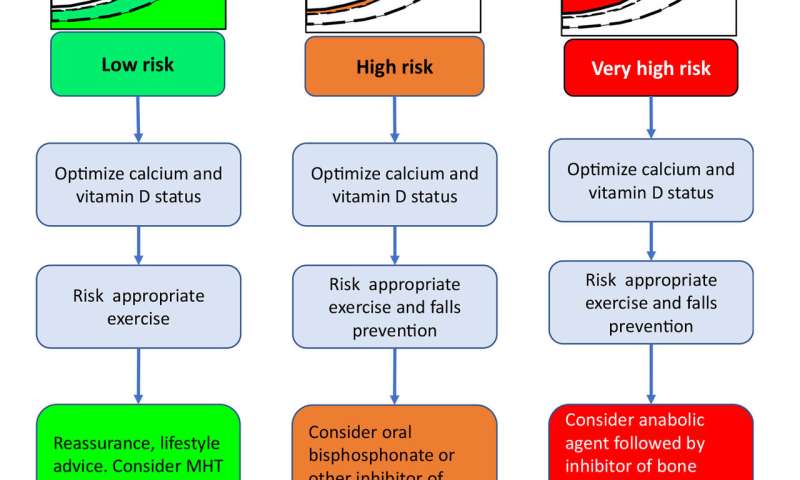
This algorithm illustrates possible decision pathways for the management of postmenopausal osteoporosis, based on the absolute risk of fracture (FRAX®) and an assessment strategy permitting the classification of low, high and very high risk of osteoporotic fractures. Credit: © International Osteoporosis Foundation (IOF) & European Society for Clinical and Economic Aspects of Osteoporosis and Osteoarthritis (ESCEO)
In 2018 the International Osteoporosis Foundation (IOF) and European Society for Clinical and Economic Aspects of Osteoporosis and Osteoarthritis (ESCEO) published the updated European guidance for the diagnosis and management of osteoporosis in postmenopausal women. Now, the newly published position paper, "Algorithm for the management of patients at low, high and very high risk of osteoporotic fractures" summarizes the guidance in an international setting, with a focus on the categorisation of risk as a strategy to target therapeutic interventions.
05 dec 2019--The publication reflects the outcomes of a consensus meeting organized by ESCEO and IOF, involving experts from 17 countries. It includes easy-to-use algorithms which illustrate possible decision pathways for the management of postmenopausal osteoporosis, based on the absolute risk of fracture (FRAX) and an assessment strategy permitting the classification of low, high and very high risk of osteoporotic .
Professor John A. Kanis, lead author and IOF honorary president, stated:
"Fractures related to osteoporosis are a major cause of morbidity and early mortality. We now know that the risk of a subsequent fracture is acute immediately after a first fracture. This clearly points to the need for early intervention for secondary fracture prevention, and to the use of agents that have the most rapid effect on fracture reduction in patients at very high risk."
The rationale for the more refined characterisation of risk is to offer the most appropriate interventions to the patient. For example, initial treatment recommendations for women at high risk might most suitably be with an inhibitor of bone resorption. In contrast, women at very high risk (or 'imminent risk' of fracture) might be more suitably treated with an anabolic treatment followed thereafter by an inhibitor of bone resorption.
Professor Jean-Yves Reginster, ESCEO president and co-author, added: "The publication addresses the need for succinct guidance that will help clinicians identify and treat women at the very highest risk as early as possible. As well, it is intended as a platform on which specific national guidelines can be developed to characterise fracture risk and direct interventions."

More information: J. A. Kanis et al, Algorithm for the management of patients at low, high and very high risk of osteoporotic fractures, Osteoporosis International (2019). DOI: 10.1007/s00198-019-05176-3
European guidance for the diagnosis and management of osteoporosis in postmenopausal women, Osteoporosis International (2018). DOI: 10.1007/s00198-018-4704-5
Executive summary of the European guidance for the diagnosis and management of osteoporosis in postmenopausal women, Calcified Tissue International (2019). DOI: 10.1007/s00223-018-00512-x
Journal information: Osteoporosis International 
Provided by International Osteoporosis Foundation 

Predicting vulnerability to Alzheimer's disease and delirium

alzheimers
Credit: CC0 Public Domain
Marked by acute temporary confusion, disorientation and/or agitation, postoperative delirium is the most common post-surgical complication in older adults, striking as many as half of adults older than 65 who undergo high-risk procedures such as cardiac surgery or hip replacements. Postoperative delirium is also tightly linked to Alzheimer's disease (AD). Although each can occur independently, Alzheimer's is a leading risk factor for delirium, and an episode of delirium puts patients at increased risk for cognitive decline and Alzheimer's disease. However, the physiological mechanisms linking delirium and Alzheimer's disease remain largely unknown.
05 dec 2019--A paper published today in Alzheimer's & Dementia: The Journal of the Alzheimer's Association, researchers at Beth Israel Deaconess Medical Center (BIDMC) shed new light on a genetic risk factor for Alzheimer's disease that may indirectly influence patients' risk of postoperative delirium. In a study of older adults without dementia undergoing major non-cardiac surgery, researchers observed that patients carrying a specific variant of a gene appeared to be much more vulnerable to delirium under certain conditions than people without this genetic variant. The team's findings could open the door to future interventions to prevent or mitigate postoperative delirium in at-risk patients.
"Our findings confirmed our hypothesis that patients' risk of postoperative delirium differs by genetic predisposition," said Sarinnapha M. Vasunilashorn, Ph.D., an Assistant Professor of Medicine in the Division of General Medicine at BIDMC. "We observed a strong and significant association between high postoperative inflammation and delirium incidence, duration and severity among patients carrying a variant of the gene considered to be risky, while the association was weaker and non-significant among non-carriers."
Vasunilashorn and colleagues focused on a gene called APOE (short for apolipoprotein E). The risky version of the gene—notated as APOE É›4—is the strongest known genetic risk factor for late-onset Alzheimer's disease and a widely studied genetic risk marker for delirium. While recent studies have shown no direct relationship between APOE É›4 and delirium, Vasunilashorn's team hypothesized that the gene variant might indirectly influence risk of delirium by modifying the body's response to inflammation—part of the immune system's natural defense system—indicated by the presence of an inflammatory marker in the blood called CRP (C-reactive protein).
Using data from the Successful Aging after Elective Surgery (SAGES) study, an ongoing prospective cohort study investigating risk factors and long-term outcomes of delirium, the scientists looked at the incidence, severity and duration of delirium in 560 patients 70 years or older who underwent major non-cardiac surgeries under general or spinal anesthesia. Patients were monitored for delirium, assessed by daily cognitive assessments of patients' attention, memory and orientation throughout their hospital stay.
Analyzing data from patients' blood (drawn before surgery, immediately after surgery, two days after and one month after) revealed that, among carriers of the APOE É›4 gene variant, patients with high levels of inflammation had an increased risk of postoperative . However, among non-carriers of the APOE É›4 gene variant, the scientists found no such association.
"Our findings suggest that APOE É›4 may be an indicator of brain vulnerability," said Vasunilashorn, who also holds appointments at Harvard Medical School, and the Harvard T.H. Chan School of Public Health. "This work may inform the targeting of future interventions, such as anti-inflammatory treatments, for prevention of postoperative delirium and its associated adverse long-term cognitive outcomes in patients with this genetic susceptibility."

More information: Sarinnapha M. Vasunilashorn et al, Apolipoprotein E genotype and the association between C-reactive protein and postoperative delirium: Importance of gene-protein interactions, Alzheimer's & Dementia (2019). DOI: 10.1016/j.jalz.2019.09.080
Provided by Beth Israel Deaconess Medical Center 

Brazil approves sale of medical cannabis in pharmacies

Medical marijuana
Credit: CC0 Public Domain
Brazil's health watchdog on Tuesday approved the sale of cannabis-based products for medical use in pharmacies to people with a prescription.

05 dec 2019--The regulation, which takes effect in the coming months, also allows for the manufacture of such products in a laboratory, the Brazilian Health Regulatory Agency (Anvisa) said in a statement.
Anvisa is analyzing the possibility of permitting the cultivation of medical cannabis.
In recent years, several countries in Latin America have legalized cannabis for , including Uruguay, Chile, Colombia, Argentina, Mexico and Peru.
President Jair Bolsonaro has previously expressed support for medical cannabis. But the ultraconservative leader would "not permit loopholes in the law to be used for the planting and consumption of marijuana," his spokesman Otavio Rego Barros told reporters in August.
Since 2015, Anvisa has allowed people with a medical prescription to import cannabidiol, or CBD, a non-psychoactive marijuana derivative, for the treatment of epilepsy and chronic illnesses.
The new regulation allows for the sale of products with a concentration of tetrahydrocannabinol, or THC—the main psychoactive constituent responsible for marijuana's intoxicating effects—of more than 0.2 percent to terminally ill patients or those who have exhausted alternative treatment options.
Others will be allowed to buy medical cannabis products with a THC concentration of less than 0.2 percent.

Wednesday, December 04, 2019

Study to investigate surrogate decision challenges for LGBT patients with Alzheimer's

Study to investigate surrogate decision challenges for LGBT patients with Alzheimer's
Facing Alzheimer's disease in a loved one is challenging under any circumstances but may be even more challenging when the patient is lesbian, gay, bisexual, or transgender (LGBT). Regenstrief Institute Research Scientist and Indiana University School of Medicine faculty member Alexia Torke, M.D., M.S. is working to gain insight into needs and experiences of LGBT older adults with Alzheimer's disease. Credit: Regenstrief Institute
Facing Alzheimer's disease in a loved one is challenging under any circumstances but may be even more challenging when the patient is lesbian, gay, bisexual, or transgender (LGBT).
04 dec 2019--Regenstrief Institute research scientist and Indiana University School of Medicine faculty member Alexia Torke, M.D., M.S., has received a grant from the National Institutes of Health (NIH) to gain insight into the needs and experiences of this doubly vulnerable population—LGBT older adults with Alzheimer's disease—and their surrogate decision makers.
"With this study we are taking a step on the path towards decreasing health disparities among the LGBT community in the context of end-of-life care," said Dr. Torke. "We need to know more about their needs and experiences so we can develop tools and resources supporting high-quality decision making and enabling care that aligns with their own goals and preferences."
"This is the first generation of LGBT individuals who are out and through this study we hope to learn more about their knowledge and engagement with surrogate decision making and more about the barriers encountered by their surrogates," Dr. Torke said.
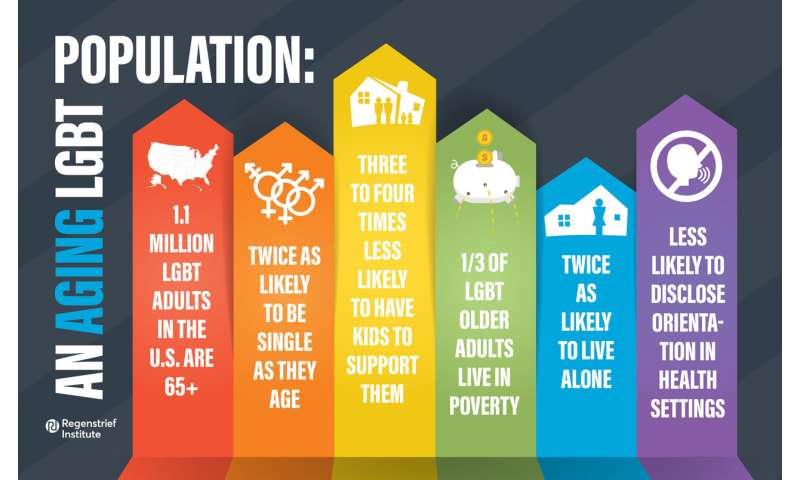
After encountering significant prejudice throughout their lives, LGBT individuals are known to confront even more prejudice as they grow older, according to Dr. Torke. Compared to heterosexual individuals, LGBT individuals are twice as likely to be single as they age, twice as likely to live alone, three to four times less likely to have children to support them, and Dr. Torke notes that because of these factors, LGBT individuals have increased challenges in advance care planning.
One third of LGBT older adults live in poverty. Currently there are 1.1 million LGBT individuals in the United States who are 65 years of age and older. By 2030, it is estimated that this population will grow to 7 million. Because of social stigma, older LGBT individuals are known to refrain from disclosing their sexual orientation or going back in the closet as they age according to Dr. Torke. She notes that healthcare providers often operate without clear guidance on how to interact with LGBT individuals about care decisions and practices based on heteronormative assumptions.
The inclusion of same-sex partners in decision making and treatment planning has been shown repeatedly to be a priority for LGBT patients facing life-limiting illness.
In this newly funded study, Dr. Torke and colleagues from Regenstrief Institute, IU School of Medicine and Carey Candrian, Ph.D. from the University of Colorado Denver will explore the emotional, spiritual and religious experiences of both LGBT Alzheimer's disease patients and their caregivers. Caregivers, who may be partners or spouses, children, other relatives or friends, will be interviewed and surveyed.
The researchers will explore the impact of communication quality on decision making quality and surrogate well-being, including post-traumatic stress. They will also examine religious and spiritual dimensions of surrogates and the extent to which they impact medical decision making as well as the actual care received by the LGBT individual with Alzheimer's disease. The findings will inform the development of innovative aids to improve both the quality of medical care for incapacitated patients and the well-being of the decision makers.

Provided by Regenstrief Institute