Thursday, March 11, 2021


A trio that could spell trouble: Many with dementia take risky combinations of medicines
DEMENTIA
Credit: CC0 Public Domain

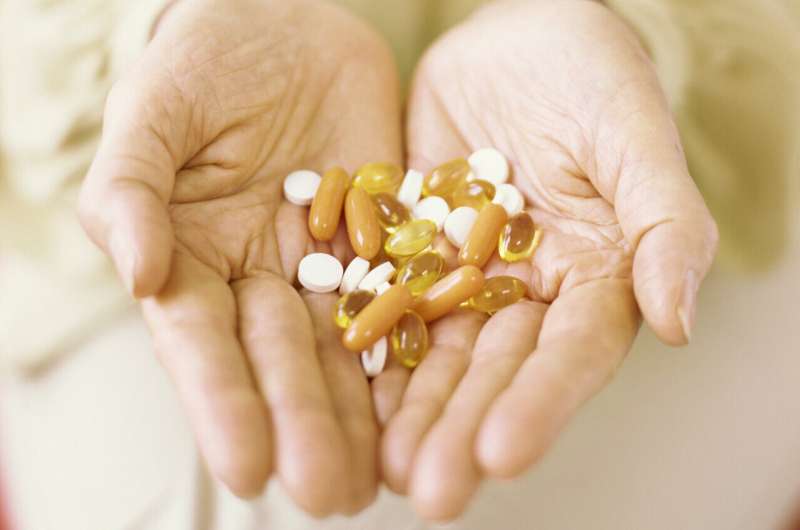
People over 65 shouldn't take three or more medicines that act on their brain and nervous system, experts strongly warn, because the drugs can interact and raise the risk of everything from falls to overdoses to memory issues.

11 mar 2021--But a new study finds that 1 in 7 people with dementia who live outside nursing homes are taking at least three of these drugs.

Even if they received the drugs to calm some of dementia's more troubling behavioral issues, the researchers say, taking them in combination could accelerate their loss of memory and thinking ability, and raise their chance of injury and death.

The new study is published in JAMA by a team led by a University of Michigan geriatric psychiatrist who has studied the issue of medication for dementia-related behaviors for years.

It's based on data from 1.2 million people with dementia covered by Medicare and focuses on medications such as antidepressants, sedatives used as sleep medications, opioid painkillers, antipsychotics, and anti-seizure medications.

More than 831,000 of the entire study population received at least one of the medications at least once during the study period in 2018. More than 535,000 of them—nearly half of all the people with dementia in the study—took one or two of them for more than a month.

But the researchers focused on the 13.9% of the study population who took three or more drugs that act on the central nervous system, and took them for more than a month. They dubbed this "CNS-active polypharmacy."

That level of use goes beyond the limits recommended by the internationally accepted guidelines called the Beers criteria.

Key message for patients, caregivers and providers

The federal government has long targeted use of these medications in nursing homes, but not in people who live at home or in less-regulated settings like assisted living facilities.

"Dementia comes with lots of behavioral issues, from changes in sleep and depression to apathy and withdrawal, and providers, patients and caregivers may naturally seek to address these through medications," says Donovan Maust, M.D., M.S., the lead author of the study and an associate professor of psychiatry at Michigan Medicine, U-M's academic medical center.

"But the evidence supporting the use of many of them in people with dementia is pretty thin," he says, "while there is a lot of evidence about the risks, especially when there are multiple medications layered on top of one another."

Maust and his colleagues suggest that regular prescription drug reviews could help spot risky combinations, especially ones of three or more drugs that act on the brain and nervous system. Medicare covers such appointments with providers or pharmacists.

"It appears that we have a lot of people on a lot of medications without a very good reason," he says.

Classes of drugs studied

Antipsychotics have received the most attention for their risk to people with dementia, and 47% of those taking three or more of the medications in the study received at least one antipsychotic, most often Seroquel (quetiapine).

Even though such antipsychotics aren't approved for people with dementia, they're often prescribed to such patients for agitation and sleep issues, and more, Maust notes.

But two other classes of drugs were even more commonly prescribed to patients in the CNS polypharmacy group. Nearly all (92%) of those on three or more of the medications were taking an antidepressant, and 62% were taking an anti-seizure medication.

One drug in that last class, gabapentin, accounted for one-third of all the days of prescription supply that the patients in the study received during the study period.

While gabapentin is approved to treat epilepsy, few of these older adults had a seizure disorder. The vast majority of prescriptions were probably for other reasons because it is commonly prescribed off-label as a pain medication or to help with anxiety, Maust explains.

Another 41% of the people in the three-or-more medication group were taking a benzodiazepine, such as lorazepam (Ativan), often used for anxiety or agitation in people with dementia.

Maust's past work on benzodiazepine prescribing in older adults focused on long-term use, variation by geographic region, and the effects of national efforts to reduce the use of such drugs because of their risks.

New approaches needed

Maust says that providers and caregivers have the right motivation for trying to address dementia-related behaviors through medication: to reduce distress in the patients, and sometimes also in the caregivers.

Often the long-term goal is to make it possible for the person with dementia to avoid having to move to a long-term care facility. The high death toll of people with dementia in such facilities during the COVID-19 pandemic may increase that motivation, he notes.

And the lack of information for clinicians on the use of these drugs in dementia makes every prescription a judgment call.

But it's important to know that prescribing a medication combination that might be safe in younger people can be dangerous in older ones. Those with reduced cognitive abilities may be especially sensitive to potential risks. The changes in brain chemistry and response to medication that come with age and with dementia alter the reaction to these  combinations.

For instance, opioid pain medications already come with a black-box warning against combining them with other drugs that affect the central nervous system, for any user. But these combinations can be especially risky in older adults. Yet 32% of the people in the study group were taking an opioid, most often hydrocodone.

Even as people with dementia receive drugs that act on their central nervous system for behavioral reasons, those same drugs may hasten their cognitive decline. For instance, a clinical trial of the antidepressant citalopram (Celexa) as a way to treat dementia-related agitation showed that in just nine weeks, participants lost a measurable portion of their cognitive ability.

"It's important for family members and providers to communicate often about what symptoms are happening, and what might be done with non-medication interventions such as physical therapy or sleep hygiene, as well as medications, to address them," Maust says. "Talk about what medications the patient is on, why they're on each one, and whether it might be worthwhile to try tapering some of them because the symptom that prompted the prescription originally might have waned over time."

In some cases, the medications may even be prescribed in response to the distress that a caregiver feels when seeing their loved one behave in a certain way. Connecting caregivers with resources through nonprofit organizations, or their local Area Agency on Aging, could help them support their loved ones better.

The researchers are now looking at which providers prescribed each of the medications to the patients taking three or more of the medications, to look for patterns and opportunities to educate providers or put systems in place after hospitalizations or other events.

More information: JAMA (2021). DOI: 10.1001/jama.2021.1195
Journal information: Journal of the American Medical Association 


Happiness of centenarians a severely neglected area of research

old birthday
Credit: Unsplash/CC0 Public Domain

A systematic review by researchers at the Centre for Healthy Brain Aging (CHeBA), UNSW Sydney has highlighted the need for clearer definitions of 'happiness', 'life satisfaction' and 'positive affect' in centenarians. This is the first systematic review to summarize the literature on the subjective wellbeing of this unique age group.

11 mar 2021--The review, published in Aging & Mental Health, identified 18 studies that followed patients from several weeks to 18 years and looked at subjective wellbeing, comprising a cognitive component and an affective component.

The cognitive component is represented as 'life satisfaction' and the affective or mood component defined in relation to a person's immediate emotional state.

"Rapid population aging is an issue faced by many countries, with near centenarian and centenarian populations also increasing rapidly—with an expected global rise from 441,000 in 2013 to about 20 million in 2100," says co-author and Co-Director of CHeBA, Professor Henry Brodaty.

"Despite this rapid growth, centenarians remain an underrepresented group in aging research," says Professor Brodaty.

Professor Brodaty says that although interest in subjective wellbeing and its relationship with exceptional longevity is increasing, the happiness of centenarians remains a severely neglected area of research which needs to be addressed.

Lead author Adrian Cheng says research into the happiness of centenarians is important because examination of subjective wellbeing in this unique group can reveal factors associated with good psychological health.

According to Mr Cheng, the review revealed that while centenarians consistently have similar levels of happiness as younger age groups, it was unclear if this was the same for their life satisfaction and positive affect, which comprises positive emotions, enthusiasm and joy.

Demographic variables such as sex, living situation and ethnicity did not show any significant association with life satisfaction, positive affect or happiness.

"Perceived health—which is the perception of our own health—was consistently associated with higher levels of life satisfaction and positive affect," said Mr Cheng. "Therefore, having a positive view about our own health, or possibly simply having better health, as we age is important as part of the aging process."

"In contrast, fatigue and visual impairment were clearly associated with lower levels of life satisfaction and positive affect," says Mr Cheng.

"These may be targets for future interventions to improve life satisfaction in older populations.

Mr Cheng says an international consortium of centenarian studies could facilitate cross-cultural comparisons on subjective wellbeing.

"Future research should be directed towards interventions that promote subjective wellbeing in the oldest old," says Mr Cheng.


More information: Adrian Cheng et al. A systematic review of the associations, mediators and moderators of life satisfaction, positive affect and happiness in near-centenarians and centenarians, Aging & Mental Health (2021). DOI: 10.1080/13607863.2021.1891197
Provided by CHeBA


Sesaminol prevents Parkinson's disease by activating a signaling pathway

Sesaminol: Parkinson's disease's surprise medicine
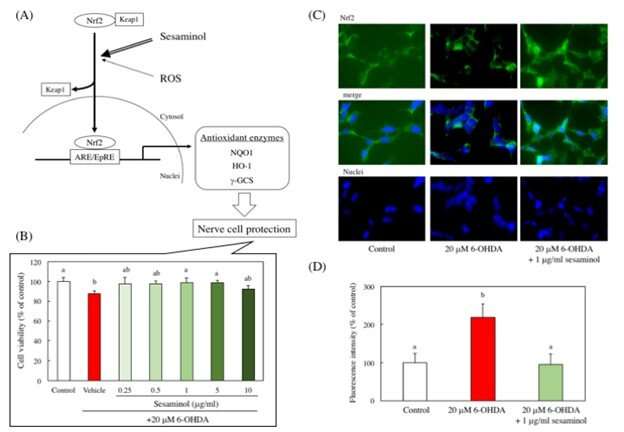
(A) The neuroprotection by sesaminol. ARE: antioxidant response element, EpRE: electrophile responsive element, ROS: reactive oxygen species, NQO1: NAD(P)H: quinone oxidoreductase, HO-1: hemo oxygenase-1, ?-GCS:??-glutamylcysteine synthetase(B) Effects of sesaminol and 6-OHDA on the viability of SH-SY5Y cells.SH-SY5Y cells were incubated with 0.25~10 ?g/ml of sesaminol for 2 h, followed by treatment with 20 ?M 6-OHDA for 24 h. The cell viability was measured using the MTT assay. The results represent the means ± SD of 6 experiments. Values without a common letter are significantly different (p<0.01).(C) Effects of 6-OHDA and sesaminol on nuclear translocation of Nrf2.SH-SY5Y cells were incubated with 1 ?g/ml of sesaminol for 2 h, followed by treatment with 20 ?M 6-OHDA for 3 h. Intracellular Nrf2 was stained using primary and secondary antibodies and nuclei were stained using DAPI.(D) Effects of 6-OHDA and sesaminol on intracellular ROS levels.SH-SY5Y cells were incubated with 1 ?g/ml of sesaminol for 2 h, followed by treatment with 20 ?M 6-OHDA for 6 h. Intracellular ROS levels were measured using DCFH-DA. The fluorescence intensity of intracellular ROS. The results represent the means ± SD of 10 cells. Values without a common letter are significantly different (p<0.05). Credit: Akiko Kojima-Yuasa

Researchers report that the chemical sesaminol, naturally occurring in sesame seeds, protects against Parkinson's disease by preventing neuronal damage that decreases the production of dopamine. In vitro experiments show sesaminol handles oxidative stress in cells by regulating the production of reactive oxygen species and the movement of antioxidants. In vivo experiments reveal that dietary intake of sesaminol increases production of dopamine and significantly improves motor function in mice.

11 março 2021--Sesame seed oil, used by many for its nutty aroma and high burn point, is made by extracting the fatty oils from sesame seeds, with the empty shells thrown out as waste. In a literal instantiation of the age-old adage "one man's trash is another man's treasure," researchers discovered that a chemical called sesaminol, abundant in this waste, has protective effects against Parkinson's disease.


"Currently, there is no preventive medicine for Parkinson's disease," states OCU Associate Professor Akiko Kojima-Yuasa, "We only have coping treatments." Associate Professor Kojima-Yuasa led her research group through a series of experiments to understand the effects of sesaminol on in vitro and in vivo Parkinson's disease models.

Parkinson's disease is caused when certain neurons in the brain involved with movement break down or die due in part to a situation called oxidative stress—neurons in the brain come under extreme pressure from an imbalance between antioxidants and reactive oxygen species (ROS). In cell-based in vitro experiments, the team found that sesaminol protected against neuronal damage by promoting the translocation of Nrf2, a protein involved in the response to oxidative stress, and by reducing the production of intracellular ROS.

In vivo experiments brought Associate Professor Kojima-Yuasa's team equally promising results. The impairment of movement due to Parkinson's disease is the result of damaged neurons producing less dopamine than is required. The team showed that mice with Parkinson's disease models show this lack of dopamine production. However, after feeding the mice a diet containing sesaminol for 36 days, the research team saw an increase in dopamine levels. Alongside this, a rotarod performance test revealed a significant increase in motor performance and intestinal motor function.

With the first-ever medicine for Parkinson's disease potentially being the naturally occurring food ingredient sesaminol, naturally occurring waste of the sesame seed industry, Associate Professor Kojima-Yuasa and her team are ready to take their work to the clinical trial phase and connect the consumption/production chain in a way that, as she puts it, "prevents diseases with natural foods to greatly promote societal health."


More information: Haruka Kaji et al, Sesaminol prevents Parkinson's disease by activating the Nrf2-ARE signaling pathway, Heliyon (2020). DOI: 10.1016/j.heliyon.2020.e05342
Provided by Osaka City University

Tuesday, March 02, 2021


One in 10 people who inject drugs used the antipsychotic medicine Seroquel for nonmedical purposes

injection
Credit: CC0 Public Domain

Among 7,000 people who injected drugs (PWID) in Australia between 2011-2018, approximately one in 10 used the antipsychotic medicine quetiapine for non-medical purposes (i.e. in a way that was not prescribed), a study by researchers from the National Drug and Alcohol Research Centre (NDARC) at UNSW Sydney, has found.

02 mar 2021--Quetiapine, often referred to by its originator brand, Seroquel, is a second-generation antipsychotic medicine used for the treatment of a range of psychotic disorders, including schizophrenia and bipolar disorder. However, low doses are also often used off-label for sleep and to manage anxiety.

The report, led by Dr. Rachel Sutherland, found that national rates of non-medical quetiapine use declined slightly over time, from 15% in 2011 to 12% in 2018.

"This seems to have been largely driven by a decrease in Victoria, where non-medical quetiapine use reduced from 30% in 2011 to 15.3% in 2018," said Dr. Sutherland.

Despite the national decline in use over time, the report found that past six-month use of benzodiazepines and stimulants were independently associated with non-medical quetiapine use in both 2011 and 2018.

"These findings are largely consistent with international studies that show benzodiazepines and stimulants are commonly co-ingested with quetiapine," said Dr. Sutherland.

"Although the exact motivations for PWID to use quetiapine non-medically remains uncertain, it seems plausible that quetiapine, as well as drugs like benzodiazepines, are being used to 'come down' from stimulants."

The report also highlights that engaging in polysubstance use is concerning because this has the potential to cause other drug-related harms.

"Overall, these findings highlight that we need to target harm-reduction interventions focused on polysubstance use to reduce potential risks in this group," said Dr. Sutherland.


More information: Rachel Sutherland et al. Trends and characteristics of extra-medical use of quetiapine among people who regularly inject drugs in Australia, 2011–2018, Drug and Alcohol Dependence (2021). DOI: 10.1016/j.drugalcdep.2021.108636
Journal information: Drug and Alcohol Dependence 


Sunday, February 28, 2021


Abnormal sodium levels in hospitalized patients with COVID-19 predict death or respiratory failure

Hospital
Credit: CC0 Public Domain

Hospitalized patients with COVID-19 and abnormal sodium levels in the blood have an increased risk of experiencing respiratory failure or dying, according to a study published in the Endocrine Society's Journal of Clinical Endocrinology & Metabolism.

28 feb 2021--"This study shows for the first time that patients presenting at the hospital with COVID-19 and low sodium are twice as likely to need intubation or other means of advanced breathing support as those with normal sodium," said lead investigator Ploutarchos Tzoulis, M.D., Ph.D., M.Sc., Honorary Associate Professor in Endocrinology at University College London (UCL) Medical School in London, U.K.

Additionally, the researchers found that patients who develop high sodium levels during the hospital stay were three times more likely to die than those who have normal sodium levels throughout hospitalization.

"Sodium measurements can inform doctors about which COVID-19 patients are at high risk of deterioration and death," Tzoulis said. "Sodium levels can guide decision making about whether a COVID-19 patient needs hospital admission or monitoring in the intensive care unit."

Sodium is routinely measured as part of bloodwork done for all patients coming to the hospital, and its measurement is inexpensive, Tzoulis noted. Sodium is an essential mineral and helps regulate fluid volume in the body and blood pressure.

The study was conducted in 488 adults with COVID-19 admitted to two London hospitals, UCL Hospital and Whittington Hospital, over an eight-week period last year. The 277 men and 211 women had a median age of 68 years. They had a median hospital stay of eight days.

Nearly 32 percent of COVID-19 patients with low sodium levels at admission needed a breathing tube and ventilator or oxygen through a face mask compared with only 17.5 percent of patients whose sodium values were normal, the investigators reported. Unlike excess sodium in the blood, low sodium levels had no association with an increased risk of dying in the hospital, Tzoulis said.

Among patients with high sodium levels at any time during their hospital stay, nearly 56 percent died versus about 21 percent of patients whose sodium remained normal, the data showed.

Doctors usually treat high sodium levels with intravenous fluids, and low sodium may require intravenous fluids, fluid restriction or medications. However, both conditions are often underestimated and undertreated, Tzoulis said.

Fluid losses due to diarrhea, vomiting, sweating, and not drinking enough water can lead to high sodium levels. Therefore, Tzoulis stressed the importance of avoiding dehydration during a hospital admission for COVID-19.

More information: Ploutarchos Tzoulis et al. Dysnatremia is a predictor for morbidity and mortality in hospitalized patients with COVID-19, The Journal of Clinical Endocrinology & Metabolism (2021). DOI: 10.1210/clinem/dgab107
Journal information: Journal of Clinical Endocrinology & Metabolism 


New machine learning tool facilitates analysis of health information, clinical forecasting

Clinical research requires that data be mined for insights. Machine learning, which develops algorithms to find patterns, has difficulty doing this with data related to health records because this type of information is neither static nor regularly collected. A new study developed a transparent and reproducible machine learning tool to facilitate analysis of health information. The tool can be used in clinical forecasting, which can predict trends as well as outcomes in individual patients.The study, by a researcher at Carnegie Mellon University (CMU), appears in Proceedings of Machine Learning Research.

28 feb 2021--"Temporal Learning Lite, or TL-Lite, is a visualization and forecasting tool to bridge the gap between clinical visualization and machine learning analysis," explains Jeremy Weiss, assistant professor of health informatics at CMU's Heinz College, who authored the study. "While the individual elements of this tool are well known, their integration into an interactive clinical research tool is new and useful for health professionals. With familiarization, users can conduct preliminary analyses in minutes."

Time is a key part of clinical data that are collected in health care delivery. For example, during discussions of patients on rounds, in which doctors visit hospital patients to determine how they are doing, medical staff use visual aids that depict measurements of progression and recovery. Since electronic health records have been widely adopted, significant advances have been made in visualizing clinical data as well as in clinical forecasting. Yet a gap remains between the two.

TL-Lite begins with visualizations of information from databases and ends with visual risk assessments of a temporal model. Along the way, users can see the effects of their design choices through visual summaries at the levels of individuals as well as groups. This allows users to understand their data more completely and adjust machine learning settings for their analysis.

To show how the tool can be used, Weiss demonstrated the model with three electronic health records pertaining to three health matters: predicting severe thrombocytopenia (having abnormally low levels of platelets in the blood) during stays in the intensive care unit (ICU) among patients with sepsis, predicting survival of patients admitted to the ICU one day after admission, and predicting microvascular complications of type 2 diabetes among patients with the illness.

"The central goal of TL-Lite is to facilitate well-specified and well-crafted predictive forecasting, and this visualization tool is meant to ease the process," says Weiss. "At the same time, organizing the clinical data stream into meaningful visualizations can be aided by introducing machine learning elements. These approaches are complementary, so leveraging the benefits of one where another hits roadblocks results in a better overall solution."


More information: Temporal Visualization and Learning for Clinical Forecasting. proceedings.mlr.press/v136/weiss20a.html
Provided by Carnegie Mellon University 

Wednesday, February 24, 2021


Increasing glutathione levels lowers Alzheimer's pathology and improves cognitive decline

alzheimer
Credit: Unsplash/CC0 Public Domain

Australian researchers have shown that a dietary supplement that increases the levels of a powerful antioxidant in the brain may represent a novel strategy for the treatment and/or prevention of cognitive impairment and debilitating neurodegenerative diseases such as Alzheimer's disease.

24 feb 2021--Findings of the study were recently published in Neurochemistry International.

A team of researchers from UNSW Sydney's Centre for Healthy Brain Ageing (CHeBA), and the School of Biotechnology and Biomolecular Sciences (BABS), has shown that dietary supplementation with glutathione precursor γ-glutamylcysteine (γ-GC), marketed as GlyteineTM, reduced oxidative stress, neuroinflammation and amyloid pathology in the brains of transgenic mice, a murine model to study Alzheimer's disease. The study also found significant cognitive improvements in the mice as determined using the Morris water maze, a test often used to test memory in mice.

The study identifies for the first time that γ-GC as a glutathione-elevating strategy in an Alzheimer's disease mouse model and is likely to have clinical relevance.

Lead author and Leader of CHeBA's Brain Ageing Research Laboratory, Dr. Nady Braidy, said: "Cellular depletion of glutathione has been linked to cognitive decline and the development of Alzheimer's pathology. Supplementation with γ-GC can transiently augment cellular glutathione levels by bypassing the regulation of glutathione homeostasis."


More information: Yue Liu et al. Supplementation with γ-glutamylcysteine (γ-GC) lessens oxidative stress, brain inflammation and amyloid pathology and improves spatial memory in a murine model of AD, Neurochemistry International (2020). DOI: 10.1016/j.neuint.2020.104931
Provided by CHeBA


Older people often incorrectly assume medicines don't have potential side effects

Older people often incorrectly assume medicines don’t have potential side effects
The findings suggest that physicians should spend more time explaining medication side effects to ensure their older patients are fully informed. Credit: University of California, Los Angeles

Older people correctly ascertained basic information such as dosage and duration of use for more than 70% of the medications they were prescribed, regardless of whether their physician explained it during an office visit. But when physicians failed to verbally provide information about potential side effects, people incorrectly assumed that about 55% of their prescribed medications had none. And even when physicians did discuss possible side effects, their patients incorrectly assumed there were no side effects for 22% of the medications.

24 feb 2021--There is a shortage of data about how well people understand basic information about the medications they are prescribed. This information is important for ensuring that people take their medications safely and properly and adhere to medication regimens.

The researchers examined data from 2009 and 2010 for 81 people age 50 and older who were subjects in a previous study aimed at improving how physicians communicate about newly prescribed medications.

The researchers note that more than half of the people in the study had high levels of health literacy and at least some college education. Also, people were allowed to refer to information that had been provided to them about the medications when they were responding to the survey. These factors may limit the applicability of the findings to the general population.

The findings suggest that although physicians might not need to spend much time conveying information on dosage, the number of pills in a prescription or how frequently medications must be taken, they should spend more time explaining side effects to ensure their older patients are fully informed.

Gaps in knowledge about side effects may put people, particularly older people, at risk for medication nonadherence. Patients may be less likely to take or continue taking medications if they discover the existence of potential adverse effects without having the opportunity to discuss those side effects with their physicians in a timely manner.


More information: Timothy Ho et al. Post-Visit Patient Understanding About Newly Prescribed Medications, Journal of General Internal Medicine (2021). DOI: 10.1007/s11606-020-06540-4
Provided by University of California, Los Angeles 


Communal activities boost rehabilitation for older adults in long term care

Communal activities boost rehabilitation for older adults in long term care
Participants cleaning and watering. Credit: Tohoku University

A group of researchers has developed a new program showing participation and activity is critical for the rehabilitation of older adults in long-term care.

24 feb 2021--The results of their research were published in the journal PLOS ONE on February 12, 2021.

"Our study shows participatory programs that encourage elderly patients to be active need greater emphasis in elderly care centers," said Yoshihiko Baba, lead author of the study.

In 2015, the Ministry of Health, Labour and Welfare of Japan launched a comprehensive plan to care for the country's aging population. Crucial to this was rehabilitation centered on promoting activities that elderly patients could actively take part in.

Baba, a former graduate student at the Department of Internal Medicine and Rehabilitation Science at Tohoku University Graduate School of Medicine, and his supervisor, professor Masahiro Kohzuki, developed a program that fostered participation in activities such as park cleaning, gardening, and shopping. The program was implemented at 13 small-scale multifunctional at-home care (SMAC) facilities in Adachi Ward, Tokyo and was called the Adachi Rehabilitation Program (ARP).

A round of ARP comprises four weekly sessions. In the first session, participants take a bus to buy cleaning tools and seeds. In the following three sessions, they spend one-hour cleaning and maintaining flower beds in a nearby park. Participants are also encouraged to go to the park outside of the sessions.

Communal activities boost rehabilitation for older adults in long term care
Participants get off a bus to purchase cleaning tools and seeds. Credit: Tohoku University

The Japanese long-term care insurance system designates the amount of care needed according to seven levels: those at level one require a minimal care, while those at level seven require chronic care. ARP focused on those at the lower end of the spectrum.

Baba and his team conducted a controlled study for three courses (12 weeks) of ARP at the SMAC facilities.

Communal activities boost rehabilitation for older adults in long term care
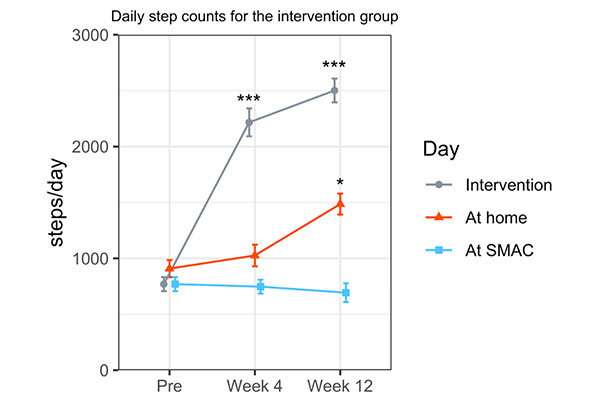
The daily step counts for participants. Credit: Tohoku University

As expected, step counts increased on days participants ventured out to parks and shopping centers. However, the research team also discovered that participation in ARP increased participants' step count even on days where there were no sessions.

ARP may have led to a behavioral change in which those under-long term care became more motivated to go out," added Baba. "Ultimately, community rehabilitation in long-term care insurance services can improve the physical activity of older adults."


More information: Yoshihiko Baba et al. Effects of Adachi Rehabilitation Programme on older adults under long-term care: A multi-centre controlled trial, PLOS ONE (2021). DOI: 10.1371/journal.pone.0245646
Provided by Tohoku University 


Researcher offers lessons learned from a pre-pandemic study of telemedicine use

nursing home
Credit: Pixabay/CC0 Public Domain

With the onset of the COVID-19 pandemic, telemedicine has become a new norm for many routine and non-emergency medical needs. But there are lessons to be learned from telemedicine's use—or lack thereof—prior to the pandemic, and a new study from a UConn School of Social Work researcher offers insight for policymakers, administrators, and public health officials when considering the implementation of new services.

24 feb 2021--A qualitative researcher, lead author and licensed clinical social worker Kelsi Carolan was brought into the study—which was conducted in 2017 and 2018 and was recently published in the Journal of Medical Internet Research—to examine the adoption of a telemedicine program in a California independent senior living community.

"Initially, the study was purely looking at stats, seeing what the effects of this intervention would be, if any, on the unnecessary use of emergency transport—residents being transferred to the emergency department," Carolan says. "What my co-authors were seeing in the numbers was that it wasn't having much of an effect. The intervention didn't seem to be working."

Despite the fact that the program was being offered at no cost to residents, and despite a push from the community's administration to utilize the program for cases that were not medically urgent, telemedicine wasn't actually reducing the number of emergency room visits amongst residents in the community. The intervention uptake was low, and the researchers wanted to better understand why.

Carolan and her co-authors conducted separate focus groups with frontline, emergency-trained staff members and with residents from the community. The residents included both individuals who had previously used the telemedicine option as well as those who had not. Overall, the residents expressed a desire to avoid emergency room visits as much as possible—they disliked the long wait times, financial costs, and potential health risks of visiting the emergency room.

Some residents said the telemedicine option had helped avoid an unnecessary trip, while another said that their telemedicine experience actually reinforced the need to go to the emergency room despite the resident's initial hesitancy—an unexpected benefit that helped diagnose a serious heart condition and ultimately led to important treatment.

The perceptions and experiences of the residents, however, were often in direct contradiction to the opinions of the community's frontline staff, who reported in their focus groups that residents were reluctant to use the telemedicine option and did not directly request it. The staff felt that telemedicine ultimately just delayed an otherwise inevitable trip to the emergency room, seeing it as an obstacle to providing care to the community's residents and not a valuable tool.

"Staff were saying it's not appropriate for emergency care, and most folks need to go to the emergency room," says Carolan, who has previously conducted qualitative research looking at a community paramedicine intervention. "It really made me think about my previous work and how much of a culture shift it is to ask emergency-trained responders, like EMTs and paramedics, to start to think about preventing emergency transport. Especially EMTs, because it's just not what they're trained to do. It's really asking a profession to change its whole culture and training."

The researchers ultimately concluded that a key barrier to the telemedicine program's successful implementation was this resistance from staff, though Carolan says the COVID-19 pandemic may well have helped to change those cultural perspectives within the profession.

"I have faith that people who go into emergency care careers, like EMTs—they really want to help people," she says. "There's room for change if there is increased recognition among these frontline providers that sending people to the emergency room unnecessarily is not actually helping them and may actually cause harm. There might be a broader and more mainstream understanding now of the risks, at least related to COVID, of going into the emergency room when it's not necessary."

Carolan says that, in addition to not measuring the potential impact of the pandemic on attitudes, the study's sample was limited to the voluntary participation of residents at only one independent senior living community, and that the community's residents were of higher socioeconomic status, which may have meant they had access to additional resources that rendered telemedicine less appealing.

But she says that, as a clinician, there's a lot for practitioners—and policymakers—to learn from the study.

"One of the things about the study that I find really interesting is that it really highlights how there can be such a discrepancy sometimes between the preferences of the people that we're serving as providers and what the providers, in this case the EMT staff, believe is best," she says. "In addition, we really have to think carefully when we're trying to introduce these kinds of interventions—which is not even really specific to telemedicine -about the people who are on the ground actually trying to provide them. It's one thing for me to come in, as a researcher, or for these big intervention or demonstration projects to be put in place, but if the people on the ground who are actually in charge of delivering the intervention don't feel it is valuable or a good use of their time, then the whole thing may be destined to fail. For me, that encourages caution."

She says the study also highlights the importance of qualitative research in providing a more complete look at the effectiveness of policies and interventions.

"If we just looked at the quantitative data, the stats of the study, we would not really understand the full picture; we would just know that the telemedicine intervention wasn't really successful," Carolan says. "That's what it looks like with just the numbers. And I think what the study actually highlights is that it wasn't the full picture—the lack of uptake was related to the lack of provider buy-in."

She continues, "Often when people think about qualitative research, the thought is that it's not necessarily as relevant to policymaking as quantitative data because they think, 'Well, it's not representative. We can't extrapolate about the whole population from it.' But sometimes you're really losing an important part of the story when you aren't actually talking directly to people about what's going on."


More information: Kelsi Carolan et al, Use of Telemedicine for Emergency Triage in an Independent Senior Living Community: Mixed Methods Study, Journal of Medical Internet Research (2020). DOI: 10.2196/23014
Journal information: Journal of Medical Internet Research 


Study demonstrates the effectiveness of raloxifene in treating inflammatory processes associated with COVID-19

SARS-COV-2 , COVID-19
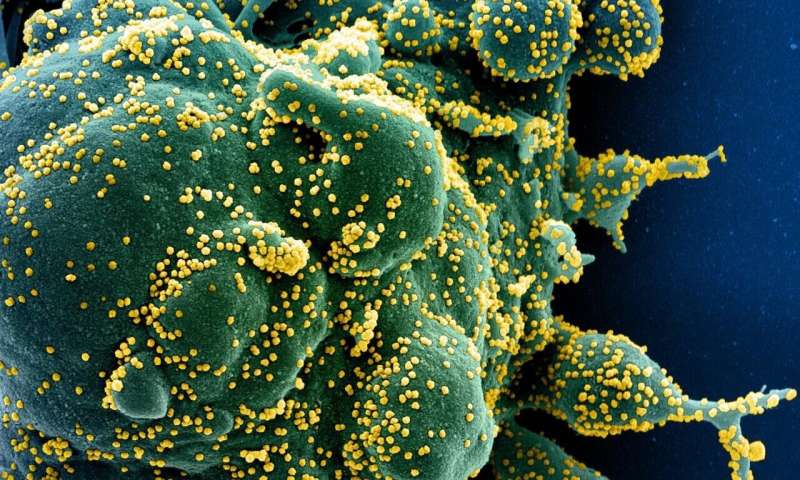
Colorized scanning electron micrograph of an apoptotic cell (green) heavily infected with SARS-COV-2 virus particles (yellow), isolated from a patient sample. Image captured at the NIAID Integrated Research Facility (IRF) in Fort Detrick, Maryland. Credit: NIH/NIAID

Researchers from the UPC's Molecular Biotechnology Centre show that a drug for osteoporosis called raloxifene may inhibit molecules involved in the inflammatory processes associated with COVID-19.

24 feb 2021--About 20% of COVID-19 patients have a severe clinical picture and require intensive care. These patients develop varying degrees of pneumonia that may evolve to more severe stages and cause organ dysfunction. Patients with severe symptoms exhibit elevated levels of proinflammatory molecules, a reaction known as cytokine storm. Recently, scientists have found that an inflammatory mediator known as bradykinin may trigger this inflammatory process that is observed in patients with severe COVID-19and that can be deadly.

In the fight against the disease, researchers are turning to drug repurposing to quickly provide a therapy by using already existing drugs. In this context, the researchers Juan Jesús Pérez and Patricia Gómez-Gutiérrez, from the Molecular Biotechnology Centre and linked to the Department of Chemical Engineering of the Universitat Politècnica de Catalunya · BarcelonaTech (UPC), have been looking for drugs to prevent bradykinin signaling. Using virtual drug screening, they have discovered that raloxifene, a drug used for osteoporosis and certain types of breast cancer, can act as a bradykinin inhibitor.

The study was conducted using computer-aided molecular design. The principal investigator, Juan Jesús Pérez, a professor at the Barcelona School of Industrial Engineering (ETSEIB), says, "We have performed drug screening using computer-aided drug design methods. After identifying the compound in silico, we sent a sample to an external laboratory for its in vitro characterisation, which corroborated its new pharmacological profile, and raloxifene has been shown to act as a partial agonist of bradykinin."

The conclusions of this research are set out in the article Discovery of a bradykinin B2 partial agonist profile of raloxifene in a drug repurposing campaign, which was published in the scientific journal International Journal of Molecular Sciences.

The increased availability of bradykinin in severe COVID-19 patients could be the trigger for cytokine storm. This hypothesis relies on the downregulation of angiotensin converting enzyme 2 (ACE2), the gateway for SARS-Cov-2 into cells, in such patients. This new perspective suggests that inhibition of bradykinin signaling may be a suitable therapy to prevent cytokine storm and its consequences.

Currently, icatibant is the only bradykinin antagonist approved as a therapeutic agent for the treatment of hereditary angioedema and it is now undergoing a clinical trial to assess its benefits for the treatment of COVID-19 patients. In fact, preliminary results from a limited study suggest that inhibition of bradykinin signaling is associated with decreased oxygen requirements in COVID-19 patients.

Raloxifene undergoing clinical trial as an antiviral agent

The result of the study by UPC researchers supports other studies suggesting the suitability of raloxifene in COVID-19 patients, based on its capacity to inhibit another inflammation signaling pathway, and also for being a prospective antiviral agent against severe acute respiratory syndrome coronavirus 2 (SARS-CoV-2).

In the framework of a European project, the Exscalate4CoV consortium of supercomputing centers, including the Barcelona Supercomputing Center–Centro Nacional de Supercomputación (BSC-CNS), identified raloxifene, aimed at another therapeutic target, as an antiviral agent against SARS-CoV-2 in June 2020, also by using virtual screening techniques. Clinical trials are now underway in Italy to test its effectiveness in patients with mild symptoms.

Juan Jesús Pérez says, "The good results of the lines of research on raloxifene suggest that it is a good candidate drug against COVID-19."The researcher explains that "drug repurposing has long been used to discover new therapeutic uses for existing drugs, because it increases the chances that the compound can be used. In addition, clinical trials will not take as long as for a new drug, because its toxicity has already been tested."


More information: Patricia Gomez-Gutierrez et al. Discovery of a Bradykinin B2 Partial Agonist Profile of Raloxifene in a Drug Repurposing Campaign, International Journal of Molecular Sciences (2020). DOI: 10.3390/ijms22010257
Provided by Universitat Politècnica de Catalunya · BarcelonaTech (UPC)

Sunday, February 21, 2021


Machine learning can help doctors diagnose Parkinson's disease by looking at patients' movements

Parkinson's disease
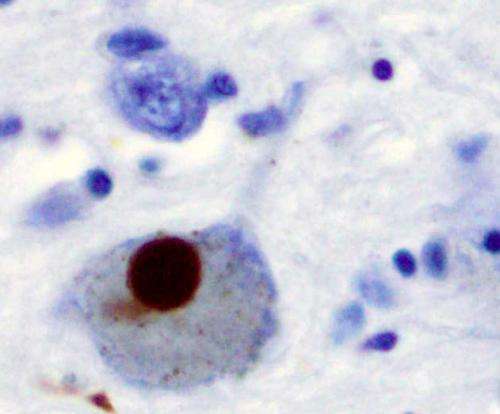
Immunohistochemistry for alpha-synuclein showing positive staining (brown) of an intraneural Lewy-body in the Substantia nigra in Parkinson's disease. Credit: Wikipedia

Scientists from Skoltech and A.I. Burnazyan Federal Medical and Biophysical Center have designed and developed a second opinion system based on AI-assisted video analysis that can help medical professionals to objectively assess patients with Parkinson's disease (PD), even at an early stage. This approach can help avoid misdiagnosing this disease, distinguishing between its stages, adjusting therapy and recommending diagnosed patients for deep brain stimulation surgery. The paper was published in IEEE Sensors Journal.

21 feb 2021--A growing number of people with neurodegenerative diseases, due to population aging, will mean that in the coming decades, humanity might face a bona fide Parkinson's disease pandemic. PD, currently the fastest growing neurodegenerative disease, affects the patients' quality of life quite severely and needs to be diagnosed as accurately and as early as possible. The challenge there is to distinguish between Parkinson's and other diseases with similar motor symptoms, for instance, essential tremor. So far, PD has no single biomarker that could be used to diagnose it consistently, and doctors have to rely on their observations, which often lead to wrong diagnoses revealed in pathological examinations.

Assistant Professor Andrey Somov and his colleagues built a so-called second opinion system that uses machine-learning algorithms to analyze video recordings of patients performing specific motor tasks. In a small pilot study, this system showed a very high level of performance in detecting potential cases of PD and distinguishing it from essential tremor.

The system uses video recordings, making the diagnostic process fast, unobtrusive and comfortable for the patients. The team designed a set of 15 common exercises such as walking, sitting down on chair, standing up, folding a towel, filling a glass with water, and touching one's nose with one's index finger. These were general and finer movements, no movement at all (to assess tremor at rest) and some activities that clinicians use to evaluate the tremor.

"The exercises were designed under the supervision of neurologists and came from several different sources, including scales that are used for monitoring Parkinson's disease and previous research done in this area. Each exercise had a target symptom that it could reveal," Ekaterina Kovalenko, Skoltech Ph.D. student and a coauthor of the paper, explained.

In the pilot study, 83 patients with or without neurodegenerative diseases were recorded performing these tasks. The videos were then processed using a piece of software that places keypoints onto the human body corresponding to joints and other parts of the body, creating simplified models of moving subjects. Those were analyzed using machine learning techniques.

The team says that the use of video and machine learning introduces a certain degree of objectiveness into the diagnostic process, allowing researchers and doctors to detect very specific features of the disease and its stages which are not visible to the naked eye.

"Our preliminary results show potential in improving diagnosis with the help of video analysis. Our goal is to provide a second opinion for doctors and clinicians, not to replace them. A video-based method perhaps is the most convenient for patients, as it is the most versatile and noninvasive when compared to various sensors and testing," the authors write in their paper.

"Machine learning and computer vision methods we used in this research are already well established in a number of medical applications; they can be trusted, and the diagnostic exercises for Parkinson's disease have been in development by neurologists for some time. What is truly new about this study is our quantitative ranking of these exercises according to their contribution to a precise and specific final diagnosis. This could only be achieved in collaboration between doctors, mathematicians and engineers," Dmitry Dylov, Skoltech Associate Professor and coauthor of the study, said.

In earlier studies, Somov's team also used wearable sensors in a similar feasibility study that helped them detect the most informative exercises for machine learning-assisted diagnosis of Parkinson's.

"As part of the research process, we had the opportunity to closely interact with doctors and medical personnel, who shared their ideas and experience. It was fascinating observing how two seemingly different disciplines came together to help people. We also had the opportunity to monitor all parts of the research, from designing the methodology to data analysis and machine learning," Kovalenko said.

"This collaboration between doctors and scientists in data analysis allows for many important clinical nuances and details that help achieve the best results. We as doctors see great potential in this; apart from differential diagnosis, we need objective tools to assess motor fluctuation in patients with PD. These tools can provide a more personalized approach to therapy and help make decisions on neurosurgical interventions as well as assess the outcomes of surgery later," neurologist Ekaterina Bril, a coauthor of the paper, noted.

Andrey Somov said the team's next goal is to combine video analysis and sensor data in the task of detecting PD and diagnosing its stages—they expect that this will improve accuracy. "We also keep in mind the innovation aspects of our work—our team agrees that it does make sense to consider converting our research results into an intuitive software product. We believe our joint research efforts will have a positive effect for the patients with PD," he added.

More information: Ekaterina Kovalenko et al. Distinguishing Between Parkinson's Disease and Essential Tremor Through Video Analytics Using Machine Learning: a Pilot Study, IEEE Sensors Journal (2020). DOI: 10.1109/JSEN.2020.3035240
Provided by Skolkovo Institute of Science and Technology 


COVID-19 telemonitoring program helps reduce hospital admissions and ER visits

patient
Credit: Unsplash/CC0 Public Domain

The rapid upscaling of a telemonitoring program in which health care providers performed daily telemedicine check-ins on COVID-19 patients faced a unique set of challenges. How these were resolved, and early outcomes, are reported in the peer-reviewed journal Telemedicine and e-Health.

21 feb 2021--"Kaiser Permanente's Virtual Home Care Program (VHCP) was able to rapidly establish a telemedicine-based program for the management of COVID-19 positive patients in the DC and Baltimore Metro regions. Preliminary data suggest that such a program may be effective in keeping patients out of the hospital and/or emergency room," stated James Shaw, MD, Med-Atlantic Permanente Medical Group, and coauthors.

The researchers described three main challenges. The constant flow of providers into and out of the program. Challenges in the management of Spanish-speaking patients and the need for translators. The initial lack of an alert system in the pulse oximetry program to alert patients and providers when a patient registered a low oxygen reading.

"The COVID-19 pandemic has provided an opportunity for telemedicine and telehealth to grow exponentially. Kaiser's work in the DC Metro area is a testament to providers developing and implementing new ways in rapid fashion in order to maximize health care delivery," says Charles R. Doarn, MBA, Editor-in-Chief of the Journal and Research Professor and Director of the Master of Public Health Program, Department of Environmental and Public Health Sciences, University of Cincinnati, Ohio.


More information: James G. Shaw et al, A Novel Large Scale Integrated Telemonitoring Program for COVID-19, Telemedicine and e-Health (2021). DOI: 10.1089/tmj.2020.0384
Provided by Mary Ann Liebert, Inc