Tuesday, January 17, 2023


ACP recommends bisphosphonates for initial treatment for osteoporosis in males and postmenopausal females


The American College of Physicians (ACP) has issued an update of its guideline with clinical recommendations for treatments of primary osteoporosis and low bone mass in adults. In the new guideline, ACP recommends bisphosphonates as initial pharmacologic treatment to reduce the risk of fractures in males and postmenopausal females diagnosed with primary osteoporosis. The full guideline is published in Annals of Internal Medicine.

17 jan 2023--Osteoporosis is a systemic skeletal disease characterized by decreasing bone mass and deterioration of bone tissue that leads to an increased risk for bone fragility and fracture, especially in the hip, spine, and wrist. Overall, an estimated 10.2 million people aged 50 and older in the United States have osteoporosis and about 43.3 million people (> 40% of older US adults) have low bone mass associated with a high risk of progression to osteoporosis.

The guideline examines new evidence that has emerged on the efficacy of human parathyroid hormone-related peptides, sclerostin inhibitors, the comparative effectiveness of treatments, and treatments in males. In postmenopausal females and males with primary osteoporosis, bisphosphonates had the most favorable balance between benefits, harms, patient values and preferences, and cost among the drug classes that were evaluated. In addition to net clinical benefits, bisphosphonates are much cheaper than other pharmacologic treatments and are available in generic oral and injectable formulations.

Current evidence suggests that increasing the duration of bisphosphonate therapy longer than 3-5 years reduced the risk of new vertebral fractures but not the risk of other fractures. However, there is an increased risk of long-term harms. Therefore, clinicians should consider stopping bisphosphonates after five years of treatment unless there is a strong indication to continue treatment.

The guideline also suggests that clinicians use the RANK ligand inhibitor (denosumab) as a second-line pharmacologic treatment to reduce the risk of fractures in postmenopausal females and males diagnosed with primary osteoporosis who have contraindications to or experience adverse effects of bisphosphonates.

ACP suggests that clinicians use the sclerostin inhibitor (romosozumab) or recombinant PTH (teriparatide), followed by a bisphosphonate, to reduce the risk of fractures only in females with primary osteoporosis with very high risk of fracture.

The guideline is based on a systemic review and network meta-analysis conducted by the ACP Center for Evidence Reviews at the Portland Veteran Affairs Research Foundation. ACP's Clinical Guidelines Committee is planning to maintain this topic as a living guideline with literature surveillance and periodic updating of the systematic review and the clinical recommendations.

More information: Pharmacologic Treatment of Primary Osteoporosis or Low Bone Mass to Prevent Fractures in Adults: A Living Clinical Guideline From the American College of Physicians, Annals of Internal Medicine (2023). DOI: 10.7326/M22-1034

Chelsea Ayers et al, Effectiveness and Safety of Treatments to Prevent Fractures in People With Low Bone Mass or Primary Osteoporosis, Annals of Internal Medicine (2023). DOI: 10.7326/M22-0684

Susan M. Ott, Osteoporosis Treatment: Not Easy, Annals of Internal Medicine (2023). DOI: 10.7326/M22-3580


Good hydration linked to healthy aging


Adults who stay well-hydrated appear to be healthier, develop fewer chronic conditions, such as heart and lung disease, and live longer than those who may not get sufficient fluids, according to a National Institutes of Health study published in eBioMedicine.     Using health data gathered from 11,255 adults over a 30-year period, researchers analyzed links between serum sodium levels—which go up when fluid intake goes down—and various indicators of health. They found that adults with serum sodium levels at the higher end of a normal range were more likely to develop chronic conditions and show signs of advanced biological aging than those with serum sodium levels in the medium ranges. Adults with higher levels were also more likely to die at a younger age. 

17 jan 2023--"The results suggest that proper hydration may slow down aging and prolong a disease-free life," said Natalia Dmitrieva, Ph.D., a study author and researcher in the Laboratory of Cardiovascular Regenerative Medicine at the National Heart, Lung, and Blood Institute (NHLBI), part of NIH.  

The study expands on research the scientists published in March 2022, which found links between higher ranges of normal serum sodium levels and increased risks for heart failure. Both findings came from the Atherosclerosis Risk in Communities (ARIC) study, which includes sub-studies involving thousands of Black and white adults from throughout the United States. The first ARIC sub-study started in 1987 and has helped researchers better understand risk factors for heart disease, while shaping clinical guidelines for its treatment and prevention. 

  For this latest analysis, researchers assessed information study participants shared during five medical visits—the first two when they were in their 50s, and the last when they were between ages 70-90. To allow for a fair comparison between how hydration correlated with health outcomes, researchers excluded adults who had high levels of serum sodium at baseline check-ins or with underlying conditions, like obesity, that could affect serum sodium levels.   They then evaluated how serum sodium levels correlated with biological aging, which was assessed through 15 health markers. This included factors, such as systolic blood pressure, cholesterol, and blood sugar, which provided insight about how well each person's cardiovascular, respiratory, metabolic, renal, and immune system was functioning. They also adjusted for factors, like age, race, biological sex, smoking status, and hypertension.

They found that adults with higher levels of normal serum sodium—with normal ranges falling between 135-146 milliequivalents per liter (mEq/L)—were more likely to show signs of faster biological aging. This was based on indictors like metabolic and cardiovascular health, lung function, and inflammation. For example, adults with serum sodium levels above 142 mEq/L had a 10-15% associated increased odds of being biologically older than their chronological age compared to ranges between 137-142 mEq/L, while levels above 144 mEq/L correlated with a 50% increase. Likewise, levels of 144.5-146 mEq/L were associated with a 21% increased risk of premature death compared to ranges between 137-142 mEq/L.  Similarly, adults with serum sodium levels above 142 mEq/L had up to a 64% increased associated risk for developing chronic diseases like heart failure, stroke, atrial fibrillation and peripheral artery disease, as well as chronic lung disease, diabetes, and dementia. Conversely, adults with serum sodium levels between 138-140 mEq/L had the lowest risk of developing chronic disease.   The findings don't prove a causal effect, the researchers noted. Randomized, controlled trials are necessary to determine if optimal hydration can promote healthy aging, prevent disease, and lead to a longer life. However, the associations can still inform clinical practice and guide personal health behavior.  

"People whose serum sodium is 142 mEq/L or higher would benefit from evaluation of their fluid intake," Dmitrieva said. She noted that most people can safely increase their fluid intake to meet recommended levels, which can be done with water as well as other fluids, like juices, or vegetables and fruits with a high water content. The National Academies of Medicine, for example, suggest that most women consume around 6-9 cups (1.5-2.2 liters) of fluids daily and for men, 8-12 cups (2-3 liters). 

Others may need medical guidance due to underlying health conditions. "The goal is to ensure patients are taking in enough fluids, while assessing factors, like medications, that may lead to fluid loss," said Manfred Boehm, M.D., a study author and director of the Laboratory of Cardiovascular Regenerative Medicine. "Doctors may also need to defer to a patient's current treatment plan, such as limiting fluid intake for heart failure." The authors also cited research that finds about half of people worldwide don't meet recommendations for daily total water intake, which often starts at 6 cups (1.5 liters).  

"On the global level, this can have a big impact," Dmitrieva said. "Decreased body water content is the most common factor that increases serum sodium, which is why the results suggest that staying well hydrated may slow down the aging process and prevent or delay chronic disease."      This research was supported by the Division of Intramural Research at NHLBI. The ARIC study has been supported by research contracts from NHLBI, NIH, and the Department of Health and Human Services.          

More information: Natalia I. Dmitrieva et al, Middle-age high normal serum sodium as a risk factor for accelerated biological aging, chronic diseases, and premature mortality, eBioMedicine (2023). DOI: 10.1016/j.ebiom.2022.104404


Stranded dolphins' brains show common signs of Alzheimer's disease


The brains of three species of stranded dolphins show classic markers of human Alzheimer's disease, according to the most extensive study into dementia in odontocetes (toothed whales).

17 jan 2023--The new pan-Scotland research, a collaboration between the University of Glasgow, the Universities of St Andrews and Edinburgh and the Moredun Research Institute, studied the brains of 22 odontocetes which had all been stranded in Scottish coastal waters.

The study, which is published in the European Journal of Neuroscience, included five different species—Risso's dolphins, long-finned pilot whales, white-beaked dolphins, harbor porpoises and bottlenose dolphins—and found that four animals from different dolphin species had some of the brain changes associated with Alzheimer's disease in humans.

The findings may provide a possible answer to unexplained live-stranding events in some odontocete species. Study authors confirm the results could support the "sick-leader" theory, whereby an otherwise healthy pod of animals find themselves in dangerously shallow waters after following a group leader who may have become confused or lost.

Whales, dolphins and porpoises are regularly stranded around the coasts of the U.K. They are often found stranded in groups, or pods, in shallow waters and sometimes on beaches. While some animals can be moved to safer, deeper waters by teams of experts, other animals are less lucky and perish as a result. The underlying causes of live stranding events are not always clear, and research is ongoing to gain better insights.

For this study researchers examined stranded animals for the presence of the brain pathology that are part of the hallmarks of Alzheimer's disease, including the formation of amyloid-beta plaques, the accumulation of phospho-tau and gliosis (a change in cell numbers in response to central nervous system damage). The results reveal that the brains of all of the aged animals studied had amyloid-beta plaques.

Three animals in particular—each from a different odontocete species—had amyloid-beta plaques as well as a number of other dementia-related pathologies in their brains, showing that some odontocete species develop Alzheimer's-like neuropathology. However, the study cannot confirm whether any of the animals would have suffered with the same cognitive deficits associated with clinical Alzheimer's disease in humans.

Lead researcher, Dr. Mark Dagleish from the University of Glasgow, said, "These are significant findings that show, for the first time, that the brain pathology in stranded odontocetes is similar to the brains of humans affected by clinical Alzheimer's disease.

"While it is tempting at this stage to speculate that the presence of these brain lesions in odontocetes indicates that they may also suffer with the cognitive deficits associated with human Alzheimer's disease, more research must be done to better understand what is happening to these animals."

Co-author, Professor Frank Gunn-Moore from the University of St Andrews, said, "I have always been interested in answering the question: do only humans get dementia? Our findings answer this question as it shows potential dementia associated pathology is indeed not just seen in human patients. This study is also a great example of both different research institutes, but also different branches of the Life Sciences working together."

Professor Tara Spires-Jones, University of Edinburgh, said, "We were fascinated to see brain changes in aged dolphins similar to those in human aging and Alzheimer's disease. Whether these pathological changes contribute to these animals stranding is an interesting and important question for future work."

All animals in this research were studied after a stranding event. Marine Scotland and Defra fund post-mortem examinations, via the Scottish Marine Animal Stranding Scheme (SMASS), of cetaceans (including odontocetes), pinnipeds and marine turtles that strand and die in Scottish coastal waters.

The paper, "Alzheimer's disease-like neuropathology in three species of oceanic dolphin," is published in the European Journal of Neuroscience.

More information: Marissa C. Vacher et al, Alzheimer's disease‐like neuropathology in three species of oceanic dolphin, European Journal of Neuroscience (2022). DOI: 10.1111/ejn.15900


Exercise and diet reaffirmed as key to healthy aging


While many people are aware humans typically lose strength and mobility as they age, fewer realize this is not inevitable and can largely be prevented by diet and appropriate exercise.

17 jan 2023--Geriatrician and current Ph.D. researcher Dr. Jesse Zanker from the University of Melbourne says this age-related loss of strength and mobility is known as sarcopenia in which, from about the age of 30, muscles begin losing their youthful bulk.

"In older age this can have serious impacts on a person's ability to remain independent and engage in meaningful activities," he says.

"With targeted action, however, loss of muscle and its negative outcomes can be delayed, prevented and even reversed."

Co-researcher Victoria University's Professor Alan Hayes from the Institute for Health and Sport said "there are many reasons that people can lose muscle, such as inactivity and hospitalization, which exacerbates losses seen with aging. Muscles can respond at any age, but waiting until there are difficulties with simple activities of daily living is too late."

While establishing clear guidelines for diagnosing sarcopenia are important, it was pleasing to see that clinicians, researchers and consumers agreed that exercise and diet are the cornerstone of healthy aging.

But knowledge of Sarcopenia remains low among both public and health professionals alike.

There are numerous causes of sarcopenia, with age being the most common. Inflammation as we age, is thought to play a key role. Illness, such as COVID-19 or influenza infection, can also speed up muscle loss.

So what can we do about it?

Dr. Zanker, at the 2020 the annual meeting of the Australian and New Zealand Society for Sarcopenia and Frailty Research, recognized that sarcopenia knowledge and action remain poor.

Over two years, they sought opinions from people living with sarcopenia and their caregivers ("consumer experts"), and clinicians and researchers ("topic experts"), to develop comprehensive guidelines for sarcopenia prevention and management in Australia and New Zealand. These guidelines were published in the Journal of Cachexia, Sarcopenia and Muscle in November 2022.

"Experts unanimously agreed with the evidence that the key approach to sarcopenia is simple—exercise and diet. Despite progress in medical research and the particular focus of drug companies targeting chronic diseases of older age, a prescription of exercise remains the gold standard," Dr. Zanker says.

"But not just any exercise. While walking is the most common form of exercise and is good for our physical, emotional and social health, walking on its own doesn't reduce our risk of falls or reverse sarcopenia. The key to sarcopenia treatment is known as progressive resistance training (PRT), which involves a gradual, repeated, and targeted increase in weight or 'resistance' over time."

A healthy diet includes adequate protein and calorie intake; the building blocks and fuel to optimize the effects of PRT. With the support of a doctor and allied health professionals (such as exercise physiologists, physiotherapists and dietitians), publicly funded exercise and diet plans can be developed that match consumer preferences.

Dr. Zanker reports that in their study, consumer experts shared different opinions from topic experts on their preferred duration of an exercise consultation, where they'd like to undertake exercise, and what outcomes were most important them.

For example, the mental health impacts of sarcopenia were reported to be of greater concern than reduced ability to perform household tasks. This led topic experts to reflect on why sarcopenia remains largely unknown in the public sphere. The answer being that until now experts haven't been seeking the input of people living with it.

Dr. Zanker recommends anyone concerned about sarcopenia should speak with their health provider and get moving.

"It is never too late to start making positive changes and never too early to begin," he says.

More information: Jesse Zanker et al, Consensus guidelines for sarcopenia prevention, diagnosis and management in Australia and New Zealand, Journal of Cachexia, Sarcopenia and Muscle (2022). DOI: 10.1002/jcsm.13115


The potential benefit of metformin to reduce delirium risk and mortality


A new research paper titled "The potential benefit of metformin to reduce delirium risk and mortality: a retrospective cohort study" has been published in Aging.

17 jan 2023--Metformin has been reported to improve age-related disorders, including dementia, and to lower mortality. This study was conducted to investigate whether metformin use lowers delirium risk, as well as long-term mortality.

In the current retrospective cohort study, researchers from Stanford University School of Medicine, University of Iowa Carver College of Medicine, University of Iowa College of Public Health, and Tottori University Faculty of Medicine analyzed 1,404 previously recruited subjects. The relationship between metformin use and delirium, and the relationship between metformin use and 3-year mortality were investigated.

The researchers state, "Thus, in this report we aimed to investigate the relationship between DM [diabetes mellitus] and delirium risk with a focus on the influence from metformin. We hypothesized that history of metformin use is associated with lower risk for delirium. We were also interested in testing if history of metformin use can alter one of the most important patient outcomes, mortality."

In total, 242 subjects were categorized into a type 2 diabetes mellitus (DM)-without-metformin group, and 264 subjects were categorized into a DM-with-metformin group. Prevalence of delirium was 36.0% in the DM-without-metformin group, and 29.2% in the DM-with-metformin group. A history of metformin use reduced the risk of delirium in patients with DM (OR, 0.50 [95% CI, 0.32 to 0.79]) after controlling for confounding factors.

The 3-year mortality in the DM-without-metformin group (survival rate, 0.595 [95% CI, 0.512 to 0.669]) was higher than in the DM-with-metformin group (survival rate, 0.695 [95% CI, 0.604 to 0.770]) (p=0.035). A history of metformin use decreased the risk of 3-year mortality after adjustment for confounding factors (HR, 0.69 [95% CI, 0.48 to 0.98]). The researchers concluded that metformin use may lower the risk of delirium and mortality in DM patients.

"In this report, we showed the potential benefit of metformin in decreasing the risk of delirium and mortality in DM subjects," the researchers conclude.

More information: Takehiko Yamanashi et al, The potential benefit of metformin to reduce delirium risk and mortality: a retrospective cohort study, Aging (2022). DOI: 10.18632/aging.204393


Researchers find that brains with more vitamin D function better


An estimated 55 million people worldwide live with dementia, a number that's expected to rise as the global population ages. To find treatments that can slow or stop the disease, scientists need to better understand the factors that can cause dementia.

17 jan 2023--Researchers at Tufts University have completed the first study examining levels of vitamin D in brain tissue, specifically in adults who suffered from varying rates of cognitive decline. They found that members of this group with higher levels of vitamin D in their brains had better cognitive function. The study was published December 7 in Alzheimer's & Dementia.

"This research reinforces the importance of studying how food and nutrients create resilience to protect the aging brain against diseases such as Alzheimer's disease and other related dementias," said senior and corresponding author Sarah Booth, director of the Jean Mayer USDA Human Nutrition Research Center on Aging (HNRCA) at Tufts and lead scientist of the HNRCA's Vitamin K Team.

Vitamin D supports many functions in the body, including immune responses and maintaining healthy bones. Dietary sources include fatty fish and fortified beverages (such as milk or orange juice); brief exposure to sunlight also provides a dose of vitamin D.

"Many studies have implicated dietary or nutritional factors in cognitive performance or function in older adults, including many studies of vitamin D, but all of them are based on either dietary intakes or blood measures of vitamin D," said lead author Kyla Shea, a scientist on the Vitamin K Team and an associate professor at the Friedman School of Nutrition Science and Policy at Tufts. "We wanted to know if vitamin D is even present in the brain, and if it is, how those concentrations are linked to cognitive decline."

Booth, Shea, and their team examined samples of brain tissue from 209 participants in the Rush Memory and Aging Project, a long-term study of Alzheimer's disease that began in 1997. Researchers at Rush University assessed the cognitive function of the participants, older people with no signs of cognitive impairment, as they aged, and analyzed irregularities in their brain tissue after death.

In the Tufts study, researchers looked for vitamin D in four regions of the brain—two associated with changes linked to Alzheimer's disease, one associated with forms of dementia linked to blood flow, and one region without any known associations with cognitive decline related to Alzheimer's disease or vascular disease. They found that vitamin D was indeed present in brain tissue, and high vitamin D levels in all four regions of the brain correlated with better cognitive function.

However, the levels of vitamin D in the brain didn't associate with any of the physiological markers associated with Alzheimer's disease in the brain studied, including amyloid plaque buildup, Lewy body disease, or evidence of chronic or microscopic strokes. This means it's still unclear exactly how vitamin D might affect brain function.

"Dementia is multifactorial, and lots of the pathological mechanisms underlying it have not been well characterized," Shea says. "Vitamin D could be related to outcomes that we didn't look at yet, but plan to study in the future."

Vitamin D is also known to vary between racial and ethnic populations, and most of the participants in the original Rush cohort were white. The researchers are planning followup studies using a more diverse group of subjects to look at other brain changes associated with cognitive decline. They hope their work leads to a better understanding of the role vitamin D may play in staving off dementia.

However, experts caution people not to use large doses of vitamin D supplements as a preventive measure. The recommended dose of vitamin D is 600 IU for people 1-70 years old, and 800 IU for those older—excessive amounts can cause harm, and have been linked to the risk of falling.

"We now know that vitamin D is present in reasonable amounts in human brains, and it seems to be correlated with less decline in cognitive function," Shea says. "But we need to do more research to identify the neuropathology that vitamin D is linked to in the brain before we start designing future interventions."

More information: Brain Vitamin D Forms, Cognitive Decline and Neuropathology in Community-dwelling Older Adults, Alzheimer s & Dementia (2022). DOI: 10.1002/alz.12836

Tuesday, December 06, 2022


The real cost to unpaid caregivers

care for elderly
Credit: Pixabay/CC0 Public Domain

Imagine two billion people working eight hours per day for no pay whatsoever. The fact is, you don't have to imagine it because this is the reality of the global informal unpaid caregiving load.

05 dec 2022--Estimated to equal around 9% of the global gross domestic product (GDP), unpaid care contributes substantial benefits to economic and health care systems, but remains largely unrecognized.

Unpaid care work is variously defined but for the purposes of our latest research, informal caregiving is taken to be the provision of unpaid personal services to meet the physical, mental and emotional needs that allow a dependent person to function at an acceptable level of capability, comfort and safety.

As the COVID-19 pandemic highlighted, informal unpaid care is highly gendered. Women make up an estimated 80% of informal caregivers globally which includes physical care of a person—like their hygiene, medication and food—but also includes their emotional support and important decision-making.

In Australia, roughly one in 10 people (or 10% of the population) are informal caregivers—but this does not include childcare.

On top of this, more than a third of these caregivers are in their prime working years, aged between 35 and 54.

By providing much of the world's care needs, these informal caregivers suffer personal economic and paid workforce penalties. But importantly, providing this informal care can also negatively impact the physical and mental health of caregivers.

Our review, recently published in eClinicalMedicine, worked to gather all of the evidence looking at the link between unpaid caregiving and the mental health of working-age adults in high-income OECD countries.

While previous reviews have suggested a negative association between caregiving and mental health, stronger longitudinal evidence was needed to substantiate the theory. Moreover, despite the highly gendered nature of informal care, earlier reviews lacked a gender lens.

Our review aims to address these key gaps.

We searched six databases and screened more than 4,500 records to identify 13 eligible studies with 133,426 participants from countries including Australia, the United Kingdom, the United States, Canada, Israel, Japan and a number of European countries.

All the included studies had be from high-income OECD countries so our sample group was made up of like-for-like people, and studies had to be longitudinal in design and compare caregiving with non-caregiving.

Overwhelmingly, our team found that unpaid caregiving is detrimental to the mental health of working-age adults. Where studies could be ordered by gender, caregiving was consistently negatively associated with mental health for women.

While few studies examined men, this negative effect was also reported for them.

All of the studies we included used validated, self-reported, survey-based measures of mental health. These measures are well-recognized mental health measures for depressive symptoms and psychological distress which are used to assess common mental disorders.

Of the thirteen studies, only two studies reported no association between informal caregiving and mental health—and none found it was beneficial to mental health. The remaining eleven studies all reported a negative association between informal unpaid care and mental health in at least one category or gender subgroup.

Overall, our review found that among working-age adults, informal unpaid care was detrimental to their mental health.

Numerous theories attempt to explain why informal care provision may adversely affect caregivers' mental health. These include the multiple stressors many caregivers experience, the strain of juggling multiple roles that can lead to overload and the impact of time scarcity on the mental well-being of caregivers.

In addition, both the financial and time costs that come with the demands of caregiving can add to the negative impacts on mental health. Then there's also the fact that many caregivers prioritize the health of the person being cared for, which can mean they don't practice self-care or other positive health behaviors.

And finally, caregiving is emotionally laden. It's intrinsically interconnected with the relationship between the caregiver and the person they're looking after—a caregiver's mental health can be additionally affected by the sheer worry and stress of someone they love and care about being unwell—known as the family effect.

The health of caregivers is a vitally important issue, and we need to better understand how best to help current and future caregivers.

Our work identified several avenues for future research. These include a need for better baseline data and stratification by gender, the inclusion of men and an understanding of the importance of the family effect when examining the mental health of caregivers.

We also identified a lack of studies examining caregiving for "healthy" people—like children and healthy adults or elders, which remains a notable gap.

Ultimately, our findings highlight the pressing need to help alleviate the mental health risks of caregiving in working-age adults. This is especially important given informal care needs are only increasing worldwide, both with the aging global population, as well as the ongoing demands of the COVID-19 pandemic.

Finally, while we need to understand the role of male caregivers better, the most pressing and urgent matter for policy change is reducing the disproportionate caregiving load on working-age women, with the aim of lightening the mental health load they currently carry.

More information: Jennifer Ervin et al, Longitudinal association between informal unpaid caregiving and mental health amongst working age adults in high-income OECD countries: A systematic review, eClinicalMedicine (2022). DOI: 10.1016/j.eclinm.2022.101711
Provided by University of Melbourne 


Wireless earphones work as inexpensive hearing aids

air pods pro
Credit: Unsplash/CC0 Public Domain

Some commercial earbuds can perform as well as hearing aids. This finding, presented November 15 in the journal iScience, could help a large proportion of people with hearing loss access more affordable sound amplification devices.

05 dec 2022--Hearing loss has broad health impacts, but professional hearing aids are expensive and require multiple visits to otolaryngologists and audiologists for tuning. These factors lead to major barriers for many to access professional hearing aids. One estimate suggests nearly 75% of people with hearing loss in the United States do not use hearing aids.

"There's also a social stigma associated with hearing aids," says Yen-fu Cheng, the study's corresponding author and an otolaryngologist at Taipei Veterans General Hospital. "Many patients are reluctant to wear them because they don't want to appear old. So, we started exploring if there're are more accessible alternatives."

Apple came out with a feature called "Live Listen" in 2016 that allows people to use its wireless earphones, AirPods, and iPhone for sound amplification. The feature makes AirPods functionally similar to a personal sound amplification product, which is designed for people with normal hearing for certain occasions like birdwatching.

Cheng and his team wanted to investigate whether AirPods, which are widely available devices, can serve as alternative hearing aids. The team compared Airpods 2 and AirPods Pro—the model with a noise canceling feature—with a type of premium hearing aids and a basic pair of hearing aids. The premium hearing aids cost $10,000, and the basic type cost $1,500. Both models of AirPods are significantly cheaper than hearing aids, with AirPods 2 costing $129 and AirPods Pro costing $249. Notably, AirPods Pro met four out of five technology standards for hearing aids.

The team tested the four devices with 21 participants with mild to moderate hearing loss. The researchers read a short sentence, such as "the electricity bills went up recently," to participants, who were asked to repeat their words verbatim wearing the devices. They found AirPods Pro performed similarly well compared with basic hearing aids in a quiet environment and slightly inferior to premium hearing aids. AirPods 2, while having the lowest performance among the four, helped participants hear more clearly compared with wearing no hearing aids.

In a noisy environment, AirPods Pro showed comparable performance to premium hearing aids when the noises came from the lateral direction of the participant. But when the noises came from the front of the participants, both AirPods models failed to help participants hear better.

"Two reasons may account for the difference between the two scenarios," says Ying-Hui Lai, the study's co-author and a bioengineer at National Yang Ming Chiao Tung University in Taipei. "It may relate to the trajectories soundwaves travel with, as well as the advanced signal processing algorithm by premium hearing aids. This finding will hopefully inspire engineers to design hearing aids and personal sound amplification products that are more sensitive in certain directions." He adds that AirPods Pro appears to perform better than AirPods 2, likely because of its noise-canceling feature.

"Globally, the wireless earphone market is growing rapidly. Some companies are interested in exploring the possibility of designing earbuds with sound amplification features. Our study proves that the idea is plausible," Lai says.

As a clinician, Cheng says persuading patients to use hearing aids is often challenging. "These wireless earbuds are of course not perfect, but they would be a good starting point for many patients who don't have access to professional hearing aids. They will see an increase in quality of life even with these earbuds." Cheng says.

More information: Yen-Fu Cheng, Smartphone-bundled Earphones as Personal Sound Amplification Products in Adults with Sensorineural Hearing Loss, iScience (2022). DOI: 10.1016/j.isci.2022.105436www.cell.com/iscience/fulltext … 2589-0042(22)01708-4
Provided by Cell Press 


Down syndrome, like Alzheimer's, is a double-prion disorder

Alzheimer's disease
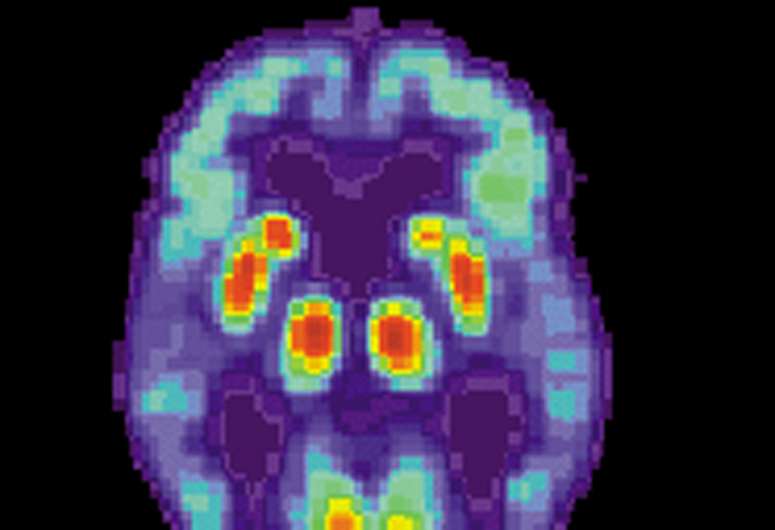
PET scan of a human brain with Alzheimer's disease. Credit: public domain

The brains of people with Down syndrome develop the same neurodegenerative tangles and plaques associated with Alzheimer's disease and frequently demonstrate signs of the neurodegenerative disorder in their forties or fifties. A new study from researchers at UC San Francisco shows that these tangles and plaques are driven by the same amyloid beta (Aß) and tau prions that they showed are behind Alzheimer's disease in 2019.

05 dec 2022--Prions begin as normal proteins that become misshapen and self-propagate. They spread through tissue like an infection by forcing normal proteins to adopt the same misfolded shape. In both Alzheimer's and Down syndrome, as Aß and tau prions accumulate in the brain, they cause neurological dysfunction that often manifests as dementia.

Tau tangles and Aß plaques are evident in most people with Down syndrome by age 40, according to the National Institute on Aging, with at least 50% of this population developing Alzheimer's as they age.

The new study, published Nov. 7, 2022, in Proceedings of the National Academy of Sciences, highlights how a better understanding of Down syndrome can lead to new insights about Alzheimer's, as well.

"Here you have two diseases—Down syndrome and Alzheimer's disease—that have entirely different causes, and yet we see the same disease biology. It's really surprising," said Stanley Prusiner, MD, the study's senior author, who was awarded the Nobel Prize in 1997 for his discovery of prions.

Down syndrome is the most common neurodegenerative disease among younger people in the United States, while Alzheimer's is the most common among adults.

Down syndrome occurs because of an extra copy of chromosome 21. Among the many genes on that chromosome is one called APP, which codes for one of the major components of amyloid beta. With an extra copy of the gene, people with Down syndrome produce excess APP, which may explain why they develop amyloid plaques early in life.

Young Brains Give a Clearer Picture

It's been known for some time that Aß plaques and tau tangles are present in both Down syndrome and Alzheimer's. Having shown earlier that these neurodegenerative features are provoked by prions in Alzheimer's, the researchers wanted to know whether the same aberrant proteins were present in the brains of people with Down syndrome.

While there have been extensive studies of these plaques and tangles in the brains of people with Alzheimer's disease, it can be challenging to discern which changes in the brain are from old age and which are from prion activity, said Prusiner, director of the UCSF Institute for Neurodegenerative Diseases, part of the Weill Institute for Neurosciences.

"Because we see the same plaques-and-tangles pathology at a much younger age in people with Down syndrome, studying their brains allows us to get a better picture of the early process of disease formation, before the brain has become complicated by all the changes that go on during aging," he said. "And ideally, you want therapies that address these early stages."

Employing a variation on the novel assay they used in the Alzheimer's study, the team looked at donated tissue samples from deceased people with Down syndrome, which they obtained from biobanks around the world. Of the 28 samples from donors aged 19 to 65 years old, the researchers were able to isolate measurable amounts of both Aß and tau prions in almost all of them.

New Insights Could Lead to Prevention

The results confirm not only that prions are involved in the neurodegeneration seen in Down syndrome, but that Aß drives the formation of tau tangles as well as amyloid plaques, a relationship that has been suspected but not proven.

"The field has long tried to understand what the intersection is between these two pathologies," said lead author Carlo Condello, Ph.D., also a member of the UCSF Institute for Neurodegenerative Diseases. "The Down syndrome case corroborates the idea; now you have this extra chromosome that's driving the Aß, and there's no tau gene on the chromosome. So, it's truly by increasing the expression of Aß that you kick off production of the tau."

That insight and others gleaned from studying the brains of people with Down syndrome will lead to a much better picture of how prions begin to form in the first place, said Condello.

Whether the Down syndrome brain tissue will prove to be the ultimate model for developing treatments for Alzheimer's remains to be seen, the researchers said. While the two disorders share many similarities in their prion pathobiology, there are some differences that may be limiting.

Still, the researchers said, studying the plaques and tangles in Down syndrome is a promising route to identifying the specific prions that arise at the very earliest stages of the disease process. That insight could open new vistas on not only treating but perhaps even fending off Alzheimer's disease.

"If we can understand how this neurodegeneration begins, we are one big step closer to being able to intervene at a meaningful point and actually prevent these large brain lesions from forming," Condello said.

More information: Carlo Condello et al, Aβ and tau prions feature in the neuropathogenesis of Down syndrome, Proceedings of the National Academy of Sciences (2022). DOI: 10.1073/pnas.2212954119
Provided by University of California, San Francisco 


Novel ways to measure glucose levels without drawing blood

Novel ways to measure glucose levels without drawing blood
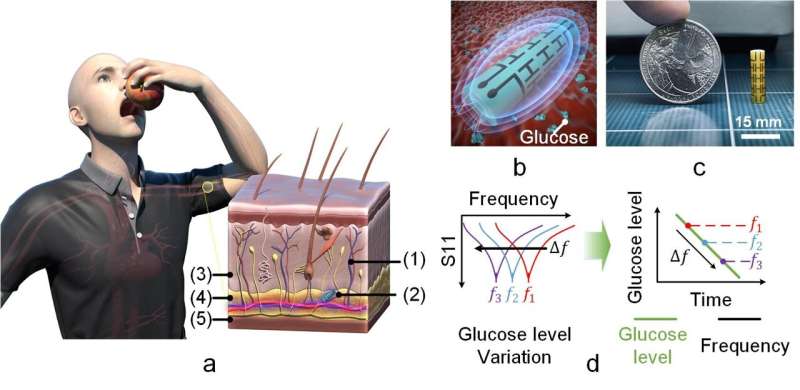
EM-based subcutaneous implant glucose sensor. (a) Illustration of EM-based implantable sensor for BGL tracking; (1) blood capillary (2) electromagnetic sensor (3) dermis (4) subcutaneous fat (5) muscle tissue. (b) Proposed implant sensor. (c) Sensor size (15 mm × 4 mm ∅) compared with a coin. (d) Sensor frequency trend and corresponding variations in BGL. Credit: UNIST

A recent study affiliated with UNIST has reported a new route for measuring blood sugar levels (BGLs) without drawing blood. This is a revolutionary, non-invasive technique for testing blood glucose levels, using electromagnetic (EM)-wave-based glucose sensor inserted under the skin. Their findings have attracted much attention, as the method eliminates the need for patients with diabetes to repeatedly prick their fingers with a glucose meter.

05 dec 2022--This breakthrough has been led by Professor Franklin Bien and his research team in the Department of Electrical Engineering at UNIST.

In this study, the research team proposed an electromagnetic-based sensor that can be subcutaneously implanted and is capable of tracking minute changes in dielectric permittivity owing to changes in BGLs. The proposed sensor, which is about one-fifth the size of a cotton swab, can measure changes in glucose concentrations in interstitial fluid (ISF), the liquid that fills spaces between cells.

"[Our] present work is an effort for the realization of an implantable electromagnetic-based sensor, which can be an alternate to an enzyme-based or optical-based glucose sensor," noted the research team. "The proposed implantable sensor has not only overcome the disadvantages of the existing continuous glucose monitoring systems (CGMS), such as short lifespan, but has also enhanced the blood glucose prediction accuracy."

Credit: Ulsan National Institute of Science and Technology

Diabetes can be diagnosed if fasting blood glucose levels are 126 mg/dL or higher. A normal fasting glucose test result is lower than 100 mg/dL. One of the main aims of diabetes treatment is to keep blood glucose levels within a specified target range. More than 400 million people worldwide are living with diabetes and they still suffer while pricking their fingers multiple times a day to check their blood glucose levels.

Various methods alternate to the finger-pricking method have been extensively studied for blood glucose detection, such as enzyme-based or optical-based glucose sensor. Yet, they still have issues in terms of long lifetime, portability, and accuracy.

In this study, the research team introduced semi-permanent and continuous blood sugar management with low maintenance costs and without the pain caused by blood collection, enabling patients to enjoy quality life through proper treatment and management of diabetes. This is expected to increase the use of CGMS, which currently accounts for only 5% of active treatments.

The research team also performed both the intravenous glucose tolerance test (IVGTT) and oral glucose tolerance test (OGTT) with the sensor implanted in swine and beagles in a controlled environment. The results of initial proof-of-concept in vivo experiment showed promising correlation between BGL and sensor frequency response, according to the research team.

"Our proposed sensor and system are indeed in the early stage of development," noted the research team. "Despite that, the proof-of-concept in vivo results show promising correlation between BGL and sensor frequency response. Indeed, the sensor shows the ability to track BGL trend."

"For actual sensor implantation we must consider bio compatible packaging and foreign body reactions (FBR) for long term applications. In addition, improved sensor interface system is under development," added the research team.

Their findings have been published in Scientific Reports.

More information: Seongmun Kim et al, Subcutaneously implantable electromagnetic biosensor system for continuous glucose monitoring, Scientific Reports (2022). DOI: 10.1038/s41598-022-22128-w
Provided by Ulsan National Institute of Science and Technology 


Volunteering and caring for grandchildren protects from loneliness for over 50s, study shows

babysitting
Credit: Pixabay/CC0 Public Domain

Caregiving for a spouse or partner is seemingly associated with higher loneliness for those over 50 years of age, a new systemic review of published research on the issue shows.

05 dec 2022--Taking in data from 28 studies, comprising 191,652 participants from 21 countries, the findings, however, also show that volunteering or looking after grandchildren may help reduce loneliness.

Publishing their findings in Aging and Mental Health, a team of international experts led by scientists at King's College London, state the results highlight a need to develop targeted interventions to combat loneliness for older adults who are caring for their partner or spouse.

"Loneliness can leave people feeling isolated and disconnected from others—and can have a wide range of negative effects on their physical and mental health," says lead author, Samia Akhter-Khan, who is a Ph.D. candidate at the Institute of Psychiatry, Psychology & Neuroscience within King's College London.

"There is a pressing need to identify people who may be more vulnerable to feeling lonely—and to develop targeted solutions to prevent and reduce loneliness in these population groups."

"Our findings suggest that providing care to a partner with complex health conditions, particularly dementia or Alzheimer's disease, is related to higher levels of loneliness—whereas caring for children or volunteering can help reduce loneliness in older adults."

Loneliness has many different causes, which will vary from person to person. Knowing which people are most at risk will lead to targeted approaches toward helping people who are feeling lonely.

Older adults contribute vast amounts of care and other unpaid activities, yet it remains unclear how these meaningful contributions to society relate to loneliness. Caregiving and volunteering may also fulfill a key expectation in older age, the expectation to contribute meaningfully, that has yet not been fully considered in loneliness research and interventions, according to the author's Social Relationship Expectations Framework recently published in Perspectives on Psychological Science.

This new systematic review, out today, included 28 studies from countries including the United States, Germany, the United Kingdom, New Zealand, China and many others. The authors examined the relationship between specific types of unpaid activities—including caring for a spouse, looking after grandchildren or volunteering—and loneliness in people over 50 years of age. They found that:

  • Caring for grandchildren (or other unrelated children) was linked with lower loneliness in six out of seven studies.
  • Providing care to a partner or spouse was consistently associated with higher loneliness.
  • Five out of six studies reported a relationship between volunteering and lower levels of loneliness.

"This is the first review of its kind to investigate systematically the relationship between older people's caregiving and volunteering activities and loneliness," adds co-author Dr. Matthew Prina, Head of the Social Epidemiology Research Group at King's College London.

"Further research will now be necessary to investigate the needs of older caregivers—as well as to examine the barriers, opportunities, and fulfillment of engaging in meaningful activities. This could help shed light on the optimal 'dose' of volunteering and caring for grandchildren and identify ways to maximize their potential beneficial effects on combating loneliness in the over 50s. Respecting older adults for their contributions and valuing their unpaid activities will likely play an important role in mitigating loneliness."

The paper highlights that all of the studies included in this review were conducted in higher income countries and before the COVID-19 pandemic, which led to an increase in the number of people experiencing loneliness.

Future research should take steps to promote evidence from lower- and middle-income countries, such as the authors' recent Archives of Gerontology and Geriatrics study on Indonesia, and account for specific external factors—such as global pandemics, lockdowns, conflict settings and climate change—when investigating the association between people's unpaid activities and loneliness.

More information: Samia C. Akhter-Khan et al, Caregiving, volunteering, and loneliness in middle-aged and older adults: A systematic review, Aging and Mental Health (2022). DOI: 10.1080/13607863.2022.2144130

Samia C. Akhter-Khan et al, Understanding and Addressing Older Adults' Loneliness: The Social Relationship Expectations Framework, Perspectives on Psychological Science (2022). DOI: 10.1177/17456916221127218

Samia C. Akhter-Khan et al, Unpaid productive activities and loneliness in later life: Results from the Indonesian Family Life Survey (2000–2014), Archives of Gerontology and Geriatrics (2022). DOI: 10.1016/j.archger.2022.104851


Provided by Taylor & Francis 


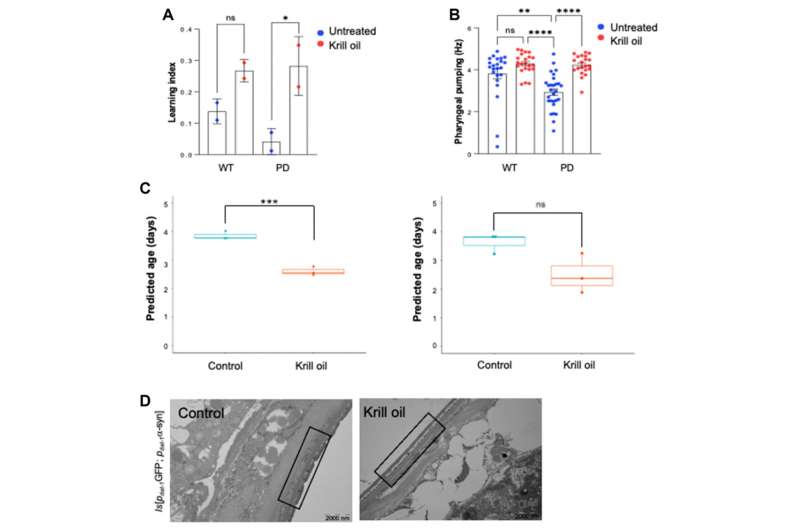
Krill oil protects dopaminergic neurons from age-related degeneration

Aging | Krill oil protects dopaminergic neurons from age-related degeneration
Krill oil improves healthspan. Credit: 2022 SenGupta et al.

A new research paper titled "Krill oil protects dopaminergic neurons from age-related degeneration through temporal transcriptome rewiring and suppression of several hallmarks of aging" has been published in Aging.

05 dec 2022--There is accumulating evidence that interfering with the basic aging mechanisms can enhance healthy longevity. The interventional/therapeutic strategies targeting multiple aging hallmarks could be more effective than targeting one hallmark. While health-promoting qualities of marine oils have been extensively studied, the underlying molecular mechanisms are not fully understood.

Lipid extracts from Antarctic krill are rich in long-chain omega-3 fatty acids choline, and astaxanthin. In this new study, researchers Tanima SenGupta, Yohan Lefol, Lisa Lirussi, Veronica Suaste, Torben Luders, Swapnil Gupta, Yahyah Aman, Kulbhushan Sharma, Evandro Fei Fang, and Hilde Nilsen from the University of Oslo, Oslo University Hospital and Akershus University Hospital used C. elegans and human cells to investigate whether krill oil promotes healthy aging.

"In a C. elegans model of Parkinson's disease, we show that krill oil protects dopaminergic neurons from aging-related degeneration, decreases alpha-synuclein aggregation, and improves dopamine-dependent behavior and cognition," the researchers state.

Krill oil rewires distinct gene expression programs that contribute to attenuating several aging hallmarks, including oxidative stress, proteotoxic stress, senescence, genomic instability, and mitochondrial dysfunction. Mechanistically, krill oil increases neuronal resilience through temporal transcriptome rewiring to promote anti-oxidative stress and anti-inflammation via healthspan regulating transcription factors such as SNK-1. Moreover, krill oil promotes dopaminergic neuron survival through regulation of synaptic transmission and neuronal functions via PBO-2 and RIM-1.

"Collectively, krill oil rewires global gene expression programs and promotes healthy aging via abrogating multiple aging hallmarks, suggesting directions for further pre-clinical and clinical explorations," the researchers conclude.

More information: Tanima SenGupta et al, Krill oil protects dopaminergic neurons from age-related degeneration through temporal transcriptome rewiring and suppression of several hallmarks of aging, Aging (2022). DOI: 10.18632/aging.204375
Provided by Impact Journals LLC