Fig. 1. Generation of NrxnCTF transgenic mice. A) Schematic drawings showing the proteolytic processing of Nrxns by metalloproteases and PS (left) and the HA-tagged NrxnCTF transgene used in this study (right). The regions recognized by the HA and the cyto-Nrxn antibodies are indicated. LNS, Laminin/Neurexin/Sex hormone binding-globulin domain; TM, transmembrane region. B) Representation showing the genetic approach for the expression of NrxnCTF in the forebrain. C) Expression of NrxnCTF in forebrain tissues of NrxnCTF mouse lines. NrxnCTF expression was analyzed in cortex, hippocampus and striatum by Western-blot experiments with HA and cyto-Neurexin antibodies, as indicated. Lysates from single transgenic CaMKIIα-tTA and TRE-NrxnCTF mouse lines were analyzed as additional controls. Credit: DOI: 10.1016/j.expneurol.2021.113896
Members of the Synaptic Dysfunction and Disease group at the Institute of Biomedicine of Seville (IBiS), led by researchers Francisco Gómez Scholl and Amalia Martínez Mir, recently published the results of their research into Alzheimer's disease. The data obtained suggest that the accumulation of a fragment of the synaptic protein neurexin in the adult brain causes specific losses of memory. The work was carried out in collaboration with group led by José María Delgado García at the Neurosciences Division of Pablo de Olavide University.
29 jan 2022--This contribution is a preliminary step in the study of the protein in patient samples in order to prevent its accumulation and, as a consequence, the associated symptoms. Experimental data have been obtained from an animal model with mice created by the researchers which reproduces the accumulation of the protein fragment during the disease.
In the published work, the researchers have focused on the study of a fragment of the synaptic protein neurexin, known in scientific circles as NrxnCTF. This fragment accumulates in cases of mutation in the Presenilin genes responsible for familial forms of Alzheimer's disease. Researchers have observed that their experimental accumulation in the adult brain of the animal model triggers specific memory defects, among others. These experimental models of disease are important for the identification of pathogenic mechanisms and fundamental for the design of effective therapies.
Researchers observed in behavioral studies that the accumulation of this protein produces a loss of associative memory that depends on the brain's amygdala. In collaboration with José María Delgado, from Pablo de Olavide University in Seville, synaptic connections from the prefrontal cortex to the amygdala were studied using electrophysiological recordings in mice. These experiments have shown that the accumulation of NrxnCTF also produces defects in presynaptic plasticity.
The results have been published in the journal Experimental Neurology.
More information: Ana C. Sánchez-Hidalgo et al, Selective expression of the neurexin substrate for presenilin in the adult forebrain causes deficits in associative memory and presynaptic plasticity, Experimental Neurology (2021). DOI: 10.1016/j.expneurol.2021.113896
Difference between retina's biological age and person's real age linked to heightened death risk
The difference between the biological age of the retina, the light sensitive layers of nerve tissue at the back of the eye, and a person's real (chronological) age, is linked to their risk of death, finds research published online in the British Journal of Ophthalmology.
29 jan 2022--This 'retinal age gap' could be used as a screening tool, suggest the researchers.
A growing body of evidence suggests that the network of small vessels (microvasculature) in the retina might be a reliable indicator of the overall health of the body's circulatory system and the brain.
While the risks of illness and death increase with age, it's clear that these risks vary considerably among people of the same age, implying that 'biological aging' is unique to the individual and may be a better indicator of current and future health, say the researchers.
Several tissue, cell, chemical, and imaging-based indicators have been developed to pick up biological aging that is out of step with chronological aging. But these techniques are fraught with ethical/privacy issues as well as often being invasive, expensive, and time consuming, say the researchers.
They therefore turned to deep learning to see if it might accurately predict a person's retinal age from images of the fundus, the internal back surface of the eye, and to see whether any difference between this and a person's real age, referred to as the 'retinal age gap', might be linked to a heightened risk of death.
Deep learning is a type of machine learning and artificial intelligence (AI) that imitates the way people acquire certain types of knowledge. But unlike classic machine learning algorithms that are linear, deep learning algorithms are stacked in a hierarchy of increasing complexity.
The researchers drew on 80,169 fundus images taken from 46,969 adults aged 40 to 69, all of whom were part of the UK Biobank, a large, population-based study of more than half a million middle aged and older UK residents.
Some 19,200 fundus images from the right eyes of 11,052 participants in relatively good health at the initial Biobank health check were used to validate the accuracy of the deep learning model for retinal age prediction.
This showed a strong association between predicted retinal age and real age, with an overall accuracy to within 3.5 years.
The retinal age gap was then assessed in the remaining 35,917 participants during an average monitoring period of 11 years.
During this time, 1871(5%) participants died: 321(17%) of cardiovascular disease; 1018 (54.5%) of cancer; and 532 (28.5%) of other causes including dementia.
The proportions of 'fast agers'—those whose retinas looked older than their real age– with retinal age gaps of more than 3, 5, and 10 years were, respectively, 51%, 28%, and 4.5%.
Large retinal age gaps in years were significantly associated with 49%-67% higher risks of death, other than from cardiovascular disease or cancer.
And each 1 year increase in the retinal age gap was associated with a 2% increase in the risk of death from any cause and a 3% increase in the risk of death from a specific cause other than cardiovascular disease and cancer, after accounting for potentially influential factors, such as high blood pressure, weight (BMI), lifestyle, and ethnicity.
The same process applied to the left eyes produced similar results.
This is an observational study, and as such, can't establish cause. The researchers also acknowledge that the retinal images were captured at one moment in time, and that the participants may not be representative of the UK population as a whole.
Nevertheless, they write: "Our novel findings have determined that the retinal age gap is an independent predictor of increased mortality risk, especially of non-[cardiovascular disease]/ non-cancer mortality. These findings suggest that retinal age may be a clinically significant biomarker of aging."
They add: "The retina offers a unique, accessible 'window' to evaluate underlying pathological processes of systemic vascular and neurological diseases that are associated with increased risks of mortality.
"This hypothesis is supported by previous studies, which have suggested that retinal imaging contains information about cardiovascular risk factors, chronic kidney diseases, and systemic biomarkers."
The new findings, combined with previous research, add weight to "the hypothesis that the retina plays an important role in the aging process and is sensitive to the cumulative damages of aging which increase the mortality risk," they explain.
More information: Retinal age gap as a predictive biomarker for mortality risk, British Journal of Ophthalmology (2022). DOI: 10.1136/ bjophthalmol-2021-319807
The link among resilience, sexual function, and quality of life in menopausal women
The ability to overcome adverse situations (otherwise known as resilience) has been shown to have positive effects on overall health and quality of life. A new study found that resilience is also linked to sexual health and a better quality of life during the menopause transition. Study results are published online today in Menopause.
29 JAN 2022--Themenopause transitionmay be considered an adverse situation for most women because it involves a long process of adaptations that can cause negative feelings and a depressed mood. The transition to menopause involves physical, psychological, andsocial changesthat can have a severe effect on a woman's overall quality of life. In addition, menopausal women are also more vulnerable tosexual dysfunctionas a result of changes within their bodies during the transition.
Female sexual dysfunction (FSD) can be defined as the inability of women to participate in a sexual relationship as they would wish. It is a multifactorial problem that may include lack of satisfaction with sexual activity, reduced sexual desire, pain with sexual activity, poor arousal, or difficulty reaching orgasm. Previous studies have shown that sexual satisfaction is associated with overall quality of life in menopausal women, with lower general well-being in sexually dissatisfied women.
This new study involving 101 symptomatic menopausal women, however, represents the first time that research has focused on the effect of sexual health on the resilience scores of menopausal women and their quality of life. It found that resilience scores were significantly higher in women with high sexual function scores and demonstrated that menopause-related quality of life was significantly worse in low-resilient women.
As a result, the researchers concluded that a woman's resilience is linked with her sexual health as well as her qualify of life during the menopause transition.
Study results are published in the article "Resilience and sexual health among menopausal women: a cross-sectional study."
"This study highlights the potential protective effects of resilience as it relates to sexual health in menopausal women. This capability enables individual women to adapt to change, resist the negative effect of stressors, and return to normal function more quickly after adverse events. Fortunately, this skill set can be strengthened, potentially representing another tool that clinicians can use to help women with sexual dysfunction," says Dr. Stephanie Faubion, NAMS medical director.
More information: Resilience and sexual health among menopausal women: a cross-sectional study, Menopause (2022). DOI: 10.1097/GME.00000000000001935
USPSTF: Individualize counseling for primary prevention of cardiovascular disease
The U.S. Preventive Services Task Force (USPSTF) recommends that physicians individualize the decision to refer adults without known cardiovascular disease (CVD) risk factors to behavioral counseling interventions for healthy diet and physical activity. This recommendation forms the basis of a draft recommendation statement published by the USPSTF on Jan. 18.
29 jan 2022--Carrie D. Patnode, Ph.D., M.P.H., from the Kaiser Permanente Evidence-based Practice Center in Portland, Oregon, and colleagues conducted asystematic reviewto support the USPSTF in updating recommendations on behavioral counseling to promote a healthy diet and physical activity for adults without known CVD risk factors. Data were included from 113 randomizedclinical trials, with 129,993 participants. The researchers found that only three trials reported long-term outcomes related to mortality or cardiovascular events, with no clear benefit seen for dietary or physical activity interventions. Few trials demonstrated statistically significant or clinically significant quality-of-life changes after interventions. Small, statistically significant reductions in continuous measures of blood pressure, low-density lipoprotein cholesterol, and adiposity-related outcomes were seen at six months to 1.5 years in association with diet and physical activity behavioral interventions. Consistent evidence was seen for improvements in dietary intake and physical activity levels among participants in behavioral interventions.
Based on these findings, the USPSTF recommends that clinicians should individualize the decision to offer or refer adults without known CVD risk factors to behavioral counseling interventions that promote healthy diet and physical activity (C recommendation).
The draft recommendation statement and evidence review have been made available for public comment. Comments can be submitted from Jan. 18 to Feb. 14, 2022.
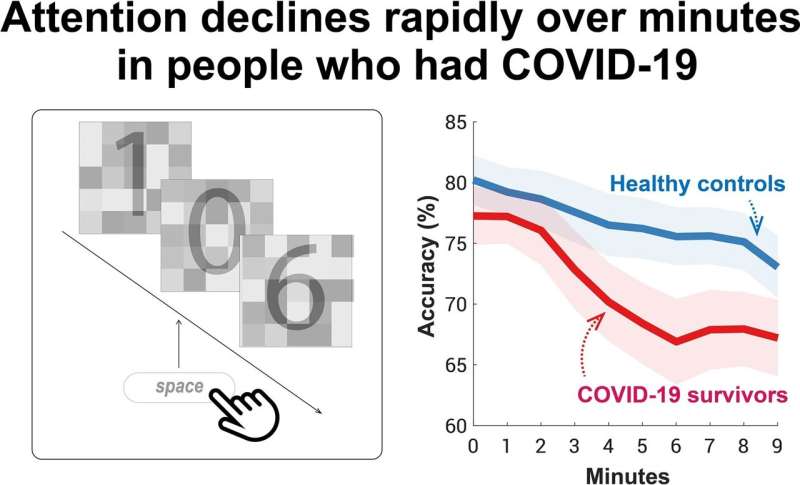
Researchers from Oxford's Department of Experimental Psychology and Nuffield Department of Clinical Neurosciences have shown that people who have had COVID but don't complain of long COVID symptoms in daily life nevertheless can show degraded attention and memory for up to 6–9 months.
29 jan 2022--Previous studies have shown that after acute COVID-19 infection some people can continue to suffer fromcognitive symptomssuch as difficulties in concentrating, colloquially referred to as brain fog, as well as forgetfulness and fatigue—features of the 'long COVID' syndrome.
But it was not known whether cognitive performance can also be affected in individuals who had mild symptoms and report no concerns after recovery from acute COVID infection.
In this study, participants were asked to complete a number of exercises to test their memory and cognitive ability, with a focus on cognitive functions critical for daily life, such as sustaining attention, memory, planning and semantic reasoning.
All the participants had previously suffered from COVID-19 but were not significantly different from a control group at the time of testing on factors such as fatigue, forgetfulness, sleep patterns or anxiety.
The researchers found that the participants performed well in most abilities tested, including working memory and planning, but they displayed significantly worse episodic memory (up to six months post-COVID infection) and a greater decline in the ability to sustain attention over time (for up to nine months) than uninfected individuals.
Dr. Sijia Zhao of the Department of Experimental Psychology, University of Oxford, said: "What is surprising is that although our COVID-19 survivors did not feel any more symptomatic at the time of testing, they showed degraded attention and memory. Our findings reveal that people can experience some chronic cognitive consequences for months."
Professor Masud Husain said: "We still do not understand the mechanisms that cause these cognitive deficits, but it is very encouraging to see that these attention and memory return largely to normal in most people we tested by 6-9 months after infection, who demonstrated good recovery over time."
The paper, "Rapid vigilance and episodic memory decrements in COVID-19 survivors," is published in Brain Communications.
Indiana University School of Medicine researchers are making new discoveries about the pathological changes in people who have inherited Alzheimer's disease versus developing the disease sporadically. These findings could lead to new ways of preventing and treating the disease.
29 jan 2022--In a new paper published inScience, researchers from the MRC Laboratory of Molecular Biology in Cambridge, England, United Kingdom and IU School of Medicine detail new findings about senile plaques, which are made up of a peptide called Amyloid-β 42 (Aβ 42). The study shows for the first time that the structure of the Aβ 42 filaments is different in sporadic and inherited Alzheimer's disease. Type I filaments were found mostly in the brains of individuals with sporadic Alzheimer's disease and Type II filaments were found in individuals with familial Alzheimer's disease or other neurodegenerative conditions.
"Although senile plaques have been known to be one of the main pathological changes in Alzheimer's disease for over a century, their nature and composition has been gradually unraveled during the past four decades," said Bernardino Ghetti, MD, a distinguished professor and professor of pathology and laboratory medicine at IU School of Medicine. Ghetti is a corresponding author of the paper and a lead researcher at the Indiana Alzheimer's Disease Research Center.
Researchers looked at cryogenic electron microscopy maps and 3D structures of Aβ 42 from the brains of five patients with Alzheimer's disease and from five patients with different neurodegenerative conditions. Patients had either sporadic Alzheimer's disease or dominantly inherited Alzheimer's disease with a mutation in the APP or PSEN1 genes.
"This new knowledge of the filament structures provides deeper insights into the disease process in Alzheimer's and may lead to the development of compounds that can prevent the disease by inhibiting filament formation as well as new methods for brain imaging," Ghetti said. "This paper opens a new chapter for imaging and therapeutics."
More information: Yang Yang et al, Cryo-EM structures of amyloid-β 42 filaments from human brains, Science (2022). DOI: 10.1126/science.abm7285
Mediterranean diet associated with a lower risk of mortality in older adults
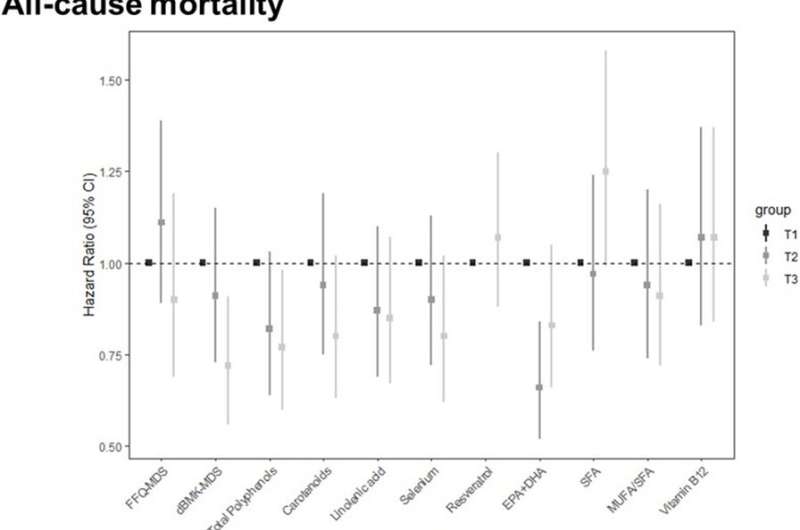
Association between FFQ- and dietary biomarker-MDS and individual dietary biomarkers (as tertiles), and all-cause, CVD, and cancer mortality in the InCHIANTI Study. Cox regression model included sex, age, BMI, education, smoking status, physical activity, impaired renal function, diabetes mellitus, chronic obstructive pulmonary disease, hypertension, cardiovascular disease, cancer, dementia, Parkinson’s disease, and energy intake. FFQ food frequency questionnaire, dBMK dietary biomarker, EPA eicosapentaenoic acid, DHA docosahexaenoic acid, MUFA monounsaturated fatty acids, SFA saturated fatty acids. The total number of deaths, 435; CVD deaths, 139; cancer deaths, 85. Resveratrol was categorized into two groups: moderate vs. no or high consumers. Credit: DOI: 10.1186/s12916-021-02154-7
A greater adherence to the Mediterranean diet which had been assessed through an index made with biomarkers during a 20-year scientific monitoring is associated with a lower mortality in adults over 65. This is one of the main conclusions of a study led by Cristina Andrés-Lacueva, head of the Research Group on Biomarkers and Nutritional & Food Metabolomics of the Faculty of Pharmacy and Food Sciences of the University of Barcelona (UB) and the CIBER on Fragility and Healthy Ageing (CIBERFES), also formed by the Food Innovation Network of Catalonia (XIA).
29 jan 2022--The paper, published in the journal BCM Medicine, has been carried out in collaboration with the National Institute on Ageing (NIA) of the United States. According to the conclusions, the analysis of dietary biomarkers in plasma and urine can contribute to the individualized food assessment for old people. The study is based on the InCHIANTI project, conducted in the region of the Italian Tuscany, a study that has been carried out during 20 years in a total of 642 participants (56 percent women) aged over 65 or more and which enabled researchers to obtain complete data on food biomarkers.
As stated by the UB Professor Cristina Andrés-Lacueva, head of the research group in CIBERFES, "we develop an index of dietary biomarkers based on food groups that are part of the Mediterranean diet, and we assess their association with mortality."
In the study, researchers chose the reference levels of the following dietary biomarkers in the urine: total polyphenols and resveratrol metabolites (from grape intake) and presents in plasma, plasma carotenoids, selenium, vitamin B12, fatty acids and their proportion of monounsaturated and saturated fatty acids. Using a predictive model, they assessed the associations of the Mediterranean diet index and the food-frequency questionnaire (FFQ) with mortality.
During the 20 years of monitoring, there were 425 deaths (139 due to cardiovascular diseases and 89 due to cancer-related causes). Once the models were analyzed, the score of the Mediterranean diet using the biomarkers was inversely associated with all causes of death.
This study highlights the use of dietary biomarkers to improve the nutritional assessment and guide a customized assessment for older people. As noted by the CIBERFES researcher of the UB Tomás Meroño, co-first signatory of the study, the researchers "confirm that an adherence to the Mediterranean diet assessed by a panel of dietary biomarkers is inversely associated with the long-term mortality in older adults, which supports the use of these biomarkers in monitoring evaluations to study the health benefits associated with the Mediterranean diet."
More information: Nicole Hidalgo-Liberona et al, Adherence to the Mediterranean diet assessed by a novel dietary biomarker score and mortality in older adults: the InCHIANTI cohort study, BMC Medicine (2021). DOI: 10.1186/s12916-021-02154-7
Study could explain why Parkinson's drug improves, then diminishes quality of life
“Although L-dopa remains the gold standard for Parkinson’s treatment, as the disease progresses, efficacy decreases, requiring higher and more frequent doses, which increases the risk of dyskinesia,” says the study’s co-corresponding author Amal Alachkar, Ph.D., associate professor of teaching in UCI’s Department of Pharmaceutical Sciences. “Our study indicates that L-dopa may play a significant role in this process.” Credit: School of Pharmacy & Pharmaceutical Sciences / UCI
A team of University of California, Irvine researchers has discovered a possible reason why L-dopa, the front-line drug for treating Parkinson's disease, loses efficacy and causes dyskinesia—involuntary, erratic muscle movements of the patient's face, arms, legs and torso—as treatment progresses.
29 jan 2022--"Paradoxically, the exact therapy that improved the quality of life for tens of thousands of Parkinson's patients is the one that contributes to the rapid decline inquality of lifeover time," said the study's co-corresponding author Amal Alachkar, Ph.D., associate professor of teaching in UCI's Department of Pharmaceutical Sciences. "L-dopa has been shown to acceleratediseaseprogression through neural mechanisms that are not very well understood."
Findings from the study were recently published in ACS Chemical Neuroscience.
L-dopa and other pharmacological treatments for Parkinson's are designed to replace the lost dopamine caused by the degeneration of nerve cells in the brain. Although dopamine can't cross the blood-brain barrier, which lets substances such as water and oxygen pass into the brain, L-dopa can, and it's used to treat the disease's motor symptoms. However, 99 percent of L-dopa is metabolized outside the brain, so it's administered in combination with an enzyme inhibitor to increase the amount of the dose that reaches the brain to 5 to 10 percent and to prevent side effects such as nausea and heart problems.
The team studied the molecular binding characteristics of L-dopa and related compounds using an optical technology called surface plasmon resonance to measure interactions between the drug and target proteins. Findings demonstrate that L-dopa and the protein siderocalin combine in the presence of iron to create a complex that may cause a cellular iron overload, leading to an imbalance between free radicals and antioxidants, as well as neuroinflammation in the brain, triggering dyskinesia, fluctuations in mobility and freezing episodes. As Parkinson's progresses, lower doses of L-dopa induce these negative side effects, while the dose required to alleviate disease symptoms increases, resulting in a narrow therapeutic window.
"This small L-dopa molecule is certainly mysterious," Alachkar said. "We're interested in unlocking L-dopa mysteries and, in particular, understanding how it acts as such a magic therapeutic agent and, at the same time, contributes to disease progression. The formation of the L-dopa-siderocalin complex may play a role in decreasing efficacy by reducing the amount of free L-dopa available for dopamine synthesis in the brain."
Ongoing UCI studies focus on testing whether continuous L-dopa administration in animal models of Parkinson's disease is associated with increased iron accumulation in the brain's dopaminergic neurons and if this accumulation depends on L-dopa binding to siderocalin. Researchers also want to determine whether the complex can be detected in the blood of Parkinson's patients, serving as a biomarker showing the correlation with their physical deterioration and as a target for novel treatments for the disease.
More information: Sammy Alhassen et al, Surface Plasmon Resonance Identifies High-Affinity Binding of l-DOPA to Siderocalin/Lipocalin-2 through Iron–Siderophore Action: Implications for Parkinson's Disease Treatment, ACS Chemical Neuroscience (2021). DOI: 10.1021/acschemneuro.1c00693
Physical activity, nutrition and cognitively stimulating activities are all known to be good ways to prevent Alzheimer's disease and dementia. And older adults at risk can access a variety of lifestyle services to that end, including diet regimes and exercises for their body and mind.
29 jan 2022--Now an international team of researchers led by Université de Montréal psychology professor Sylvie Belleville has determined how many of those intervention sessions are needed preventcognitive declinein people at risk: only about a dozen.
Published in Alzheimer's & Dementia : The Journal of the Alzheimer's Association, the study by Dr. Belleville and colleagues at the universities of Toulouse and Helsinki show that 12 to 14 sessions are all that's were needed to observe an improvement in cognition. Until now, the number of sessions or "doses" needed for optimal effect has been unknown.
"In pharmacological studies, every effort is made to define an optimal treatment dose needed to observe the expected effects, " said Belleville, a neuropsychologist and researcher at the research centere of the UdeM-affiliated Institut universitaire de gériatrie de Montréal. "This is rarely done in non-pharmacological studies, especially those on the prevention of cognitive decline, where little information is available to identify this dose.
"Defining an optimal number of treatment sessions is therefore crucial.," she continued. "Indeed, proposing too few sessions will produce no noticeable improvement effects, but too many sessions is also undesirable as these interventions are costly. They are costly both for the individual who follows the treatments, in terms of time and involvement, and for the organization offering these treatments."
The study is based on a secondary analysis of data from the three-year Multidomain Alzheimer Preventive Trial (MAPT) and looked at 749 participants who received a range of interventions aimed at preventing cognitive decline. These included dietary advice, physical activity and cognitive stimulation to improve or maintain physical and cognitive abilities.
People's individuality important
In their research, Belleville's team noted that people's individuality should be considered when determining the optimal treatment dose.
In their study, the researchers evaluated the effects of the sessions in terms of each participant's age, gender, education level, and cognitive and physical condition. The relationship between the "dose" each received and their cognitive improvement was then analyzed.
The main results show an increase with dose followed by a plateau effect after 12 to 14 sessions. In other words, you need enough dose to see an effect but offering more than 12 to 14 sessions of treatment does not mean better results. That said, participants with lower levels of education or more risk factors for frailty did benefite from more sessions.
The conclusion? It's important to identify and target an optimal dose and to customize the treatment for each individual, the researchers say. Not only is "dosage" an important component of behavioural interventions, it can also provide valuable information when time and money are limited, helping public-health agencies develop effective prevention programs and offer guidance to older adults and clinicians.
"Is more always better? Dose-effect in a multidomain intervention in older adults at risk of dementia," by Sylvie Belleville et al, was published Jan. 20, 2022, in Alzheimer's & Dementia: The Journal of the Alzheimer's Association.
More information: Sylvie Belleville et al, When is more better? Modeling the effect of dose on the efficacy of the MAPT multidomain intervention as a function of individual characteristics, Alzheimer's & Dementia (2021). DOI: 10.1002/alz.054948
Nancy W. Glynn, Ph.D., associate professor in the Department of Epidemiology at University of Pittsburgh Graduate School of Public Health. Credit: University of Pittsburgh
How fatigued certain activities make an older person feel can predict the likelihood death is less than three years away, according to research published today in the Journal of Gerontology: Medical Sciences by University of Pittsburgh epidemiologists. It is the first study to establish perceived physical fatigability as an indicator of earlier mortality.
29 jan 2022--Older people who scored the highest in terms of how tired or exhausted they would feel after activities were more than twice as likely to die in the following 2.7 years compared to their counterparts who scored lower. Fatigability was assessed for a range of activities using the novel Pittsburgh Fatigability Scale.
"This is the time of year when people make—and break—New Year's resolutions to get more physical activity," said lead author Nancy W. Glynn, Ph.D., associate professor in the Department of Epidemiology at Pitt's Graduate School of Public Health. "I hope our findings provide some encouragement to stick with exercise goals. Previous research indicates that getting more physical activity can reduce a person's fatigability. Our study is the first to link more severe physical fatigability to an earlier death. Conversely, lower scores indicate greater energy and more longevity."
Glynn and her colleagues administered the Pittsburgh Fatigability Scale to 2,906 participants aged 60 or older in the Long Life Family Study, an international study that follows family members across two generations. Participants ranked from 0 to 5 how tired they thought or imagined that certain activities—such as a leisurely 30-minute walk, light housework or heavy gardening—would make them.
Follow-up for this work concluded at the end of 2019, to avoid any increased mortality impact from the COVID-19 pandemic, which gave the team an average of 2.7 years of data on each participant. After accounting for a variety of factors that influence mortality, such as depression, pre-existing or underlying terminal illness, age and gender, the team found that participants who scored 25 points or higher on the Pittsburgh Fatigability Scale were 2.3 times more likely to die in the 2.7 years after completing the scale, compared to their counterparts who scored below 25.
"There has been research showing that people who increase their physical activity can decrease their fatigability score," said Glynn, a physical activity epidemiologist. "And one of the best ways to increase physical activity—which simply means moving more—is by setting manageable goals and starting a routine, like a regular walk or scheduled exercise."
Beyond tying high fatigability to an earlier death, Glynn said the study demonstrates the value of the Pittsburgh Fatigability Scale, which she and colleagues created in 2014. It has since been translated into 11 languages.
"While the Pittsburgh Fatigability Scale has been widely adopted in research as a reliable, sensitive way to measure fatigability, it is underutilized in hospital settings and clinical trials," Glynn said. "My ultimate goal is to develop a physical activity intervention targeting a reduction in fatigability as a means to stem the downward spiral of impaired physical function common with the aging process. By reducing fatigability, one can change how they feel, potentially motivating them to do more."
Additional authors on this research are Theresa Gmelin, M.S.W., M.P.H., Yujia (Susanna) Qiao, Sc.M., Robert M. Boudreau, Ph.D., Kaare Christensen, M.D., and Anne B. Newman, M.D., all of Pitt; Sharon Renner, Ph.D., of Columbus State University; Mary F. Feitosa, Ph.D., of Washington University in St. Louis; Stephanie Cosentino, Ph.D., of Columbia University, and Stacy L. Andersen, Ph.D., of Boston University.
More information: Nancy W Glynn et al, Perceived Physical Fatigability Predicts All-Cause Mortality in Older Adults, The Journals of Gerontology: Series A (2021). DOI: 10.1093/gerona/glab374
Study: Telehealth services for the elderly should include caregivers
Family caregivers are often involved in the day-to-day activities of their older relatives, such as communicating with doctors, helping them navigate the health care system and making decisions that affect their care.
29 jan 2022--When the pandemic hit, forcing health care systems to switch totelehealthvisits, many of the caregivers that would have been involved in in-person care were left out of the process, according to a new observational study published in theAnnals of Family Medicine.
"Our telehealth policies and practices need to consider how to involve caregivers," said lead author Minakshi Raj, a professor of kinesiology and community health at the University of Illinois Urbana-Champaign. Raj conducted the study while a doctoral student at the University of Michigan School of Public Health.
For their study, researchers recruited participants from the University of Michigan Institute for Clinical and Health Research between May 1 and June 30, 2020. In all, 90 participants completed the 10-minute survey.
Caregivers reported that among other benefits, telehealth increased access to health care, limited risk exposure to COVID-19 and improved relationship and rapport between older relatives and care providers.
Caregivers cited concerns over their older relatives' ability to access and manage technology independently and the relevance of telehealth for addressing their specific needs, as well as patient-clinician rapport.
"There were some caregivers with relatives who had mobility challenges, so for them, telehealth was great because they didn't have to worry about finding their relative an Uber or somebody to transport them to the doctor's office," Raj said. "The two biggest challenges were whether it's appropriate—say with a wound infection—or whether their relative knows how to use the technology and is comfortable navigating the telehealth platform.
"For example, in many cases, getting into the visit requires multiple clicks, knowing how to use a computer, turning on the microphone, turning on the speakers, being able to hear. Some of the caregivers described their older relative's hearing difficulties, and so it just became more frustrating because they couldn't hear what the doctor was saying through the computer."
Having a clear understanding of the involvement caregivers can have could help maximize the benefits of telehealth while addressing privacy concerns, Raj said. Many were kicked out of the virtual visits but would have been allowed to take part in in-person visits, for example.
"The way that we think about caregiver involvement in in-person care and telehealth is still different," Raj said. "And in terms of telehealth policy and practice, we need to start thinking about how we can better engage caregivers so that they can still stay involved, better support their relatives and also be better supported by the health care system."
More information: Minakshi Raj et al, Family Caregivers' Experiences With Telehealth During COVID-19: Insights From Michigan, The Annals of Family Medicine (2022). DOI: 10.1370/afm.2760
The same risk factors that contribute to making heart disease the leading cause of death worldwide also impact the rising global prevalence of brain disease, including stroke, Alzheimer's disease and dementia, according to the American Heart Association's Heart Disease and Stroke Statistics—2022 Update, published today in the Association's flagship, peer-reviewed journal Circulation. Experts say maintaining a healthy weight, managing your blood pressure and following other heart-healthy lifestyle behaviors can also support good brain health.
29 jan 2022--Optimalbrainhealthincludes the functional ability to perform all the diverse tasks for which the brain is responsible, including movement, perception, learning and memory, communication, problem solving, judgment, decision making and emotion. Cognitive decline and dementia are often seen following stroke andcerebrovascular diseaseand indicate a decline in brain health. Conversely, studies show maintaining good vascular health is associated with healthy aging and retained cognitive function.
The global death rate from Alzheimer's disease and other dementias is increasing considerably—even more than the rate of heart disease death:
Globally, more than 54 million people had Alzheimer's disease and other dementias in 2020, that's a 37% increase since 2010 and a 144% increase over the past 30 years (1990-2020).
More than 1.89 million deaths were attributed to Alzheimer's disease and other dementias worldwide in 2020, compared to nearly 9 million deaths from heart disease.
Global deaths from Alzheimer's disease and other dementias increased more than 44% from 2010 to 2020, compared to a 21% increase in deaths from heart disease.
Deaths from Alzheimer's disease and other dementias increased 184% over the past 30 years (1990-2020), compared to a 66% increase in heart disease deaths during that same time.
Because prevalence and mortality data are tracked differently by the Centers for Disease Control and Prevention, in the U.S. compared to other countries, the Statistical Update does not offer comparable national data for 2020. However, nearly 2.9 million people in the U.S. were reported to have Alzheimer's disease and other dementias in 2017. Alzheimer's disease and other dementias combined were the leading cause of death among all neurological disorders, including stroke.
"The global rate of brain disease is quickly outpacing heart disease. The rate of deaths from Alzheimer's disease and other dementias rose more than twice as much in the past decade compared to the rate of deaths from heart disease, and that is something we must address," said Mitchell S.V. Elkind, M.D. M.S., FAHA, the immediate past president of the American Heart Association, a professor of neurology and epidemiology at Columbia University Vagelos College of Physicians and Surgeons and attending neurologist at New York-Presbyterian/Columbia University Irving Medical Center, New York, NY. "We are learning more about how some types of dementia are related to the aging, and how some types are due to poor vascular health. Many studies show that the same healthy lifestyle behaviors that can help improve a person's heart health can also preserve or even improve their brain health. It's becoming more evident that reducing vascular disease risk factors can make a real difference in helping people live longer, healthier lives, free of heart disease and brain disease."
The 2022 Statistical Update highlights some of that research:
In a meta-analysis of 139 studies, people with midlife hypertension were five times more likely to experience impairment on global cognition and about twice as likely to experience reduced executive function, dementia and Alzheimer's disease.
Nearly half of all adults (47% or 121.5 million) in the U.S. have elevated blood pressure, based on 2015 to 2018 data.
In a meta-analysis of longitudinal studies with up to 42 years of follow-up, people with obesity had three times the risk of dementia.
Current smoking was associated with a 30%-40% increased risk of dementia, Alzheimer's disease and vascular dementia, based on a meta-analysis of 37 prospective studies.
Having cardiovascular disease also increases the chances of developing brain disease:
In a meta-analysis of four longitudinal studies, the risk for dementia associated with heart failure was nearly two-fold.
In the ARIC Neurocognitive study (12,515 participants, average age of 57 years, 24% Black participants, 56% women), atrial fibrillation was associated with greater cognitive decline and dementia over 20 years.
A meta-analysis of 10 prospective studies (including 24,801 participants) found that coronary heart disease was associated with a 40% increased risk of poor cognitive outcomes including dementia, cognitive impairment or cognitive decline.
There are also significant differences in the gender, race/ethnicity and socioeconomic status of people who are more likely to develop brain disease and dementia, an indication that social determinants of health also play a role:
Of the more than 54 million cases of Alzheimer's disease and other dementias worldwide in 2020, almost 20 million were among men, compared to nearly 35 million women. More than twice as many women as men died from Alzheimer's disease and other dementias.
A retrospective analysis of the 2016 Behavioral Risk Factor Surveillance System data found significant differences in subjective cognitive decline across non-white racial and ethnic groups when compared to white adults in the 20,843 respondents who reported being diagnosed with stroke. Compared to white adults, other racial and ethnic groups were more likely to report worsening confusion or memory loss that contributed to not participating in everyday activities or difficulty with work, volunteer, and social activities outside of the home at least some of the time. After adjustments for sex, age, education, income and comorbidities, Black adults were one-and-a-half times more likely and Hispanic adults were more than twice as likely than white adults to give up day-to-day household activities or chores because of confusion or memory loss. Black adults were almost three times as likely and Hispanic adults were more than four times as likely to report needing assistance with everyday activities compared to white adults. These findings are likely due to social determinants of health negatively impacting communities of color over their lifetime, advised Elkind.
Estimated U.S spending on dementias more than doubled from $38.6 billion in 1996 to $79.2 billion in 2016. Spending on dementias was among the top 10 health care costs in the United States in 2016.
"Like cardiovascular disease, Alzheimer's disease, dementia and other cognitive ailments are a tremendous emotional and economic burden across the globe," said Connie W. Tsao, M.D., M.P.H., FAHA, chair of the Statistical Update writing group, assistant professor of medicine at Harvard Medical School and attending staff cardiologist at Beth Israel Deaconess Medical Center in Boston. "This new chapter on brain health was a critical one to add. The data we've collected brings to light the strong correlations between heart health and brain health and makes it an easy story to tell—what's good for the heart is good for the brain."
Over the past several years, the American Heart Association has supported more than $46 million in research funding focused on brain health. In a $43 million collaboration with The Paul G. Allen Frontiers Group, the Association is funding three projects that are now underway to find innovative ways to understand and improve brain health and cognitive impairment science. A $3.3 million grant in collaboration with global philanthropist and technology visionary Bill Gates is committed to advancing the scientific evidence base related to brain health and dementia. The project supports a new brain health and dementia technology research center at Boston University. Additionally, it will support the global exchange of research data to help scientists around the world collectively work in accelerating new discoveries related to heart and brain health, including the early detection and treatment of Alzheimer's disease and related dementias.
"Advancing brain science through innovative research will help scientists shed new light on the causes and contributors to cognitive impairment and dementia, particularly as it relates to heart and vascular health. This is an important step in the Association's ongoing commitment to better understand how our brains age and how vascular health impacts brain health and overall well-being," said Elkind, who is a member of the Statistical Update writing committee. "Additionally, it's critical that as a society and as individuals we understand and make the changes needed to improve health outcomes from brain disease and, more importantly, prevent them to begin with."
Along with new information on brain health, the 2022 Statistical Update provides the latest available data on key factors related to heart disease and stroke:
On average, someone dies of cardiovascular disease (CVD) every 36 seconds in the U.S. There are 2,396 deaths from CVD each day, based on 2019 data.
On average, someone in the U.S. has a stroke every 40 seconds. There are about 795,000 new or recurrent strokes each year, based on 1999 data.
On average, someone dies of a stroke every 3 minutes and 30 seconds in the U.S. There are about 411 deaths from stroke each day, based on 2019 data.
Approximately 1 in 4 (24%) U.S. adults reported achieving adequate leisure-time aerobic and muscle-strengthening activities to meet the physical activity guidelines, based on 2018 data.
1 in 7 male adults and 1 in 8 female adults in the U.S. are current smokers, based on 2019 data.
Tracking such trends is one of the reasons the American Heart Association publishes the definitive statistical update annually, providing a comprehensive resource of the most current data, relevant scientific findings and assessment of the impact of cardiovascular disease nationally and globally.
The U.S. data is gathered in conjunction with the National Institutes of Health and other government agencies, while the global trends are provided by the Global Burden of Disease Study from the Institute for Health Metrics and Evaluation at the University of Washington.
The annual update represents a compilation of the newest, most relevant statistics on heart disease, stroke and risk factors impacting cardiovascular health. It tracks trends related to ideal cardiovascular health, social determinants of health, global cardiovascular health, cardiovascular health genetics and health care costs. Tsao emphasized the importance of this surveillance as a critical resource for the lay public, policy makers, media professionals, clinicians, health care administrators, researchers, health advocates and others seeking the best available data on these factors and conditions.
This statistical update was prepared by a volunteer writing group on behalf of the American Heart Association Council on Epidemiology and Prevention Statistics Committee and Stroke Statistics Subcommittee.
More information: Heart Disease and Stroke Statistics—2022 Update: A Report From the American Heart Association, Circulation (2022). DOI: 10.1161/CIR.0000000000001052