Saturday, November 05, 2022


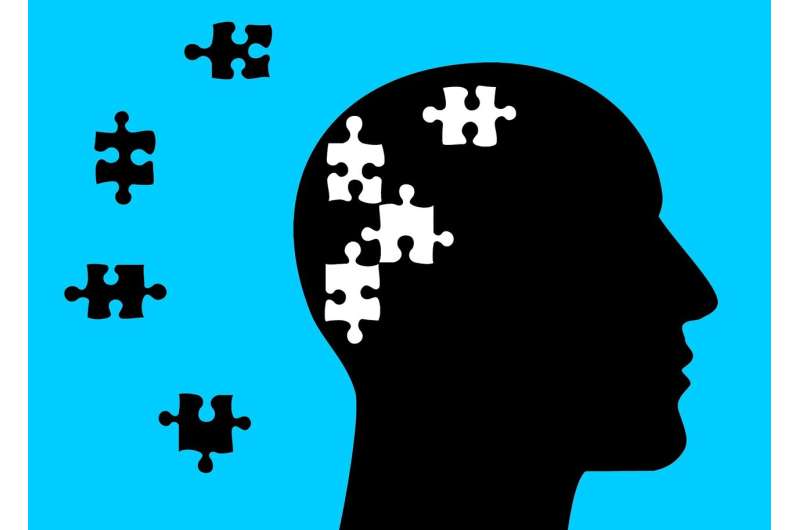
Talk therapy could improve mental health of people with dementia

mental therapy
Credit: Pixabay/CC0 Public Domain

People living with dementia may benefit from talking therapies available on the NHS, if they suffer from anxiety or depression, finds a new study led by UCL researchers.

05 nov 2022--Mental health problems such as depression and anxiety are very common in people with dementia, and previous studies estimate that 38% of people with mild dementia are affected by the conditions.

However, the new study published in eClinicalMedicine is the first to assess whether talking therapies that are routinely delivered within health care settings might be helpful to relieve symptoms. Researchers examined data from 2,515,402 people who had clinically significant anxiety or depression and completed a course of treatment via the national "Improving Access to Psychological Therapies" (IAPT) service in England between 2012 and 2019.

IAPT is a free NHS service and offers evidence-based therapies for treating anxiety and depression, including CBT (cognitive behavioral therapy), counseling, and guided self-help, with sessions delivered either face-to-face individually, in groups, or online.

To be counted in the study, participants had to have either:

  • Clinical levels of depressive symptoms as measured using a standard questionnaire that considered factors such as a lack of interest in doing things, issues with sleep, and feelings of low mood
  • Clinical levels of anxiety based on a standard measure that asked patients questions about how much they worried or had trouble relaxing.

To examine outcomes for people living with dementia, the researchers looked at all those who had a dementia diagnosis before starting IAPT treatment, which was 1,549 people.

They also used a control group of 1,329 people to assess whether therapy outcomes for those living with dementia differed from those without dementia, by selecting a group of people from the full dataset who were similar to the people with dementia in terms of age, gender, depression and anxiety severity when starting treatment.

The researchers found that among people with dementia, the treatment proved to be clinically beneficial and 63% of them saw a reduction in symptoms of depression and anxiety following IAPT. Meanwhile, approximately 40% recovered completely.

Comparatively, in the control group, 70% of participants saw an improvement in symptoms and 47% recovered.

Lead author, Ph.D. candidate Georgia Bell (UCL Psychology & Language Sciences), said, "Anxiety and depression are very common in people with dementia. They are extremely debilitating and associated with worse outcomes for both the person with dementia and their caregivers. This is the largest ever study to investigate outcomes of psychological therapies in people living with dementia.

"Our findings suggest that while people with dementia are less likely to improve or recover than those without dementia, psychological therapies offered in primary care mental health services can be beneficial for them. Consequently, our findings support the use of IAPT to treat anxiety and depression in people with dementia. We hope this study will have implications for encouraging referrals and adaptations to increase access and enhance outcomes for people living with dementia."

Previously, there was limited evidence that talking therapies were adequately effective for people with dementia, but a review of evidence led by UCL researchers confirmed their efficacy earlier this year. This latest study adds to that by confirming that NHS treatment offerings can confer such a benefit.

Dr. Richard Oakley, Associate Director of Research at Alzheimer's Society, said, "Many people living with dementia also have depression and anxiety, making it even harder for them and their caregivers to cope with symptoms and for some people even leading to a faster decline in memory and thinking problems. Consistent and accessible mental health support after a diagnosis is vital."

He added that the "...research is the first study looking at the effectiveness of therapy for people living with dementia in a real-world setting. It showed that people living with dementia showed a significant improvement in symptoms of anxiety and depression when treated with therapy, even though their response wasn't as strong as that shown in the general population."

"This research underpins the importance of timely access to mental health support, as revealed in our recent Left To Cope Alone report. We found 61% of people affected by dementia are currently in need of mental health support, and yet, in 2018, of 1 million annual referrals to Improving Access to Psychological Therapies (IAPT) services, just 0.2% were for people with dementia. Though this study didn't compare the types of therapy, types of dementia, or if there were adaptations made for people living with the disease, it still highlights the urgent need to improve real-world therapy for those living with dementia—with adaptations to improve its effectiveness and accessibility," he concluded.

Study limitations

Researchers were unable to infer causal relationships between receiving therapy and having an improvement in symptoms, as the study was observational in nature and a randomized control design would be needed to establish this causality. Furthermore, while there is evidence to suggest that questionnaires for measuring anxiety and depression can be validly completed by people with dementia, the anxiety scale used has not been validated for use in a sample of people living with dementia, meaning it may not accurately measure anxiety.

Researchers could also not distinguish the type of therapy given to the patients during their IAPT treatment so it is unclear whether one type of therapy may be better than any other in treating anxiety and depression in people living with dementia.

Additionally, the identification of people living with dementia was based on linked records, so some who attended IAPT may have been missed. And the severity of dementia could also not be accounted for at the time of psychological treatment.

More information: Effectiveness of primary care psychological therapy services for the treatment of depression and anxiety in people living with dementia: evidence from national healthcare records in England, eClinicalMedicine (2022). DOI: 10.1016/j.eclinm.2022.101692
Provided by University College London 


Why centenarians consistently present a younger epigenetic age than their chronological age

Aging | Centenarians consistently present a younger epigenetic age than their chronological age with four epigenetic clocks base
Description of the four DNA methylation-based epigenetic clocks used in our study. Credit: 2022 Daunay et al.

Aging is a progressive time-dependent biological process affecting individuals differentially. Some may present exceptional longevity. One of the hallmarks of aging is epigenetic alterations, which comprise the epigenetic drift and clock at DNA methylation level.

05 nov 2022--In a new study published in Aging, researchers Antoine Daunay, Lise M. Hardy, Yosra Bouyacoub, Mourad Sahbatou, Mathilde Touvier, Hélène Blanché, Jean-François Deleuze, and Alexandre How-Kit from Foundation Jean Dausset—CEPH, Laboratory of Excellence GenMed, Sorbonne Paris Nord University, University of Paris (CRESS), and Institut François Jacob investigated the DNA methylation-based age (DNAmage) of long-lived French individuals in the CEPH Aging Cohort using four epigenetic clocks.

"In the present study, we estimated the DNA methylation-based age (DNAmage) using four epigenetic clocks based on a small number of CpGs in French centenarians and semi-supercentenarians (CSSC, n=214) as well as nonagenarians' and centenarians' offspring (NCO, n=143) compared to individuals from the French general population (CG, n=149)," report the researchers.

DNA methylation analysis of the nine CpGs included in the epigenetic clocks showed high correlation with chronological age (-0.66>R>0.54) and also the presence of an epigenetic drift for four CpGs that was only visible in CSSC. DNAmage analysis showed that CSSC and to a lesser extend NCO present a younger DNAmage than their chronological age (15-28.5 years for CSSC, 4.4-11.5 years for NCO and 4.2-8.2 years for CG), which were strongly significant in CSSC compared to CG (p-values<2.2e-16).

These differences suggest that epigenetic aging and potentially biological aging are slowed in exceptionally long-lived individuals and that epigenetic clocks based on a small number of CpGs are sufficient to reveal alterations of the global epigenetic clock.

"This suggests a decelerated epigenetic and biological aging in these two groups of individuals, confirming the results of three other studies performed on Italian, Australian and Israeli long-lived individuals. In addition, our study also demonstrated the possibility of using epigenetic clocks based on a small number of CpG sites to reveal DNAmage and chronological age differences between individuals with different life expectancy."

More information: Antoine Daunay et al, Centenarians consistently present a younger epigenetic age than their chronological age with four epigenetic clocks based on a small number of CpG sites, Aging (2022). DOI: 10.18632/aging.204316
Provided by Impact Journals LLC


Nutrition education should be 'on the menu' of all healthcare professionals' education—new research

nutrition
Credit: Pixabay/CC0 Public Domain

All healthcare professionals should study a curriculum of nutrition education during their studies in order to help better support public health—new paper suggests.

05 nov 2022--Nutritional researchers from Aston University, with colleagues from other universities and leading nutritional groups, worked with the Association of Nutrition (AfN) to help develop a curriculum that can be rolled out amongst all undergraduate medical school students with potential for modules to be taught to other healthcare professional courses.

The paper jointly published in the British Journal for Nutrition and BMJ Nutrition, Prevention and Health examined the development of a new curriculum aimed at undergraduate medical students and made recommendations on its roll out nationally, with a view to it subsequently being implemented into other healthcare courses.

The AfN Undergraduate Curriculum in Nutrition for medical doctors has been designed to be presented to medical students as an integral part of their general undergraduate training, making it clear how nutrition interrelates with the study of other systems and contributes to an inclusive understanding of health and disease.

Dr. Duane Mellor, clinical dietitian and senior lecturer at Aston Medical School at Aston University and co-author on the paper, said:

"At present, lifestyle related health problems from living with obesity, through to high blood pressure, type 2 diabetes, heart disease and several cancers can all be linked to diet across our communities. Whereas in hospitals around a third of patients coming in can be undernourished.

"Nutrition and food play a key role to both keeping us healthy and helping to manage disease, which is why it is imperative we educate our future doctors and other health professionals about the role of nutrition in patient care."

The paper sets out not only the need for nutrition education and the gaps, but how it can be included as part of what is already a very busy and content heavy curriculum. It builds on areas of the curriculum where nutrition could even be used to help teach concepts such as epidemiology.

It highlights how historically medical education along with the education of many health professionals not specialising in nutrition often have only a few hours of teaching on the subject.

Dr. Glenys Jones, deputy chief executive at the Association for Nutrition, who led the curriculum development project and is co-author on the recent paper, said:

"Nutrition is a key and modifiable determinant of health and wellbeing, therefore it is essential our future medical and healthcare professionals are equipped to be able to identify when nutrition could be involved in a patient's condition in order for this to form part of their care.

"The curriculum is not designed to turn our doctors into nutritionists or dietitians, but to give them the knowledge and skills to be able to think about whether nutrition could be playing a role and having the confidence and knowledge of who, when and how to refer on to suitable nutrition professionals when this is needed."

Aston University is a pioneer in the key area of nutrition education of the future healthcare workforce. As one of few UK universities with a dietitian or nutritionist as part of the teaching team within its medical school, these skills are now being developed to benefit the training of other health professionals.

Dr. Mellor added: "As one of a few dietitians and nutritionists embedded into the teaching team at Aston Medical School, we have been able to integrate nutrition across our curriculum.

"It is great to be able to highlight how nutrition links to the basic science areas such as biochemistry through to how you can encourage a patient to think about changing their diet in clinical skills'.

Aston University has also started to explore with the Association for Nutrition the potential need for nutrition education in other professions. From this an outline of a core curriculum for nutrition for a range of health professionals is in development.

Dr. Mellor also plans to work with colleagues to further develop nutrition teaching at Aston University, thus helping students across subjects such as optometry and pharmacy to gain a better understanding of nutrition and how it impacts on their areas of expertise.

For more information about Aston Medical School please visit our website.

More information: Glenys Jones et al, Putting nutrition education on the table: development of a curriculum to meet future doctors' needs, British Journal of Nutrition (2022). DOI: 10.1017/S0007114522001635

Glenys Jones et al, Putting nutrition education on the table: development of a curriculum to meet future doctors' needs, BMJ Nutrition, Prevention & Health (2022). DOI: 10.1136/bmjnph-2022-000510


Provided by Aston University 


Researchers reveal why shingles can lead to stroke

stroke
Credit: CC0 Public Domain

Scientists investigating why people who have had shingles are at a higher risk of stroke, now believe the answer lies within lipid vesicles called exosomes that shuttle proteins and genetic information between cells, according to new research from the University of Colorado Anschutz Medical Campus.

05 nov 2022--The study, published today in The Journal of Infectious Diseases, details the mechanisms behind the link between shingles and strokes.

"Most people know about the painful rash associated with shingles, but they may not know that the risk of stroke is elevated for a year after infection," said the study's lead author Andrew Bubak, Ph.D., assistant research professor in the Department of Neurology at the University of Colorado School of Medicine. "Importantly, the rash is often completely healed and individuals feel normal but nonetheless are walking around with this significant elevation in stroke risk."

Herpes zoster (HZ) or shingles is caused by the varicella zoster virus which causes chicken pox. The virus lingers in the ganglionic neurons and can reactivate causing excruciating pain. But researchers have found that shingles can also increase the risk of stroke especially for those under age 40 where the shingles vaccine is not typically recommended.

The risk is greatest in people with the rashes on their faces, perhaps due to the proximity to the brain.

To better understand how this works, Bubak and his team began looking more closely at exosomes.

"Exosomes carry pathogenic cargo that can cause thrombosis and inflammation distant from site of actual infection," Bubak said. "That could ultimately lead to a stroke in patients."

Researchers collected plasma samples from 13 patients with shingles and 10 without. The samples were taken at time of infection and at 3-month follow-ups for a subset of patients and exosomes were extracted from the plasma.

The researchers found prothrombotic exosomes which could cause blood clots in those with the infection. They also discovered proinflammatory exosomes that also pose risks for stroke at the 3-month follow-up.

Bubak said the findings suggest that in a subset of people with shingles, the virus may not return to latency or the circulating exosomes that induce a prolonged prothrombotic state may persist even after therapy is done and the rash is gone. He said using antiviral agents longer with the addition of antiplatelet and anti-inflammatory agents could help.

"As well as initiatives to increase HZ vaccine uptake to decrease stroke risk, particularly in individuals with known preexisting stroke risk factors," said Bubak. "If these findings are confirmed with a larger longitudinal study, then this could change clinical practice."

Most physicians are unaware of the connection between shingles—which has an effective vaccine—and stroke.

"But it's really important and so easily mitigated," Bubak said. "Send them home with antiplatelet agents."

More information: Zoster-associated prothrombotic plasma exosomes and increased stroke risk, The Journal of Infectious Diseases (2022). DOI: 10.1093/infdis/jiac405
Provided by CU Anschutz Medical Campus 


Fermented foods and fiber may lower stress levels, says new study

Fermented foods and fibre may lower stress levels—new study
Foods such as kimchi are great to include in a psychobiotic diet. Credit: Nungning20/ Shutterstock

When it comes to dealing with stress, we're often told the best things we can do are exercise, make time for our favorite activities or try meditation or mindfulness.

05 nov 2022--But the kinds of foods we eat may also be an effective way of dealing with stress, according to research published by me and other members of APC Microbiome Ireland. Our latest study, now published in Molecular Psychiatry, has shown that eating more fermented foods and fiber daily for just four weeks had a significant effect on lowering perceived stress levels.

Over the last decade, a growing body of research has shown that diet can have a huge impact on our mental health. In fact, a healthy diet may even reduce the risk of many common mental illnesses.

The mechanisms underpinning the effect of diet on mental health are still not fully understood. But one explanation for this link could be via the relationship between our brain and our microbiome (the trillions of bacteria that live in our gut). Known as the gut-brain axis, this allows the brain and gut to be in constant communication with each other, allowing essential body functions such as digestion and appetite to happen. It also means that the emotional and cognitive centers in our brain are closely connected to our gut.

While previous research has shown stress and behavior are also linked to our microbiome, it has been unclear until now whether changing diet (and therefore our microbiome) could have a distinct effect on stress levels.

This is what our study set out to do. To test this, we recruited 45 healthy people with relatively low-fiber diets, aged 18–59 years. More than half were women. The participants were split into two groups and randomly assigned a diet to follow for the four-week duration of the study.

Around half were assigned a diet designed by nutritionist Dr. Kirsten Berding, which would increase the amount of prebiotic and fermented foods they ate. This is known as a "psychobiotic" diet, as it included foods that have been linked to better mental health.

This group was given a one-on-one education session with a dietitian at both the start and halfway through the study. They were told they should aim to include 6–8 servings daily of fruits and vegetables high in prebiotic fibers (such as onions, leeks, cabbage, apples, bananas and oats), 5–8 servings of grains per day, and 3–4 servings of legumes per week. They were also told to include 2–3 servings of fermented foods daily (such as sauerkraut, kefir and kombucha). Participants on the control diet only received general dietary advice, based on the healthy eating food pyramid.

Fermented foods and fibre may lower stress levels—new study
Participants were told to eat foods high in prebiotic fibres, such as apples. Credit: gowithstock/ Shutterstock
Less stress

Intriguingly, those who followed the psychobiotic diet reported they felt less stressed compared with those who followed the control diet. There was also a direct correlation between how strictly participants followed the diet and their perceived stress levels, with those who ate more psychobiotic foods during the four-week period reporting the greatest reduction in perceived stress levels.

Interestingly, the quality of sleep improved in both groups—though those on the psychobiotic diet reported greater improvements in sleep. Other studies have also shown that gut microbes are implicated in sleep processes, which may explain this link.

The psychobiotic diet only caused subtle changes in the composition and function of microbes in the gut. However, we observed significant changes in the level of certain key chemicals produced by these gut microbes. Some of these chemicals have been linked to mental health, which could potentially explain why participants on the diet reported feeling less stressed.

Our results suggest specific diets can be used to reduce perceived stress levels. This kind of diet may also help to protect mental health in the long run as it targets the microbes in the gut.

While these results are encouraging, our study is not without its limitations. First, the sample size is small due to the pandemic restricting recruitment. Second, the short duration of the study could have limited the changes we observed—and it's unclear how long they would last. As such, long-term studies will be needed.

Third, while participants recorded their daily diet, this form of measurement can be susceptible to error and bias, especially when estimating food intake. And while we did our best to ensure participants didn't know what group they'd been assigned to, they may have been able to guess based on the nutrition advice they were given. This may have affected the responses they gave at the end of the study. Finally, our study only looked at people who were already healthy. This means we don't understand what effect this diet could have on someone who may not be as healthy.

Still, our study offers exciting evidence that an effective way to reduce stress may be through diet. It will be interesting to know if these results can also be replicated in people suffering from stress-related disorders, such as anxiety and depression. It also adds further evidence to this field of research, showing evidence of an association between diet, our microbiome and our mental health.

So the next time you're feeling particularly stressed, perhaps you'll want to think more carefully about what you plan on eating for lunch or dinner. Including more fiber and fermented foods for a few weeks may just help you feel a little less stressed out.

More information: Kirsten Berding et al, Feed your microbes to deal with stress: a psychobiotic diet impacts microbial stability and perceived stress in a healthy adult population, Molecular Psychiatry (2022). DOI: 10.1038/s41380-022-01817-y
Journal information: Molecular Psychiatry 

Friday, October 07, 2022


Bronchodilators don't improve smoking-related respiratory symptoms in people without COPD

copd
Credit: Pixabay/CC0 Public Domain

Researchers supported by the National Institutes of Health have found that dual bronchodilators—long-lasting inhalers that relax the airways and make it easier to breathe—do little to help people who do not have chronic obstructive pulmonary disease (COPD), but who do have respiratory symptoms and a history of smoking.

06 oct 2022--COPD, a lung disease that obstructs the airways and leads to coughing, wheezing, and shortness of breath, affects about 15 million Americans. However, millions of others who smoke or used to smoke and have some symptoms of COPD have also been prescribed bronchodilators.

"We've assumed these medications worked in patients who don't meet lung function criteria for COPD, but we never checked," said MeiLan K. Han, M.D., a principal investigator and first author of the study. "We now know these existing medications don't work for these patients."

The findings of the study, which was funded by the National Heart, Lung, and Blood Institute (NHLBI), were published in the New England Journal of Medicine and simultaneously presented at the European Respiratory Society International Congress.

According to scientists, the implications are significant. First, they show the importance of diagnosing lung conditions through spirometry, a lung function test Han noted is underutilized in clinical practice. Second, they show the need for new, effective therapies for patients without COPD.

Inhalers have long been the primary go-to treatment for these patients, she explained, because doctors either assume a patient has COPD, or if they don't, that their smoking-related symptoms could be helped by the inhalers. But while  causes a large spectrum of lung damage, the study showed bronchodilator therapy only helps patients with enough lung damage that would result in abnormal spirometry readings.

In the 12-week, randomized, double-blinded study, which was part of the Redefining Therapy in Early COPD for the Pulmonary Trials Cooperative (RETHINC), researchers enrolled 535 adults with symptoms of COPD, ages 40-80, at one of 20 U.S. medical centers. Twice each day, study participants used an inhaler that contained either medication or a placebo.

By the end of the trial, some adults in the medication (intervention) and placebo (control) groups saw slight respiratory improvements—this could mean they coughed less, produced less phlegm, or felt less winded—which was assessed through the St. George's Respiratory Questionnaire. However, the researchers found no significant differences between those receiving medication or placebo. They reported 56% (128 of 227) of participants who received the medication saw respiratory symptom improvements, compared to 59% (144 of 244) of those who took the placebo.

According to Han, these data underscore why we can't continue to do what we have been doing, which is not doing spirometry and just treating patients with the same COPD medications and expect that we're going to see improvement.

Antonello Punturieri, M.D., Ph.D., program director of NHLBI's Chronic Obstructive Pulmonary Disease/Environment Program, said spirometry testing should be used for any patient who shows signs of COPD, airflow obstruction, or who has a history of cigarette smoking. Though spirometry readings are used during about one-third of medical visits related to COPD, roughly half of patients who would meet criteria for COPD go undiagnosed.

Helping patients quit smoking is a primary way to prevent COPD or COPD-like symptoms, the study noted. More than 30 million adults smoke, according to the Centers for Disease Control and Prevention, and many who are not diagnosed with COPD share symptoms. About one in four current or former smokers without COPD have reported having shortness of breath. In addition to encouraging smoking cessation, doctors can help patients who do not meet lung-function criteria of COPD by working with them to address any other underlying issues, such as overweight and obesity, heart failure, or other lung issues. "In the meantime, research should be focused on finding new treatments for them," Han explained. "The next question is, can we develop more targeted therapies for these patients who are on the milder end of the spectrum?"

"Because cough and mucus production show up prominently among these patients, we believe therapies that target mucus production in the airways may be effective," said Prescott G. Woodruff, M.D., a principal investigator and senior author of the study.


More information: Bronchodilators in symptomatic tobacco-exposed persons with preserved spirometry for the RETHINC study group, New England Journal of Medicine (2022). DOI: 10.1056/NEJMoa2204752


Insomnia increases likelihood of memory decline in older adults, according to new research

insomnia
Credit: Unsplash/CC0 Public Domain

A new Canadian study has found that older people with insomnia are at greater risk of developing memory decline and long-term cognitive impairment such as dementia.

06 oct 2022--The study, published in the journal Sleep, is based on data from more than 26,000 participants of the Canadian Longitudinal Study on Aging, all aged between 45 and 85. The researchers compared completed self-reported evaluations of sleep and memory and neuropsychological testing in several cognitive domains from 2019 and a follow-up in 2022. Participants who reported worsening sleep quality in that three-year interval also had greater odds of reporting subjective memory decline.

"We found that insomnia specifically was related to worse memory performance compared to those who have some insomnia symptoms alone or no sleep problems at all," says the study's co-lead author Nathan Cross, a postdoctoral fellow at the Sleep, Cognition and Neuroimaging Lab. "This deficit in memory was specific, as we also looked at other cognitive function domains such as attention span multi-tasking. We only found differences in memory."

Jean-Louis Zhao at the Université de Montréal was the study's co-lead. Lisa Kakinami and Thanh Dang-Vu of the PERFORM Centre contributed to the study, as did Chun Yao and Ronald Postuma from McGill University and Julie Carrier and Nadia Gosselin at UdeM.

Insomnia increases likelihood of memory decline in older adults, according to new research
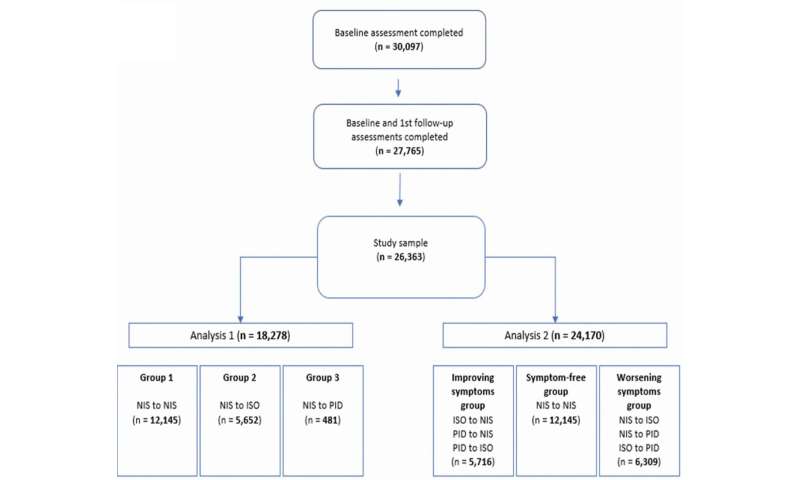
Study flowchart and group classification for Analysis 1 and Analysis 2. NIS, no insomnia symptoms; ISO, insomnia symptoms only; PID, probable insomnia disorder. Credit: Sleep (2022). DOI: 10.1093/sleep/zsac176

Big data and a sharp focus

Unlike previous studies on sleep quality, Cross says, this one benefits from its very large data set and its focus on sleep disorders. Insomnia, he points out, has been classified as a psychological disorder in the Diagnostic and Statistical Manual of Mental Disorders, the primary reference handbook used by physicians worldwide. Insomnia is not just tossing and turning for a time before bed: "A diagnosis requires symptoms of difficulty falling asleep, staying asleep or waking too early three nights a week over a period of three months. Additionally, those with insomnia must report that this sleep problem causes them difficulty in the daytime," Cross explains.

For this study, the researchers grouped their subjects into one of three categories: those who reported no sleep problems at the 2019 baseline, those who had some insomnia symptoms and those who developed probable insomnia. When they looked at the data from 2022 follow-up, those who had reported a worsening of sleep quality—from no symptoms to some or probable insomnia, or from some symptoms to probable insomnia—were more likely to report memory decline or have it diagnosed by their physician. They were also more likely to show higher prevalence of anxiety, depression, daytime sleepiness, have breathing interruptions during sleep, other sleep-related issues, smoking and a greater body mass index (BMI) score. All of these are considered risk factors for cognitive decline and dementia. Additionally, the study found that men with insomnia perform worse on memory tests than women, suggesting that older men may be at greater risk.

"However, there is some good news: sleep disorders like insomnia can be treated," Cross adds. "This highlights the importance of properly diagnosing and managing insomnia as early as possible in older adults. Adequately treating insomnia disorder might become an important preventive measure for cognitive decline and mitigate the incidence of dementia in later life."


More information: Jean-Louis Zhao et al, Insomnia disorder increases the risk of subjective memory decline in middle-aged and older adults: a longitudinal analysis of the Canadian Longitudinal Study on Aging, Sleep (2022). DOI: 10.1093/sleep/zsac176


Older adults with regular activity routines are happier and do better on cognitive tests, study finds

older adults
Credit: CC0 Public Domain

Older adults who consistently get up early and remain active throughout the day are happier and perform better on cognitive tests than those with irregular activity patterns, according to a new study led by University of Pittsburgh researchers.

06 oct 2022--The findings, published online in JAMA Psychiatry, suggest that patterns of activity—not just activity intensity—are important for healthy aging and mental health.

"There's something about getting going early, staying active all day and following the same routine each day that seems to be protecting older adults," said lead author Stephen Smagula, Ph.D., assistant professor of psychiatry and epidemiology at Pitt. "What's exciting about these findings is that activity patterns are under voluntary control, which means that making intentional changes to one's daily routine could improve health and wellness."

To learn more about daily activity patterns in U.S.-based older adults and identify links with mental health and cognition, Smagula and his team recruited 1,800 senior citizens aged over 65. Participants wore accelerometers—movement-detecting devices often found in smartphones and exercise trackers—on their wrists for seven days to measure activity, and they completed questionnaires to assess depression symptoms and cognitive function.

The analysis showed that 37.6% of participants rose early in the morning, stayed active throughout the day and had consistent daily routines.

"Many older adults had robust patterns: They get up before 7 a.m. on average, and they keep going; they stay active for 15 hours or so each day. They also tend to follow the same pattern day in, day out," said Smagula. "Lo and behold, those same adults were happier, less depressed and had better cognitive function than other participants."

Another group comprising 32.6% of participants similarly had consistent daily patterns but the participants were active for an average of just 13.4 hours each day because they rose later in the morning or settled down earlier in the evening. This group had more depression symptoms and poorer cognition than the early risers.

"People often think about activity intensity being important for health, but it might be the duration of activity that matters more," said Smagula. "This is a different way of thinking about activity: You may not need to be sprinting or running a marathon but simply staying engaged with activities throughout the day."

The remaining 29.8% of participants had disrupted activity patterns in which periods of activity were erratic throughout the day and inconsistent across days. These adults had the highest rates of depression and performed worst on cognitive tests.

According to Smagula, the relationship between mental health and activity patterns likely goes both ways: Depression or cognitive impairment can make it harder to follow a consistent routine, and conversely, having a disrupted activity rhythm may worsen these symptoms.

"Our findings suggest that activity pattern disruption is very common and associated with health problems in older adults," explained Smagula. "The relationship is likely bi-directional, so the good news is we think that simple changes—things everyone can try—can restore regular activity patterns and doing so may improve health."

Now, Smagula and his team are developing interventions to test their hypothesis that modifying behaviors to develop more consistent daily routines will boost cognition and improve mental health in older adults.

Smagula said that the first step to developing a consistent routine and getting better sleep is waking up at the same time each day—no matter how tired you are.

"The other thing is having a realistic plan to keep active through the whole day. This can be really hard—especially if you're in a slump or recovering from an injury—so it's important to be reasonable with yourself," he added. "A plan could include making a list of activities you enjoy and scheduling time to meet a friend or neighbor."

Time cues, called "zeitgebers," which help set the body's internal clock, can also assist in creating a stable routine. These include sunlight, exercise and eating. Pets, who often demand meals and walks at the same time each day, can be important social zeitgebers.

"Most people are aware of the importance of good sleep and exercise, but I think what's missing from this picture is the daily (circadian) pattern of activity," said Smagula. "Having something to wake up for each morning and having a full day that you find purposeful and rewarding might be what's important for us sleeping well at night and aging well."

More information: Stephen F. Smagula et al, Association of 24-Hour Activity Pattern Phenotypes With Depression Symptoms and Cognitive Performance in Aging, JAMA Psychiatry (2022). DOI: 10.1001/jamapsychiatry.2022.2573


Risk factor for developing Alzheimer's disease increases by 50-80% in older adults who have had COVID-19

alzheimers
Credit: Pixabay/CC0 Public Domain

Older people who were infected with COVID-19 show a substantially higher risk—as much as 50% to 80% higher than a control group—of developing Alzheimer's disease within a year, according to a study of more than 6 million patients 65 and older.

06 oct 2022--In a study published today in the Journal of Alzheimer's Disease, researchers report that people 65 and older who contracted COVID-19 were more prone to developing Alzheimer's disease in the year following their COVID diagnosis. And the highest risk was observed in women at least 85 years old.

The findings showed that the risk for developing Alzheimer's disease in older people nearly doubled (0.35% to 0.68%) over a one-year period following infection with COVID. The researchers say it is unclear whether COVID-19 triggers new development of Alzheimer's disease or accelerates its emergence.

"The factors that play into the development of Alzheimer's disease have been poorly understood, but two pieces considered important are prior infections, especially viral infections, and inflammation," said Pamela Davis, Distinguished University Professor and The Arline H. and Curtis F. Garvin Research Professor at the Case Western Reserve School of Medicine, the study's coauthor.

"Since infection with SARS-CoV-2 has been associated with central nervous system abnormalities including inflammation, we wanted to test whether, even in the short term, COVID could lead to increased diagnoses," she said.

The research team analyzed the anonymous electronic health records of 6.2 million adults 65 and older in the United States who received medical treatment between February 2020 and May 2021 and had no prior diagnosis of Alzheimer's disease.

They then divided this population two groups: one composed of people who contracted COVID-19 during that period, and another with people who had no documented cases of COVID-19. More than 400,000 people were enrolled in the COVID study group, while 5.8 million were in the non-infected group.

"If this increase in new diagnoses of Alzheimer's disease is sustained, the wave of patients with a disease currently without a cure will be substantial, and could further strain our long-term care resources," Davis said. "Alzheimer's disease is a serious and challenging disease, and we thought we had turned some of the tide on it by reducing general risk factors such as hypertension, heart disease, obesity and a sedentary lifestyle. Now, so many people in the U.S. have had COVID and the long-term consequences of COVID are still emerging. It is important to continue to monitor the impact of this disease on future disability."

Rong Xu, the study's corresponding author, professor of Biomedical Informatics at the School of Medicine and director of the Center for AI in Drug Discovery, said the team plans to continue studying the effects of COVID-19 on Alzheimer's disease and other neurodegenerative disorders—especially which subpopulations may be more vulnerable—and the potential to repurpose FDA-approved drugs to treat COVID's long-term effects.

Previous COVID-related studies led by CWRU have found that people with dementia are twice as likely to contract COVID; those with substance abuse disorder orders are more likely to contract COVID; and that 5% of people who took Paxlovid for treatment of COVID symptoms experienced rebound infections within a month.


More information: Lindsey Wang et al, Association of COVID-19 with New-Onset Alzheimer's Disease, Journal of Alzheimer's Disease (2022). DOI: 10.3233/JAD-220717

Thursday, October 06, 2022


Being lonely and unhappy accelerates aging more than smoking, study finds

Being lonely and unhappy accelerates aging more than smoking
Research confirms: Psychological issues can accelerate your pace of aging. Credit: Fedor Galkin

Molecular damage accumulates and contributes to the development of aging-related frailty and serious diseases. In some people these molecular processes are more intense than in others, a condition commonly referred to as accelerated aging.

06 oct 2022--Fortunately, the increased pace of aging may be detected before its disastrous consequences manifest by using digital models of aging (aging clocks). Such models can also be used to derive anti-aging therapies on individual and population levels.

According to the latest article published in Aging-US, any anti-aging therapy needs to focus on one's mental health as much as on one's physical health. An international collaboration led by Deep Longevity with US and Chinese scientists has measured the effects of being lonely, having restless sleep, or feeling unhappy on the pace of aging and found it to be significant.

The article features a new aging clock trained and verified with blood and biometric data of 11,914 Chinese adults. This is the first aging clock to be trained exclusively on a Chinese cohort of such volume.

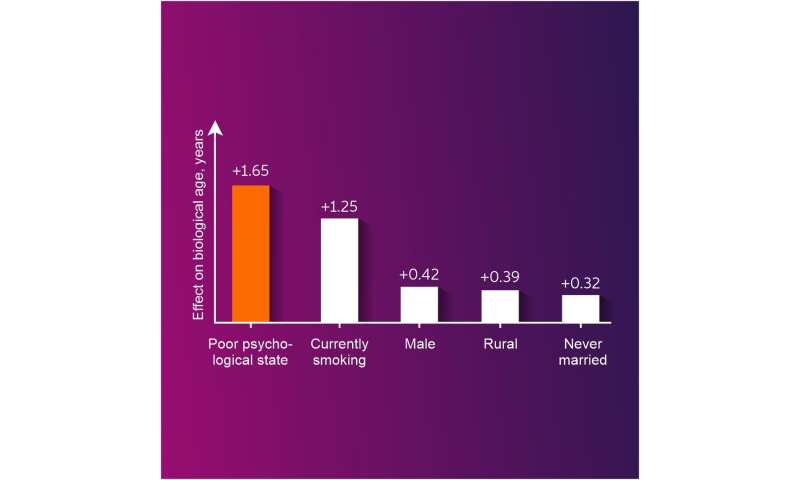
Aging acceleration was detected in people with a history of stroke, liver and lung diseases, smokers, and most interestingly, people in a vulnerable mental state. In fact, feeling hopeless, unhappy, and lonely was shown to increase one's biological age more than smoking. Other factors linked to aging acceleration include being single and living in a rural area (due to the low availability of medical services).

Being lonely and unhappy accelerates aging more than smoking
AI to connect psychological and biological aging. Credit: Fedor Galkin

The authors of the article conclude that the psychological aspect of aging should not be neglected either in research or in practical anti-aging applications. According to Manuel Faria from Stanford University, "Mental and psychosocial states are some of the most robust predictors of health outcomes—and quality of life—yet they have largely been omitted from modern health care."

Alex Zhavoronkov, the CEO of Insilico Medicine, points out that the study provides a course of action to "slow down or even reverse psychological aging on a national scale."

Earlier this year, Deep Longevity released an AI-guided mental health web service, FuturSelf.AI, that is based on a preceding publication in Aging-US. The service offers a free psychological assessment that is processed by an AI and provides a comprehensive report on a user's psychological age as well as current and future mental well-being. Deepankar Nayak, the CEO of Deep longevity affirms, "FuturSelf.AI, in combination with the study of older Chinese adults, positions Deep Longevity at the forefront of biogerontological research."

Deep Longevity developed the Longevity as a Service (LaaS) solution to integrate multiple deep biomarkers of aging dubbed "deep aging clocks" to provide a universal multifactorial measure of human biological age.


More information: Psychological and biological aging clocks reveal the main contributors to the aging rate in Chinese older adults, Aging-US (2022). DOI: 10.1000/xyz123


One in three Alzheimer's disease family caregivers has persistent symptoms of depression

Alzheimer's
Credit: Pixabay/CC0 Public Domain

More than 60% of family caregivers of individuals with Alzheimer's disease (AD) experienced at least mild depressive symptoms already at the time the individual with AD was diagnosed. In one third of them, depressive symptoms worsened during a five-year follow-up.

06 oct 2022--The study carried out at the University of Eastern Finland included 226 family caregivers of individuals with AD. Depressive symptoms experienced by family caregivers were monitored for five years, starting from the diagnosis of the individual with AD. 61.5% of family caregivers experienced depressive symptoms at the time the individual with AD was diagnosed.

In more than half of them, depressive symptoms remained mild during the follow-up and even diminished in some few cases, but one third experienced an increase in depressive symptoms. In family caregivers whose depressive symptoms worsened during the follow-up, symptoms increased especially in the third and fifth year after the diagnosis of the individual with AD.

Family caregivers whose symptoms worsened were typically women caring for their spouse, and the spouse had more neuropsychiatric symptoms. However, the functional ability of the individual with AD, or the severity of their disease, were not associated with family caregivers' depressive symptoms.

Depressive symptoms weaken, for their part, family caregivers' health. So far, data on how these symptoms change over the years of giving family care, and how family caregivers differ from one another, have been scarce.

Family caregivers' health and well-being should be monitored, too

"According to this study, about one third of family caregivers experience persistent depression when giving family care. It seems that the severity or progression of the memory disorder does not explain family caregivers' symptoms, but they are rather related to individual backgrounds," says Adjunct Professor Tarja Välimäki from the Department of Nursing Science at the University of Eastern Finland.

"Family caregivers enter the caregiving situation, which often lasts many years, from different backgrounds, and these differences persist."

The results support earlier findings of the ALSOVA study suggesting that it would be possible to identify those family caregivers who accumulate several strain factors during the years of giving care. Family care also involves maintaining the health and good life of family caregivers.

"It is important to consider the health of the family caregiver already when looking into the situation of the individual with AD. Assessment and continuous monitoring of family caregivers' health and well-being should be included in the treatment of memory disorders," Välimäki says.

The study, published in Clinical Gerontologist, was carried out as part of the ALSOVA study at the University of Eastern Finland, which has conducted a five-year follow-up of individuals with a recently diagnosed AD and their family caregivers. The multidisciplinary study combines medical, therapeutic, economic, pharmacological and psychological expertise. All study participants diagnosed with AD were examined and treated in accordance with the current care guidelines for Alzheimer's disease.


More information: Tarja Välimäki et al, Different Trajectories of Depressive Symptoms in Alzheimer's Disease Caregivers—5-Year Follow-Up, Clinical Gerontologist (2022). DOI: 10.1080/07317115.2022.2119183


Super ager brains contain 'super neurons'

brain connection
Credit: Pixabay/CC0 Public Domain

Neurons in an area of the brain responsible for memory (known as the entorhinal cortex) were significantly larger in super agers (80 years and older) compared to cognitively average peers, individuals with early-stage Alzheimer's disease and even individuals 20 to 30 years younger than super agers, reports a new Northwestern Medicine study.

06 oct 2022--These neurons did not harbor tau tangles, a signature hallmark of Alzheimer's disease.

"The remarkable observation that super agers showed larger neurons than their younger peers may imply that large cells were present from birth and are maintained structurally throughout their lives," said lead author Tamar Gefen, an assistant professor of psychiatry and behavioral sciences at Northwestern University Feinberg School of Medicine. "We conclude that larger neurons are a biological signature of the SuperAging trajectory."

The study of super agers with exceptional memory was the first to show that these individuals carry a unique biological signature that comprises larger and healthier neurons in the entorhinal cortex that are relatively void of tau tangles (pathology).

The study will be published Sept. 30 in The Journal of Neuroscience.

The Northwestern Super Aging Research Program studies unique individuals known as super agers, who are 80+ year-olds who show exceptional memory at least as good as individuals 20 to 30 years their junior.

"To understand how and why people may be resistant to developing Alzheimer's disease, it is important to closely investigate the postmortem brains of super agers," Gefen said. "What makes super agers' brains unique? How can we harness their biologic traits to help elderly stave off Alzheimer's disease?"

Scientists studied the entorhinal cortex of the brain because it controls memory and is one of the first locations targeted by Alzheimer's disease. The entorhinal cortex comprises six layers of neurons packed on top of one another. Layer II, in particular, receives information from other memory centers and is a very specific and crucial hub along the brain's memory circuit.

In the study, scientists show that super agers harbor large, healthier neurons in layer II of the entorhinal cortex compared to their same-aged peers, individuals with early stages of Alzheimer's disease and even individuals 20 to 30 years younger. They also showed that these large layer II neurons were spared from the formation of tau tangles.

Taken together, the findings suggest that a neuron spared from tangle formation can maintain its structural integrity (i.e., remain healthy and large). The inverse also seems to be true: Tau tangles can lead to neuronal shrinkage.

Participants in the Super Ager study donate their brains for research.

For the study, scientists examined the brains of six super agers, seven cognitively average elderly individuals, six young individuals and five individuals with early stages of Alzheimer's. Then they measured the size of neurons in layer II of the entorhinal cortex (compared to layers III and V). They also measured the presence of tau tangles in these cases.

For reasons that remain unknown, cell populations in the entorhinal cortex are selectively vulnerable to tau tangle formation during normal aging and in early stages of Alzheimer's.

"In this study, we show that in Alzheimer's, neuronal shrinkage (atrophy) in the entorhinal  appears to be a characteristic marker of the disease," Gefen said.

"We suspect this process is a function of tau tangle formation in the affected cells leading to poor memory abilities in older age," Gefen said. "Identifying this contributing factor (and every contributing factor) is crucial to the early identification of Alzheimer's, monitoring its course and guiding treatment."

Future studies are needed to understand how and why neuronal integrity is preserved in super agers. Gefen wants to focus on probing the cellular environment.

"What are the chemical, metabolic or genetic features of these cells that render them resilient?" she asked. She also plans to investigate other hubs along the memory circuit of the brain to better understand the spread of or resistance to disease.

More information: Neuronal Integrity in SuperAging, The Journal of Neuroscience (2022). dx.doi.org/10.1523/JNEUROSCI.0679-22.2022