Selenium—a mineral found in many foods—could reverse the cognitive impact of stroke and boost learning and memory in aging brains, according to University of Queensland research.
20 feb 2022--Queensland Brain Institute (QBI) lead researcher Dr. Tara Walker said studies on the impact of exercise on the aging brain found levels of a protein key to transporting selenium in the blood were elevated by physical activity.
"We've known for the last 20 years that exercise can create new neurons in the brain, but we didn't really understand how," Dr. Walker said.
The research team investigated whether dietary selenium supplements could replicate the effects of exercise.
"Our models showed that selenium supplementation could increase neuron generation and improve cognition in elderly mice," Dr. Walker said.
"The levels of new neuron generation decrease rapidly in aged mice, as they do in humans.
"When selenium supplements were given to the mice, the production of neurons increased, reversing the cognitive deficits observed in aging."
Selenium is an essential trace mineral absorbed from soil and water and is found in foods such as grains, meat and nuts, with the highest levels found in Brazil nuts.
The scientists also tested whether selenium would have an impact on the cognitive decline sometimes experienced following stroke, which can affect people's memory and ability to learn.
"Young mice are really good at the learning and memory tasks, but after a stroke, they could no longer perform these tasks," Dr. Walker said.
"We found that learning and memory deficits of stroke affected mice returned to normal when they were given selenium supplements."
Dr. Walker said the results opened a new therapeutic avenue to boost cognitive function in people who were unable to exercise due to poor health or old age.
"However, selenium supplements shouldn't be seen as a complete substitute for exercise, and too much can be bad for you," she said.
"A person who is getting a balanced diet of fruits, nuts, veggies and meat usually has good selenium levels.
"But in older people, particularly those with neurological conditions, selenium supplements could be beneficial."
More information: Odette Leiter et al, Selenium mediates exercise-induced adult neurogenesis and reverses learning deficits induced by hippocampal injury and aging, Cell Metabolism (2022). DOI: 10.1016/j.cmet.2022.01.005
Provided by University of Queensland
Loneliness associated with increased risk of dementia in older adults
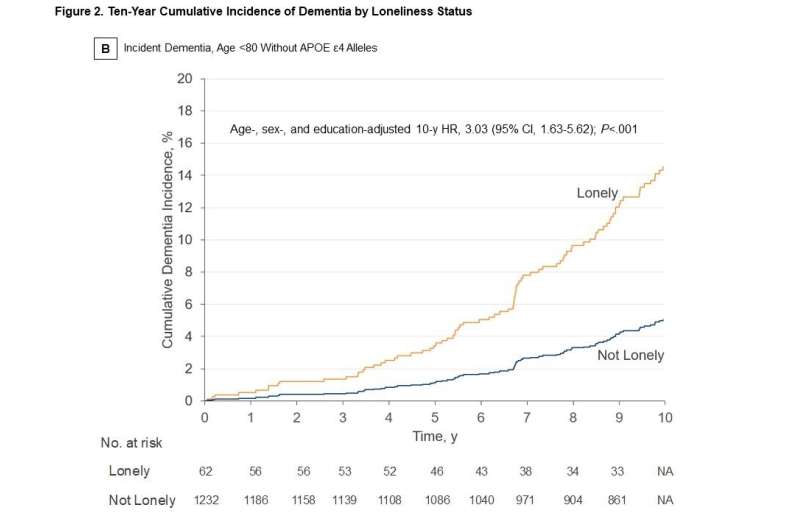
Chart showing incident of dementia for adults under age 80 without APOE ε4 allele, a genetic risk factor for Alzheimer's disease. Credit: NYU Langone Health
As social isolation in the United States has been increasing among older adults, a new study shows a notable link between loneliness and dementia risk, and one that is most striking for Americans who represent a large part of the population.
20 feb 2022--In the study publishing February 7 inNeurology, the medical journal of the American Academy of Neurology,researchers found a three-fold increase in risk of subsequent dementia among lonely Americans younger than 80 years old who would otherwise be expected to have a relatively low risk based on age and genetic risk factors. The study also found thatlonelinesswas associated with poorer executive function (i.e., a group of cognitive processes including decision-making, planning, cognitive flexibility, and control of attention) and changes in the brain that indicate vulnerability to Alzheimer's disease and related dementias (ADRD).
"This study emphasizes the importance of loneliness and issues of social connection in addressing our risk of developing dementia as we age," says lead investigator Joel Salinas, MD, MBA, MSc, the Lulu P. and David J. Levidow Assistant Professor of Neurology at NYU Grossman School of Medicine and member of the Department of Neurology's Center for Cognitive Neurology. "Acknowledging signs of loneliness in yourself and others, building and maintaining supportive relationships, providing much-needed support for the people in our lives who are feeling lonely—these are important for everyone. But they're especially important as we age to increase the chances that we'll delay or perhaps even prevent cognitive decline."
Dementia affects more than 6.2 million adults in the United States, according to a 2021 special report by the Alzheimer's Association. Since the beginning of the coronavirus pandemic, feelings of loneliness have affected an estimated 46 million Americans, and more frequent feelings of loneliness were found in adults aged 60 and older.
"This study is a reminder that, if we want to prioritize brain health, we can't ignore the role of psychosocial factors like loneliness and the social environments we live in day-to-day," says Dr. Salinas. "Sometimes, the best way to take care of ourselves and the people we love is simply to regularly reach out and check in—to acknowledge and be acknowledged."
Dr. Salinas adds, "We can share with each other when we're feeling lonely, appreciate with each other how loneliness is common, and accept that giving and asking for support can be hard. Fortunately, loneliness can be cured. And although we might need to be vulnerable and creative in figuring out new ways to connect, chances are that even the smallest gesture will have been worth it."
How the Study Was Conducted
Using retrospective data of the population-based Framingham Study (FS), researchers reviewed 2,308 participants who were dementia-free at baseline, with an average age of 73. Neuropsychological measures and MRI brain scans were obtained at examination and participants were asked how often they felt lonely along with other depressive symptoms, such as restless sleep or poor appetite. Participants were also assessed for the presence of a genetic risk factor for Alzheimer's disease called the APOE ε4 allele. Overall, 144 of the 2,308 participants reported feeling lonely three or more days in the past week.
The study population was assessed over a decade for dementia using rigorous clinical methods, and 329 of the 2,308 participants were subsequently diagnosed with the disease. Among the 144 lonely participants, 31 developed dementia. While there was no significant association between loneliness and dementia in participants aged 80 years or older, younger participants aged 60 to 79 who were lonely were more than twice as likely to develop dementia. Loneliness was associated with three-fold increased risk among younger participants who did not carry the APOE ε4 allele.
Researchers concluded that the tripling in risk was possibly related to associations between loneliness and early cognitive and neuroanatomical markers of ADRD vulnerability, raising potential population health implications for observed trends in loneliness. Additional findings showed that loneliness was related with poorer executive function, lower total cerebral volume, and greater white-matter injury, which are indicators of vulnerability for cognitive decline.
In addition to Dr. Salinas, researchers from the Boston University School of Public Health, Boston University School of Medicine, University of California Davis, and the Biggs Institute for Alzheimer's and Neurodegenerative Diseases at the University of Texas Health Sciences Center San Antonio were also involved in the study.
More information: Association of Loneliness With 10-Year Dementia Risk and Early Markers of Vulnerability for Neurocognitive Decline, Neurology (2022). DOI: 10.1212/WNL.0000000000200039
Provided by NYU Langone Health
Viagra-like drugs may play role in treating dementia
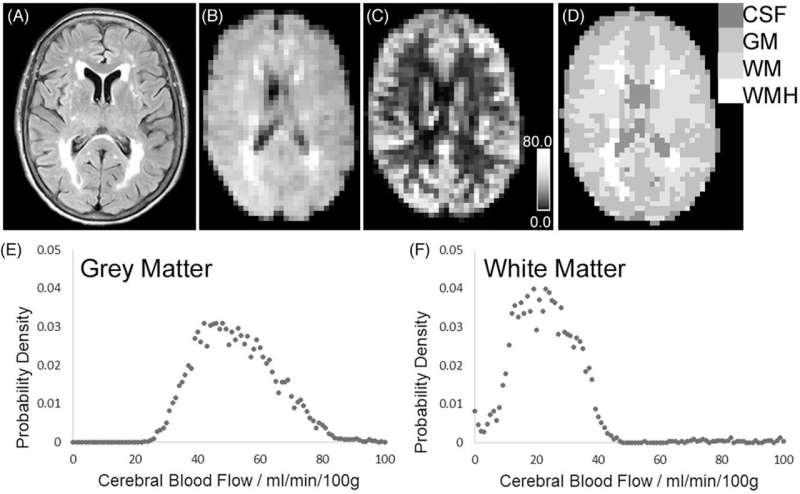
Example of anatomical and cerebral blood flow (CBF) mapping, with tissue segmentation. A, Fluid-attenuated inversion recovery (FLAIR) image at full resolution. B, FLAIR image co-registered to the CBF map, with voxels re-sized to be equivalent to the pseudo-continuous arterial spin labeling (pCASL) map. C, CBF map, derived from pCASL. Calibration bar shows 0.0–80.0 mL/min/100 g. D, Tissue segmentation map for CBF computation. Each voxel has been defined as either: cerebrospinal fluid (CSF), gray matter (GM), normal-appearing white matter (WM), or white matter hyperintensity (WMH). E, F, Probability density functions of CBF values in voxels assigned as gray matter (E) or normal-appearing white matter (F). For this participant, median CBF was 51.3 mL/min/100 g in gray matter and 21.8 mL/min/100 g in normal-appearing white matter. Credit: DOI: 10.1002/alz.12559
A new study, published today in Alzheimer's & Dementia, tested whether tadalafil, a drug closely related to Viagra, may be effective in treating people with vascular dementia.
20 feb 2022--The phase II trial, led by researchers at St George's, University of London and St George's Hospital was joint-funded by the US-based Alzheimer's Drug Discovery Foundation and the UK Alzheimer's Society. The trial tested whether tadalafil increasesbrainbloodflow in older men and women with narrowing of the brain arteries, a condition that can cause strokes and vascular dementia.
Although the trial results found no significant increase in blood flow, the researchers found clues pointing towards a potential use for tadalafil in treating certain groups of patients, warranting further investigation.
Dementia is an escalating global healthcare challenge, estimated to affect 55 million people worldwide, increasing to 139 million by 2050. There are few treatment options for patients, and the new trial explored whether repurposing an existing drug, tadalafil, may have potential for treating vascular dementia—a common type of dementia in which there is reduced blood flow to the brain.
A recent computational analysis identified sildenafil (Viagra) and vardenafil, drugs commonly used to increase blood flow in erectile dysfunction and in pulmonary hypertension (a form of lung disease), as possible candidates for preventing or delaying dementia.
Tadalafil belongs to the same group of drugs, and the researchers hypothesize that the mechanisms that increase blood flow in other parts of the body, may also apply in the brain—providing brain cells with a healthier blood supply and reducing dementia symptoms.
Tadalafil was selected as the drug candidate for the trial because of its longer half-life (remaining in the bloodstream for longer) and evidence that it is better able to enter the brain, than its related drugs.
The trial compared a single dose of tadalafil with placebo, recording brain blood flow using an MRI-based method called arterial spin labeling, which traces blood flow without the need for radioactive tracers.
The investigators did not detect a significant difference in blood flow between those given tadalafil and those given a placebo. However, the results did show a trend for increased blood flow in older participants (those aged over 70) in the white matter of the brain, which is the area most important for vascular dementia.
No serious adverse events were recorded during the trial.
The research team believe further investigation of tadalafil should be considered to explore its effectiveness in older age groups over a longer time period.
Dr. Jeremy Isaacs, principal clinical investigator on the trial and consultant neurologist at St George's Hospital, said: "Narrowing of the brain arteries is a common contributor to cognitive decline in older people and currently has no treatment. This was a landmark study in which we attempted to reverse the reduction in brain blood flow characteristic of this condition. Although we did not find a significant effect following a single dose of tadalafil, we can't rule out the possibility of benefits from longer term use, for which further research is needed."
Dr. Atticus Hainsworth, lead investigator on the trial and Reader in Cerebrovascular disease at St George's, University of London, said: "Viagra-like drugs merit further investigation for possible use in dementia. Repurposed drugs have the increased benefits of a shorter development time, a known safety profile and low cost, once their original patent has expired. We hope that further investigations will prove fruitful and provide new options for clinicians treating dementia."
Katherine Gray, Research Communications Manager at Alzheimer's Society, said: "Sadly, for the 900,000 people living with dementia in the UK, there aren't any current drugs to stop dementia progressing. Using existing medications, such as Viagra-like drugs, could shave decades off our search for treatments because they are already shown to be safe for people to use.
"Although it's disappointing that tadalafil did not have a significant effect overall, it's promising that people over the age of 70 did have an increase in blood flow to certain areas of the brain, and we now hope to now see further tests for different doses over a longer period of time."
More information: Mathilde M.H. Pauls et al, The PASTIS trial: Testing tadalafil for possible use in vascular cognitive impairment, Alzheimer's & Dementia (2022). DOI: 10.1002/alz.12559
Provided by St. George's University of London
Researchers introduce into human cells a genetic mutation that protects against Alzheimer's disease
Researchers from the Université Laval Faculty of Medicine and CHU de Québec–Université Laval Research Center have successfully edited the genome of human cells grown in vitro to introduce a mutation providing protection against Alzheimer's disease. The details of this breakthrough were recently published in The CRISPR Journal.
20 feb 2022--"Somegenetic mutationsincrease the risk of developing Alzheimer's disease, but there is a mutation that reduces this risk," says lead author Professor Jacques-P. Tremblay. "This is a rare mutation identified in 2012 in the Icelandic population. The mutation has no known disadvantage for those who carry it and reduces the risk of developing Alzheimer's disease. Using an improved version of the CRISPR gene editing tool, we have been able to edit the genome of human cells to insert this mutation."
The brains of those with Alzheimer's present amyloid plaques, which have a level of toxicity believed to cause neuron death. These plaques are formed when the amyloid precursor protein is cleaved by an enzyme called beta-secretase. "The Icelandic mutation makes it harder for this enzyme to cleave the amyloid precursor protein. As a result, the formation of amyloid plaques is reduced," explains Professor Tremblay.
In theory, introducing the Icelandic mutation into the genome of people at risk of developing Alzheimer's could prevent or slow the progression of the disease. "Unfortunately, we can't go back and repair the damage that caused neurons to die," says the researcher. "The treatment would therefore be particularly suitable for people from families affected by the hereditary form of the disease, which manifests itself in memory problems from the age of 35 to 40. If successful, it could also potentially be used to treat people with the most common form of Alzheimer's, which occurs after age 65, at the earliest signs of the disease."
"The challenge now is to find a way to edit the genome of millions of brain cells," says Professor Tremblay. "We are looking at different possibilities, including the use of non-infectious viruses, to deliver the editing complex inside neurons. Now that the proof of concept has been established in human cells in vitro, we will test this approach in mice that express Alzheimer's disease. If the findings are conclusive, we hope to be able to conduct a small-scale study in people with mutations that cause the onset of Alzheimer's at age 35 to 40."
In addition to Jacques-P. Tremblay, the authors of the study published in The CRISPR Journal are Guillaume Tremblay, Joël Rousseau, and Cédric Mbakam.
More information: Guillaume Tremblay et al, Insertion of the Icelandic Mutation (A673T) by Prime Editing: A Potential Preventive Treatment for Familial and Sporadic Alzheimer's Disease, The CRISPR Journal (2022). DOI: 10.1089/crispr.2021.0085
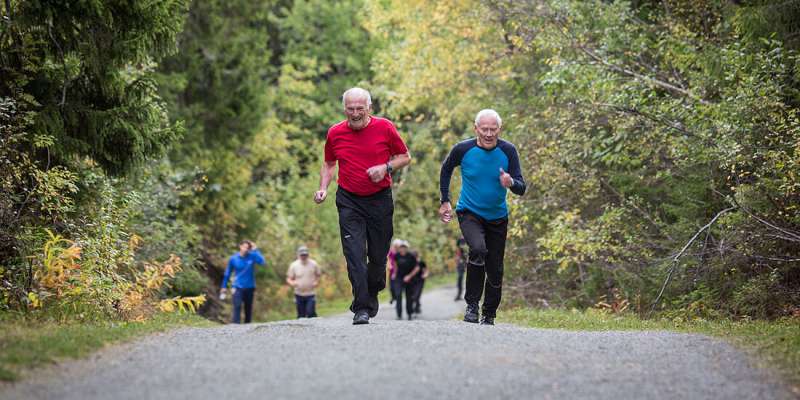
How should older people train to get in better shape? What’s most important, according to the researchers, is that you find an activity that you enjoy and can continue doing over time. Credit: Erlend Lånke Solbu / NRK
Seventy- to eighty-year-olds who train for better fitness are better at solving cognitive tasks and are less likely to suffer cognitive impairment.
20 feb 2022--"Our findings suggest that being fit can protect against mild cognitive impairment in older people," says Ekaterina Zotcheva.
Just before Christmas, Zotcheva defended her doctoral dissertation on exercise and brain health at NTNU. The day before the defense, the last study for her doctoral degree was published in the Sports Medicine journal.
The article is just one of three recent research articles from NTNU that show how important it is for the brain to stay in good physical shape as you get older. Common to all three articles is that they are based on data from the world's largest training study for older adults, the Generation 100 study from the Cardiac Exercise Research Group.
Dementia risk
"The Generation 100 study has been going on for almost ten years now. After the study participants had been exercising for five years, we tested the cognitive function of almost 1,000 of them."
"The men and women who had maintained or increased their physical fitness during the study had better brain health than those whose fitness had declined over the five years," says Zotcheva.
The cognitive test that the participants took is the same one that is often used to check whether people are at risk of developing dementia.
The test assesses short-term memory, execution function and the ability to orient oneself in time and space. Scoring below a certain number indicates a risk of mild cognitive impairment.
"We know that mild cognitive impairment can lead to dementia for some individuals. The greater the increase in a participant's fitness level during the five years of the study, the lower their probability was of developing mild cognitive impairment," says Zotcheva.
Better at problem solving
Good conditioning appears to be an important prerequisite for good brain function in the elderly in the other two research articles as well. In both of these studies, the researchers tested the brain health of more than 100 of the participants in the Generation 100 study at start-up and after one, three and five years of training.
"Participants who were in good shape, both when the study started and later in the study, had a faster reaction time. The ones who improved their fitness level gained a somewhat better working memory," says NTNU professor Asta Håberg.
The ability to solve cognitive problems was tested using the web-based Memoro platform, which Håberg developed in collaboration with neuropsychologist Tor Ivar Hansen.
Less brain atrophy
Håberg has been involved in the work with all three recent research articles. In the third study, the researchers performed MRI scans of the participants' brains to see how the brain volume and thickness of the cerebral cortex changed throughout the study. Here, too, the most energetic participants came out best.
"Participants who were in good shape when the study started had a thicker cerebral cortex after one, three and five years, as compared with those who had lower maximum oxygen uptake. But we didn't find any effect from increasing fitness during the study," says Håberg.
The cerebral cortex is the outermost layer of the brain and is important for several important brain functions, such as attention, ability to make choices, working memory, abstract thinking and memory. This part of the brain becomes thinner with age, and thinning of the cerebral cortex in different areas is linked to different types of dementia, such as Alzheimer's disease and frontotemporal dementia.
Fitness more important than type of exercise
All 70- to 77-year-olds in Trondheim were invited to the Generation 100 study in 2012. Those who agreed to participate were randomly assigned to five years of exercise of various kinds. One group would primarily do high intensity intervals, a second group would mainly go for walks or do other exercise with moderate intensity, and the last group would try to follow the activity recommendations of the health authorities to be physically active for at least 150 minutes each week.
The first two groups were followed up most closely by the researchers, and were offered two organized training sessions each week. The NTNU researchers looked beyond the connection between fitness and brain health and also investigated whether the type of training follow-up that participants received made a difference.
"Our results show that organized training follow-up may have given older men, but not older women, better cognitive function and lowered the probability of mild cognitive impairments. But all in all, it seems that the most important thing is that you actually train in a way that increases your fitness, regardless of whether you get organized help to be physically active or not," says Zotcheva.
Less brain atrophy than expected
"In the groups that received follow-up with high-intensity training and training with moderate intensity, respectively, we found somewhat greater loss of brain volume in deep areas of the brain than among those who trained themselves. But we have to emphasize that everyone in the Generation 100 study—regardless of the form of exercise they did—had less brain loss than expected for people in their 70s. The group that trained on their own without organized follow-up had the least shrinkage in the hippocampus and thalamus," Håberg says.
The training follow-up in Generation 100 was not decisive for the participants' ability to solve cognitive tasks.
"The groups that were able to attend organized training didn't perform any better than the group that trained on their own on various tasks, such as remembering where an object is located, memorizing words, processing information quickly or planning," says Håberg.
Maintained good cognitive function
"It's still worth noting that the 70- to 77-year-old participants on average had the same cognitive abilities after five years as at start-up, and that during the study period they even improved on some of the tests. The results show that being in good shape like the Generation 100 participants were, is important for maintaining good brain function," Håberg says.
The training effect thus seems to be greatest for people who enter retirement age in good shape, and exercise that improves fitness can provide further benefits. So how should the elderly train to get in better shape?
"Several paths can lead to that goal, and the most important factor is to find an activity you enjoy and can continue with over time. In order to maintain or increase your fitness, you should in any case exercise regularly in a way that gets you out of breath and sweaty," says Zotcheva.
More information: Ekaterina Zotcheva et al, Effects of 5 Years Aerobic Exercise on Cognition in Older Adults: The Generation 100 Study: A Randomized Controlled Trial, Sports Medicine (2021). DOI: 10.1007/s40279-021-01608-5
Daniel R. Sokołowski et al, 5 Years of Exercise Intervention Did Not Benefit Cognition Compared to the Physical Activity Guidelines in Older Adults, but Higher Cardiorespiratory Fitness Did. A Generation 100 Substudy, Frontiers in Aging Neuroscience (2021). DOI: 10.3389/fnagi.2021.742587
Jasmine Pani et al, Effect of 5 Years of Exercise Intervention at Different Intensities on Brain Structure in Older Adults from the General Population: A Generation 100 Substudy, Clinical Interventions in Aging (2021). DOI: 10.2147/CIA.S318679
Provided by Norwegian University of Science and Technology
When people's attitudes about aging improve, better health may follow
Making people feel better about how they're aging could lead to concrete improvements in health and well-being down the line, new University of British Columbia (UBC) research suggests.
20 feb 2022--The researchers tracked changes in how participants felt about their own aging over a four-year period, then looked for measurable changes inhealthand well-being after another four years had passed. Participants whose attitudes had improved over the first four years were more likely to see measurable health improvements four years later.
"Prior research has looked at how psychological risk factors like depression and stress might adversely influence health and well-being outcomes, but we are interested in factors that might positively influence health and well-being outcomes," said Julia Nakamura, a graduate student in UBC's department of psychology and first author of the study. "With further research, our findings suggest that interventions to increase aging satisfaction might improve the health and well-being of our rapidly growing older adult population."
Health and well-being are gaining favor over pure economic indicators as ways to measure progress in a society. Governments and intergovernmental organizations have recognized that using gross domestic product as the primary measure of success can lead to policies that devalue environmental, psychological and social health. Increasingly, they are looking for more holistic ways to measure societal well-being.
In this study, more than 13,000 adults over age 50 contributed data through the Health and Retirement Study in the U.S. between 2008 and 2018. The research team, supervised by UBC assistant professor Dr. Eric Kim and biostatistician Dr. Tyler VanderWeele of Harvard University, analyzed participants' data at three separate intervals, four years apart.
At the first interval, the researchers recorded initial measures of health and well-being. They also captured aging satisfaction through participants' responses to statements such as:
Things keep getting worse as I get older.
I am as happy now as I was when I was younger.
The older I get, the more useless I feel.
At the second interval, they assessed aging satisfaction again.
At the third and final interval, they measured how health and well-being measures had changed four years after the second measurement of aging satisfaction.
Of the 35 outcomes they measured, 27 had improved in association with improved aging satisfaction four years earlier.
Conversely, decreases in aging satisfaction from the first to second interval were associated with worsening health and well-being outcomes by the third interval.
The order in which these measurements were taken is important. You might expect people in better health to have more positive attitudes about aging than those with health problems, but this analysis showed that increases in aging satisfaction clearly preceded improvements in health and well-being.
"Interventions that make people feel better about aging could potentially produce concrete benefits," said Nakamura. "Those interventions could come at both the individual level and the broader, societal level. At the societal level, combating ageism and reducing harmful stereotypes about aging are potential paths to improving individual aging satisfaction. If a person thinks aging is destined to be a negative experience, that might become a self-fulfilling prophecy."
More information: Julia S. Nakamura et al, Associations Between Satisfaction With Aging and Health and Well-being Outcomes Among Older US Adults, JAMA Network Open (2022). DOI: 10.1001/jamanetworkopen.2021.47797
Provided by University of British Columbia
Calorie restriction rewires metabolism, immunity for longer health span
by Pennington Biomedical Research Center
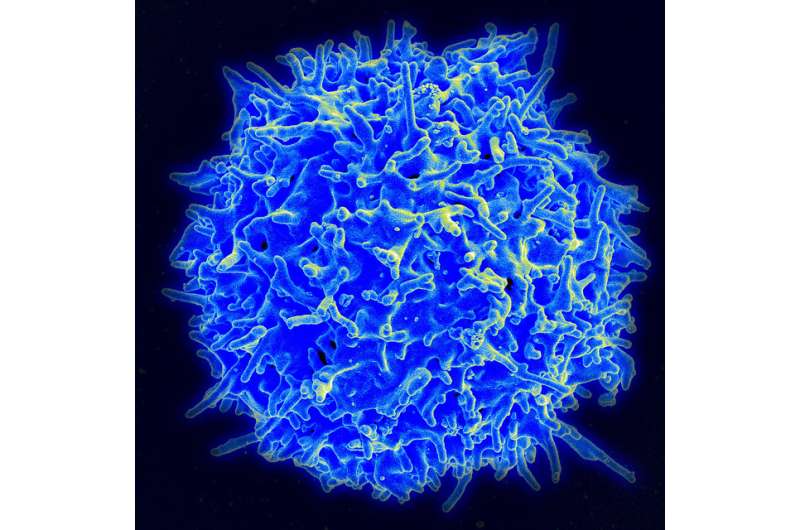
Scanning electron micrograph of a human T lymphocyte (also called a T cell) from the immune system of a healthy donor. Credit: NIAID
Calorie restriction improves metabolic and immune responses that help determine both how long a person lives and how many years of good health they enjoy, a new study shows.
20 feb 2022--"Two years of modestcalorie restrictionreprogrammed the pathways infat cellsthat help regulate the way mitochondria generate energy, the body's anti-inflammatory responses, and potentially longevity," said Eric Ravussin, Ph.D., Associate Executive Director for Clinical Science at Pennington Biomedical Research Center. "In other words, calorie restriction rewires many of the metabolic and immune responses that boost lifespan and health span."
The new study used data gathered by Pennington Biomedical's CALERIE 2 (Comprehensive Assessment of the Long-Term Effects of Reducing Intake of Energy), the longest-running calorie restriction trial in humans. The new study is published in the journal Science.
The study found that people who cut their calorie intake by about 14 percent over two years generated more T cells, which play a key role in immune function and slow the aging process.
"As people age, their thymuses shrink and produce fewer T cells. As a result, older people have a harder time fighting off infections and certain cancers," said Eric Ravussin, Ph.D., Associate Executive Director for Clinical Science at Pennington Biomedical Research Center. "Calorie restriction helps prevent the thymus from shrinking so the person generates more T cells."
In addition to improving immunity, an increase in T cells is associated with an improved ability to burn stores of fatty acids for energy, Dr. Ravussin said. That's important because if a person doesn't burn this fuel, the fat may build up in organs such as the muscle and liver, leading to insulin resistance, obesity, type 2 diabetes and aging.
The study had another important finding: a potential treatment to reduce age-related inflammation and improve metabolic health.
Studies have shown that restricting calories by 40 percent in rodents extended their lives. But there were tradeoffs in in growth, reproduction, and immunity.
However, calorie restriction also reduces the levels of gene encoding platelet activating factor acetyl hydrolase (PLA2G7). Reducing PLA2G7 produces health benefits that include lowering age-related inflammation and improving metabolic health.
"If researchers can find a way to harness PLA2G7, they could create a treatment to extend a person's health span, the time an individual experiences good health," said Pennington Biomedical Executive Director John Kirwan, Ph.D.
More information: O. Spadaro et al, Caloric restriction in humans reveals immunometabolic regulators of health span, Science (2022). DOI: 10.1126/science.abg7292
Provided by Pennington Biomedical Research Center
Lifetime of knowledge can clutter memories of older adults, researchers suggest
When a person tries to access a memory, their brain quickly sifts through everything stored in it to find the relevant information. But as we age, many of us have difficulty retrieving memories. In a review publishing in the journal Trends in Cognitive Sciences on February 11, researchers propose an explanation for why this might be happening: the brains of older adults allocate more space to accumulated knowledge and have more material to navigate when attempting to access memories. While this wealth of prior knowledge can make memory retrieval challenging, the researchers say it has its upsides—this life experience can aid with creativity and decision-making.
20 feb 2022--Researchers Tarek Amer of Columbia University and Harvard University, Jordana Wynn of Harvard University, and Lynn Hasher of the University of Toronto looked at several behavioral and neuroimaging studies, which show that older adults have difficulty suppressing information that is no longer relevant and that when searching for a specific memory, they often retrieve other, irrelevant memories along with it. The studies also showed that when given a cognitive task, older adults rely more heavily on previous knowledge than younger adults do.
While the researchers focus primarily on the difficulties that these cluttered memories may pose, they also highlight a few situations in which these crowded memoryscapes may be useful. "Evidence suggests that older adults show preserved, and at times enhanced, creativity as a function of enriched memories," the researchers write. They further hypothesize that older adults may be well served by their prior knowledge when it comes to decision-making, where they can pull on their accumulated wisdom.
With continued study and increased understanding of how memory works in older adults, researchers are hopeful that they may be able to find new ways to help them. They write, "It is possible that the increased binding and richer encodings of older adults can even be leveraged to improve older adults' learning and memory."
Twenty minutes of daily moderate to vigorous exercise in early old age (70-75) may best stave off major heart disease, including heart failure, in late old age (80+), suggests research published online in the journal Heart.
20feb 2022--The findings reinforce the maxim of 'better late than never,' when it comes to exercise, but earlier on in older age is better still, concludes a linked editorial.
It's no secret that physical activity is associated with a lower risk of cardiovascular disease and a longer life, irrespective of gender and ethnicity, with the benefits accruing in tandem with the effort expended.
But relatively few studies have looked exclusively at whether exercise in later life can help ward off heart disease and stroke in old age.
To plug this knowledge gap, the researchers drew on data from the Progetto Veneto Anziani (ProVA), a study of 3099 older Italians (65 and above).
Initial assessments, including a detailed medical history, physical examination, scans, and a battery of blood tests were carried out between 1995 and 1997, with two further assessments 4 and 7 years later.
At the start of the study, women were more likely than men to have 4+ coexisting conditions, with a higher prevalence of osteoarthritis, osteoporosis, and chronic kidney disease; chronic obstructive pulmonary disease (COPD) and diabetes were more common among the men.
Participants filled in questionnaires on their physical activity levels at each of the time points. Moderate physical activity included walking, bowls, and fishing, while vigorous physical activity included gardening, gym work-outs, cycling, dancing, and swimming.
Those whose physical activity added up to 20 or more minutes a day were defined as active; those who clocked up less than this were defined as inactive. Men were more likely to be physically active than women.
Changes in physical activity patterns were defined as: stable-low (inactive-inactive); high-decreasing (active-inactive); low-increasing (inactive-active); and stable-high (active-active).
Other potentially key background information on household income, educational attainment, number of household members, and smoking and drinking was also collected.
The health of all the participants was then tracked through linkage to hospital discharge records and death certification up to the end of December 2018. The final analysis included 2754 participants with complete data, of whom 1398 were women (60%).
During the monitoring period, 1037 new diagnoses of heart disease, heart failure, and stroke were made.
Increasing levels of physical activity as well as maintaining an active lifestyle over time were associated with lower risks of cardiovascular disease and death in both men and women.
The largest reduction in risk was observed for new cases of coronary heart disease and heart failure in late old age. No significant association between physical activity and stroke was observed.
Most of the participants had stable active physical activity patterns over time. Patterns of stable-high physical activity were associated with a significantly (52%) lower risk of cardiovascular disease among men compared with those with stable-low patterns.
The greatest benefits seemed to occur at the age of 70. Risk was only marginally lower at the age of 75, and no lower at the age of 80-85, suggesting that improving physical activity earlier in old age might have the most impact, say the researchers.
A J-shaped curve for exercise length was also observed, with the sharpest reduction in heart disease and heart failure associated with a period of between 20 and 40 minutes of moderate to vigorous physical activity every day.
While the observed associations were strongest among men, the researchers emphasise: "Women doing more physical activity had consistently lower incidence rates of almost all cardiovascular outcomes despite the fact that the risk reduction did not reach statistical significance, but when considering overall mortality, risks were significantly reduced."
This is an observational study, and as such, can't establish cause. The researchers acknowledge that the study relied on participant recall, that physical activity levels were subjectively assessed, and that no data were available on mid-life physical activity levels, all of which might have influenced cardiovascular risk profiles in late life.
Nevertheless, they conclude: "These results suggest that public health policies should be targeted at promoting or beginning physical activity in mid- and early late life, given a probable greater effectiveness in reducing cardiovascular risks.
"At least 20 minutes of moderate to vigorous physical activity per day should be recommended to achieve the greatest cardiovascular benefits."
In a linked editorial, Drs Enrico Fabris and Gianfranco Sinagra of the University of Trieste, Italy, explain that physical activity helps to improve arterial blood flow and may reduce its stickiness and so the formation of blood clots.
"However, the detailed mechanisms by which [physical activity] can reduce the future risk of [cardiovascular disease] remain not fully understood," they point out.
"The favourable effect of [physical activity] may be simply explained by its capability of slowing down the atherosclerosis process through a better control of blood pressure, blood glucose level, and lipid profile."
But the findings show: "that 'movement is medicine' also in late life. Even a small amount of [physical activity] may confer beneficial effects in older people, but if undertaken early rather than late," they conclude.
Graphical abstract showing the worldwide prevalence of statin intolerance and risk factors/conditions that affect or do not affect the risk of statin intolerance. Credit: European Heart Journal
As many as one in two patients stop taking statins, reduce the dose or take them irregularly because they believe the cholesterol-lowering drugs cause muscle pain and other side effects. Now, a new study of over 4 million patients has shown that the true prevalence of statin intolerance worldwide is between 6 to 10 percent.
20 feb 2022--The authors of the research, published in theEuropean Heart Journal, say that their findings show thatstatin intoleranceis over-estimated and over-diagnosed, with the result thatpatientsare at greater risk of heart and blood vessel problems, including death, caused by high cholesterol levels.
There is strong, unambiguous evidence that statin treatment makes a significant difference in preventing cardiovascular disease and dying from it. Statins are among the most commonly prescribed drugs. However, until now, it has not been clear what proportion of people are truly intolerant of the drug, with inconsistent reports from studies, randomized controlled trials and databases suggesting it could range from 5–50 percent.
Researchers led by Professor Maciej Banach, of the Medical University of Lodz and the University of Zielona Góra, Poland, on behalf of the Lipid and Blood Pressure Meta-Analysis Collaboration and the International Lipid Expert Panel (ILEP), carried out a meta-analysis of 176 studies with 4,143,517 patients worldwide. The aim was to identify the overall prevalence of statin intolerance and the prevalence according to different diagnostic criteria. They also wanted to identify what factors might place people at greater risk of statin intolerance.
They found that the overall prevalence was 9.1 percent. Prevalence was even less when assessed according to diagnostic criteria from the National Lipid Association, the ILEP and the European Atherosclerosis Society: 7 percent, 6.7 percent and 5.9 percent respectively.
Prof. Banach said: "These results were not a surprise to me but they were for many other experts. They show that in most cases statin intolerance is over-estimated and over-diagnosed, and they mean that around 93 percent of patients on statin therapy can be treated effectively, with very good tolerability and without any safety issues.
"Our findings mean that we should evaluate patients' symptoms very carefully, firstly to see whether symptoms are indeed caused by statins, and secondly, to evaluate whether it might be patients' perceptions that statins are harmful—so called nocebo or drucebo effect—which could be responsible for more than 50 percent of all symptoms, rather than the drug itself."
The researchers also found that people who were older, female, of Black or Asian race, obese, or suffering from diabetes, under-active thyroid glands, or chronic liver or kidney failure were more likely to be statin intolerant. In addition, drugs to control irregular heartbeat (arrhythmia), calcium channel blockers (often prescribed for chest pain andhigh blood pressure),alcohol useand higher statin doses were associated with a higher risk of statin intolerance. The increased risk of statin intolerance ranged from 22 percent (high alcohol consumption) to 48 percent (being female) in these groups.
"It is critically important to know about these risk factors so that we can predict effectively that a particular patient is at higher risk of statin intolerance. Then we can consider upfront other ways to treat them in order to reduce the risk and improve adherence to treatment. This could include lower statin doses, combination therapy and use of innovative new drugs," said Prof. Banach.
The researchers acknowledge some limitations to their meta-analysis, such as differences between patients included in different studies, and lack of information on the amount of alcohol consumption and types of exercise. However, they have attempted to reduce the risk of bias from these, and this is helped by the large number of studies and patients included in the analysis.
"I believe the size of our study, which is the largest in the world to investigate this question, means we are able to finally and effectively answer the question about the true prevalence of statin intolerance," said Prof. Banach. "These results clearly show that patients needn't be afraid of statin therapy as it is very well tolerated in as much as 93 percent, which is similar or even better than other cardiology drugs, including ones for reducing blood pressure and clotting or blocking of blood vessels. What is more, patients need to know that statins may prolong their life, and in cases where side effects appear, we have enough knowledge to manage these effectively. The most important message to patients as a result of this study is that they should keep on taking statins according to the prescribed dose, and discuss any side effects with their doctor, rather than discontinuing the medication.
"The same clear message can be addressed to physicians treating patients with high cholesterol levels. Most cases of statin intolerance observed in clinical practice are associated with effects caused by patients' misconceptions about the side effects of statins or may be due to other reasons. Therefore, we should carefully evaluate symptoms, assessing in detail patients' medical histories, when the symptoms appeared, specific details of pain, other medications the patients are taking, and other conditions and risk factors. Then we will see that statins can be used safely in most patients, which is critically important for reducing their cholesterol levels and preventing heart and blood vessel diseases and death."
More information: Ibadete Bytyçi et al, Prevalence of statin intolerance: a meta-analysis, European Heart Journal (2022). DOI: 10.1093/eurheartj/ehac015
Journal information: European Heart Journal
Study suggests increased risk of mental health disorders after COVID-19 infection
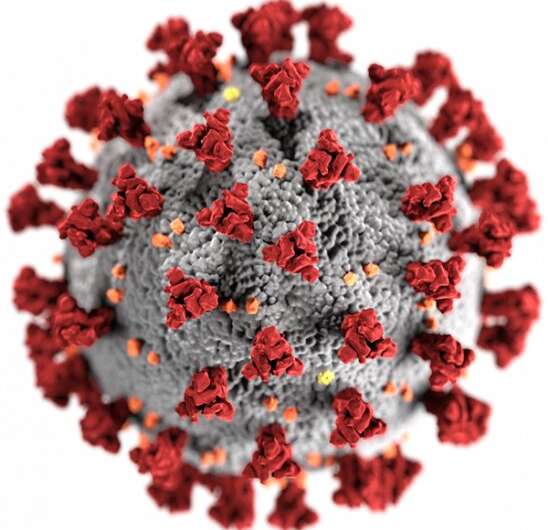
Image of the ultrastructural morphology exhibited by the 2019 Novel Coronavirus (2019-nCoV). Credit: CDC
A study published by The BMJ today finds that COVID-19 is associated with an increased risk of mental health disorders, including anxiety, depression, substance use, and sleep disorders, up to one year after initial infection.
20 feb 2022--The findings suggest that tacklingmental health disordersamong survivors of COVID-19 should be a priority.
Some studies have suggested that people with COVID-19 might be at increased risk of anxiety and depression, but they included only a small selection of mental health outcomes and tracked patients over a maximum of six months.
A comprehensive assessment of the mental health manifestations in people with COVID-19 at one year has not yet been undertaken.
To address this, researchers used data from the US Department of Veterans Affairs national healthcare databases to estimate the risks of mental health outcomes in people who survived at least 30 days after a positive polymerase chain reaction (PCR) test result between March 2020 and January 2021.
They identified data for 153,848 individuals and matched them to two control groups without COVID-19: 5,637,840 contemporary controls and 5,859,251 historical controls who predated the pandemic.
Participants were mostly white men with an average age of 63 years.
The COVID-19 group was further divided into those who were or were not admitted to hospital during the acute phase of infection, and information was collected on potentially influential factors including age, race, sex, lifestyle, and medical history.
The researchers then followed all three groups for one year to estimate the risks of a set of prespecified mental health outcomes, including anxiety, depression and stress disorders, substance use disorders, neurocognitive decline, and sleep disorders.
Compared with the non-infected control group, people with COVID-19 showed a 60% higher risk of any mental health diagnosis or prescription at one year (equivalent to an additional 64 per 1,000 people).
When the researchers examined mental health disorders separately, they found that COVID-19 was associated with an additional 24 per 1,000 people with sleep disorders at one year, 15 per 1,000 with depressive disorders, 11 per 1,000 with neurocognitive decline, and 4 per 1,000 with any (non-opioid) substance use disorders.
Similar results were found when the COVID-19 group was compared with the historical control group.
The risks were highest in people admitted to hospital during the initial (acute) phase of COVID-19, but were evident even among those who were not admitted to hospital.
People with COVID-19 also showed higher risks of mental health disorders than people with seasonal influenza, while people admitted to hospital for COVID-19 showed increased risks of mental health disorders compared with those admitted to hospital for any other reason.
This is an observational study, so can't establish cause, and the researchers acknowledge that some misclassification bias may have occurred. What's more, the study included mostly older white men, so results may not apply to other groups.
Nevertheless, they say their findings suggest that people who survive the acute phase of COVID-19 are at increased risk of an array of incident mental health disorders, and that tackling mental health disorders among survivors of COVID-19 should be a priority.
We now have a clearer picture of the mental health impacts of the COVID-19 pandemic, says Scott Weich, professor of mental health at the University of Sheffield, in a linked editorial.
Drawing on results from previous studies, he explains that for the general population, COVID and lockdown caused transient distress (related to threat) and those who contracted COVID-19 were at moderately increased risk of anxiety and depression, for the first 6 months or so (though the risk was greatest in month 1).
"Taking stock, it could be argued that much of the research concerned with the mental health impacts of COVID-19 represents more hindsight than insight," he adds. And he says we now need to focus on advancing our understanding of the causes of mental ill health or undertaking research that evaluates treatments for mental disorders more generally.
More information: Risks of mental health outcomes in people with COVID-19: cohort study Editorial: Mental health after COVID-19, BMJ (2022). DOI: 10.1136/bmj-2021-068993
Journal information: British Medical Journal (BMJ)