Monday, January 29, 2024


Super-aging: Defining exceptional cognitive ability in late-life

old men playing chess
Credit: Unsplash/CC0 Public Domain

Research led by UNSW Sydney's Center for Healthy Brain Aging (CHeBA) has highlighted the need for clarity when defining late-life cognitively high performers, which could ultimately inform strategies to help prevent the development of dementia.

29 jan 2024--Super-aging refers to the elite group of individuals who manage to maintain varying degrees of midlife levels of capability and activity into very late life. A "cognitive super-ager" is deemed to demonstrate higher levels of intellectual activity than their more cognitively average peers.

Super-agers have been shown to have healthier lifestyles, less diabetes, and, from a genetic standpoint, have lower rates of the protein associated with Alzheimer's disease. Imaging studies of the brains of super-agers also show less brain atrophy, greater white matter integrity and differences in functional connectivity.

However, how super-aging is best defined and how exactly it differs from usual or normal aging remain unanswered.

Currently, there isn't a consistent approach to measuring cognitive super-aging. Most studies consider super-aging based on memory performance that is equivalent or comparable to that of a younger adult range, but very few examine other aspects of cognition or the maintenance of high-level abilities over time.

The review, published in the International Journal of Geriatric Psychiatry, comprises a systematic literature search of 44 studies across five major research databases from their inception until July 2023. It aimed to evaluate the literature identifying older adults with exceptional cognitive performance with emphasis on how super-aging is defined, and the key clinical features that distinguish this group from the general older adult population.

A major goal of aging research is to identify factors associated with a delay in the emergence of age-related disease and a lower burden of disease to promote healthy life expectancy.

Differences in definitions of super-aging across the research were extensive and included variations in the ages of the super-aging groups and comparator groups, cognitive domains and neuropsychological tests being used as well as the cut-off scores.

The review showed that maintenance of cognitive abilities over time was inconsistently required and there was a limited focus on superior cognitive performance in domains other than verbal memory.

"Understanding and identifying exceptional cognition is extremely powerful for research," said lead author Dr. Alice Powell. "It would allow us to increase the value of research insights gained from studying this extraordinary population—both in terms of aging well and preventing and treating neurodegenerative conditions such as Alzheimer's disease."

However, major discrepancies in these approaches such as the age range of super-agers and comparator groups and the choice of cognitive domains assessed need to be addressed to reach consensus in the field.

Dr. Powell said a future approach could be to apply different criteria to identify groups of super-agers from a large population sample. Examination of how cognitive super-aging relates to physical capacity, psychological well-being and degree of social engagement may also provide greater insights into aging well.

More information: Alice Powell et al, Defining exceptional cognition in older adults: A systematic review of cognitive super‐ageing, International Journal of Geriatric Psychiatry (2023). DOI: 10.1002/gps.6034


Researchers discover that tiredness experienced by long COVID patients has a physical cause

Researchers discover that tiredness experienced by long COVID patients has a physical cause
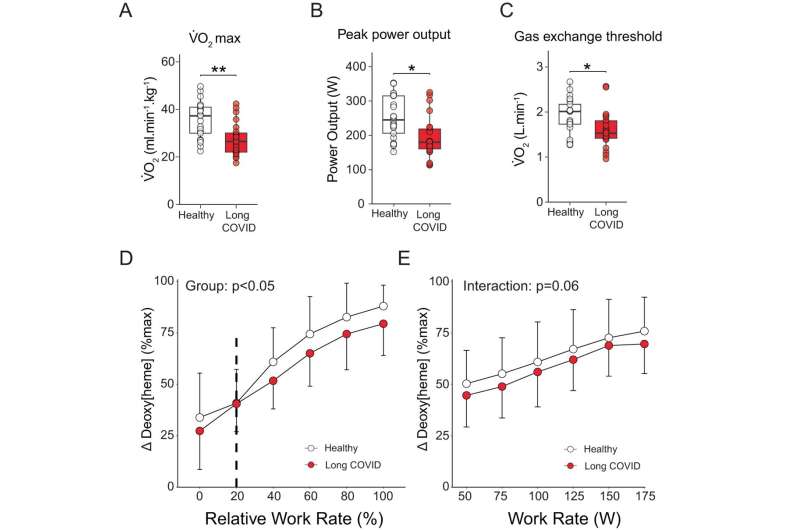
Credit: Nature Communications (2024). DOI: 10.1038/s41467-023-44432-3

Researchers from Amsterdam UMC and Vrije Universiteit Amsterdam (VU) have discovered that the persistent fatigue in patients with long COVID has a biological cause, namely mitochondria in muscle cells that produce less energy than in healthy patients. The results of the study were published in Nature Communications.

29 jan 2024--"We're seeing clear changes in the muscles in these patients," says Michèle van Vugt, Professor of Internal Medicine at Amsterdam UMC.

A total of 25 long COVID patients and 21 healthy control participants participated in the study. They were asked to cycle for 15 minutes. This cycling test caused a long-term worsening of symptoms in people with long COVID, called post-exertional malaise (PEM). Extreme fatigue occurs after physical, cognitive, or emotional exertion beyond an unknown, individual threshold. The researchers looked at the blood and muscle tissue one week before the cycling test and one day after the test.

"We saw various abnormalities in the muscle tissue of the patients. At the cellular level, we saw that the mitochondria of the muscle, also known as the energy factories of the cell, function less well and that they produce less energy," says Rob Wüst, Assistant Professor at Department of Human Movement Sciences at the VU University.

"So, the cause of the fatigue is really biological. The brain needs energy to think. Muscles need energy to move. This discovery means we can now start to research an appropriate treatment for those with long COVID," adds van Vugt.

One of the theories about long COVID is that coronavirus particles may remain in the body of people who have had the coronavirus. "We don't see any indications of this in the muscles at the moment," says Van Vugt. The researchers also saw that the heart and lungs functioned well in the patients. This means that the long-lasting effect on patient's fitness is not caused by abnormalities in the heart or lungs.

Exercising within your own limits

Exercising is not always good for patients with long COVID. "In concrete terms, we advise these patients to guard their physical limits and not to exceed them. Think of light exertion that does not lead to worsening of the complaints. Walking is good, or riding an electric bike, to maintain some physical condition. Keep in mind that every patient has a different limit," says Brent Appelman, researcher at Amsterdam UMC.

"Because symptoms can worsen after physical exertion, some classic forms of rehabilitation and physiotherapy are counterproductive for the recovery of these patients," van Vugt adds.

Long COVID symptoms

Although the majority of people infected with the SARS-CoV-2 virus recover within weeks, a subgroup, estimated to be around one in eight, will get long COVID. Symptoms in patients with long COVID, post-acute sequelae or COVID or post-COVID syndrome (PCS) include severe cognitive problems (brain fog), fatigue, exercise intolerance, autonomic dysregulation, postural orthostatic tachycardia syndrome (POTS), orthostatic intolerance, and worsening of symptoms after PEM.

More information: Muscle Abnormalities Worsen After Post-Exertional Malaise in Long COVID, Nature Communications (2024). DOI: 10.1038/s41467-023-44432-3 www.nature.com/articles/s41467-023-44432-3


Different biological variants discovered in Alzheimer's disease

Alzheimer's
Credit: Pixabay/CC0 Public Domain

Dutch scientists have discovered five biological variants of Alzheimer's disease, which may require different treatments. As a result, previously tested drugs may incorrectly appear to be ineffective or only minimally effective. This is the conclusion of researcher Betty Tijms and colleagues from Alzheimer Center Amsterdam, Amsterdam UMC and Maastricht University. Their study is published in Nature Aging.

29 jan 2029--In those with Alzheimer's disease, the amyloid and tau proteins clump in the brain. In addition to these clumps, other biological processes such as inflammation and nerve cell growth are also involved. Using new techniques, the researchers have been able to measure these other processes in the cerebrospinal fluid of patients with amyloid and tau clumps.

Betty Tijms and Pieter Jelle Visser examined 1,058 proteins in the cerebrospinal fluid of 419 people with Alzheimer's disease. They found that there are five biological variants within this group. The first variant is characterized by increased amyloid production. In a second type, the blood-brain barrier is disrupted, and there is reduced amyloid production and less nerve cell growth.

Furthermore, the variants differ in the degree of protein synthesis, the functioning of the immune system, and the functioning of the organ that produces cerebrospinal fluid. Patients with different Alzheimer's variants also showed differences in other aspects of the disease. For example, the researchers found a faster course of the disease in certain subgroups.

The findings are of great importance for drug research. They could mean that a certain drug might only work in one variant of Alzheimer's disease. For example, medication that inhibits amyloid production may work in the variant with increased amyloid production, but may be harmful in the variant with decreased amyloid production. It is also possible that patients with one variant would have a higher risk of side effects, while that risk would be much lower with other variants.

The next step for the research team is to show that the Alzheimer's variants do indeed react differently to medicines, in order to treat all patients with appropriate medicines in the future.

More information: Cerebrospinal fluid proteomics in Alzheimer's disease patients reveals five molecular subtypes with distinct genetic risk profiles, Nature Aging (2024). DOI: 10.1038/s43587-023-00550-7 , www.nature.com/articles/s43587-023-00550-7


Strong links found between long COVID and myalgic encephalomyelitis/chronic fatigue syndrome

Strong links found between long COVID and myalgic encephalomyelitis/chronic fatigue syndrome
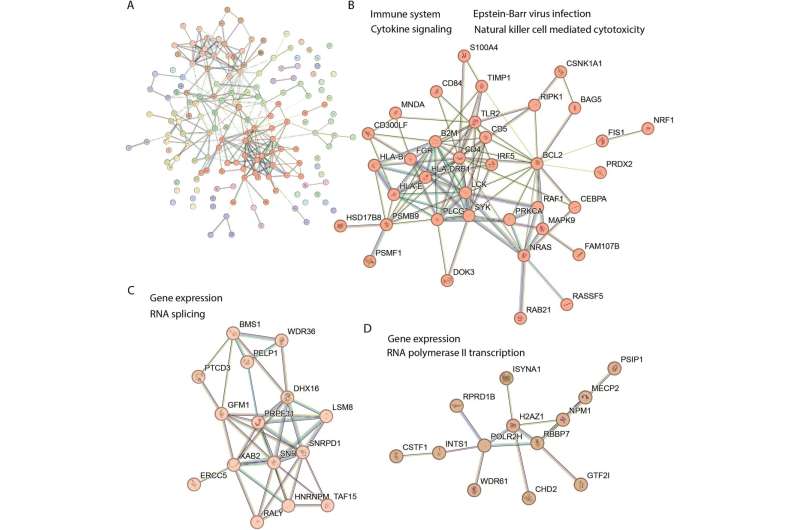
Differentially regulated proteins in long COVID patients clustered into three groups. Credit: Scientific Reports (2023). DOI: 10.1038/s41598-023-49402-9

People suffering from long COVID or myalgic encephalomyelitis/chronic fatigue syndrome (ME/CFS) could benefit from a coordinated treatment strategy, a new University of Otago study has found.

29 jan 2029--The pilot study, published in Scientific Reports, has confirmed what researchers have suspected for some time: the two conditions are closely related.

Senior author Emeritus Professor Warren Tate says the research—the first comparative molecular study of the immune cell proteins of both conditions—"strongly affirms" the link between the two.

"This means information from study of the pathophysiology of ME/CFS and therapeutic opportunities that have slowly accumulated over the last 30 years can be transferred to understanding and treating the now estimated 100 million cases of long COVID world-wide.

"But equally important, the immense resources put into long COVID research currently in the rich nations, while yet to produce major breakthroughs, can also benefit the many millions of 'hidden' ME/CFS patients whose numbers have increased steadily over time in the absence of their recovery from the illness."

Study results showed the immune system activity of six long COVID patients one year after a COVID-19 infection was dramatically different from five healthy controlled-group study participants, reflecting a chronic dysfunctional state.

Data gathered from those patients was found to be similar to data gathered from a group of nine diagnosed ME/CFS patients, who had suffered the condition for 16 years on average.

The study reinforces the researchers' previously published model in Frontiers of Neurology to explain the complex dysfunctional physiology for both ME/CFS and long COVID: In susceptible people (determined by their health history and genetic background), the normal transitory immune/inflammatory response of the peripheral nervous system to infection or stress does not resolve quickly as in most people.

Instead, it becomes chronic and leads to a cascade effect involving the brain, immune system and central nervous system, which in turn results in multiple neurological symptoms and poor brain regulation of body physiology.

Emeritus Professor Tate says long COVID from the pandemic SARS-CoV-2 virus is a specific example of ME/CFS, that has occurred in susceptible people from endemic viruses like glandular fever, and from small historical viral outbreaks geographically contained like the SARS-CoV-1 virus outbreak in 2003.

"It highlights within our community there are significant numbers of people debilitated now with disrupted immune systems, dysfunctional energy production, and disturbed brain regulation of their overall physiology that severely disrupts their family lives, ability to work and participate in their communities long-term, and that these people need support from all levels of society."

Therapeutic targeting of the immune response/inflammatory pathways could be effective, Emeritus Professor Tate says.

"Currently, patients with ME/CFS and long COVID will understandably clutch at any potential treatment suggested to find a better quality of life in the absence of defined treatments.

"That means often multiple drugs, nutraceuticals, cognitive therapies and relaxation strategies with possible crossover adverse effects are being tried at the same time, without resulting benefit to the patient in most cases."

While potential compounds are available that target different points of the cellular energy production pathway, no systematic studies have been carried out to determine whether they show real benefit.

Investment in combined clinical trials to treat both conditions is desperately needed, he says.

"Immunotherapy for treating specific features of a disturbed immune system for many diseases is in a revolutionary phase of development and should have potential for application to ME/CFS and long COVID patients now the specific changes in their dysfunctional immune systems are being carefully documented."

Emeritus Professor Tate is calling for national guidelines with best practice disease management plans for clinicians so both patient groups have a good chance of a more fulfilling life no matter the stage of their illness, although he points out this must be accompanied by specialist clinics with a range of practitioners to support the patient's needs.

More information: Katie Peppercorn et al, A pilot study on the immune cell proteome of long COVID patients shows changes to physiological pathways similar to those in myalgic encephalomyelitis/chronic fatigue syndrome, Scientific Reports (2023). DOI: 10.1038/s41598-023-49402-9


Thinning of brain region may signal dementia risk 5–10 years before symptoms

Thinning of brain region may signal dementia risk 5-10 years before symptoms
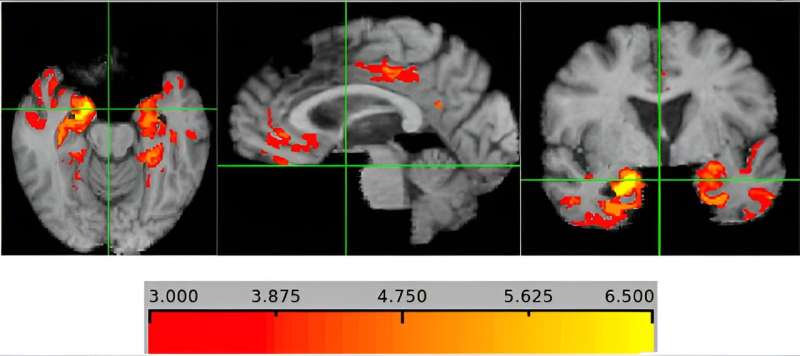
Strengths of significant association (regression t values) for gray matter thickness in Alzheimer's disease (AD) dementia cases versus cognitively healthy controls after accounting for multiple comparisons. Cluster masks significantly associated with AD versus normal cognition were computed separately for thresholds of t values from 3 to 6.5, in increments of 0.5. This highlights areas of differing but significant association strengths. However, gray matter density means over the t ≥ 3 cluster were used for the analyses. Credit: Alzheimer's & Dementia (2023). DOI: 10.1002/alz.13600

A ribbon of brain tissue called cortical gray matter grows thinner in people who go on to develop dementia, and this appears to be an accurate biomarker of the disease five to 10 years before symptoms appear, researchers from The University of Texas Health Science Center at San Antonio (also called UT Health San Antonio) report.

29 jan 2024--The researchers, working with colleagues from The University of California, Davis, and Boston University, conducted an MRI brain imaging study published in Alzheimer's & Dementia. They studied 1,000 Massachusetts participants in the Framingham Heart Study and 500 people from a California cohort. The California volunteers included 44% representation of Black and Hispanic participants, whereas the Massachusetts cohort was predominantly non-Hispanic white. Both cohorts were 70 to 74 years of age on average at the time of MRI studies.

"The big interest in this paper is that if we can replicate it in additional samples, cortical gray matter thickness will be a marker we can use to identify people at high risk of dementia," said study lead author Claudia Satizabal, Ph.D., of UT Health San Antonio's Glenn Biggs Institute for Alzheimer's and Neurodegenerative Diseases. "By detecting the disease early, we are in a better time window for therapeutic interventions and lifestyle modifications, and to do better tracking of brain health to decrease individuals' progression to dementia."

Repeating the Framingham findings in the more-diverse California cohort "gives us confidence that our results are robust," Satizabal said.


Sifting MRIs for a pattern

While dementias can affect different brain regions, Alzheimer's disease and frontotemporal dementia impact the cortex, and Alzheimer's is the most common type of dementia.

The study compared participants with and without dementia at the time of MRI. "We went back and examined the brain MRIs done 10 years earlier, and then we mixed them up to see if we could discern a pattern that reliably distinguished those who later developed dementia from those who did not," said co-author Sudha Seshadri, MD, director of the Glenn Biggs Institute at UT Health San Antonio and senior investigator with the Framingham Heart Study.

"This kind of study is only possible when you have longitudinal follow-up over many years as we did at Framingham, and as we are building in San Antonio," Seshadri said. "The people who had the research MRI scans while they were well and kept coming back to be studied are the selfless heroes who make such valuable discoveries, such prediction tools, possible."

The results were consistent across populations. Thicker ribbons correlated with better outcomes and thinner ribbons with worse, in general. "Although more studies are needed to validate this biomarker, we're off to a good start," Satizabal said. "The relationship between thinning and dementia risk behaved the same way in different races and ethnic groups."

Clinical trial researchers could use the thinning biomarker to minimize cost by selecting participants who haven't yet developed any disease but are on track for it, Seshadri said. They would be at greatest need to try investigational medications, she said.

The biomarker would also be useful to develop and evaluate therapeutics, Seshadri noted.

Future directions

Satizabal said the team plans to explore risk factors that may be related to the thinning. These include cardiovascular risk factors, diet, genetics and exposure to environmental pollutants, she said.

"We looked at APOE4, which is a main genetic factor related to dementia, and it was not related to gray matter thickness at all," Satizabal said. "We think this is good, because if thickness is not genetically determined, then there are modifiable factors such as diet and exercise that can influence it."

Could the MRI gray matter biomarker be used widely someday?

"A high proportion of people going to the neurologist get their MRI done, so this thickness value might be something that a neuroradiologist derives," Seshadri said. "A person's gray matter thickness might be analyzed as a percentile of the thickness of healthy people for that age."

More information: Claudia L. Satizabal et al, A novel neuroimaging signature for ADRD risk stratification in the community, Alzheimer's & Dementia (2023). DOI: 10.1002/alz.13600

Monday, November 13, 2023


ChatGPT may be better than doctors at evidence-based management of clinical depression

severe depression
Credit: Unsplash/CC0 Public Domain

ChatGPT, the AI language model capable of mirroring human conversation, may be better than a doctor at following recognized treatment standards for clinical depression, and without any of the gender or social class biases sometimes seen in the primary care doctor-patient relationship, finds research published in the open access journal Family Medicine and Community Health.

13 nov 2023--However, further research is needed into how well this technology might manage severe cases as well as potential risks and ethical issues arising from its use, say the researchers.

Depression is very common, and many of those affected turn first to their family (primary care) doctors for help. The recommended course of treatment should largely be guided by evidence-based clinical guidelines, which usually suggest a tiered approach to care, in line with the severity of the depression.

ChatGPT has the potential to offer fast, objective, data-derived insights that can supplement traditional diagnostic methods as well as providing confidentiality and anonymity, say the researchers. They therefore wanted to find out how the technology evaluated the recommended therapeutic approach for mild and severe major depression and whether this was influenced by gender or social class biases, when compared with 1,249 French primary care doctors (73% women).

The researchers drew on carefully designed and previously validated vignettes, centering around patients with symptoms of sadness, sleep problems, and loss of appetite during the preceding three weeks and a diagnosis of mild to moderate depression.

Eight versions of these vignettes were developed with different variations of patient characteristics, such as gender, social class, and depression severity. Each vignette was repeated 10 times for ChatGPT versions 3.5 and 4.

For each of the eight vignettes, ChatGPT was asked, "What do you think a primary care physician should suggest in this situation?" The possible responses were watchful waiting; referral for psychotherapy; prescribed drugs (for depression/anxiety/sleep problems); referral for psychotherapy plus prescribed drugs; none of these.

Only just over 4% of family doctors exclusively recommended referral for psychotherapy for mild cases in line with clinical guidance, compared with ChatGPT-3.5 and ChatGPT-4, which selected this option in 95% and 97.5% of cases, respectively.

Most of the medical practitioners proposed either drug treatment exclusively (48%) or psychotherapy plus prescribed drugs (32.5%).

In severe cases, most of the doctors recommended psychotherapy plus prescribed drugs (44.5%). ChatGPT proposed this more frequently than the doctors (72%, ChatGPT 3.5; 100%, ChatGPT 4 in line with clinical guidelines). Four out of 10 of the doctors proposed prescribed drugs exclusively, which neither ChatGPT version recommended.

When medication was recommended, the AI and human participants were asked to specify which types of drugs they would prescribe.

The doctors recommended a combination of antidepressants and anti-anxiety drugs and sleeping pills in 67.5% of cases, exclusive use of antidepressants in 18%, and exclusive use of anti-anxiety and sleeping pills in 14%.

ChatGPT was more likely than the doctors to recommend antidepressants exclusively: 74%, version 3.5; and 68%, version 4. ChatGPT-3.5 (26%) and ChatGPT-4 (32%) also suggested using a combination of antidepressants and anti-anxiety drugs and sleeping pills more frequently than did the doctors.

But unlike the findings of previously published research, ChatGPT didn't exhibit any gender or social class biases in its recommended treatment.

The researchers acknowledge that the study was limited to iterations of ChatGPT-3 and ChatGPT-4 at specific points in time and that the ChatGPT data were compared with data from a representative sample of primary care doctors from France, so might not be more widely applicable.

Lastly, the cases described in the vignettes were for an initial visit due to a complaint of depression, so didn't represent ongoing treatment of the disease or other variables that the doctor would know about the patient.

"ChatGPT-4 demonstrated greater precision in adjusting treatment to comply with clinical guidelines. Furthermore, no discernible biases related to gender and [socioeconomic status] were detected in the ChatGPT systems," highlight the researchers.

But there are ethical issues to consider, particularly around ensuring data privacy and security which are supremely important, considering the sensitive nature of mental health data, they point out, adding that AI shouldn't ever be a substitute for human clinical judgment in the diagnosis or treatment of depression.

Nevertheless, they conclude, "The study suggests that ChatGPT…. has the potential to enhance decision making in primary health care. However, it underlines the need for ongoing research to verify the dependability of its suggestions. Implementing such AI systems could bolster the quality and impartiality of mental health services."

More information: Identifying depression and its determinants upon initiating treatment: ChatGPT versus primary care physicians, Family Medicine and Community Health (2023). DOI: 10.1136/fmch-2023-002391


Fluctuating blood pressure: A warning sign for dementia and heart disease

blood pressure
Credit: Pixabay/CC0 Public Domain

A new study by Australian researchers has shown that fluctuating blood pressure can increase the risk of dementia and vascular problems in older people.

13 nov 2023--Short blood pressure (BP) fluctuations within 24 hours as well as over several days or weeks are linked with impaired cognition, say University of South Australia (UniSA) researchers who led the study.

Higher systolic BP variations (the top number that measures the pressure in arteries when a heart beats) are also linked with stiffening of the arteries, associated with heart disease.

The findings have been published in the journal Cerebral Circulation—Cognition and Behaviour.

Lead author Daria Gutteridge, a Ph.D. candidate based in UniSA's Cognitive Aging and Impairment Neuroscience Laboratory (CAIN), says it's well known that high blood pressure is a risk factor for dementia, but little attention is paid to fluctuating blood pressure.

"Clinical treatments focus on hypertension, while ignoring the variability of blood pressure," Gutteridge says.

"Blood pressure can fluctuate across different time frames—short and long—and this appears to heighten the risk of dementia and blood vessel health."

To help explore the mechanisms that link BP fluctuations with dementia, UniSA researchers recruited 70 healthy older adults aged 60–80 years, with no signs of dementia or cognitive impairment.

Their blood pressure was monitored, they completed a cognitive test, and their arterial stiffness in the brain and arteries was measured using transcranial doppler sonography and pulse wave analysis.

"We found that higher blood pressure variability within a day, as well as across days, was linked with reduced cognitive performance. We also found that higher blood pressure variations within the systolic BP were linked with higher blood vessel stiffness in the arteries.

"These results indicate that the different types of BP variability likely reflect different underlying biological mechanisms, and that systolic and diastolic blood pressure variation are both important for cognitive functioning in older adults."

The links were present in older adults without any clinically relevant cognitive impairment, meaning that BP variability could potentially serve as an early clinical marker or treatment target for cognitive impairment, the researchers say.

More information: D.S. Gutteridge et al, Cross-sectional associations between short and mid-term blood pressure variability, cognition, and vascular stiffness in older adults, Cerebral Circulation—Cognition and Behavior (2023). DOI: 10.1016/j.cccb.2023.100181


Tai chi may curb Parkinson's disease symptoms and complications for several years

tai chi
Credit: Pixabay/CC0 Public Domain

Tai chi, the Chinese martial art that involves sequences of very slow controlled movements, may curb the symptoms and complications of Parkinson's disease for several years, reveals research published online in the Journal of Neurology Neurosurgery & Psychiatry.

13 nov 2023--Its practice was associated with slower disease progression and lower doses of required drugs over time, the findings show.

Parkinson's disease is a debilitating and progressive neurodegenerative disorder, characterized by slowness of movement, resting tremor, and stiff and inflexible muscles. It is the fastest growing neurological condition in the world, with the numbers of those affected projected to reach nearly 5 million by 2030 in China alone. In the UK, two people are diagnosed with the disease every hour according to the charity Parkinson's UK.

As yet, there is no cure for Parkinson's, and while drugs can improve clinical symptoms, they don't treat all the manifestations of the disease. There's no evidence that they slow progression either, explain the researchers. Previously published research suggests that tai chi eases Parkinson's symptoms in the short term, but whether this improvement can be sustained over the long term isn't known.

In a bid to find out, the researchers monitored two groups of patients with Parkinson's disease for more than five years from January 2016 to June 2021.

One group of 147 patients practiced tai chi twice a week for an hour, aided by the provision of classes to improve their technique. The other group of 187 patients continued with their standard care, but didn't practice tai chi.

Disease severity was formally assessed in all the participants at the start of the monitoring period, and disease progression, including increases in the need for medication, were subsequently monitored in November 2019, October 2020, and June 2021.

The extent of movement and other symptoms, such as autonomic nervous system function (to include bowel movements, urinary and cardiovascular issues); mood, sleep quality, and cognition; and the prevalence of complications, such as dyskinesia (involuntary movement); dystonia (abnormal muscle tone); decline in responsiveness to drug treatment over time; mild cognitive impairment; hallucinations; restless leg syndrome were also tracked, using validated scales.

Disease severity, medication use, sex, age, and education level, were similar in both groups.

Disease progression was slower at all monitoring points in the tai chi group, as assessed by three validated scales to assess overall symptoms, movement, and balance.

The number of patients who needed to increase their medication in the comparison group was also significantly higher than it was in the tai chi group: 83.5% in 2019 and just over 96% in 2020 compared with 71% and 87.5%, respectively.

Cognitive function deteriorated more slowly in the tai chi group as did other non-movement symptoms, while sleep and quality of life continuously improved.

And the prevalence of complications was significantly lower in the tai chi group than in the comparison group: dyskinesia 1.4% vs. 7.5%; dystonia 0% vs. 1.6%; hallucinations 0% vs. just over 2%; mild cognitive impairment 3% vs. 10%; restless leg syndrome 7% vs. 15.5%.

Falls, dizziness, and back pain were the three side effects reported by study participants, but these were all significantly lower in the tai chi group. While 23 people sustained a fracture, these all occurred during routine daily life and were fewer in the tai chi group: 6 vs. 17.

This is an observational study, and as such, can't establish cause and effect. The researchers also acknowledge that the number of study participants was relatively small and they weren't randomly assigned to their group.

But they conclude, "Our study has shown that tai chi retains the long-term beneficial effect on [Parkinson's disease], indicating the potential disease-modifying effects on both motor and non-motor symptoms, especially gait, balance, autonomic symptoms and cognition."

They add, "[Parkinson's disease] can worsen motor function and non-motor symptoms progressively with time, resulting in disability and influencing the quality of life. The long-term beneficial effect on [the disease] could prolong the time without disability, leading to a higher quality of life, a lower burden for caregivers, and less drug usage."

More information: Effect of long-term Tai Chi training on Parkinson's disease: a 3.5-year follow-up cohort study, Journal of Neurology Neurosurgery & Psychiatry (2023). DOI: 10.1136/jnnp-2022-330967


Mediterranean diet plus exercise burns fat, adds muscle

Mediterranean diet plus exercise burns fat, adds muscle

Rich in colorful fruits and vegetables, healthy fats and lean proteins, a Mediterranean style of eating consistently earns accolades for its long list of health benefits, including the prevention of heart disease and diabetes.

13 nov 2023--Now, new research from Spain shows this way of eating, when combined with regular exercise and fewer calories, can slash dangerous belly fat in older folks while helping to preserve their muscle mass.

Fat that accumulates around the midsection is known to cause inflammation and has been linked to heart disease, stroke, diabetes and some forms of cancer. Muscle mass is known to decline with advancing age, and this can lead to weakness, less mobility and a greater chance of falls.

The study, led by researcher Dora Romaguera, from the Health Research Institute of the Balearic Islands, included just over 1,500 middle-aged and older people who were overweight or obese and had metabolic syndrome, a cluster of disorders that signal a person's increased risk of diabetes, heart disease and stroke.

One group of people followed a Mediterranean diet while cutting their calories by 30% and increasing their physical activity. They were also told to limit their consumption of processed foods, meats, butter, added sugar and to eat more whole grains. But the advice did not stop with food: They were also encouraged to increase their physical activity progressively, with a goal of walking 45 minutes per day or more on six days per week, along with exercises to improve strength.

A second group of people followed a Mediterranean diet without calorie restrictions or changes in physical activity.

Folks who reduced their calories and got regular exercise while adhering to a Mediterranean diet showed decreases in the belly and total fat, and they kept much of it off for three years.

In contrast, people in the other group did not see any changes in belly fat.

Both groups did gain some lean muscle mass, but the folks in the exercise plus calorie restriction arm lost more fat than muscle.

The study, published Oct. 23 in the journal JAMA Network Open, presents the three-year results of an ongoing eight-year study designed to see if this style of eating can slash the risk for heart attack and stroke.

Two experts were not surprised the combination did the trick.

"This is an ambitious and elegant study," said Cewin Chao, director of clinical nutrition services at Montefiore Health System in New York City. "If you eat a high-quality diet, exercise and reduce calories, you will lose more body fat, especially the more dangerous deeper fat around the belly area surrounding your organs, and preserve more muscle. These investments do look like they will pay off at the three-year mark."

"If you reduce your calorie intake and increase your physical activity, you will lose weight. This works every time," said Marion Nestle, a retired professor of nutrition, food studies and public health at New York University in New York City.

"People following a Mediterranean diet… are able to maintain a reduced calorie intake and better calorie balance for the three years of the study," said Nestle. "This kind of diet is associated with all kinds of good health and is highly recommended."

More information: Jadwiga Konieczna et al, An Energy-Reduced Mediterranean Diet, Physical Activity, and Body Composition, JAMA Network Open (2023). DOI: 10.1001/jamanetworkopen.2023.37994


Intermittent fasting is safe, effective for those with type 2 diabetes, suggests new study

meal
Credit: CC0 Public Domain

Time-restricted eating, also known as intermittent fasting, can help people with type 2 diabetes lose weight and control their blood sugar levels, according to a new study published in JAMA Network Open from researchers at the University of Illinois Chicago.

13 nov 2023--Participants who ate only during an eight-hour window between noon and 8 p.m. each day actually lost more weight over six months than participants who were instructed to reduce their calorie intake by 25%. Both groups had similar reductions in long-term blood sugar levels, as measured by a test of hemoglobin A1C, which shows blood sugar levels over the past three months.

The study was conducted at UIC and enrolled 75 participants into three groups: those who followed the time-restricted eating rules, those who reduced calories and a control group. Participants' weight, waist circumference, blood sugar levels and other health indicators were measured over the course of six months.

Senior author Krista Varady said that participants in the time-restricted eating group had an easier time following the regime than those in the calorie-reducing group. The researchers believe this is partly because patients with diabetes are generally told to cut back on calories by their doctors as a first line of defense, so many of these participants likely had already tried—and struggled with—that form of dieting. And while the participants in the time-restricted eating group were not instructed to reduce their calorie intake, they ended up doing so by eating within a fixed window.

"Our study shows that time-restricted eating might be an effective alternative to traditional dieting for people who can't do the traditional diet or are burned out on it," said Varady, a professor of kinesiology and nutrition. "For many people trying to lose weight, counting time is easier than counting calories."

There were no serious adverse events reported during the six-month study. Occurrences of hypoglycemia (low blood sugar) and hyperglycemia (high blood sugar) did not differ between the diet groups and control groups.

Today, one in 10 U.S. residents has diabetes, and that number is expected to rise to one in three by 2050 if current trends continue, the researchers explain. Finding more options for controlling weight and blood sugar levels for these patients, therefore, is crucial.

Just over half the participants in the study were Black and another 40% were Hispanic. This is notable as diabetes is particularly prevalent among those groups, so having studies that document the success of time-restricted eating for them is particularly useful, the researchers said.

The study was small and should be followed up by larger ones, said Varady, who is also a member of the University of Illinois Cancer Center. While it acts as a proof of concept to show that time-restricted eating is safe for those with type 2 diabetes, Varady said people with diabetes should consult their doctors before starting this sort of diet.

More information: Krista Varady et al, Effect of Time-Restricted Eating onWeight Loss in Adults With Type 2 Diabetes A Randomized Clinical Trial, JAMA Network Open (2023). DOI: 10.1001/jamanetworkopen.2023.39337


Newly published updates on hypertensive heart disease burden in older adults

Updates on hypertensive heart disease burden in older adults
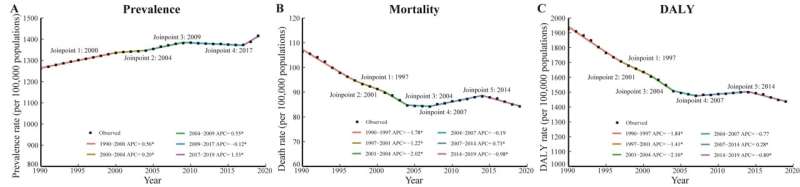
Joinpoint regression analysis of global prevalence (A), mortality (B), and DALY rate (C) for HHD in individuals aged 60–89 years between 1990 and 2019. * P <0.05. APC: Annual percentage change; DALY: Disability-adjusted life-year; HHD: Hypertensive heart disease. Credit: Chinese Medical Journal (2023). DOI: 10.1097/CM9.0000000000002863

High blood pressure, also called hypertension, has become quite a common health problem among adults worldwide, with over one billion cases reported in 2019. When blood pressure is not properly controlled, the heart undergoes adaptive changes at the macroscopic and microscopic levels, affecting its valves, chambers, and muscles. This condition, known as hypertensive hearth disease (HHD), can cause permanent remodeling of the heart over time, affecting its normal function and ultimately leading to heart failure.

13 nov 2023--Today, over 15 million people worldwide suffer from HDD, which has become the second leading cause of heart failure. Thus, HDD represents a massive challenge in health care that needs to be urgently addressed. Although HDD manifests mainly in older adults, there is limited data on its trends in this population.

To tackle this problem, a research team from the Hypertension Center, Fuwai Hospital, State Key Laboratory of Cardiovascular Disease, National Center for Cardiovascular Diseases, Peking Union Medical College and Chinese Academy of Medical Sciences, Beijing, China conducted a comprehensive statistical analysis on the impact of HHD among older adults (60–89 years old) at the global, regional, and national levels.

Their study, which was led by Professor Jun Cai, was published in the Chinese Medical Journal.

"HHD remains a major concern in the management of hypertension and an important public health challenge," says Prof. Cai.

The data for this study came from the Global Burden of Disease Study 2019 project. Using its publicly available dataset, the researchers estimated the incidence, prevalence, mortality, and disability-adjusted life years (DALY) associated with HHD of 204 countries by age, sex, location, and year between 1990 and 2019.

The authors noted that there was an overall increase in the global prevalence of HHD between 1990 and 2019, but a decrease in mortality and DALY rates. This pattern was mostly maintained for both sexes across all age groups, as well as for sociodemographic index (SDI), which summarizes health-related social and economic development indicators.

Unfortunately, these results paint a particularly difficult situation for health care systems, as higher prevalence but lower mortality imply that more people will require treatment for HHD. "We observed the largest increasing trend in the prevalence of HHD since 2017 with a slowing of decreasing trends in HHD-related mortality and DALY rate since 2014," says Prof. Cai, "This finding suggests that we are presently facing even more rapid growth of the burden of HHD, which needs urgent attention."

Interestingly, the results for males and females were considerably different in a few regards. While males exhibited a higher prevalence of HHD, females had higher mortality and DALY rates. This suggests that the management of cardiovascular diseases in females is less effective, leading to worse prognosis. Moreover, the increasing trend of HHD prevalence was also higher in females, with a steep increase in 2017. Thus, the gap in prevalence between males and females seems to be narrowing.

"Our findings highlight disparities in the disease burden between the sexes, and the burden of HHD in older females should not be ignored," says Prof. Cai.

Worth noting, there were significant differences in the indicators for HHD between different countries and for different SDI groups. Overall, there were 85 countries with a significant increasing trend in HHD prevalence and 81 with a significant decreasing trend between 1990 and 2019. Notably, high-income Asia-Pacific countries (such as Japan, Singapore, and South Korea) exhibited the largest increase in HHD prevalence, but also the largest decrease in HHD mortality and DALY rate.

Despite the increasingly aging population in these countries contributing to the prevalence of HHD, it appears that they have managed to keep risk factors in check by providing adequate health care and keeping their populations informed.

Taken together, the study sheds light on the burden of HHD at the global, regional, and national level and provides a solid groundwork for the development of strategies to combat this challenging disorder.

"There are gaps in the prevention, management, and treatment of HHD world-wide," concludes Prof. Cai. "Our findings regarding the current situation of HHD and its temporal trends highlight inequities in the burden of HHD among older adults globally as well as a need for public health interventions at the individual and population levels."

More information: Ruixue Yang et al, Global, regional, and national burden of hypertensive heart disease among older adults in 204 countries and territories between 1990 and 2019: a trend analysis, Chinese Medical Journal (2023). DOI: 10.1097/CM9.0000000000002863

Saturday, October 14, 2023


The development of 5G significantly increased the health of older adults, study finds

The development of 5G significantly increased the health of older adults, study finds
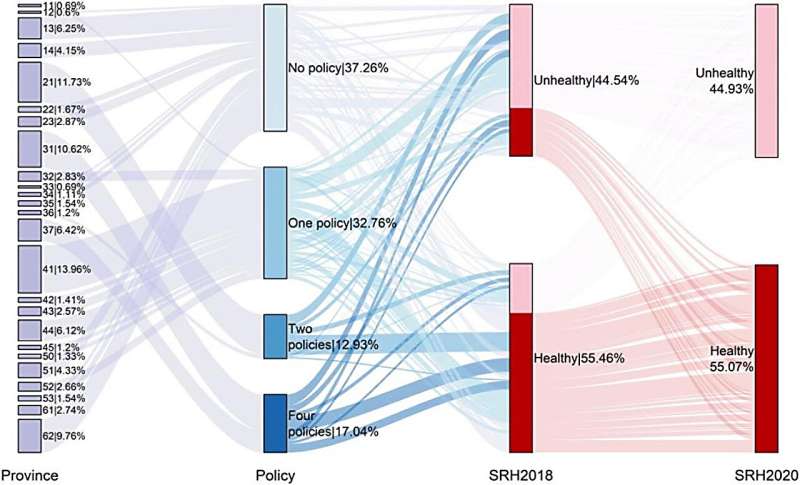
Alluvial diagram of the self-rated health change among older adults by 5G policy development in different provinces. Note: Province code Beijing 11; Tianjin 12; Hebei 13; Shanxi 14; Liaoning 21; Jilin 22; Heilongjiang 23; Shanghai 31; Jiangsu 32; Zhejiang 33; Anhui34; Fujian 35; Jiangxi 36; Shandong 37; Henan 41; Hubei 42; Hunan 43; Guangdong 44; Guangxi 45; Chongqing 50; Sichuan 51; Guizhou 52; Yunnan 53; Shanxi 61; Gansu 62. Credit: Global Transitions (2023). DOI: 10.1016/j.glt.2023.08.002

The Chinese government attaches great importance to the construction of Fifth Generation Mobile Communication Technology infrastructure (5G), which has been shown in a new study to play a positive role in the self-rated health of older adults in mainland China, indicating the health-promoting effects of technological advances.

14 oct 2023--China has built one of the largest and most technologically advanced 5G networks, and 5G industry applications have been integrated into more than 60 national economic categories including the medical and  care industries, aiming at meeting the growing medical and health needs of the people. However, as a new and emerging technology, the impact of 5G on public health at the national level has not been well elucidated with reliable empirical evidence.

In our study published in Global Transitions, we explored the effects of 5G development on self-rated health (SRH) among older adults with different sociodemographic features in mainland China. Using the nationally representative data from the China Family Panel Studies (CFPS) in 2018 and its follow-up in 2020, we used the development of 5G as a natural experiment to capture the impact of 5G development on the health of older adults.

Older adults from provinces with 5G policies in varying levels between 2018 and 2020 were considered as the exposure group while others were considered as the reference group, and the differences in SRH of the older adults were compared in provinces with different numbers of policies.

The development of 5G significantly increased the health of older adults, study finds
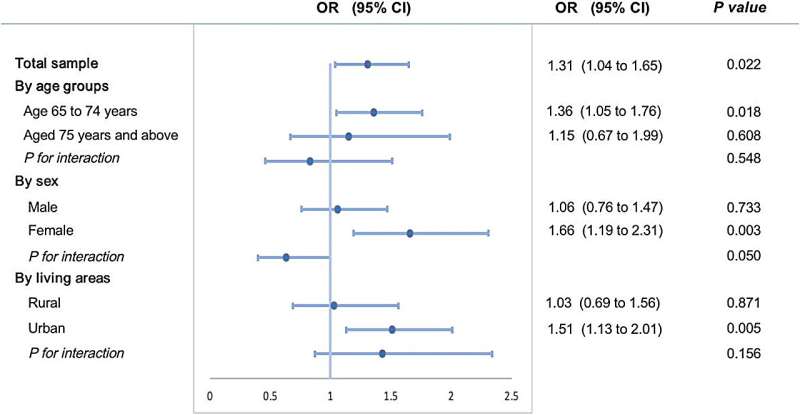
The effect of 5G policies on self-rated health and heterogeneity across age groups, gender, and living areas among older adults. A number of covariates, including age, province, living areas, marriage status, income, employment, chronic disease, depression and health-related behaviors were controlled for in the total sample analysis and in the subgroup analysis. Credit: Global Transitions (2023). DOI: 10.1016/j.glt.2023.08.002

The health effects of 5G development

Our findings revealed that the development of 5G significantly increased the SRH of older adults. After the enactment of the 5G policies, the probability of self-rated good health increased by 31% for each unit increase in the development level of 5G policies. And there were notable disparities in age group, gender and living areas.

The improvement effect of the 5G policies on SRH was intensified in the younger cohort, those aged 65 to 74 years, females, and those living in urban areas. The probability of self-rating good health of older adults aged 75 years and above, males, and those living in rural areas also increased after being exposed to the 5G policies but was not statistically significant.

Public health facilitated by technological development

To the best of our knowledge, our study provides novel insights into the impact of 5G development on the SRH of older adults for the first time. The findings are that 5G development has a positive effect on the SRH of older adults and SRH is found to be particularly improved in the 65- to 74-year-old groups, female groups, and urban participants.

The introduction of 5G policy provides a micro-opportunities and a macro-environment for older adults to promote their health status. At the micro level, 5G enables more older adults to use smart devices and access the internet, facilitating access to health information and promoting social participation. At the macro level, 5G-related application in the medical and health care industry contributes to meeting the medical and health needs of the older adults.

However, considering the heterogeneity, some older adults are in the economic, health and digital divide at the same time, and the gap between them and the older adults who occupy the advantage of digital resources is gradually increasing with the trend of technology development. Target measures should be adopted to avoid worsening inequality and improve the health of all older adults.

We hope that the fast penetration of digital technologies such as 5G will facilitate and scale up the innovations that can create and spread health, allowing public health to fulfill it vision of everyone, regardless of gender and age, being able to enjoy a healthy life at last.

More information: Huameng Tang et al, The effect of 5G policy development on self-rated health among Chinese older adults: A quasi-experimental study, Global Transitions (2023). DOI: 10.1016/j.glt.2023.08.002