Sunday, May 16, 2021


What is repetitive transcranial magnetic stimulation and how does it actually work?

What is repetitive transcranial magnetic stimulation and how does it actually work?
Credit: www.shutterstock.com

A line in this week's federal budget allocating A$288.5 million to repetitive transcranial magnetic stimulation (rTMS) therapy might pass most people by.

16 may 2021--This is a brain stimulation technique that's been used to treat conditions such as depression for almost ten years in Australia, but which has not been funded through Medicare and so has had very limited availability.

Soon, it will be available on the Medicare Benefits Schedule for people with depression that hasn't responded to other treatments, funding I've led applications for since 2012, and treatment I provide.

While we know rTMS can work, and is generally safe, we're not entirely sure how it works. Here's what the evidence says so far.

What is it?

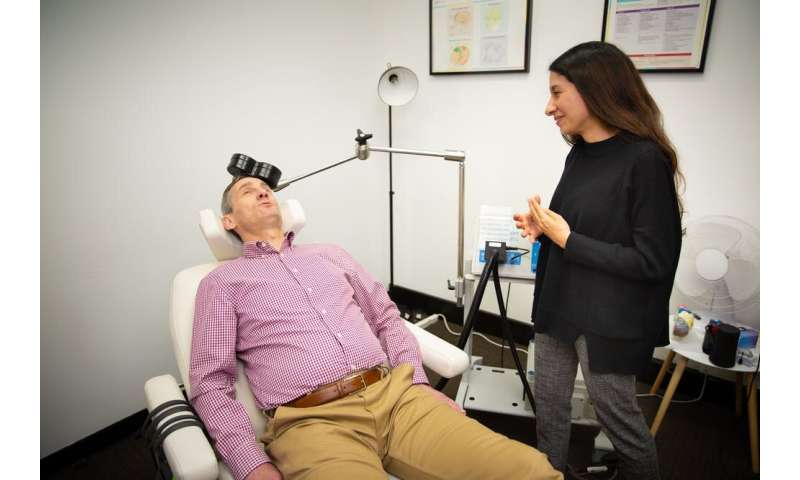
In rTMS, a machine produces and applies a highly targeted, pulsed magnetic field to a specific area of the brain, towards the front, known as the prefrontal cortex. This is an area we believe isn't working normally in people with depression.

During treatment, an electrical current passes through an electromagnetic coil held near the scalp to stimulate the nerve cells.

The person sits in a comfortable chair, awake and alert during treatment. It's quite different from electroconvulsive therapy (ECT, the modern version of shock treatment). Unlike ECT, rTMS does not involve producing a seizure and does not require the person to be asleep and under an anesthetic.

How does it work?

We know repeated rTMS stimulation, over the course of weeks, increases nerve activity in the area under the coil. It also changes the strength of connections between different areas of the brain. This is thought to help restore the normal interaction between brain regions, although these ideas are still theoretical and definitely not proven.

Antidepressant medications may act in similar ways, but less directly. The chemicals they affect can influence brain function quite widely: tuning activity or connectivity in brain circuits up or down. rTMS probably does this more directly. By directly making nerve cells fire we can directly change their activity levels. These more direct actions could possibly explain why rTMS may work in some people who have not responded to medication.

Trials show rTMS treatments result in a gradual improvement in depression. A person's mood will slowly lift, usually over the course of several weeks, they will become more interested in things, sleep better, be more motivated and have more energy.

In people who respond, depression can go away for several months up to many years. If depression returns, most people will get better again with further treatment.
What is repetitive transcranial magnetic stimulation and how does it actually work?
People are awake and alert during rTMS treatment. Author provided

Does it work? Is it safe?

Evidence collected over the past 25 years and collated shows rTMS is a safe and effective treatment for people with treatment-resistant depression. These are the 30-40% of people diagnosed with depression who have tried antidepressant medications, usually two or more, and haven't seen any or sufficient relief. They have persistent, ongoing depression with major effects on their ability to function, work and lead normal family lives.

The treatment is usually well-tolerated. Although some people experience a strong tapping sensation on the scalp, scalp pain during treatment, or a headache afterwards.

Some 25 years of research have failed to identify any long-term negative consequences. People are much more likely to experience significant side-effects with  than with rTMS.

Studies have also compared the effectiveness of rTMS with other treatments, such as different medications. This study, written by authors from the pharmaceutical industry, only reports the benefits of medications in the study abstract but rTMS was clearly the superior intervention on outcomes across the full analysis.

Finally, research including more than 5,000 people having the treatment shows it provides meaningful and valuable clinical benefits in the real world, outside clinical trials.

This treatment isn't perfect

Like many medical treatments, rTMS is not perfect. We are trying to develop ways to improve outcomes by better individualizing the treatment. For example, we are trying to better understand the exact spot to target in the brain and how to match the frequency of stimulation to an individual person's pattern of  activity.

We're also trying to get around one of the biggest issues: its relative inefficiency.

A course of rTMS typically involves going to a clinic for a 30-minute treatment session, five days a week, for up to six weeks, which is time-consuming and requires a significant commitment. We are working to make the application less time-consuming and potentially shorten the duration of therapy.

One of the most significant implications of the government funding of rTMS therapy through Medicare is that it will become more widely available, including in outer suburban and rural areas.

The funding will take some months to be implemented but once available will be accessible by a referral from a GP or psychiatrist.



Provided by The Conversation 

Saturday, May 15, 2021


Study finds that obesity drug semaglutide supresses appetite, food cravings and energy intake

appetite
Credit: Unsplash/CC0 Public Domain

New research presented at this year's European Congress on Obesity (held online, 10-13 May) shows that the obesity drug semaglutide reduces appetite, food cravings and energy intake in people given a meal where they could eat as much as they liked. The study is by Dr. Dorthe Skovgaard, Novo Nordisk A/S (the manufacturer of the drug), Søborg, Denmark, and colleagues.

15 may 2021--Semaglutide, in the glucagon-like peptide-1 (GLP-1) analogue drug class, is currently available at the dose of 1.0 mg injected once weekly for the treatment of type 2 diabetes and is under development for chronic weight management at the dose 2.4 mg injected once weekly. It is currently not approved for obesity anywhere in the world, however new drug applications are under review by the US Food and Drug Administration (FDA), the European Medicines Agency (EMA), and other health agencies across the world.

The STEP trials, that have been published in various journals over the past year, have established the efficacy and safety of semaglutide 2.4 mg to treat people living with obesity. Semaglutide lowers body weight by reducing appetite and hunger, increasing satiety, reducing food cravings, altering  preferences and reducing energy intake. GLP-1 receptor agonists can lead to delays in gastric emptying, which may be important for the uptake of other drugs.This trial investigated the effect of semaglutide 2.4 mg on gastric emptying, energy intake, appetite and control of eating in subjects with obesity.

Adults aged 18-65 years, with a body mass index (BMI) 30-45 kg/m² (with various stages of obesity) and without type 2 diabetes, were randomised in a double-blind, parallel-group trial to treatment with semaglutide 2.4 mg (dose gradually escalated: 0.25, 0.5, 1.0 and 1.7 mg for 4 weeks each; 2.4 mg for 5 weeks) or placebo. The dose of semaglutide was gradually scaled up, as is standard to improve gastrointestinal tolerability.

Gastric emptying (using a standard test called the paracetamol absorption test, 1.5 g paracetamol given with a standardised breakfast) was assessed during in-house visits at baseline and week 20.

Postprandial (after-meal) appetite was evaluated using standard tests called visual analogue scales pre-meal and following a standardised breakfast, followed by assessment of energy intake during a lunch in which participants could freely choose how much they ate (an 'ad libitum' lunch). Control of eating and food cravings were evaluated by the Control of Eating Questionnaire (CoEQ) - a questionnaire to assess the severity and type of food cravings an individual experiences over the previous 7 days. Safety was also evaluated.

In total, 72 subjects were randomised (44 males, mean age 42.8 years, BMI 34.4 kg/m²); 70 completed the study. There was no evidence of delayed gastric emptying at week 20, as assessed indirectly via paracetamol absorption. Mean energy intake during the ad libitum lunch test meal at week 20 was 35% lower with semaglutide 2.4 mg vs placebo (1736 vs 2676 kJ); estimated treatment difference 940 kJ, both statistically significant findings.

The overall appetite score showed significant reduction in appetite with semaglutide 2.4 mg vs placebo; individual appetite components showed significant reductions in 'hunger' and 'prospective food consumption' and increases for 'fullness' and 'satiety'. In general, CoEQ indicated fewer and weaker food cravings, notably reduced cravings for savoury foods and better control of eating with semaglutide 2.4 mg vs placebo. All results detailed here were statistically significant. No new safety signals were seen.

The authors conclude: "In subjects with obesity, semaglutide 2.4 mg suppressed appetite and reduced the frequency and strength of food cravings. Energy intake during a lunch at week 20 in which participants were free to eat as much as they wanted was 35% lower with semaglutide 2.4 mg vs placebo. There was also no clinically relevant effect on gastric emptying with semaglutide 2.4 mg at steady state, measured by paracetamol uptake."

They add: "Control of appetite and reduced frequency and strength of food cravings are important for weight management in people living in obesity, especially in a society which promotes unhealthy lifestyles and overeating."


More information: Martin Friedrichsen et al. The effect of semaglutide 2.4 mg once weekly on energy intake, appetite, control of eating, and gastric emptying in adults with obesity, Diabetes, Obesity and Metabolism (2020). DOI: 10.1111/dom.14280
Provided by European Association for the Study of Obesity

Saturday, May 08, 2021


Does eating a Mediterranean diet protect against memory loss and dementia?

mediterranean diet
Credit: CC0 Public Domain

Eating a Mediterranean diet that is rich in fish, vegetables and olive oil may protect your brain from protein build up and shrinkage that can lead to Alzheimer's disease, according to a new study. The research is published in the May 5, 2021, online issue of Neurology.

08 may 2021--The study looked at abnormal proteins called amyloid and tau. Amyloid is a protein that forms into plaques, while tau is a protein that forms into tangles. Both are found in the brains of people with Alzheimer's disease but may also be found in the brains of older people with normal cognition.

The Mediterranean diet includes high intake of vegetables, legumes, fruits, cereals, fish and monounsaturated fatty acids such as olive oil, and low intake of saturated fatty acids, dairy products and meat.

"Our study suggests that eating a diet that's high in unsaturated fats, fish, fruits and vegetables, and low in dairy and red meat may actually protect your brain from the protein build-up that can lead to memory loss and dementia," said study author Tommaso Ballarini, Ph.D., of the German Center for Neurodegenerative Diseases (DZNE) in Bonn, Germany. "These results add to the body of evidence that show what you eat may influence your memory skills later on."

The study looked at 512 people. Of those, 169 were cognitively normal, while 343 were identified as being at higher risk of developing Alzheimer's disease.

Researchers looked at how closely people followed the Mediterranean diet based on their answers to a questionnaire asking how much they ate of 148 items over the previous month. People who often ate healthy foods typical of the Mediterranean diet, like fish, vegetables and fruit, and only occasionally ate foods non-typical of the Mediterranean diet, like red meat, received the highest scores, for a maximum score of nine.

Cognitive skills were assessed with an extensive test set for Alzheimer's disease progression that looked at five different functions, including language, memory and executive function. All the participants had brain scans to determine their brain volume. In addition, the spinal fluid of 226 was tested for amyloid and tau protein biomarkers.

Researchers then looked at how closely someone followed the Mediterranean diet, and the relationship to both their brain volume, tau and amyloid biomarkers, and cognitive skills.

After adjusting for factors like age, sex and education, researchers found that in the area of the brain most closely associated with Alzheimer's disease, every point lower people scored on the Mediterranean diet scale was equal to almost one year of brain aging.

When looking at amyloid and tau in people's spinal fluid, those who did not follow the diet closely had higher levels of biomarkers of amyloid and tau pathology than those who did.

When it came to a test of memory, people who did not follow the diet closely scored worse than those who did.

"More research is needed to show the mechanism by which a Mediterranean diet protects the brain from protein build up and loss of brain function, but findings suggest that people may reduce their risk for developing Alzheimer's by incorporating more elements of the Mediterranean diet into their daily diets," Ballarini said.

A limitation of the study is the fact that people's diets were self-reported in the questionnaire. People may have made errors recalling exactly what and how much they ate.


More information: Mediterranean Diet, Alzheimer Disease Biomarkers and Brain Atrophy in Old Age, Ballarini et al., Neurology (May 2021), DOI: doi.org/10.1212/WNL.0000000000012067
Provided by American Academy of Neurology 

Wednesday, May 05, 2021


USPSTF: Evidence lacking for use of vitamins for CVD, cancer prevention

USPSTF: evidence lacking for use of vitamins for CVD, cancer prevention

05 may 2021--The U.S. Preventive Services Task Force (USPSTF) concludes that evidence is currently insufficient for determining the benefits and harms of most single or paired and multivitamin supplements but recommends against use of beta-carotene and vitamin E for prevention of cardiovascular disease (CVD) and cancer. These findings form the basis of a draft recommendation statement published online May 4.

Elizabeth A. O'Connor, Ph.D., from the Kaiser Permanente Evidence-Based Practice Center in Portland, Oregon, and colleagues examined the benefits and harms of vitamin and mineral supplementation for preventing CVD and cancer among healthy adults. Data were included from 78 studies, with 694,084 participants. The researchers found that compared with placebo, vitamin D, with or without calcium, was associated with a  for all-cause mortality (odds ratio, 0.94; 95 percent confidence interval, 0.89 to 1.00) and cancer mortality (odds ratio, 0.88; 95 percent confidence interval, 0.79 to 0.97). Beta-carotene, with or without vitamin A, was associated with an increased risk for cardiovascular mortality and lung cancer (odds ratios [95 percent confidence intervals], 1.10 [1.02 to 1.19] and 1.20 [1.01 to 1.42]). Clear evidence suggested that vitamin E offered no benefit for all-cause mortality, CVD events, and cancer. Multivitamins, vitamin A, vitamin C, calcium, and selenium also had no effect on all-cause mortality, CVD, or cancer.

Based on these findings, the USPSTF recommends against use of beta-carotene or vitamin E supplements for prevention of CVD or cancer (D recommendation). With respect to other multivitamin supplements and single or paired nutrient supplements, the current evidence is insufficient for assessing the balance of benefits and harms of use for the prevention of CVD or  (I statement).

The draft recommendation statement and evidence review have been posted for public comment. Comments can be submitted from May 4 through June 1, 2021.

More information: Draft Evidence Review
Draft Recommendation Statement
Comment on Recommendation Statement


Monday, May 03, 2021


Pulse oximeters more useful in COVID screening for older adults

oxygen
Credit: Pixabay/CC0 Public Domain

People have become accustomed to having their temperature checked during the pandemic because fever is a key indicator of COVID-19. A new commentary by Washington State University College of Nursing Associate Professor Catherine Van Son and Clinical Assistant Professor Deborah Eti proposes that taking a temperature is a less useful indicator of infection in older adults and that a pulse oximeter be used instead.

The paper, published in Frontiers in Medicine, said baseline temperatures are lower in older adults. A lower baseline temperature means a fever may be overlooked using the CDC's standard definition of 100.4 degrees Fahrenheit or greater.

"In fact," the paper says, "upwards of 30% of older adults with serious infections show mild or no fever."

Other common signs of COVID may also be dismissed and attributed to aging, such as fatigue, body aches and loss of taste or smell.

Additionally, some COVID-19 patients have no visible signs of having low oxygen levels, such as shortness of breath, yet have oxygen saturation below 90%. Such asymptomatic hypoxia can be associated with extremely poor outcomes.

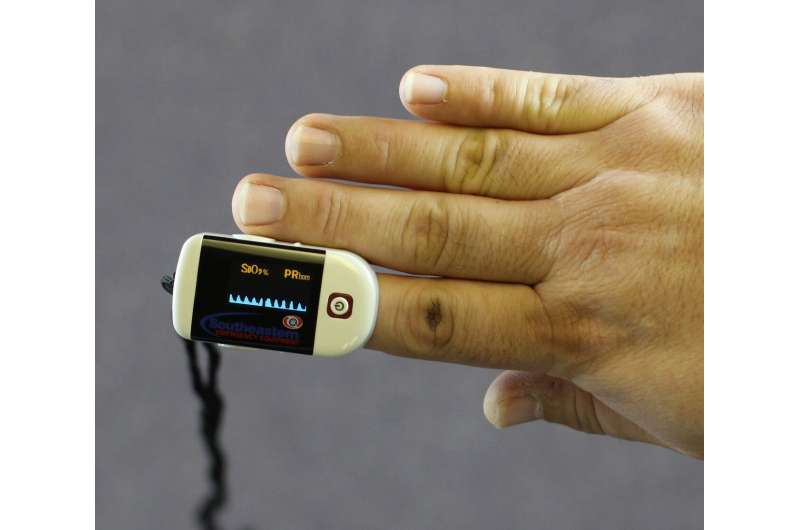
Van Son and Eti say inexpensive, portable pulse oximeters should be considered for wide use in COVID-19 screenings of older adults because the devices can detect changes in oxygen saturation without other indications of infection.

"Detecting (asymptomatic hypoxia) is critical for the prevention of infection progression and initiating treatment," they wrote. "Earlier interventions could help patients avoid highly invasive procedures (i.e., intubation) and improve the allocation of scarce healthcare resources."


More information: Catherine R. Van Son et al, Screening for COVID-19 in Older Adults: Pulse Oximeter vs. Temperature, Frontiers in Medicine (2021). DOI: 10.3389/fmed.2021.660886
Provided by Washington State University 


International task force determines current Parkinson's disease subtyping may not fit all patients

Parkinson's disease
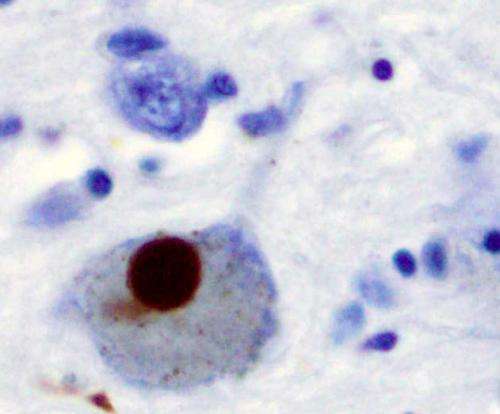
Immunohistochemistry for alpha-synuclein showing positive staining (brown) of an intraneural Lewy-body in the Substantia nigra in Parkinson's disease. Credit: Wikipedia

The clinical presentation and underlying biology of Parkinson's disease (PD) varies significantly, but attempts to cluster cases into a limited number of subtypes have questionable applicability and relevance, reports the international Task Force for PD Subtypes in the Journal of Parkinson's Disease. Their systematic review of studies reporting a subtyping system for the first time concludes that new approaches are needed that acknowledge the individual nature of the disease and are more aligned with personalized medicine.

03 may 2021--In 2018, the International Parkinson's Disease and Movement Disorders Society (MDS) convened the Task Force for PD Subtypes to critically appraise available PD subtyping studies and to provide guidance for the design and conduct of future studies.

"Subtyping of PD attempts to explain the disease mechanisms, its natural history and, more importantly, to inform therapeutic development, which has justified a large number of studies by different groups over the last 30 years. However, the impact of such efforts remains unclear. They have failed to substantially change the understanding of PD or clinical care thus far. Our current review critically appraises the state of the art in PD subtyping," explained lead authors Tiago A. Mestre, MD, Ph.D., Parkinson's Disease and Movement Disorders Center, Division of Neurology, Department of Medicine, The Ottawa Hospital Research Institute, and Connie Marras, MD, Ph.D., Edmond J. Safra Program in Parkinson's Disease and the Morton and Gloria Shulman Movement Disorders Clinic, Toronto Western Hospital, University Health Network.

The Task Force conducted a systematic review of PD subtypes presented in 38 studies divided into two publication periods (1980-2014 and 2015-2019), which yielded a balanced distribution of included studies into a more recent group representing the current state of the field and older studies to test for temporal trends. They also compared two subtyping methodologic approaches (data-driven versus hypothesis-driven) and critically assessed the methodologic quality and clinical applicability of each study.

The clinical and biological signature of PD may be unique to the individual, rendering PD resistant to meaningful cluster solutions. This review revealed that subtyping studies undertaken to date have significant methodologic shortcomings, and most had questionable clinical applicability and unknown biological relevance. Twenty-six of the studies were cross-sectional and used a data-driven approach. Nonclinical biomarkers were rarely used. Motor characteristics were most commonly reported to differentiate PD subtypes. Most of the studies did not achieve high ratings across a Methodologic Quality Checklist. In a Clinical Applicability Checklist, the clinical importance of differences between subtypes, potential treatment implications, and applicability to the general population were rated poorly, and subtype stability over time and prognostic value were largely unknown.

Quality ratings revealed clear areas for improvement. More extensive use of longitudinal data was regarded as critical for gaining a better understanding of the stability of proposed subtypes and their prognostic value. Although historically, there is a paucity of longitudinal studies, the Task Force found that the use of longitudinal data to define or evaluate subtypes was more common in the last five years due to the public availability of large datasets. They noted that only one study had used longitudinal profiling as the basis for defining subtypes, incorporating data on the evolution of clinical or biological features across time into the definition of subtypes.

The Task Force proposed that serial cluster analyses could provide data about the stability of proposed subtypes and the influence of disease duration on their characteristics. Such approaches could provide additional prognostic value, using information about the early evolution of disease to inform later prognosis or underlying biology.

Contemporary medicine is increasingly focusing on personalized treatment, which extends to patients with PD, noted the Task Force. Subtyping places individuals in groups with similar but not identical features. While this may represent an important step toward identifying individuals who can respond preferentially to certain treatments, placing individuals within a group will inevitably fall short of the truly "personal" goal.

Many of the recommendations in this review could apply to future studies in which the unit of measure is the individual's disease fingerprint rather than the group phenotype, acknowledged the Task Force, while recognizing that such an individual approach poses financial and logistical challenges which will have to be overcome when it comes to clinical trials.

"Having reviewed the existing literature on subtyping and explored the methodologic pitfalls and challenges associated with performing the optimal subtyping studies described above, it is time to reevaluate our approach to understanding and describing PD heterogeneity," commented Dr. Mestre and Dr. Marras. "We have provided recommendations and formulated questions that, once addressed, will inform new approaches to better explain the variability in PD including emphasis on the variability at an individual level, more aligned with future application of personalized medicine principles."

PD is a slowly progressive disorder that affects movement, muscle control, and balance and is characterized by a broad range of motor and non-motor symptoms. It is the second most common age-related neurodegenerative disorder affecting about 3% of the population by the age of 65 and up to 5% of individuals over 85 years of age.


More information: Tiago A. Mestre et al, Parkinson's Disease Subtypes: Critical Appraisal and Recommendations, Journal of Parkinson's Disease (2021). DOI: 10.3233/JPD-202472
Provided by IOS Press 


Study: Older adults found resilience during pandemic through community, human connection

older adults
Credit: CC0 Public Domain

Older adults were significantly affected by isolation and stress during Oregon's initial COVID-19 lockdown last spring, but they were also able to find connection and meaning in community, new hobbies and time for themselves, a recent Oregon State University study found.

03 may 2021--If resilience is understood as the ability to see positives in the midst of a negative situation, then many of the study's participants demonstrated resilience during that time, the researchers said.

"A lot of times we think about resilience as a personality trait, and it's true that there are some qualities that may help people experience that. But in the end, resilience is something that is shared," said Heidi Igarashi, first author on the study and a recent doctoral graduate of OSU's College of Public Health and Human Sciences. "One of the things that came out in our study was the degree to which the people-connection was really significant."

The study, published in the Journals of Gerontology: Psychological Sciences, surveyed 235 adults ages 51 to 95 about their experiences from April 28-May 4, 2020, when Oregon's statewide stay-at-home order had been in place for about a month.

The online survey asked participants about recent and ongoing difficulties in their lives caused by COVID-19, as well as recent positive experiences.

People shared experiences at the personal, interpersonal and societal levels. Personal difficulties included the stress of constant vigilance around ensuring safety in everyday activities, as well as fear of death and uncertainty about the future. Interpersonal challenges included social isolation, lack of physical contact and fear for loved ones' health. Societal stressors were centered on lack of scientific leadership and concerns for the community at large.

While 94% of participants listed difficulties, roughly 63% shared positive experiences. At the personal level, these included things like trying new projects—gardening, cooking—and increased gratitude for the simpler, slower pace of life. Interpersonal joys were found in new friendships or reconnecting with old friends, and in people caring for one another. At the societal level, some noted the benefit to the environment from people driving less and the sense of increased community solidarity.

Older adults took comfort in seeing neighbors and friends taking care of each other, while simultaneously adding to community resilience by looking after friends and neighbors themselves and joining group efforts like mask-sewing drives, said co-author Carolyn Aldwin, the Jo Anne Leonard Endowed Director of the Center for Healthy Aging Research at OSU.

"It's a mistake to think of older adults as just being sort of victims during COVID," Aldwin said. "They're a lot more resilient than we think they are, and they're important for the community."

Many of the survey respondents engaged in Zoom calls with family and friends, enjoyed time spent in nature and finally finished projects that had been sitting in the closet or garage.

Retired folks had a harder time than those who are employed because the lockdown was more disruptive to their routine, including closing off regular volunteer opportunities because of older adults' high-risk status. But some respondents reported feeling relief at being able to focus on themselves for a change, with pursuits like meditation and journaling, rather than spending all their time caring for other people.

The study was conducted via internet survey, which affected response rates; the majority of participants were white, female, retired and highly educated, as opposed to the racial, ethnic and socioeconomic groups that have been hardest hit by COVID-19 infections and death, the researchers said.

But Aldwin cautions against assumptions about resilience among less-advantaged groups. While they may have experienced more loss and financial distress, a key factor in resilience is being able to find purpose in life, which can occur through helping others.

"There's this meaning that's found in caregiving, a reason for living, where our study group often didn't have these demands on them, and they were feeling a lack of sense of meaning," she said. "If you're the person who's holding the family together during this crisis, that's a source of meaning. Clearly we would have seen more loss and more difficulty, but we also might have seen sources of resilience that we didn't see in the study group."

More information: Heidi Igarashi et al, Resilience in Older Adults During the COVID-19 Pandemic: A Socioecological Approach, The Journals of Gerontology: Series B (2021). DOI: 10.1093/geronb/gbab058
Provided by Oregon State University 


Doctors overestimate risk leading to over-diagnosis, overtreatment, study finds

doctor
Credit: CC0 Public Domain

Primary care practitioners often over-estimate the likelihood of a patient having a medical condition based on reported symptoms and laboratory test results. Such overestimations can lead to overdiagnosis and overtreatment, according to a recent study conducted by researchers at the University of Maryland School of Medicine (UMSOM) published in JAMA Internal Medicine.

03 may 2021--"A large gap exists between practitioner estimates and scientific estimates of the probability of disease," said study leader Daniel Morgan, MD, a Professor of Epidemiology & Public Health at UMSOM. "Practitioners who overestimate the probability of disease might use that overestimation when deciding whether to initiate therapy, which could lead to the overuse of risky medications and procedures."

To conduct the study, Dr. Morgan and his colleagues surveyed 553 primary health practitioners, including residents, attending physicians, nurse practitioners and physician assistants, in Maryland and seven other states. Survey respondents were asked to determine how well they could estimate the risk of four well-known health conditions based on hypothetical diagnostic scenarios. The researchers found, based on symptoms and test results, that health care providers significantly overestimated the likelihood of conditions. For example, health care providers, on average, estimated a 70 percent likelihood of cardiac ischemia in patients who had a positive finding on a stress test. In reality, based on evidence from medical studies, the real likelihood of cardiac ischemia is 2 to 11 percent.

The study also found that survey respondents estimated a 50 percent risk of breast cancer after a positive finding on a mammogram when evidence suggests 3 to 9 percent chance of breast cancer. They estimated an 80 percent likelihood of a urinary tract infection from a positive urine culture, and the vast majority of survey respondents said they would treat with antibiotics in these cases. The real risk of a UTI with a positive urine culture, however, is at most 8 percent.

"Solving this problem is not about asking health care providers to memorize numbers or practice math in order to improve their understanding of risks," Dr. Morgan said. "We should, however, use probability and better utilization of decision-making tools to help them make better estimates."

He developed a free tool called Testing Wisely, funded by the National Institutes of Health, that is designed to improve clinician understanding and ordering of diagnostic tests to make patient care safer. The site also includes a risk calculator to assess patients' symptoms, exposure, and local positivity rates where they live to calculate their individual risk of having COVID-19.

"Informed medical decision-making is incredibly important, and physicians should have access to tools that make their job easier and improve patient safety," said E. Albert Reece, MD, Ph.D., MBA, Executive Vice President for Medical Affairs, UM Baltimore, and the John Z. and Akiko K. Bowers Distinguished Professor and Dean, University of Maryland School of Medicine. "This study demonstrates the need for better decision-making tools to help healthcare providers provide the best possible care to their patients."


More information: Daniel J. Morgan et al, Accuracy of Practitioner Estimates of Probability of Diagnosis Before and After Testing, JAMA Internal Medicine (2021). DOI: 10.1001/jamainternmed.2021.0269
Provided by University of Maryland School of Medicine 


For deprescribing medications, what the doctor says is key

medication
Credit: Unsplash/CC0 Public Domain

When an older patient no longer needs a medication or requires less dosage, doctors may consider "deprescribing" the medicine. Deprescribing enables clinicians to stop or reduce medications that are no longer beneficial or may even be harmful for a patient.

03 may 2021--However, getting people to change their habits—especially the regimens for taking medications—may require doctors and other health care providers to think carefully about how they communicate deprescribing.

In a recent study, Johns Hopkins Medicine researchers examined the ways older patients prefer to get this communication, finding that "how it's said" can determine the success or failure of the process.

A report on the findings was published April 5, 2021, in JAMA Network Open.

"We tested targeted language that providers could use when suggesting patients stop potentially harmful medications," says study lead author and geriatrician Ariel Green M.D., M.P.H., Ph.D., assistant professor of geriatric medicine at the Johns Hopkins University School of Medicine.

Green and the research team say medicines that were helpful at one stage of life may be harmful or unnecessary at another stage of life. The language used by providers when reducing or stopping medications can help patients and their loved ones make better-informed decisions.

In the study, the researchers shared two scenarios with 835 adults age 65 and older related to medication regimens. One scenario involved a patient taking a statin or a cholesterol-lowering medication to prevent problems such as heart attacks or strokes, and the other scenario involved a sleeping pill being taken for the bothersome, but not life-threatening, symptom of insomnia.

The findings showed that patients were more likely to agree to stop taking the statin medication and the sleeping pill when doctors mentioned that the risk of side effects increased as a result of aging and co-existing health problems. In contrast, patients were less likely to agree to stop taking the statin when doctors used a phrase such as, "I think we should focus on how you feel now rather than thinking about things that might happen years down the road." They also were more hesitant to stopping the sleeping pill when told, "This medicine is unlikely to help you function better."

The study was conducted between March and April 2020. The average age of survey participants was 73 years old; 50% of participants were women; and 80% identified as white. Of the participants surveyed, 59% had personally taken a statin and 15% had taken a sleeping pill. Study participants were asked to choose from seven different phrases that a clinician could use to explain a recommendation for deprescribing.

The research team is currently developing and testing several interventions to improve prescribing—and deprescribing—medications for older adults in primary care, especially people living with memory problems or dementia. The current study shows that these interventions incorporate key language and rationales that improve the effectiveness of communication about medication use and deprescribing among older adults, their families and doctors.

More information: Ariel R. Green et al. Assessment of Patient-Preferred Language to Achieve Goal-Aligned Deprescribing in Older Adults, JAMA Network Open (2021). DOI: 10.1001/jamanetworkopen.2021.2633

Thursday, April 29, 2021


Fish oil supplements linked with heart rhythm disorder

omega 3
Credit: CC0 Public Domain

Omega-3 supplements are associated with an increased likelihood of developing atrial fibrillation in people with high blood lipids. That's the finding of a study published today in European Heart Journal—Cardiovascular Pharmacotherapy, a journal of the European Society of Cardiology (ESC).

29 april 2021--"Currently, fish oil supplements are indicated for patients with elevated plasma triglycerides to reduce cardiovascular risk," said study author Dr. Salvatore Carbone of Virginia Commonwealth University, U.S. "Due to the high prevalence of elevated triglycerides in the population, they can be commonly prescribed. Of note, low dose omega-3 fatty acids are available over the counter, without the need for a prescription."

Some clinical trials have suggested that omega-3 fatty acids may be associated with an increased risk for atrial fibrillation, the most common heart rhythm disorder. People with the disorder have a five times greater likelihood of having a stroke.

These studies tested different formulations of omega-3 fatty acids at different doses. The authors therefore performed a comprehensive meta-analysis of randomized controlled trials to answer the question of whether fish oils were consistently related to a raised risk for atrial fibrillation.

The analysis included five randomized controlled trials investigating the effects of omega-3 fatty acid supplementation on cardiovascular outcomes. Participants had elevated triglycerides and were either at high risk for cardiovascular disease or had established cardiovascular disease. A total of 50,277 patients received fish oils or placebo and were followed up for between 2 and 7.4 years. The dose of fish oils varied from 0.84 g to 4 g per day.

The researchers found that omega-3 fatty acid supplementation was associated with a significantly increased risk for atrial fibrillation compared to placebo with an incidence rate ratio of 1.37 (95% confidence interval 1.22-1.54; p<0.001).

Dr. Carbone said: "Our study suggests that fish oil supplements are associated with a significantly greater risk of atrial fibrillation in patients at elevated cardiovascular risk. Although one clinical trial indicated beneficial cardiovascular effects of supplementation, the risk for atrial fibrillation should be considered when such agents are prescribed or purchased over the counter, especially in individuals susceptible to developing the heart rhythm disorder."


More information: Marco Lombardi et al, Omega-3 fatty acids supplementation and risk of atrial fibrillation: an updated meta-analysis of randomized controlled trials, European Heart Journal - Cardiovascular Pharmacotherapy (2021). DOI: 10.1093/ehjcvp/pvab008
Provided by European Society of Cardiology 

Sunday, April 25, 2021


Frequent internet use by older people during lockdown linked to mental health benefits

grandma online
Credit: Unsplash/CC0 Public Domain

A new study from the University of Surrey has found that among people aged 55 to 75 more frequent use of the internet was beneficial for mental health and quality of life under lockdown. Those who used the internet more, particularly for staying in touch with friends and family, were at lower risk of depression and reported a higher quality of life.

25 april 2021--Loneliness and social isolation have been major problems for many under lockdown, and for older peoplein particular.Loneliness raises risk of depression and othernegative health outcomes.In a paper published in the journalHealthcare,researchers from Surrey investigated whether more frequentinternet use in older people helped reduce this risk.

Researchers studied 3,491 individual participants drawn from the English Longitudinal Study of Aging in Summer 2020, whilst social distancing measures were in place across the country. Participants were surveyed on the frequency and type of their internet usage—such as information searching or for communication purposes.

Those who reported using the internet frequently (once a day or more) had much lower levels of depression symptoms and reported higher quality of life compared to those who used the internet only once a week or less. Using the internet for communication was particularly linked to these beneficial effects, suggesting that going online to stay connected with friends and family helped combat the negative psychological effects of social distancing and lockdown in adults aged 55-75.

Conversely,the study found that people who mostly used the internet to search for health-related information reported higher levels of depression symptoms. This might be due to a greater degree of worry triggered by reading COVID-19 and other health-related internet sources.

Dr. Simon Evans, lecturer in neuroscience at the University of Surrey, said: "As social restrictions continue during the COVID-19 pandemic, older people are at greater risk of loneliness and mental health issues. We found that older adults who used the internet more frequently under lockdown, particularly to communicate with others,had lower depression scores and an enhanced quality of life. As theCovid-19 situation evolves, morefrequent internet use could benefit the mental health of older people by reducing loneliness and risk of depression, particular if further lockdowns are imposed in the future."


More information: Anna-Stiina Wallinheimo et al. More Frequent Internet Use during the COVID-19 Pandemic Associates with Enhanced Quality of Life and Lower Depression Scores in Middle-Aged and Older Adults, Healthcare (2021). DOI: 10.3390/healthcare9040393
Provided by University of Surrey 

Saturday, April 24, 2021


3 doses, then 1 each year: Why Pfizer, not AstraZeneca, is best for the long haul

vaccine
Credit: Pixabay/CC0 Public Domain

Last week, the chief executive of Pfizer said anyone who receives its COVID-19 vaccine will probably need to have a third dose within 6-12 months after being fully immunized, and then likely one dose every year going forward.

24 April 2021--We'll need these because it's likely that, for many of us, immunity will begin to wane within that time frame. The vaccine will also need to be tweaked to cover new coronavirus variants as they emerge.

The advantage of mRNA vaccines like Pfizer's is they're much easier to update than the "viral vector" vaccines like AstraZeneca's. We should still use AstraZeneca now for over-50s, but our best long-term strategy is to use mRNA COVID-19 vaccines, and therefore to develop the capacity to manufacture them here in Australia.

Immunity to coronaviruses doesn't last

We know our immunity to different coronaviruses wanes over time. This is true for the four common cold (endemic) coronaviruses that circulate all the time—there are always sufficient numbers of people who have lost their immunity to ensure these viruses can persist and continue to cause respiratory illnesses.

Our immunity to SARS-CoV-2, the virus that causes COVID-19, also seems to wane quickly, although the rate at which this happens can be quite variable. Data suggest immunity acquired from the Pfizer shot is pretty robust for six months, but it isn't clear how quickly our immunity is lost after that. However, it's reasonable to predict that within 12 months of a population being vaccinated, a substantial number of people will have likely lost protection against SARS-CoV-2. This will particularly be the case if the prevalent SARS-CoV-2 strain circulating at that time is substantially different from the virus against which people were originally vaccinated.


This relates to the fact that some coronavirus variants have mutations that reduce the effectiveness of vaccine-induced immunity. They've been described as "variants of concern" and include a virus that originated in South Africa, which has reduced the efficacy of both the AstraZeneca and Pfizer vaccines. As the pandemic surges around the world, more variants will certainly crop up.

Both waning immunity and viral variants will conspire to reduce our protection over time. So we'll need booster shots, ideally updated to deal with the viral variant that poses the greatest threat.

Using AstraZeneca is not our best long-term solution

I understand why Australia's government originally prioritized getting the AstraZeneca vaccine. It's easier to manufacture, store and distribute. It made sense in the early stages of the pandemic. And it's still an effective vaccine that people, here and abroad, should be receiving as soon as possible—any immunity is better than none and you will certainly be protected from severe COVID-19.

But as time goes on, using the AstraZeneca shot isn't the best long-term strategy.

One reason for this is what immunologists call "vector immunity". The AstraZeneca and Johnson & Johnson vaccines use a viral vector, which is an inactivated (cannot replicate) form of a common type of virus called an "adenovirus". They use this adenovirus as a delivery vehicle to get DNA into our cells to give them the instructions to develop immunity against the coronavirus. However, you can't be repeatedly immunized with this type of vaccine because you'll likely develop immunity to the adenovirus vector (the delivery vehicle) itself. When that happens your  interferes with the delivery vehicle getting into your cells and the effectiveness of these vaccines would erode over time.

What's more, in a very, very small number of people, this viral vector seems to be linked with an extremely rare but serious blood clotting syndrome. In these people, it's thought that a consequence of the immune response to the viral vector is their immune systems make "auto-antibodies". These are antibodies that, in addition to fighting a foreign invader (or targeting the adenovirus-based vector used in the AstraZeneca vaccine), also attack our own cells. In this case, these auto-antibodies are attacking blood cells called platelets, leading to the  and low platelet counts seen in around 1 in 250,000 people vaccinated with the AstraZeneca shot.

There are also clotting concerns with the Johnson & Johnson vaccine, which is also an adenovirus-vector-based vaccine, after six women developed the condition in the United States out of 6.8 million given the shot. However, this link is yet to be proven for this vaccine.

By contrast, mRNA vaccines like Pfizer's (and Moderna's) can be updated much more quickly. Pfizer just needs to rework its RNA sequence to cover variants, which is a minor modification. Nothing changes about the delivery system of the vaccine, so reapproval will likely be much easier. Regulatory bodies have indicated there will be a quick path for approval for vaccines updated for variants.

The mRNA vaccines consist of a lipid-based delivery system that protects the mRNA and gets it into cells. Then, the cells can start manufacturing the spike protein to present to your immune system. There's no protein in the vaccine itself, so there's no chance of developing immunity to the vaccine components.

mRNA vaccines are our best bet going forward

There's a fear among researchers, including myself, that we'll be chasing our tails with these new variants. We'll identify a new variant and set out to update our vaccines against it, but by the time the formulation is updated, approved, manufactured and distributed, we may already be dealing with another variant, or many variants across different locations.

It's absolutely vital Australia develops the ability to make mRNA vaccines onshore, particularly if new variants pop up here or in our region. This will be far more effective than waiting months to get new shots from overseas.

Federal health minister Greg Hunt has indicated Australia is interested in developing this capacity.

Right now, the AstraZeneca vaccine still has a role in Australia's current vaccine strategy. We have it and we can make more of it, so let's get it out there for over-50s as well as give those under 50 the opportunity to make an informed choice to have this vaccine.

So few Australians currently have immunity to the virus, we remain vulnerable to outbreaks. If there are new outbreaks, we would have to rely on lockdowns, masks and other strategies again, and could find ourselves back to where we were last year. And let's not forget people will become ill and some will die. The vaccine rollout is lagging, and we really need to catch up as soon as possible.

But as time goes on, the AstraZeneca vaccine will become less attractive, and mRNA vaccines such as Pfizer's should eventually take its place.


Provided by The Conversation